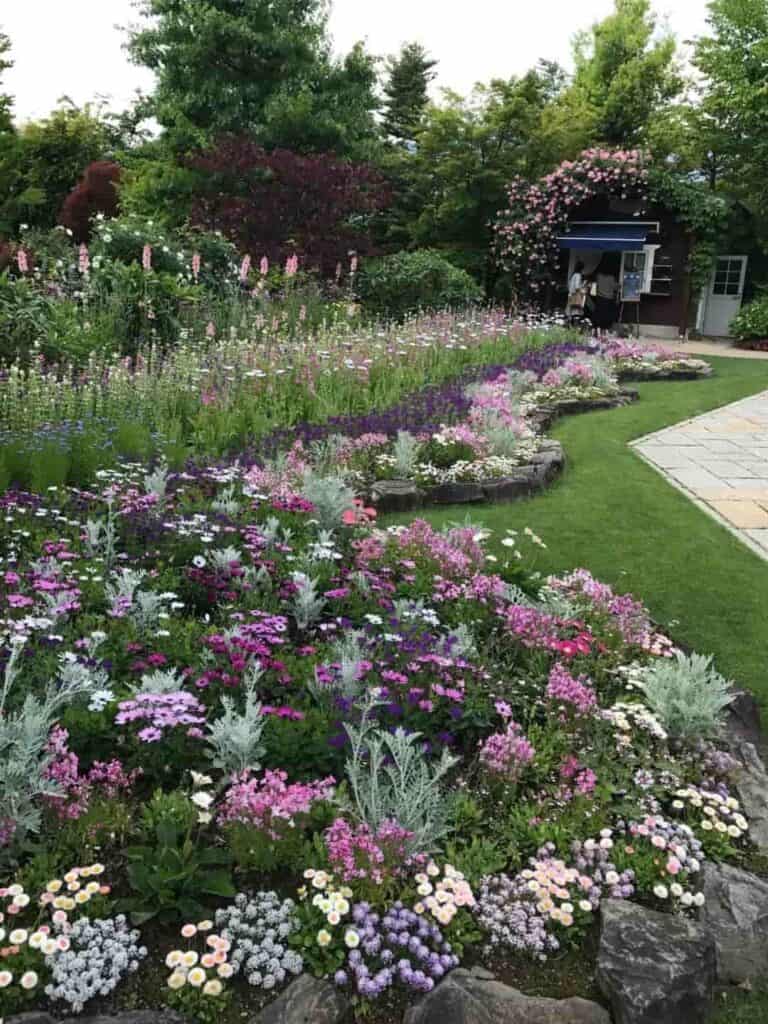
You’re standing in your garden, trowel in hand, a hopeful glint in your eye, and then you see it. Again. The slow, creeping shadow of your house, your neighbor’s ridiculously tall fence, or that majestic oak tree that you love until it turns your vegetable bed into a vampire’s lair by 11 a.m.
You throw your hands up in frustration. “I can’t grow anything! I only get, like, three hours of sun!
My dreams of a homesteader’s paradise are DEAD!”
Sound familiar? I feel you. I’ve been there.
But I’m here to tell you, with the fervor of a garden evangelist, that you are wrong.
Delightfully, wonderfully wrong. That shady patch isn’t a gardening graveyard; it’s a secret, cool-climate oasis waiting to be discovered. You can absolutely have a productive, epic, and delicious garden with only 2-4 hours of sun.
You just need to know what to plant and a few sneaky tricks to maximize what you’ve got.
Understanding Sunlight Levels in Your Garden

Before we charge into the plant list, we need to get our terms straight. Not all shade is created equal.
Let me use my own garden as an example. My main, south-facing raised beds are sun-blasted for 10 hours a day. That’s the VIP lounge.
But my front yard? It’s a different story. It’s blocked by my house for half the day and a neighbor’s building for the other half. It’s the land of the perpetually partially sunny.
So, let’s break it down into three simple categories:
• a. Full Sun (6–8+ hours): This is the gold standard. South-facing beds, no obstructions. Here, you can grow almost anything that isn’t a vampire. Tomatoes, peppers, eggplants, melons—they’ll all party here.
• b. Partial Shade (3–5 hours + dappled light): This is our sweet spot, the focus of this entire guide. This is the light you get in a bed blocked by trees (hello, dappled light!), awnings, or buildings. The sun hits it for a solid chunk of the morning or afternoon, and then it’s in bright shade for the rest. This is your new best friend.
• c. Full Shade (almost no direct sun): I have a spot like this. I call it my “Shady Zen Oasis.”
It’s great for ferns, hostas, and my blood pressure, but for edibles? It’s pretty much a no-go.
Maybe some mint, but only so it can be properly contained by its gloomy prison. We’re not focusing on this.
So, to be crystal clear: this guide is for all you Partial Shade gardeners. You’re the chosen ones for this particular adventure.
12 Shade-Tolerant Crops to Grow
This is the main event. These are the MVPs, the plants that will look at your three hours of sun and say, “Cool, I can work with that.”
1. Spinach

Spinach is basically the opposite of a sunbather. It’s cold-tolerant, shade-friendly, and utterly heat-intolerant.
If you try to grow it in full sun in the summer, it’ll bolt (start flowering) faster than you can say “Popeye.”
But in a shady bed in the summer? It thinks it’s died and gone to a cool, springy heaven. It’s perfect for early spring, fall, or even winter crops in milder climates.
My Pro-Tip: Start the seeds indoors. Spinach seeds can be slower than a Monday morning to germinate, sometimes taking up to two weeks.
Give them a head start in a cozy seed tray, and succession sow every couple of weeks for a continual harvest that will make you forget you ever wanted a sun-scorched tomato.
2. Swiss Chard

If spinach is the reliable sedan, Swiss Chard is the hardy, colorful pickup truck with a “Come and Take It” sticker.
It’s tough, beautiful, and laughs in the face of shade. You can treat it as a “cut and come again” perennial, harvesting the outer leaves for months on end.
Fun Seed Fact: Chard seeds are actually compound seeds, meaning each little “seed” contains multiple embryos.
Don’t be surprised if you get a little clump of seedlings—just thin them out and eat the thinnings!
You can direct sow or start indoors, and the variety is fantastic: ‘Bright Lights’ for a rainbow effect, ‘Fordhook Giant’ for sheer productivity, or ‘Ruby Red’ for a stunning pop of color.
3. Leaf Lettuce

Almost any leaf lettuce variety will do well in the shade. Romaines and crispheads might struggle, but your loose-leaf and butterhead types? They’re thrilled.
The shade actually does them a favor: it slows their growth a bit, which prevents them from getting bitter and bolting. The soil also retains more moisture, preventing heat stress.
My Advice: Choose quick-maturing cultivars (around 35-45 days) and transplant them for a stronger start.
You’ll have a constant supply of tender, sweet salad greens while your full-sun friends are dealing with bitter, bolting messes.
4. Endive & Escarole

These are the underrated, moody artists of the salad world. With a slightly bitter, unique flavor, they add a fantastic complexity to mixed salads.
And they grow wonderfully in partial shade.
Heads Up: They are slow germinators. Like, “did I plant rocks?” slow. They can take 10+ days to sprout, which is slower than lettuce or kale.
For best results, start them indoors. The wait is worth it for the visual variety and gourmet flair they bring to your shady patch.
5. Peas
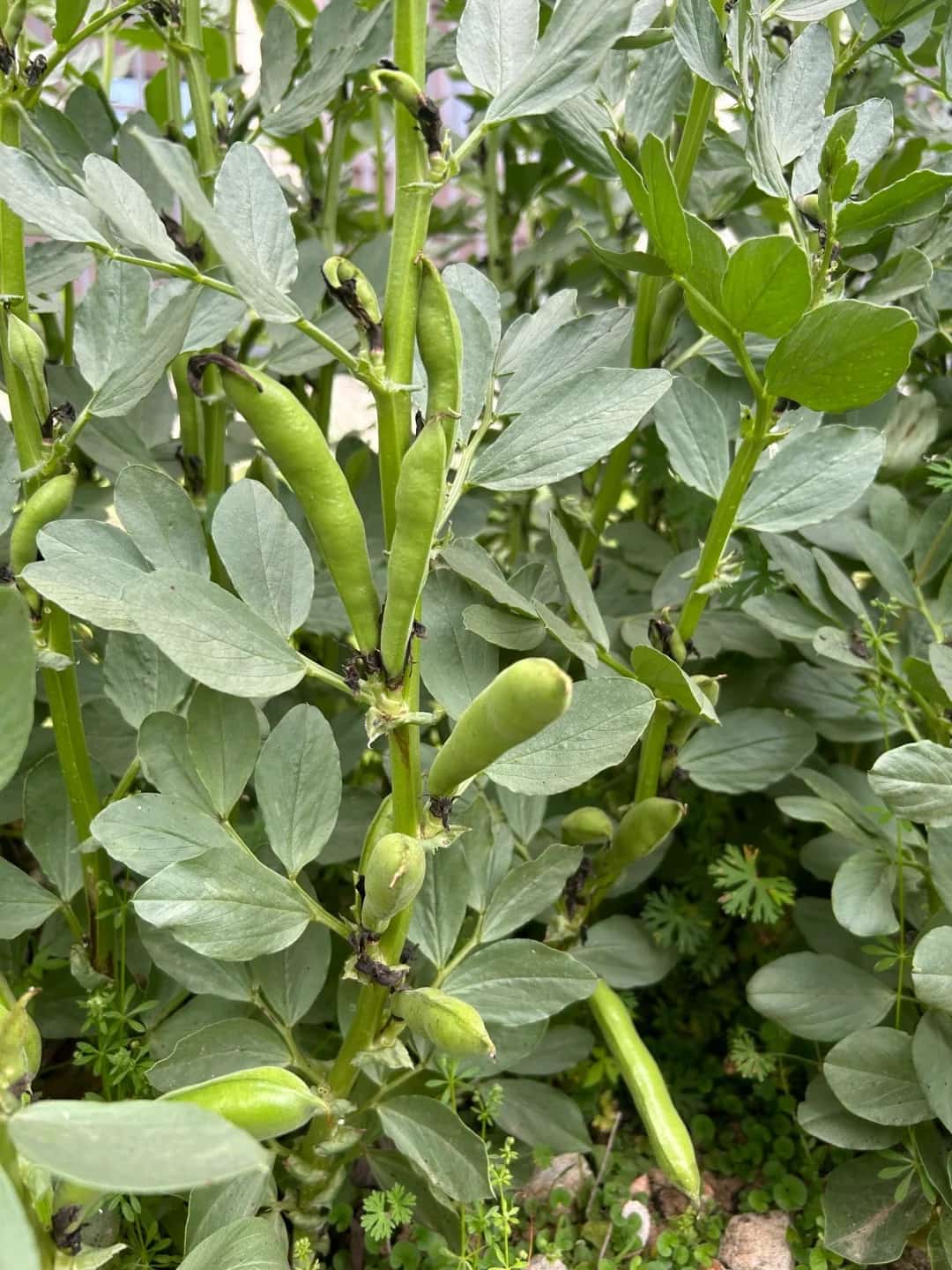
A classic cool-weather crop that adapts beautifully to shade. They’re perfect for a spring planting and can often handle a mild summer if they’re kept cool in their shady retreat.
Tips for Success:
- Direct sow is preferred. Soak the seeds overnight first to speed up germination.
- Keep the soil consistently moist; a little mulch works wonders to prevent it from drying out.
- Give them something to climb! Use trellis hooks or gentle ties to train those vines upward.
There’s nothing quite like the sweet, crunchy reward of a home-grown pea, plucked from a vine that didn’t need all-day sun to thrive.
6. Radishes
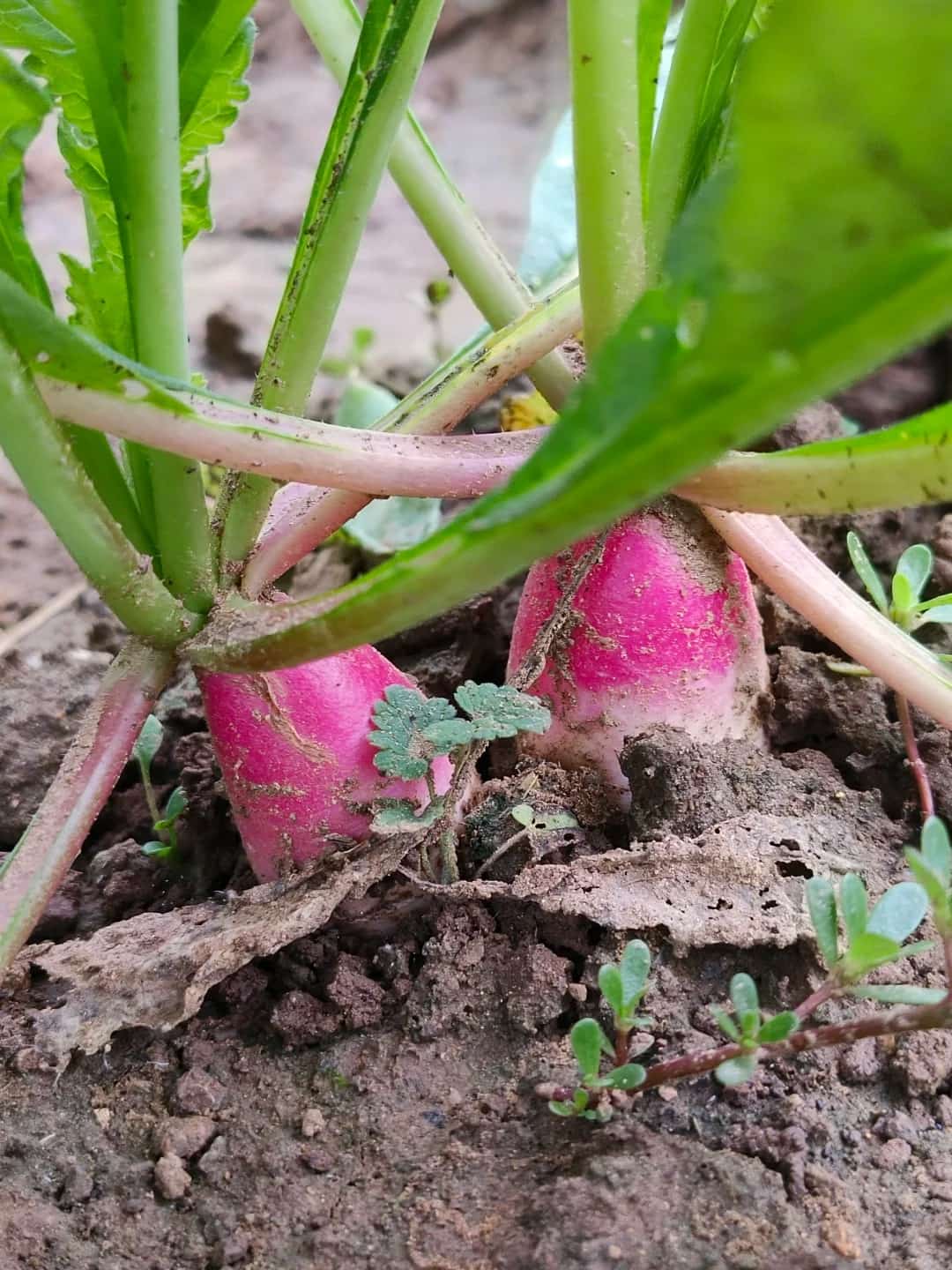
Fast-growing and wonderfully shade-tolerant, radishes are a shadier’s best friend. The partial shade actually helps them, as it prevents them from bolting in the heat.
Key Caveat: They will grow slower. You need to be patient. Add about 15 extra days to the “Days to Maturity” on the seed packet. But it’s worth it. You can grow fantastic varieties like the zesty ‘Green Lobo,’ the pungent ‘Black Spanish,’ the stunning ‘Watermelon,’ the vibrant ‘Beni Hida,’ or the massive ‘Daikon.’ Use them for pickling, roasting, or eating young and tender in salads.
7. Potatoes

Yes, really! Potatoes are more shade-tolerant than you’d think, though your yields will be a bit smaller.
I once had potatoes sprout and produce a decent little harvest in a shady compost pile I’d neglected.
It’s a lot like lasagna gardening or straw bale gardening—they’re just happy to be there.
They’re best for a harvest of delightful, tender new potatoes. Harvest them shortly after they flower.
The best part? You can enjoy a small, delicious harvest and then replant in the same bed with something else.
8. Bush-Style Tomatoes
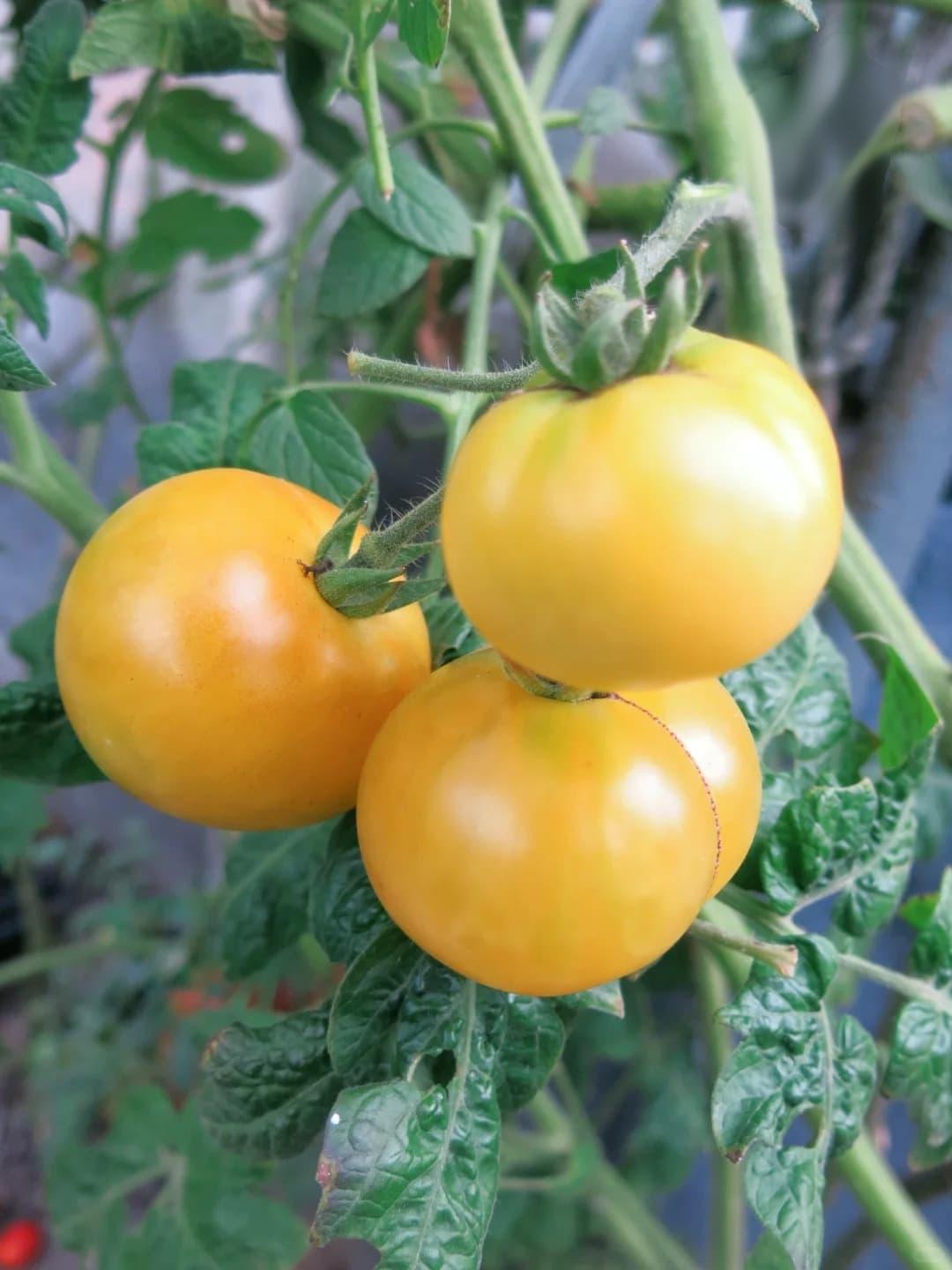
Hold your horses—I’m not talking about massive, indeterminate beefsteaks. I’m talking about compact, determinant, early-maturing tomatoes.
These are the workhorses bred for cold regions with shorter seasons (think ‘Glacier,’ ‘Siberian,’ or other Russian/Canadian types).
They still need the sunniest spot in your shady garden (that 4-hour zone), but it is possible to get actual, honest-to-goodness tomatoes in partial shade.
Don’t expect a record-breaking harvest, but the satisfaction of harvesting a sun-deprived tomato is a feeling unlike any other.
9. Bush Beans
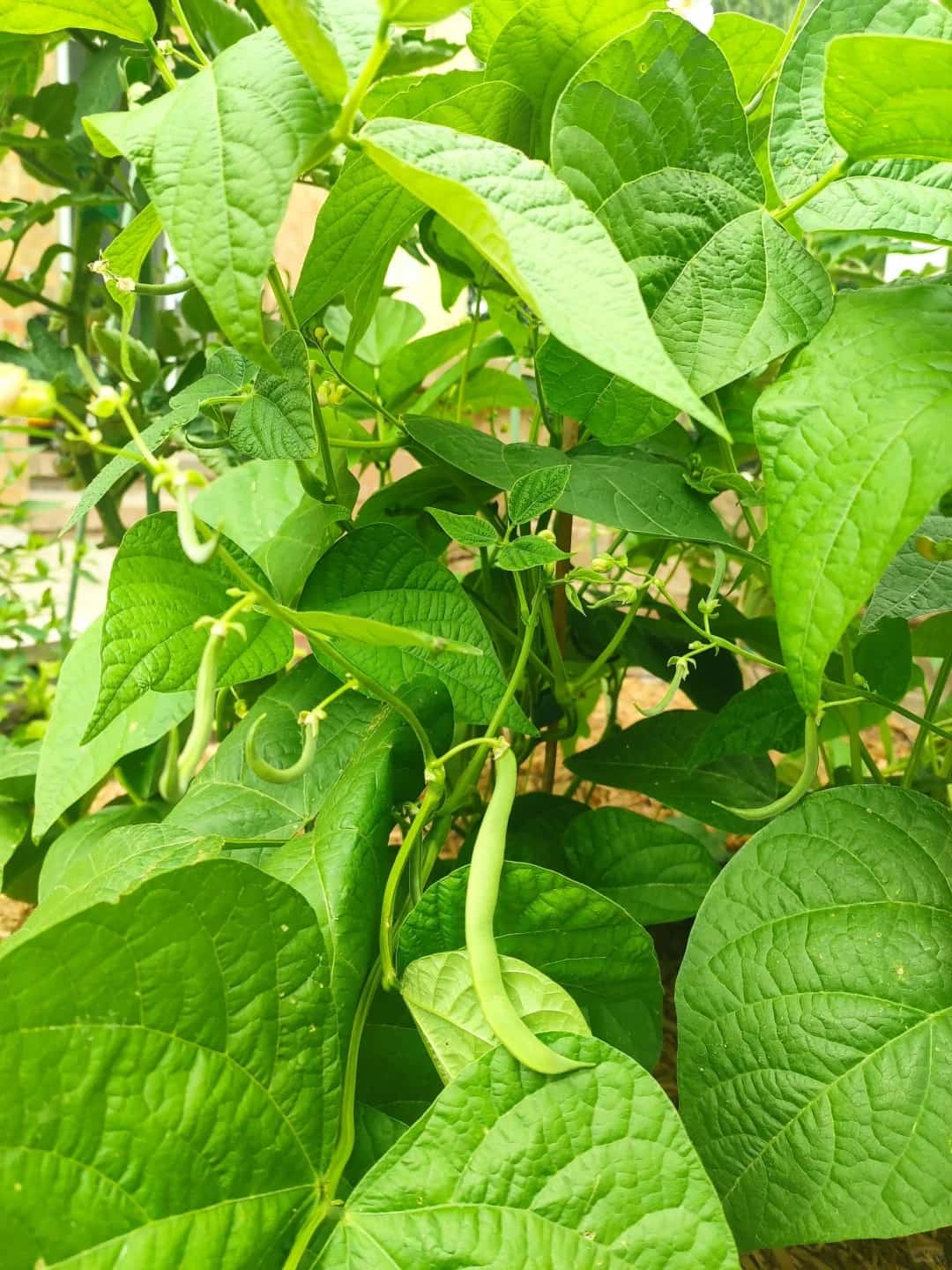
This one might surprise you. While pole beans seem to need all the sun they can get, bush beans can be surprisingly productive in the shade.
I grow them in my GreenStalk vertical garden, which I rotate daily to give all the tiers a taste of the good light. Even with this limited, rotating sun exposure, they produce a fantastic crop.
They’re ideal for compact or vertical growing spaces where you can eke out every bit of light.
10. Basil

“But Kevin,” you cry, “Basil is a sun-worshipper!” And you’re right, it is. But it’s also incredibly tolerant and vigorous.
I’ve grown basil in partial shade, and it still goes nuts. You can prune it heavily, and it just grows back with gusto.
It’s also a great addition to an ornamental or pollinator garden in the shade. My ‘African Blue Basil’ is a bee magnet.
Other great varieties for shadier spots include the upright ‘Greek Columnar,’ the licorice-scented ‘Thai Basil,’ the prolific ‘Pesto Perpetuo,’ and the sacred ‘Tulsi’ (Holy Basil). (If you want to go down a basil rabbit hole, check out my video on “8 rare basils.”)
11. Cilantro & Parsley
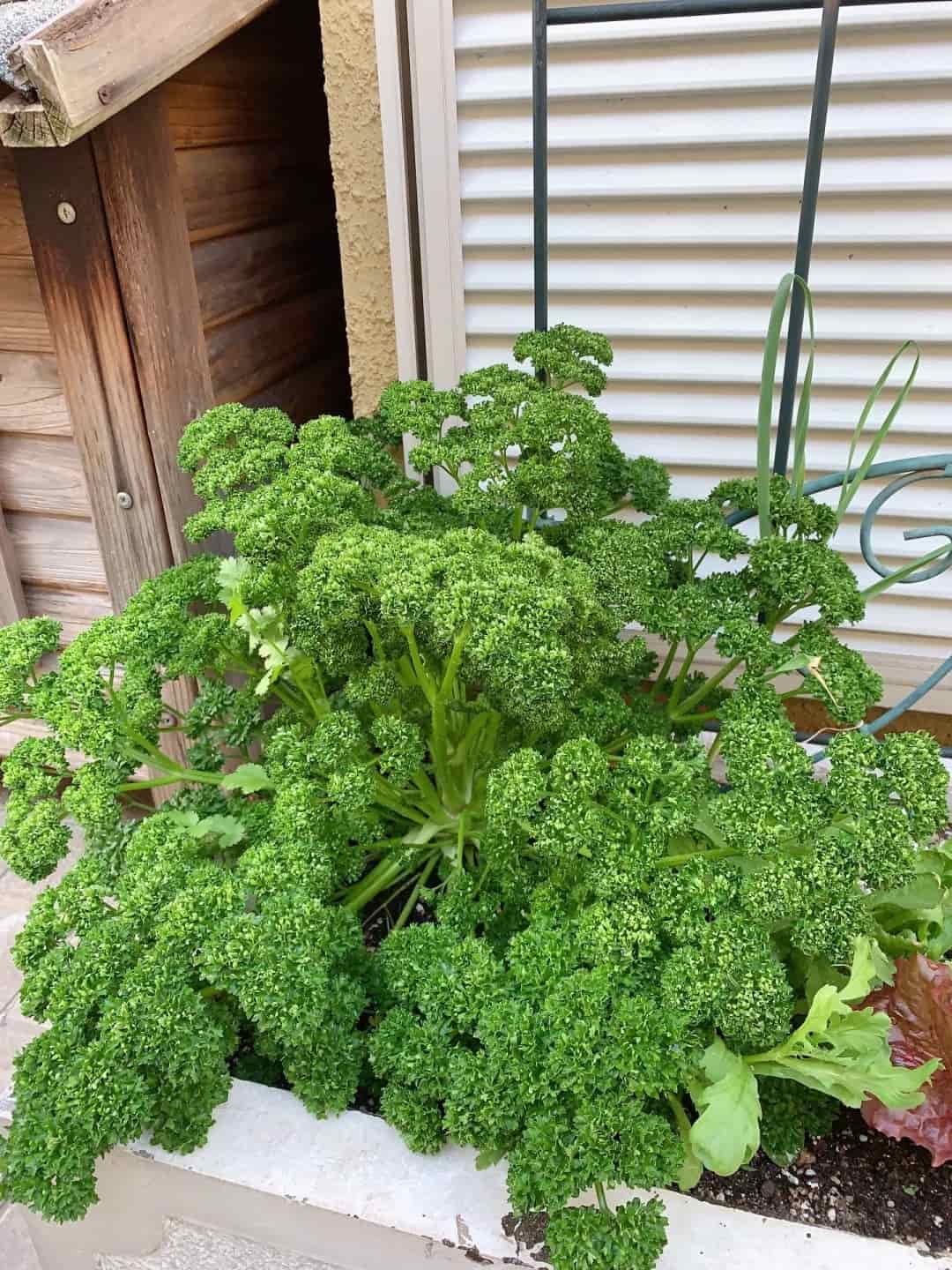
Both of these herbs are shadier-than-thou. Cilantro, in particular, is famous for bolting the second it gets hot and stressed.
Shade is its best friend, keeping it cool and prolonging its harvestable life.
Choose slow-bolt cilantro cultivars and plant them with parsley in a shady garden mix.
You’ll have a constant supply of fresh leaves for salsa, tabbouleh, and garnishes, all with better flavor than their sun-scorched counterparts.
12. Green Onions
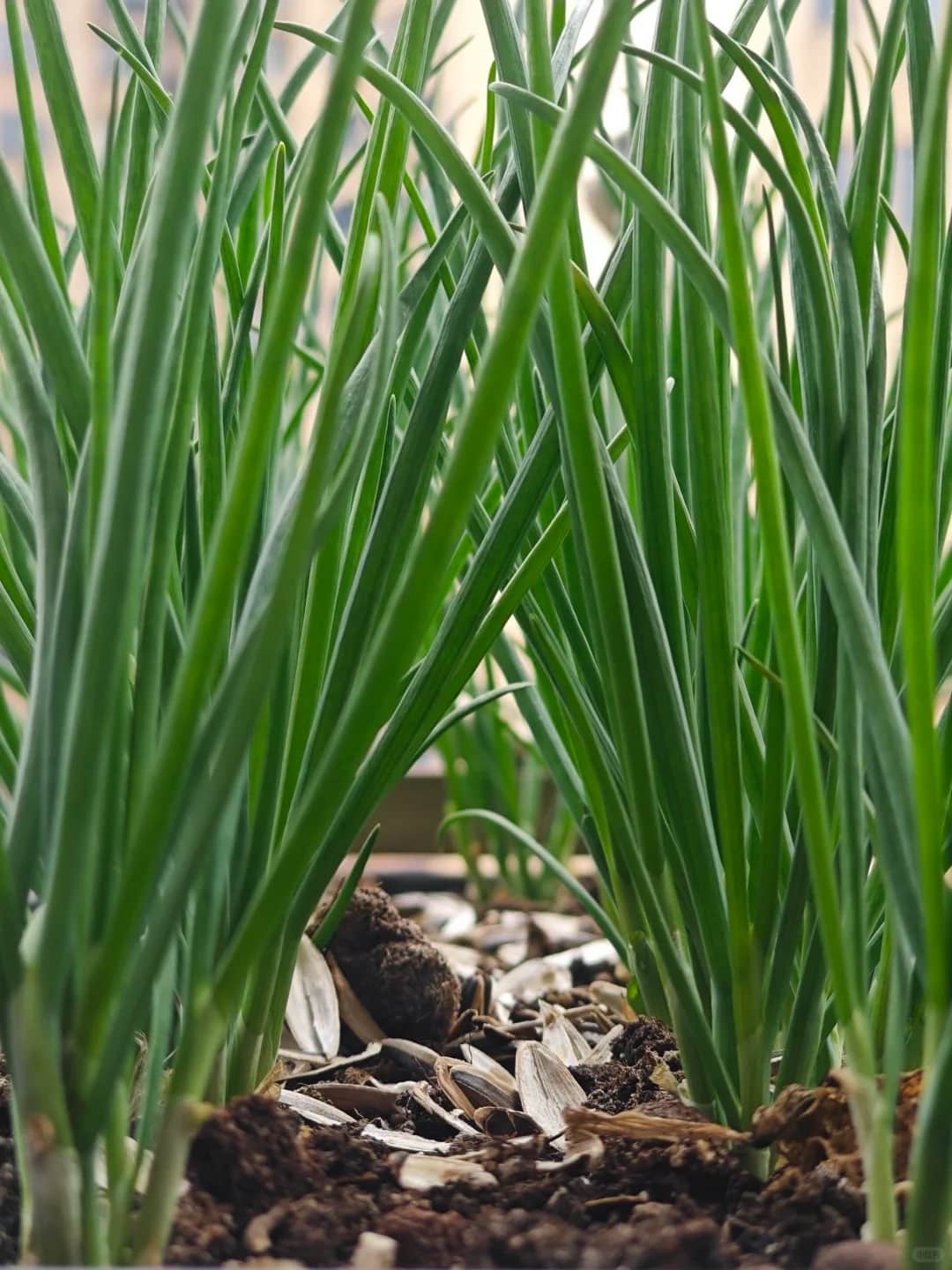
The perfect, no-fuss partial shade crop. You’re primarily growing them for the green leaves, not a massive bulb, which makes them ideal.
They’ll grow a bit slower in the shade, but they’ll produce continuously with minimal maintenance.
They are a fantastic, mild source of onion flavor for eggs, salads, and stir-fries, and they ask for so little in return.
Six Tips for Maximizing Growth in a Shady Garden
Okay, you’ve got your plant list. Now, here’s how to become a shade garden sensei.
Tip #1: Expect Slower Growth
This is the number one rule. Shade-tolerant does not mean shade-loving. It means “I won’t throw a tantrum and die in the shade.”
Extend your expected maturity times by 15-25%. Patience is not just a virtue here; it’s a requirement.
Your harvests will be steady, but not necessarily speedy.
Tip #2: Water Less Frequently
This is the silver lining! Less sunlight means less evaporation. Your soil will stay moist for longer.
The number one way to kill a shady garden is with over-enthusiastic watering. Stick your finger in the soil.
If it’s damp, walk away from the watering can. You’re preventing root rot, not drought stress.
Tip #3: Transplant Instead of Direct Sow
Shady soil is cooler soil. Most seeds need warm soil (65-75°F) to germinate happily. In a shady bed, the soil takes forever to warm up.
Your germination rates will be terrible. The solution? Start your seeds indoors with a heat mat. Transplant healthy, vigorous seedlings into the shade.
They’ll establish much faster and give you a huge head start.
Tip #4: Prune to Increase Sun Exposure
This is a game-changer. Look at what’s causing the shade. In my case, it’s a loquat tree. So, after it’s done fruiting, I give it a good, responsible prune.
I’m not cutting it down, just thinning it out to allow more dappled light through.
Even an extra 30 minutes of direct light can make a noticeable difference in your plants’ growth and yield.
Tip #5: Use Reflective Surfaces
Get sneaky with your physics. Is there a fence or wall on the sunny side of your garden? Paint it a light color, or even white.
This will act as a giant reflector, bouncing precious light back onto your plants. It’s a subtle change, but in the world of limited light, every little bit counts.
Tip #6: Grow in Containers
This is the ultimate power move for the shade gardener. Use grow bags, pots, or other portable containers.
This gives you the flexibility to play “musical plants” with the sun. You can move your containers around to chase those precious hours of light.
It’s the best way to create your own microclimates and take full control.
Closing Thoughts
Your shady garden is not a curse; it’s a unique opportunity to grow a different, but no less delicious, set of crops. You can have abundant harvests of greens, roots, and herbs, all while enjoying the cooler temperatures that come with a shaded space.
Remember, gardening is part hobby, part passion, and part wild experiment. Don’t let a little shade stop you. Keep experimenting, keep growing, and keep finding the joy in your own unique patch of earth.
I want to hear from you! What have you successfully grown in the shade? Let me know in the comments.