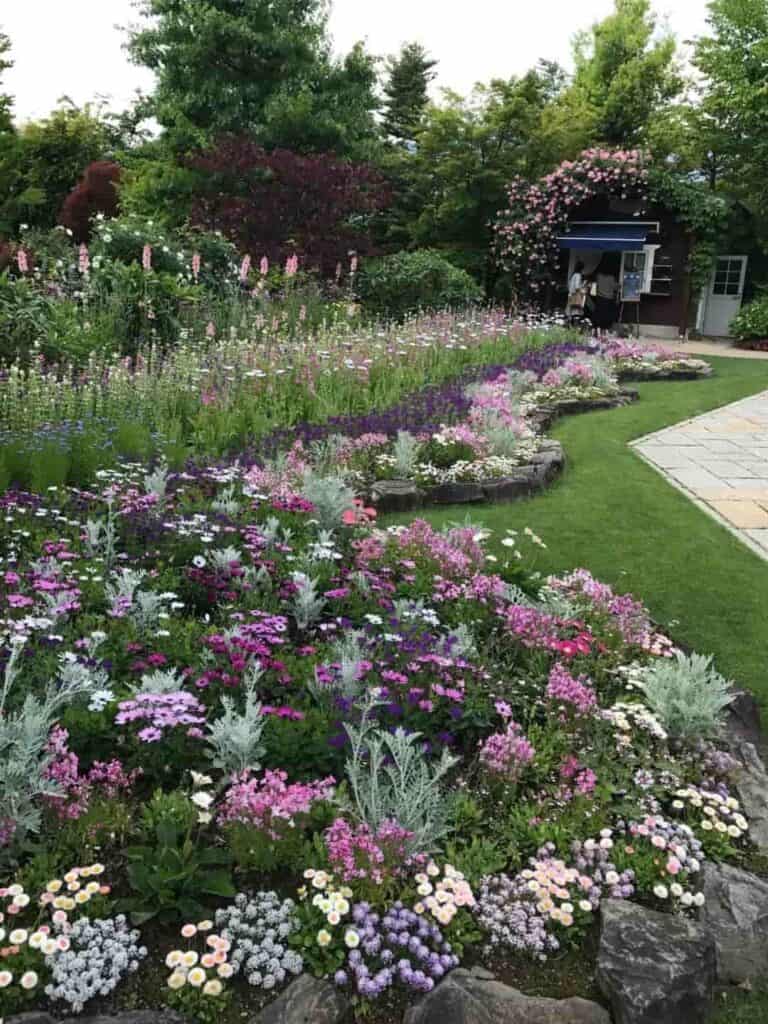
For years, the area around my house looked less like a curated garden and more like a sad, weedy buffer zone between my foundation and the lawn. I’d stare at it, overwhelmed.
I knew it needed something, but my plant knowledge began and ended with “green thing, prickly thing, thing that died dramatically.”
After much trial and error (and the tragic, sun-scorched demise of several “full shade” plants I’d plopped into a blazing inferno of afternoon sun), I finally cracked the code.
It’s not about randomly buying pretty shrubs. It’s about putting the right friends together.
I’ve become a shrub-scheming, plant-pairing maniac, and I’m sharing my top 10 combinations to make the area around your home look like a landscaper’s dream.
We’re talking evergreens for year-round structure, shade-tolerant heroes for those gloomy spots, and explosions of color that don’t require a PhD in horticulture.
Laying the Groundwork (Or, How to Avoid a Horticultural Horror Show)
I learned the hard way that enthusiasm with a shovel can lead to long-term plant drama. A little planning prevents a lot of pathetic, leggy, and suffocated shrubs.
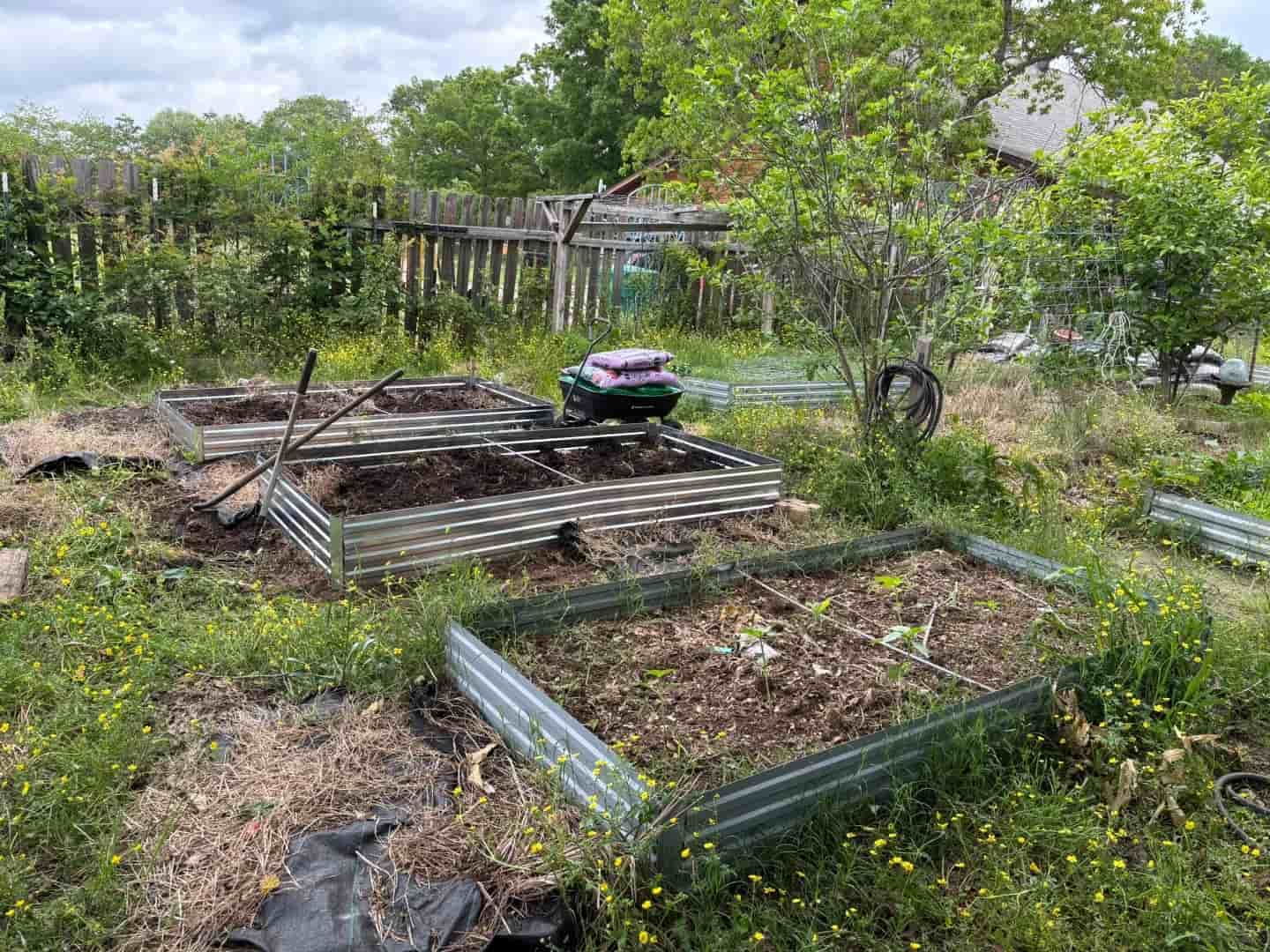
1.1. Bed Width: Go Big or Go Home (and Replant Next Year)
Listen carefully: your shrub bed needs to be 6 to 8 feet wide. I know, I know. It sounds huge. You’re thinking, “But my house is only 40 feet wide!”
Trust me. A narrow bed is the number one mistake of the amateur gardener (a club I was president of for years).
A skimpy 2-3 foot bed gives you no room for layering. Your shrubs will be fighting for root space, the ones in the back will be gasping for light, and the whole thing will look anemic.
A wide bed allows for proper spacing, depth, and that lush, “magazine-spread” look we’re after.
1.2. The Staggered (Zigzag) Planting Pattern: Your Secret Weapon
This is the single most important trick I ever learned. You don’t plant in a straight soldier-line. You plant in a zigzag. Here’s the battle plan:
- The Back Row: Place your taller shrubs in the back, but make sure they’re at least 2 feet away from your foundation. This gives them room to breathe and helps with moisture control against your house.
- Spacing is Caring: Space the centers of these large shrubs 4 feet apart. This feels terrifyingly far apart when you first plant them. You will look at the vast, mulchy emptiness and think, “This looks ridiculous.” This is a test of your faith. You must be strong. They will grow together.
- The Front Line: Now, take your smaller shrubs and plant them in the spaces between the larger ones in the back, also spaced about 4 feet apart from each other and the back-row plants.
The benefit? Instant depth. The front shrubs won’t block the back ones, and you create a balanced, layered look instead of a flat, one-dimensional wall of green.

1.3. Adding a Third Layer: Because Why Stop at Awesome?
If you really want to go for the gold, add a third, even lower-growing layer in front. Think ornamental grasses, low-spreading junipers, or sedges.
To comfortably fit all three tiers—tall back, medium middle, short front—you’ll want that bed to be a solid 10 to 12 feet across.
It’s a commitment, but the payoff is a landscape with more drama than a season finale.
1.4. Bed Extension and Specimen Planting: The Grand Finale
If you have the space, consider extending a bed out from the corner of your house. This creates a perfect little stage for a specimen plant—a real showstopper like an Umbrella Pine or a Japanese Maple.
Placing one of these off to the side, balanced by the main shrub bed, creates incredible, symmetrical curb appeal.
It’s the equivalent of adding a statement necklace to a little black dress.
Alright, the boring-but-crucial part is over.
Let’s get to the fun stuff: the plant pairings!
S. Charm Loropetalum + Fire Chief Arborvitae=The Dynamic Duo of Drama
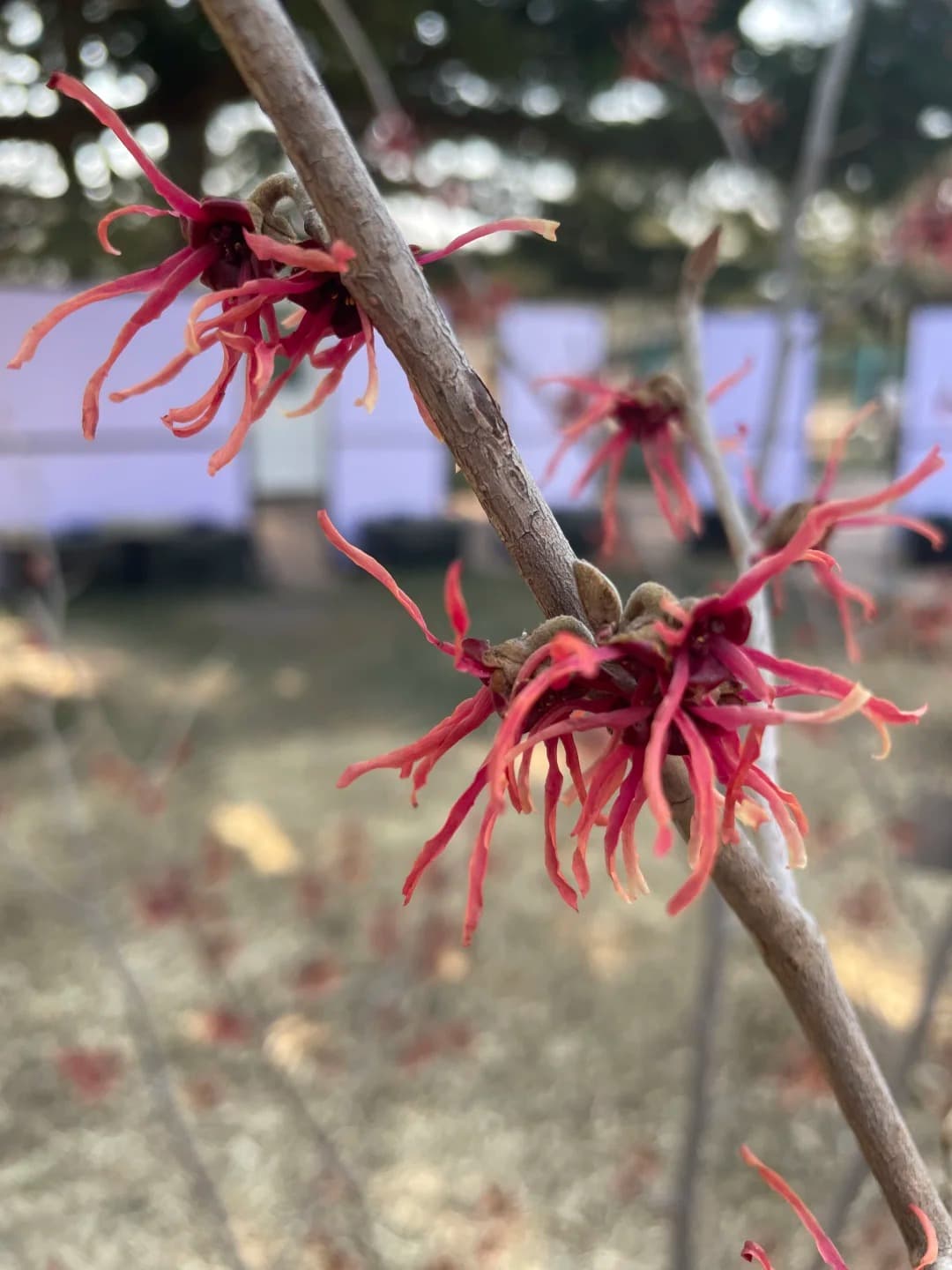
This is the combo I used in my own front yard, and it’s the one that gets all the compliments. It’s like the power couple of the shrub world.
- Fire Chief Arborvitae: This little guy is a rockstar. It’s a compact evergreen that stays a manageable 3 feet tall and wide. It’s like the improved, more sophisticated version of the old ‘Rheingold’ variety. It’s resistant to splitting under snow (or, in my case, a rogue soccer ball), and its color is a fantastic burnt-red in the winter. It’s just so interesting all year round.
- S. Charm Loropetalum: This is the moody, dramatic counterpart. It has deep purple-black foliage that looks chic year-round, and in the spring, it erupts in these neon-bright pink tassel flowers that look like it’s throwing a party. It also stays a compact 3×3 feet, though it appreciates a little occasional pruning to keep its shape from getting too wild.

My Design Tip: Use the stagger pattern with 4-foot spacing. I put the Loropetalum slightly behind the Arborvitae. Behind them both, I planted a specimen Umbrella Pine for height. The contrast of the gold-burnt orange, deep purple, and towering green is just chef’s kiss.
Obsession Nandina + Danica Arborvitae=The Compact Powerhouse
Don’t have room for a 6-foot bed? This pair is for you. It’s perfect for smaller or narrower spaces.
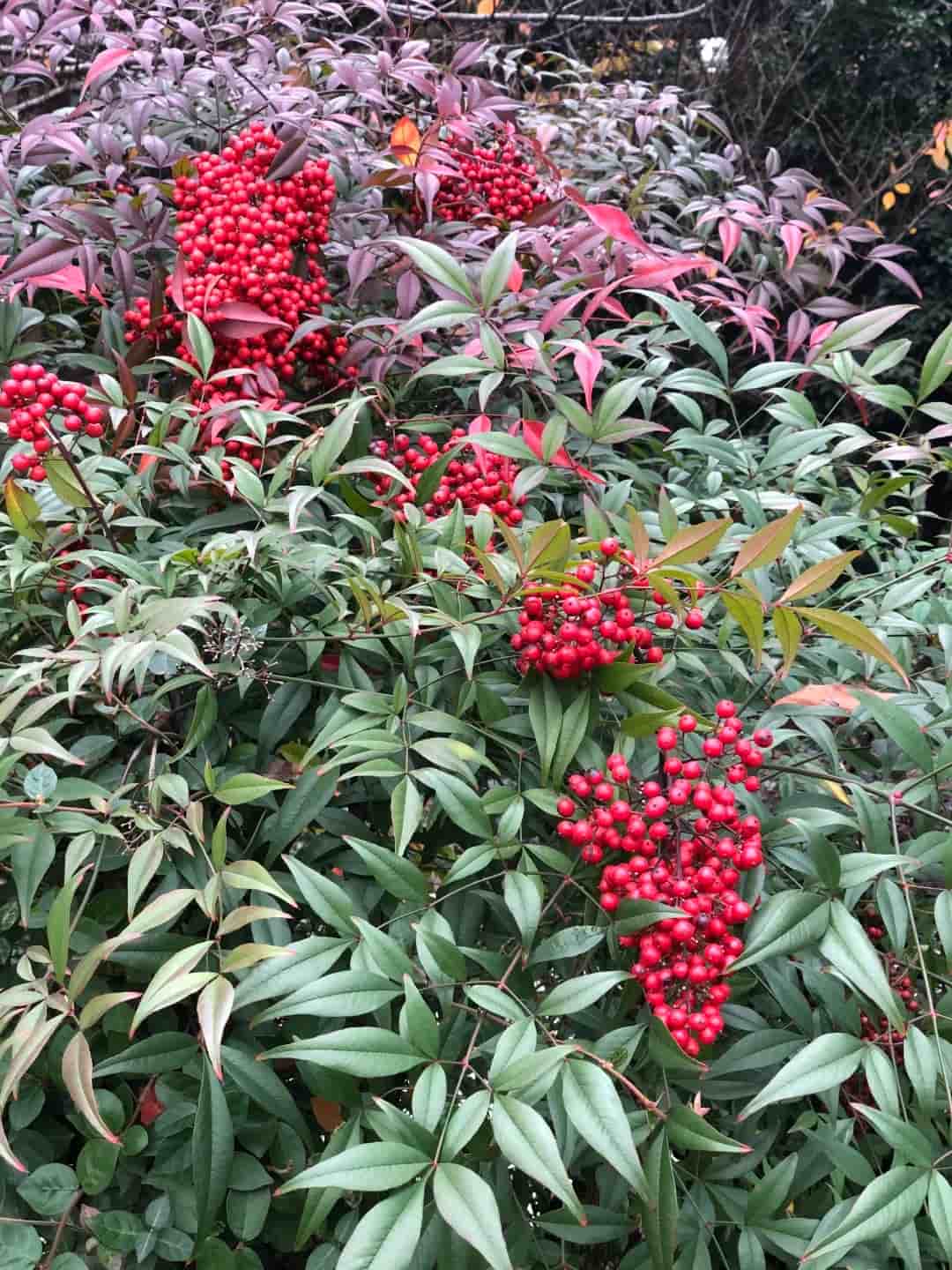
- Obsession Nandina: This isn’t your grandma’s leggy, boring Nandina. This is a Southern Living variety that’s compact, full, and less prone to looking straggly. It gets about 3-4 feet tall and turns a stunning cherry-red color in the winter. The foliage is feathery and light, adding a beautiful texture.
- Danica Arborvitae: This is the low-maintenance best friend. It forms a perfect, round, green muffin of a shrub, staying about 3 feet tall and wide. It holds its vibrant green color right through the winter, providing a perfect, steady backdrop.
Layout Suggestion: Plant the round, green Danica in front, with the feathery, red-tinged Obsession Nandina in the back, spaced 4 feet apart.
They love part to full sun and will give you a ton of visual interest in a tight package.
Blue Star Juniper + Anna’s Magic Ball Arborvitae=The Petite & Punchy Pair
If your garden space is tiny, this combo proves you don’t need a lot of room to make a big impact.
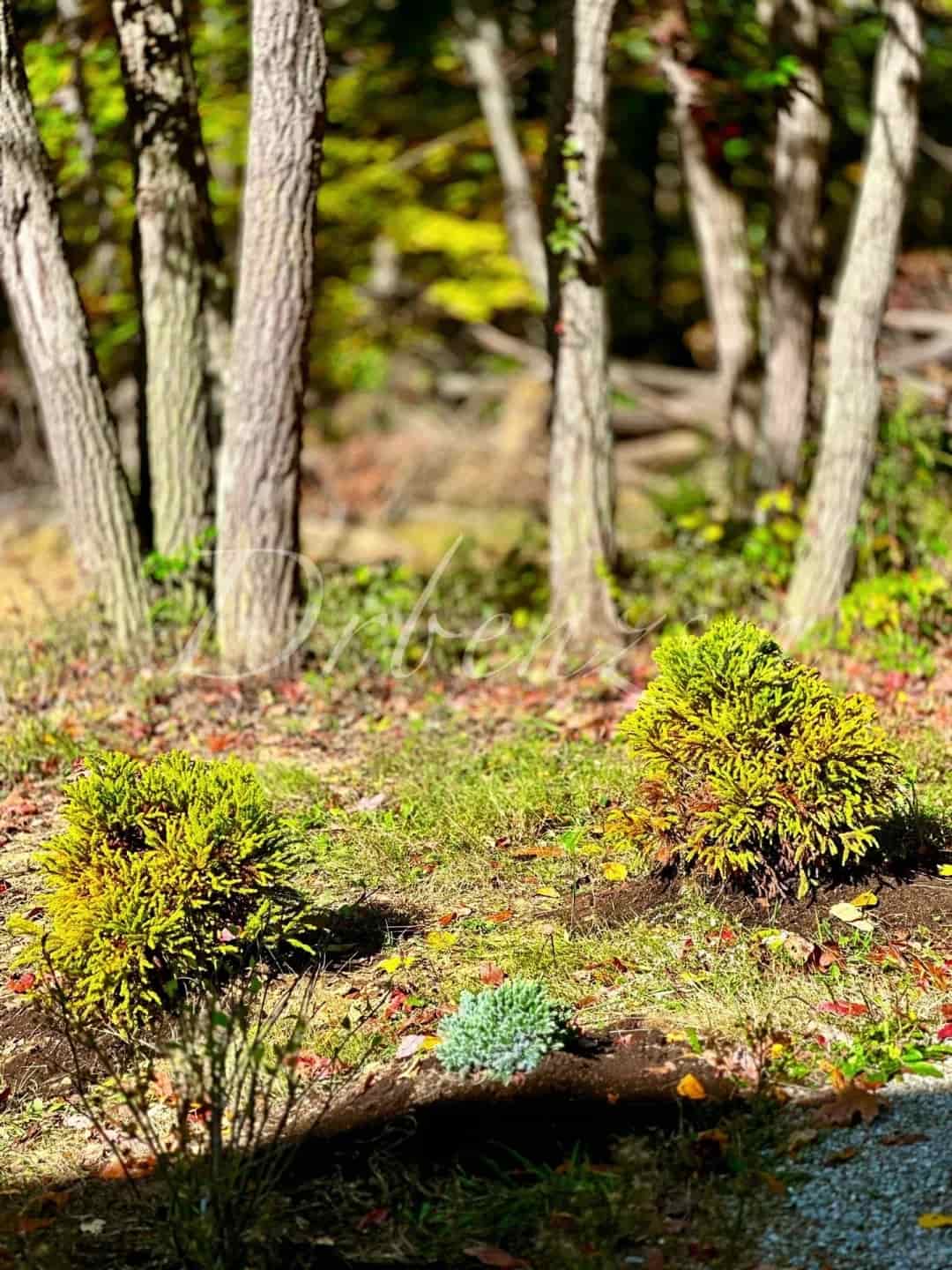
- Anna’s Magic Ball Arborvitae: The name alone sold me. It’s a tiny, compact globe (1-1.5 feet tall) that glows a brilliant golden color all year. It was developed in Canada, so it’s tough, cold-tolerant, and can even handle a bit of shade.
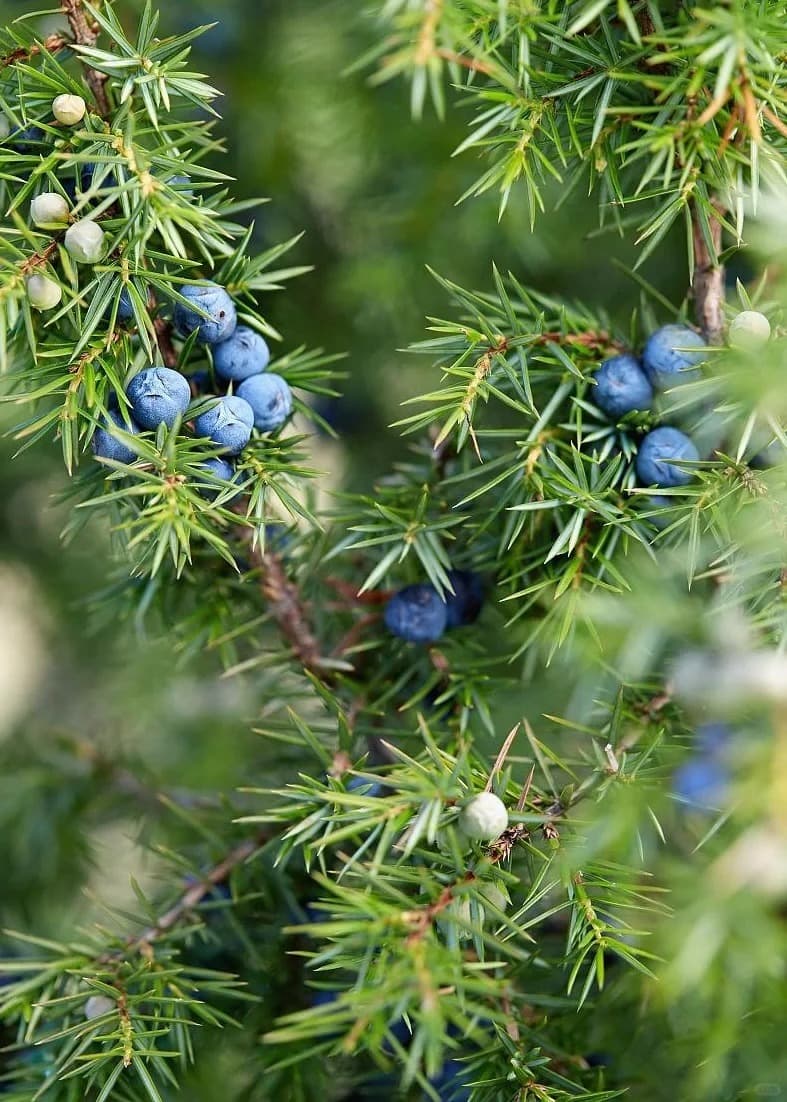
- Blue Star Juniper: This isn’t a ground cover; it’s a small, shrub-type juniper that forms a lovely, irregular mound about 1 foot tall and 2 feet wide. Its foliage is a silvery-blue and surprisingly soft, not prickly.
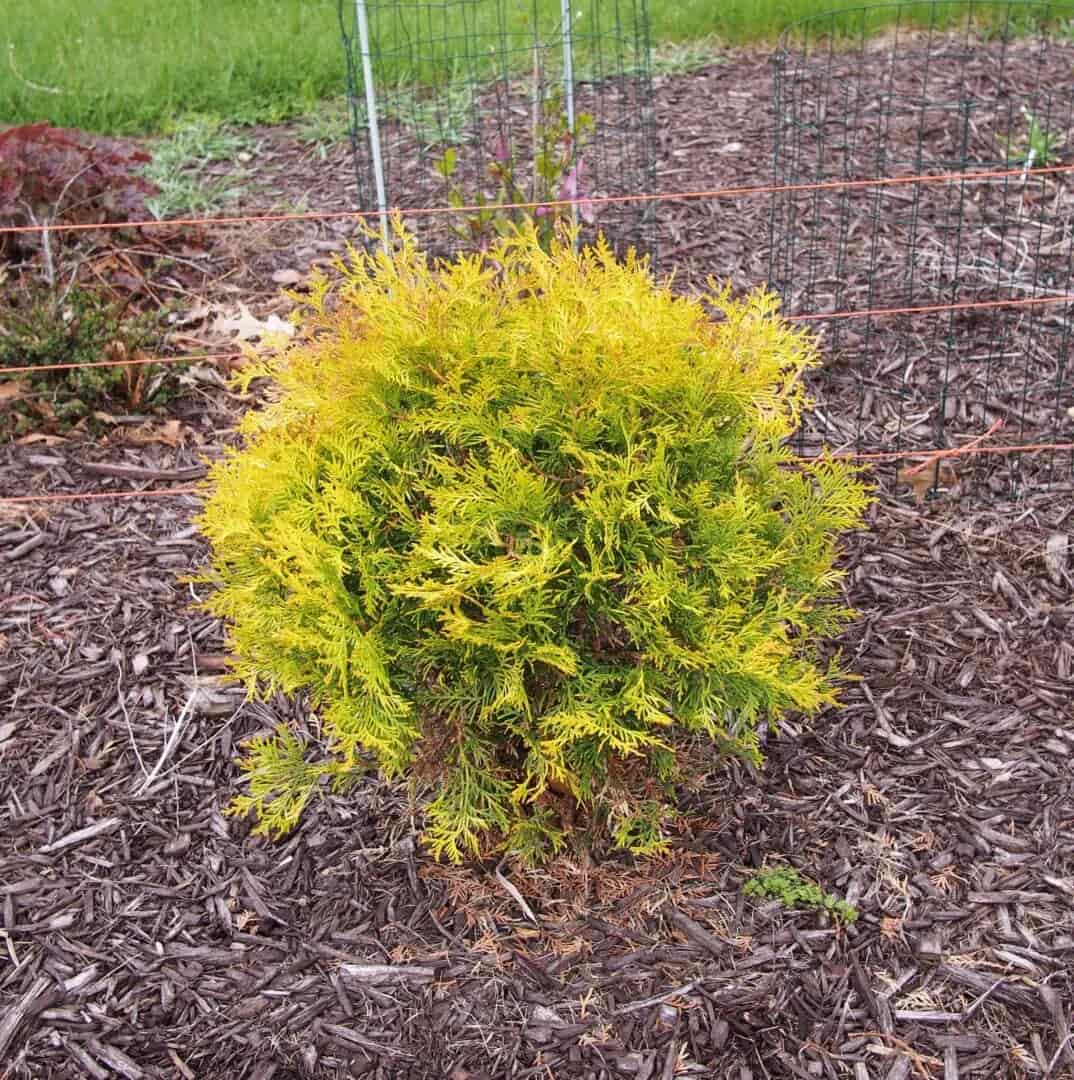
The Visual Appeal: The cool, silvery blue of the juniper against the warm, glowing gold of the arborvitae is a color and texture contrast that’s hard to beat.
And the best part? They are both incredibly low maintenance. Plant them and forget them (mostly).
Jazz Hands Variegated Loropetalum + Sunshine Ligustrum=The Bold and the Beautiful
For those who fear commitment to a single color, this pair is your rallying cry.

- Jazz Hands Variegated Loropetalum: This plant is the life of the party. It’s evergreen, but its new growth is a crazy variegated splash of pink and white that matures to a darker purple. It’s constantly changing and always fascinating.
- Sunshine Ligustrum: This shrub is pure, unadulterated sunshine. Its bright golden foliage is cheerful and vibrant, and it grows to about 4-5 feet tall, making it a real standout.
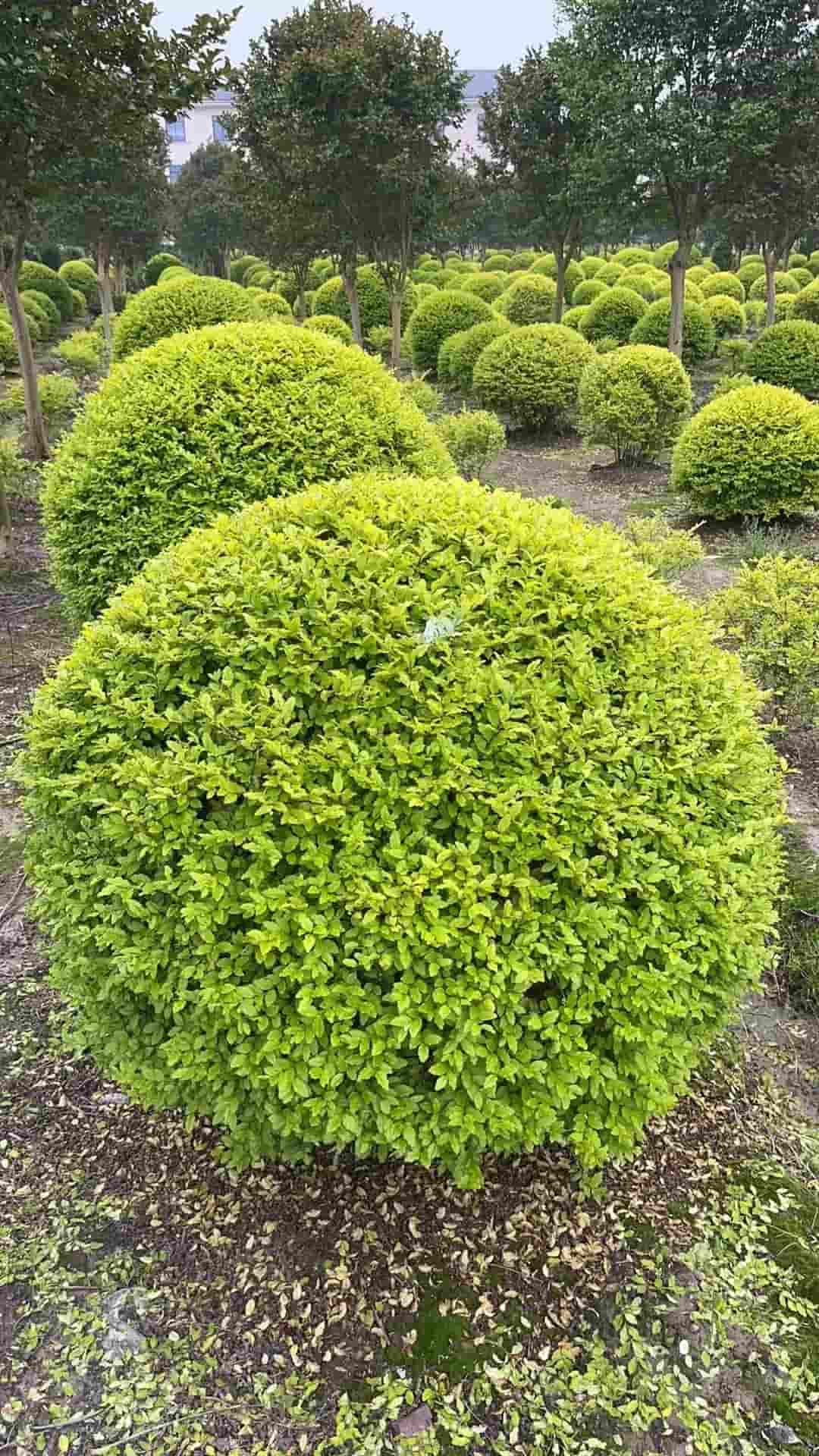
Layout Suggestion: Place the taller Sunshine Ligustrum in the back, with the variegated Jazz Hands in front.
The combination of glowing gold and psychedelic pink-and-purple is a vibrant, high-contrast showstopper.
Just make sure you have a larger bed to accommodate their glorious growth.
Golden Globe Arborvitae + Jubilation Gardenia=The Southern Classic, Perfected
This pairing is elegance personified. It’s for when you want timeless beauty and a heavenly scent.
- Golden Globe Arborvitae: A perfect, naturally rounded ball of sunshine. It gets 3-4 feet tall, is evergreen, loves the sun, and resists burning—a common problem with some golden evergreens.
- Jubilation Gardenia: This is the queen of the Southern garden. It’s compact (3-4 ft), evergreen, and a reblooming machine, producing those iconic, fragrant, double-white blooms you can smell from feet away. Its dark, glossy green foliage creates a stunning contrast with the bright, fine texture of the Golden Globe.
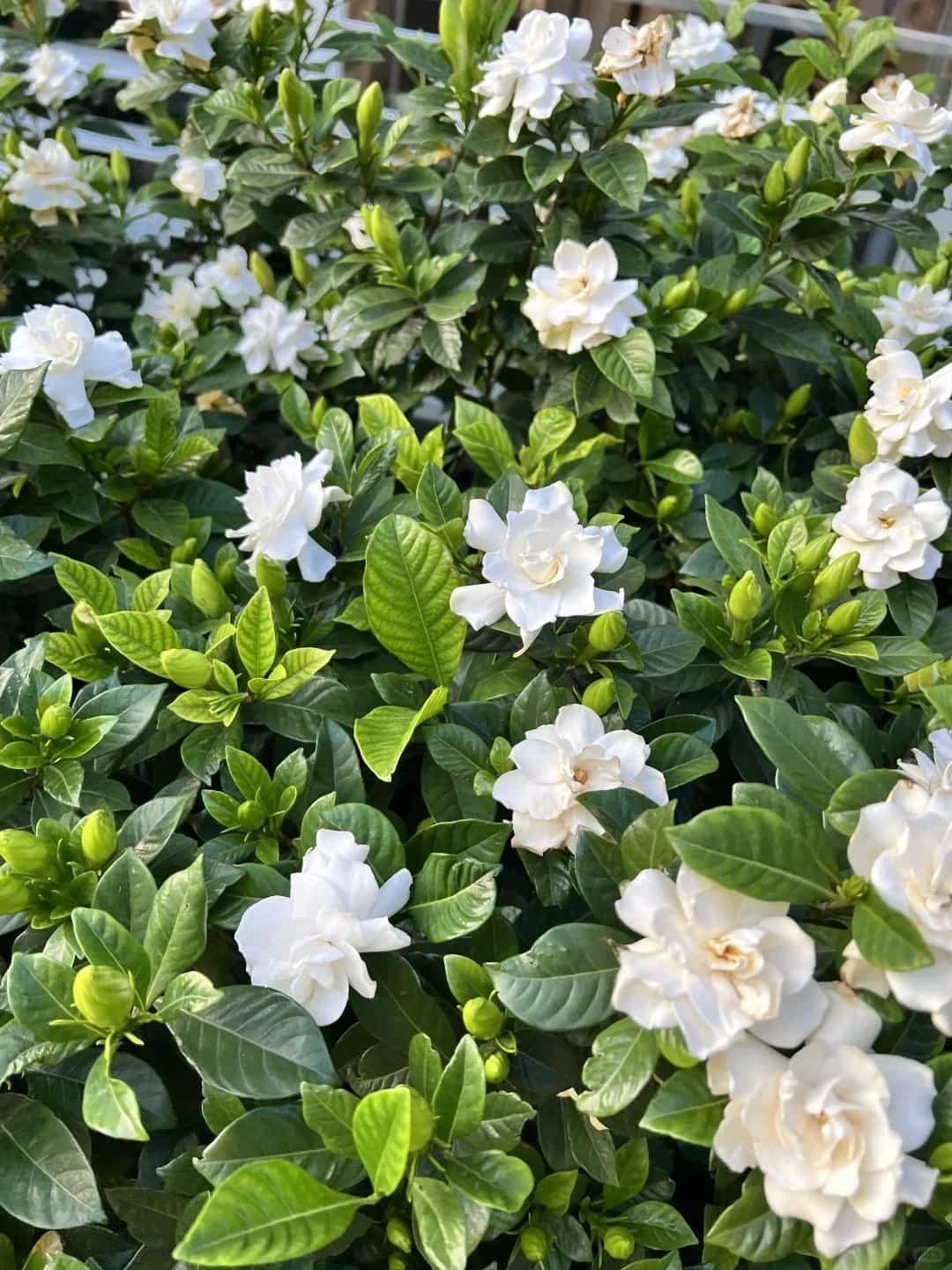
This is an evergreen pairing that thrives in full sun and just oozes classic, Southern charm.
Mountain Fire Pieris + Banana Peel Illicium (Anise)=The Shade-Loving Superstars
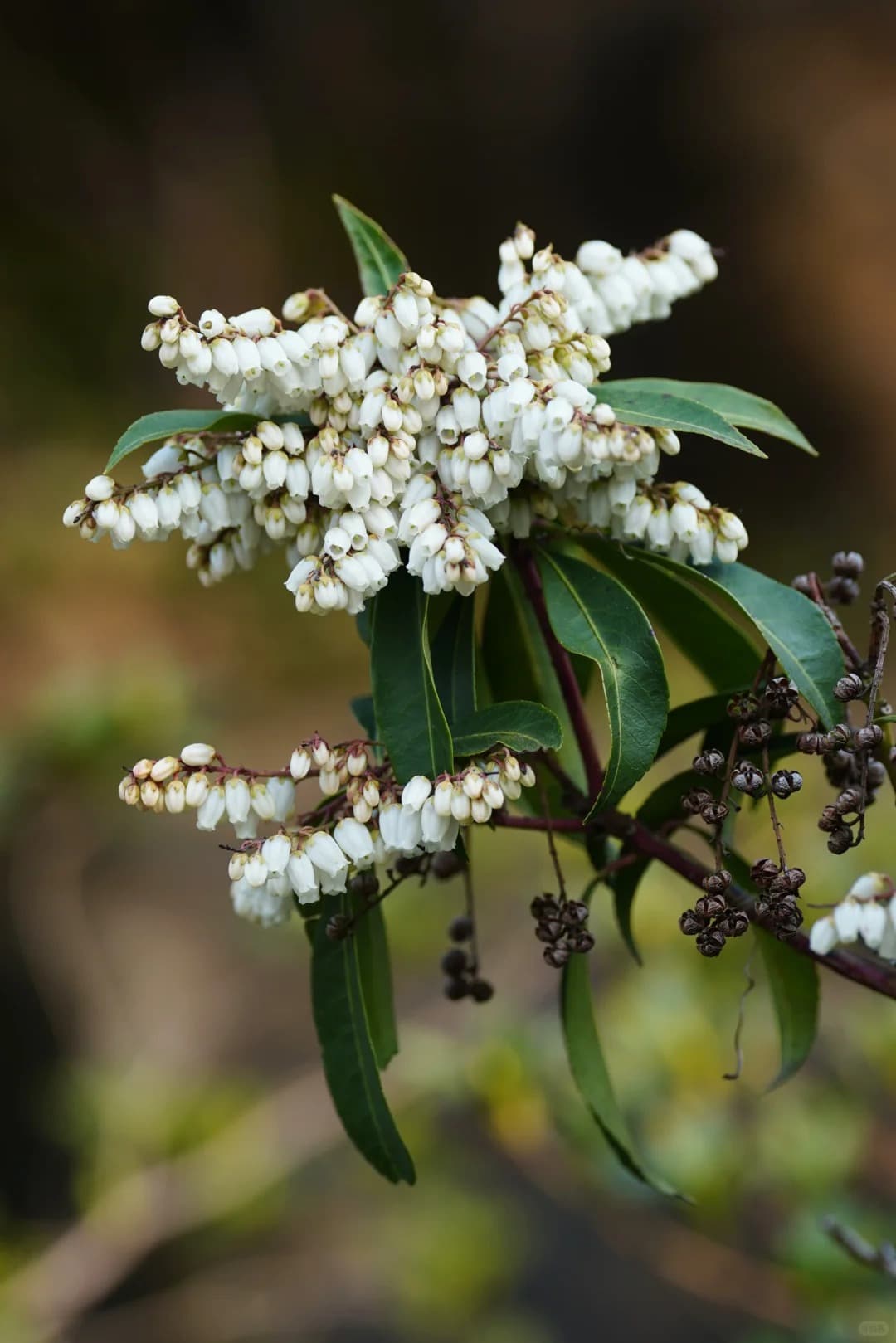
Is your yard mostly shade? Don’t despair! This combo turns a gloomy spot into a glowing focal point.
- Banana Peel Illicium: Forget the unruly old varieties. This one has gorgeous golden foliage and a fun, fragrant quality if you crush the leaves. It’s a well-behaved stunner.
- Mountain Fire Pieris: This plant is pure drama. It’s an evergreen with deep green leaves, but its new growth is a fiery, brilliant red that slowly matures to green. In spring, it drips with clusters of white, bell-shaped flowers.
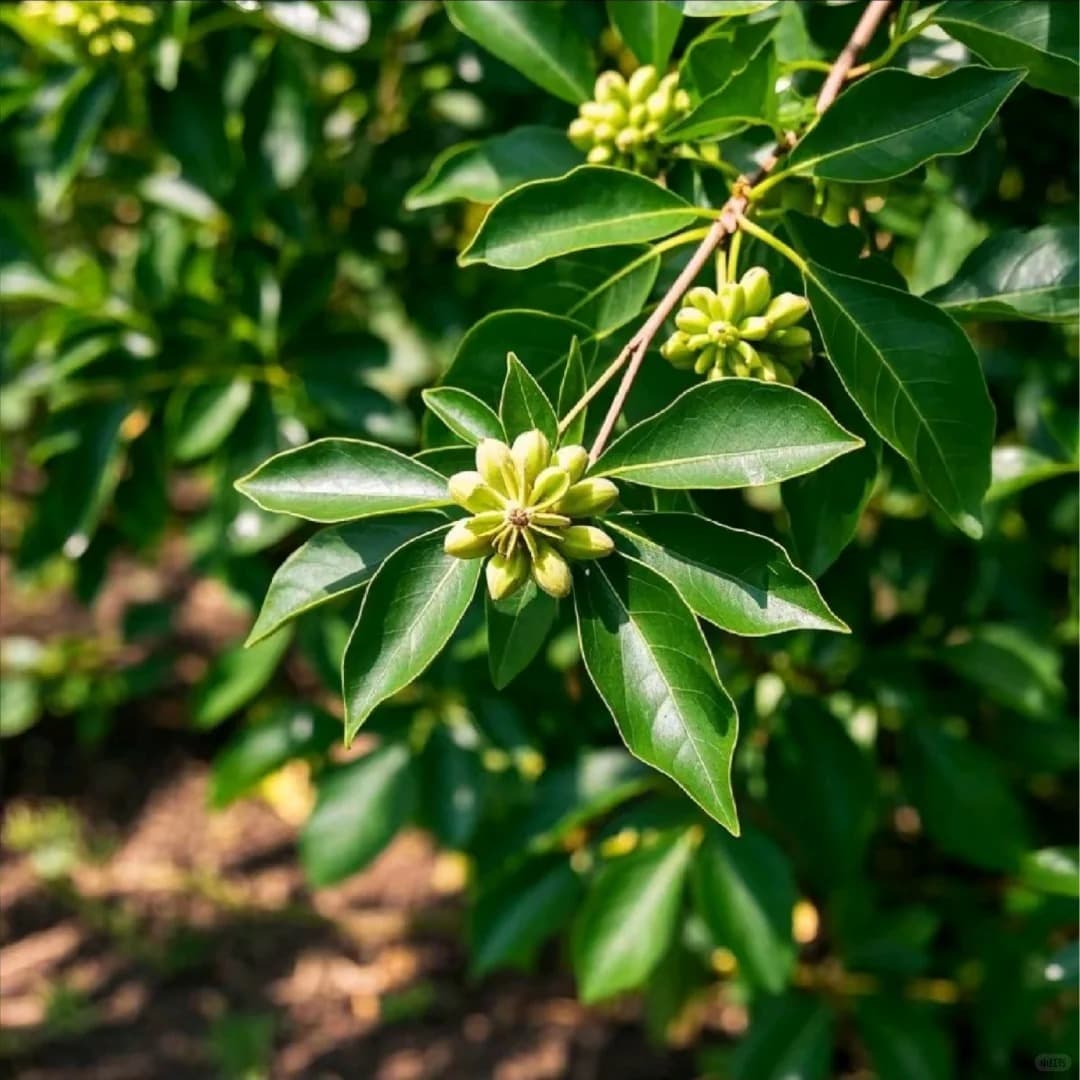
Layering Suggestion: Put the golden Banana Peel in front and the dramatic Pieris in back, spaced 4 feet on center.
For an extra textural punch, add a third layer of something like Evergold Sedge grass at their feet.
They love shade but can tolerate a bit of morning sun.
Mr. Bowling Ball Arborvitae + Royalty Encore Azalea=The Textural Dream Team
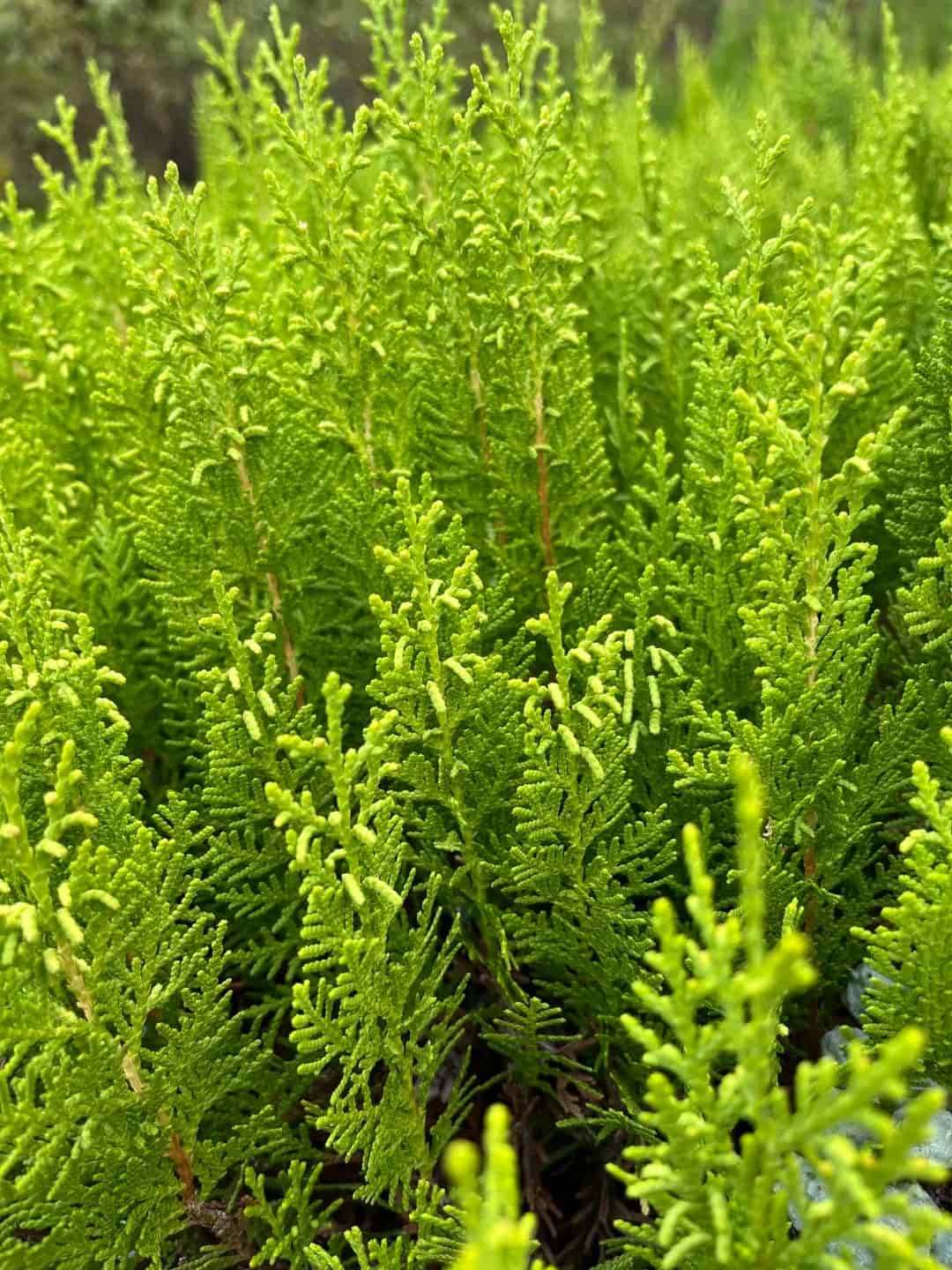
This pair is all about soft shapes and royal colors.
- Mr. Bowling Ball Arborvitae: The name says it all. It’s a soft, mounded cloud of blue-green foliage, staying a neat 18-30 inches tall. It’s evergreen, compact, and just plain cute.
- Royalty Encore Azalea: This is a reblooming azalea, so you get gorgeous purple blooms in both spring and fall. It’s evergreen and much less leggy than older azalea varieties, forming a nice, full shrub.
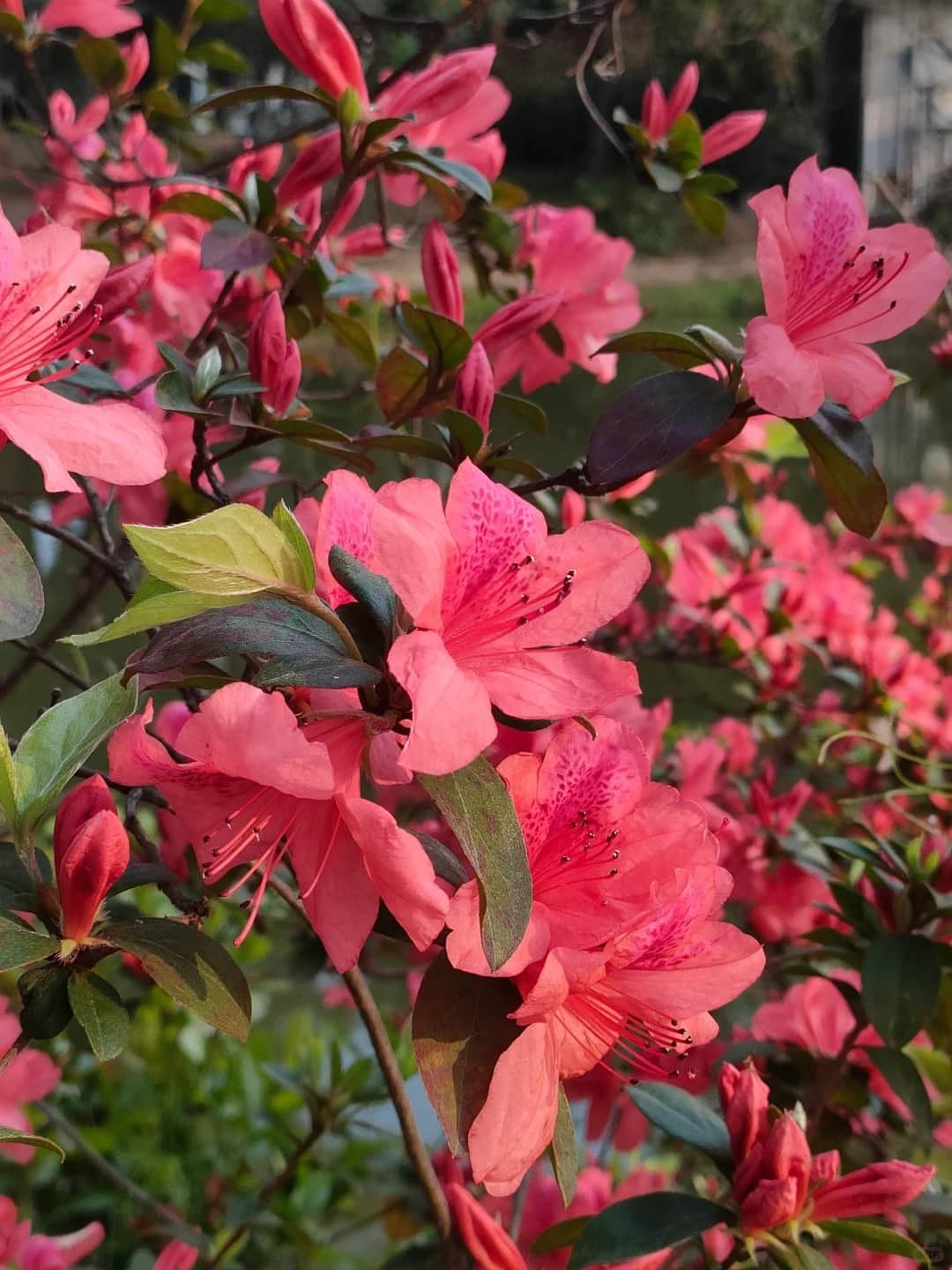
Together, they create an evergreen pairing with fantastic color contrast and a delightful mix of soft, mounding texture and glossy, flower-covered brilliance.
Cryptomeria Globosa Nana + Flirt Nandina=The Soft & Feathery Friends
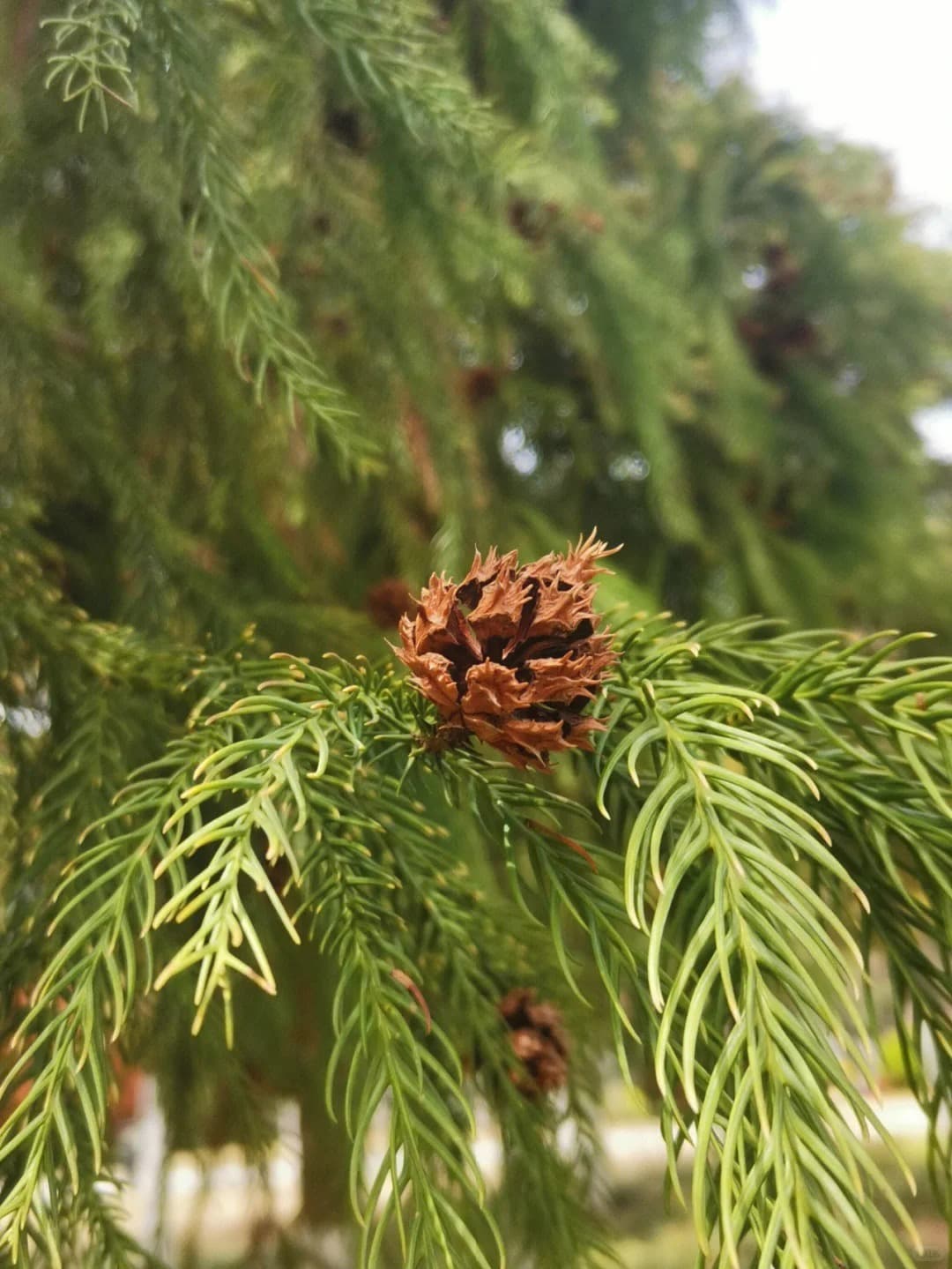
If you like a softer, more delicate look, this combination is pure poetry.
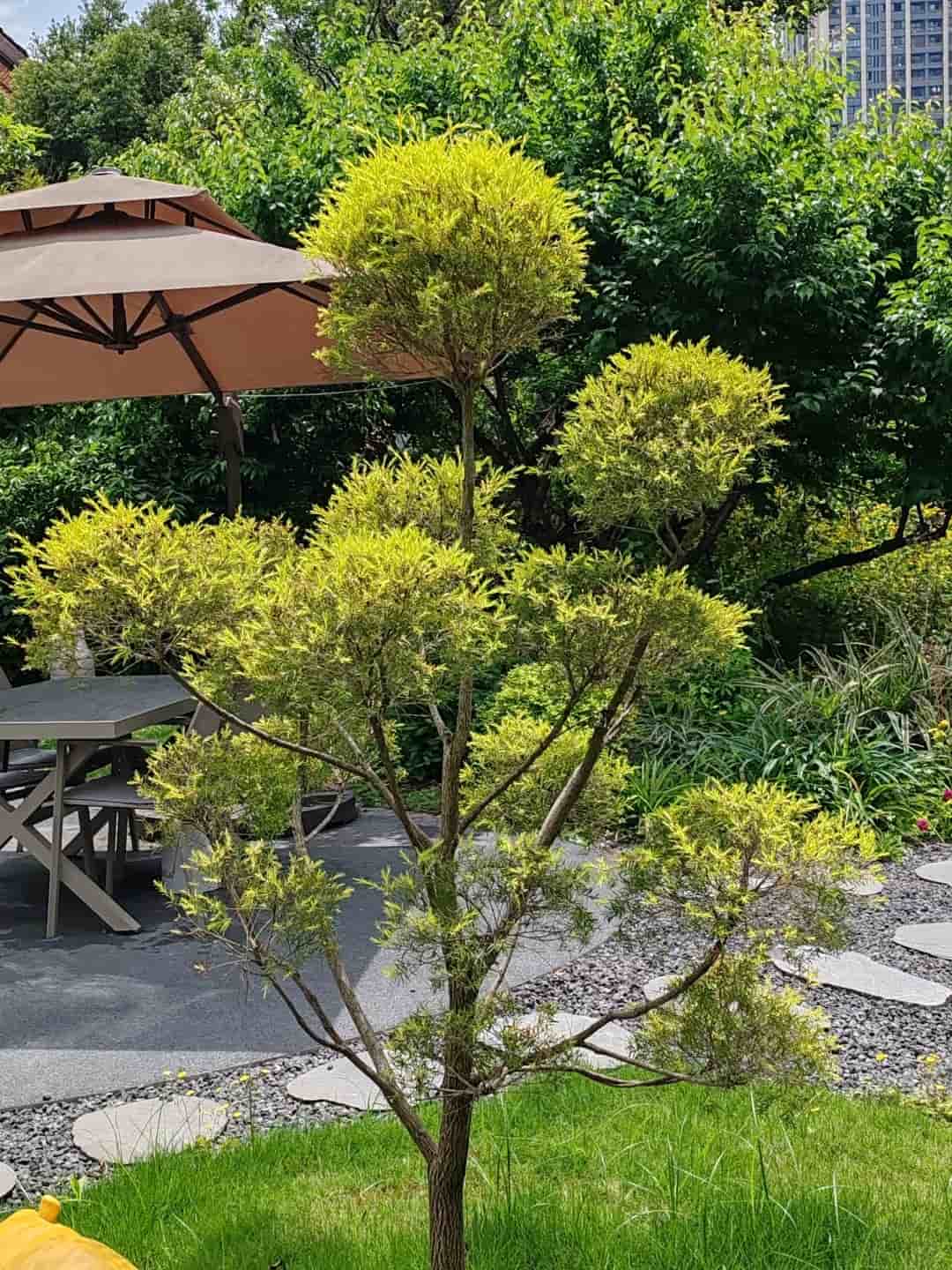
- Cryptomeria Globosa Nana: A dwarf evergreen conifer that forms the most perfect, soft, globe-shaped mound. It has a frilly, feathery texture and gets 3-4 feet tall. The best part? It requires virtually no pruning to keep its shape.
- Flirt Nandina: A super-compact Nandina (about 2×2 feet) that is evergreen and turns a brilliant red in cooler weather. Its foliage is lacy and delicate.
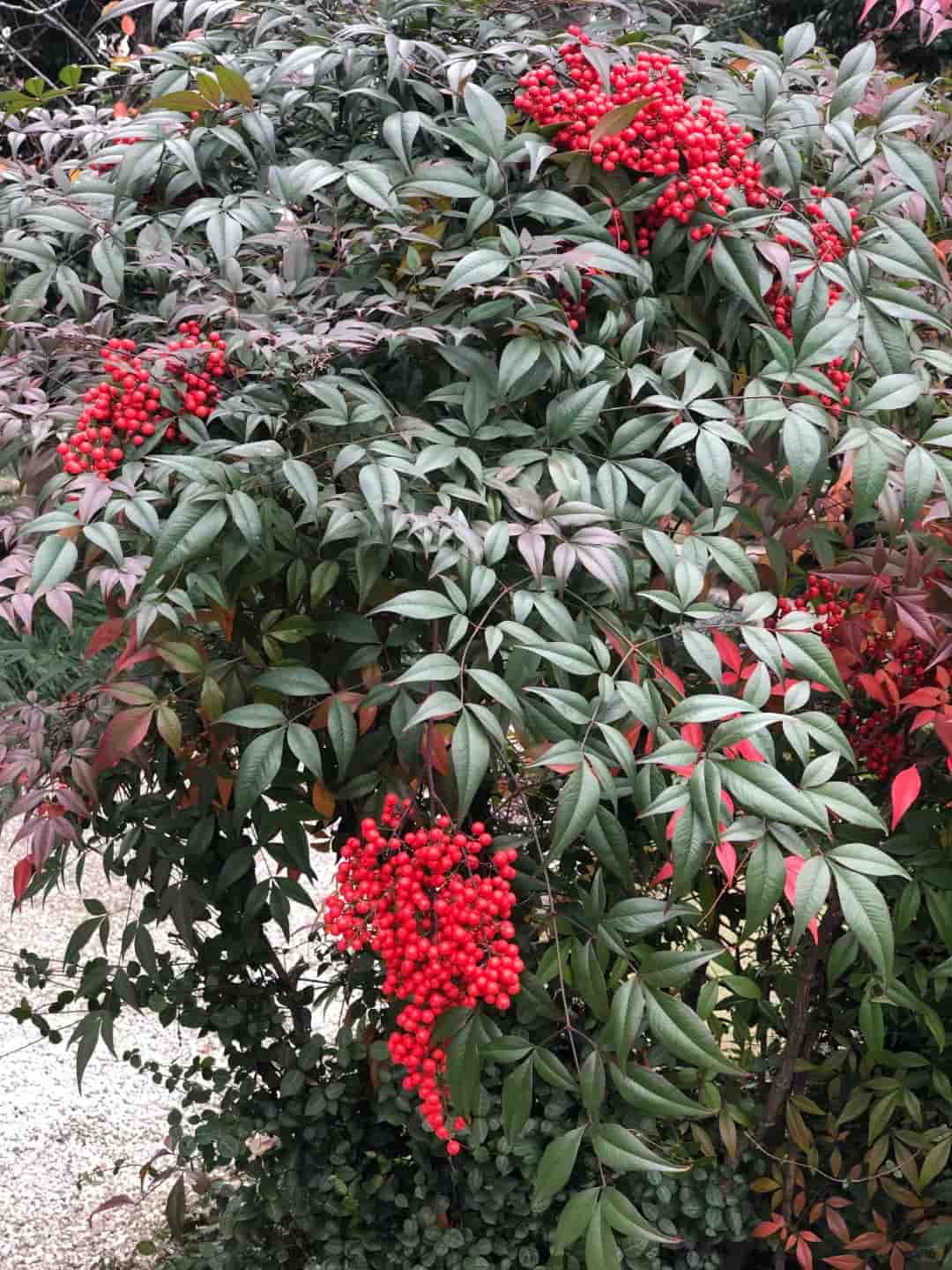
The Visual Pairing: The soft, frilly globe of the Cryptomeria against the delicate, lacy, and red-tipped foliage of the Flirt Nandina is a masterclass in subtle texture mixing.
It’s serene and beautiful.
Blue Star Juniper + Jazz Hands Mini Loropetalum + Candy Corn Spirea=The Triple Threat
Ready to layer like a pro? This three-piece combo is a symphony of color and form.
- Front: Blue Star Juniper (1 ft tall, 2 ft wide) – Our silvery-blue friend from earlier, holding down the front line.
- Middle: Jazz Hands Mini Loropetalum (1 ft tall, 3 ft wide) – A more compact version of the variegated Loropetalum, with purple foliage and pink spring blooms.
- Back: Candy Corn Spirea – The deciduous showstopper. Its foliage changes from cherry red to golden yellow, and it gets purple blooms in spring. It’s the seasonal fireworks display in your garden.
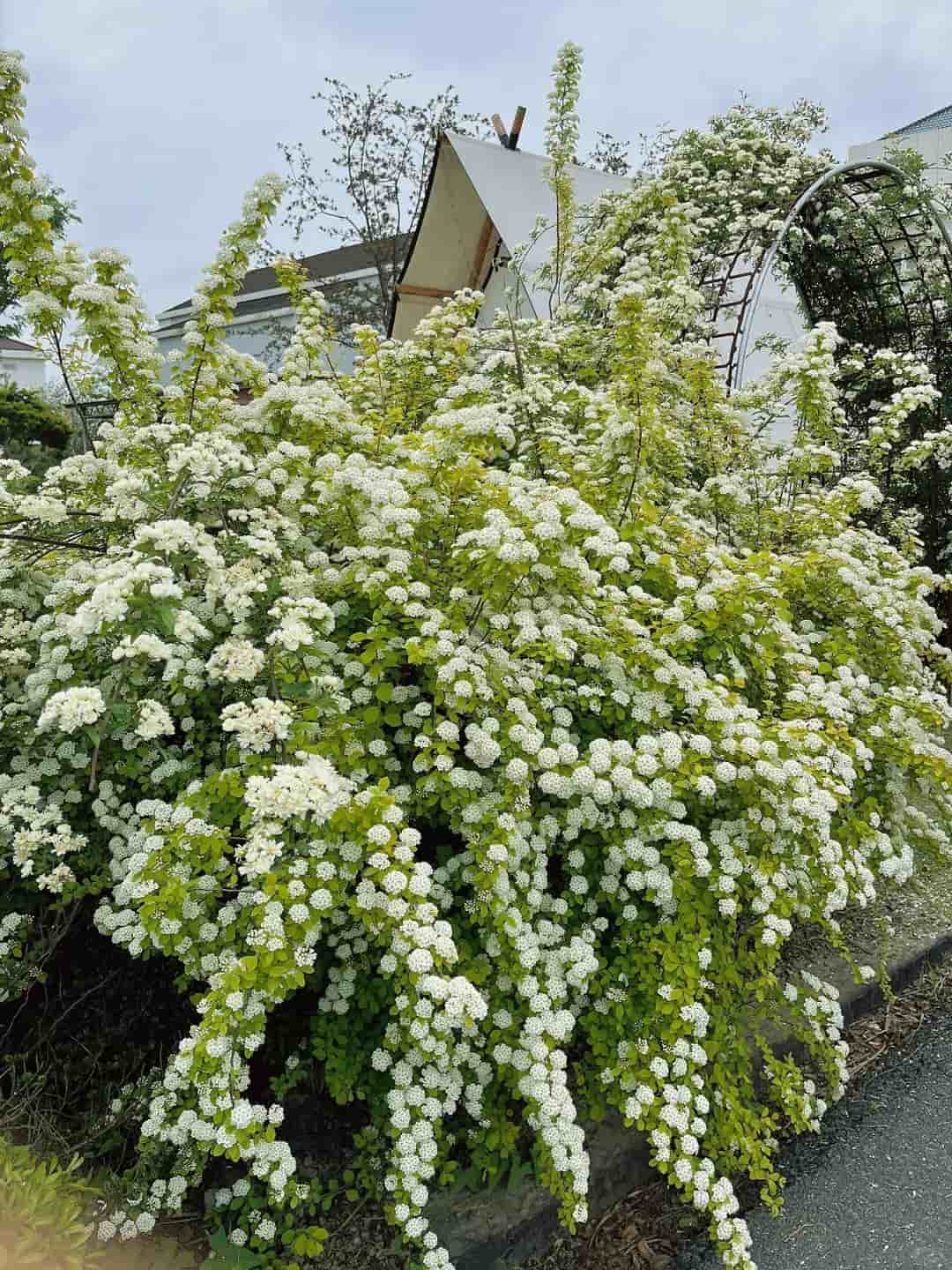
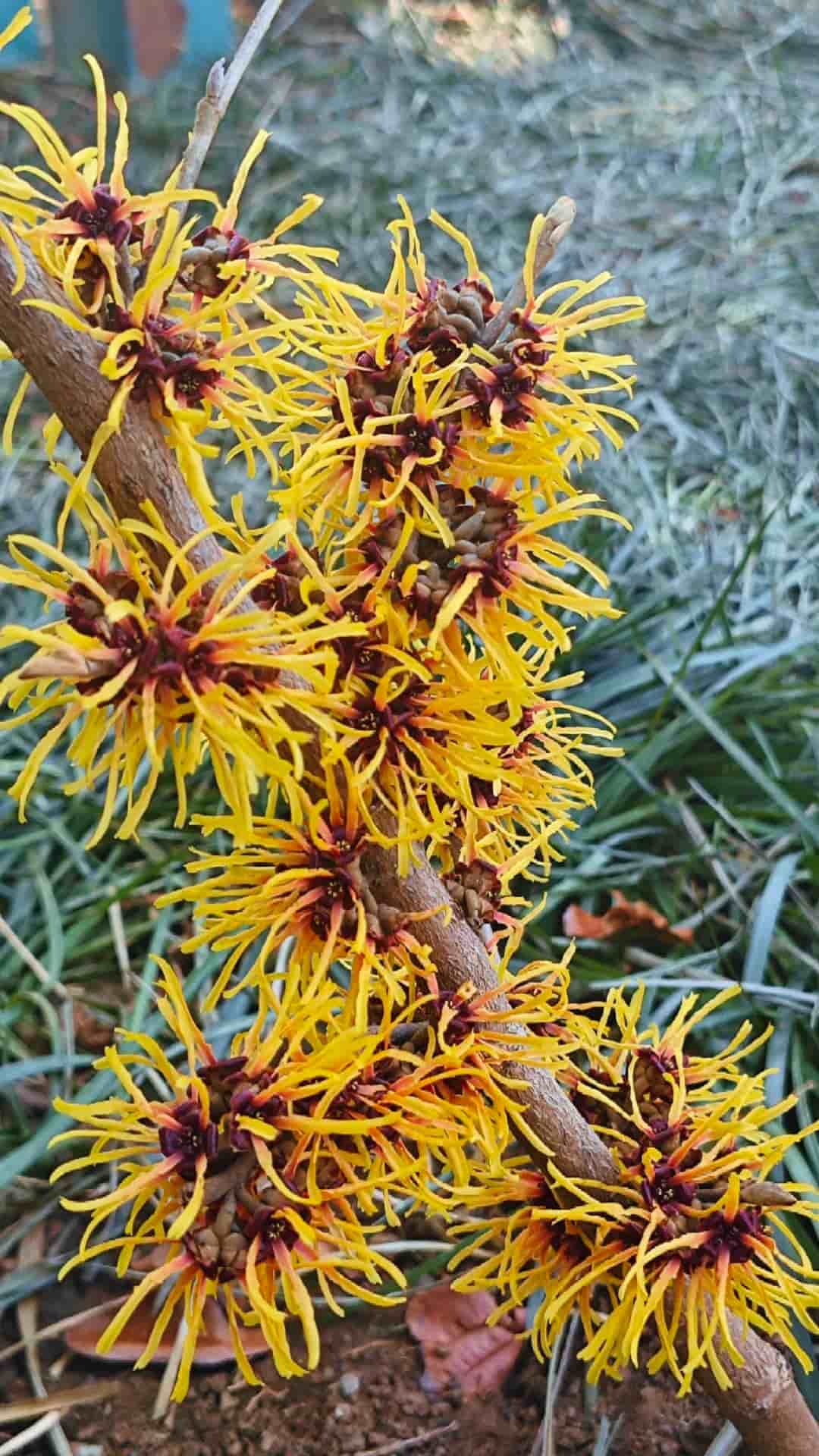
Note on Seasonality: Yes, the Spirea is deciduous, but it’s colorful for the vast majority of the year, and the evergreens in front will keep the structure intact in winter.
Pugster Blue Butterfly Bush + Lemon Lime Nandina=The Butterfly Ballet
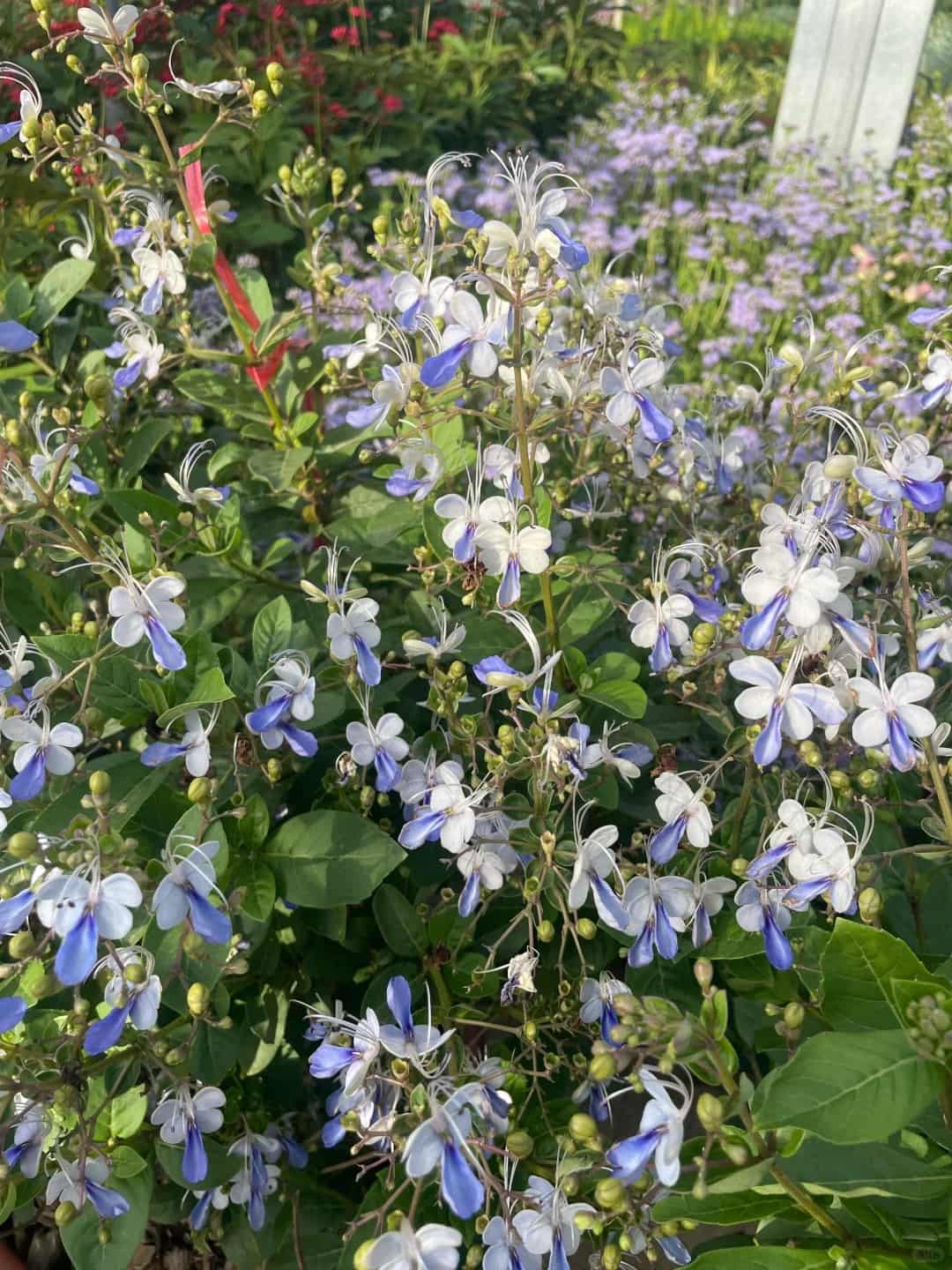
This combo is all about attracting life and adding a zap of vibrant color.
- Pugster Blue Butterfly Bush: This is a breakthrough. It’s a compact butterfly bush (only 2×2 feet!) with full-sized, vivid blue blooms that last all summer and into fall. It’s a butterfly magnet and absolutely stunning.
- Lemon Lime Nandina: An evergreen Nandina with electrifying lime-green foliage that stands out brilliantly all year, growing to 3-4 feet tall.
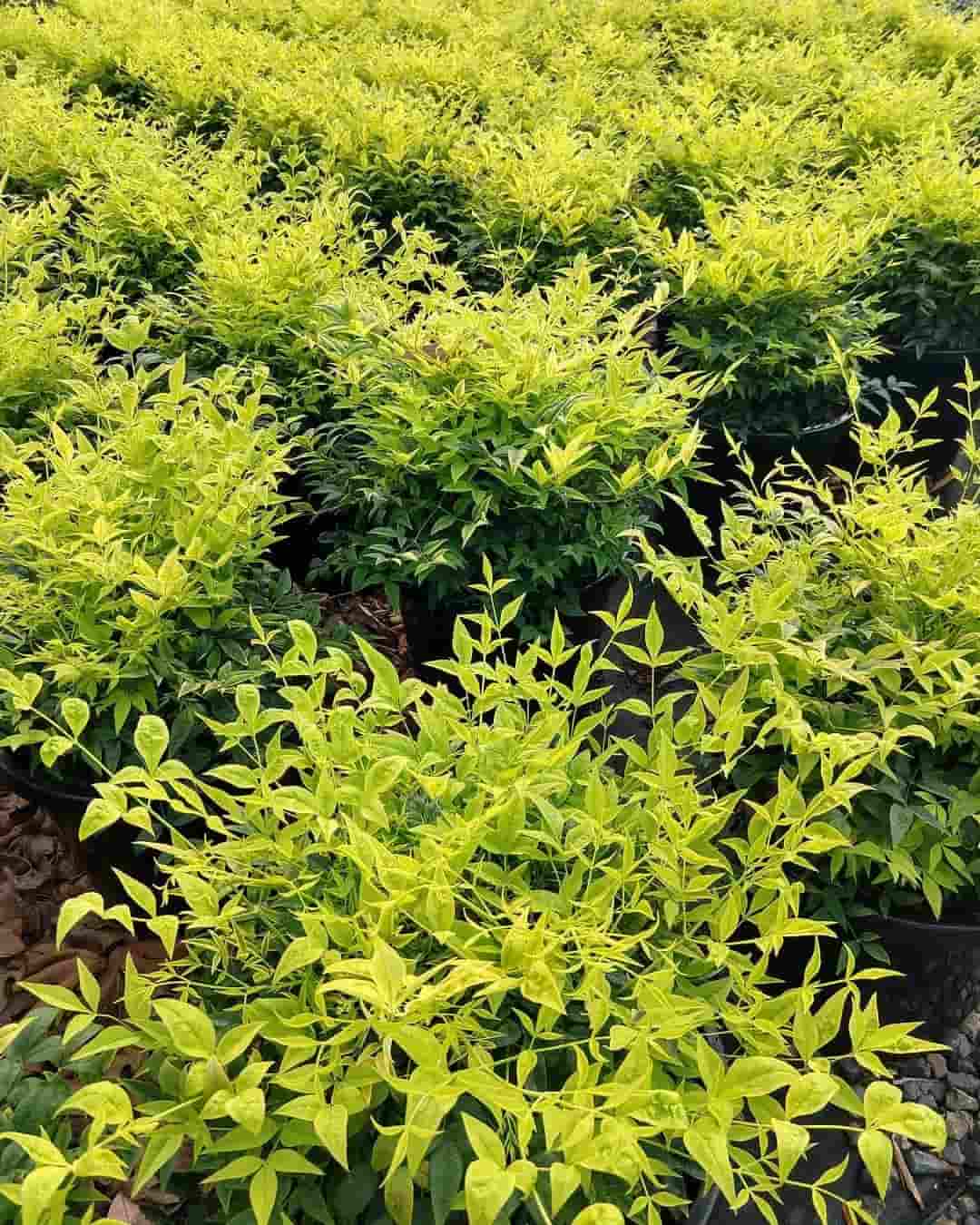
Design Tip: The key is to pair the butterfly bush with one strong, contrasting shrub.
If Nandina isn’t your thing, try a Heaven Scent Gardenia for fragrance, a Fire Chief Arborvitae for orange tones, or a Golden Globe Arborvitae for structure.
The goal is high visual impact and a pollinator party.
Conclusion
Well, there you have it. Ten shrub combinations to suit every condition: sun, shade, compact spaces, and color-lovers.
The secret isn’t just in the individual plants, but in how you layer them together for depth and texture around your home.
Don’t be afraid to experiment. Use that zigzag pattern, give your plants room to breathe, and watch as that once-sad area around your foundation transforms into your home’s most beautiful asset.
Now go forth and plant! Your jealous neighbors are waiting.