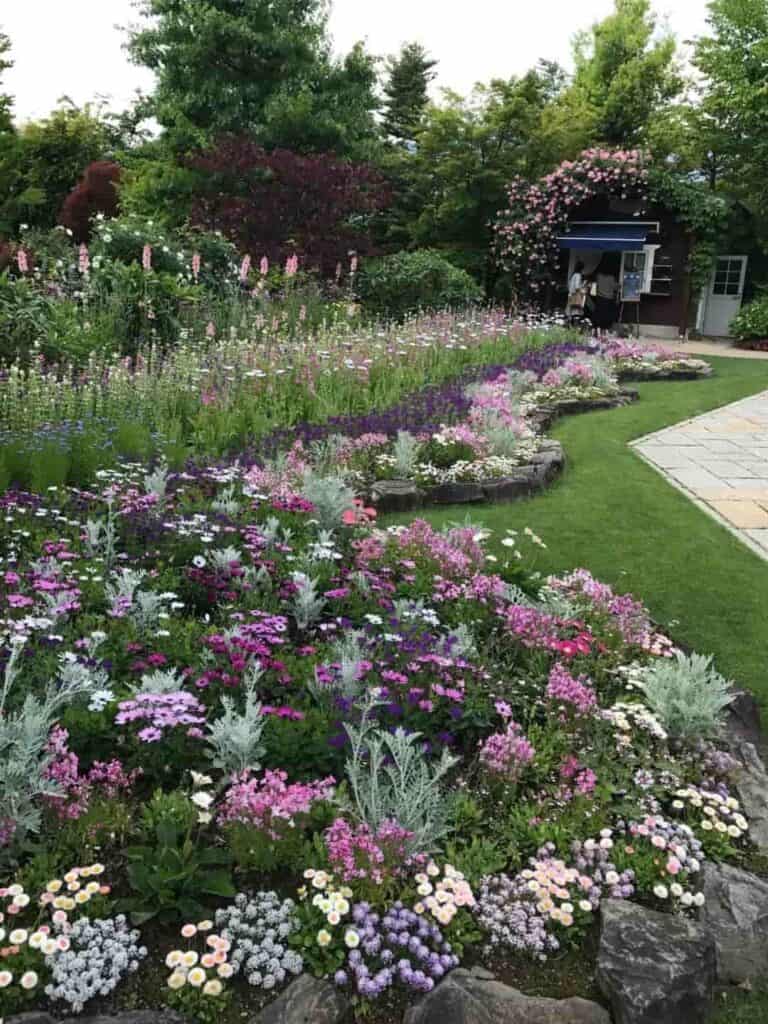
There’s a moment every winter, usually around the time I’m contemplating the nutritional value of a ketchup packet, when I experience a profound sense of victory.
It’s not when I finally fix the rattling furnace, or when I successfully navigate an icy driveway without performing an involuntary, flailing pirouette.
No, my friends. It’s when I trudge out into the biting cold, past my sad, snowman-guarded lawn, and into my garden to harvest a handful of vibrant, living, fresh greens for my dinner.
While the world is sleeping under a blanket of white and grey, my garden is still, quietly, working. It’s my little secret, my act of delicious rebellion against the barren season.
And I’m here to let you in on it.
Forget the limp, travel-weary lettuce from the grocery store. I’m going to show you ten cold-hardy crops (plus a few bonus buddies) that can feed you straight through the winter.
It’s a power move. Some of these tough guys need a simple covering, like a cozy blanket for their roots.
Others laugh in the face of frost, and a few will even peek cheerfully through a layer of snow, just to prove a point.
Ready to turn your winter from bleak to chic(ory)? Let’s dig in.
1. Kale: The Leafy Green Superhero

If my winter garden were a boy band, Kale would be the frontman. The one with the staying power, the good looks, and the devoted fanbase (that’s me, I’m the fanbase).
This isn’t just a crop; it’s a staple, a workhorse, and one of my absolute favorites.
I’ve experimented with a few varieties, and two families have earned a permanent spot in the raised beds.
First, the rockstar: Dazzling Blue Kale. The name isn’t lying. Its stems are a shocking, brilliant blue-purple, and the leaves are tender, delicious, and strangely resistant to bolting in the summer heat.
It’s a biennial, meaning it has a two-year life cycle, which is just gardener-speak for “it sticks around longer to please you.”
But for sheer, unadulterated cold-hardiness, you want the Russian contingent. Red Russian Kale and Scarlet Kale are the special forces of the kale world.
I’ve seen these things withstand temperatures plunging to a ridiculous 5°F (-15°C), often completely uncovered, and live to tell the tale.
While other plants have given up the ghost, my Russian kales are still there, stiff and glittering with frost, waiting for a thaw to become edible once more.
And here’s the best part: frost is this plant’s personal chef. It works a kind of alchemy, converting the starches into sugars.
The result? The sometimes-bitter edge of kale mellows into a delightful sweetness. It’s like the plant is rewarding you for having to wear long johns.
My Pro-Tip: Right before the serious cold hits, I tuck my kale in with a thick layer of diced leaf mulch or wood chips around its base.
This isn’t just a bedtime story; it’s root insulation. It keeps the soil from freezing solid, which allows the plant to keep sipping up water and nutrients, effectively extending its growth—and my harvest—weeks, sometimes months, deeper into the season.
The payoff? I have continuous access to fresh, sweet greens all winter long. Take that, seasonal affective disorder.
2. Red Veined Sorrel: The Unkillable Perennial

If Kale is the reliable frontman, Red Veined Sorrel is the rugged, silent bassist who never misses a show, even if the roof leaks.
This plant is a perennial, which means you plant it once and it comes back, year after year, with a stoic determination that is frankly inspiring.
I’m telling you, this thing survives frost, snow, and my occasional neglect with zero covering. Its growth does slow down in winter—it’s not a miracle worker, there’s less light—but it doesn’t die.
It just waits. And then, in spring, it explodes with a vigor that puts the new, wimpy annuals to shame.
My crop from last year overwintered without so much as a shiver and then produced so heavily the next season I was giving it away to neighbors (who looked at its striking red veins with a mixture of awe and confusion).
And speaking of those veins, this plant is a looker. The deep red veins against the bright green leaves make it the most attractive thing in my winter garden.
Now, I’ll be honest, the flavor isn’t winning any gourmet awards. It’s a bit sharp, a bit lemony, a bit… well, tough. B
ut that’s the point! It’s tough and reliable. I’ve read reports of it surviving -20°F to -30°F. I haven’t personally tested this, as I’d have to move to the Arctic, but I believe it.
The summary? It’s beautiful, resilient, and easy to maintain. A must-have for any winter garden that values survivors.
3. Lettuce: The Fast-Moving Annual

Lettuce is the plucky, fast-growing annual that’s a bit less hardy than kale, but still incredibly useful.
Think of it as the plucky sidekick who needs a little extra support.
On its own, a mature, established lettuce plant can handle down to about 20°F.
But toss a simple row cover over it—picture a light, fuzzy veil draped over your raised beds—and it’ll laugh off 15°F.
The key phrase here is mature and established. Seedlings are like infants; they need constant coddling.
A full-grown lettuce, however, has the fortitude to face the cold.
My late-season strategy is to plant denser than usual. Since the days are shorter and growth slows, you’re not going to get massive heads.
You’re going for a “cut-and-come-again” approach with a crowd of plants.
My other top tip? Grow them in pots. This is a game-changer.
When the forecast calls for a serious plunge or a heavy frost, I simply pick up my pot of lovely lettuce and move it indoors to a south-facing window.
It’s like witness protection for salad. This simple trick extends your lettuce season by months, with or without garden coverings.
4. Tatsoi: The Unflappable Rosette

Meet Tatsoi, the super cold-hardy green that thrives all winter long in my Zone 7A garden without so much as a whisper of a cover.
This plant is a legend. It forms a beautiful, spoon-shaped, dark green rosette that looks like a floral arrangement made of spinach.
Its party trick? Surviving under snow. I’ve had winters where a foot of snow fell, and days later, when it melted, there was the tatsoi, peeking out, vibrant green and completely unfazed.
It’s like a botanical Jack Nicholson, saying, “Heeeeere’s Johnny!” from under the icy depths.
It has a sweet, mild flavor, is packed with Vitamin C (perfect for fighting off winter colds!), and reliably tolerates temperatures down to 10°F.
It can also grow in spring, but it absolutely despises summer heat, so winter is its true time to shine. For a continuous, no-fuss harvest, tatsoi is a non-negotiable staple.
Bonus Crop: Carrots

I couldn’t talk about winter gardening without mentioning carrots, mainly because they are the favorite snack of my head garden consultant, Tuck (a very good dog).
Carrots are the ideal fall-planted crop because they store themselves in the ground.
You plant them in the fall, and as the temperatures drop, a wonderful thing happens.
The plant, in a desperate attempt to keep its taproot from freezing, pumps it full of natural sugars which act as a kind of antifreeze.
For us, this means the carrots become incredibly sweet. It’s a survival mechanism that tastes like dessert.
The harvest tip is simple: add a thick layer of mulch over the carrot bed once the temperatures start to consistently drop.
This insulation prevents the ground from freezing solid, allowing you to literally go out and pull up fresh, crunchy, sweet carrots all winter long.
The key is to harvest before the ground freezes rock-solid, or you’ll be chiseling out mushy, frost-damaged roots.
My anecdote? Let’s just say I have to be faster than Tuck, who has a sixth sense for when a carrot is at its peak sweetness.
If it’s too late for you to plant this year, just scribble “PLANT CARROTS IN FALL” on a post-it and stick it to your forehead for next August.
5. Spinach: The Classic, Done Right

Everyone knows spinach. But not everyone knows that not all spinach is created equal when it comes to winter.
You can’t just plant any old variety and hope for the best. You need the cold-hardy specialists.
I swear by varieties like Giant Winter Spinach and Winter Bloomsdale Spinach.
These guys are bred for this. They can handle temperatures around 15°F, especially under a row cover.
The amazing thing about spinach is that frost and snow don’t kill it. The plant just… pauses. It goes into suspended animation.
Then, on the first warmish days of late winter or early spring, it wakes up and starts growing again, giving you a head start that will make your neighbors weep with envy.
Compare this to spring-planted varieties like Avon Spinach, which are bred for heat resistance to prevent bolting.
The lesson here is simple: success depends not just on choosing the right type of plant, but the right variety for the season.
6. Swiss Chard: The “Plant It and Forget It” Champion

Oh, Swiss Chard. How do I love thee? Let me count the ways. I love thy colorful stems, thy massive leaves, and thy utter indifference to my existence.
This is the most “plant it and forget it” crop in my garden.
The permaculture legend Bill Mollison once praised it as being wildly underused in North America, and he was absolutely right.
I have one chard plant that I put in last spring, and it’s still thriving, pumping out leaves well into fall and winter. It survives down to about 15°F without a cover.
Its benefits are endless: it tolerates partial shade, it grows continuously through multiple seasons, it’s ridiculously nutrient-dense, and it requires less maintenance than a pet rock.
It is, without a doubt, one of the best low-effort, high-reward crops for the colder months.
7. Claytonia (Miner’s Lettuce): The Lemony Invader

Claytonia, or Miner’s Lettuce, is a delightful, soft-textured green with a mild, lemony flavor. But its charm belies its incredible toughness.
This stuff is exceptionally cold-hardy, surviving down to around 10°F.
It actually thrives in low light and cold conditions, making it a perfect winter garden candidate. The one thing you need to know about Claytonia is that it has a… enthusiastic… self-reseeding habit.
It spreads easily in the spring. If you’re not careful, you’ll have a carpet of it. I manage this by simply cutting it back before it goes to heavy flower and seed.
But in the winter, it’s all benefit. It grows uncovered all winter long, providing a reliable, self-sustaining source of fresh greens.
8. Arugula: The Nutty Heat-Seeker (Who Loves the Cold)
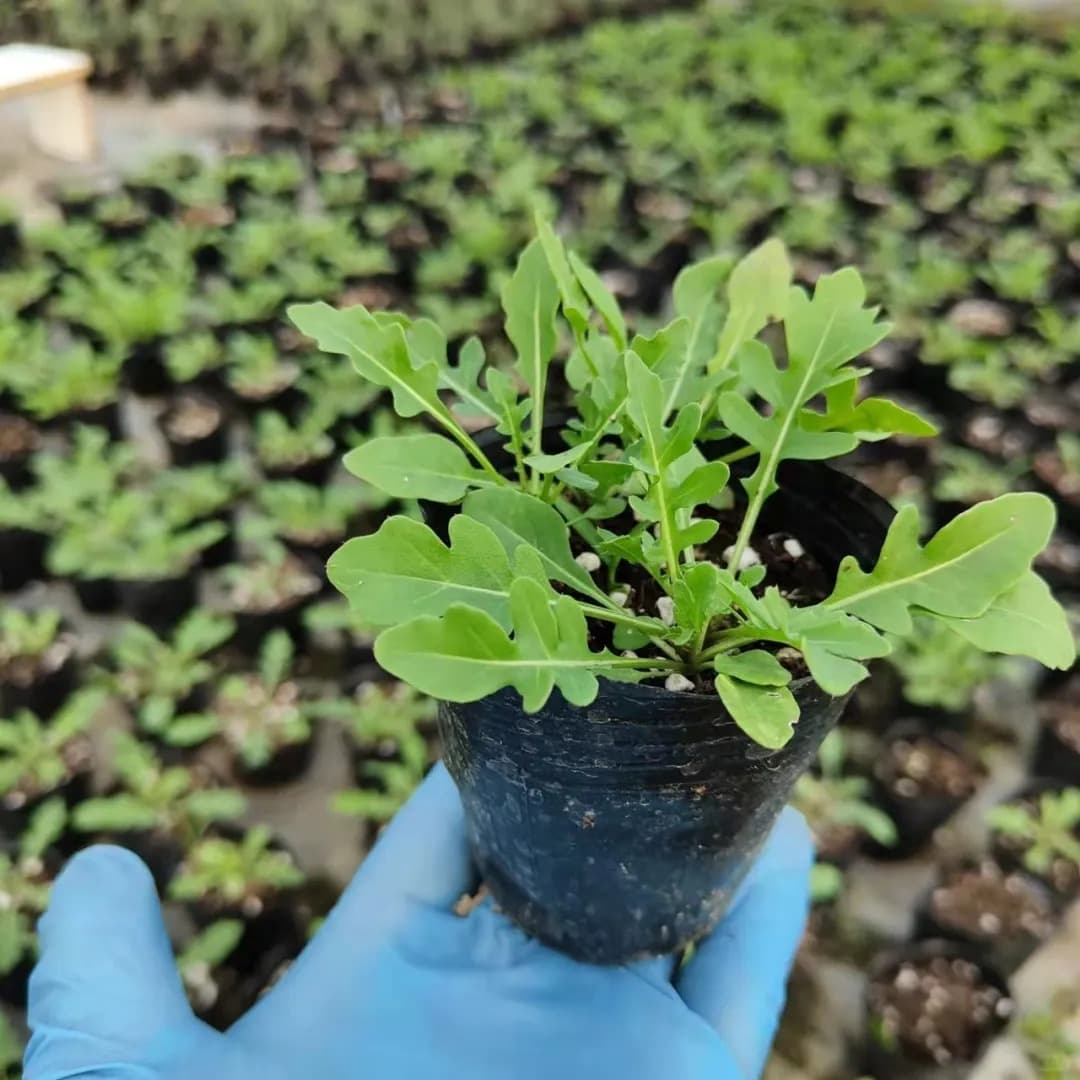
Arugula is a study in contradictions. In the summer, it’s a diva, bolting at the first sign of heat and sending up flower stalks in a dramatic fit. But in the winter?
It’s a completely different plant.
I seek out cold-tolerant varieties like ‘Icebred’ Arugula, which lives up to its name. It tolerates temperatures around 20°F and provides that wonderful, nutty, peppery kick to liven up a winter salad.
I almost exclusively grow my winter arugula in pots. It’s just so easy to move them to a sheltered spot or even indoors for a few days during a deep freeze.
Having this flavor-bomb within arm’s reach when everything else is dormant is a special kind of luxury.
9. Mustard Greens: The Spicy Show-Offs
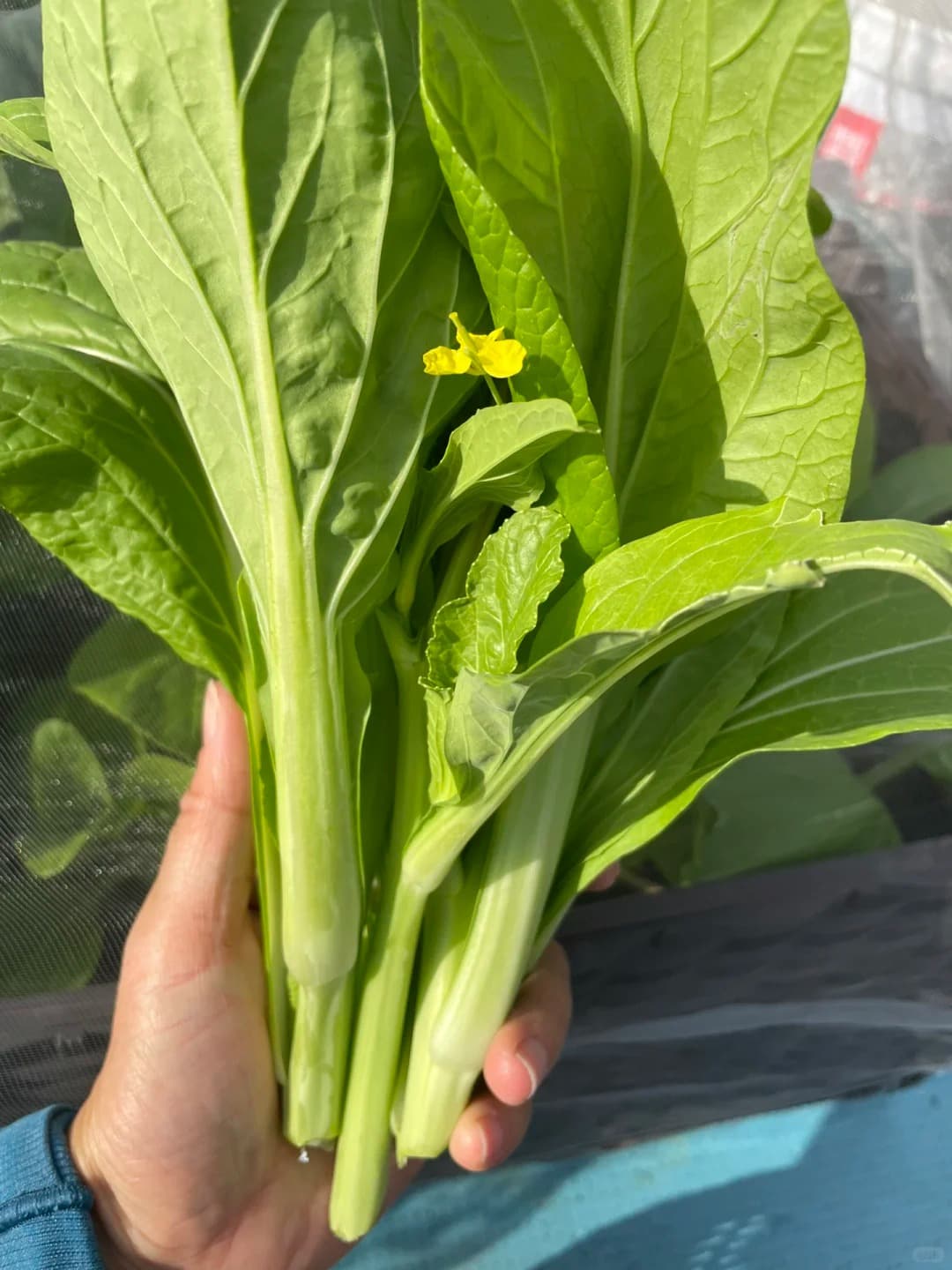
Mustard greens are hardy, fast-growing, and they absolutely thrive in cool weather. They bring the heat, both in flavor and in visual appeal.
I’m particularly fond of Japanese Giant Red Mustard, with its gorgeous, deep purple-red leaves and vigorous growth, and Wasabina (or Wasabi Leaf Mustard), which has frilled leaves and a fantastic, wasabi-like flavor that will clear your sinuses in the best way possible.
They’re cold-tolerant to about 15°F and, just like kale, they become sweeter and milder after a frost.
They’re excellent in containers or raised beds and are ideal for adding both flavor and a stunning visual pop to your fall and winter garden.
10. Parsley & Cilantro: The Herbaceous Duo

I’m grouping these two together because they’re the dynamic herb duo of the cold season.
Cilantro is a cool-weather champ.
It tolerates around 20°F and grows with an enthusiasm it never seems to muster in the summer. The flavor is excellent.
Parsley is its hardier cousin, often surviving down to 10-15°F. It’s a biennial, so it’s in it for the long haul.
My container tip is absolutely essential here. I grow these in pots right outside my kitchen door. Why? It reminds me of a saying from the great Bill Mollison:
“If you have to get your slippers wet to find your herbs, they’re too far away.” Truer words were never spoken.
When a hard frost threatens, I simply move the pot to my south-facing kitchen windowsill.
The benefit? Fresh herbs within arm’s reach all winter long, making any soup, stew, or potato dish instantly gourmet.
The Bonus Squad: More Cold-Hardy All-Stars
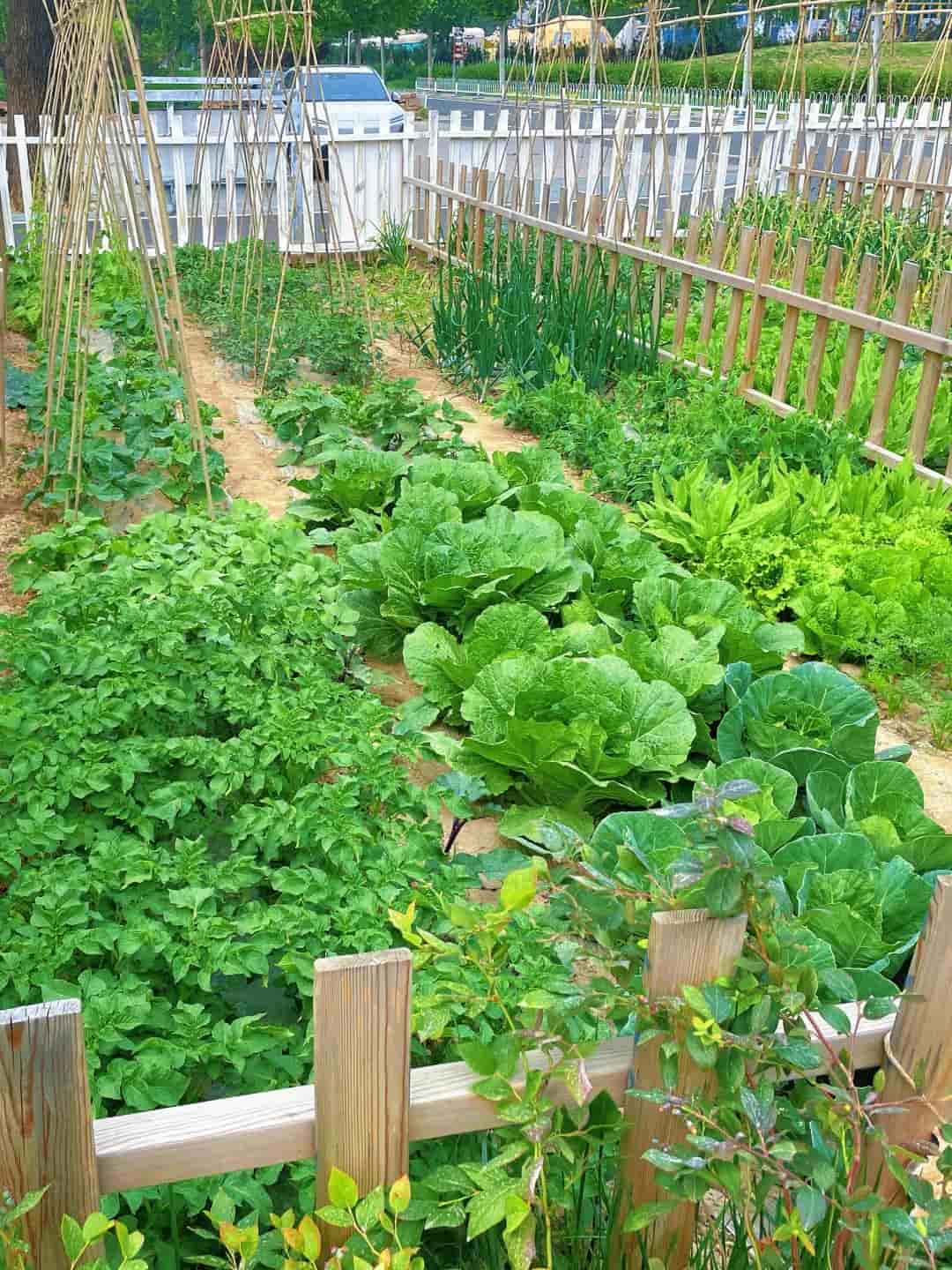
The party doesn’t stop at ten! Here are a few more incredible performers that deserve a shout-out:
- Yukina Savoy (Snow Vegetable): Similar to tatsoi but more upright with beautiful, crinkled, deep green leaves. It’s cold-hardy to 10°F and has a mild, pleasant flavor.
- Mizuna: This Japanese green is similar in flavor and hardiness (~15°F) to mustard greens, but with a lighter, more feathery texture. It’s spicy but less intense, and it grows so prolifically you’ll be looking for new ways to use it in winter salads and stir-fries.
- Mâche (Corn Salad): Another very cold-hardy green, reportedly down to 10°F or lower. I’ll be honest, it’s not my personal favorite—the texture is a bit too soft for me—but it’s a reliable option if you want to expand your winter palette.
Your Essential Winter Gardening Toolkit
Just planting these crops isn’t quite enough. You need a strategy. Here are my non-negotiable tips:
- Choose Cold-Hardy Varieties: This is the number one rule. You can’t just plant “spinach.” You must plant “Winter Bloomsdale” spinach. Every plant type has stronger, more resilient strains bred for this exact purpose. Read those seed packets!
- Use Protective Coverings: A simple row cover or a low tunnel can extend your season by months. It’s the difference between a plant surviving and a plant thriving. I even use a simple hinged cold frame for my most prized greens. It’s like a little greenhouse for your salads.
- Timing is Everything: The goal is to have your plants mature before the killing frosts arrive. Established, robust plants are far more resilient than tiny, vulnerable seedlings. Get them in the ground in late summer or early fall.
- Mulch Like Your Dinner Depends On It: Because it does. A thick layer of mulch is the ultimate root insulation. It regulates soil temperature, prevents heaving from freeze-thaw cycles, and keeps the soil biology alive. Don’t skip this step.
Closing Thoughts: Why We Do This
Growing through the winter provides a connection to life and growth when the world outside seems to have shut down. It’s a morale booster.
Even just a few pots of parsley and kale on a porch can make a profound difference, turning the dormant months into something lively and rewarding.
It proves that with a little knowledge and some tough plants, you never have to stop. So I encourage you to try it.
Pick one or two of these crops and give it a go. I’d love to hear what cold-hardy veggies you’re growing!