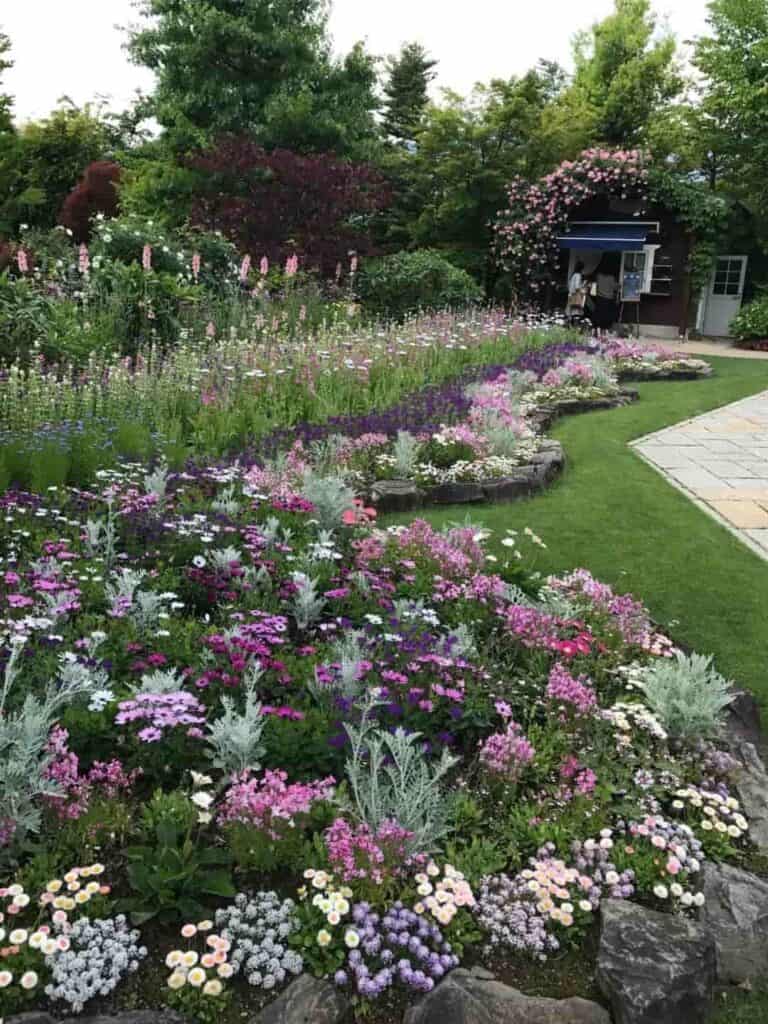
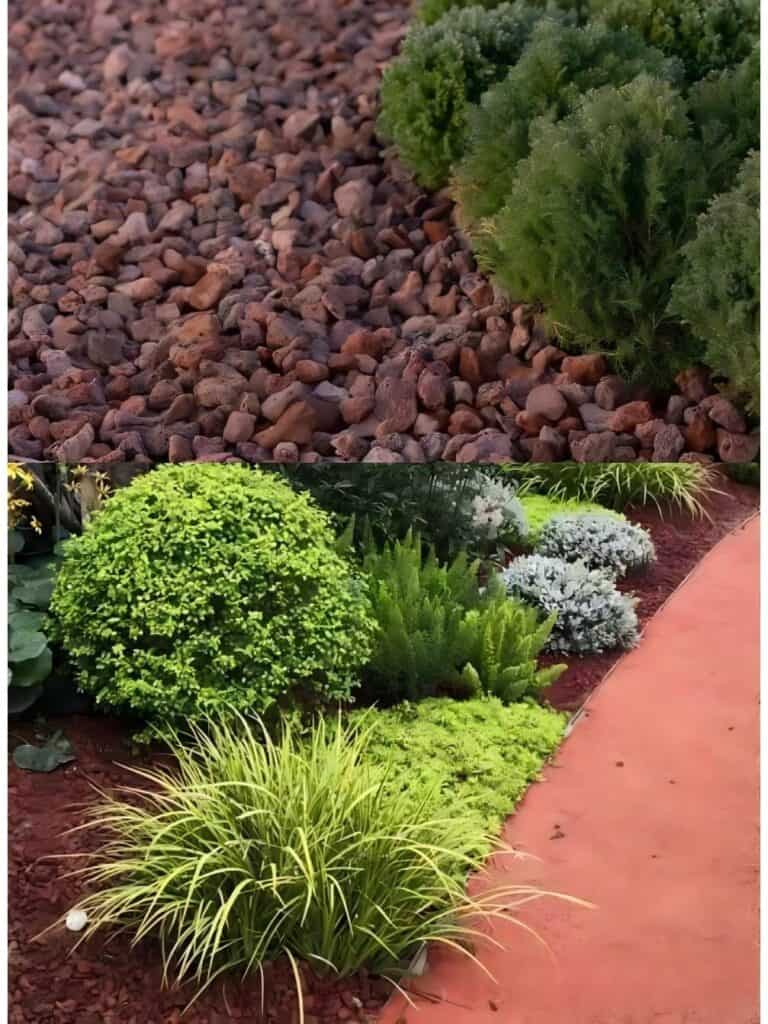
Landscape fabric, also known (rather deceptively, I think) as weed barrier cloth, is advertised with the simplicity of a late-night infomercial product.
The pitch goes like this: You lay this magical cloth on the ground, cover it with a nice layer of mulch, and voila! No weeds.
It’s a promise so beautiful it could make a seasoned gardener weep with joy.
Is it a gardening miracle or a horticultural horror story? If you’ve ever stood in the garden center, staring at that roll of black, woven plastic, feeling a surge of hope at the promise of a weed-free existence, I’m here to be your slightly jaded, weed-whacking reality check.
The reality, however, is more like a B-movie monster that seems harmless at first but eventually devours your garden from the inside out.
It’s a subject that, in gardening circles, has the power to divide friends and family. The opinions are strong, varied, and often come with wild hand gestures.
The Three Groups of Gardeners Who Respond
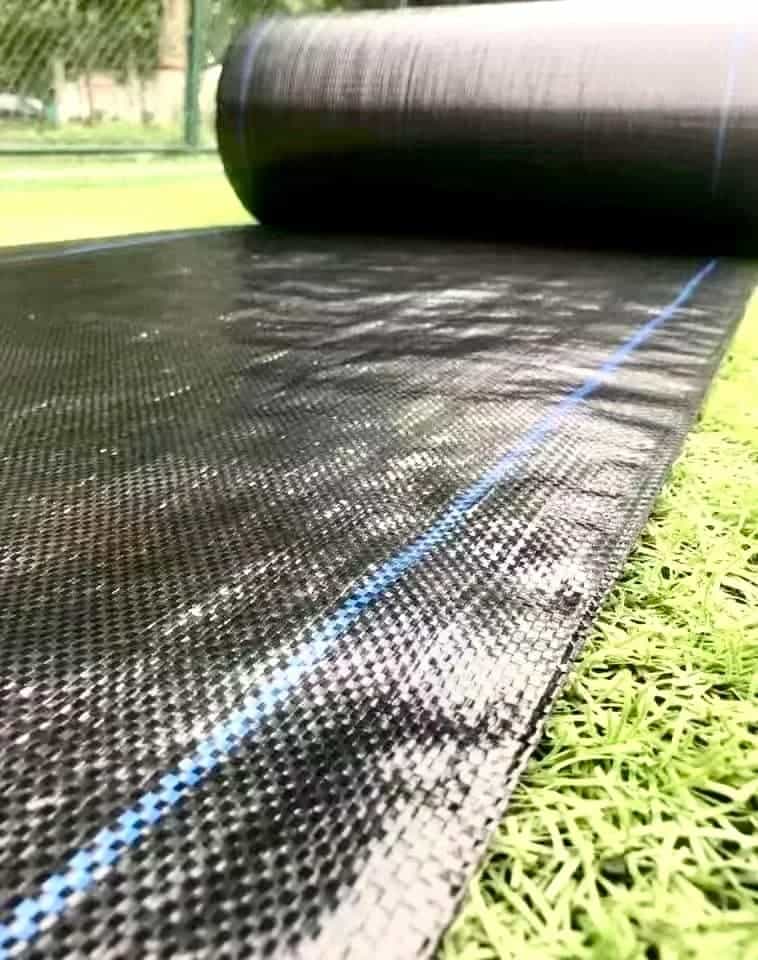
When you bring up landscape fabric, you’ll notice people fall into three distinct camps, much like fans of different pizza toppings.
1. The Landscape Professionals: These folks often love the stuff. And I get it! From a purely business-minded perspective, it makes a new installation look pristine, neat, and incredibly finished. It’s a billable item that provides immediate, short-term satisfaction for both them and the client. They’re often not the ones who have to deal with the fallout five years down the line when the monster awakens.
2. The New Gardeners: Ah, the bright-eyed and bushy-tailed. In their first year or two, they are generally positive about landscape fabric. “Look!” they’ll say, gesturing to their clean beds. “It’s working! I have so much more time for… well, other things!” This is the honeymoon phase. The fabric is still on its best behavior, lulling them into a false sense of security.
3. The Experienced Gardeners: We are the grizzled veterans, the cynics, the ones with dirt under our fingernails and a deep, simmering rage in our hearts at the very mention of the stuff. We have either watched our own fabric turn traitor or, more commonly, have inherited a garden full of it from a previous, well-meaning homeowner. We are the ones who have spent back-breaking weekends digging it out, and that, my friends, is where the hate is born.
Does Landscape Fabric Actually Stop Weeds?
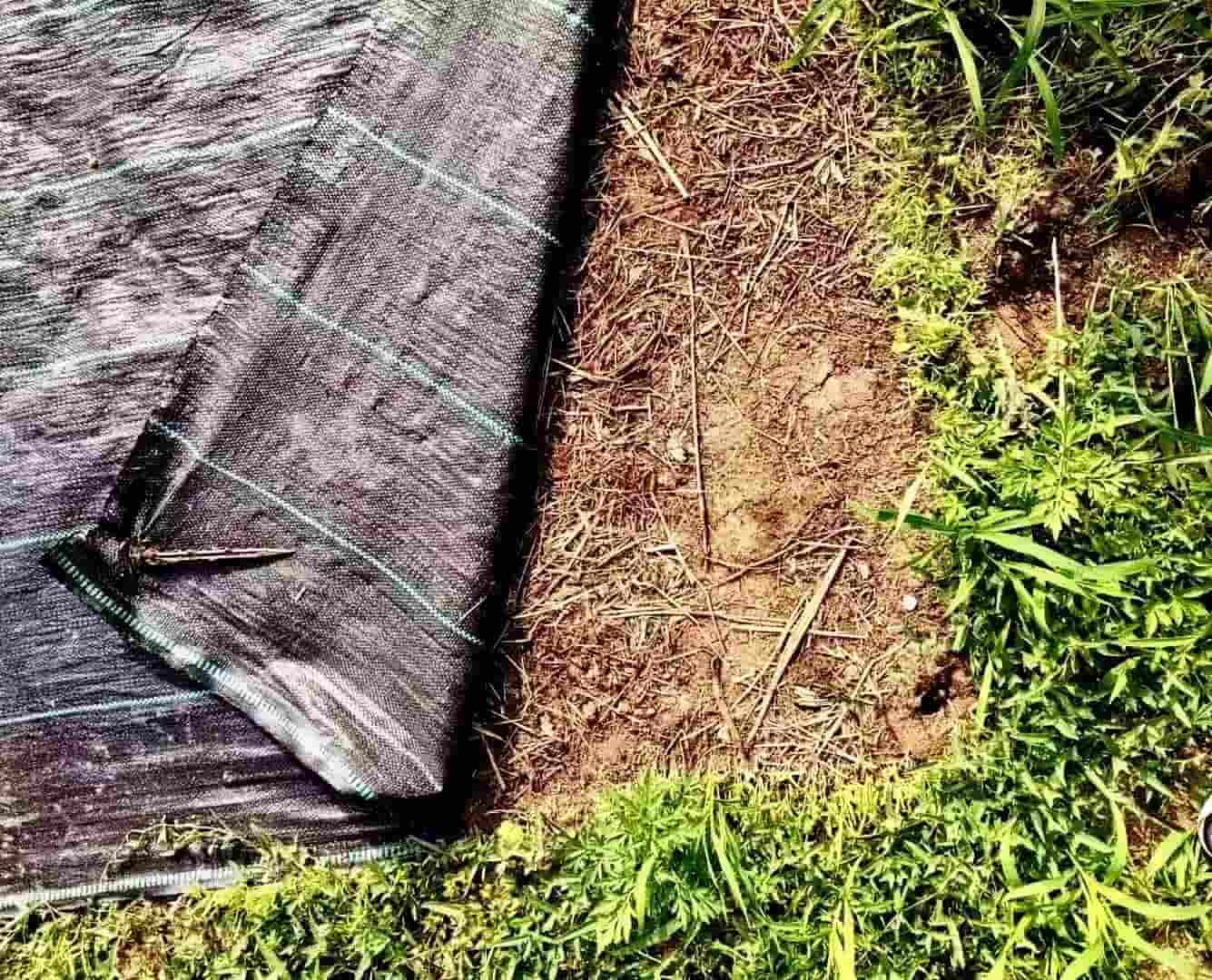
Does Landscape Fabric Actually Stop Weeds?
Let’s cut to the chase. Does it work? The short answer is: not in the way you’re hoping.
During my “research” (which involved a lot of Googling and muttering at my screen), I found a product that boldly promised a “20-year weed-free guarantee.”
Twenty years! Imagine! Your children would be in college before you’d ever see a dandelion again. It sounds like a dream.
But then, like a good detective, I read the fine print.
And oh, what a masterpiece of corporate misdirection it was. The guarantee didn’t actually promise a weed-free garden.
It simply stated that the fabric itself wouldn’t degrade for 20 years and that it “helps control weeds.”
“Helps control” is the weasel-word equivalent of saying a squirt gun “helps control” a forest fire.
The marketing is designed to make you believe one thing while legally promising another.
No product on this green Earth can prevent wind-blown seeds from settling on your mulch and setting up shop.
Why Landscape Fabric Fails in Practice
Let’s break down this failure into its glorious, messy components.
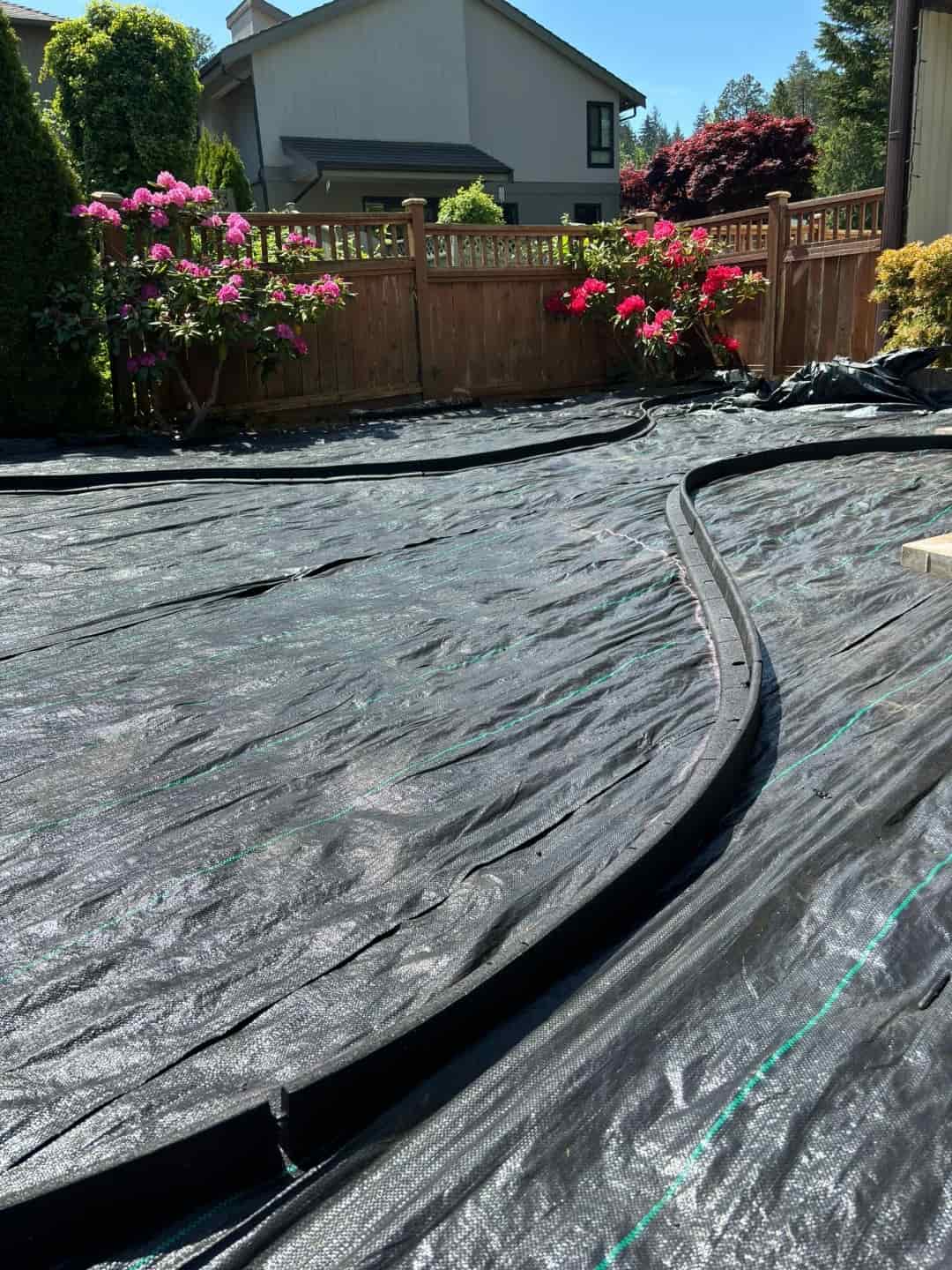
A. It Only Works for a Short Time
Initially, it does a decent job of suppressing the weed seeds already lurking in your soil.
But it’s like building a wall to stop ants; they’ll just find a way around.
Perennial weeds with stubborn roots, like bindweed or thistle, will either punch straight through the fabric like a tiny botanical Hulk or merrily grow around the edges, through the slits, and across the overlaps.
And remember, it’s usually covered with mulch. For a year, maybe two, it looks tidy. But then, a magical transformation occurs. The mulch on top begins to decompose.
Dust, dirt, bird…ahem…droppings, and organic debris settle on the surface. This layer of fertile, wonderful soil-in-waiting creates a perfect, five-star resort for wind-blown weed seeds. They land, they germinate, and they put down roots on top of the fabric.
So, the long-term result? You end up with more weeds than you started with, and they’re now growing in a thin, difficult-to-weed mat of roots and fabric. It’s a nightmare.
B. Water Problems
Landscape fabric is essentially solid plastic with tiny perforations. Think of it as a poorly designed pasta strainer.
When it rains or you run your sprinkler, much of the water is supposed to go through those little holes, but in reality, a lot of it just runs right off, especially if your bed is on any kind of slope.
The soil beneath becomes chronically dry and parched. Your plants, which you presumably wanted to keep alive, are now living in a perpetual state of thirst, their roots gasping for a drink that can’t properly penetrate the plastic sheet they’re trapped under.
C. Reduced Air Exchange and Soil Health
Your soil isn’t just dirt; it’s a living, breathing ecosystem.
It needs to exchange gases with the atmosphere. By slapping a layer of plastic over it, you’re essentially putting a bag over its head.
The soil becomes compact and lifeless. Earthworms, those brilliant little tillers, can’t move through it. Beneficial insects are evicted.
You’re trading a vibrant soil food web for a sterile, plastic tomb.
D. Loss of Mulch Benefits
One of the main reasons we use organic mulch, like wood chips, is not just to suppress weeds, but to feed the soil as it breaks down.
It’s a slow-release meal that improves soil structure, fertility, and moisture retention.
Landscape fabric completely blocks this process. The mulch on top decomposes, but all those wonderful nutrients are trapped, unable to reach the soil where they’re needed.
You’ve halted one of nature’s most fundamental cycles. In short, the plastic prevents your soil from getting any better. It’s like freezing your garden in time, at its worst moment.
The False Promise of Using It in Permanent Plantings
The False Promise of Using It in Permanent Plantings
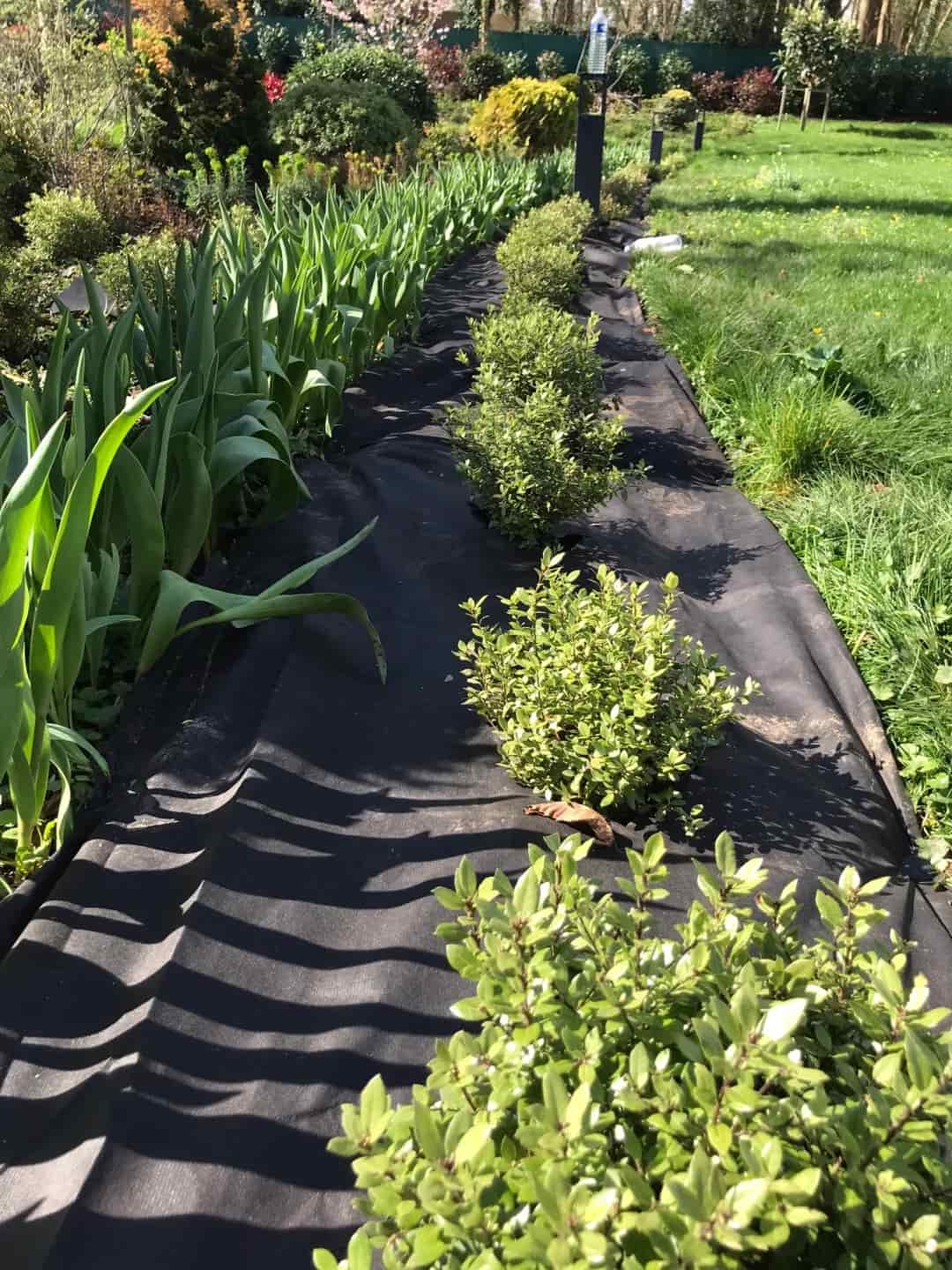
“But wait!” I hear you cry. “What if I just use it in my perennial beds and cut little slits for my plants?” Oh, you sweet, optimistic soul. I’ve been you.
Here’s what happens: You carefully lay the fabric, take your box cutter, and make an ‘X’ for each plant.
You tuck your lovely lavender or rose into its little plastic straightjacket. For a while, it seems fine.
But then, weed seeds blow in and collect right in those very slits—the most vulnerable part of the system.
Weeds grow snugly around the base (the crown) of your perennials, and because they’re nestled against the plant and often rooted through the fabric, they are a complete pain to remove.
Furthermore, as your perennial matures and tries to expand, that little slit becomes a constrictive collar.
The plant can’t spread naturally. Its roots are trapped. And all the while, it’s sitting on a sheet of plastic that is messing with its water and air supply.
It’s an environmental double-whammy, adding more plastic to your little patch of the ecosystem.
The Nightmare of Removing Landscape Fabric
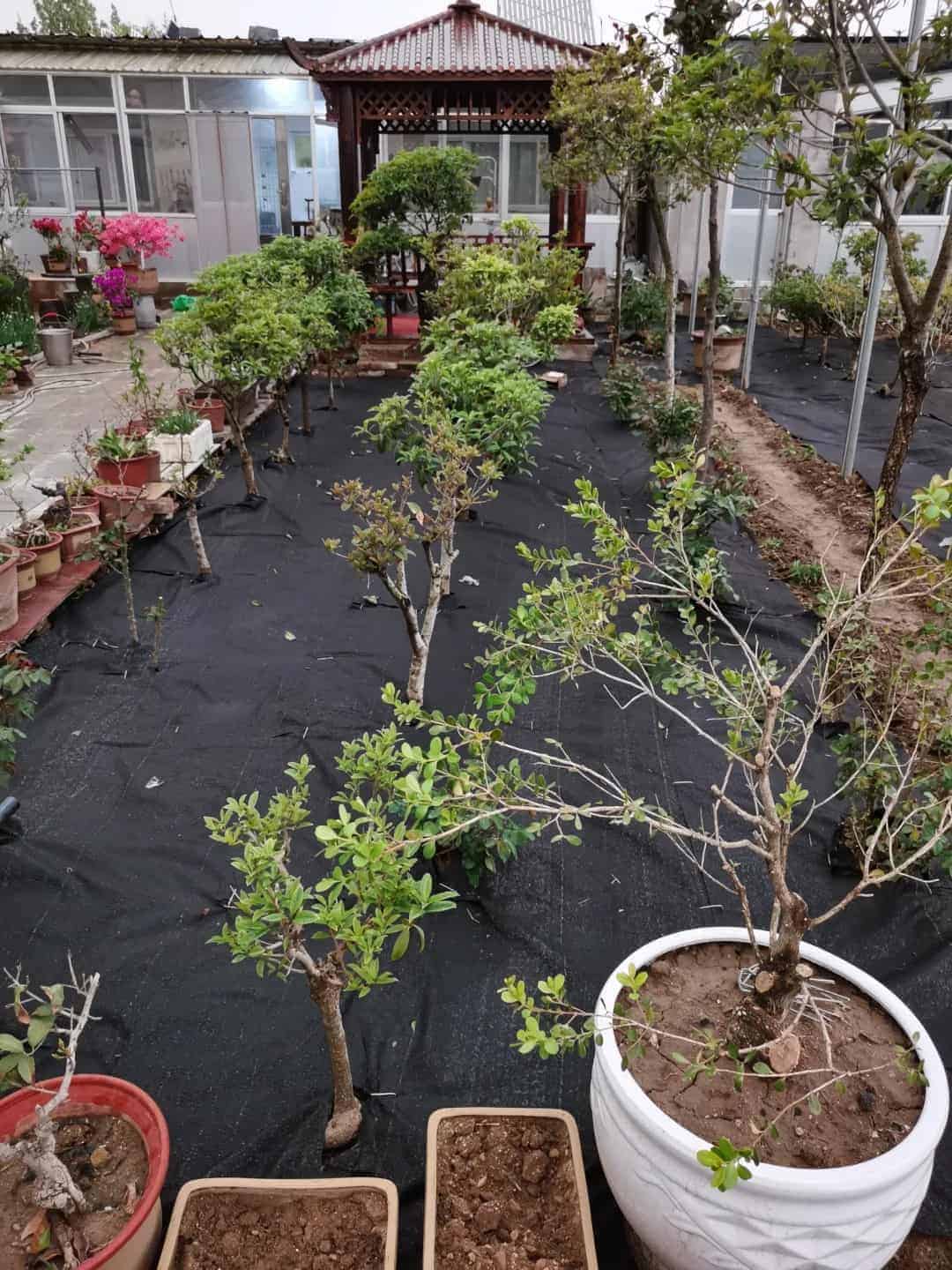
This is the core of the trauma. This is why experienced gardeners get a twitch in their eye when you mention it.
In the short term, if you change your mind, it’s just an annoying chore to pull up. But leave it for a few years, and it becomes a biblical plague. Shrub and tree roots will have grown through the fabric, around it, and into it. It becomes a grotesque, integrated part of your garden’ root system.
The day you decide to remove it, you will need:
- A strong mattock or garden fork.
- Heavy-duty scissors or a knife.
- The patience of a saint.
- A vocabulary that would make a sailor blush.
You will be on your hands and knees, cutting the fabric into tiny, postage-stamp-sized pieces, tearing roots in the process, and damaging the very plants you were trying to protect. It is an exhausting, destructive, and soul-crushing process. This single experience is what turns happy gardeners into landscape fabric abolitionists.
When Landscape Fabric Might Work
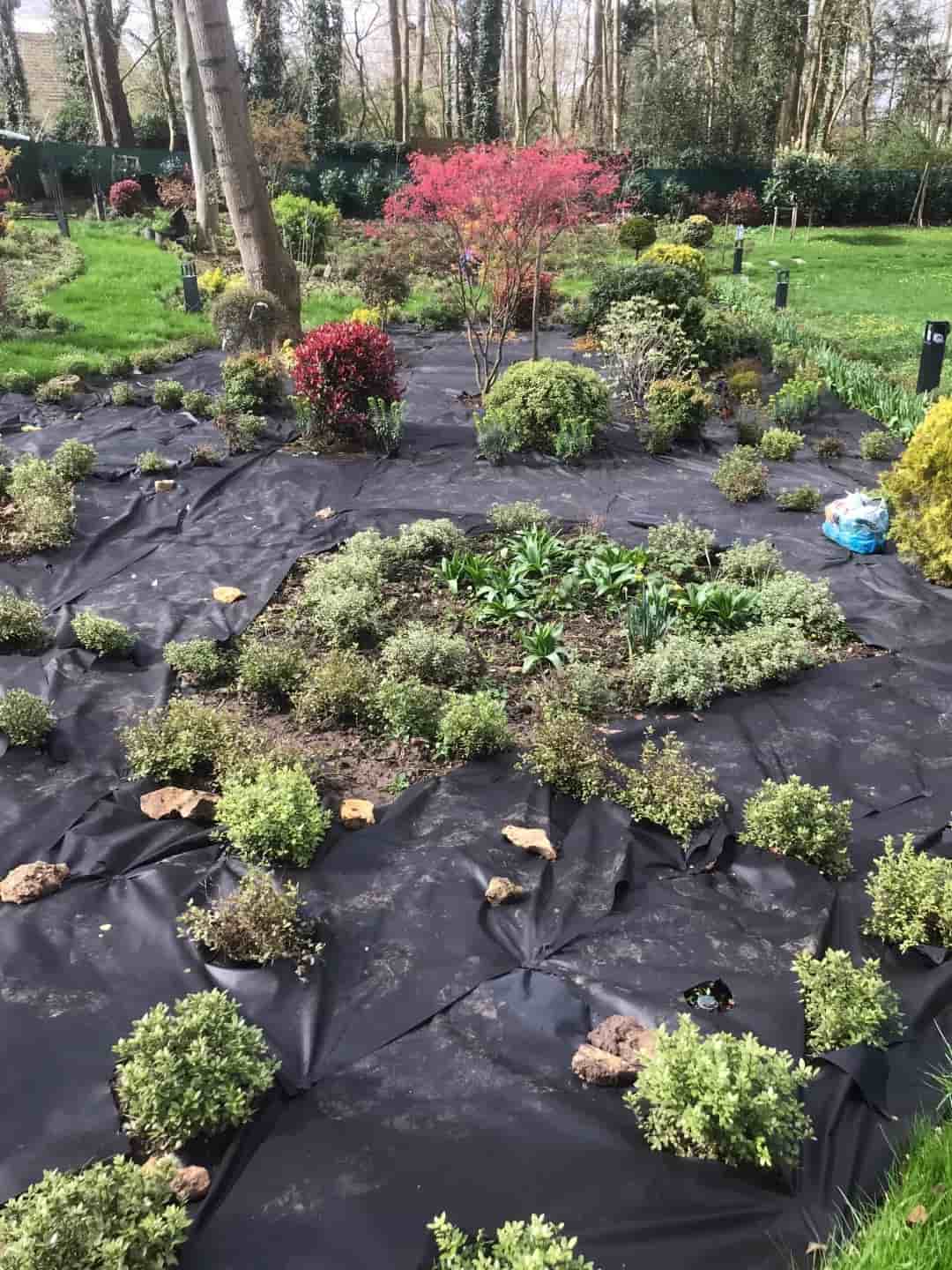
Fine. I’ll be fair. There are a couple of highly specific, controlled scenarios where it functions.
- Nurseries: They often use it between rows of plants in containers. It’s left uncovered so they can easily sweep away debris and it prevents weeds from growing up between the display rows. It works here because it’s a temporary, controlled environment that’s not meant to build soil health.
- Pathways: If you want a purely functional, non-aesthetic pathway and you leave the fabric uncovered (perhaps with gravel on top), it can suppress weeds. It’s a utilitarian solution.
My personal opinion? Even in pathways, I don’t want to walk on plastic in my garden. It feels…wrong. It’s a garden, not a factory floor.
The Aesthetic Problem
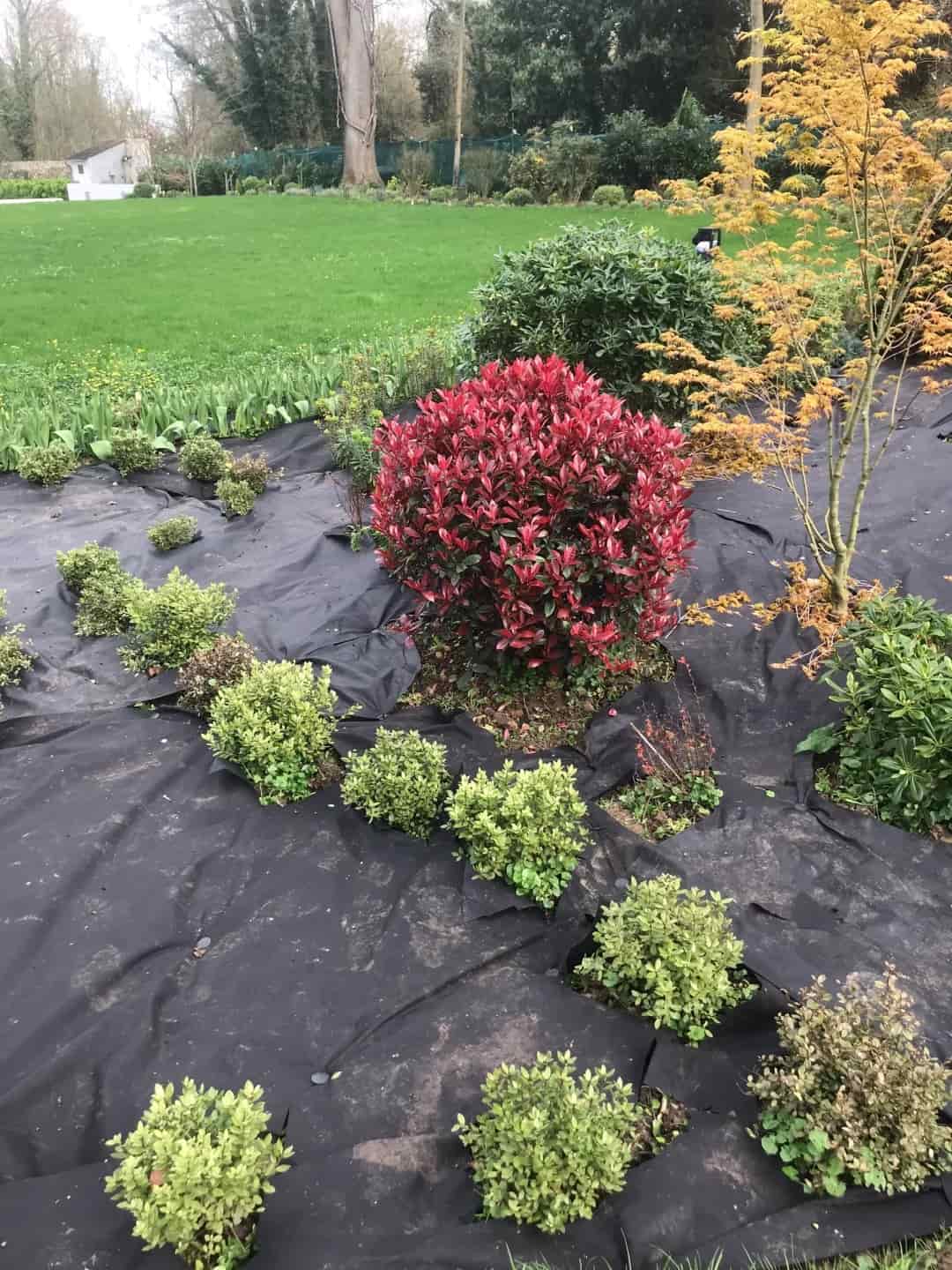
Let’s not forget the sheer ugliness. No matter how perfectly you install it, landscape fabric will become exposed.
Mulch shifts, decomposes, or is disturbed by animals.
Soon, you’ll see ugly, black plastic corners and edges peeking through, making your beautiful garden bed look like a cheap, discarded Halloween costume.
It’s the gardening equivalent of having your shirt tucked into your underwear. It just ruins the whole effect.
What to Do If You Already Have Landscape Fabric
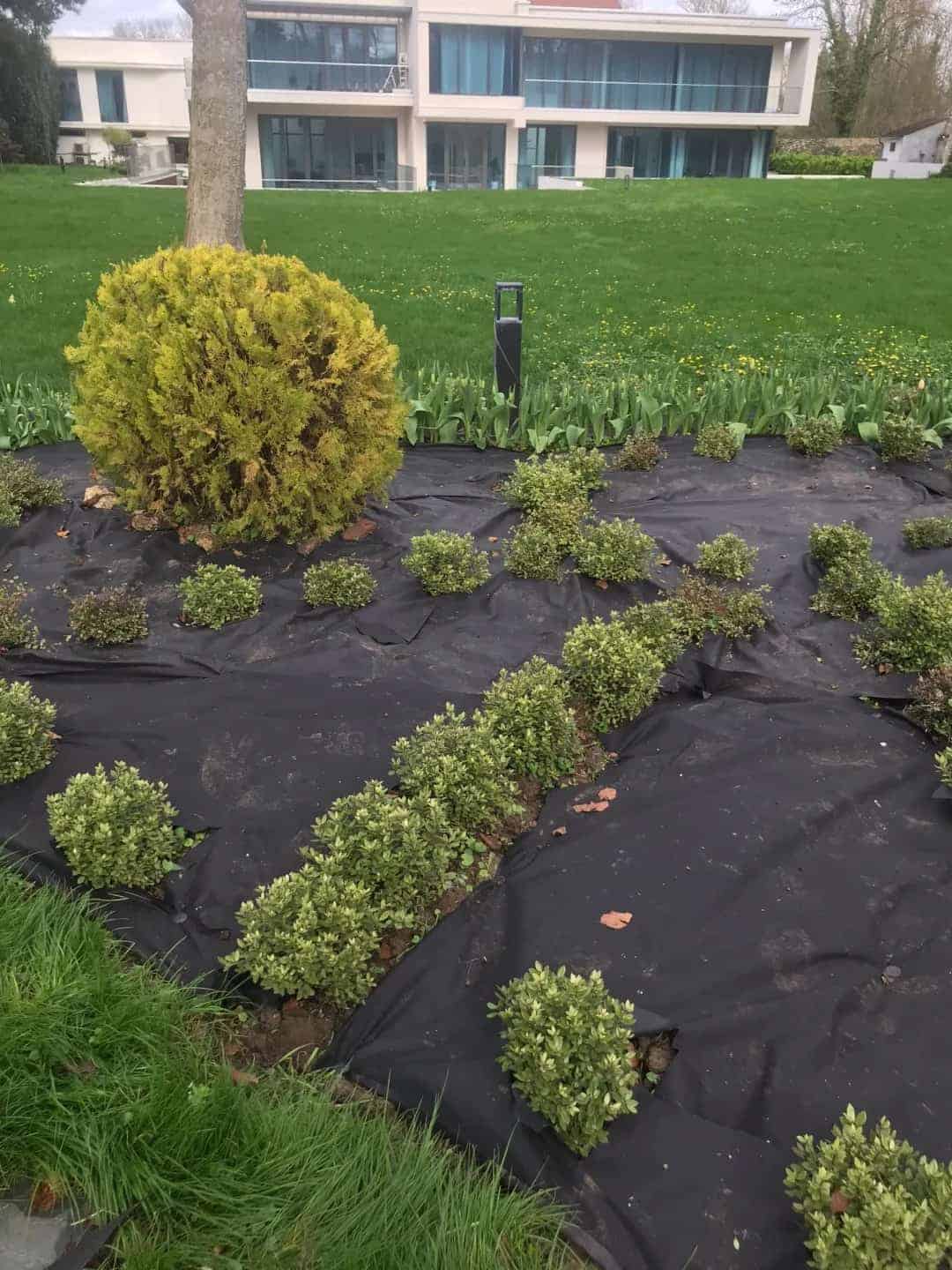
If you’re reading this with a sinking feeling, looking out your window at a yard that you now realize is a plastic time bomb, don’t panic. But do make a plan.
Your number one gardening priority should be to remove it. I’m not going to sugarcoat it—it will be a horrible job. But it is a necessary one. You simply don’t need it.
Once it’s out, replace it with the real heroes of weed control:
• In vegetable gardens, use a thick layer of straw or compost.
• In ornamental beds, use a proper 2-3 inch layer of organic mulch like wood chips or bark.
By removing the plastic, you are unleashing your soil’s potential.
You’re inviting the earthworms back, you’re letting the soil breathe and drink, and you’re allowing the natural cycle of decay and rebirth to do its job.
Your plants will thank you with stronger growth and better health.
Closing Message
So, let’s be clear: Landscape fabric isn’t a long-term solution.
It’s a temporary illusion, a siren song that leads to the rocky shores of waterlogged, air-starved, weed-infested, root-bound misery.
It causes more problems than it could ever hope to solve.
The best path to a healthy, beautiful, and truly low-maintenance garden is to work with nature, not against it.
Use natural mulches. Foster your soil health. Get your hands dirty. It’s more rewarding, better for the planet, and will save you from a future of fabric-removal-induced rage.