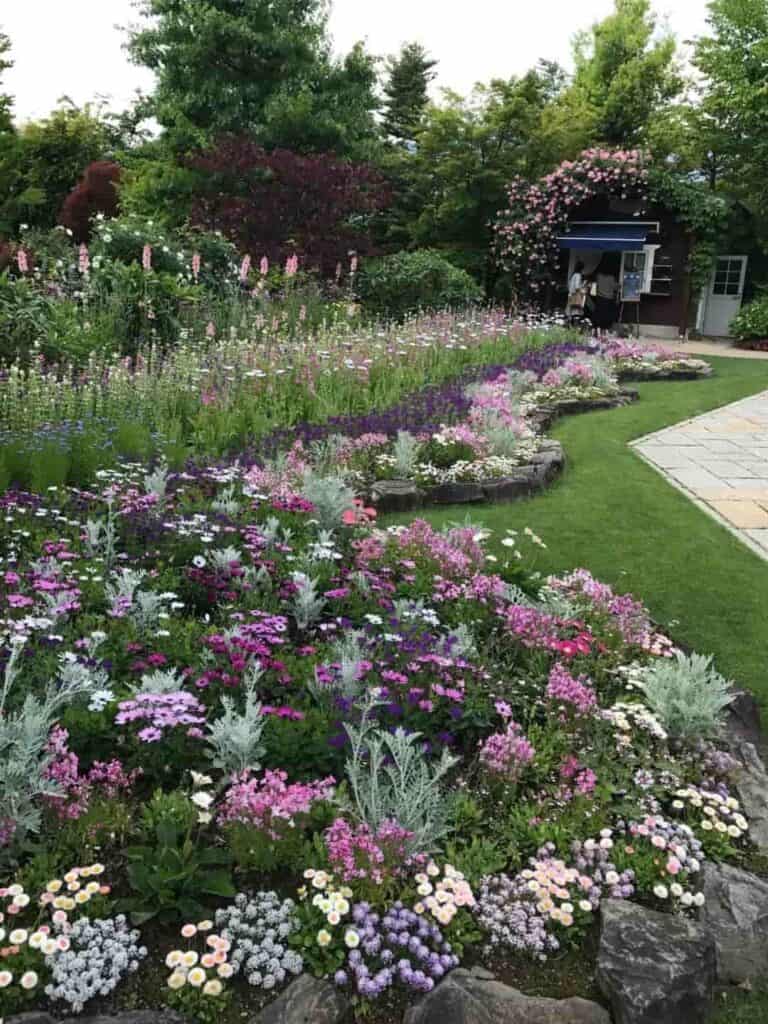
Let’s get one thing straight right off the bat: I am a gardener. I love plants. I love dirt. I love creating little pockets of ecosystem in my own backyard. But I have a sworn, blood-feud-level enemy: the traditional American lawn.
To me, a monoculture of turfgrass is like a blank, green, needy carpet that’s been laid over perfectly good earth. It’s high-maintenance, ecologically boring, and a total drag on my weekend. My mission, which I have chosen to accept, is to cover every inch of my soil—but never with just grass. Bare ground is a missed opportunity for beauty, resilience, and a whole lot less work.
So, drawing inspiration from my friend Chris, I’m going to walk you through several fantastic ways you can commit acts of horticultural rebellion and replace your own lawn.
Why I Went Rogue and Ditched the Traditional Lawn

A turfgrass lawn is basically just “bare soil in disguise.” Think about it. It’s one type of plant, sheared to within an inch of its life, leaving the soil underneath vulnerable. We spend all this time and money maintaining a blank slate, when we could be reimagining those unused spaces as thriving, diverse plant communities.

The benefits of this rebellion are nothing short of glorious:
- It Adds Lushness and Visual Interest: Instead of a flat green plane, you get layers, textures, colors, and movement. It’s the difference between a beige wall and a gallery of fine art.
- It Supercharges Plant Diversity: You’re not just feeding one type of grass; you’re hosting a party for pollinators, beneficial insects, and a symphony of plants that bloom at different times.
- It Saves You Money and Time: Say goodbye to the gas, the fertilizer, the weed ‘n’ feed, and the countless hours pushing a mower in the blazing sun. Your wallet and your lower back will thank you.
- It Forges a Deeper Connection: When your garden is a living, breathing ecosystem, you stop being a warden and start being a steward. You notice the bees on the clover, the way the thyme smells when you brush past it, and the first crocus peeking through in spring. It’s magic.
The Golden Rule: Keep Your Ground Dressed

In gardening, as in life, you don’t want to leave your soil naked and exposed. Bare soil is a problem waiting to happen. It erodes with every heavy rain and gust of wind, it bakes in the sun causing moisture to evaporate faster than you can say “water bill,” and its temperature swings more dramatically than my mood before coffee.
When I say “cover,” I don’t necessarily mean a solid mat of plants (though that’s great). I mean a protective layer. This can be a lightweight mulch, like straw or leaves, or it can be a “living mulch”—a low-growing plant that forms a cozy blanket over the earth.
From Weeds to Wonder: My Cover Crop Coup

Six years ago, my front garden was a tragedy. It was a sad collection of horsetail (the botanical term for “immortal enemy”), every weed known to humankind, and soil that could barely grow a decent grudge.
My redemption arc involved three steps:
- The Great Purge: I hand-pulled the big, obvious weeds. It was therapeutic.
- The Blanket: I sheet mulched the entire area, smothering the remaining weed seeds with layers of cardboard and compost.
- The Transformation: Here’s where the magic happened. I became a cover crop evangelist.
Cover crops are basically fast-growing plants you use as a soil improvement squad. They’re the renovation crew for your garden’s foundation. My method was simple: I laid down several inches of compost and then direct-sowed a mix of cover crops right into it.
My A-Team of Soil Builders:
I used a mix of crimson clover (beautiful red flowers!), buckwheat (grows insanely fast), borage (with its cute star-shaped flowers), and sweet alyssum (a low, white carpet). This mix flowered for months, and my pollinators thought they’d died and gone to heaven. For the winter, I sowed winter field peas, which protected the soil from freezing rains and erosion.
Come spring, I didn’t pull them out. I used the “chop and drop” method: I chopped the plants down and left them on the soil as a nutrient-rich mulch. It’s like cooking a feast for your soil, and the soil pays you back in gorgeous, fertile earth.
The Wildflower Meadow: Instant Gratification Gardening

If the cover crop process feels a bit too much like farming for you, consider a wildflower meadow. It’s a fantastic way to cover ground quickly with a riot of color and life.
The key here is to avoid those generic “bee-friendly” wildflower seed mixes you see in big-box stores. I’m begging you. They often contain aggressive or even invasive species that can bully their way into local ecosystems. Instead, buy from a local seed company or a native plant nursery. These plants are already adapted to your conditions, they’re easier to grow, and they won’t start a plant-based turf war in your neighborhood.
The “Set It and Forget It” Perennial Solution

For the gardener who wants a long-term relationship with their ground cover, perennials are the way to go. Once established, they are the gift that keeps on giving.
The benefits are immense. A dense planting of perennial ground covers shades out annual weeds and can even smother perennial bullies like my old nemesis, horsetail. This means your weeding time plummets to nearly zero. Financially, it’s a genius move. You buy the plant once, and then you can divide it year after year, spreading the love (and the coverage) to other parts of your garden for free.
My Sun-Baked, Water-Wise Oasis
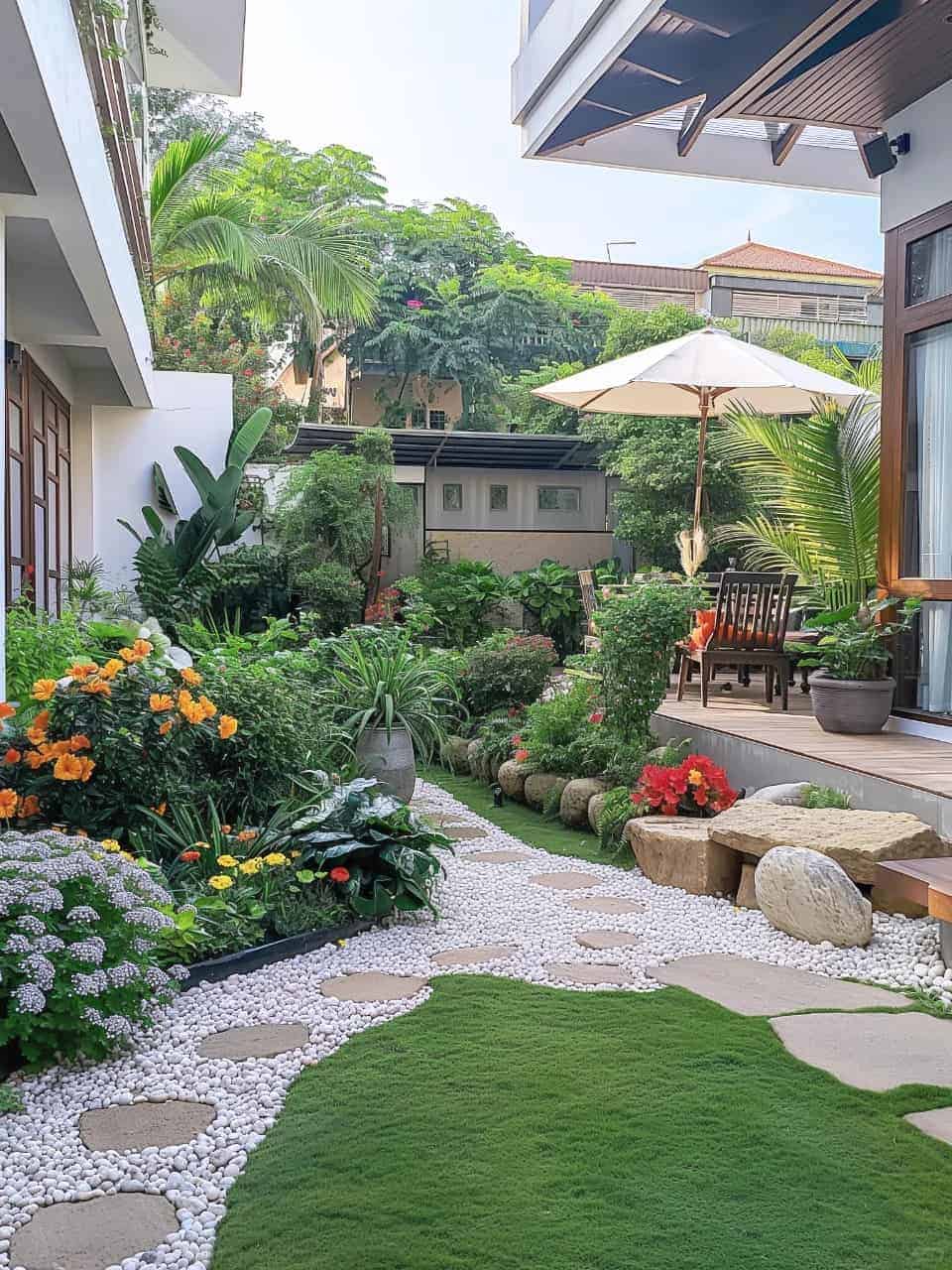
I have one bed that gets blasted by sun all day long. Instead of fighting to keep it watered, I decided to work with it. I designed a Mediterranean-style plant community that thrives on neglect.
The Plant Party:
I used lamb’s ear for its fuzzy, silvery leaves, a statuesque cardoon for drama, and then I let alpine strawberries and woolly thyme spill over the edges. The star of the show, however, is a dedicated strip of creeping thyme.
My Beloved Thyme Carpet:
I planted three varieties: Thymus longicaulis, T. serpyllum, and T. praecox. This creates a dense, fragrant, evergreen mat that retains soil moisture, suppresses weeds, and is soft and wonderful to walk on. It even handles light foot traffic, releasing that incredible herbal scent.
My Pro-Thyme Tip: These plants are tough as nails (hardy to Zone 4!), but they have one mortal enemy: wet feet. Make sure they’re in well-draining soil, or they might succumb to root rot during a soggy winter. A little grit in the planting hole goes a long way.
But What About the Shady Spots?

Sun-lovers get all the attention, but shade has its own charm. For those darker, damper corners, I’ve had great success with ajuga, with its gorgeous bronze and green leaves, wintergreen, various sorrels, wild ginger, and, of course, clovers. Don’t despair if your garden isn’t sunny; a quick search for “native ground covers for shade” in your area will open up a whole new world of possibilities.
The Mixed Clover Lawn: My Masterpiece
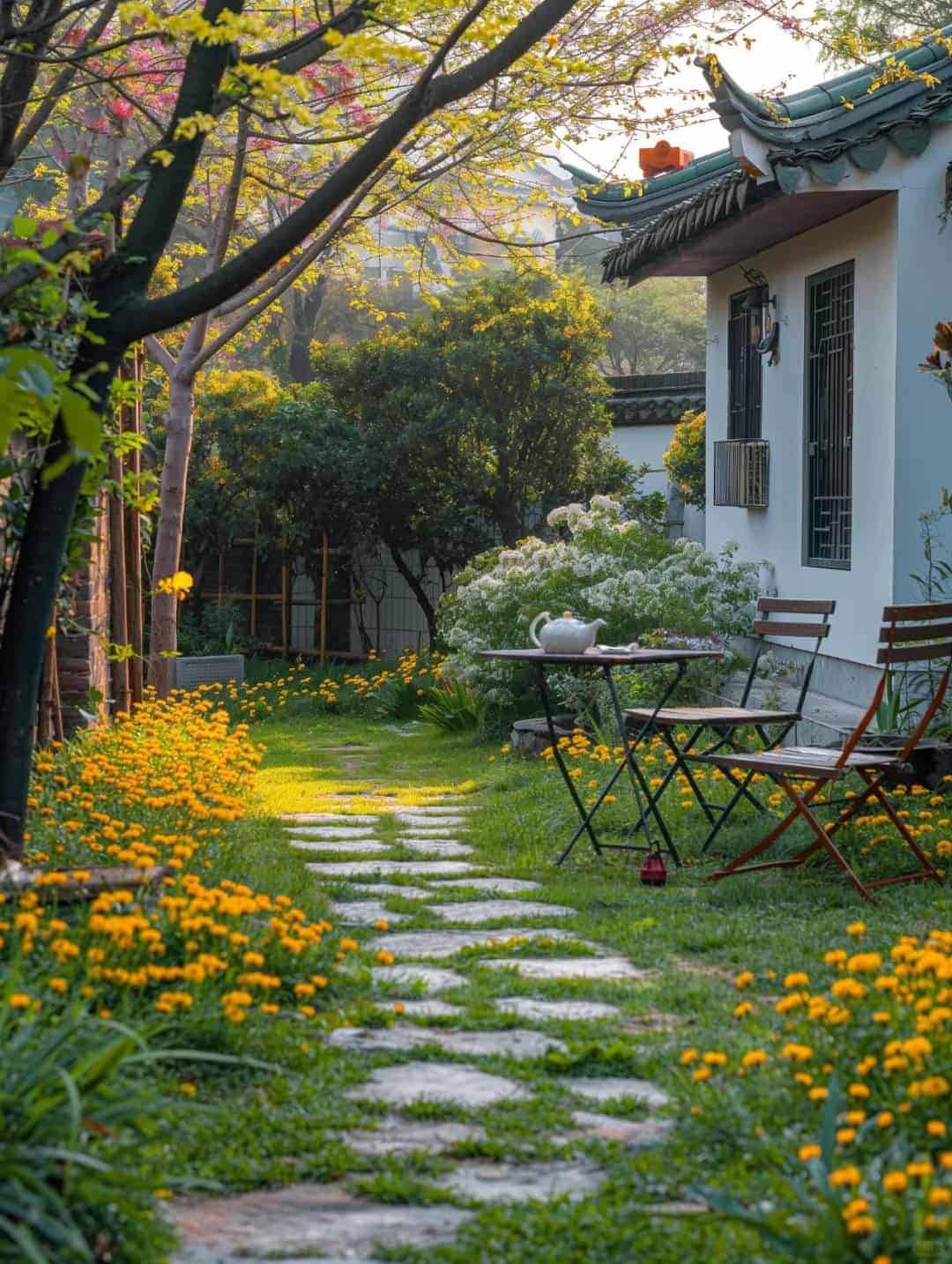
What most people think is my “lawn” is, in fact, a glorious, mixed clover meadow. I seeded it three or four years ago, and it’s the most resilient, beautiful, and low-maintenance carpet I’ve ever had.

The Clover Cast:
I used a mix of micro clover, red clover, crimson clover, and white Dutch clover. But I didn’t stop there. I welcomed in so-called “weeds” as companion plants: self-heal, dandelion, chamomile, and yarrow all play a part.
Why This “Lawn” is Superior in Every Way:
You can mow it if you want a tidier look (I do, maybe three times a year), and it handles foot traffic from kids and dogs with ease. It flowers in beautiful waves of white and pink, requires no watering, no fertilizing, and no frequent mowing. I let it grow to about six inches tall, which protects the roots and soil from the heat. The result is a resilient, self-sustaining network of plants that support each other and the soil food web.
A Plea to Redefine “Weeds”

Let’s have an intervention about your definition of a weed. Plants like violets, plantain, ajuga, clover, and black medic are not the enemy. They are lawn allies. They are mowable, beautiful, and require no care. Let them be! A violet-dotted lawn is a thing of beauty, not a failure.
The Seasonal Sparkle: Bulbs!

For a little extra joy, I naturalize bulbs right in my clover lawn. Crocus, snowdrops, fritillaria, and daffodils punch through in early spring, providing vibrant color long before anything else has woken up. They are the perfect surprise party after a long winter.
When in Doubt, Mulch It Out

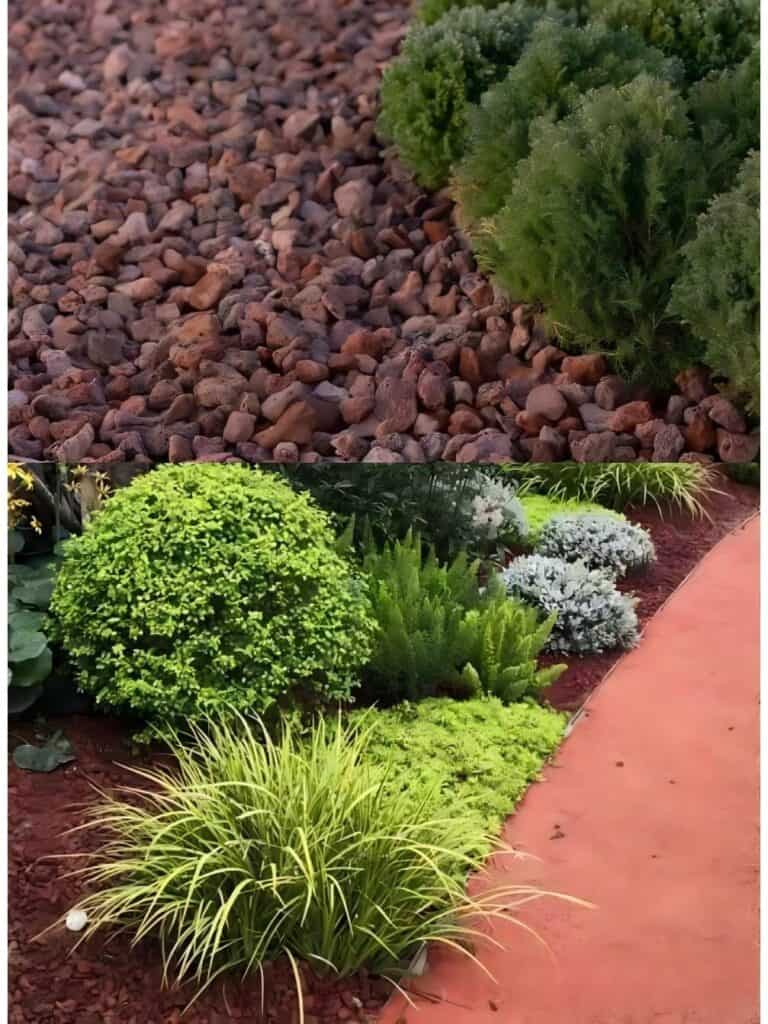
Let’s not forget the non-living ground covers. Sometimes, they are the most practical choice. Straw, leaves, bark mulch, wood chips, and stone are all fantastic options.
I use them for high-traffic paths, for quickly covering large areas I haven’t planted yet, and in my edible garden beds where I need something lightweight and easy to move. They are cost-effective, incredibly functional, and a whole lot better than bare dirt.
Keep It Simple, Seriously.
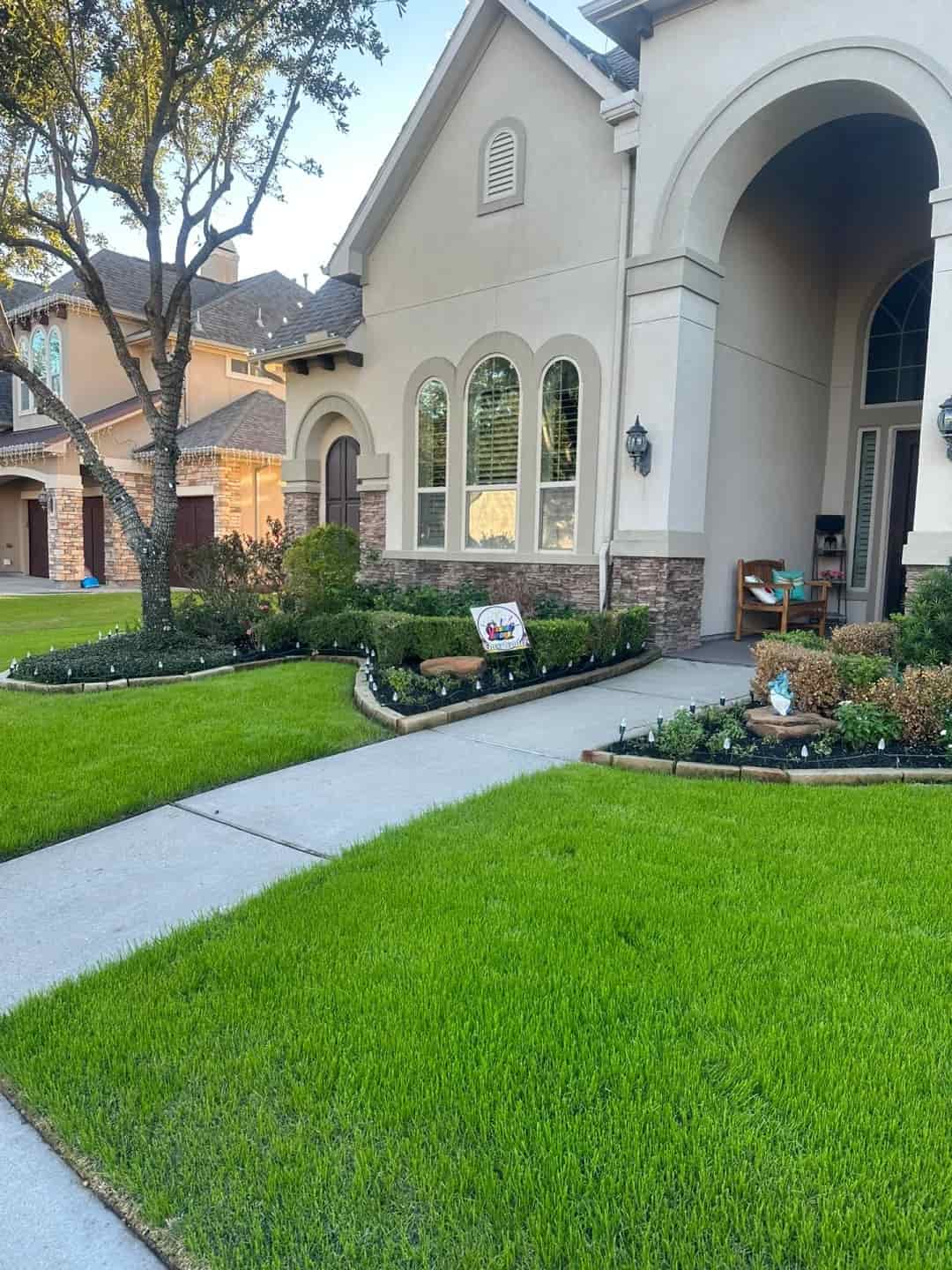
I know this can feel like a lot of information. But don’t overcomplicate it. The goal is simple: cover the soil. Whether it’s with a living plant or a layer of mulch, just get it covered. From there, you can get creative. Mix and match. Let a little clover invade your thyme. Let the violets dance with the daffodils. You are building a textured, functional, and utterly unique tapestry.
Final Thoughts
So, my fellow gardener, I implore you: join the rebellion. Tear up that turfgrass. It’s one of the most satisfying things you will ever do with a shovel. And here’s a pro-tip: check with your city! Many municipalities now offer rebates for replacing water-guzzling lawns with sustainable landscaping. It’s a win for the Earth and your wallet.
Making these changes has transformed my garden from a chore into a sanctuary. It’s better for the bees, the birds, the soil, and my soul. However you choose to do it, just remember: keep on growing