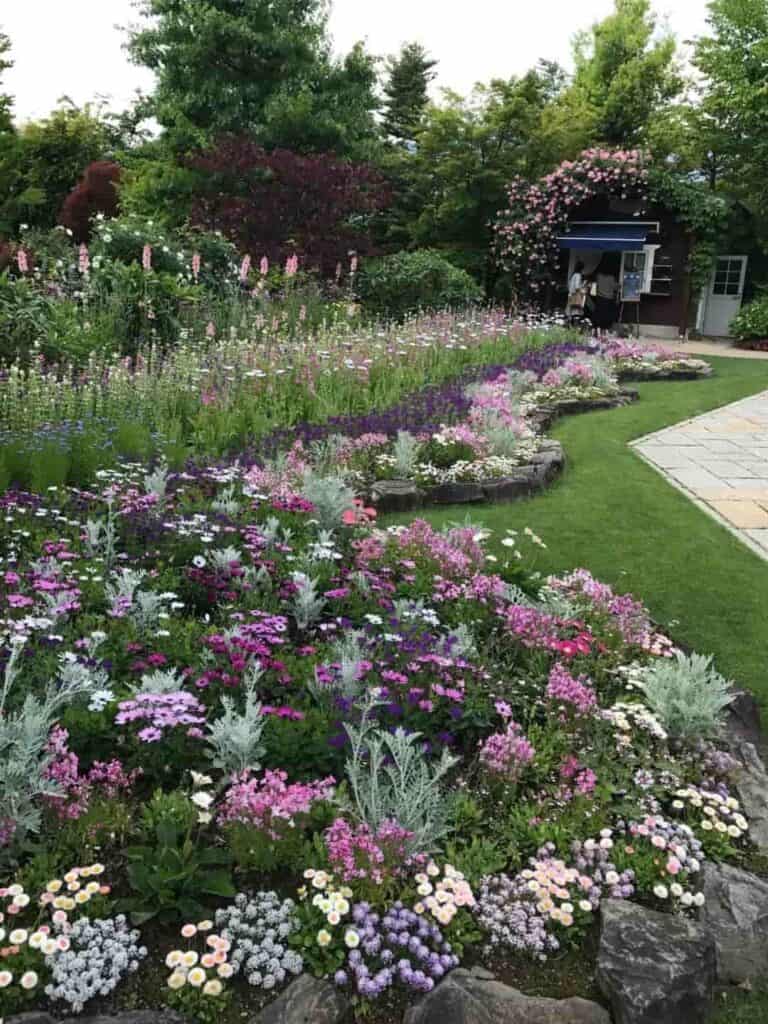
For ten years, I have loved, nurtured, and poured roughly the GDP of a small island nation into my garden.
I’ve spent countless weekends with my hands in the dirt, my back in the sun, and my dreams tangled up in the roots of perennials.
This garden wasn’t just a hobby; it was a core part of my identity. It was my sanctuary, my therapist, and my greatest achievement.
I thought I was creating paradise. Turns out, I was building a prison of perceived obligation.
When I decided to sell my Michigan home to move to Kentucky, I was certain my lush, mature garden would be the star of the show, the thing that had buyers weeping with desire and throwing extra zeroes into their offers.
The reality was a gut punch wrapped in a real estate listing. My sanctuary, my soul-soothing haven, was universally viewed by potential buyers as a colossal, chlorophyll-filled pain in the… yard.
It was the thing they loved to look at but desperately didn’t want to take care of.
The Beginning of a Gardening Journey

It all started two decades ago with a very southeast Michigan special: a flat, boring rectangle of grass, a few sad-looking foundation shrubs, and a whole lot of potential.
I was an engineer with a slide rule and a dream. I devoured books on English cottage gardens and became obsessed with the idea of creating my own personal Sissinghurst.
I didn’t just want a yard; I wanted garden rooms.
So, I got to work. Slowly, methodically, like a horticultural chess master, I began my campaign.
The grass was my opponent, and I was winning. I carved out a winding path, created a secret nook under the tall white pines for a woodland border, and built up layers of texture and color so that something was always putting on a show.
My latest, and in my opinion, greatest addition, was converting the entire front yard into a pollinator garden—a riot of coneflowers, salvia, and milkweed that buzzed with life and probably annoyed the more turf-obsessed neighbors.
I was a rebel with a cause, and my weapon was a trowel.
More Than Landscaping — A Sanctuary for the Soul

This garden was my escape. After a day of wrangling spreadsheets and solving engineering problems where everything has a right answer, the garden was my beautiful, chaotic, living counterpoint.
My daily ritual was to grab my morning coffee and just… be.
I’d listen to the robins bicker, watch the bees do their fuzzy-legged work, and feel the sun on my face.
I learned the rhythm of the seasons not from a calendar, but from the earth.
The brave, green tips of snowdrops pushing through the last crust of snow were my first victory of the year.
The explosion of tulips and daffodils was the spring parade held just for me.
Summer was a symphony of buzzing and blooming. This was where I decompressed, practiced mindfulness without even trying, and felt a profound connection to the simple, magnificent act of creation.
It was cheaper than therapy and came with better scenery.
The Garden That Connected People

But it wasn’t just my private refuge. It became the heart of our home. Friends would come over for wine on the patio, surrounded by the scent of lavender and phlox.
It was a place for laughter and deep conversations.
Most importantly, it became a sanctuary for my mom. After my dad passed away, we moved her down from northern Michigan.
She’d sit for hours on the patio, a cup of tea in her hand, just watching the light filter through the leaves.
One day, I found a little note she’d left on the table: “Sitting here is like getting a hug from God.”
That note is now tucked away in a memory box. The garden was no longer just my creation; it was a living, breathing scrapbook of love and healing.
It had witnessed our grief and offered us quiet comfort. It was more than plants; it was a member of the family.
A Testament to Transformation

I looked out at that garden with immense pride. I had taken something utterly ordinary and, with vision and a disturbing amount of sweat equity, turned it into something extraordinary.
It was a testament to the idea that with enough care, you can create beauty from the most simple of canvases.
I believed, with every fiber of my being, that I had added not just beauty, but tangible, financial value to my property.
Oh, my sweet, summer child.
A New Chapter: The Move to Kentucky

Life, as it does, threw us a curveball. A new opportunity meant a relocation to the rolling hills of Kentucky. I was excited!
A new adventure! And selling our house? Pfft. A mere formality. I pictured the real estate listing: “…and wait until you see the award-worthy, mature, low-maintenance garden! A true oasis!”
I timed the listing for peak summer, when the garden was an absolute knockout. The coneflowers were standing at attention, the daylilies were singing their orange and yellow hearts out, and the hydrangeas were putting on their big, blue puffball routine.
I weeded, I mulched, I primped. I was staging the main character for her grand debut.
The Harsh Reality: Buyers Saw Work, Not Wonder

The showings started. And then… the feedback rolled in.
“Loved the house, but the yard is just… so much.”
“It’s beautiful, but it looks like a lot of upkeep.”
“We’re worried about the maintenance. We don’t have a lot of time.”
At first, I was confused. Low-maintenance? I wanted to scream. “It’s all perennials and mulch! They come back every year!
It’s the horticultural equivalent of a Netflix subscription—you just have to enjoy it!”
But then it sank in. They didn’t see the decades of joy. They didn’t see the meditative peace. They saw weeding. They saw pruning. They saw a second, unpaid job that came with the house.
My sanctuary, my “hug from God,” was being perceived as a high-maintenance, needy diva of a yard.
My real estate agent, a lovely woman who was trying her best, finally said, “They’re first-time homebuyers.
They want to relax on the weekend, not become amateur landscapers.”
And so, our house sat. And sat. Meanwhile, houses with plain-Jane yards—yards that consisted of a patch of grass and a single, forlorn-looking burning bush—sold in days.
It was a brutal, humbling lesson in perspective.
The Unexpected Lesson
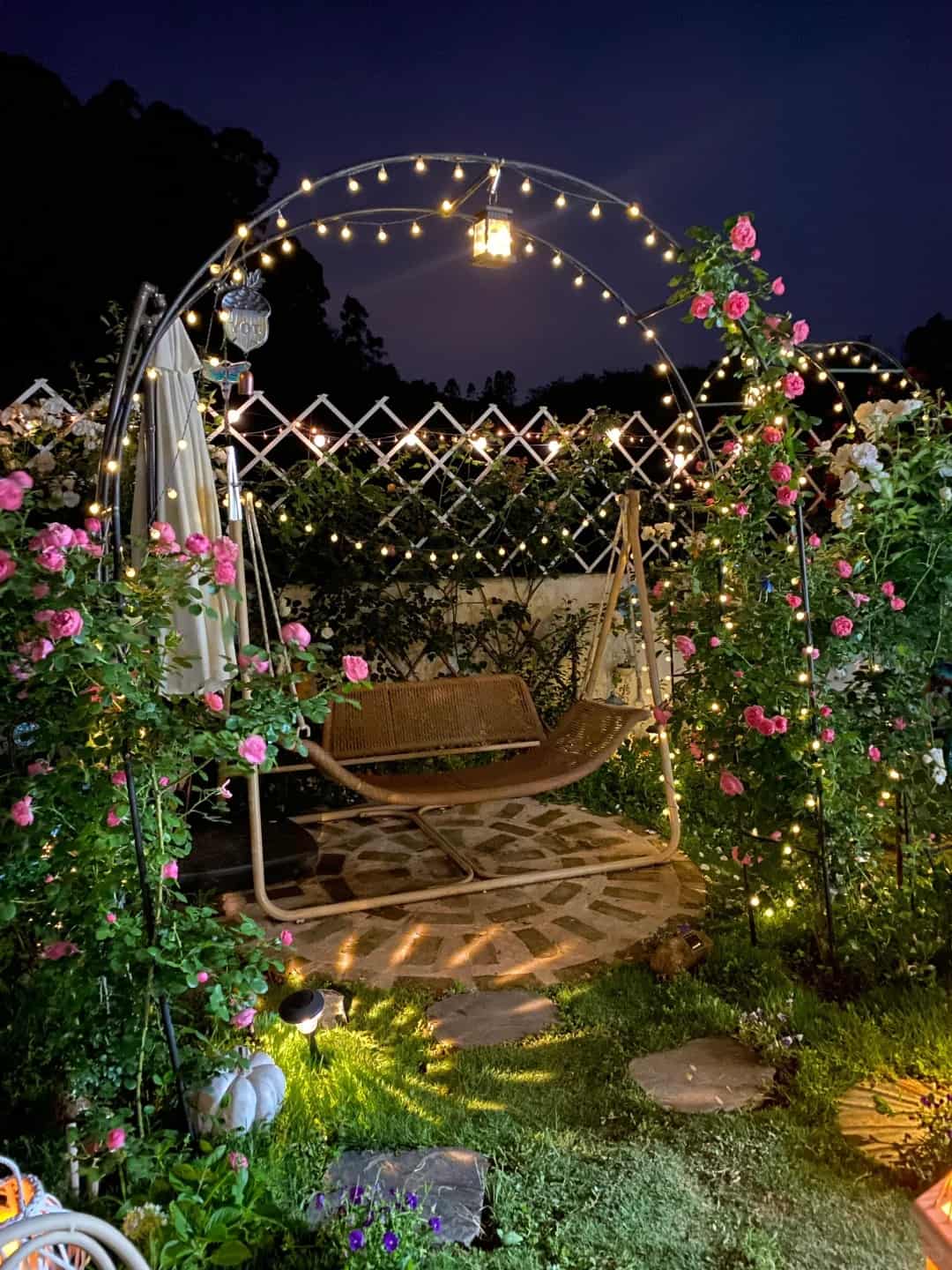
The assumption I’d held for ten years—that a beautiful garden unequivocally increases your home’s value—was not just wrong, it was spectacularly backwards for my market.
For the young, busy families looking in our neighborhood, beauty was defined by simplicity. A blank canvas. A low-effort space.
They didn’t want responsibility; they wanted relaxation. They didn’t see a masterpiece; they saw a to-do list written in Latin plant names.
The value of my garden was deeply, intensely personal to me, and it did not translate into universal, financial value.
Would I Do It Again?

So, with the benefit of 20/20 hindsight and a slightly bruised ego, would I do it all again?
Abso-blooming-lutely.
Those ten years of joy, purpose, and connection were worth every penny and every sore muscle.
The garden gave me more than I ever gave it. The lesson isn’t “don’t create beauty,” it’s that beauty is worthwhile even if its value isn’t understood by everyone. Especially not by a 28-year-old buyer who sees a peony and thinks “annually recurring chore” instead of “flamboyant, fragrant celebration of life.”
Rethinking the Garden in Kentucky
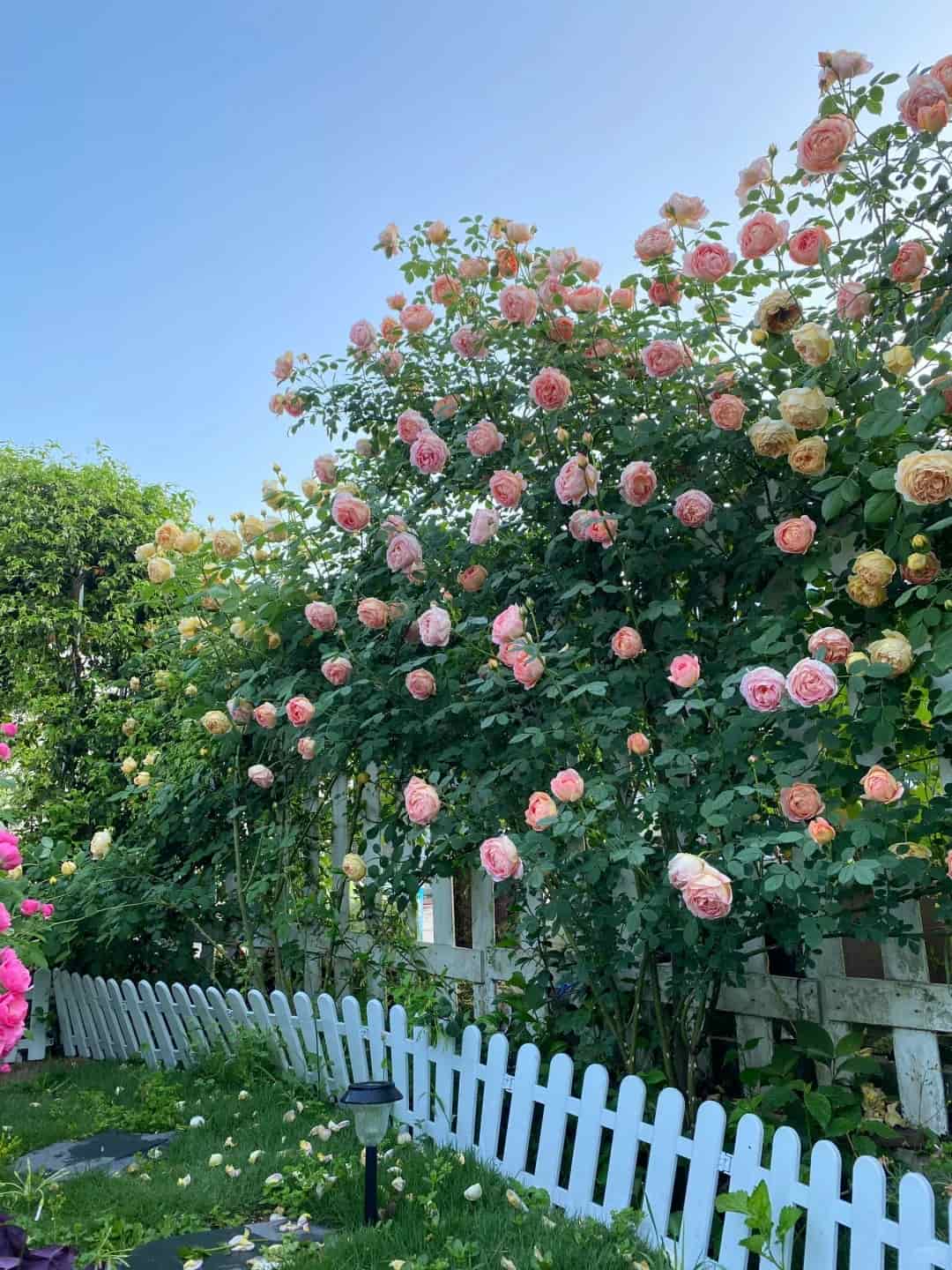
Now we’re in Kentucky, in a temporary rental while we build our new forever home. I have a blank slate.
The gardening itch is still there, buzzing under my skin like a trapped bee. But I have a new perspective.
I understand the demographic here. It’s a area full of busy families and professionals, many working at the massive Toyota plant.
They value their downtime. I need to create a garden that doesn’t intimidate its future caretakers.
Adapting the Garden Plan
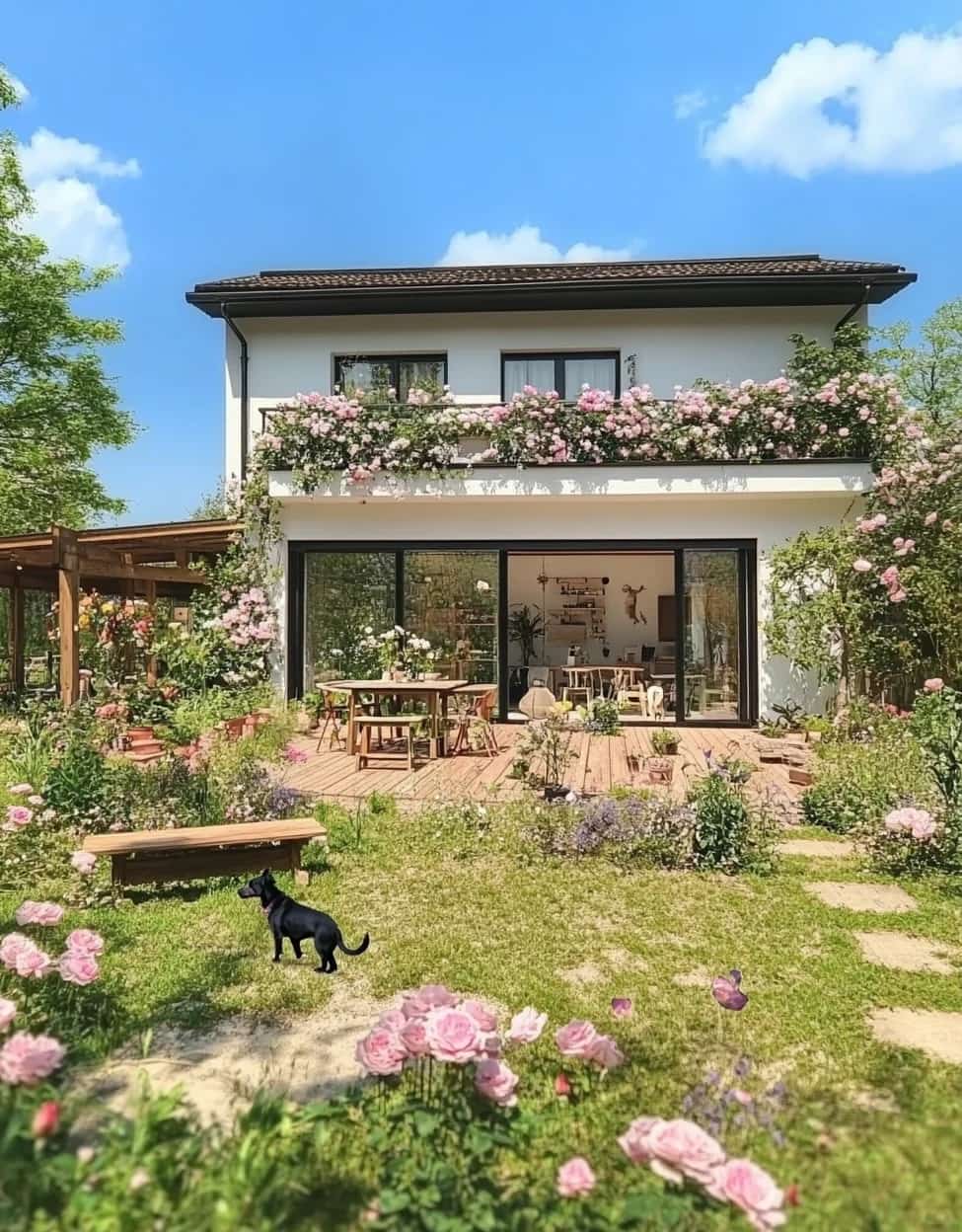
My initial plan for the new house was, of course, ambitious. Three terraces! A mixed border here! A cutting garden there! I’ve since revised that plan.
The new, wiser me is focusing on one terrace. I’ll have my hydrangeas, because my soul needs them, and a small, well-defined pollinator garden.
The goal is to create a space that is visually appealing but communicates “serene and easy,” not “demanding and complex.”
The patio will be the star—a place for a grill and some comfy chairs. The message will be “Come relax here,” not “Come weed here.”
Designing Beauty with Purpose

My new gardening mantra is “Neat, Tidy, and Easy.” I am constantly putting myself in the shoes of that hypothetical future buyer.
Will they look at this and feel peace, or pressure?
I’m learning that sometimes, less is more. A few lush, well-chosen areas of planting can have more impact and feel less burdensome than filling every available inch with botanical wonders.
I’m designing with purpose, and that purpose is sustainable beauty for me, and a non-intimidating welcome for the next owner.
The Practical Shift: Portable and Low-Maintenance Beauty
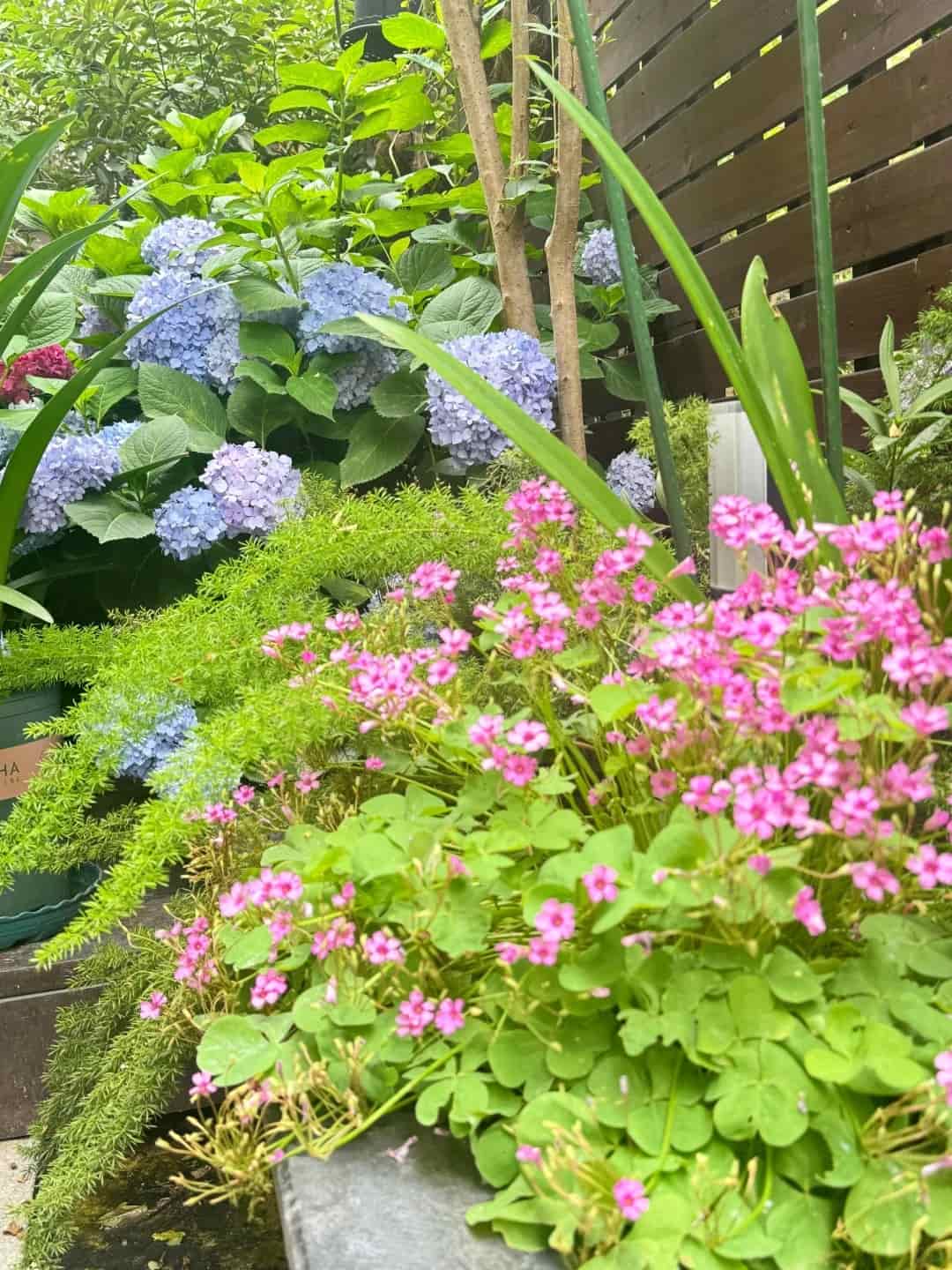
My new strategy also involves a heavy dose of container gardening. Pots of colorful annuals, a beautiful Japanese maple in a large planter, herbs in pretty pots on the deck.
This is beauty I can take with me. It’s flexible, manageable, and sends a clear message: “This is temporary and easy.”
I’m redefining my gardening success. It’s no longer about the size or complexity of the garden, but about the sustainability of the joy it brings me, and the transferability of the space I create.
The Reality of Garden Value in Home Sales

Let’s be blunt: the idea that an elaborate garden will automatically net you a higher sale price is a myth, at least in the standard suburban market.
For every one buyer who sees your garden and swoons, there are ten who see it and start mentally calculating the cost of a lawn service or the number of weekends they’ll lose to yard work.
The harsh truth is that your sweat equity can be perceived as their future expense. The value of a garden is in the living, not necessarily in the selling.
Closing Reflections
I’ve made my peace with it. Not everyone will share my passion for playing in the dirt, and that’s okay.
My new challenge is to create a space that is both beautiful to me and inviting to others—a place that whispers “stay awhile” instead of screaming “get to work!”
I’ll stay true to my love of nature, but I’ll balance it with a newfound practicality. My hope for my Kentucky garden is that it can be a place of peace for me now, and a place of potential peace for its future owners.
It might be a little simpler, a little tidier, but it will still be grown with love.
And who knows? Maybe this time, I’ll get it right. Now, if you’ll excuse me, I have some hydrangeas to go look at online. The journey, it seems, is just beginning.