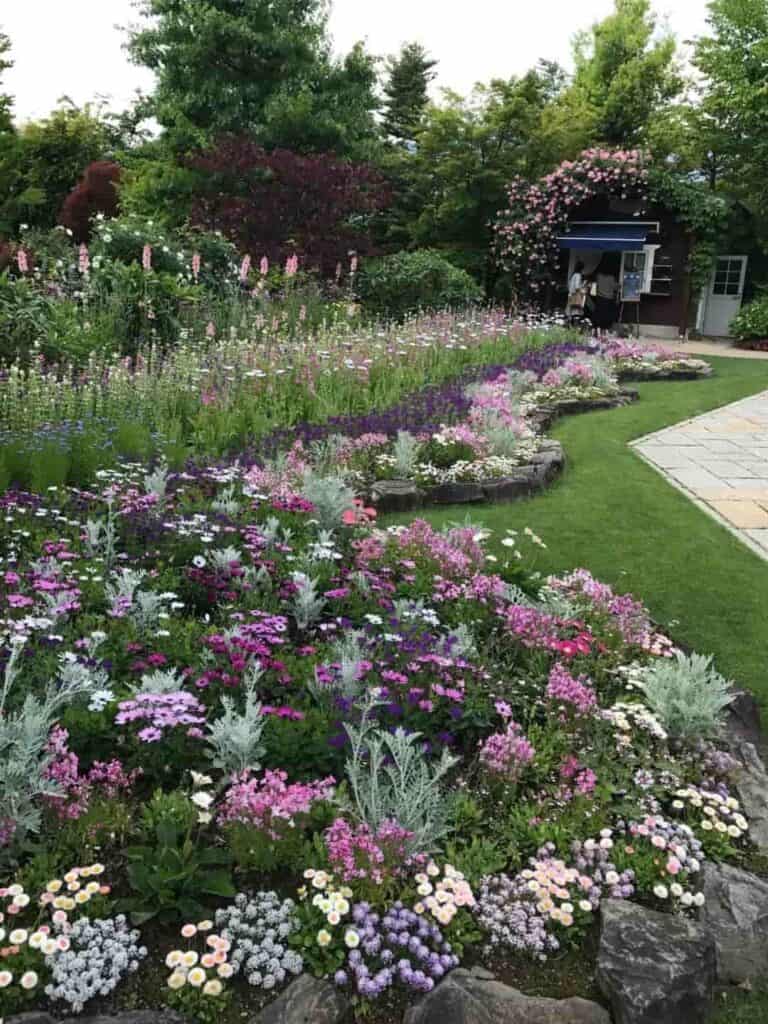
Happy July, fellow earth-wranglers! July is not the epilogue of the garden story; it’s a juicy second act.
This post is your guide to stuffing that soil full of deliciousness that will race against the falling leaves to give you a harvest.
We’ll talk about what to plant, how to outsmart your climate, and why right now might just be your garden’s most productive (and least stressful) season.
Grab a glass of iced tea, ignore the smug, fully-fruited zucchini on your neighbor’s porch, and let’s get planting.
1. The Fine Print: What to Know Before You Sow

Before we go chucking seeds with wild abandon, there are a few key things to keep in mind.
Think of this as the “terms and conditions” of July planting, but way more fun and with fewer hidden fees.
First, the good news: Most summer crops absolutely can still be planted now. The soil is gloriously warm, which is like a spa day for seeds.
They’ll sprout faster than a gossip in a small town.
Now, the planning news: You need to have a casual acquaintance with your average first frost date.
This isn’t a morbid fixation on winter; it’s just knowing when the party ends.
You can find this with a quick search online. Everything we plant now is a race against that clock.
A crucial, often-overlooked factor: day length. After the summer solstice, the days get shorter. Shorter days mean slower growth.
So, when a seed packet says “55 days to maturity,” I mentally add a 7-14 day “fall factor” buffer.
That seed is basing its estimate on spring’s lengthening days, not summer’s lazy, shortening ones.
If you’re in a cooler climate, you’ll want to lean towards the quickest-growing varieties and maybe give containers a hug (they warm up faster and can be moved).
In hotter climates, your main enemy is scorching heat, so consistent water is your new religion.
Okay, disclaimer over. Let’s talk loot.
2. The Mid-Summer All-Stars: What to Plant RIGHT NOW
2.1 Bush Beans

My absolute favorite for a July planting. Beans are the over-eager interns of the garden—they show up fast and work hard.
You’ll get a harvest in about two months, and they have a delightful habit of all maturing at once, which is perfect if you’re in a “preserve-all-the-things” mood.
They’re fantastic fresh, but also can and freeze beautifully.
Don’t have space? They thrive in containers.
I’ve had stunning success with ‘Jade’ bush beans planted on the Fourth of July; they produced a forest of tender, stringless pods well into September.
2.2 Squash & Zucchini
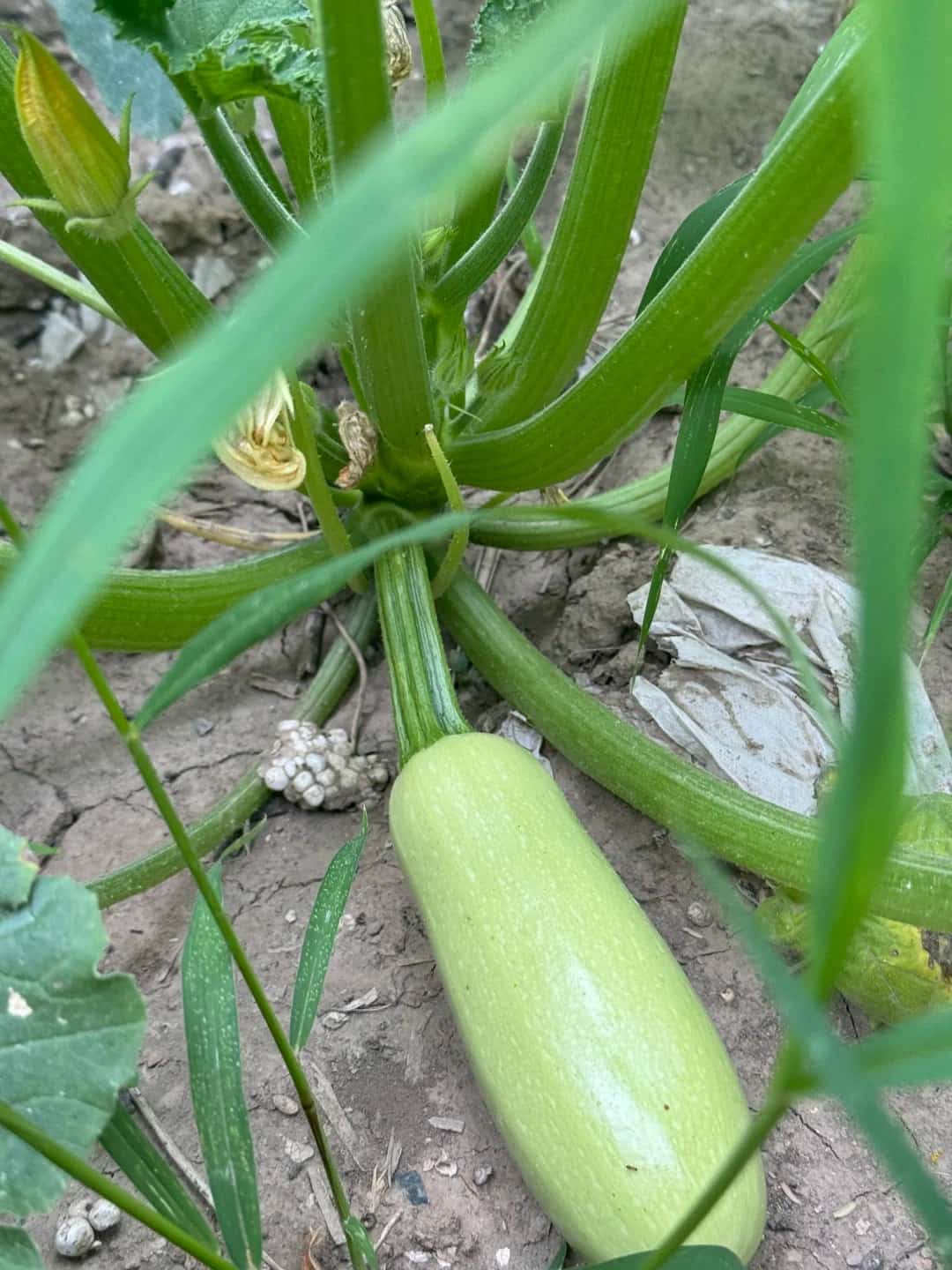
Did the squash vine borers treat your first planting like an all-you-can-eat buffet? Did your zucchini succumb to a mysterious mildew?
July is your chance for a revenge planting. Focus on mini or summer varieties that say “bush” or “short season.”
They’ll zoom from seed to harvest in a couple of months.
You won’t get the baseball-bat-sized zucchinis of legend, but you will get a lovely fall harvest of tender, manageable fruits.
Just… maybe check for bugs first. They’re watching.
2.3 Cucumbers

Warm soil is a cucumber’s dream. They’ll sprout in days and climb with reckless abandon.
Want snappy slicers for salads in September? Plant them.
Dreaming of a batch of fall pickles? Plant a pickling variety! They’re fast.
Trellis them for space efficiency, or choose a bush type for a pot.
There’s something deeply satisfying about harvesting a crisp cuke on a cool autumn morning.
2.4 Tomatoes

Hold your “but it’s too late!” I’m not suggesting beefsteaks. I’m talking about the tiny, mighty cherry tomato.
Varieties like ‘Sun Gold’ or ‘Sungella’ are productivity monsters.
The trick is to buy transplants, not start from seed (in most areas).
Transplant in the evening to avoid heat shock, water it in with some love, and that little plant will pump out a bumper crop of sweet gems right up until frost.
It’s also a brilliant strategy if your spring tomatoes got a disease; this is a clean-start second crop.
2.5 Corn
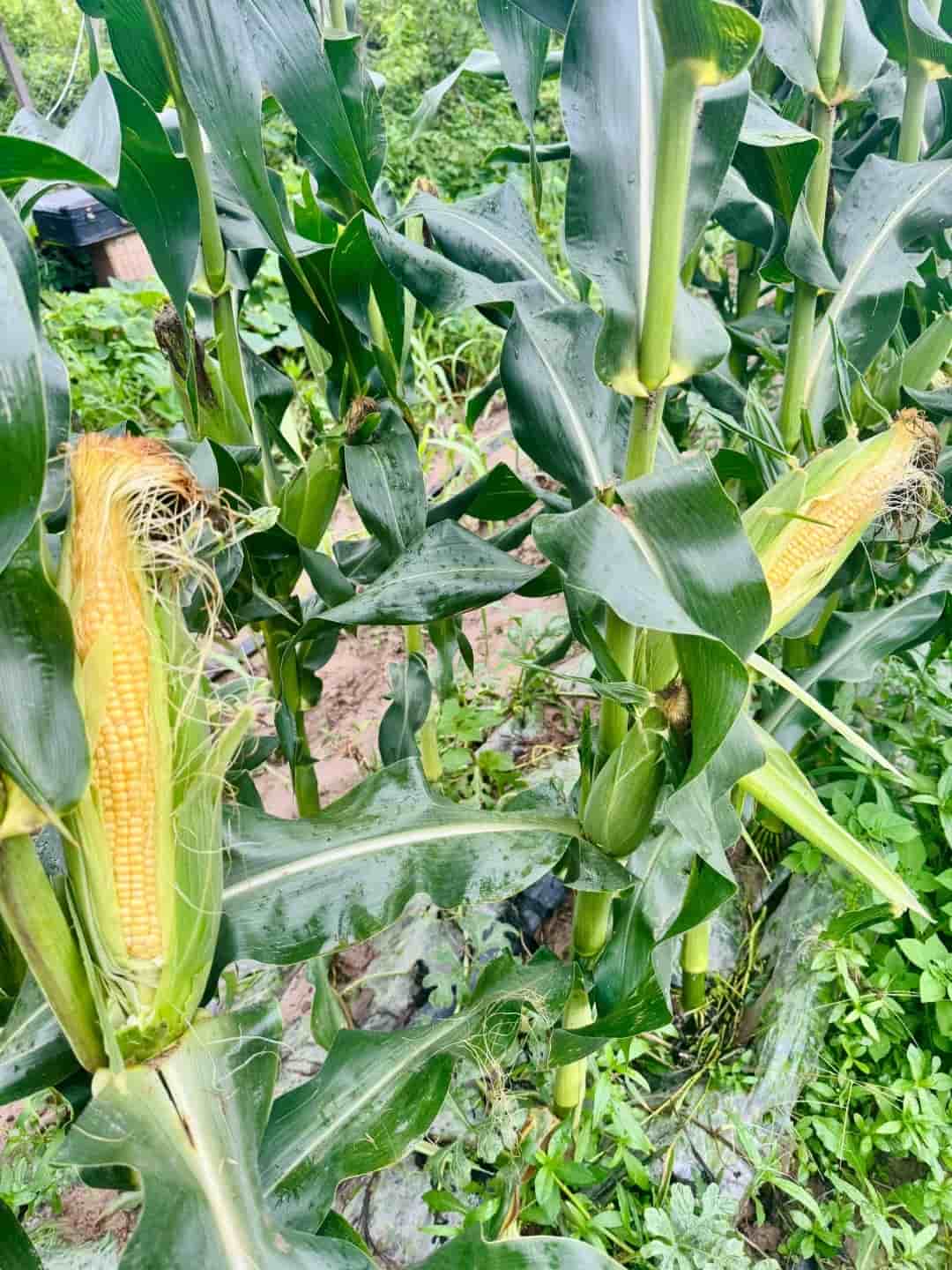
If you have the room, corn germinates beautifully in warm July soil. The key is consistent, deep watering, especially if you hit a dry spell.
It’s a heavy drinker. Note for raised bed gardeners: Corn is wind-pollinated, so you need to plant it in blocks, not single rows, for good ear development.
A small block can work! You might be harvesting those sweet ears right as you’re pulling out your sweaters.
2.6 Okra
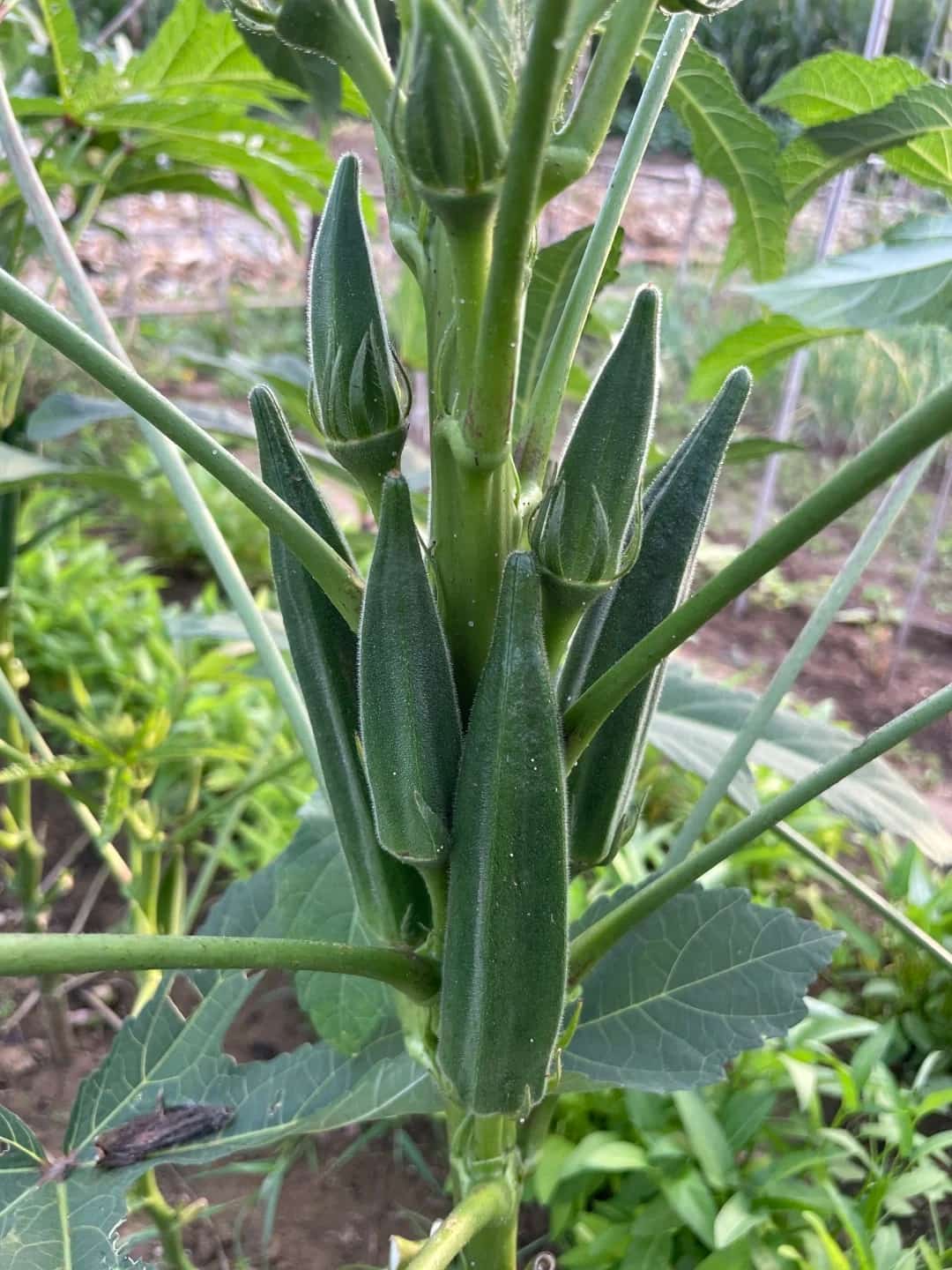
If you’re in the South, or just have a blazing hot spot, okra is your plant. It laughs at July heat.
It germinates fast and will start producing its beautiful, alien-looking pods in about two months.
Choose a short-season variety (‘Clemson Spineless 80’ is a classic) for the biggest harvest window.
There’s nothing quite like breaded and fried okra you grew yourself.
2.7 Peppers

Peppers adore heat. While it’s likely too late for seeds in most places, transplants are perfect.
A bell pepper or cayenne/jalapeño plant popped in now will have plenty of time to size up and color beautifully in the late summer sun.
The cooler nights of fall can even enhance their sweetness and heat.
They’re like the garden’s slow-cooker meal.
2.8 Cow Peas (Black-Eyed, Purple Hull)
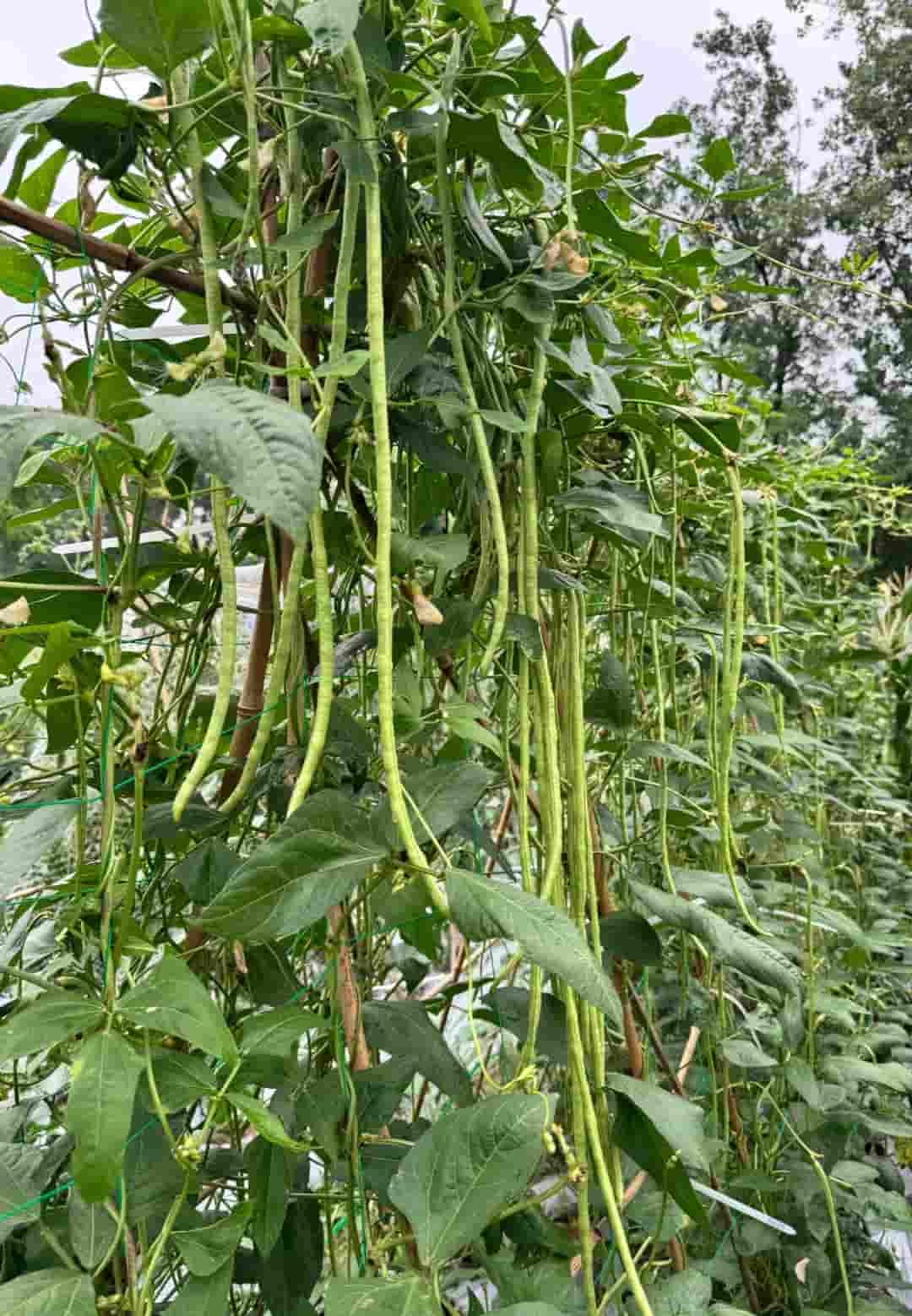
These are the unsung workhorses of the warm-climate garden. Tolerant of poor soil and blistering heat, they grow with determined speed.
You can harvest them fresh as shelling peas, or let them dry on the vine for storage.
They freeze and can beautifully.
A row of purple hull peas is a July tradition for a reason.
2.9 Sweet Potatoes
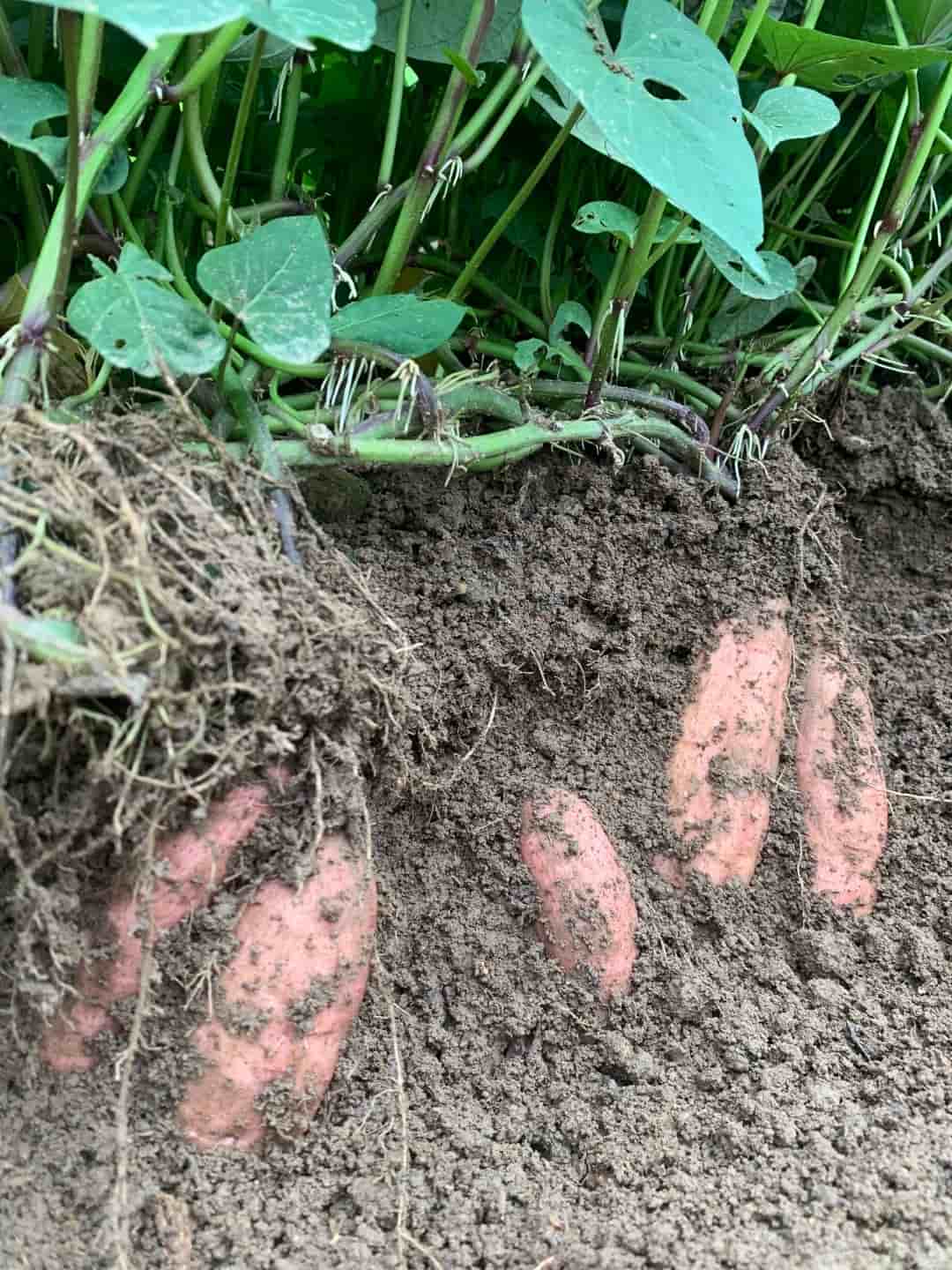
In the South, where frost holds off until November, you can still plant sweet potato slips.
They love heat, grow voraciously, and can use up empty trellis space left by expired peas or beans.
Come late fall, you’re digging up your own Thanksgiving side dish.
2.10 Fall Potatoes

Here’s a fun experiment: Save a few small potatoes from your spring harvest, let them “cure” in the fridge for a week (simulating dormancy), then green-sprout them in a window.
Plant those sprouted spuds in mid-to-late July for a fall harvest of new potatoes.
It’s a fantastic way to extend your potato season.
2.11 Basil
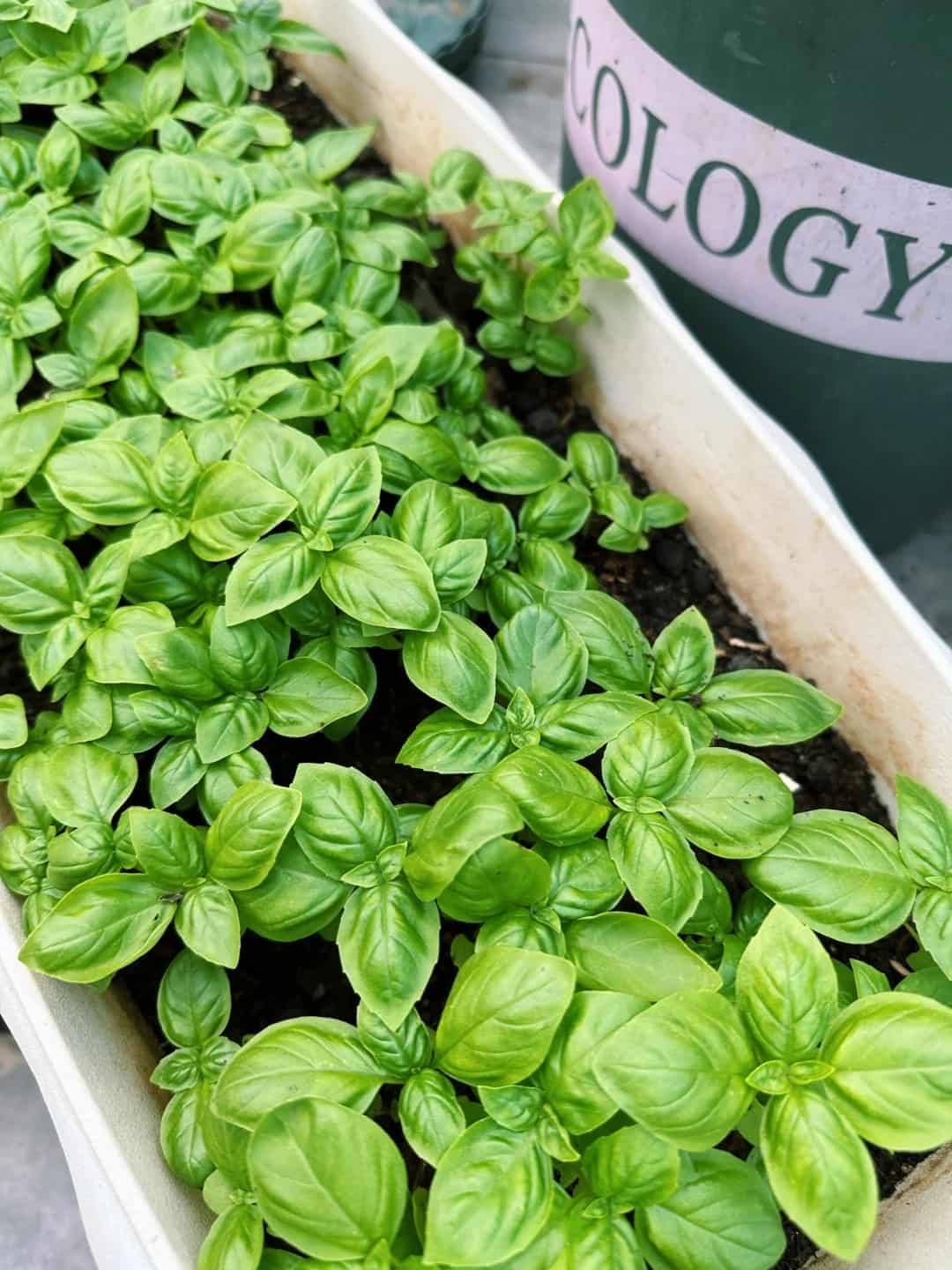
Not just a herb, but a mood. Basil sprouts with hilarious speed in warm soil.
Keep it picked and it will bush out, giving you piles of fragrant leaves for caprese salads, pizzas, and pesto to freeze for a winter taste of sunshine.
It’s the easiest win on this list.
3. The Calendar Conundrum: Harvest Timing 101
This is where we get strategic. Pull up your average first frost date. Let’s say it’s October 20th.
- You plant ‘Jade’ bush beans (55 days) on July 10th.
- Add a 10-day “fall factor” buffer = 65 days.
- Count forward from July 10: Harvest around September 13th.
- Boom. A full month before frost.
Warm soil gets them started fast, but shortening days slow the finish.
The fun twist? Peppers and tomatoes already setting fruit will often ripen faster in late summer than they did in spring, as the plant senses the season’s end.
It’s a last-ditch reproductive effort, and we get to benefit.
4. North vs. South: A Tale of Two Climates

Your longitude dictates your July strategy.
Southern Gardeners (Zones 7-9+): Your July is the surface of the sun. Forget cool-season crops (they’ll bolt).
Your mission is to plant the heat-lovers above now, and use July to start seeds indoors for your glorious fall garden—cabbage, broccoli, kale, Brussels sprouts.
Your second act starts in the air conditioning.
Northern Gardeners (Zones 5-6ish): Your window is shorter but precious. Focus on the fastest-maturing varieties of everything listed.
Your July is also perfect for succession planting cool-season crops that hated your spring heat—another round of carrots, beets, and dill can go straight in the ground now for a sweet fall harvest.
5. The July Challenges: Pests, Heat, and Keeping Your Cool

Let’s not sugarcoat it. July planting has its thorns.
- Insect Pressure: The bugs are established, hungry, and have families. Row covers are your friend for young plants. Scout regularly.
- Heat Stress: Transplant in the evening. Water deeply in the morning. A little shade cloth for the first few days can prevent transplant shock.
- Soil Moisture: That warm soil dries out fast. Mulch is non-negotiable. Think of it as a cozy, moisture-locking blanket for your soil’s roots.
- Containers Are Clutch: If you’re worried about early frost, planting in containers lets you play musical chairs with the weather, moving plants to sheltered spots.
Conclusion
So, there you have it. July isn’t a graveyard for gardening hopes; it’s a secret launchpad. Whether you’re squeezing in a quick crop of beans, chasing the dream of fall tomatoes, or experimenting with a second potato harvest, this month is brimming with potential.
You didn’t miss the boat. The boat was just waiting for you to finish your other stuff and hop on.
Now get out there, get your hands dirty, and show that soil who’s boss. There’s still so much growing to do.
Happy Planting! And if you found this helpful, I’d be thrilled if you’d share it with a fellow late-bloomer gardener, or follow along for more tips to make your garden grow.