A glorious, messy afternoon when I sat down with a panel of fellow gardening nerds to taste and rank THIRTY-TWO different tomato varieties.
We had juices running down to our elbows, seeds in places seeds should never be, and passionate arguments about “balance of acidity” that would put a wine sommelier to shame.
It was then I truly understood: the world of tomatoes is vast, weird, and deeply, deliciously personal.
So today, we’re not just talking theory. We’re going to war against the 18 most common tomato-growing mistakes, the silent killers lurking in your garden.
Consider this your friendly intervention.
Mistake #1: Watering on a Fixed Schedule.
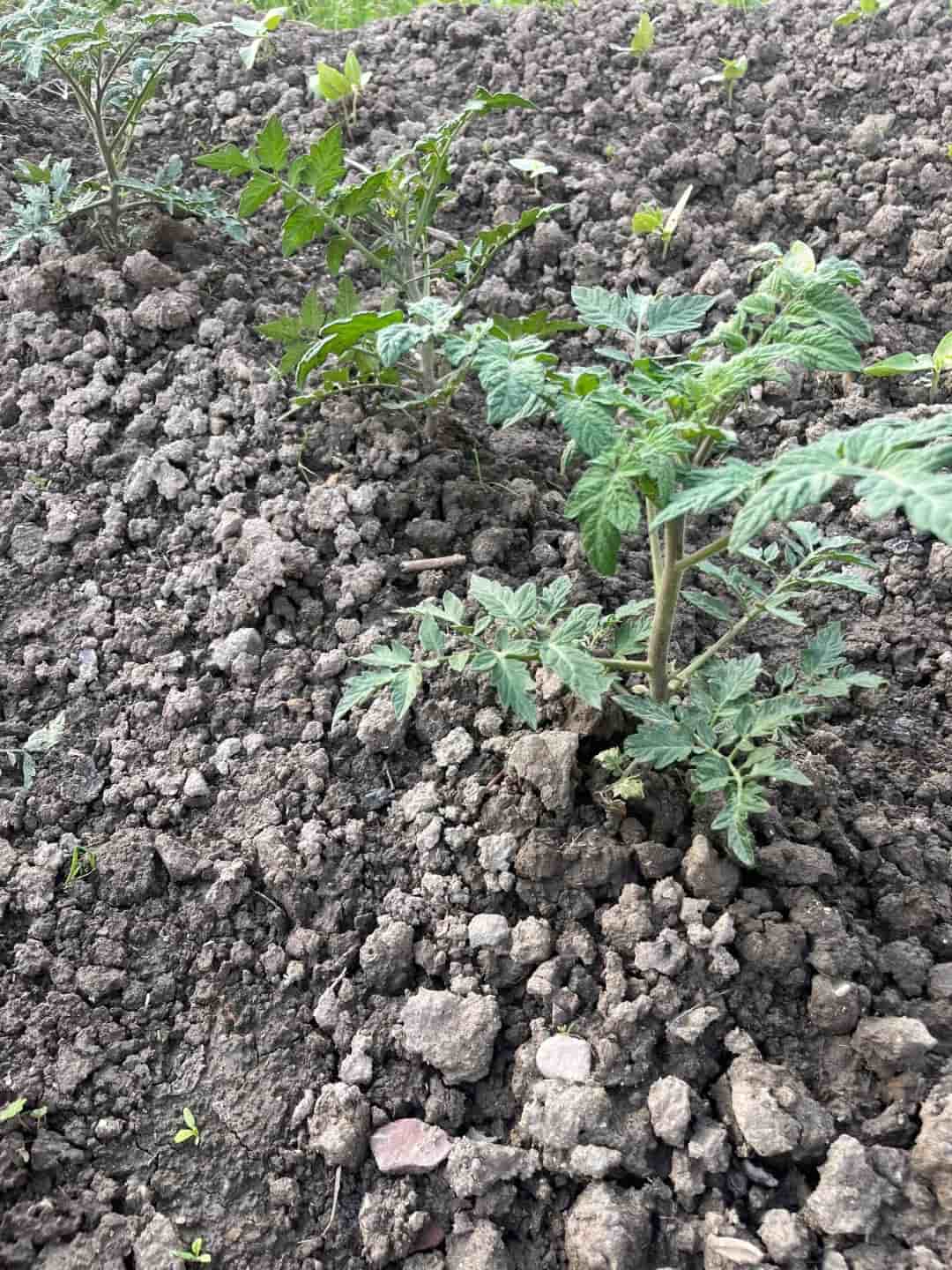
You water every Tuesday and Friday because that’s The Rule. The plant gets a gold star for consistency, right? Wrong.
Your tomato plant doesn’t own a calendar. It responds to soil moisture, humidity, temperature, and how hard the sun is beating down.
Watering on a schedule is like feeding a teenager a set number of meals regardless of whether they just ran a marathon or slept until 2 PM.
The Fix: Become a soil detective. Before you even look at the hose, stick your finger into the soil up to the second knuckle.
If it feels damp, walk away. If it’s dry, it’s time for a drink. This simple act is the single biggest upgrade you can make to your gardening game.
Mistake #2: Shallow Watering.
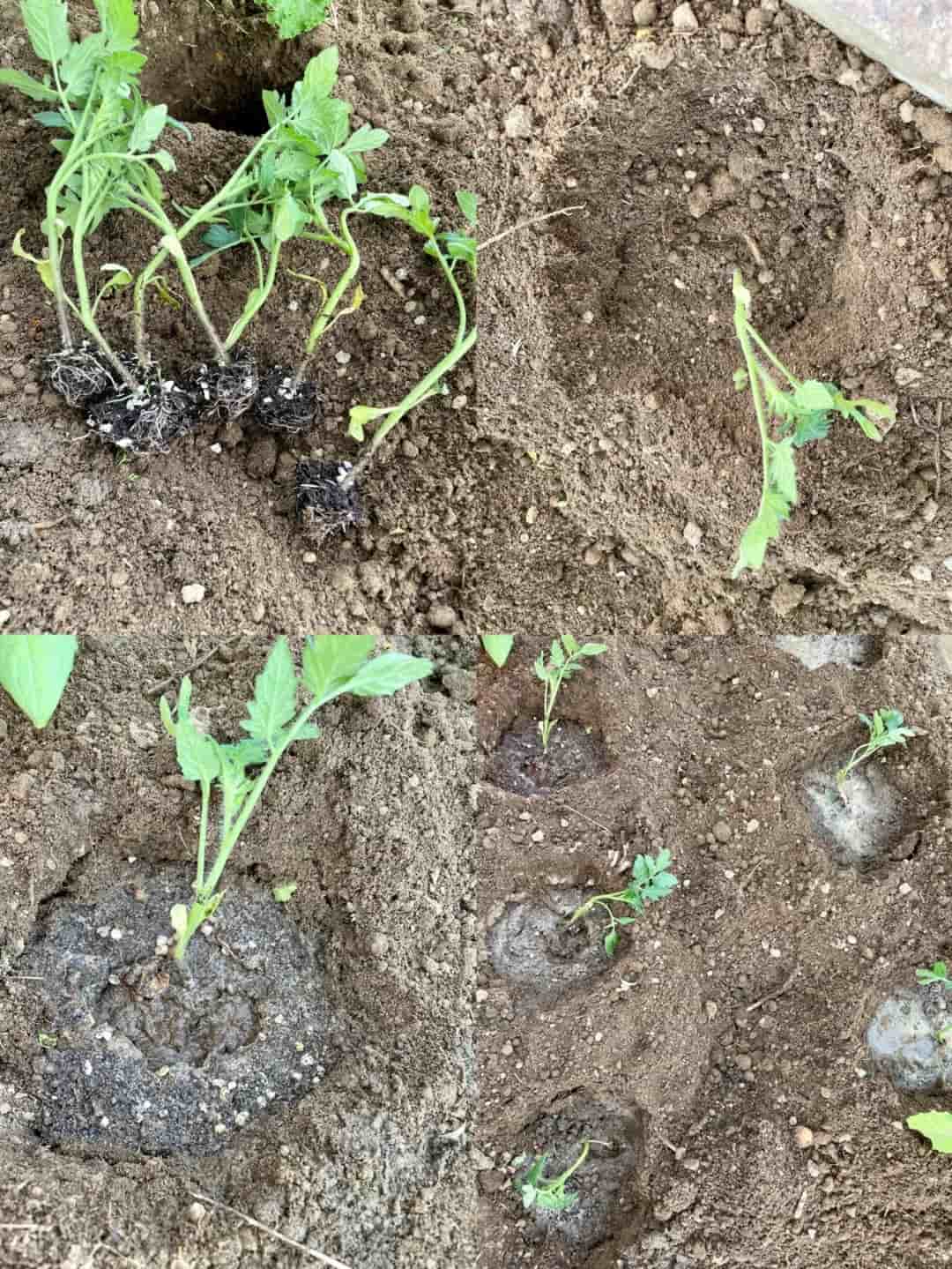
This is the evil twin of Mistake #1. You give your plants a polite little sprinkle every day, just enough to dampen the top inch of soil.
This teaches the roots to be lazy, couch-potato roots that lounge near the surface where life is easy.
Then, the first heatwave hits, that top inch dries out in an hour, and your plant is thrust into a existential crisis.
The Fix: GO DEEP. When you water, water slowly and profoundly. Imagine you’re trying to saturate the entire root zone, which can be over a foot deep for a mature plant.
This encourages roots to plunge downward, creating a drought-resistant, stable, Titan of a plant.
A deep-soaked plant can handle a missed watering or a scorching day. A shallow-rooted plant will wilt at the first sign of drama.
Mistake #3: Overcrowding Plants.
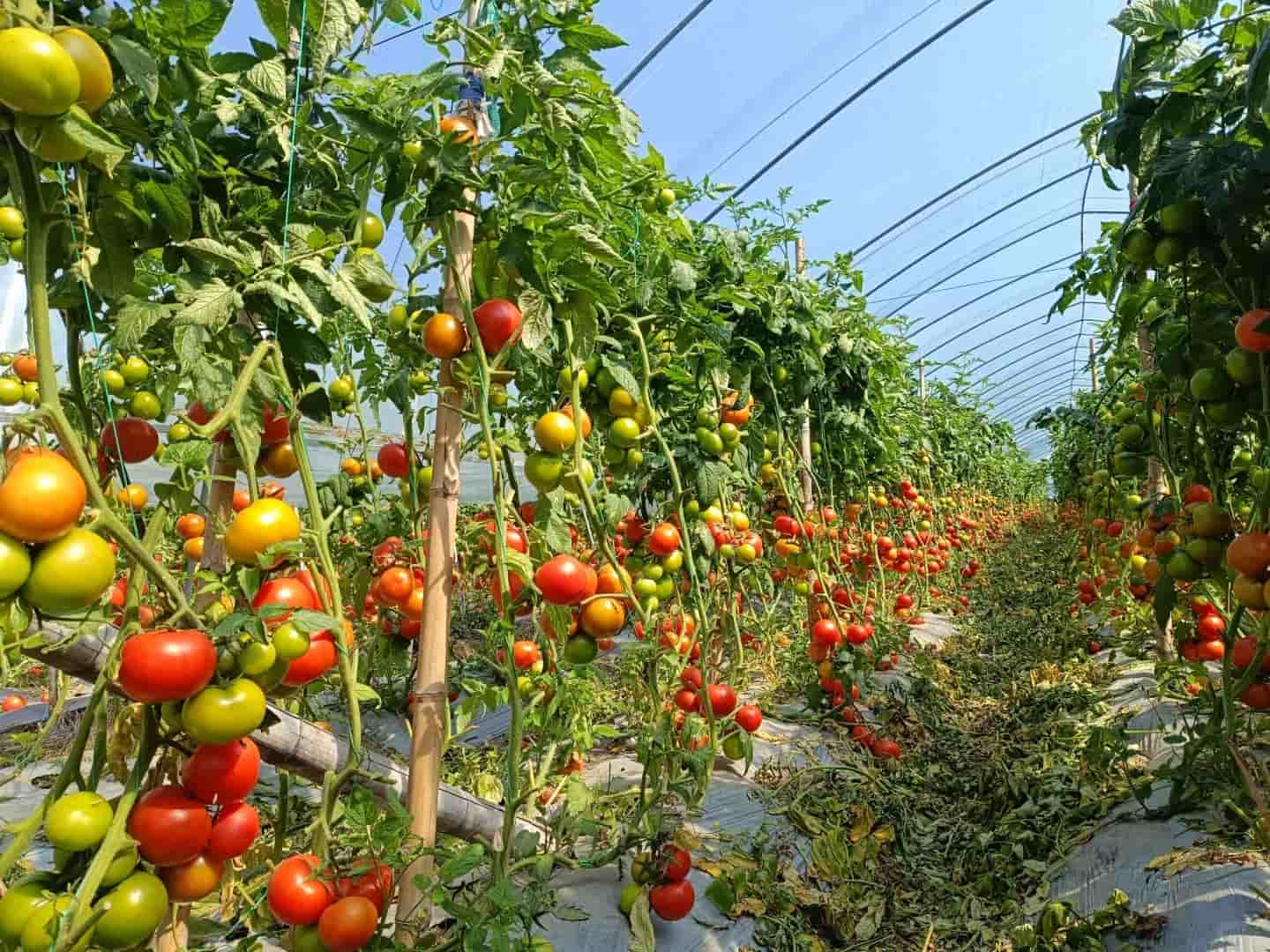
You see that cute, bushy tomato start at the nursery and think, “I can fit six in this 4×4 bed!” It’s the botanical equivalent of packing a subway car at rush hour. Hot, humid, breath stale, and everyone is getting sick.
Tight spacing murders airflow, creating a perfect fungal playground for blight and mildew.
The Fix: Give them room to flex. For indeterminates (the vining types), think 18-24 inches apart minimum in a row, with rows 3-4 feet apart.
For determinates (bush types), you can go slightly tighter, but air circulation is still king. They need personal space more than a teenager.
Mistake #4: Planting Too Early.
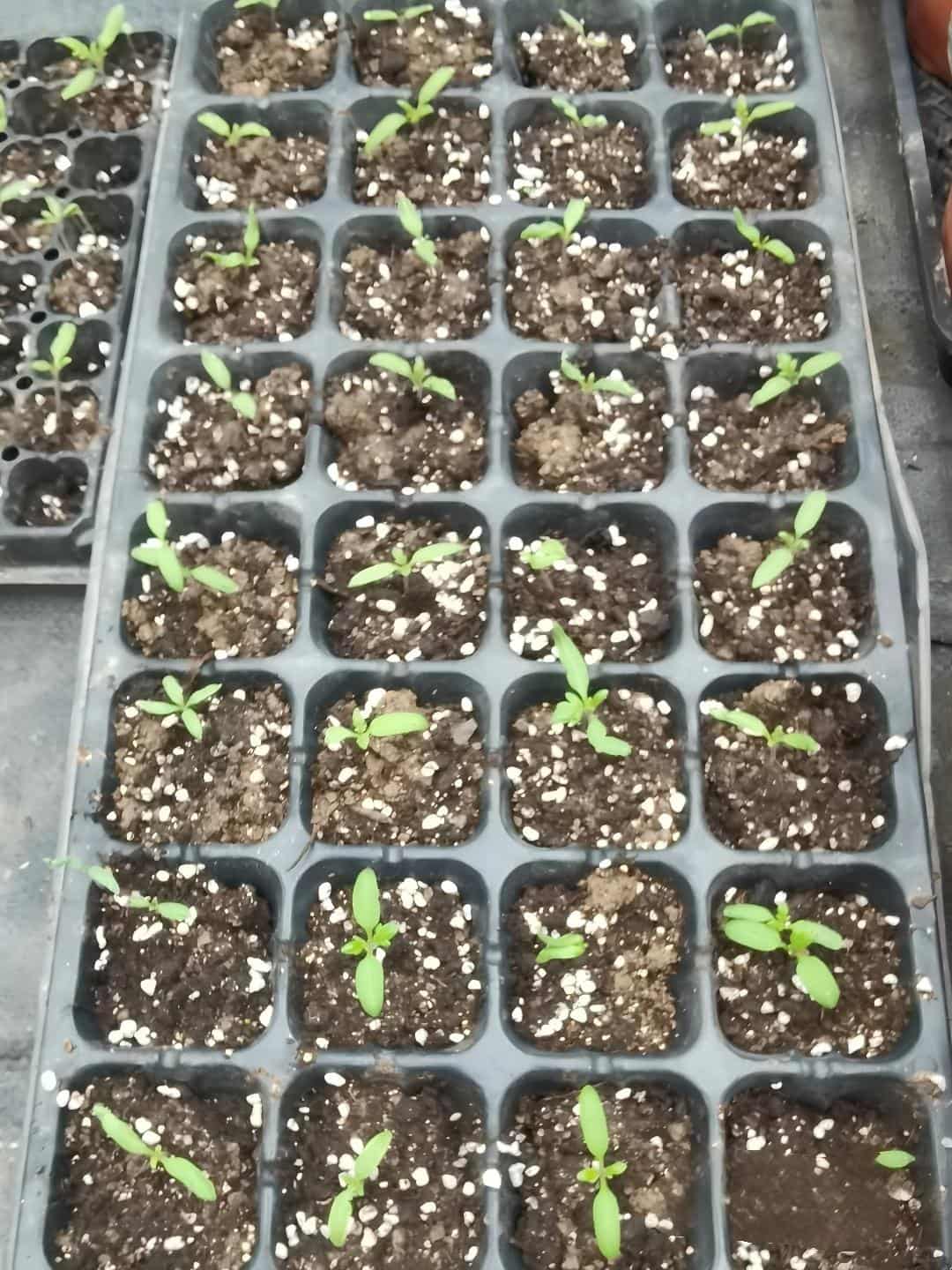
This is the gardener’s spring fever. The sun is out, the birds are singing, and you must plant tomatoes NOW. But the soil is still cold, and the nights are dipping into the 40s.
Tomato plants are tropical divas; they sulk in the cold. Planting them in chilly soil shocks them, stunts their growth (sometimes permanently), and makes them vulnerable to every ailment.
The Fix: Patience, Padawan. Wait until nighttime temperatures are consistently above 50°F (10°C), and the soil has warmed up.
If you’re jonesing to garden, use this time to harden off your starts, build amazing trellises, or just stare longingly at seed catalogs.
A plant put in two weeks later will often outpace one planted too early.
Mistake #5: Ignoring Soil Preparation.
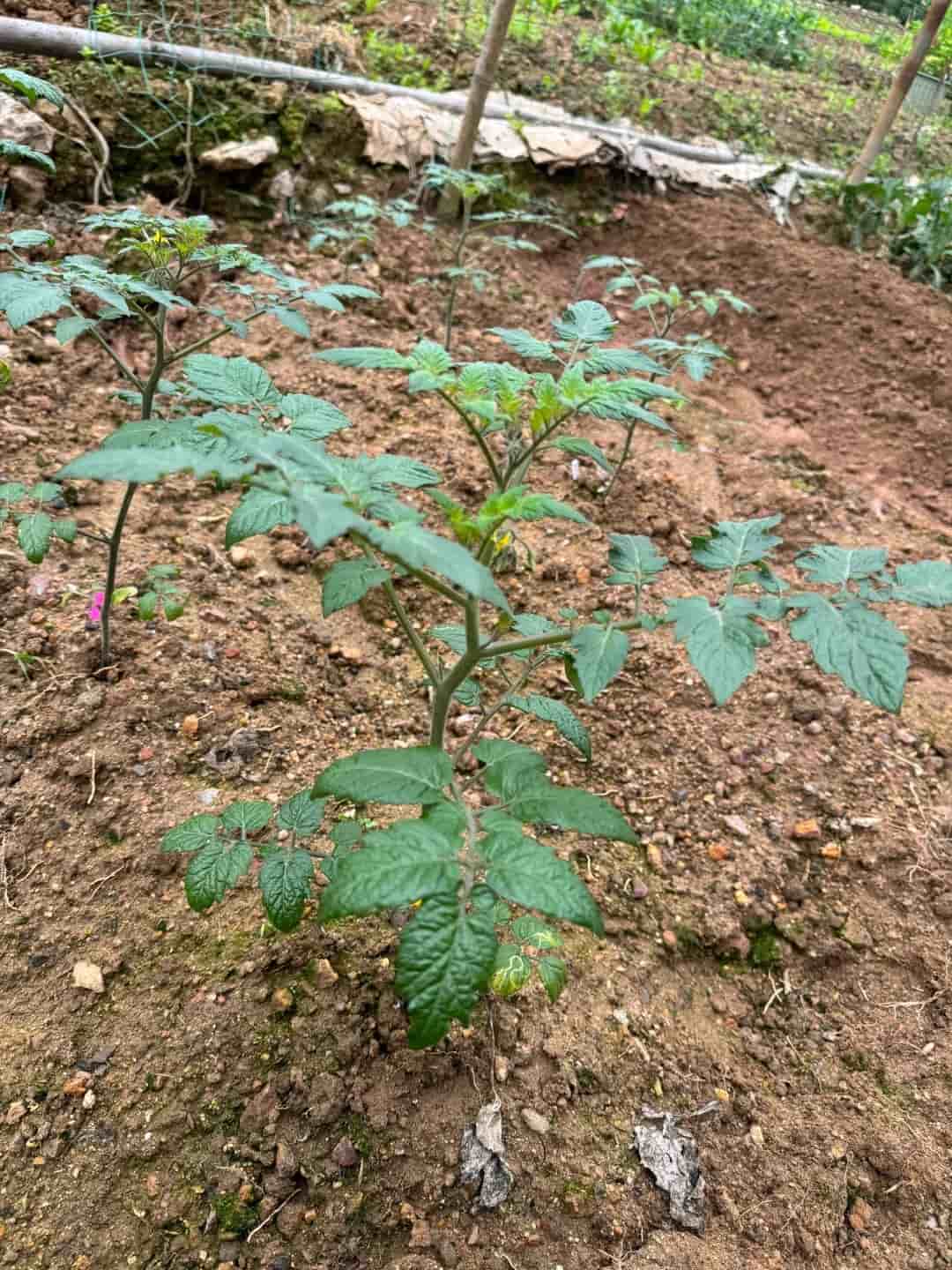
You wouldn’t build a skyscraper on a sandcastle foundation. Don’t try to grow a tomato—a heavy-feeding, deep-drinking beast—in sad, depleted dirt.
Weak soil = weak plants = bland, mealy fruit that makes you question your life choices.
The Fix: Treat your soil like a VIP guest. Amend it with copious amounts of high-quality compost or well-rotted manure before planting.
This improves drainage, water retention, and provides a buffet of slow-release nutrients. It’s the best insurance policy you can buy.
Mistake #6: Over-Fertilizing with Nitrogen.
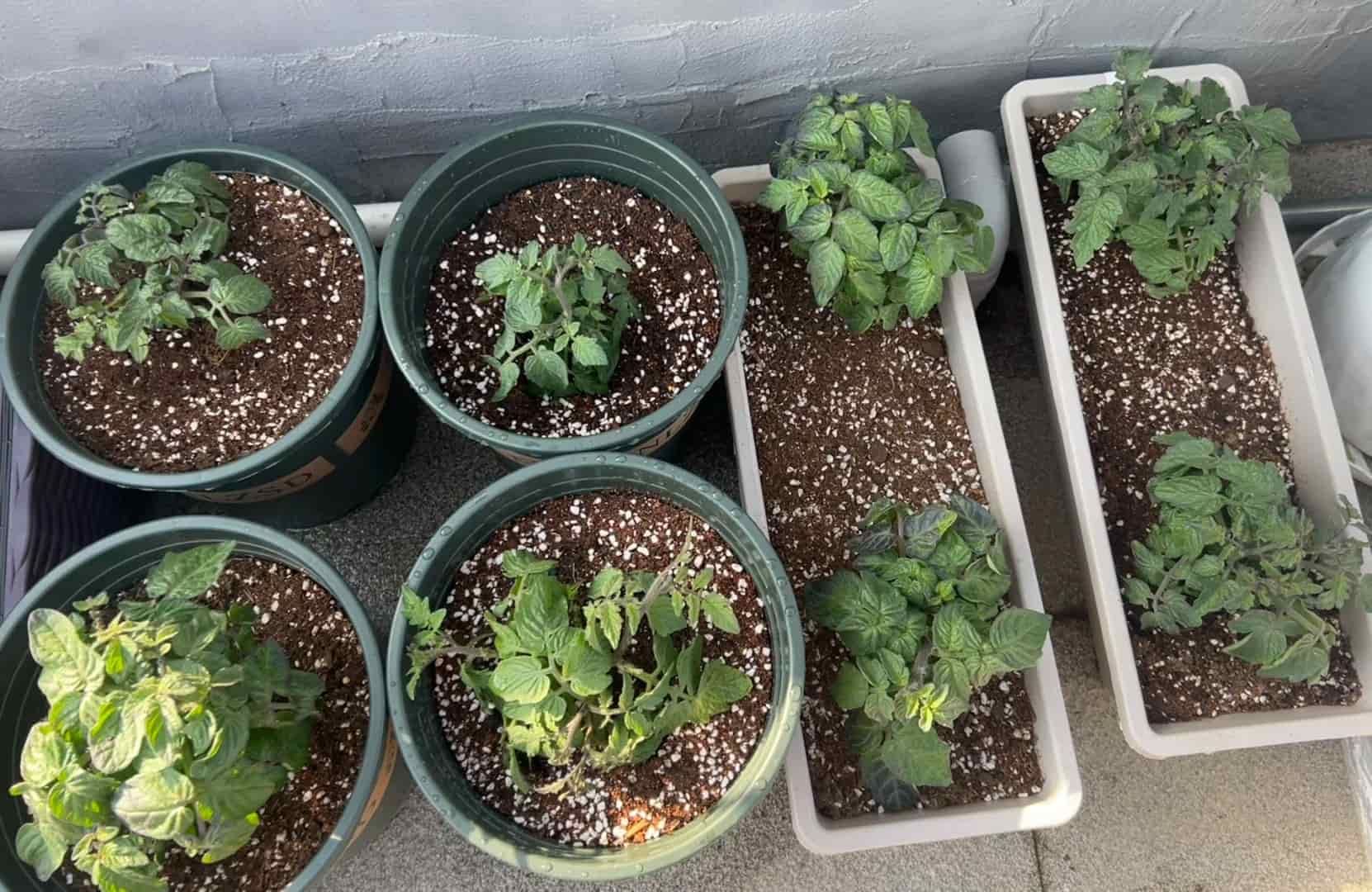
You see a plant that’s a little yellow, so you dump a bunch of high-nitrogen fertilizer on it. Suddenly, you have a glorious, lush, verdant… bush.
With two tomatoes. Nitrogen is the leafy green growth steroid. Too much, and your plant thinks its job is to become a jungle, not a fruit factory.
The Fix: Use a balanced fertilizer or one specifically formulated for tomatoes (often higher in phosphorus and potassium, the “fruit and flower” nutrients).
Go easy. More is not better. Think of fertilizing like seasoning food—you can always add more later, but you can’t take it out.
Mistake #7: Skipping Mulch.
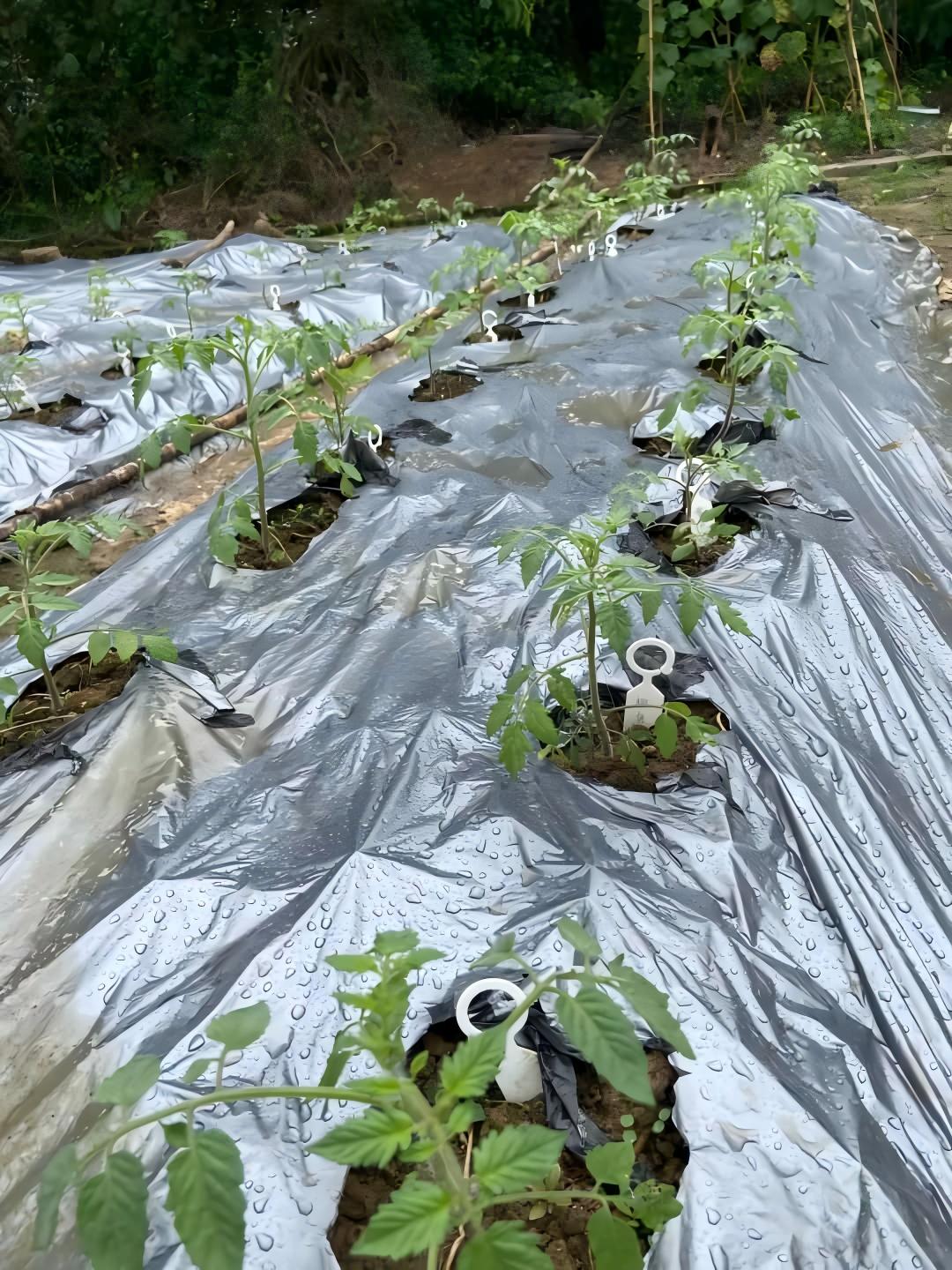
Bare soil is a tomato’s nightmare. The sun bakes it dry, rain splashes soil-borne fungal spores up onto the lower leaves, and weeds compete for resources.
It’s a hostile environment.
The Fix: Mulch like your harvest depends on it (it does). A 2-3 inch layer of straw, shredded leaves, or wood chips will keep soil moisture even, suppress weeds, keep roots cooler, and prevent that deadly soil splash.
It’s a gardener’s multi-tool.
Mistake #8: Watering the Leaves Instead of the Roots.
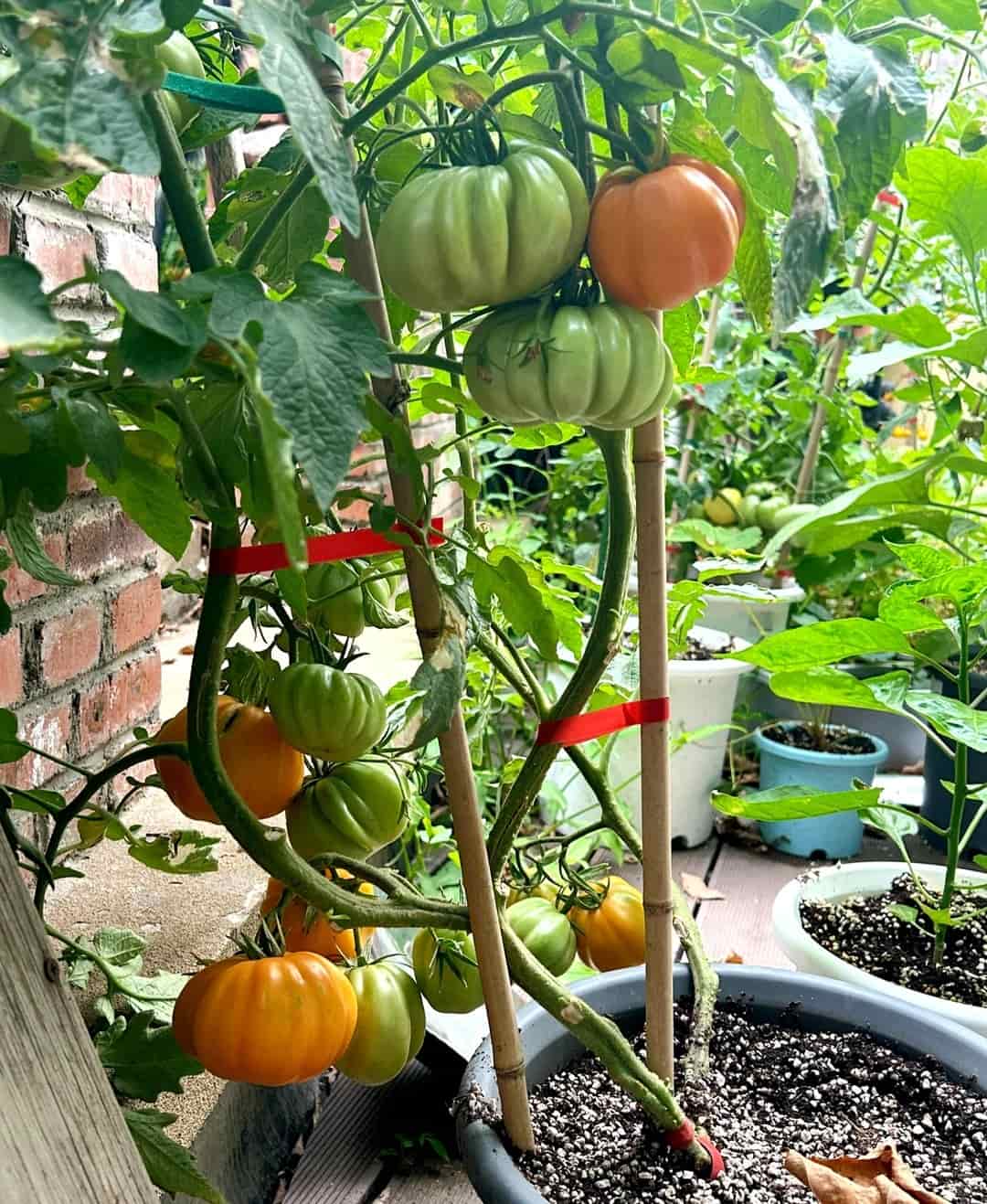
Overhead watering with a sprinkler might feel refreshing, but you’re basically throwing a “Welcome, Fungus!” party.
Wet foliage, especially overnight, is an open invitation for blight and leaf spot.
The Fix: Water low and slow. Use a soaker hose, drip irrigation, or just aim your watering can at the base of the plant.
You want to hydrate the roots, not give the leaves a bath.
Mistake #9: Not Providing Support Early.
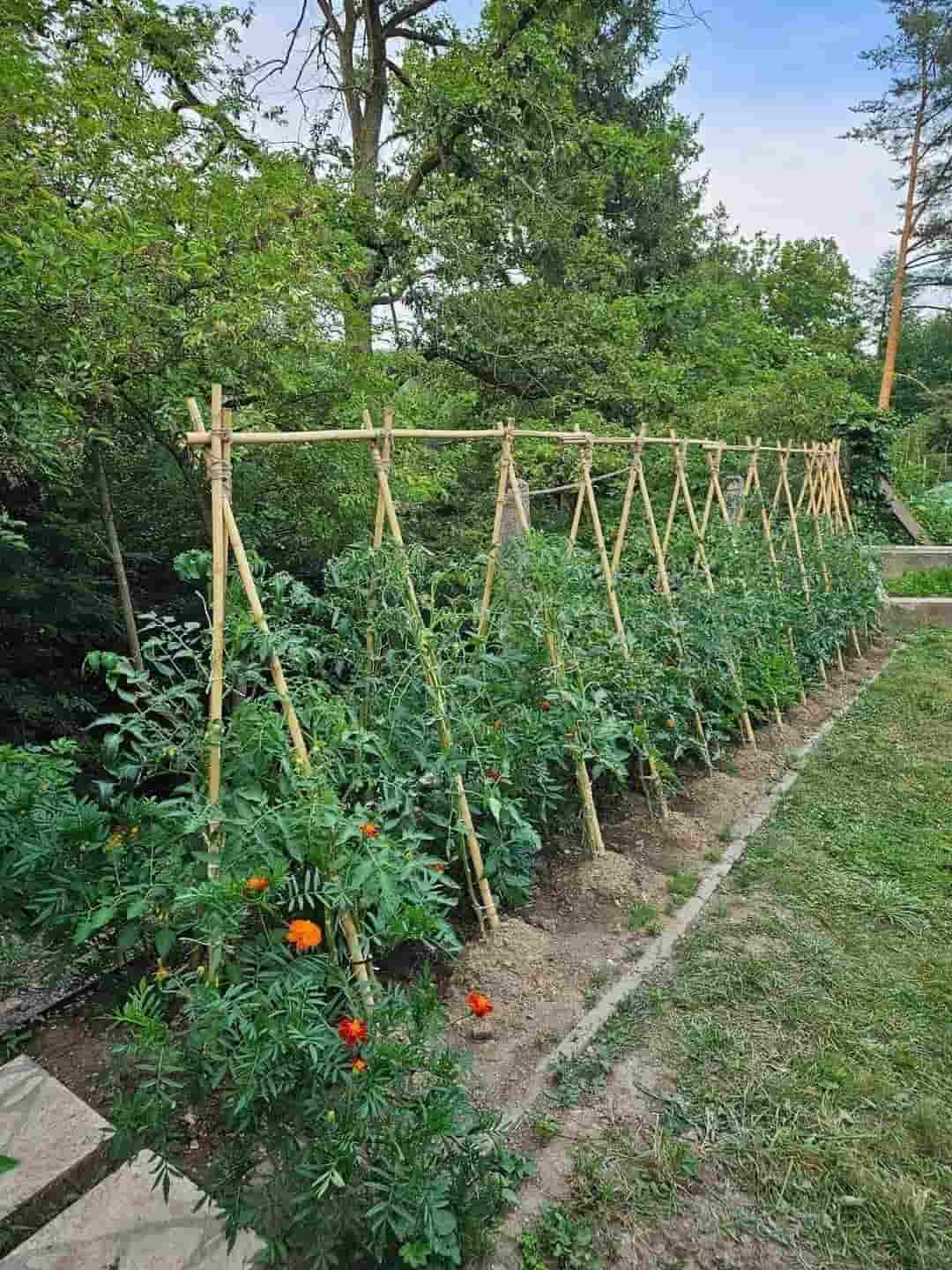
“I’ll stick a cage in later when it needs it.” Famous last words. Waiting until the plant is large and floppy means you’ll be wrestling a small tree, damaging stems and roots in the process.
The Fix: Install your support system—stake, cage, Florida weave string—AT PLANTING TIME. Guide the young plant as it grows.
It’s far easier to train a sapling than to wrangle an oak.
Mistake #10: Pruning Randomly.
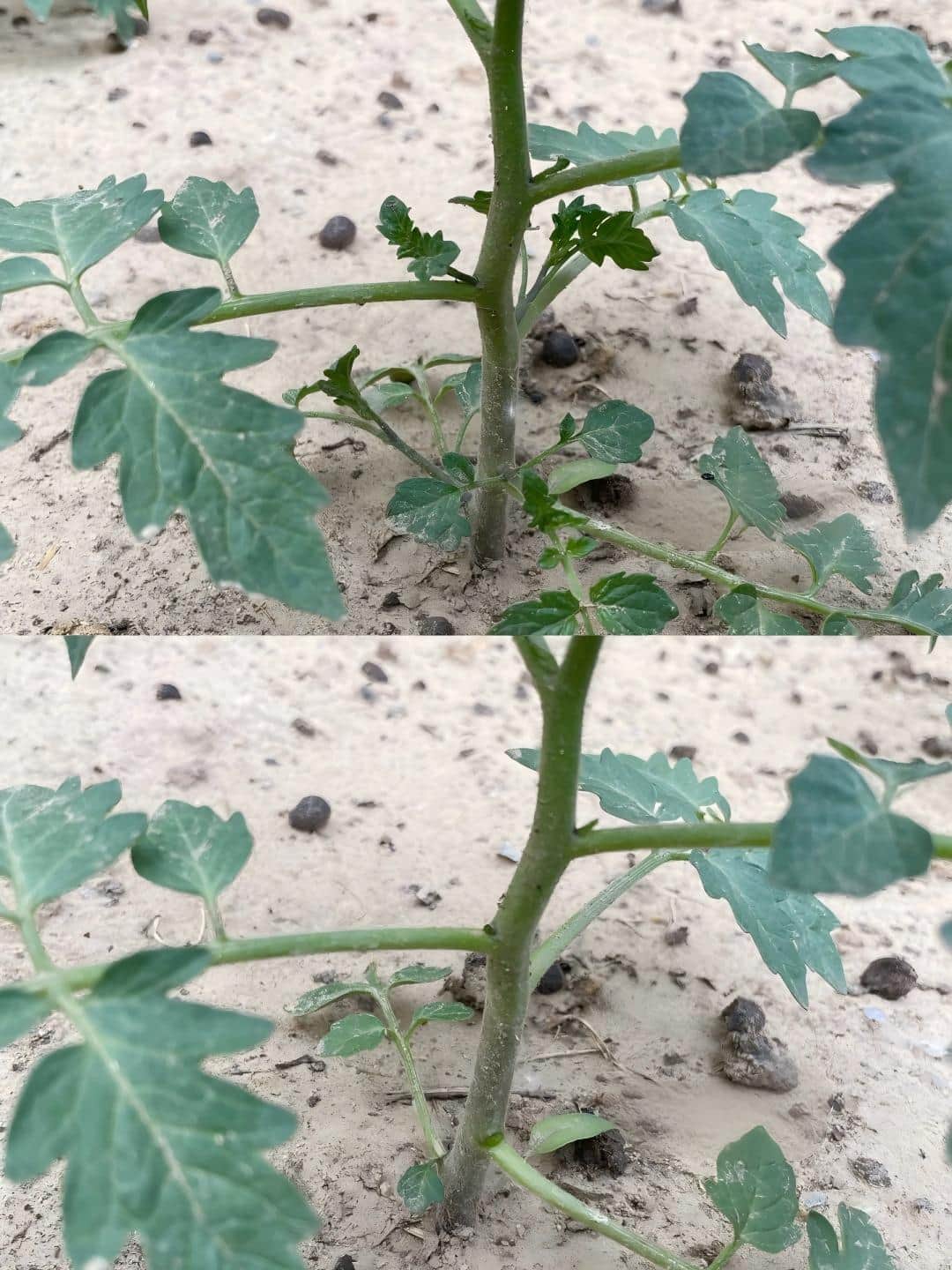
Some gardeners are scared to prune. Others go full Edward Scissorhands. Both are tragic. Indiscriminate cutting can remove the very branches that were about to set fruit.
The Fix: Know your goal. For indeterminates, I primarily remove the lower “suckers” (those shoots that grow in the crotch between the main stem and a branch) up to the first flower cluster to improve airflow, and then maybe a few in the middle to prevent a jungle.
Determinates often need little to no pruning. Prune with purpose, not panic.
Mistake #11: Letting Plants Sprawl on the Ground.
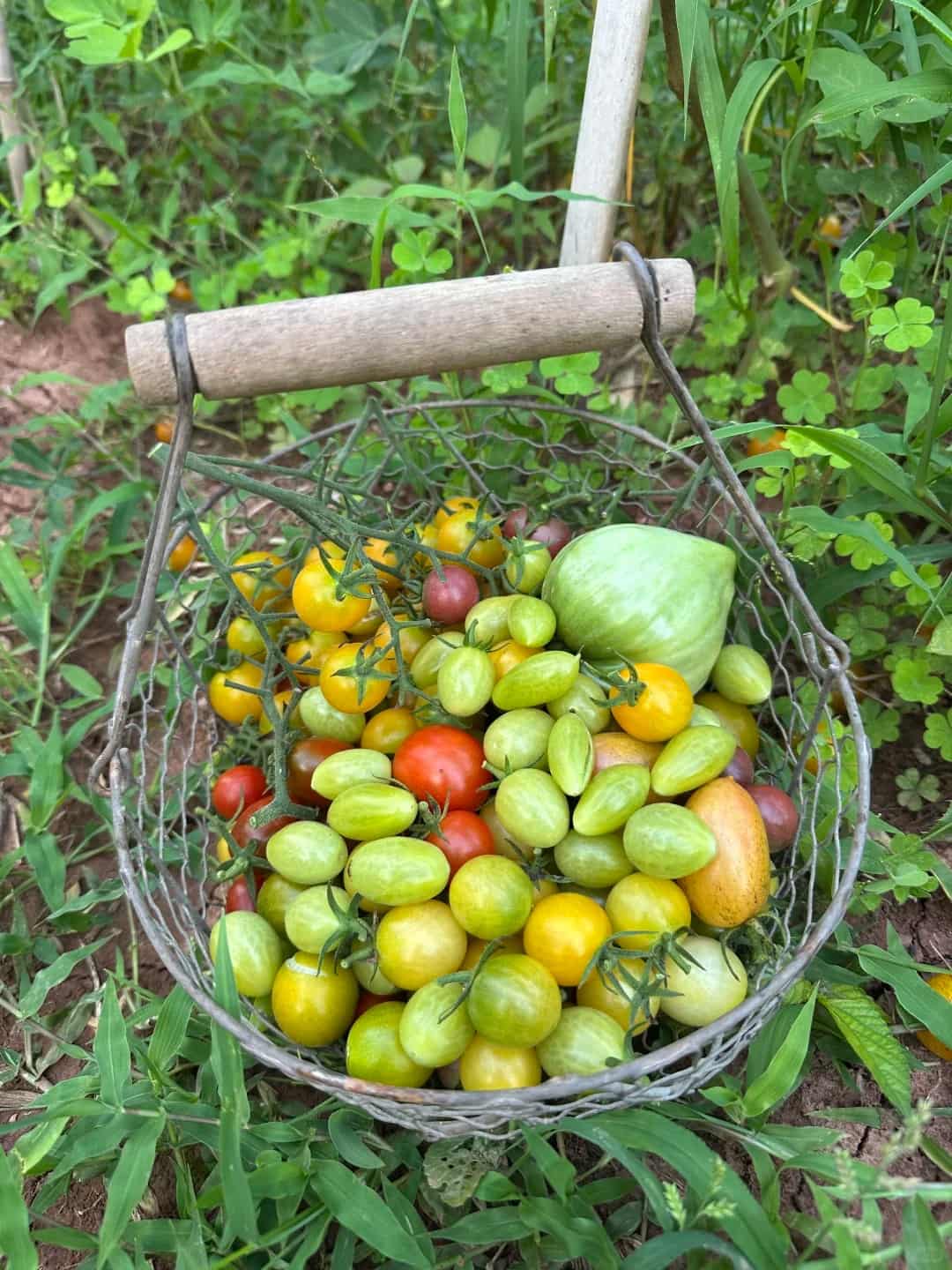
A tomato touching the soil is a tomato begging for slugs, pill bugs, rot, and disease. It’s the “easy target” sector of your garden.
The Fix: Support. That. Plant. Keep the fruit and foliage up and away from the damp, pest-ridden earth. Every leaf and fruit should have air circulating around it.
Mistake #12: Ignoring Early Pest Signs.
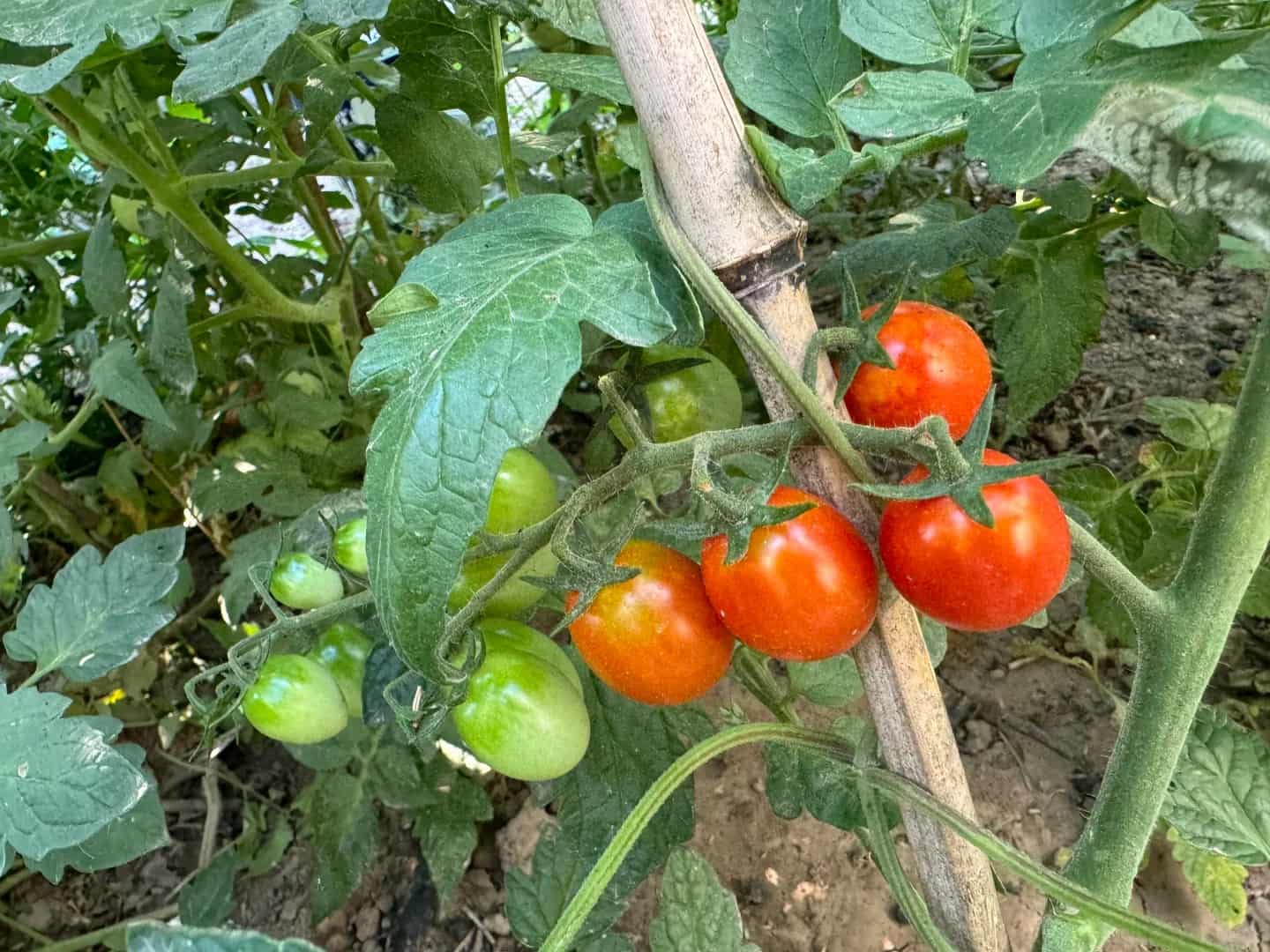
You see one hornworm. “He’s kinda cute,” you think. Tomorrow, he’s multiplied into a ravenous gang that has defoliated an entire branch.
Aphids, spider mites, hornworms—they all start small.
The Fix: Be a garden scout. Every few days, do a quick inspection. Look under leaves, at growing tips, and along stems.
Early detection means you can pick off a hornworm or blast aphids with a hose before it becomes an infestation. It’s 90% of pest “management.”
Mistake #13: Inconsistent Watering.
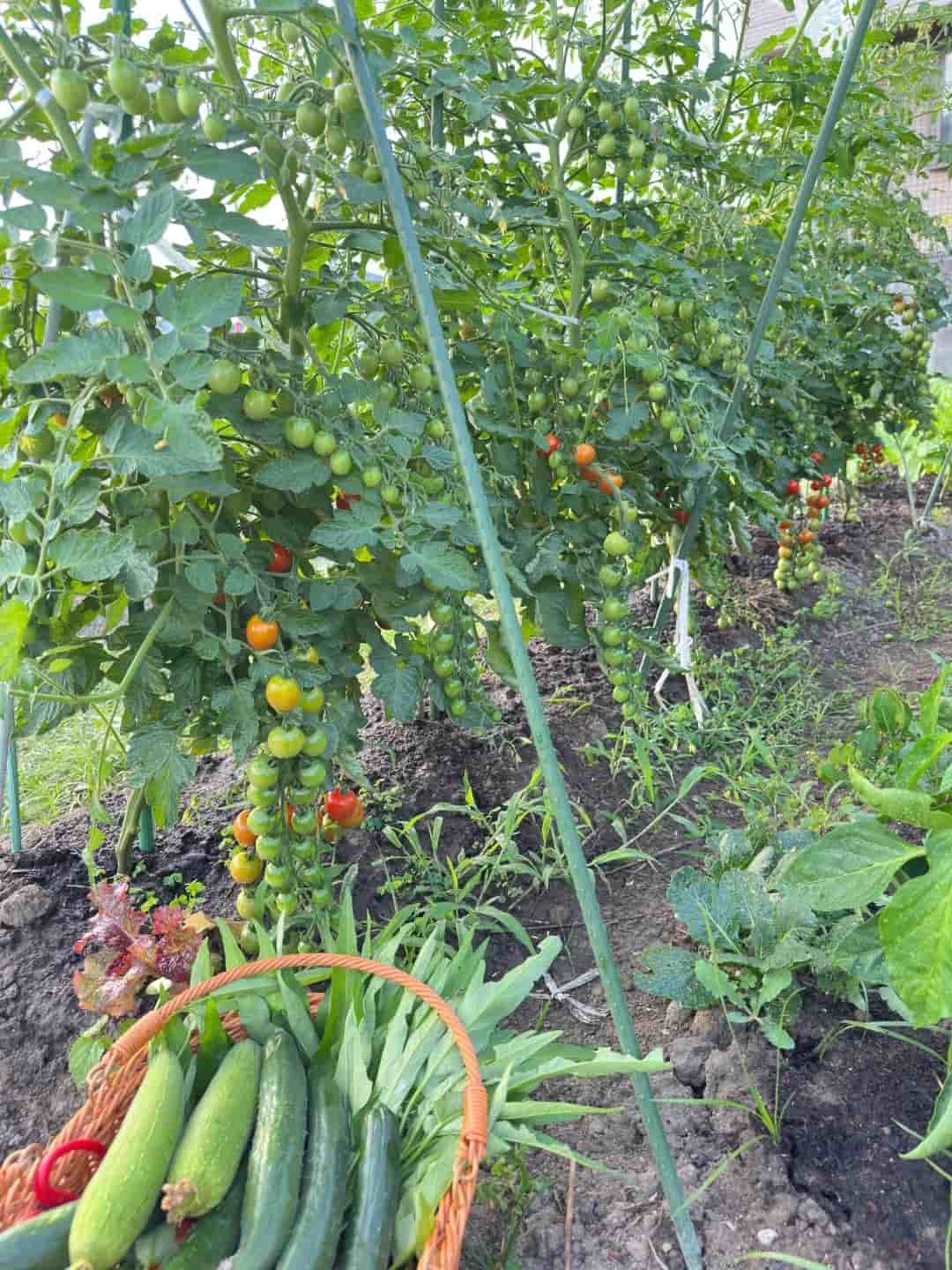
This is the grand orchestrator of ugliness. Letting the plant dry out to the point of wilting, then drowning it in a guilt-induced deluge, causes physiological chaos.
The result? Cracked fruit (from the sudden swell of water) and the heartbreak of Blossom End Rot—that ugly, leathery brown spot on the bottom of the fruit.
The Fix: Return to the wisdom of Mistakes #1, #2, and #7. The finger test, deep watering, and mulch work together to maintain beautiful, consistent soil moisture.
Your tomatoes want to live in a Mediterranean climate, not a desert-monsoon cycle.
Mistake #14: Skipping Calcium Management (But Misunderstanding It).
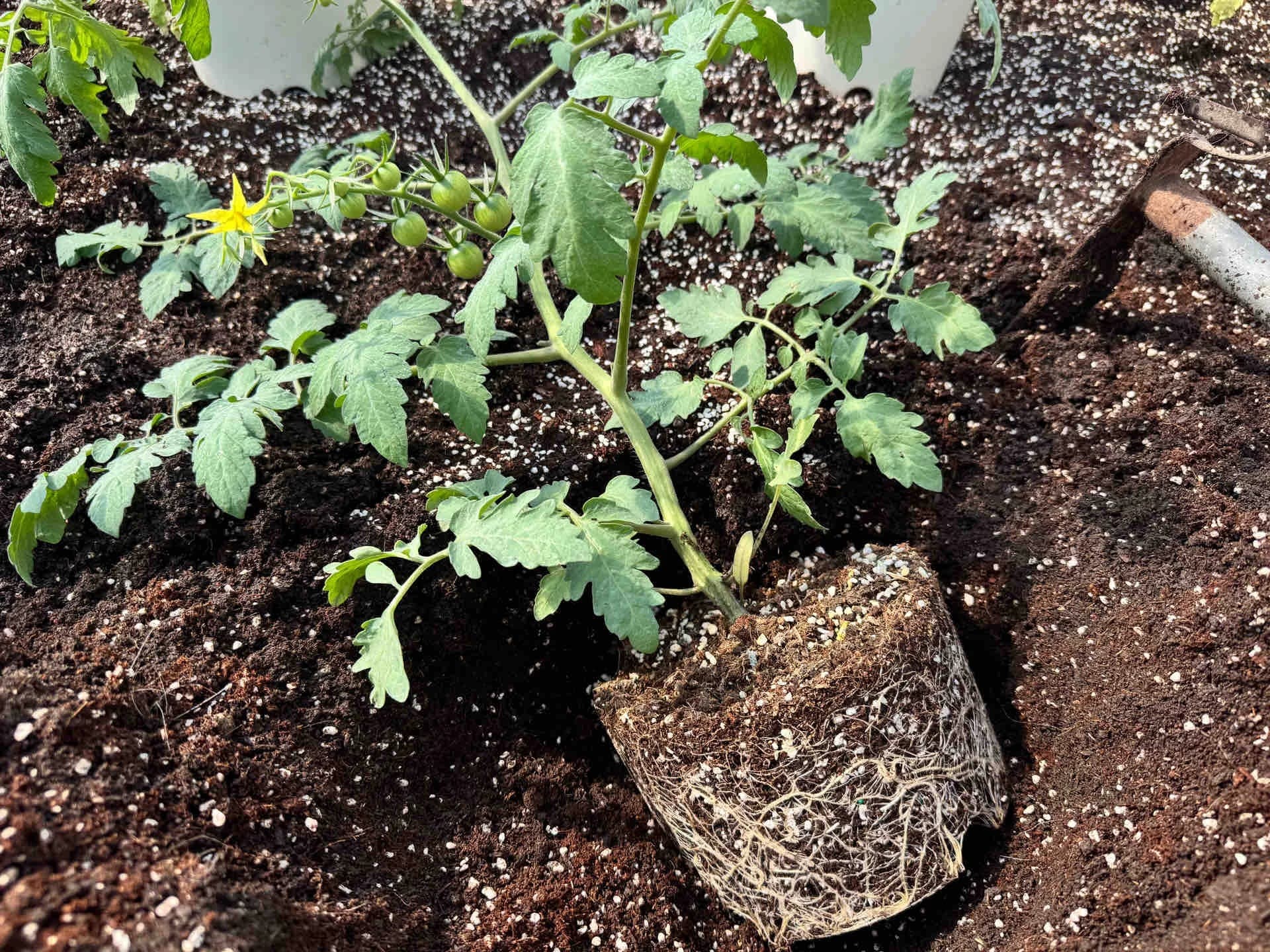
See Blossom End Rot (BER), freak out, and dump powdered milk or Tums in your soil. Hold up! BER is almost always a watering issue (see #13!), not a soil deficiency.
It’s caused by the plant’s inability to uptake existing calcium due to erratic water supply.
The Fix: Focus on consistent watering FIRST. If you’ve ruled that out and have chronically acidic soil, then you can amend with gypsum (which adds calcium without affecting pH) at planting time.
But 9 times out of 10, the fix is in your watering can, not a supplement.
Mistake #15: Growing the Wrong Variety for Your Climate.
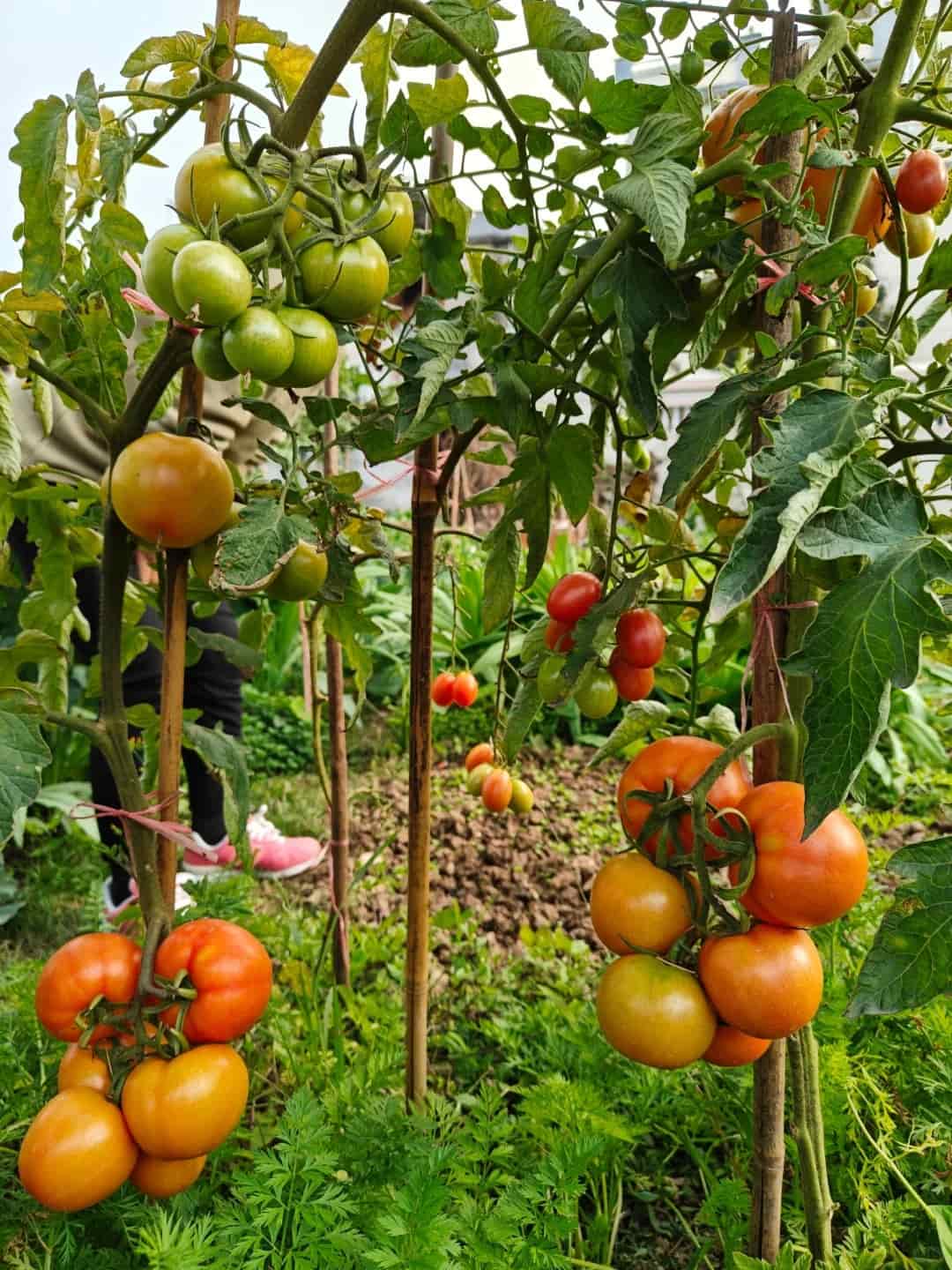
Trying to grow a heat-hatting ‘Brandywine’ in Arizona or a long-season ‘Mortgage Lifter’ in Alaska is an exercise in frustration.
The Fix: Do a little homework. For short seasons, look for early-maturing, cool-tolerant varieties.
For blistering heat, seek out “heat-set” varieties that will still pollinate when it’s 95°F. Your local nursery or extension service is a goldmine for this info.
Mistake #16: Replanting Tomatoes in the Same Spot Every Year.
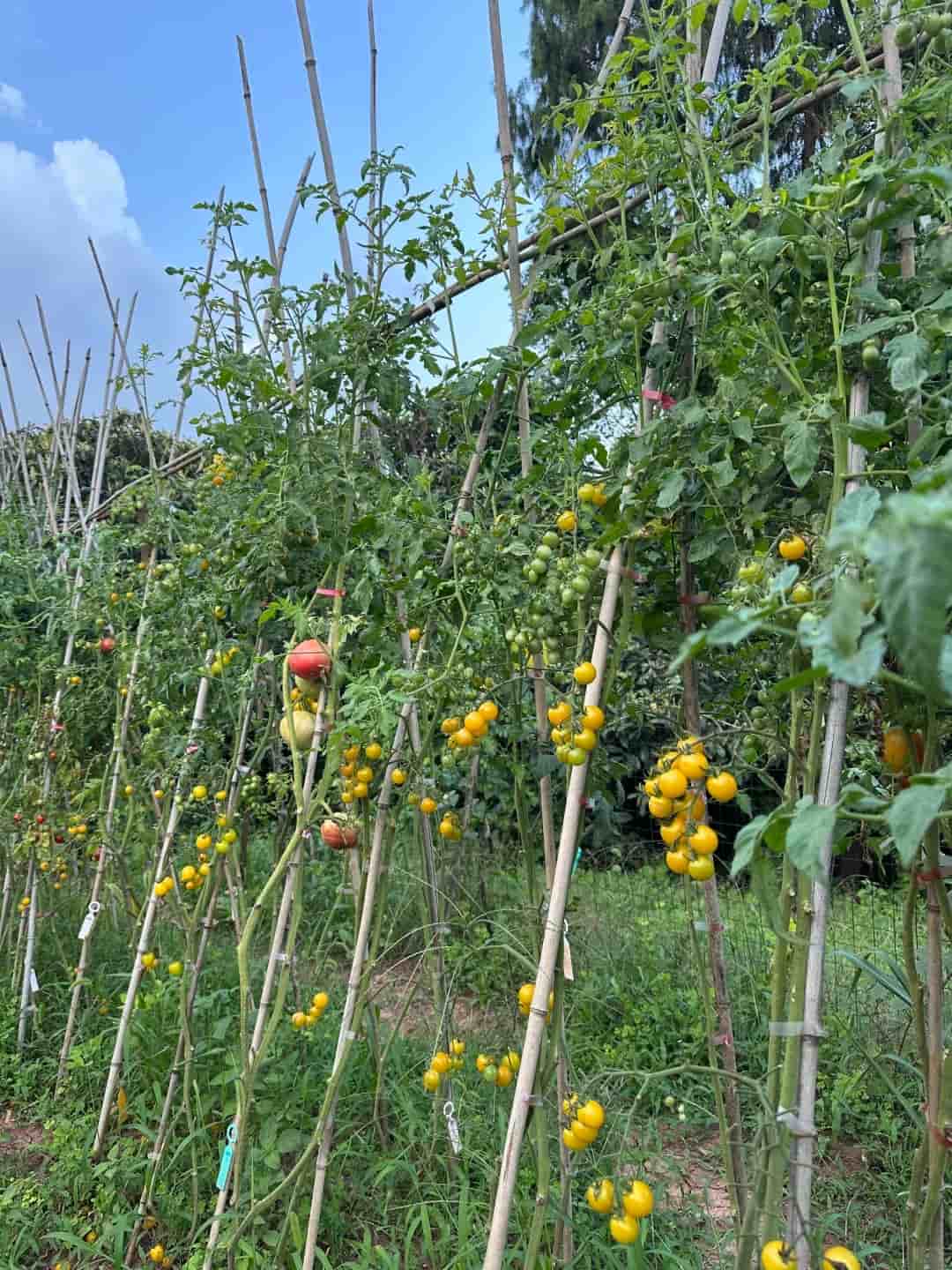
This is how you build up a specialized army of soil-borne diseases (like fusarium and verticillium wilt) and nematodes that love tomatoes.
They overwinter in the soil, waiting for you to deliver their favorite meal again.
The Fix: Rotate your crops! Try not to plant tomatoes (or their cousins: peppers, eggplants, potatoes) in the same spot for at least 2-3 years.
If you’re in a small space or containers, consider swapping out the soil entirely.
Mistake #17: Harvesting Too Late.
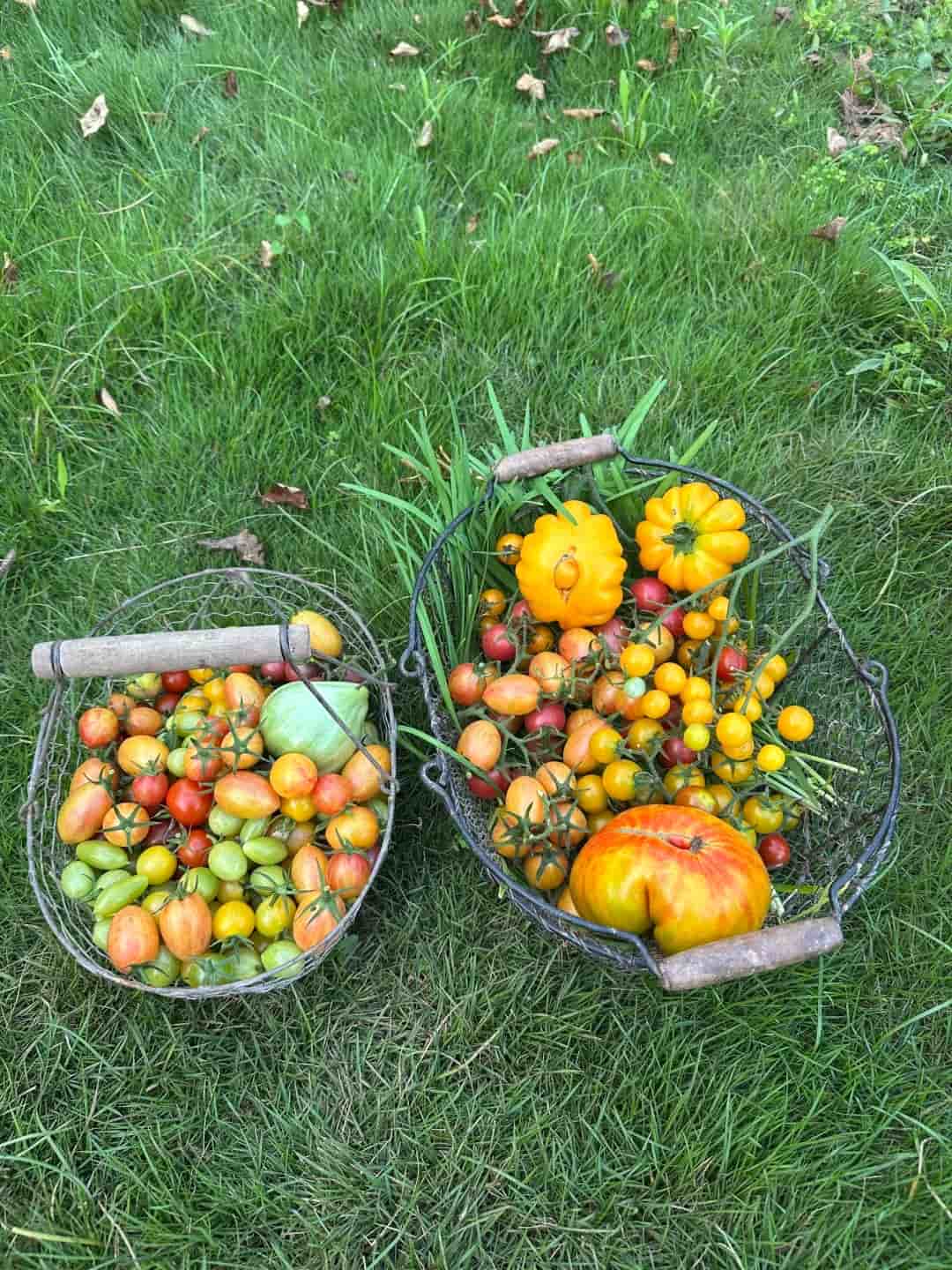
Leaving a perfect, ripe tomato on the vine for days feels like showing off, but it’s risky.
It can become overripe, split, attract pests (squirrels, I’m looking at you), and it signals to the plant to slow down production.
The Fix: Harvest tomatoes at their peak of color. If you’re worried about pests or weather, you can harvest them when they just start to show color (a hint of pink/orange/red at the blossom end) and let them finish ripening on your kitchen counter. They’ll still be delicious.
Mistake #18: Ignoring Airflow and Sunlight.
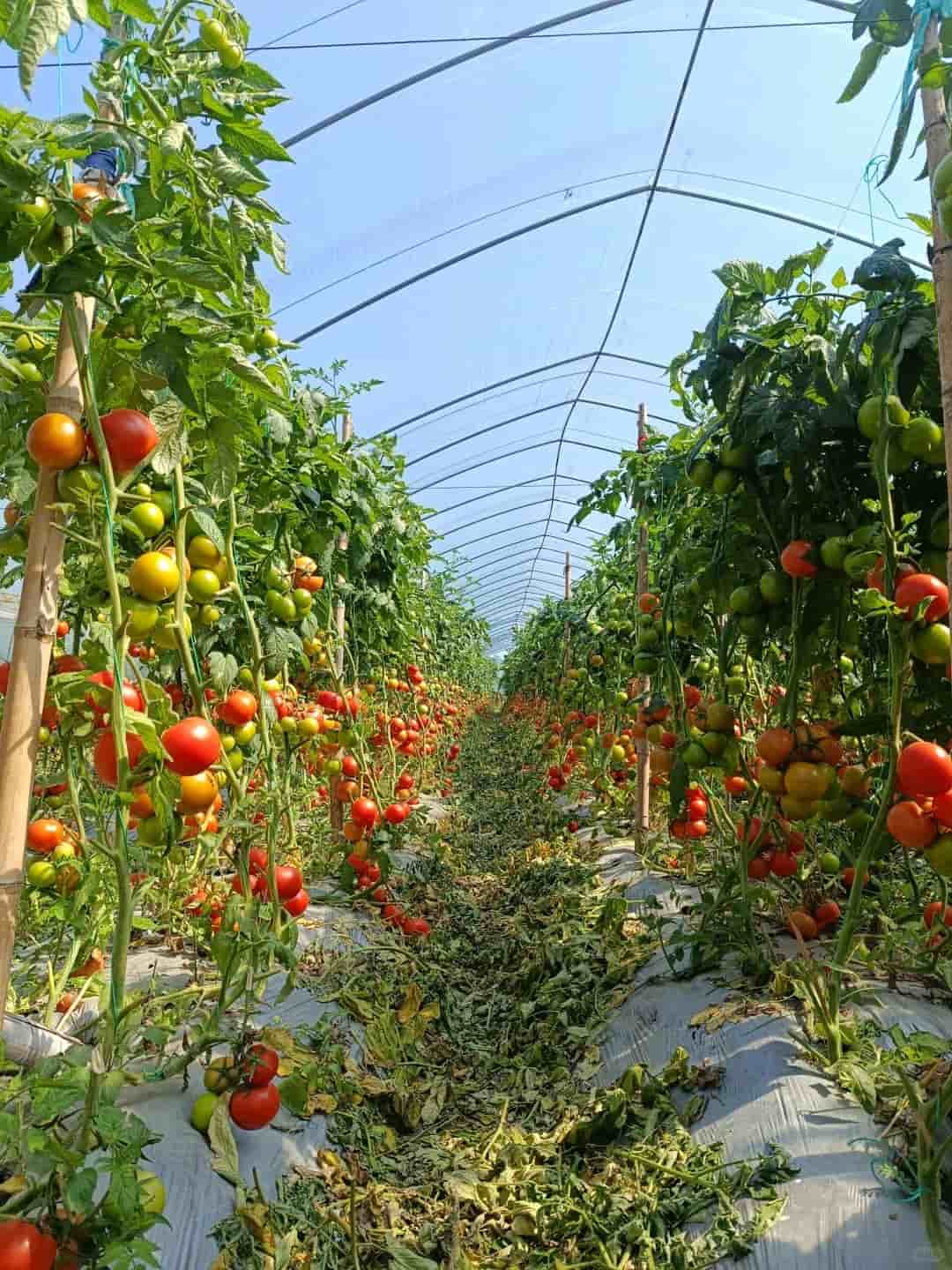
You planted them in that semi-shady corner by the fence because it was the only space left.
Tomatoes will reward you with spindly growth, few flowers, and a greater susceptibility to every problem on this list. They are solar panels designed to make sugar.
The Fix: Full. Sun. Minimum 6-8 hours of direct, unfiltered sunlight. And give them the breathing room we talked about in #3. Airflow is their immune system.
Closing Thoughts
Phew. Eighteen pitfalls. It might seem like a minefield, but really, it’s just a map.
Tomato gardening is a beautiful mix of art and science—you will make mistakes. I still do!
Last year I accidentally harvested a jalapeño thinking it was a green cherry tomato.
Don’t ask. The point is to learn, adapt, and grow (pun intended).
So, my bonus suggestion, the one thing that will make all this work worthwhile?
Have a tomato tasting. Grow a few different varieties—a cherry, a slicer, an heirloom, a modern hybrid.
Harvest them at their peak, slice them up, and taste them side-by-side.
Note the differences in sweetness, acidity, texture, and that mysterious “tomato-ey” flavor.
It connects you to the why behind all the watering, staking, and pruning.
It’s the delicious reward.
Now, I’d love to hear from you. What’s your #1 tomato struggle? What variety blew your mind? Drop your tips, horror stories, and triumphs in the comments below. We learn from each other here. Let’s get growing.