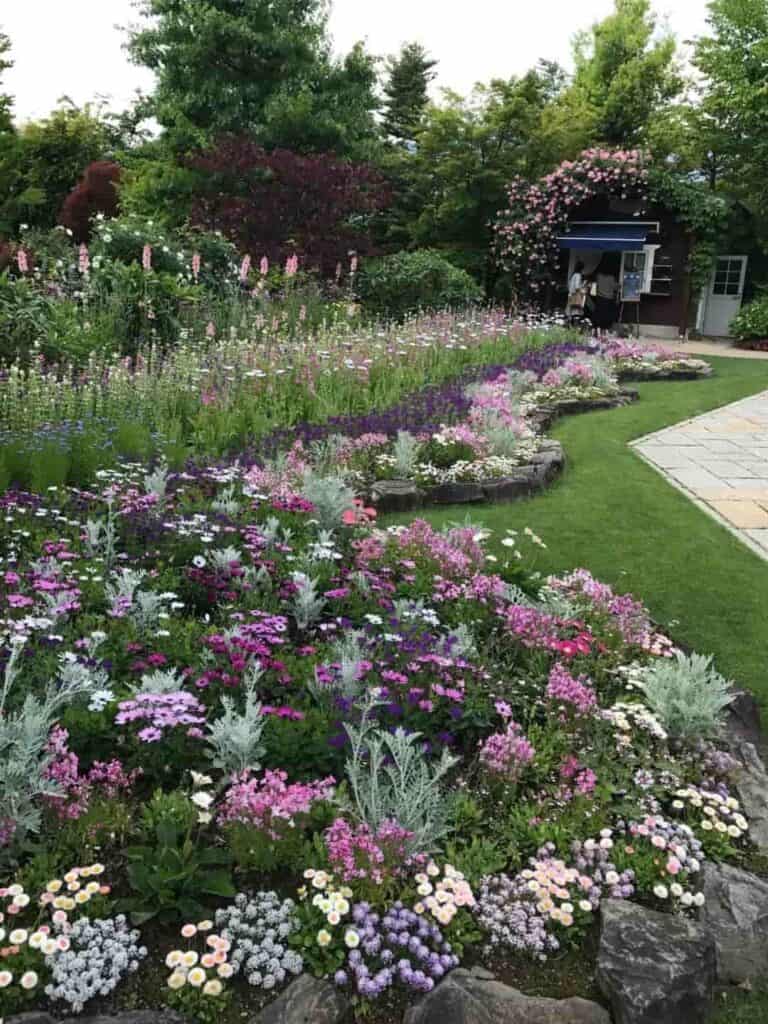
You are not a plant murderer. You are simply someone who hasn’t yet met the right plant.
And herbs? Herbs are the perfect, low-stakes, high-reward blind date of the gardening world.
Think about it: they’re practical (no waiting three months for a single, dubious tomato), they’re cost-saving ($3 for a sad plastic clump of cilantro? No more!), and they’re famously forgiving. They’re the cool, easy-going friend in a world of high-maintenance diva plants.
But the questions remain! Should you shove them in the ground or a pot? Start from a tiny, terrifying seed or buy a bigger plant and feel like you’re cheating? It’s enough to make anyone just order takeout again.
Fear not, fellow recovering plant assassin. This guide is your roadmap. We’re breaking down five of the most beginner-friendly herbs you can possibly grow. We’ll talk about where to stick them, how not to kill them, and how to actually use them. Consider this your first step toward becoming the person who casually says, “Oh, let me just snip some fresh basil for that,” while your friends gaze on in awe.
1. Basil: The Earnest, Overachieving People-Pleaser
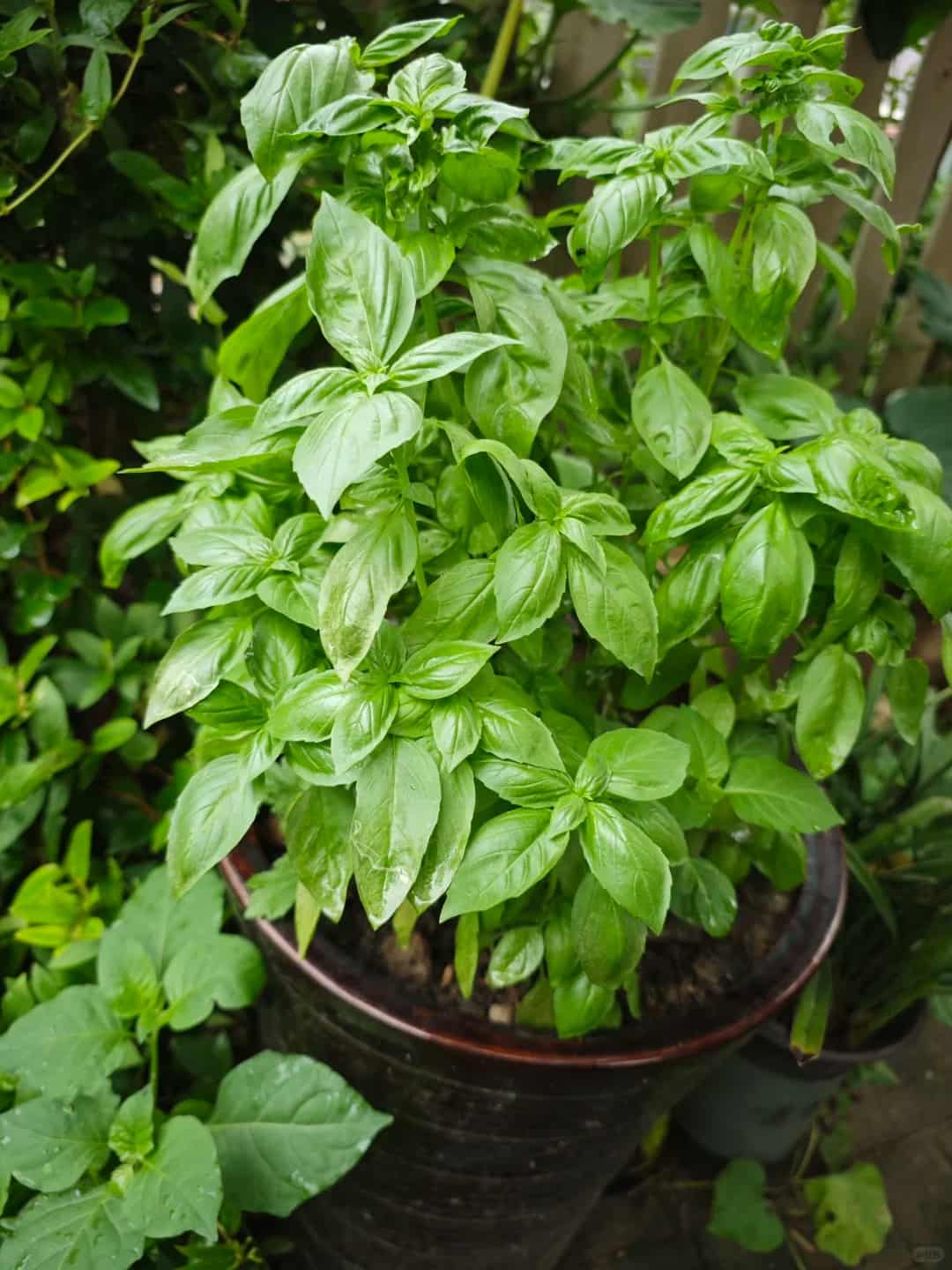
If herbs had personalities, basil would be the eager intern who brings coffee for everyone, volunteers for extra work, and actually makes the copy machine work better. It wants to grow. It’s trying its hardest. And it will reward even your most fumbling efforts with glorious, fragrant leaves.
A. Why Basil is the Ultimate Beginner’s Wingman
Basil is approachable. It’s not fussy about its roots being jostled. It grows so fast you can almost hear it. It’s the herb that gives you confidence. One success with basil, and you’ll be eyeing up heirloom tomatoes and dwarf citrus trees. It’s a gateway herb.
B. How to Start: The Trilogy of Options
You have three paths, all valid, no judgment:
- The Direct Sow (For the Optimist): Wait until nighttime temps are reliably above 50°F. Poke some seeds in the dirt, cover them up, water them, and wait. It’s like magic, but slower.
- The Indoor Start (For the Planner): Start seeds in a little pot on a sunny windowsill a few weeks before the last frost. You get to nurture a tiny life and feel like a scientist.
- The Nursery Transplant (For the “I Want Salad Tonight” Person): Go to any garden center, buy a 4-inch pot of basil that’s already thriving, and take all the credit. This is arguably the smartest move for a true beginner. Instant gratification is a powerful teacher.
C. Where to Plant Your Green Gold
Basil is not picky about its real estate.
- Raised Beds: Its happy place. Good drainage, warm soil.
- In-Ground Gardens: Works great if your soil isn’t pure clay.
- Containers/Pots: Fantastic! Just make sure the pot has a drainage hole. No plant likes wet feet.
- Vertical Planters: Yes, it will cascade beautifully.
The Golden Rule: Give each plant 6-12 inches of personal space. They need room to get bushy. And remember: don’t put them outside until the night-time shivers are gone (those 50°F nights we talked about).
D. Growth Habits: The Flowering Ultimatum
Basil is a fast-growing annual. Its life goal is to flower, set seed, and retire. Once it starts producing flowers, it sends a chemical signal that says, “My work here is done,” and the leaf production slows down, and the flavor can turn a bit bitter. This is not a tragedy. It’s a management opportunity.
E. Pruning & Harvesting: How to Be a Benevolent Boss
You are not harvesting. You are pruning. This is key.
- See a stem getting tall with big leaves at the bottom? Look right above a set of leaves and pinch or snip the stem off.
- Two new stems will sprout from that leaf junction. You’ve just made your plant bushier.
- Always remove the flower buds as soon as you see them (unless you want bees—more on that later). Pinch them off.
- Use what you pinch! That’s dinner.
- Pro-Tip: Let one stalk of your plant flower at the end of the season. The bees will throw a party in your honor, and you’ll get good garden karma.
2. Parsley: The Steady, Reliable Friend
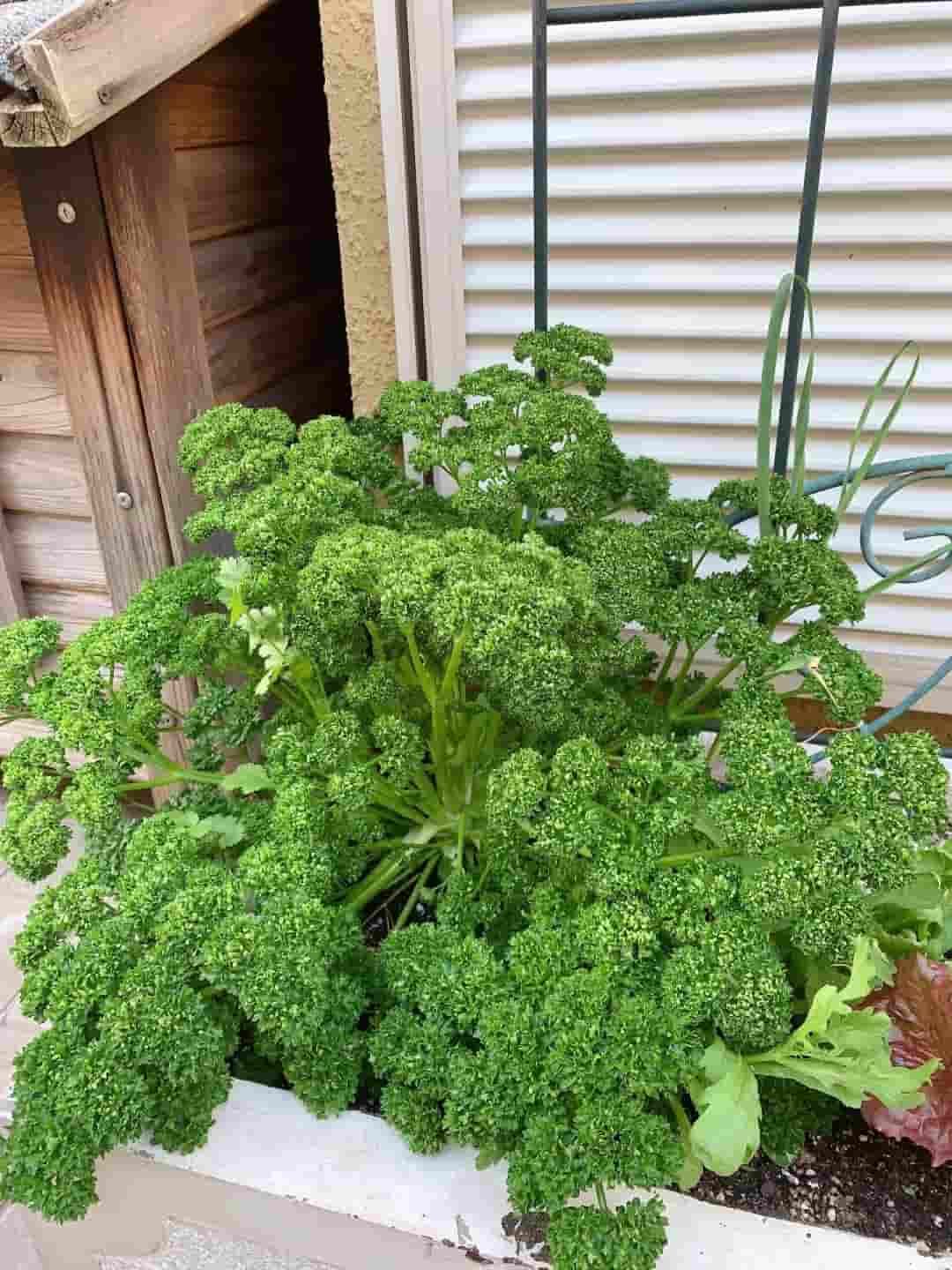
Parsley is the herb that shows up to help you move, brings pizza, and doesn’t make a big deal about it. It’s not as flashy as basil, but it’s there for you, from spring right through to the first hard freeze. It’s the workhorse of the herb garden.
A. Why Parsley Won’t Let You Down
It’s versatile (garnish, tabbouleh, parsley sauce, you name it). It has a wonderfully long growing season. In many places, you can be picking parsley while you’re putting out pumpkins.
B. Climate & Hardiness: The Tough Cookie
In zones 7-8 and similar, parsley will often shrug off a mild freeze and keep on chugging into winter and even bounce back the next spring. It’s surprisingly resilient.
C. How to Start: Skip the Seed Agony (For Now)
Parsley seeds are notoriously slow to germinate. They’re like that friend who is always “5 minutes away.” Starting with a transplant is the beginner’s cheat code. You pop it in the ground, it might wilt for a day (a classic parsley drama queen move), and then it settles in for the long haul.
D. Where to Grow: Fits Anywhere
Garden bed? Yes. Container? Yes. Tucked between flowers? Yes. It’s not a space hog and plays well with others.
E. The Biennial Quirk: A Two-Year Plan
Parsley is a biennial. Year One: It grows lots of delicious leaves. Year Two: It says, “Whelp, my legacy!” flowers, sets seed, and dies. As a beginner, you only need to care about Year One. That’s many, many months of harvest.
F. Self-Seeding: The Gift That Keeps on Giving
If you let it flower in its second year, it will often drop seeds. Next spring, you might find little parsley babies popping up in unexpected places. Free plants! It’s like your garden is thanking you for not ripping it out.
3. Thyme: The Low-Key, Independent Perennial
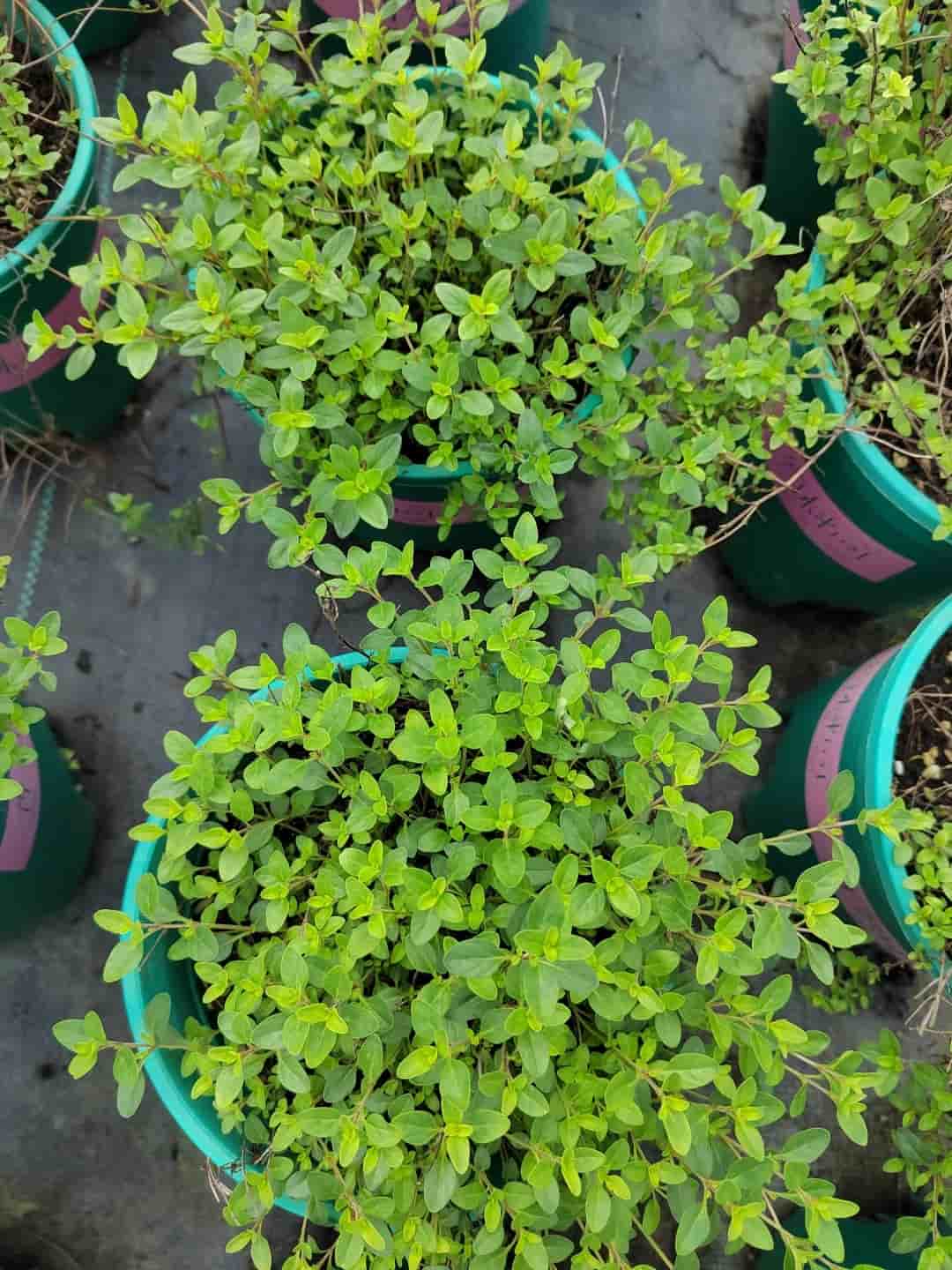
Thyme is the minimalist of the herb world. It doesn’t need much from you: a little sun, not too much water, and to be left alone to do its thing. It’s a perennial, meaning it comes back year after year, making it the ultimate “set it and mostly forget it” plant.
A. Why Thyme is Effortless
Live in zone 5 or warmer? Congratulations, you have a permanent, low-maintenance herb. It survives winter, pops back in spring, and asks for nothing but your occasional culinary admiration.
B. Starting Thyme: The Transplant Express
Do not, I repeat, do not start thyme from seed as a beginner. The germination is slow, the seedlings are tiny and glacial. Walk into a nursery, buy a 4-inch pot of thyme (there are so many fun varieties: lemon, English, woolly), and you’re already winning.
C. Planting: A Space Saver
It’s perfect for containers, the edges of raised beds, or rock gardens. It forms a lovely, low mat or a small shrubby mound. It takes up barely any room.
D. Water & Soil: The “Less is More” Philosophy
Well-drained soil is non-negotiable. Think gritty, think sandy. Once established, it’s drought-tolerant. Overwatering is its kryptonite. When in doubt, don’t water it.
E. Companion Planting: The Mediterranean Crew
Thyme loves hanging out with its friends who have similar tastes: rosemary, sage, and marjoram. They all like sun and good drainage. Planting them together makes watering and care a no-brainer.
F. Long-Term Care: The Woody Truth
After 4-5 years, thyme can get a bit woody and straggly in the center. This is nature’s way of saying, “Hey, maybe take a cutting or buy a new one.” It’s not a failure; it’s a lifecycle. Harvest sprigs as needed, and enjoy its quiet, persistent presence.
4. Oregano: The Enthusiastic, Spreading Party Guest
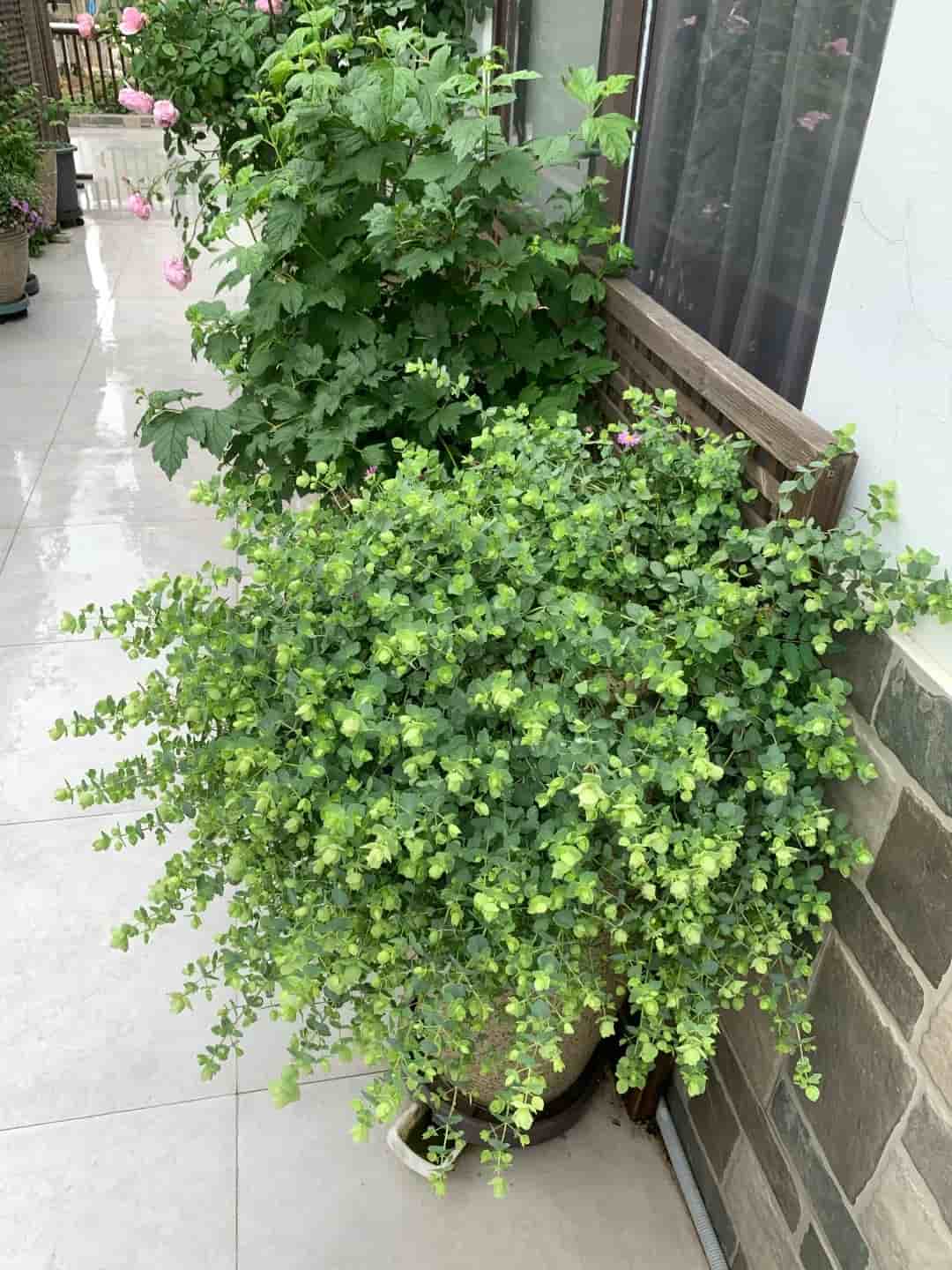
First, a quick sidebar: Where’s Cilantro? I love cilantro, but it’s the moody artist of the herb world. It bolts (flowers) the second the weather gets warm, turning from tasty leaves to seeds (coriander) in a hot minute. It’s better suited for fall planting. So, for our beginner’s list of reliable, summer-long producers, I picked its more stable cousin, oregano.
A. Why Oregano Made the Cut
It’s a perennial powerhouse. A single plant will give you more oregano than you can possibly use for pizzas, pastas, and marinades for years. It is relentlessly productive.
B. How to Start: Another Transplant Triumph
You can grow it from seed, but it’s slow and finicky. A transplant is instant satisfaction. You’ll be harvesting in weeks, not months.
C. Where to Plant: WITH CAUTION
Containers: Excellent. Raised Beds: Okay, but be warned.
THE WARNING: Oregano is a member of the mint family. This means it spreads. Aggressively. Not as virulently as its minty cousin, but it will happily try to take over a garden bed via underground runners.
D. Managing the Spread: Containment is Key
The best way to grow oregano is in a container. If you must put it in a bed, consider sinking a pot without a bottom to act as a barrier. It likes a bit more moisture than thyme but shares the “well-drained soil” preference. If it wilts, it’s just being dramatic. A good drink will perk it right up. It is famously hard to kill.
E. Harvest & Flowers: Two for One
You’ll get two big harvests: one in early summer, and another in fall after you…
Let it flower! In midsummer, it will send up lovely pink or purple flower spikes that bees and butterflies adore. The flowering doesn’t hurt the plant. Once the blooms fade, give it a good haircut (cut back by about a third), and it will flush out with fresh, tasty leaves for your autumn cooking.
5. Chives: The Unkillable Garden Soldier
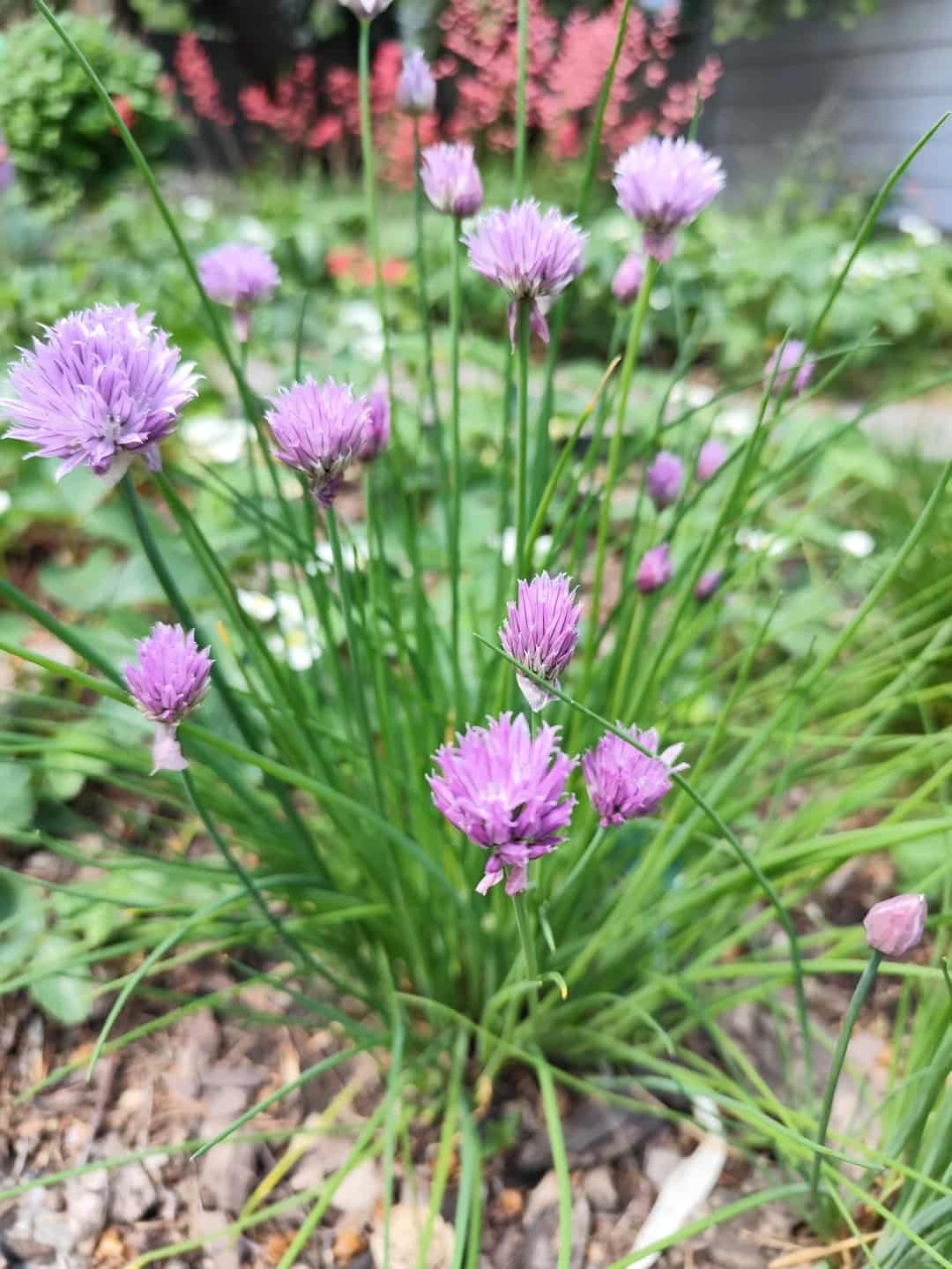
If herbs were action heroes, chives would be the one who walks away from explosions without looking back. They are tough, reliable, and come back every spring with a cheerful, “You didn’t think you’d gotten rid of me, did you?”
A. Why Chives are Beginner-Proof
Hardy down to zone 3. Let that sink in. They survive winters that would make a polar bear shiver. They require almost zero care. You can neglect them, and they’ll just quietly multiply.
B. Growth Habit: The Gentle Expansion
They grow in neat clumps that get bigger every year. They also self-seed politely. You’ll often find them popping up in random places, a pleasant surprise rather than an invasion.
C. How to Start: Fast or Faster
Seeds work fine (indoors or direct sow). But for the “see results now” beginner, a transplant is the way to go. You’ll be snipping within weeks.
D. Light: Not Picky
They tolerate partial shade! Don’t have a blazing, full-sun spot? Chives don’t care. They’ll still produce for you.
E. Flowers & Flavor: A Bonus Course
In spring, they send up beautiful, edible purple pom-pom flowers. The flavor is a mild, sweet onion-garlic. Snip the leaves for potatoes, salads, omelets. Use the flowers to make a stunning, pink infused vinegar.
F. Dividing & Uses: Making More Friends
After a few years, you can dig up a clump, chop it in half or quarters with a shovel, and replant. Instant free plants! They make a lovely, edible border. Some say they deter pests; I say they at least confuse them while tasting great.
G. Harvesting: The “Haircut” Method
Grab a handful and snip, leaving about 1-2 inches above the soil. They’ll grow back tender and fresh. If you only take the tops, the lower parts get tough. Give it a good haircut every few weeks.
6. Mint: The Joyful, Invasive Rascal
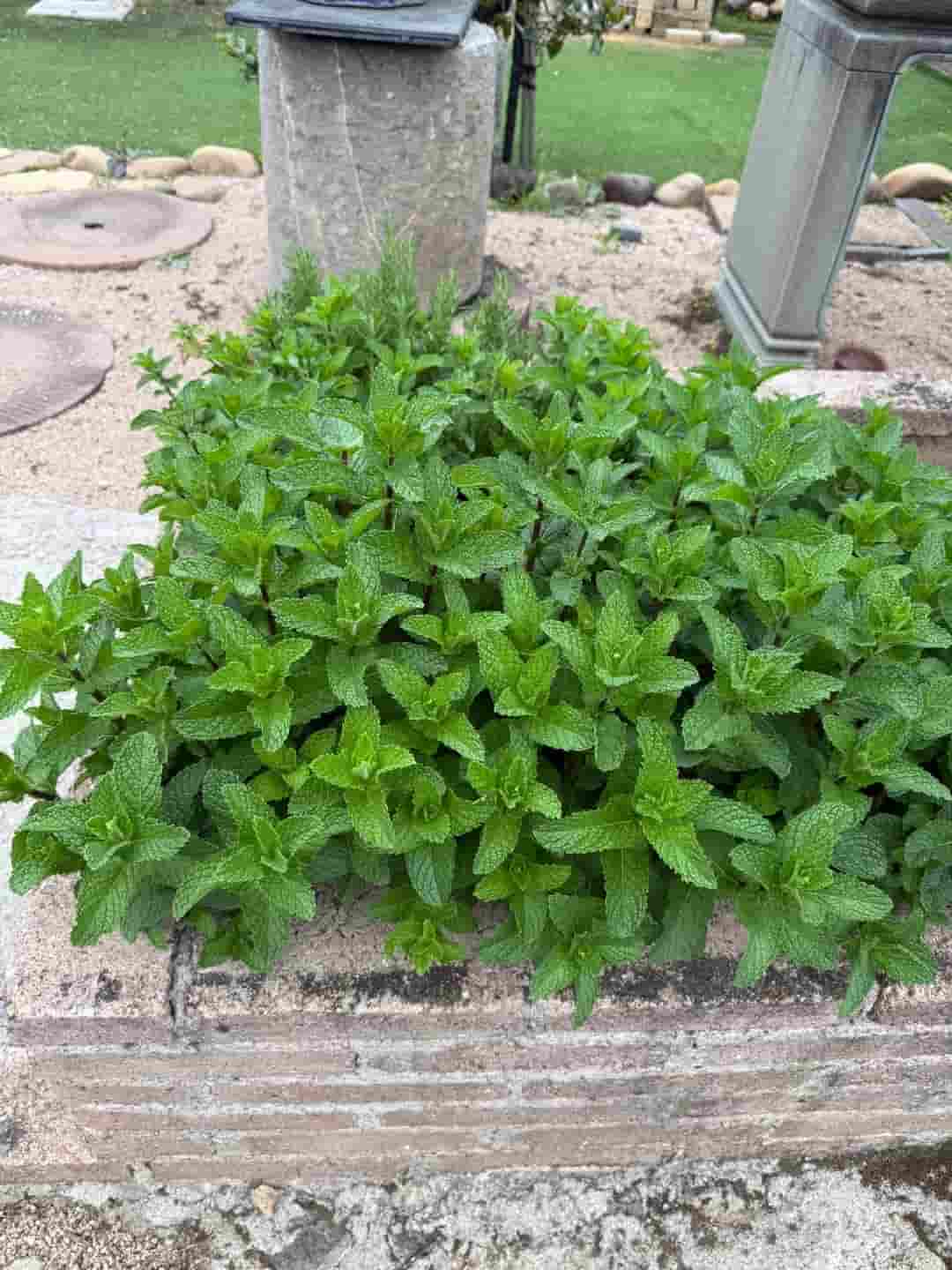
We must speak of mint. To grow mint is to understand a fundamental truth of gardening: some plants love life too much. Mint is the friend who shows up at your party, invites twenty strangers, drinks all your beer, and then asks to crash on your couch for a week. And you can’t stay mad because they’re so darn charming and useful.
A. Why Mint is the Ultimate Confidence Builder
You cannot kill it. You can try. You can forget to water it, give it terrible soil, and ignore it for weeks. It will look sad, then you’ll give it a sip of water, and it will come back with a vengeance. It’s the herb that ensures you are not a failure.
B. How to Start: No Seeds, Please.
Forget seeds. Start with a transplant from a friend or nursery. You can even take a stem cutting, stick it in water, and watch it grow roots like it’s on a mission. It wants to live with you.
C. Where to Plant: THE MOST IMPORTANT SECTION.
Repeat after me: ALWAYS IN A CONTAINER.
I am not joking. I am not being dramatic. If you plant mint directly in your garden bed or even a raised bed, it will send out underground runners (stolons) and colonize every square inch of soil within two years. It will come up through your lawn. You will dream of mint.
Put it in a pot with a drainage hole. A nice, big one. You can sink the pot into a bed if you want the look, but the container must contain it.
D. Water & Soil: The Thirsty Opportunist
It prefers consistently moist soil (unlike its Mediterranean cousins) and will tolerate anything from full sun to part shade. If it wilts, it’s telling you it’s thirsty. Water it, and it will perk up in an hour. It’s the most communicative plant you’ll ever own.
E. Harvesting: Your Civic Duty
Harvesting mint is not just for mojitos. It is population control. Cut it back frequently. Pinch the tips to make it bushier. The more you pick, the happier it is. Use it in tea, desserts, sauces, and to simply crush a leaf and inhale summer.
7. Rosemary: The Aromatic, Woody Sage
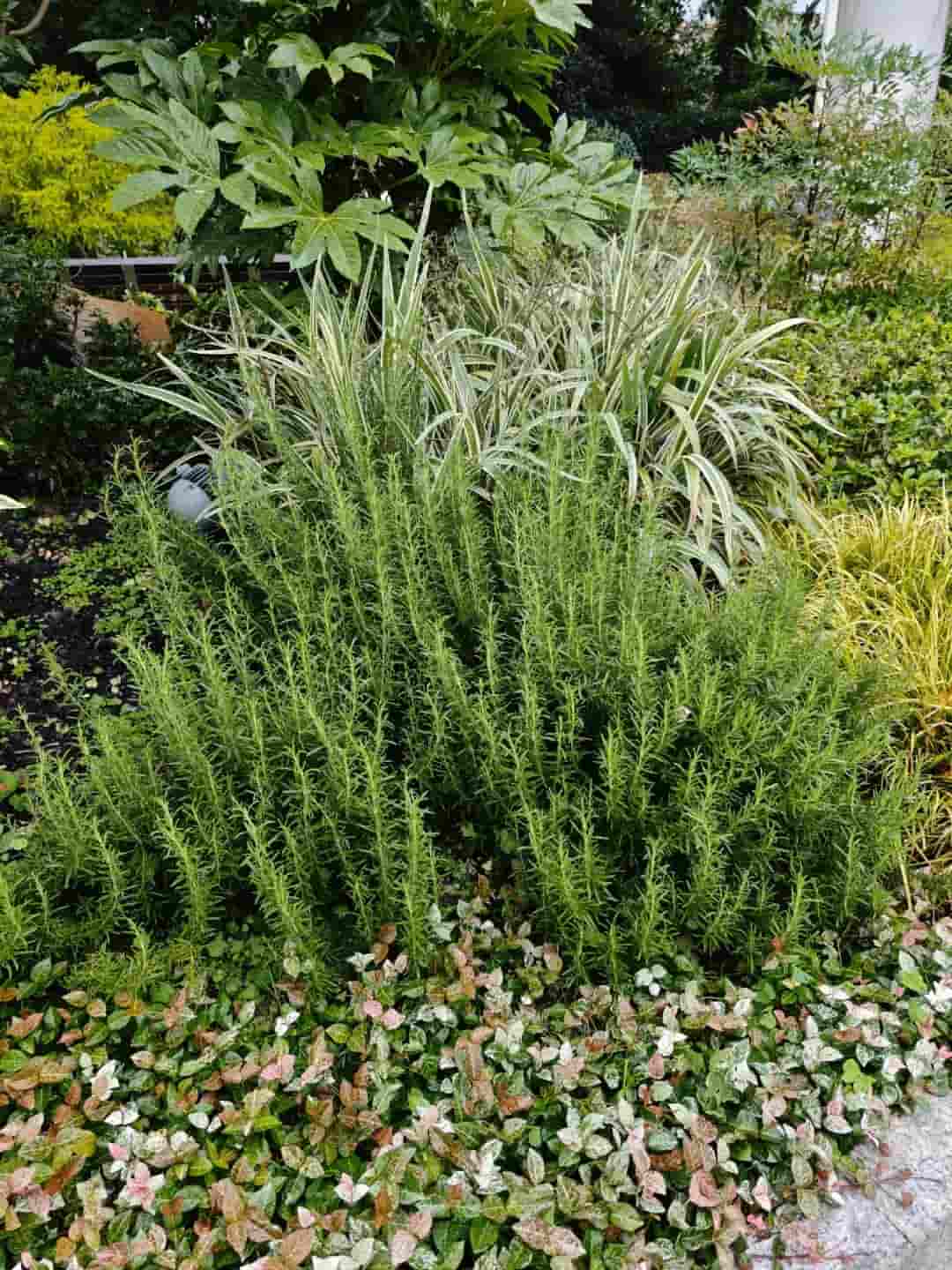
Rosemary is the wise, old soul of the herb garden. It’s not in a hurry. It grows slowly and steadily into a beautiful, aromatic shrub that smells like a sunny Italian hillside. It’s for the beginner who wants a long-term relationship.
A. Why Rosemary is a Beginner’s Long-Term Bet
In warm climates (zones 7-10), it’s a perennial that gets bigger and better every year. It’s drought-tolerant, pest-resistant, and asks only for good drainage and sunshine. It’s a plant you can pass down. (Okay, maybe not literally, but it feels that way).
B. How to Start: Cheat (Again).
Rosemary from seed is a test of patience best left to masochists and professionals. Get a transplant. Even better, if a friend has a big plant, ask for a cutting—they root surprisingly easily in water or soil.
C. Where to Grow: Think “Mediterranean Cliffside.”
Containers are fantastic (use a gritty potting mix). Raised beds are great. In-ground is fine if your soil isn’t clay. Excellent drainage is the single most important thing. It would rather be dry than damp. Plant it with its buddies, thyme and sage.
D. Climate & Water: The Anti-Mint
Perennial in warmer zones. In colder areas, grow it in a pot and bring it to a sunny, cool spot indoors for winter. It likes to dry out between waterings. Stick your finger in the soil; if it’s dry an inch down, give it a drink. If it’s damp, walk away.
E. Harvesting: Respect the Wood.
Snip soft, green sprigs as needed. Avoid cutting into the old, woody stems, as they are slower to regenerate. The flavor is strongest just before it flowers. As it matures, the essential oils intensify. Your roast potatoes will thank you.
8. Sage: The Fuzzy, Resilient Stalwart
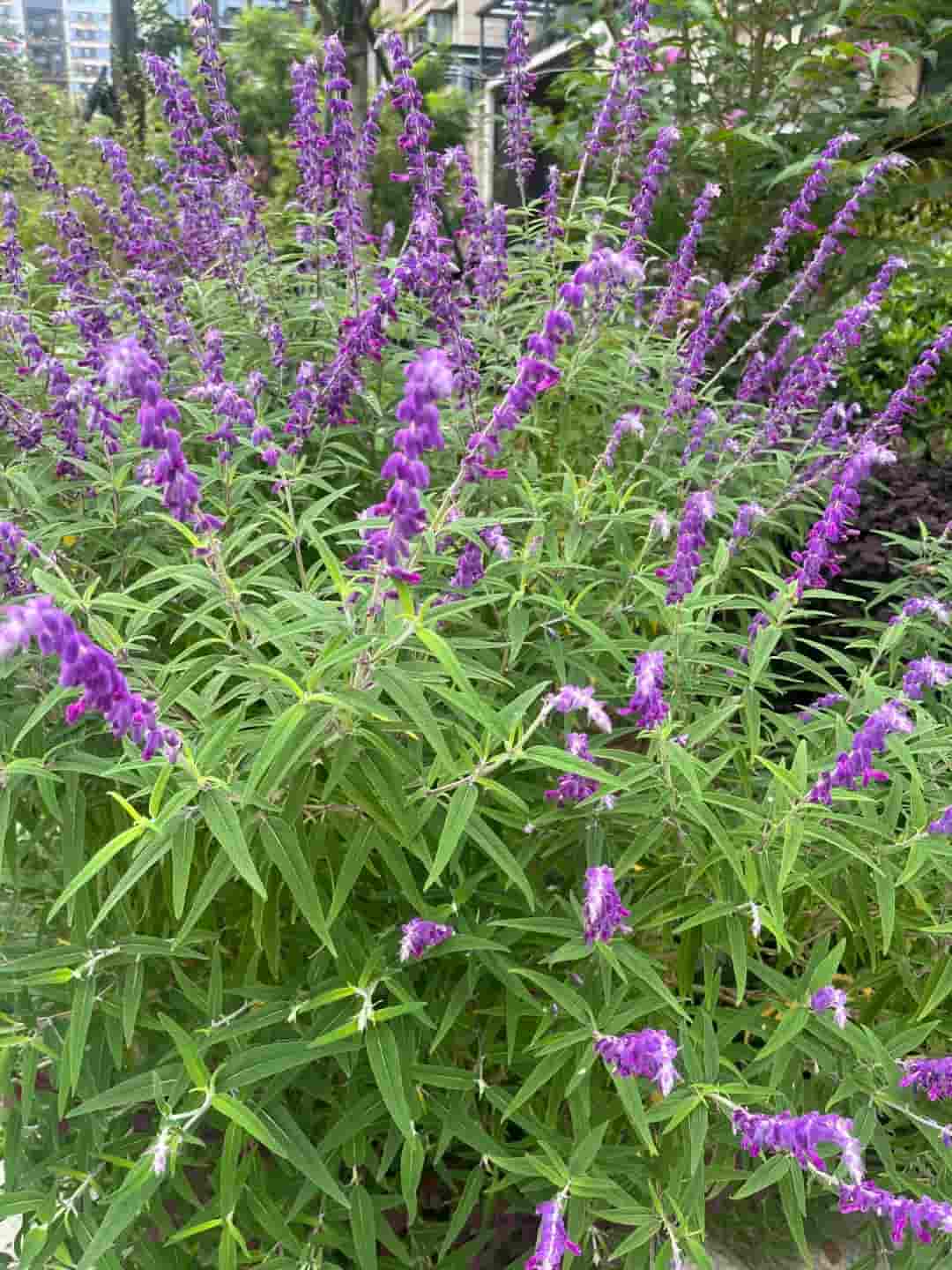
Sage is the grizzled cowboy of your herb collection. It’s tough, handles neglect with a grumble, and has a distinctive, earthy flavor that defines autumn cooking. Its soft, fuzzy leaves are a delight to touch.
A. Why Sage is Easy Mode
It’s another perennial workhorse. Heat? Fine. Drought? No problem. Poor soil? It’ll manage. It’s for the gardener who wants dramatic results with minimal input. A single plant provides more than enough for a year of Thanksgiving turkeys and brown butter sauces.
B. Starting Sage: The Pattern Continues.
You can start from seed, but it’s slow. Buy a transplant. It will establish quickly and start growing that first season. Look for common sage or try fun varieties like pineapple or purple sage.
C. Best Planting Locations
It’s happy in raised beds, containers, or in-ground gardens. Like its Mediterranean family, it demands good drainage. It’s not a swamp plant.
D. Care Requirements: Basically None
Water it to get it established, then mostly leave it alone. It prefers to be on the dry side. An occasional pruning to shape it or remove dead wood is all it asks for.
E. Harvesting & Longevity: The Slow Burn
Harvest lightly in the first year to let it put energy into roots. In subsequent years, take sprigs as needed. After it flowers (bees love the blue-purple spikes), give it a light trim to encourage new growth. Plants can get woody after 4-5 years; that’s your cue to take cuttings or plant a new one.
9. Dill: The Wispy, Self-Sowing Butterfly Magnet
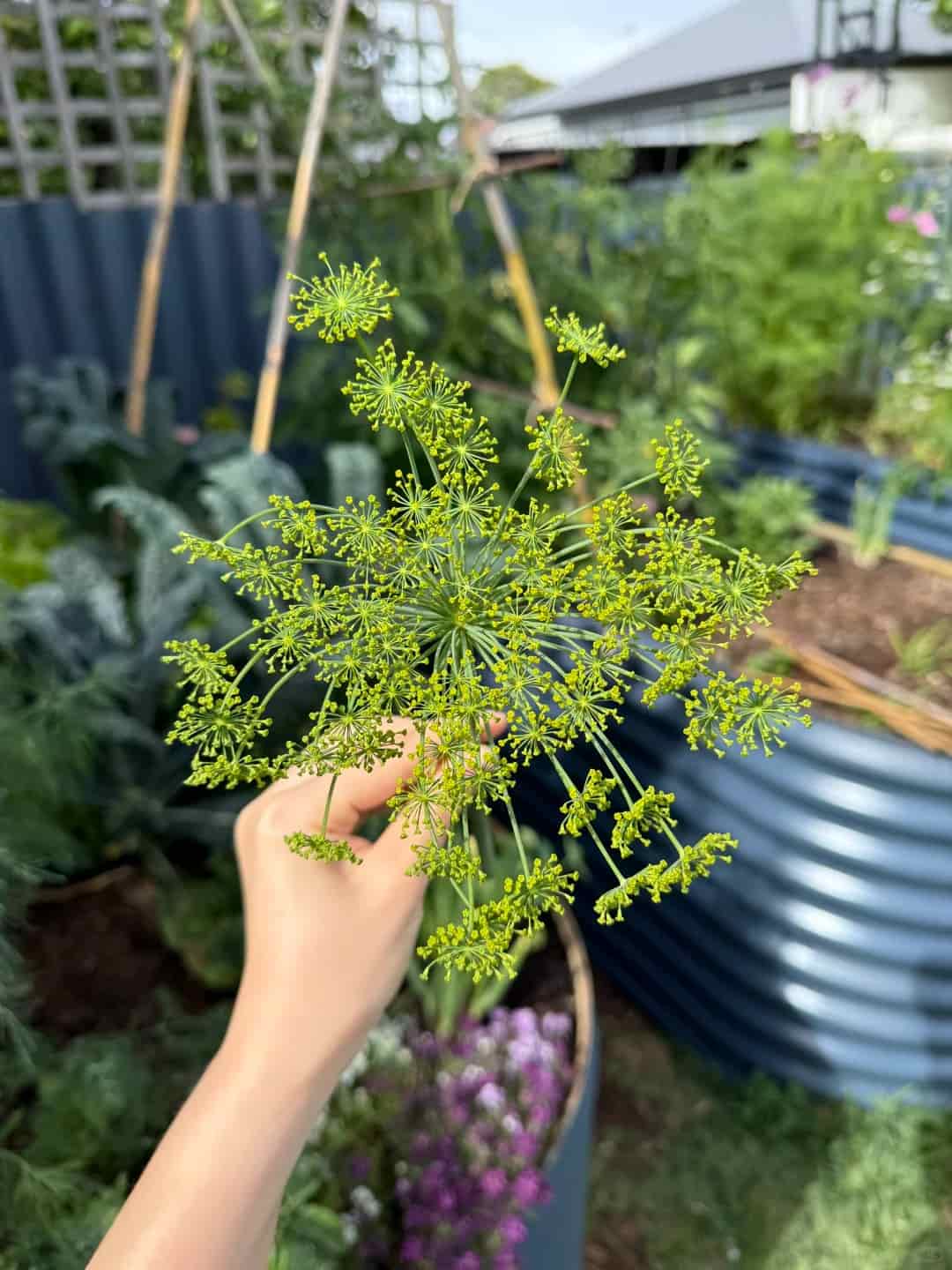
Dill is the ethereal, feathery herb that looks delicate but is surprisingly tough. It grows so fast it feels like a time-lapse video. It’s the beginner’s herb for instant impact and fascinating garden ecology.
A. Why Dill is a Great First Seed Project
It grows incredibly fast from seed. You get the thrill of sowing and seeing results in days. It needs minimal care, and nothing beats the flavor of fresh dill on fish or in pickles.
B. How to Start: Direct Sow Only.
Dill has a taproot and hates being moved. Direct sowing is the only way. Wait until after the last frost, sow seeds in a sunny spot, cover lightly, and water. You’ll see seedlings in 7-14 days. It’s that simple.
C. Where to Grow: Give it Room.
It does well in raised beds, in-ground gardens, or deep containers. It has a tall, airy growth habit and can flop over if crowded, so give it some space.
D. Growth Habits: It’s an Insect Hotel.
Dill is a host plant for swallowtail butterfly caterpillars. If you see green, black, and yellow-striped caterpillars munching on it, celebrate! You’re running a butterfly B&B. Let it flower, and its yellow umbels will attract a host of beneficial insects. It also self-seeds generously.
E. Harvest Timing: Plan Ahead.
Harvest the feathery leaves (dill weed) when the plant is young for the best flavor. If you want dill seeds for pickling, let the flower heads mature and turn brown. For a continuous harvest, sow a few seeds every few weeks (succession planting).
10. Lemon Balm: The Cheerful, Calming Spread(er)
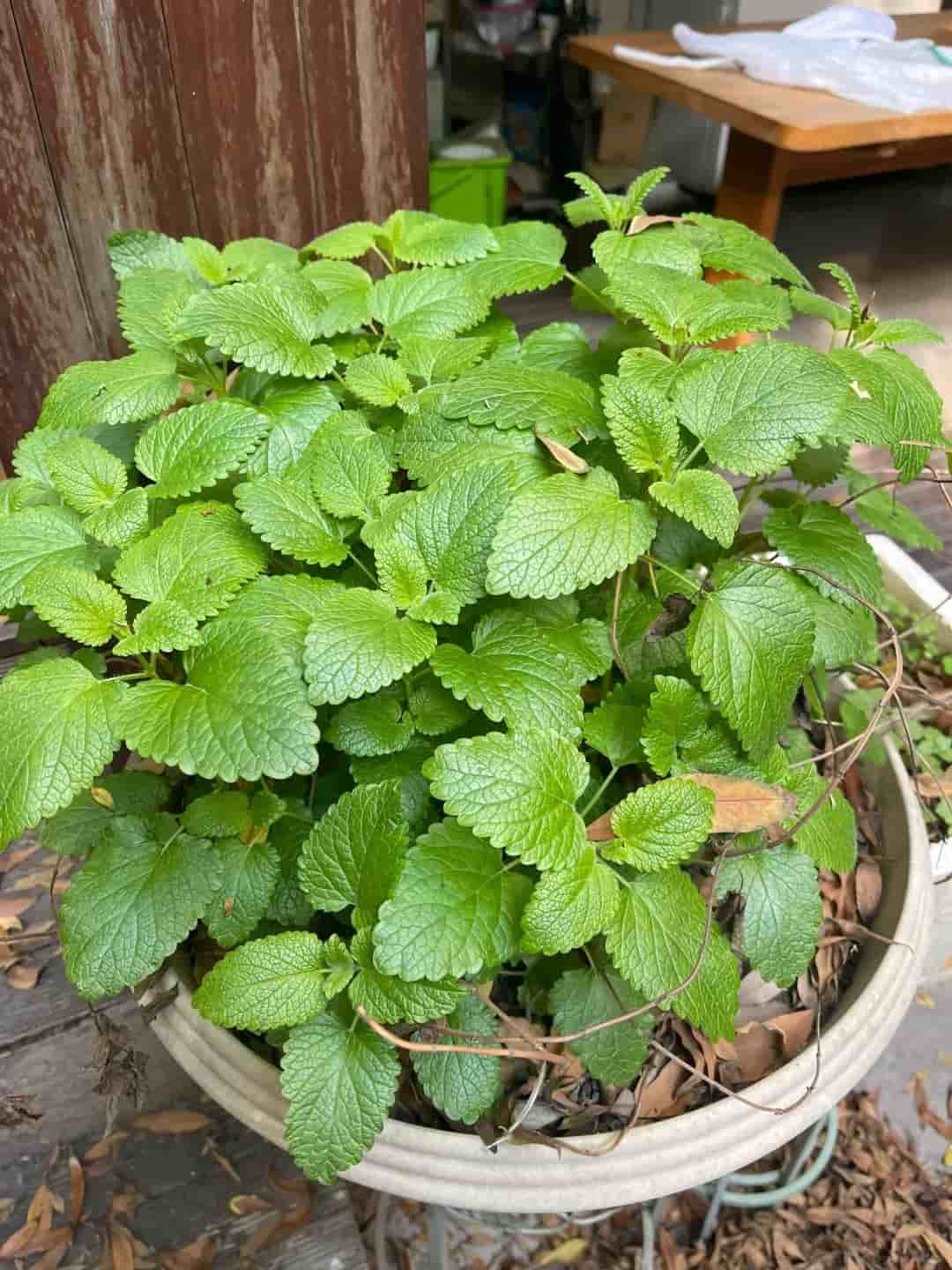
Lemon balm is mint’s mellower, citrus-scented cousin. It’s just as vigorous but slightly less aggressively imperialistic. Its leaves smell like lemon candy and make a wonderfully calming tea. It’s the happy, forgiving herb for the stressed-out beginner.
A. Why Lemon Balm Belongs on This List
It’s a member of the indestructible mint family. It’s hardy, productive, and adapts to almost any condition. If you want a herb that feels abundant and smells like sunshine, this is it.
B. How to Start: All Paths are Open.
Start from seed (easy), buy a transplant (easier), or divide a friend’s plant (easiest). It establishes without fuss.
C. Where to Plant: Container Recommended.
See the note on mint? Apply here, though with slightly less panic. Containers are still the safest bet. It spreads by seed and runners. In a raised bed or open garden, only plant it where you don’t mind it roaming.
D. Water & Growth: The Adaptable One
It prefers moist soil but tolerates some dryness. It grows happily in sun or part shade. It will spread to fill the space you give it but is generally easier to pull than mint if it oversteps.
E. Harvesting & Uses: For Relaxation.
Harvest leaves anytime. The flavor is best before it flowers. Pinch off flower buds to keep the plant producing tender leaves. Its primary use is in teas, syrups, and infused water—it’s famously known for its gentle, calming properties. It’s the herb you grow for your well-being.
You Did It. Now, Let’s Talk.
Look at you! You’re practically a herb scholar now. From the eager basil to the unkillable chives, you’ve got a roster of green allies ready to make your cooking taste expensive and your thumbs look gloriously green.
So, spill the dirt: which of these herbs are you thinking of trying first? Are you a container-on-the-balcony person or a raised-bed revolutionary? Have you had a hilarious mint-based disaster in the past? (We’ve all been there.)