I planted blackberries in the ground with the naive optimism of a sitcom dad assembling IKEA furniture.
Two years later, I had a savage, thorn-ridden thicket that had annexed my lawn, scared the mailman, and produced exactly seven berries, all of which were eaten by birds before I could utter a triumphant “mine!”
I waved the white flag. I surrendered to the wilderness. I was a blackberry failure.
But then, my salvation arrived: containers. Moving to a house with concrete for a yard wasn’t a setback; it was an intervention.
Forced into patio gardening, I embarked on a mission to conquer the blackberry on my own terms.
Through trial, error, and several soil-stained tantrums, I cracked the code.
What follows are the 15 hard-earned, dirt-under-the-nails hacks that transformed me from a serial blackberry killer into a proud container berry baron.
1. Choose Wisely, or Wage War: The Thornless Compact Variety Gospel
Listen closely. Your first, most crucial decision is not about soil or pots. It’s about choosing the right combatant.
Think of traditional blackberry varieties as untamed mustangs—magnificent, powerful, and utterly disdainful of your fences.
For containers, you want a Shetland pony: sturdy, manageable, and less likely to trample your petunias.
I learned this after trying to stuff a wild, thorny beast named ‘Chester’ into a 10-gallon pot.
It was like confining a Viking to a broom closet. He was furious, and his thorns were his axes.
Your new best friends are cultivars bred for this exact purpose.
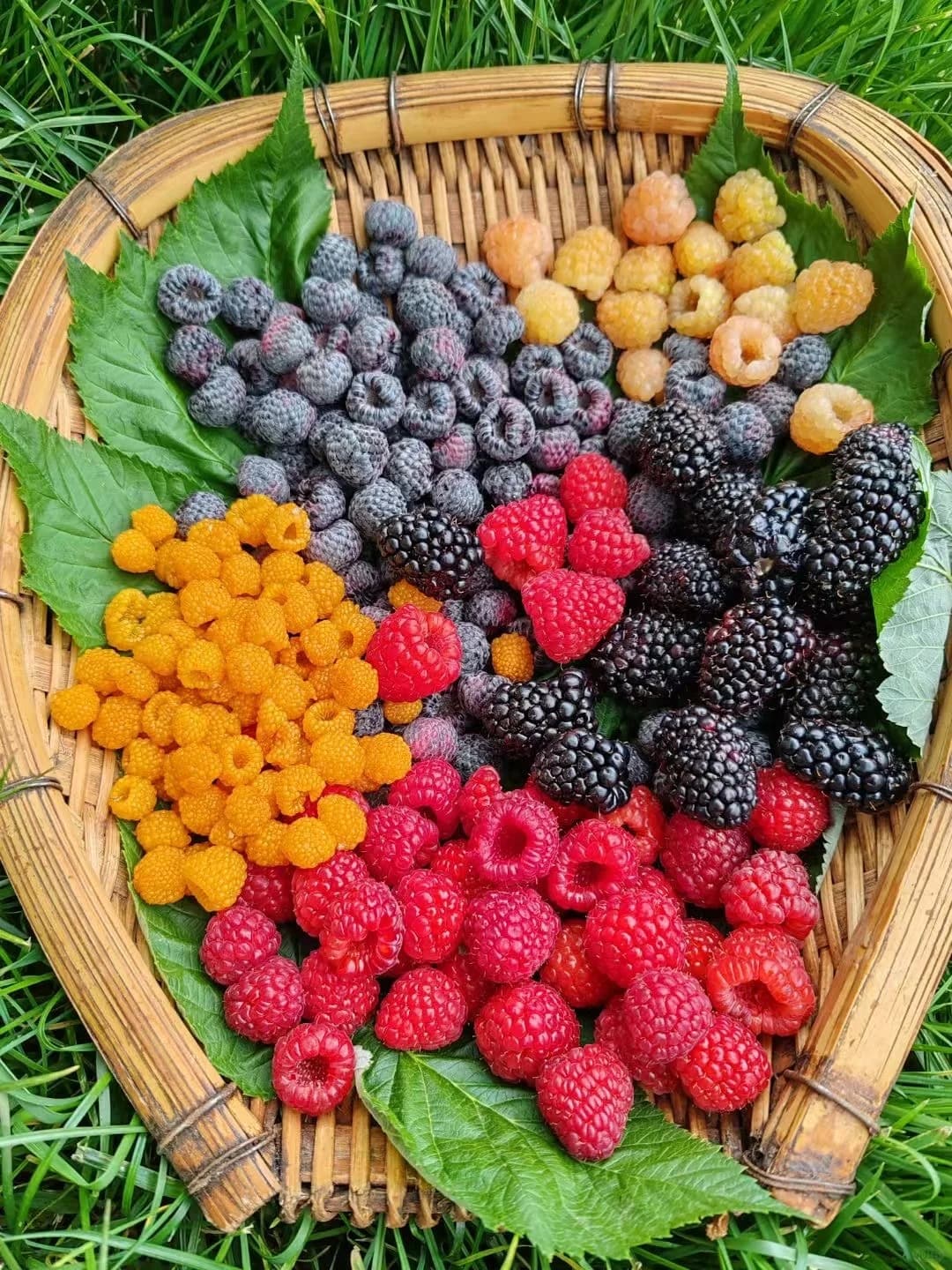
Look for names like Prime-Ark Freedom (thornless, fruits on new and old canes, a true overachiever), Baby Cakes (literally bred for pots, no staking needed, the lazy gardener’s holy grail), or Apache (big, sweet berries on a thornless, upright plant).
These varieties have the discipline we lack. They stay compact, their growth is predictable, and training them doesn’t require leather gloves and a prayer.
This isn’t a suggestion; it’s the foundation of your entire, thorn-free future.
2. The Pot Size Lie & The Truth About Roots
Here is the single most common mistake, the one I made with ‘Chester the Vengeful’: thinking a 5-gallon bucket is “big enough.”
It is not. A blackberry’s ambition is not measured in gallons, but in cubic feet of root-run glory.
Think of it this way: the roots are the engine, and the canes are the sports car body.
A tiny engine in a Ferrari shell?
You’re going nowhere fast, with pathetic, spindly canes that snap in a breeze.
Go bigger than your frugal gardening heart tells you to. A minimum of 15-20 gallons per plant is the non-negotiable starting line.
I use 20-gallon fabric pots (more on that in a second) and the difference is night and day. Deep containers encourage the roots to dive deep, anchoring the plant and building a massive, robust foundation.
This translates directly to thicker, stronger, more productive canes. It’s the difference between a twig and a cane that actually deserves the name.
More roots = more fruit. It’s botanical math.
3. Why Fabric Pots are a Blackberry’s Best Friend (And Your Secret Weapon)
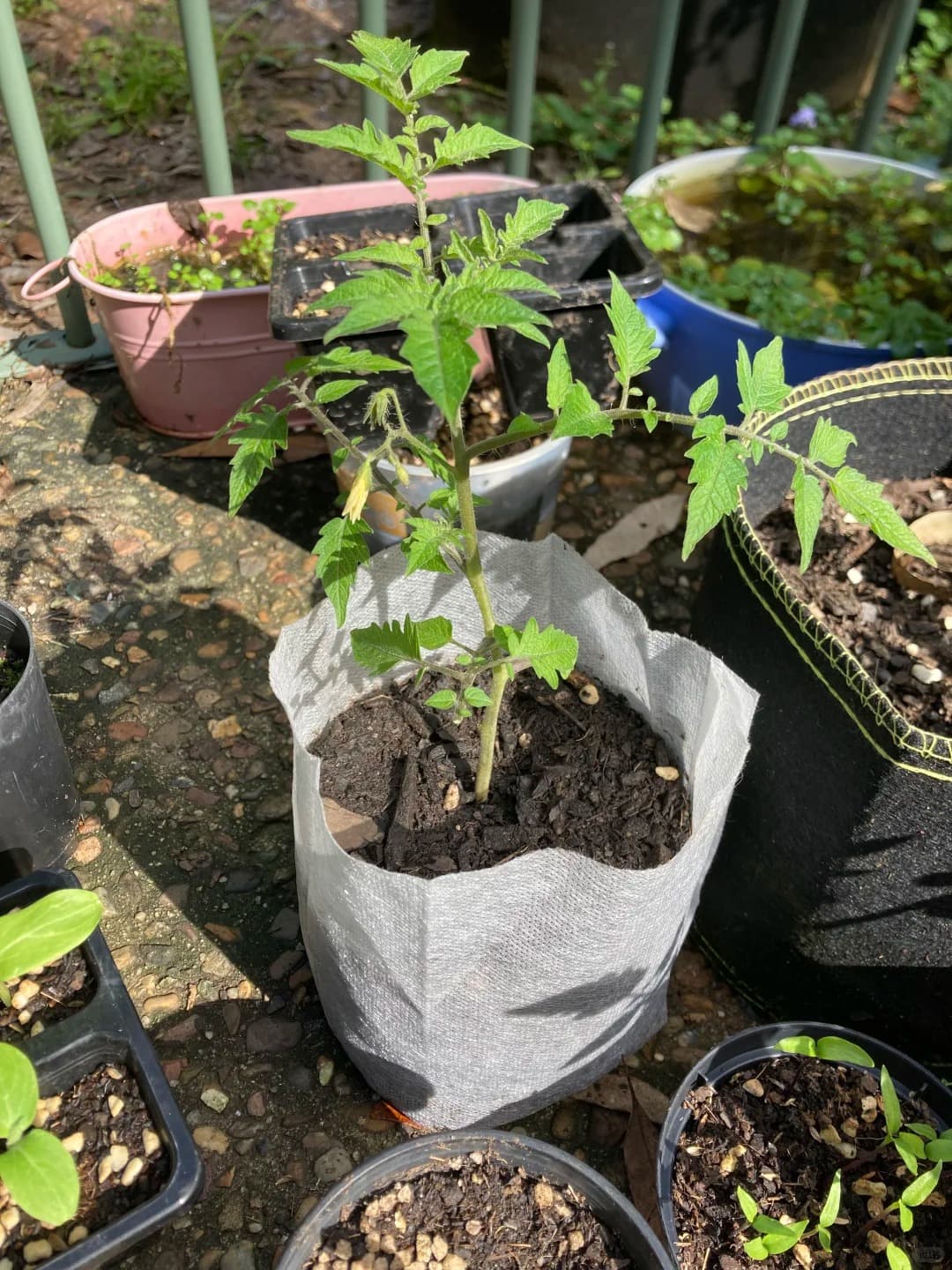
Speaking of pots, let’s talk materials. Plastic is fine. Ceramic is pretty. But fabric pots (a.k.a. grow bags) are the container gardener’s cheat code, especially for moisture-hating blackberries.
Three superhero powers:
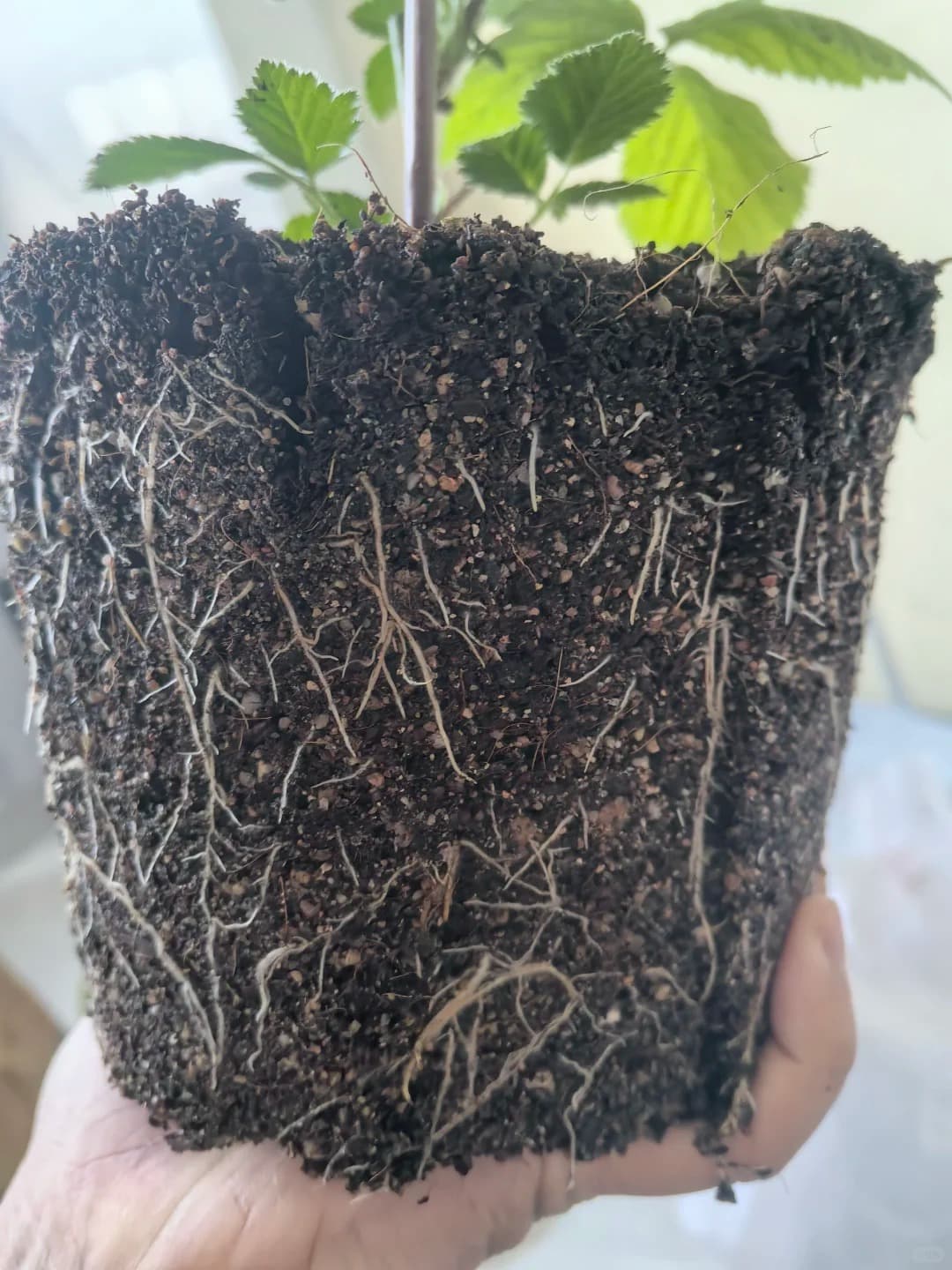
- Air Pruning: When a root hits the fabric wall, it senses the air and stops. Instead of circling endlessly like a caged tiger (which happens in plastic pots), it sends out new lateral roots. This creates a dense, fibrous root system that’s insanely efficient at sucking up water and nutrients. It’s like giving your plant a thousand tiny straws instead of three big, lazy ones.
- Impossible to Overwater: The fabric breathes. Excess water just seeps out the sides. Root rot, the silent killer of container plants, becomes a distant nightmare. Even after my “enthusiastic” watering sessions, the soil breathes a sigh of relief.
- Temperature Control: Blackberry roots like it cool. On a blazing summer day, a black plastic pot can bake those roots. A fabric pot, by virtue of its breathability, stays remarkably cooler. Happy roots, happy shoots.
4. Ditch the Bagged Stuff: Become a Soil Mix Sorcerer
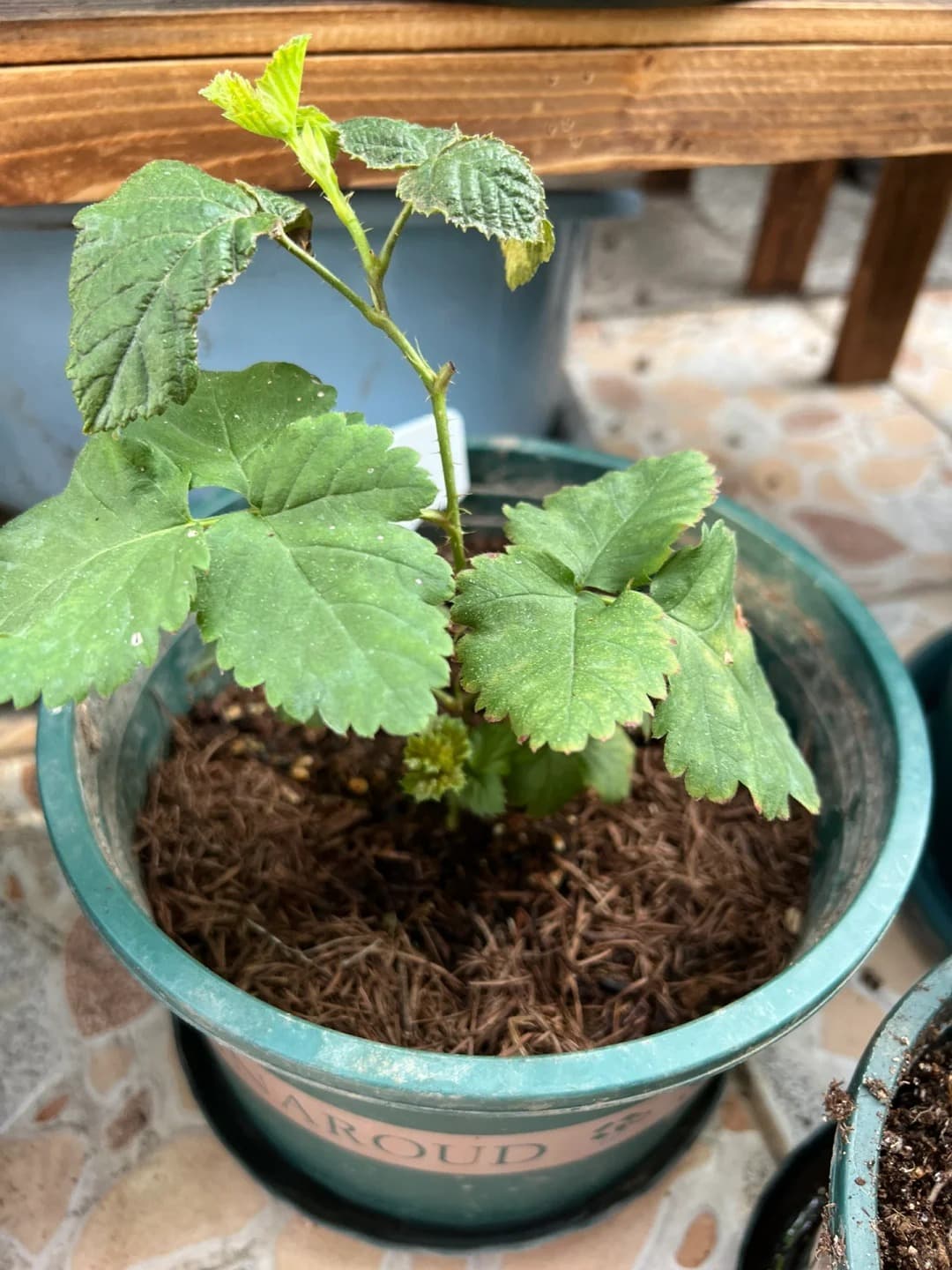
You cannot, I repeat, CANNOT just shovel garden soil or use that cheap, dense, mystery bag potting mix from the bargain bin.
Blackberries in the ground have infinite space to escape bad soil. In a pot, they are prisoners of your medium.
They despise “wet feet” and compacted soil with the passion of a cat facing a bath. They reward you lavishly for loose, fluffy, airy, well-draining mix.
Here’s my go-to, never-fail, blackberry bliss recipe:
- 60% High-Quality Potting Mix: The base. Don’t cheap out here.
- 30% Compost: The nutrient buffet and moisture manager. Your own is gold, store-bought works.
- 10% Perlite or Pine Bark Fines: The aeration specialists. This is what keeps it light and prevents compaction. I like pine bark fines (tiny nuggets) as they also add acidity and mimic a forest floor.
Mixing this feels like a sacred ritual. It’s light, it’s fluffy, it holds moisture without getting soggy.
When you stick your hand in it, you can almost hear the blackberry roots singing.
5. The Slow-Release Snack Bar for Baby Plants
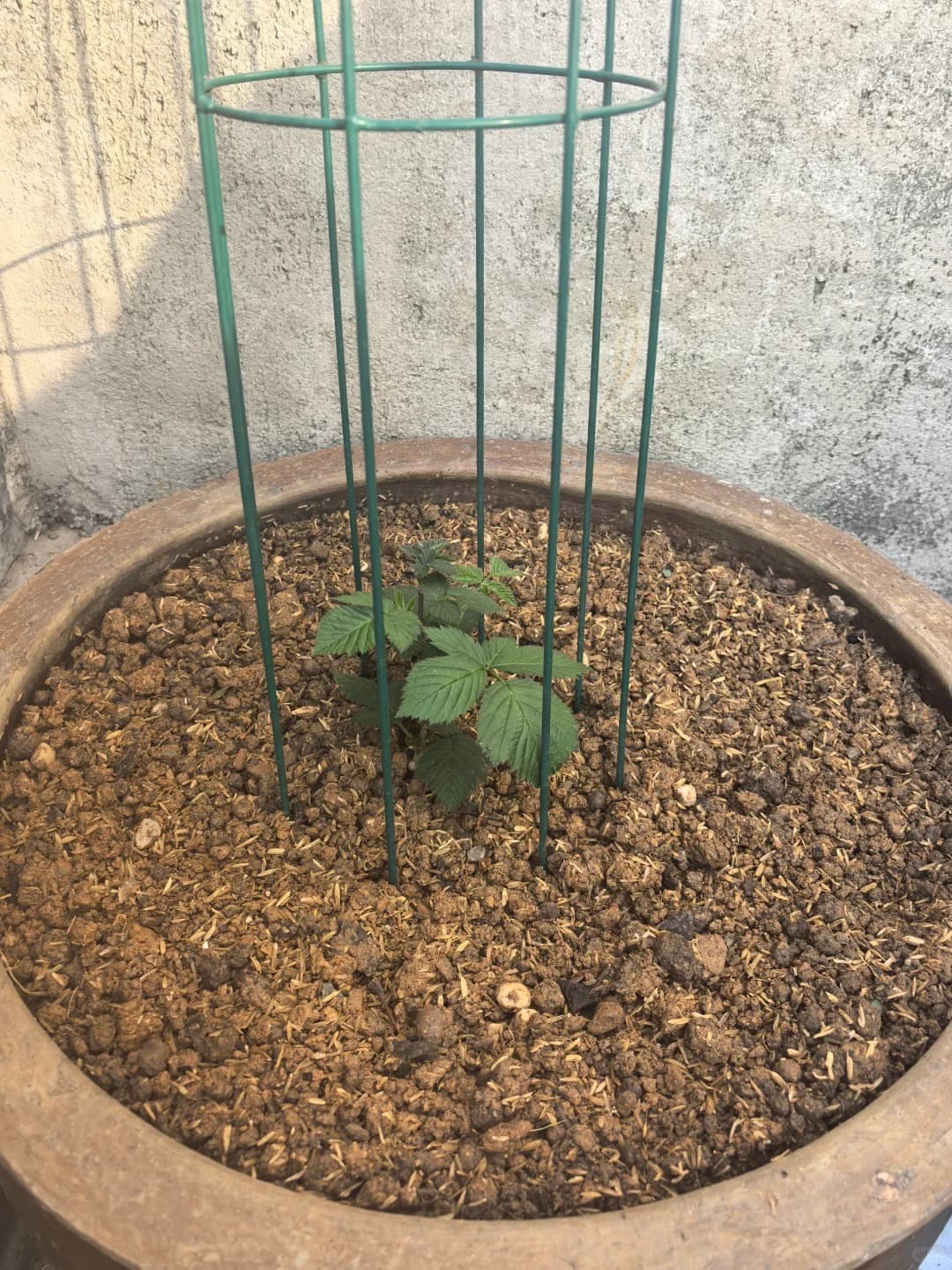
At planting time, you want to give your new berry baby a steady, gentle food source, not a shock-and-awe nutrient assault.
Think of it as packing a toddler’s lunchbox, not dumping a bag of candy on them.
Mix a balanced, organic, slow-release fertilizer into your soil mix before planting. Something like an organic fruit & berry blend or a general-purpose granular fertilizer with microbes.
This gets nestled around the roots, releasing nutrients slowly with every watering. It’s a constant, gentle feed that encourages strong establishment without the risk of burning those tender new roots.
It’s the “set it and forget it” of early plant nutrition.
6. The Mid-Season Snack: A Compost Top-Dressing
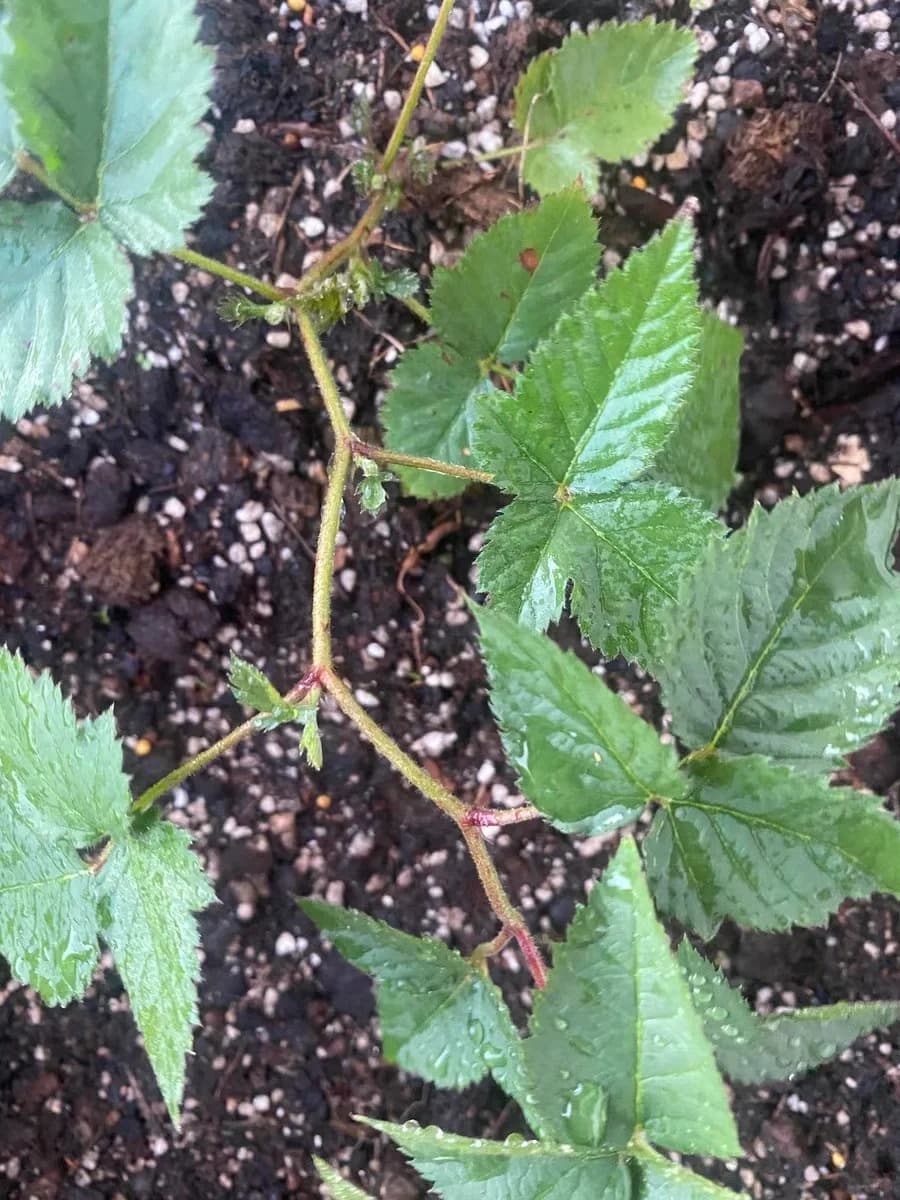
By mid-summer, your plant is a growing machine, sucking nutrients like a teenager after sports practice.
The slow-release pellets are getting sparse. Time for a snack!
Apply a thin (1-2 inch) layer of finished compost on top of the soil, like you’re frosting a very weird, dirt cake. Do NOT mix it in. Why?
- No Root Disturbance: The delicate feeder roots are right at the surface. We don’t want to damage them.
- Nutrient Refresh: Every time you water, a little “compost tea” leaches down, giving the plant a gentle boost.
- Moisture Retention: It acts as a light mulch, keeping the top layer of soil from drying out too fast.
It’s a low-effort, high-reward hack that keeps the party going.
7. Train Early, or Cry Later: The Trellis Intervention
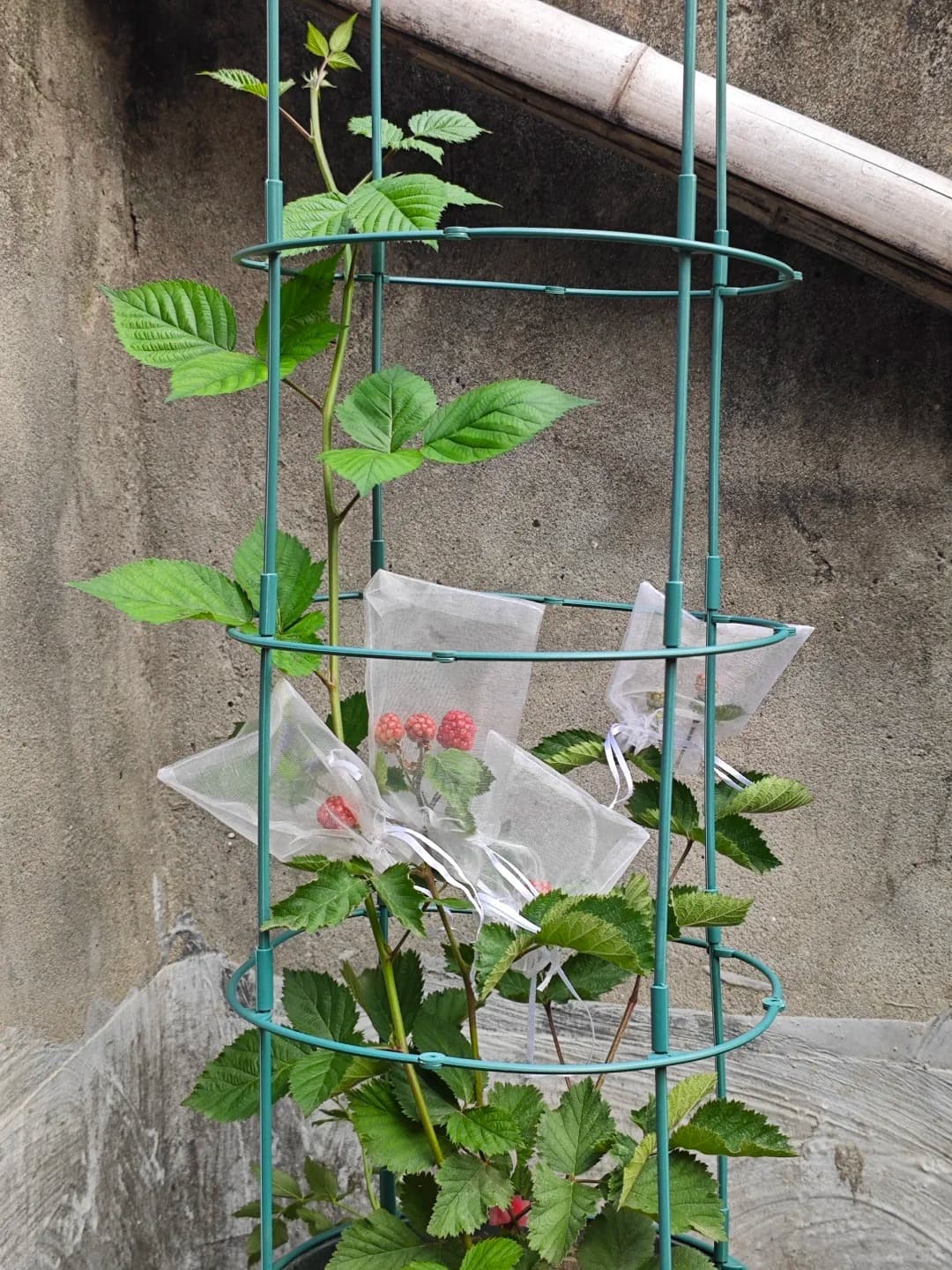
This is the most common “I’ll do it later” task that leads to utter chaos. Do not wait. Install your support system THE DAY YOU PLANT.
Not when the canes are 3 feet tall and flopping over. Not when they’ve embraced your patio chair in a thorny bear hug. Now.
Your options:
- A Small Trellis: Two stakes with wires between them. Simple, effective.
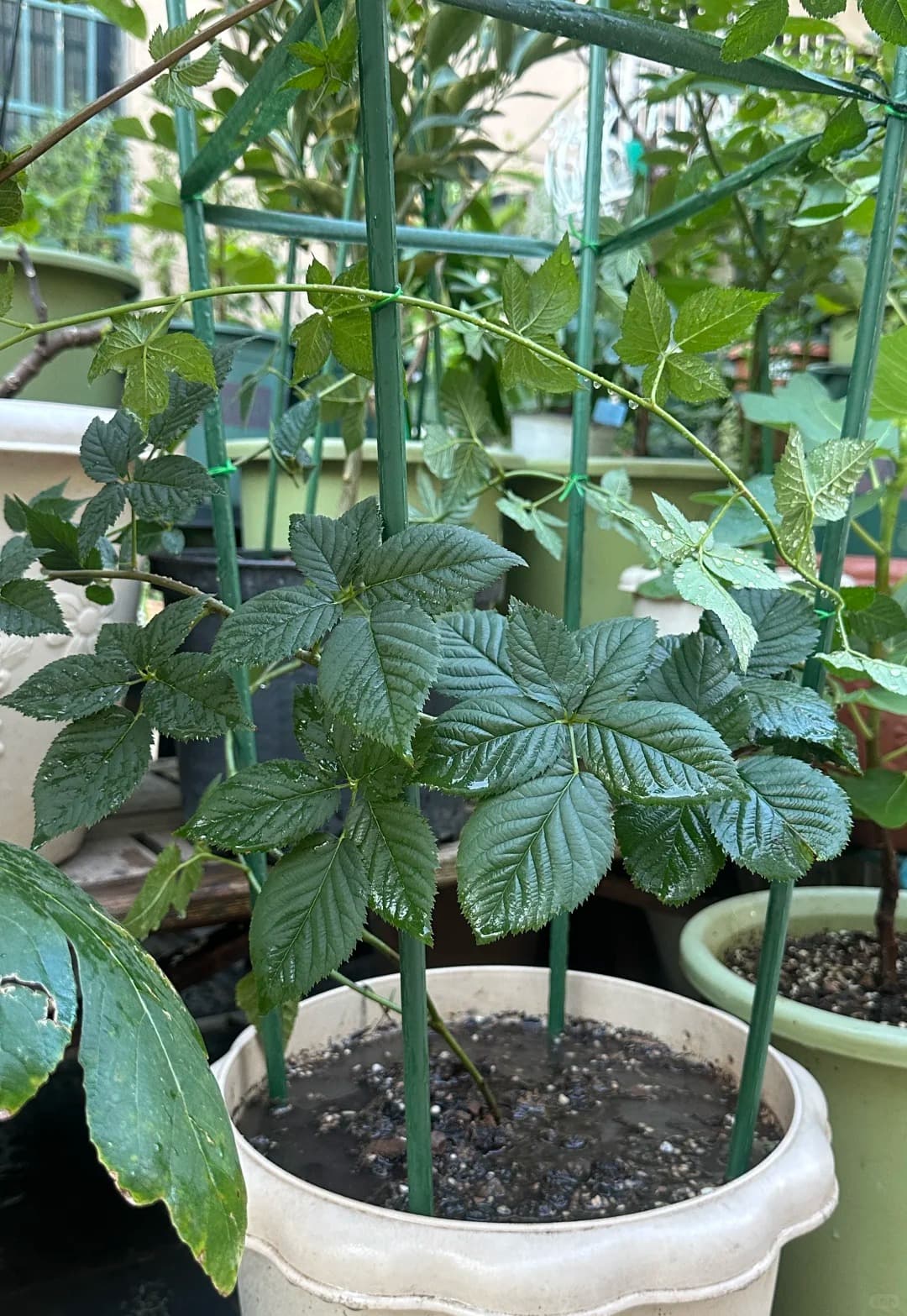
- A Large Tomato Cage: The lazy gardener’s MVP. Just pop it over the plant.
- Bamboo Tripod: Rustic and cheap.
The goal is to start tying the young, flexible primocanes (first-year canes) to the support as they grow.
This trains them to grow vertically and orderly. If you wait, the canes become brittle and snap when you try to bend them.
A well-trained plant is easier to prune, gets better sun and air circulation, and looks like you know what you’re doing.
Untrained plants look like my first attempt—a panicked green mop.
8. Embrace the Shears: Aggressive Pruning is Love
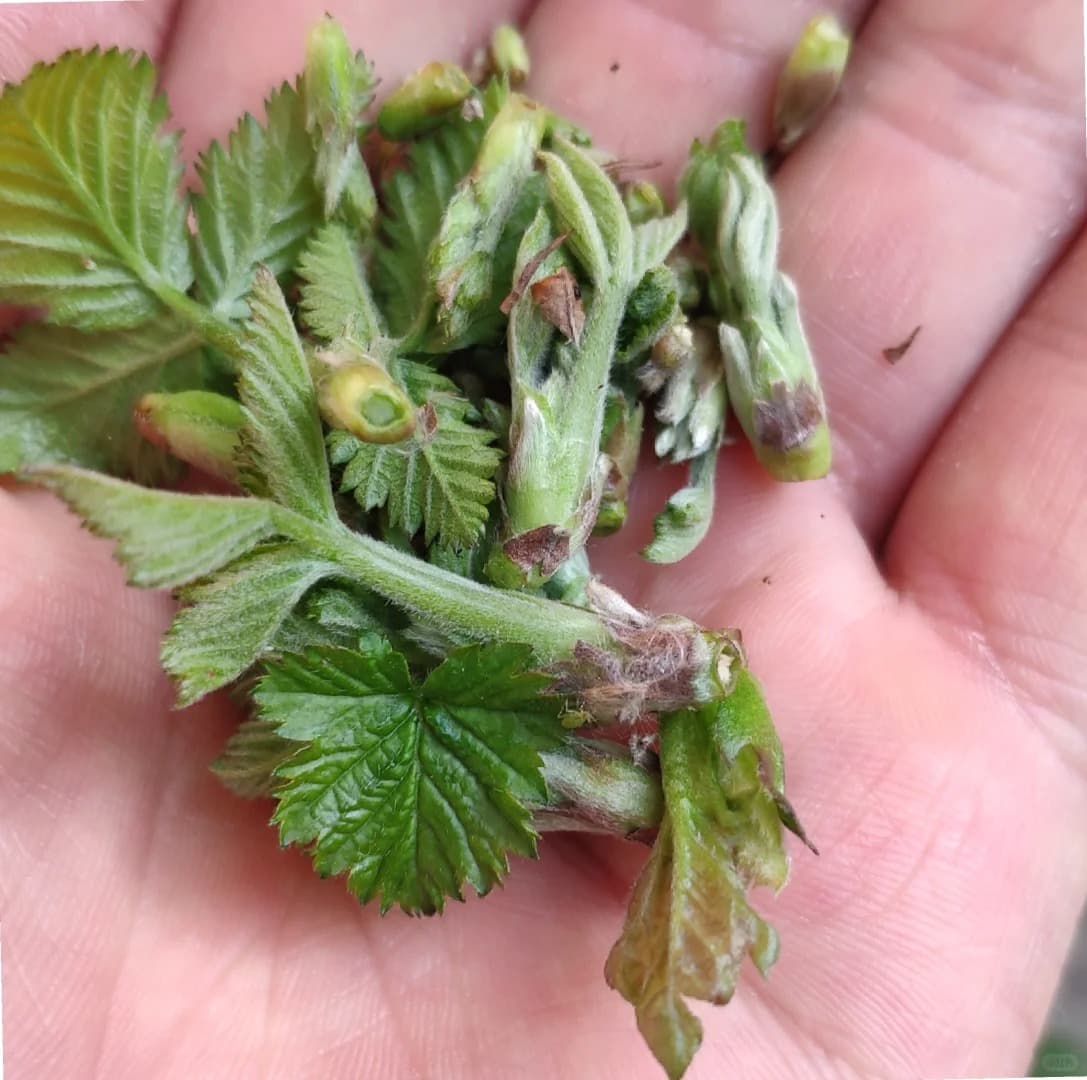
This is where we get brave. Blackberries are vigorous. In a container, we must be the boss. Passive pruning leads to a congested, unproductive plant.
The key move: Tip-pruning primocanes. When your new, green first-year cane hits about 3-4 feet tall, take your clean shears and snip off the top 2-3 inches.
This does two magical things:
- It tells the plant to stop putting energy into growing taller and instead send out lateral branches from the leaf nodes lower down.
- Those lateral branches are where next year’s fruit will be. More laterals = more berries.
You are trading a little height for a lot of bushiness and future fruit. It keeps the plant compact, manageable, and incredibly productive.
Snip with confidence. You’re the conductor, not the audience.
9. The Deep Watering Doctrine: Ditch the Daily Sprinkles
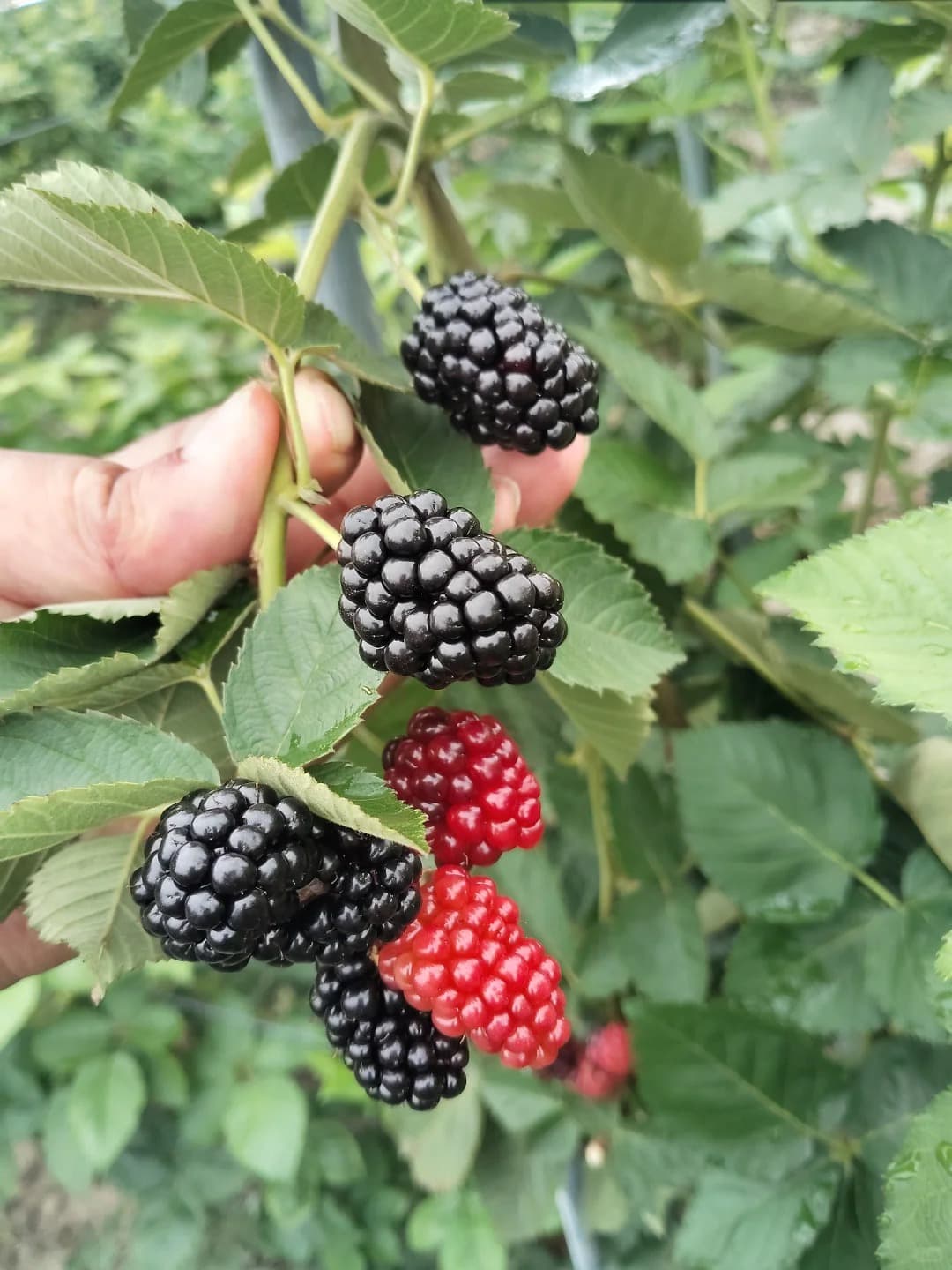
Blackberries hate shallow roots almost as much as they hate soggy soil. Frequent, light watering is the worst thing you can do.
It teaches the roots to stay lazy and near the surface, where they dry out fast and overheat.
The golden rule: Stick your finger in the soil. If the top inch is dry, it’s time to water. When you water, do it like a monsoon.
Pour slowly and deeply until water runs freely out the bottom of the pot. This ensures the entire root zone is saturated.
Then, walk away. Let the plant use that water. Let the roots stretch and search. This cycle of deep soak followed by a dry-out period builds a deep, drought-resilient, powerful root system. A strong plant is a productive plant.
10. Mulch: The Blanket That Solves Everything
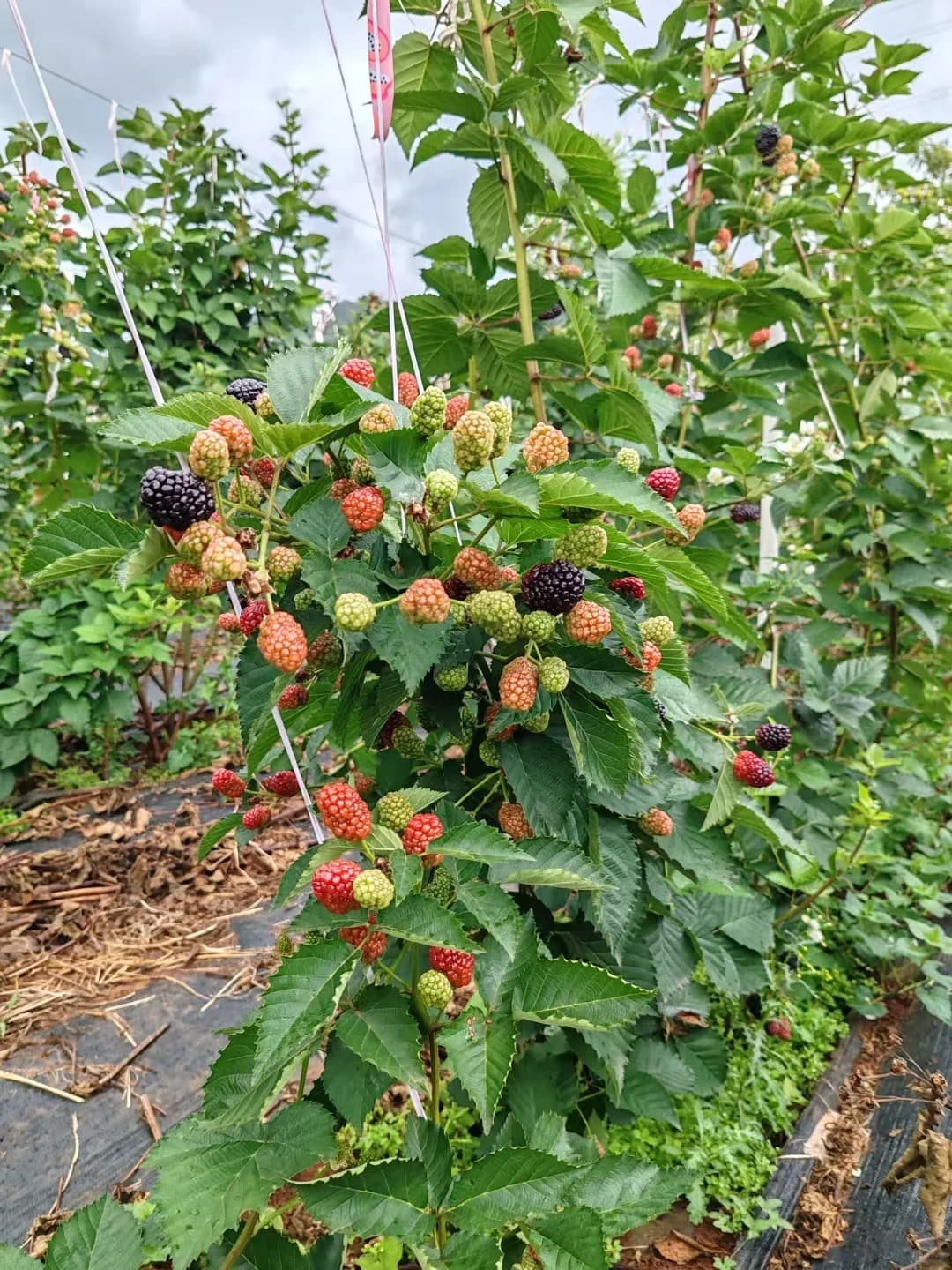
After your deep watering, apply a 2-3 inch layer of mulch on top of the soil. Straw, shredded leaves, or pine needles are perfect.
- Moisture Lock: It dramatically slows evaporation, meaning you water less often.
- Temperature Buffer: It keeps roots cooler in summer and warmer in winter.
- Weed Suppressant: Because who needs that hassle?
It’s a simple, one-time task with season-long benefits. Just keep it away from directly touching the crown of the plant.
11. The Rotisserie Technique: Even Sun for Even Growth
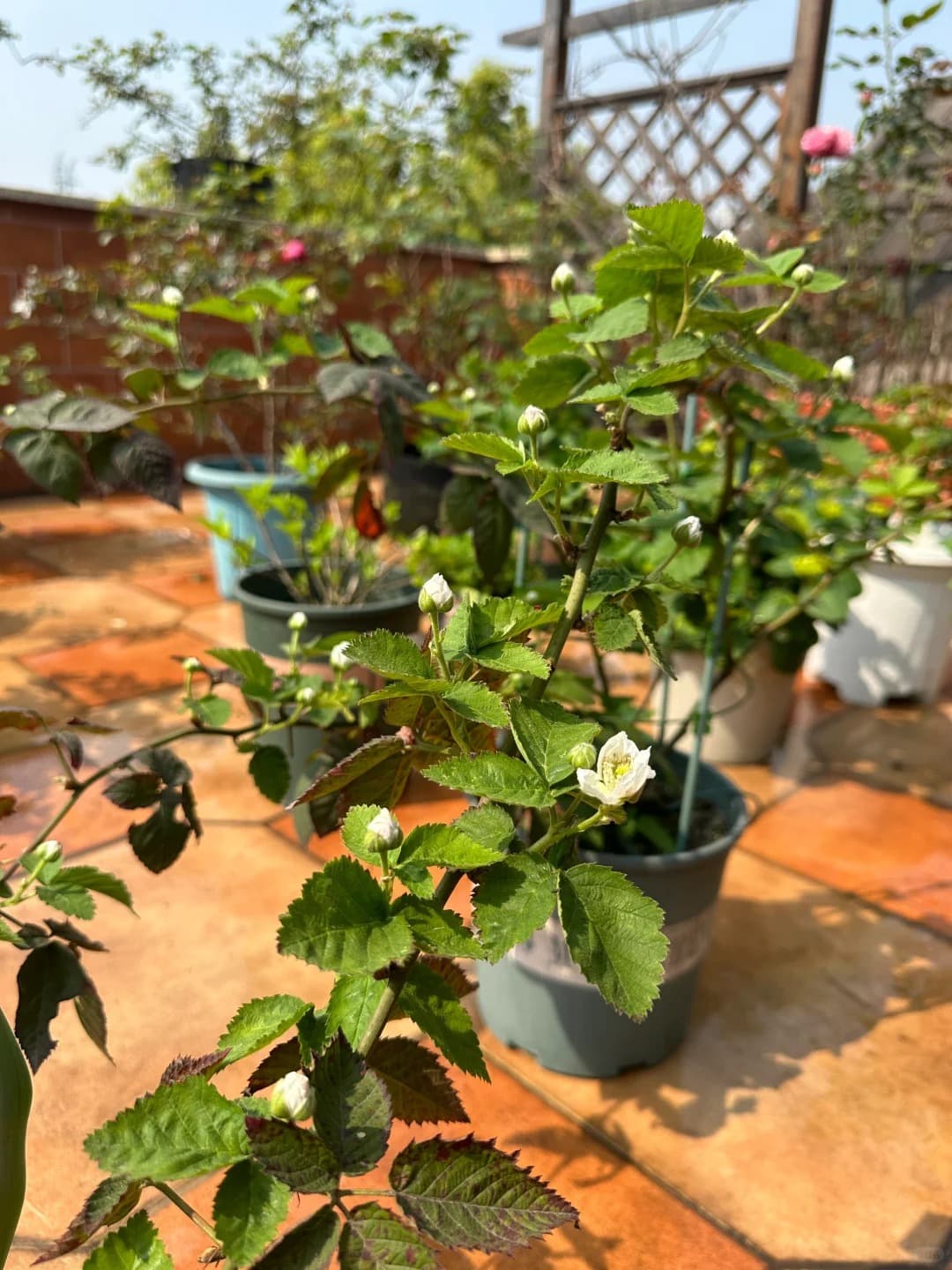
Plants in one spot will lean toward the sun like overeager sunbathers. To prevent a lopsided plant with all its fruit on one side, give the pot a quarter-turn every week or two.
This ensures all sides get equal time in the limelight, promoting even growth and a nicely shaped, balanced plant.
It takes 10 seconds and feels wonderfully proactive.
12. The Nitrogen Tightrope: Lush Leaves vs. Actual Fruit
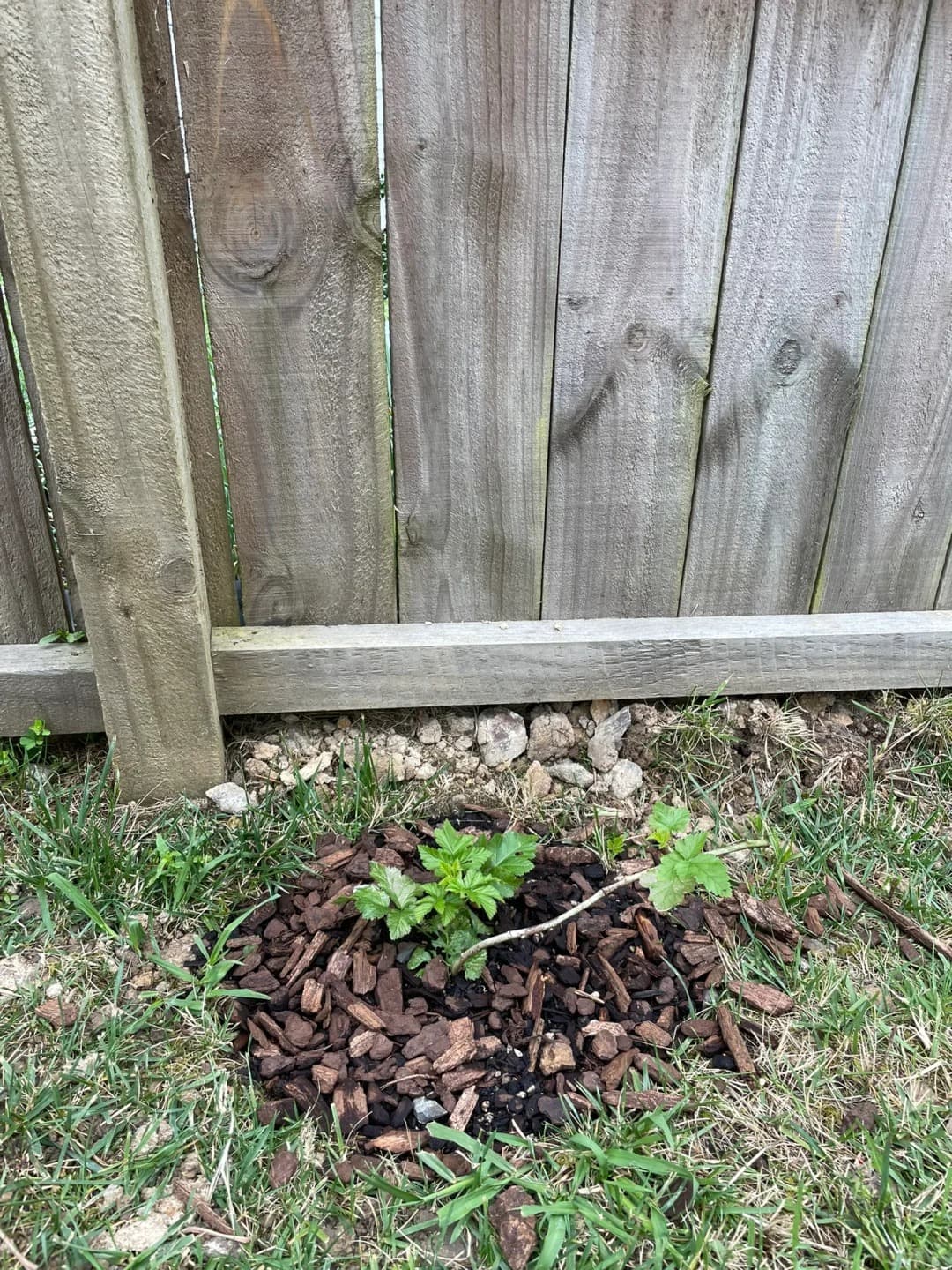
Here’s a classic mistake: you feed your plant and it explodes with gorgeous, dark green leaves… and no berries.
That’s a nitrogen overdose. Nitrogen is for leafy growth. Too much, and the plant thinks it’s in a vegetative paradise, forgetting its fruit-making duties entirely.
Watch your plant. If the canes are growing at a ridiculous rate with huge leaves but few or no flowers, stop feeding.
Switch to a fertilizer with a lower first number (N) and higher phosphorus (P) and potassium (K) to encourage flowering and fruiting. Sometimes, the best feed is no feed at all.
13. Winter Pampering: Don’t Let the Roots Freeze
In the ground, soil insulates roots. In a container, they’re exposed on all sides. A hard freeze can kill the roots, even if the canes are hardy.
In cold climates (Zones 6 and below), you have options:
- Huddle Them: Move pots against a south-facing house wall, which radiates heat.
- Wrap Them: Bubble wrap or burlap around the pot.
- Bury Them: Sink the entire pot into a garden bed for the winter.
- Insulate Them: Surround the pots with bales of straw or pile leaves around them.
A little winter prep means you don’t have to start from scratch in spring.
14. Pest Patrol: Be a Leaf-Turning Detective
Containers can be pest magnets. Spider mites love stressed container plants. Make it a weekly habit to flip over leaves and inspect.
Look for fine webbing, tiny dots (spider mites), or clusters of bugs (aphids).
Catch them early! A strong blast of water from the hose or a spray of insecticidal soap (I make my own with Dr. Bronner’s) is usually all it takes.
Vigilance is 95% of pest control. Don’t wait until you have a full-scale insect uprising.
15. The Great Soil Refresh: Avoid The Slow Decline
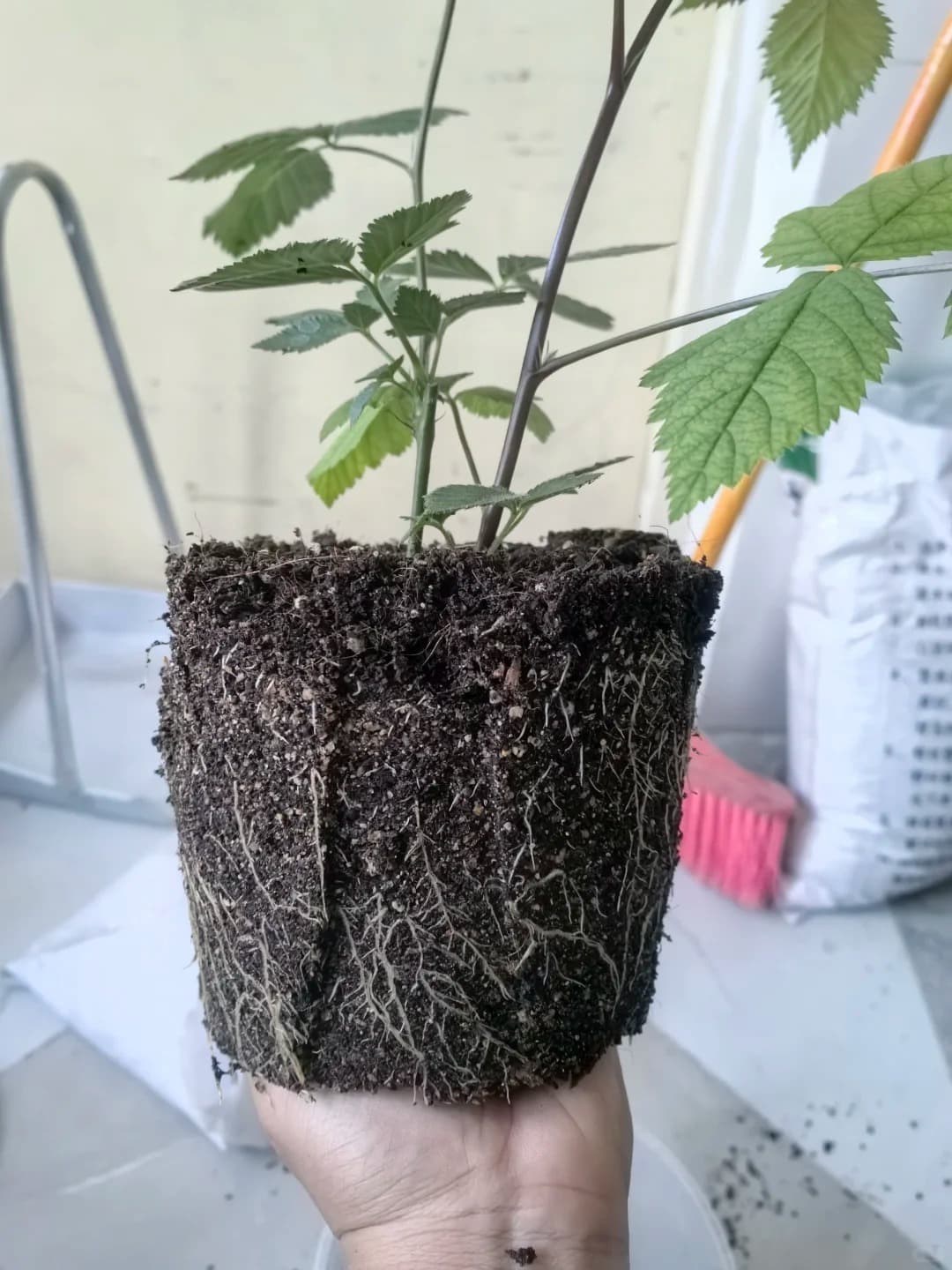
Container soil isn’t eternal. Over 2-3 years, it becomes exhausted, compacted, and filled with old root debris. The plant’s growth and yield will slowly decline.
Every 2-3 years, in late winter:
- Option A (Refresh): Gently remove the plant, shake off about 1/3 of the old soil from the root ball, and replant in the same pot with fresh soil mix around it.
- Option B (Replace): For a full reset, bare-root the plant (wash all old soil off), prune the roots lightly, and replant in a completely new soil mix.
This is like giving your plant a spa retreat and a brand-new penthouse. The rejuvenation is incredible.
Final Thoughts
Growing blackberries in containers isn’t just a space-saving trick; it’s a revelation in control, abundance, and sheer gardening joy.
You’ll learn the rhythms of the canes—the vigorous green primocanes one year, the flowering, fruiting floricanes the next.
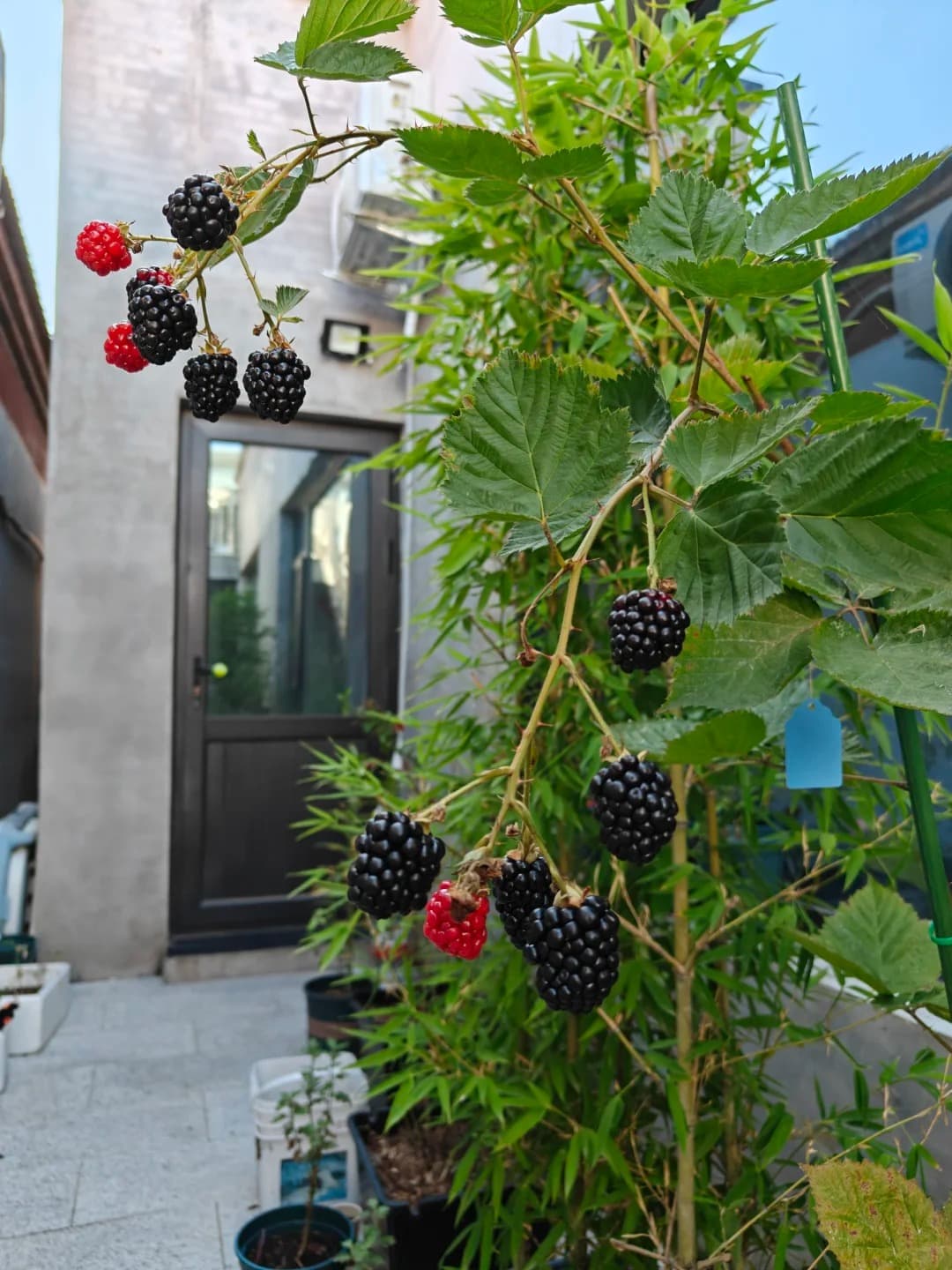
You’ll experience the unmatched pride of picking sun-warmed, deeply flavored berries from a plant you nurtured in a pot.
So grab a big fabric pot, mix up some fluffy soil, choose a polite variety, and get ready.