Okay, let’s get real. Shelves. They’re either your pride and joy or the silent spot where random stuff goes to die.
You know, that pile of books you promised to read five years ago, your mom’s ceramic collection from 1983, and a couple of photo frames that seem to be hanging on for dear life. But hey, don’t worry.
You’re not alone. That’s why we’re diving into shelf styling today. We’re making shelves so aesthetically pleasing, even Marie Kondo would be jealous.
And guess what? Shelf styling plays a huge role in how your space feels. If your shelves are just a place to throw random items that don’t belong anywhere else, well… it might be time for an upgrade.
Trust me, a beautifully styled shelf can completely change the vibe of your room.
Let’s make that shelf a work of art, shall we?
1. Starting with a Blank Slate: The Great Shelving Purge
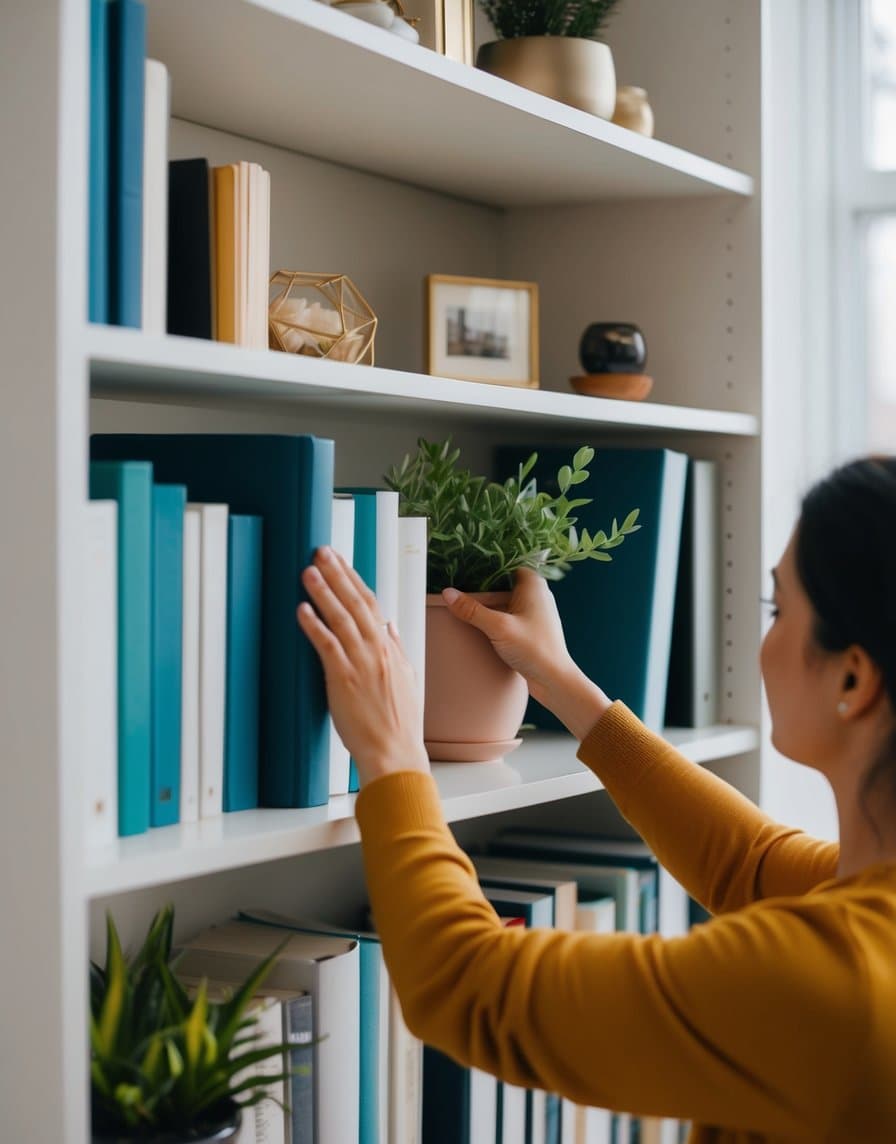
Before we dive into the fun stuff (i.e., arranging your treasures), let’s get down to business. The first rule of shelf styling? Remove everything.
Yes, everything. That’s right. Take everything off the shelf. It’s like when you reorganize your closet—you’ve got to start fresh.
Think of this as a moment of zen, where you get to evaluate each item based on its true worth. Does it belong?
Is it contributing to the overall aesthetic? Or is it a forgotten object with sentimental value that you can’t throw out just yet?
Now, take inventory. Lay out all the objects you have—books, vases, decorative pieces, the weird ceramic bird you bought at a flea market on a whim, you name it.
Spread everything out like a mini garage sale, and take a step back. Evaluate what works and what doesn’t.
Will this object be a hero on the shelf, or is it simply a filler? Trust me, this part is crucial.
2. Taking Inventory: Mixing Shapes, Sizes, and Styles
Here’s the fun part—mixing things up. If your shelves are full of only one type of object, you’re doing it wrong.
Seriously. You need diversity—shapes, sizes, textures—give your shelf some personality.
A shelf with 14 vases is just… a shelf full of vases.
And no one wants that. But one vase, paired with some stacked books, maybe a quirky box or two? Now we’re talking.
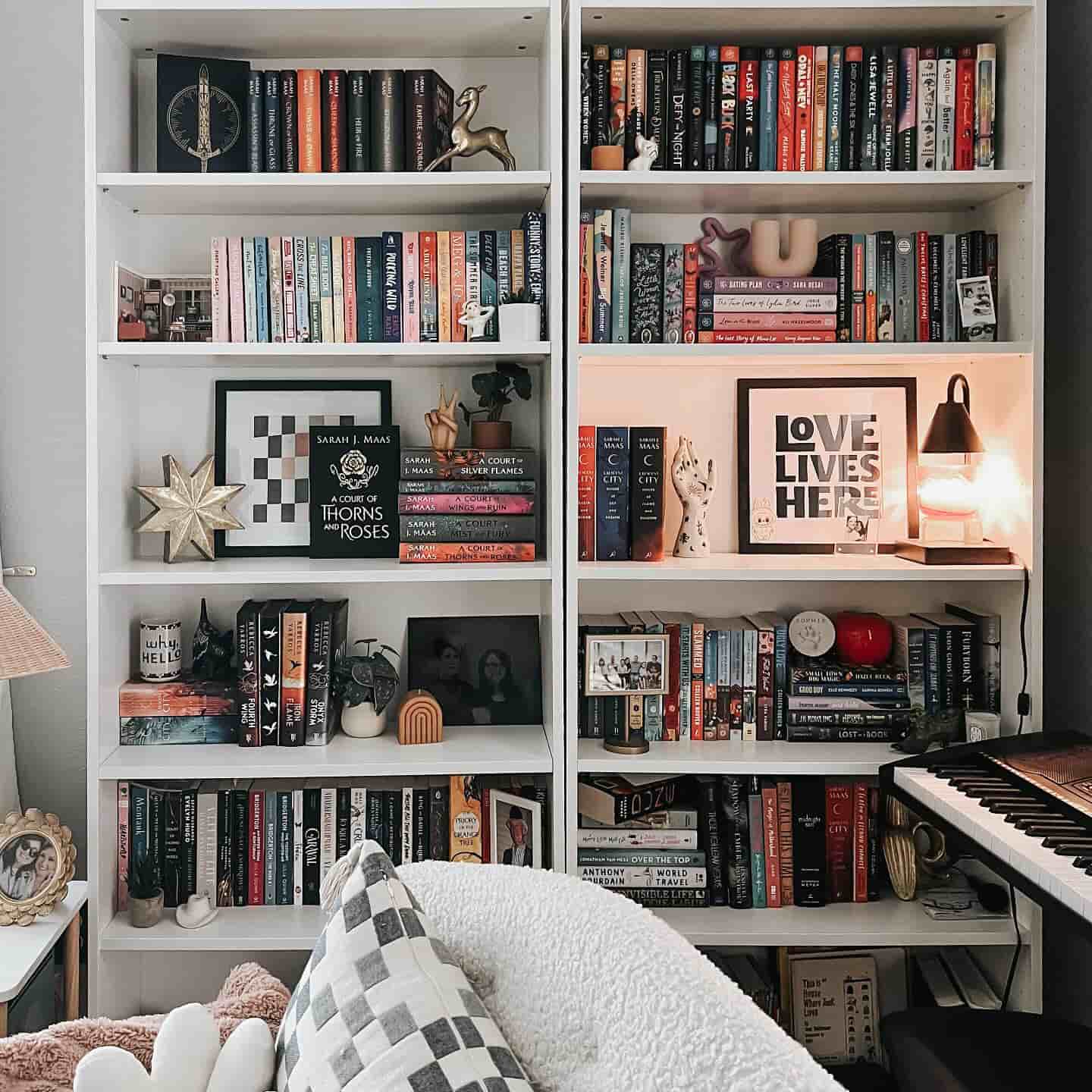
So, what goes on your shelf? Books are a classic, obviously. They’re the unsung heroes of shelf styling.
A few coffee table books, stacked here and there, will set the tone. But don’t just stop there. Boxes, vases, and other decorative pieces (that make you look fancy) are great choices.
The trick is balancing larger items with smaller ones. Throw in a few unusual pieces—maybe a weirdly shaped sculpture you found at a yard sale. Mix it up. It’s like a fun game of shelf Tetris.
3. Foundation First: Large Pieces and Balance
Here’s a little secret from the shelf styling pros: always start with the big stuff. Those large, heavy-duty objects that act as the foundation of your shelves.
Think baskets, oversized vases, or stacked boxes. These are your anchor pieces, the ones that will set the tone for the rest of the styling.
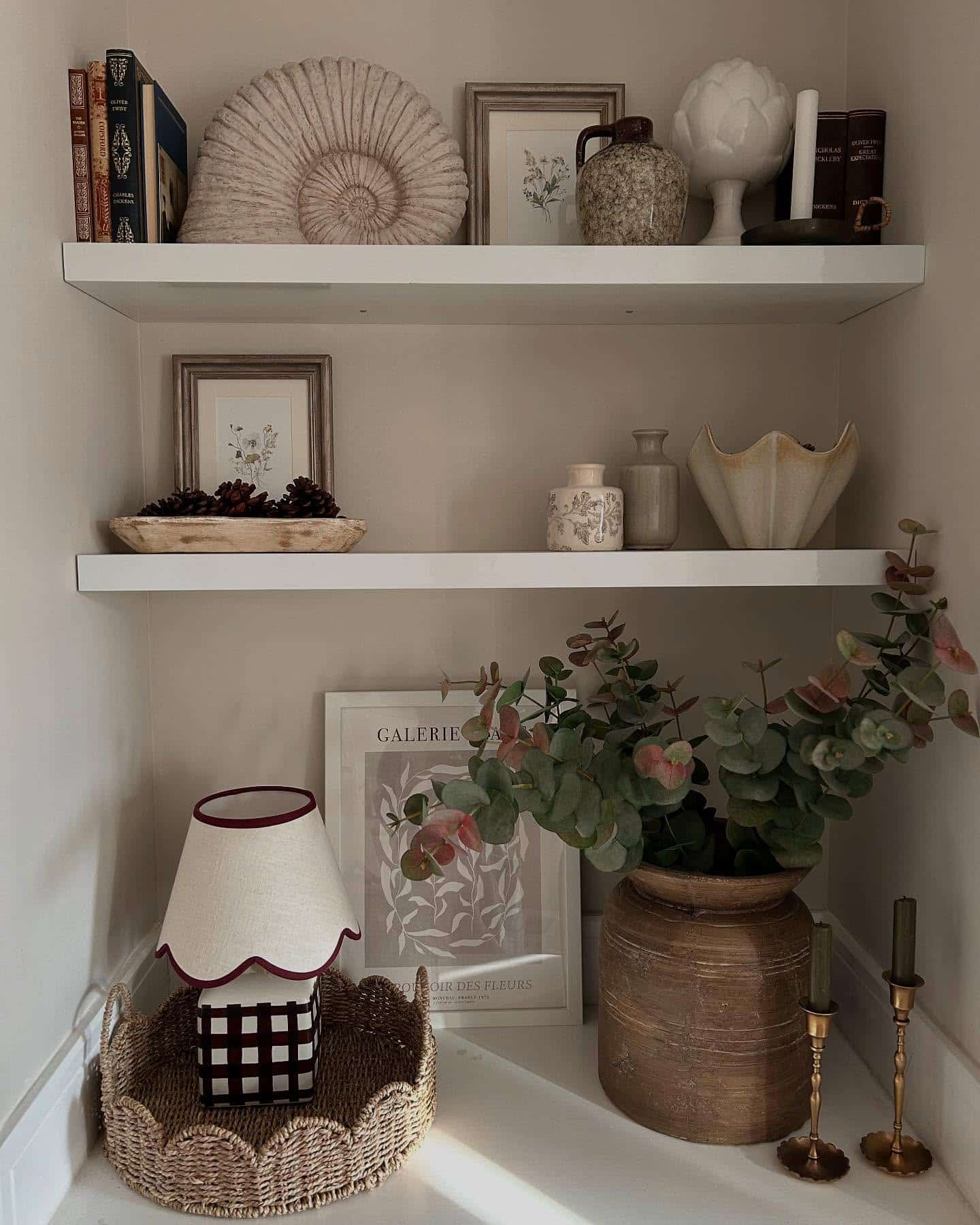
Take a moment to carefully place these items on the shelves, making sure to distribute them evenly across the space.
It’s all about creating that visual balance. Don’t cram everything into the middle or into one corner—it’s the equivalent of throwing all your clothes on one side of the bed.
Spread it out. Trust me, your shelves will thank you.
For example, let’s say you have a set of metal baskets with leather ties—these can serve as your foundation.
Place them first, and then build out the rest of the arrangement around them. You can layer objects on top, or use them to elevate smaller items.
This adds height and keeps the shelf from feeling flat.
4. Coffee Table Books: Stacking and Spacing
Now, let’s talk about coffee table books—those heavy tomes that are as much about the aesthetic as they are about, well, holding your drink.
Stacking books is one of the easiest ways to create height and visual interest on your shelf, while also adding a touch of personality.
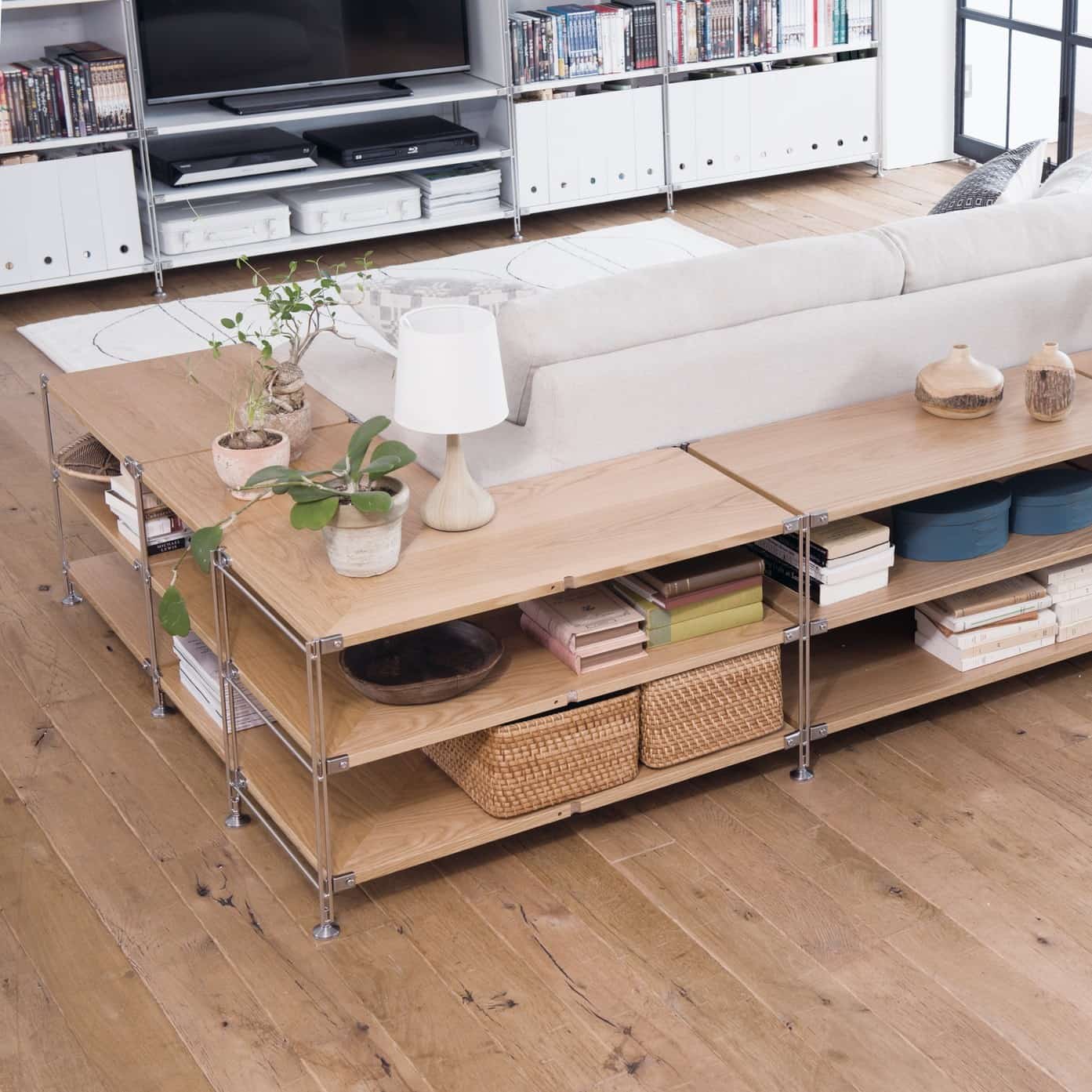
You can stack books in several ways:
- 1-2-3 stack: Stack three books in decreasing size from bottom to top. It’s like the spine of a beautiful book being displayed in three parts.
- Flat lay: Lay a few books flat, and use them as a platform for other items, like small sculptures or decorative trays.
- Bookends: If you’ve got a large collection, use bookends to keep them upright, but feel free to throw a quirky object on top for that added flair.
But remember: balance and symmetry are different. Balance is the art of arranging objects so that the overall visual weight is even.
Symmetry is matching objects on either side of the shelf, which can feel a little too formal for a relaxed, curated space. We’re going for balance here.
5. Creating Groupings: Building Visual Harmony
You’ve got your big items down, and your books are neatly stacked. Now it’s time to group things.
You know how you group all your friends together at a party, so they’re not awkwardly standing alone by the chips?
Same idea here. You want to group items that make sense together, whether that’s by theme, color, or vibe.
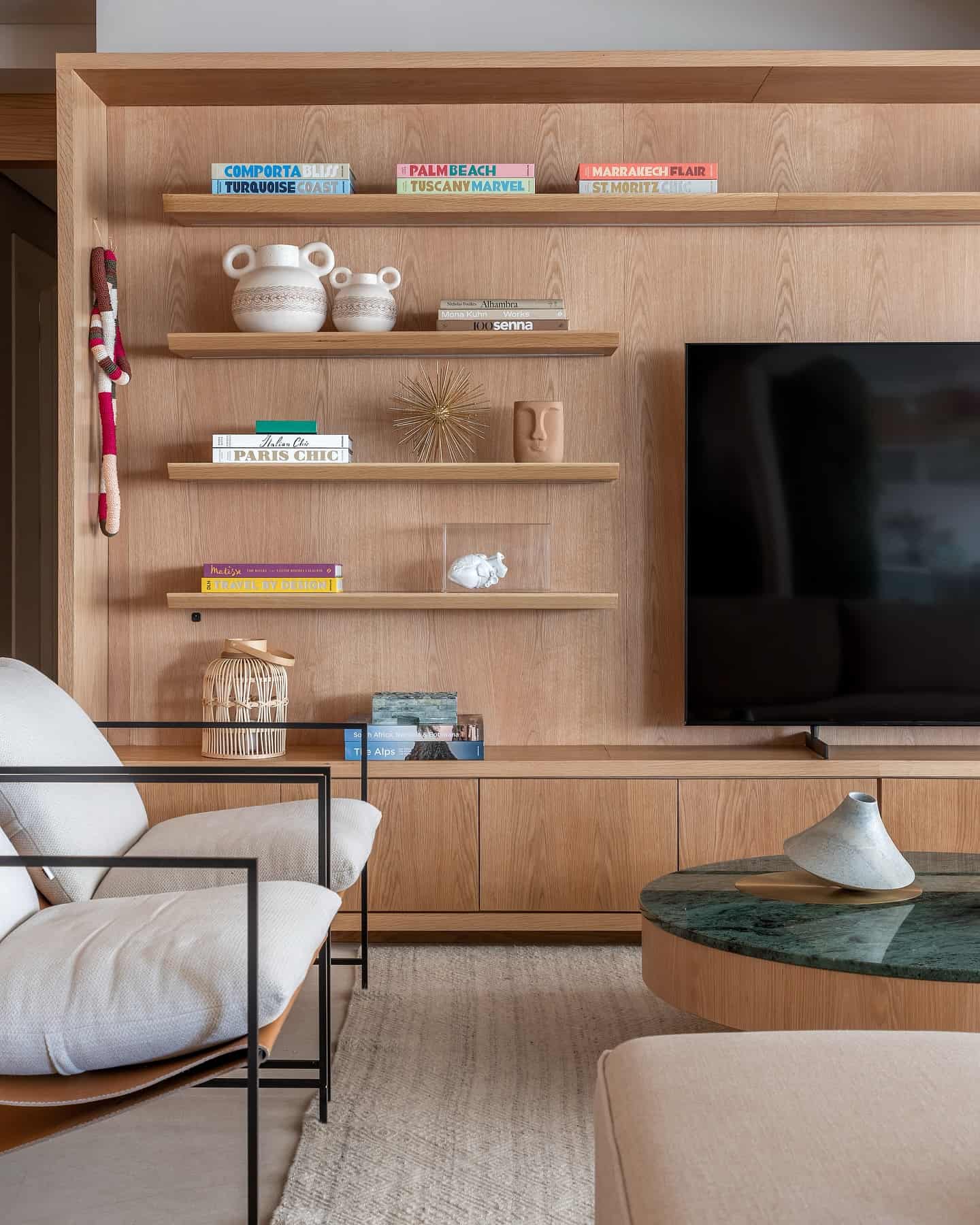
Let’s say you’re an equestrian enthusiast (or you just like the idea of looking like one)—you could add an equestrian sculpture to your shelf.
Then, place a few other items around it that complement the theme. Think books on horseback riding, a small leather box, and a greenery accent like a fern. This is how you create visual harmony.
It’s like a well-planned dinner party—each guest brings something different, but together they make the evening unforgettable.
6. Adding Sculptural and Unique Objects
What’s the one thing you need to make your shelf feel extra fancy? Sculptural objects. These are the drama queens of your shelf—the things that get attention and stand out.
A sculptural piece can add height, texture, and interest to your arrangement. It doesn’t even matter what shape it is, just as long as it feels interesting.
Whether it’s a sleek modern sculpture or a quirky animal-shaped object you picked up on vacation, it’s the piece that makes people say, “Oh, wow.”
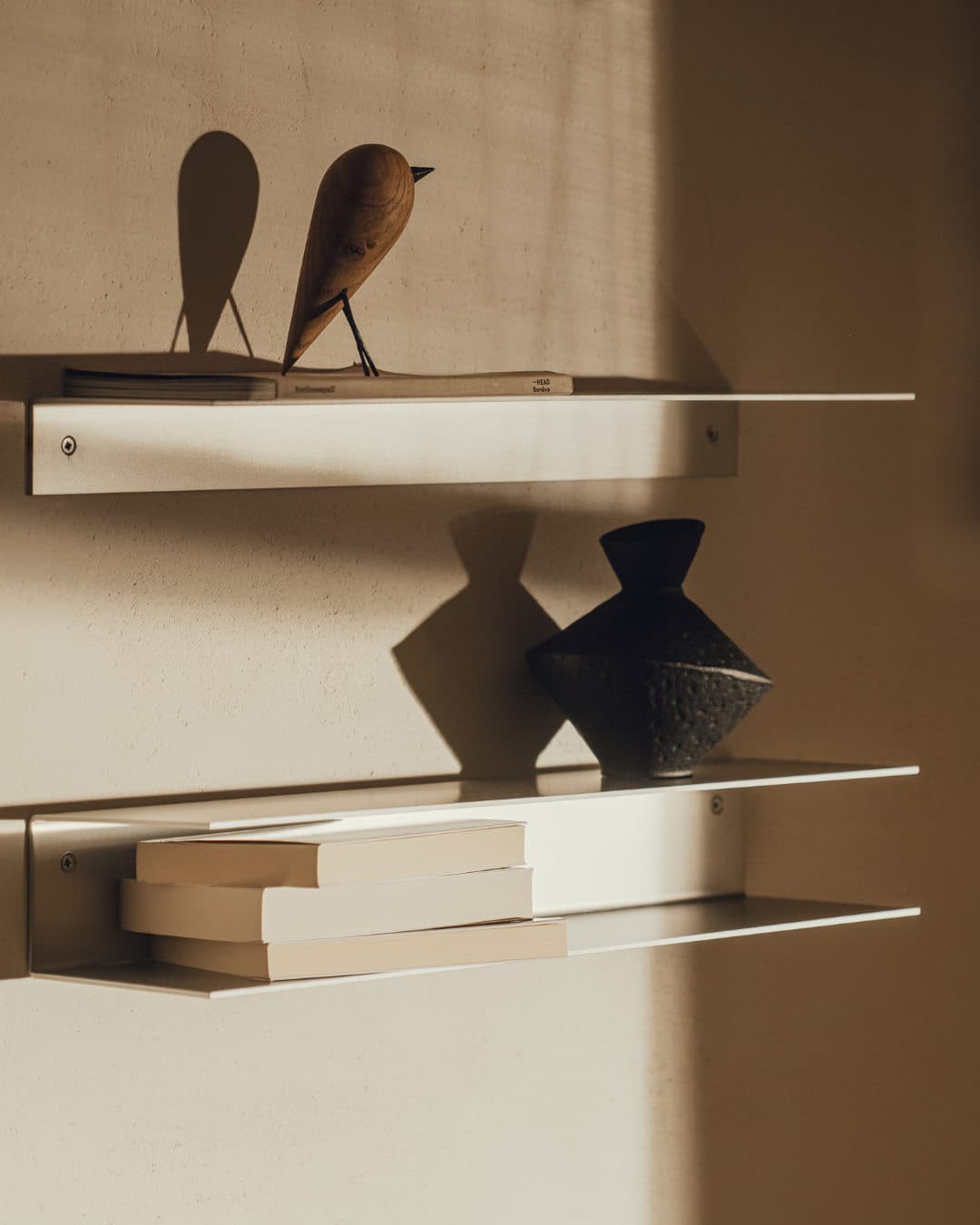
Mix it up with materials, too—metal, wood, glass, ceramics. A variety of textures will keep things exciting.
Plus, your shelf won’t look like a museum of one type of thing. The point is to keep your shelves from looking flat—literally and figuratively.
Throw in some height, a touch of texture, and, if you’re lucky, a conversation starter.
7. Leaned Artwork: Adding Color and Dimension
You know what’s easier than hanging artwork? Leaning it. Seriously. Leaning artwork gives your shelves dimension and a bit of that “effortless” look (even though we both know you’re sweating on the inside).
Place your artwork toward the back of your shelf and lean it against the wall. You can even prop it up on a small easel for extra flair. And if you’ve got smaller framed photos, throw those in too.
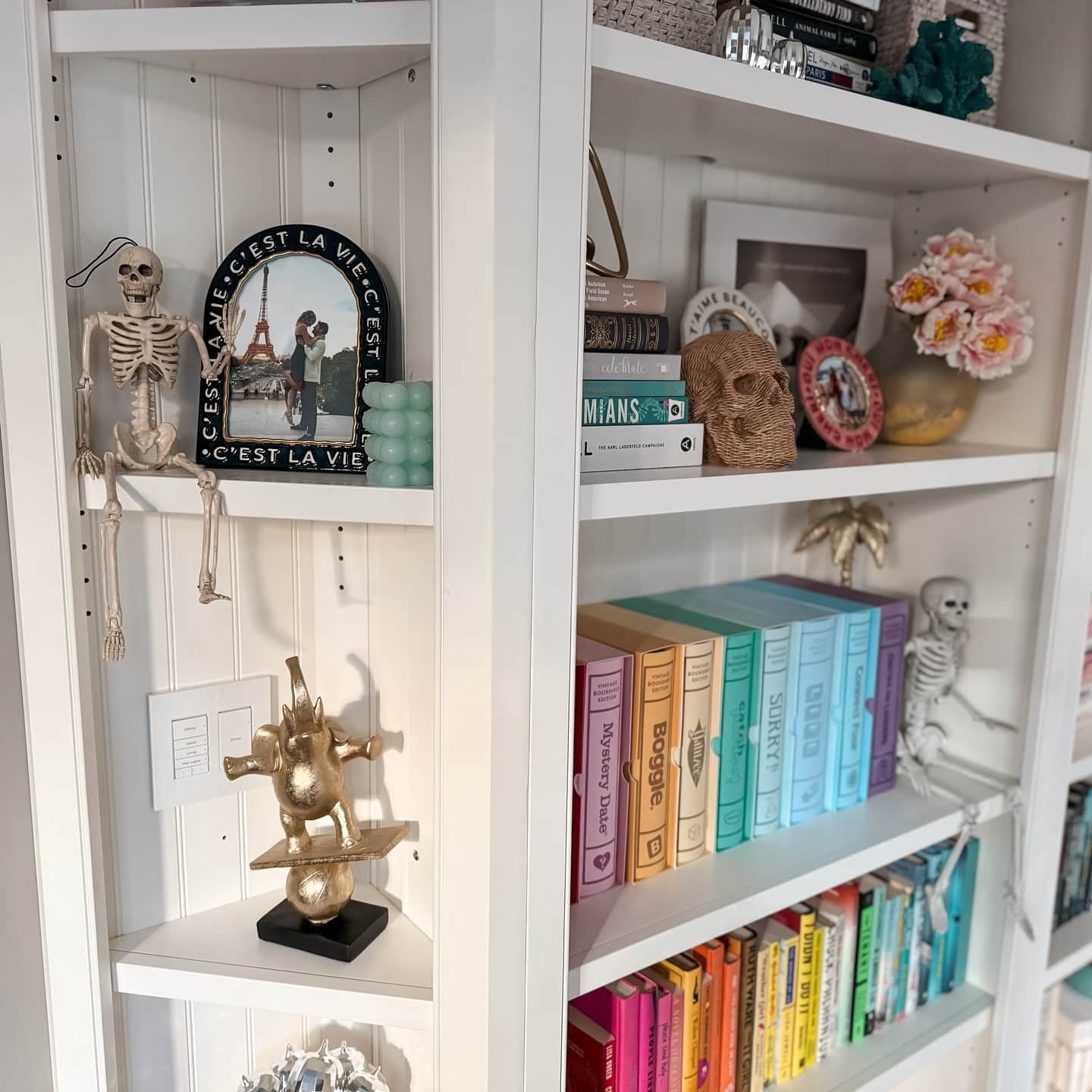
It doesn’t have to be all museum quality art. Leaned artwork can be personal, vintage, or even a small painting that speaks to your soul.
The point is that it adds visual depth without needing to drill any holes in your wall. It’s the perfect balance of low-effort and high-reward.
8. Personal Touches: Finding the Right Balance
Shelf styling isn’t just about aesthetics—it’s about telling a story. Personal items, like family photos or vintage treasures, bring warmth to your space.
But be careful: too many personal items can make your shelf feel overcrowded and less sophisticated.
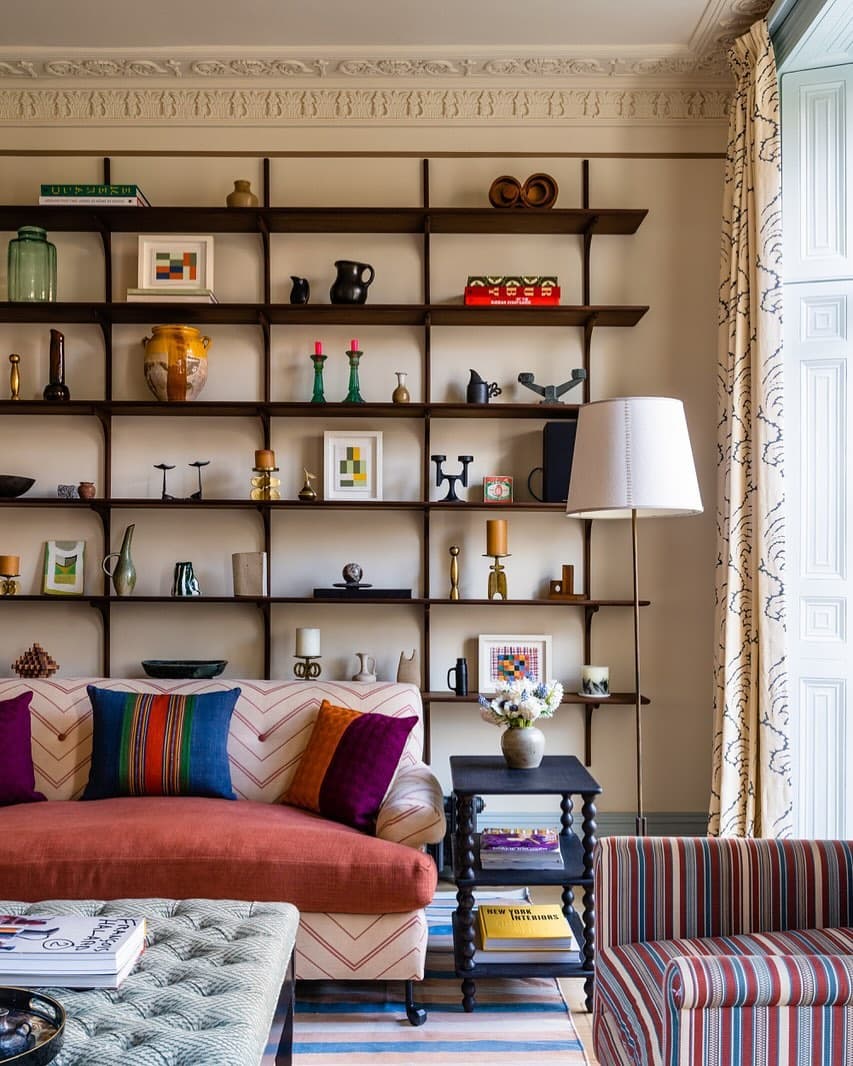
For example, a family photo in a sleek frame can bring a touch of personality, but a whole collection of photos and trinkets can feel overwhelming.
Aim for balance—personal touches should feel like they’re integrated with the rest of your styling, not like they’re on display at an awkward family reunion.
9. Practical Considerations: Shelving in Different Spaces
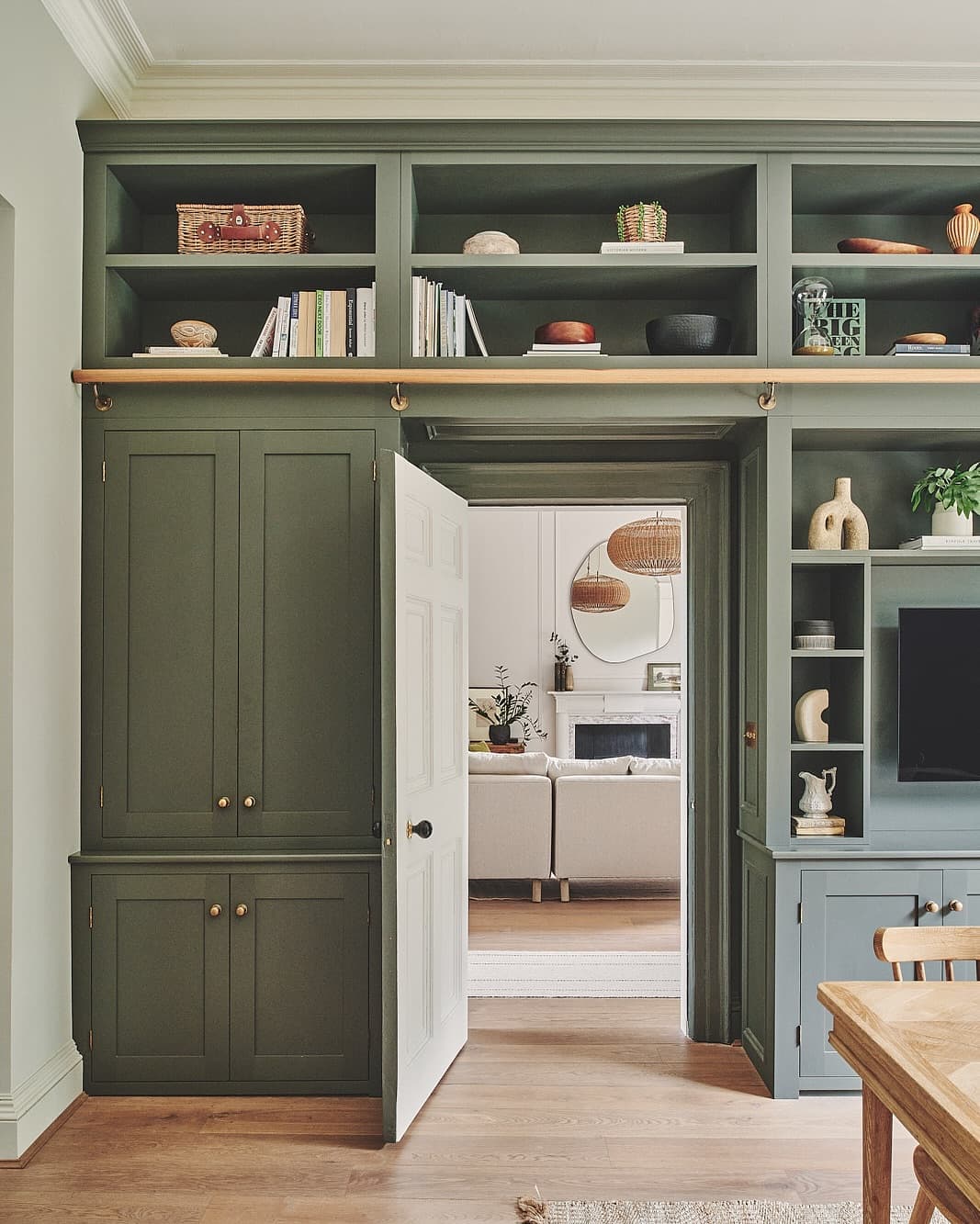
Not all shelves are created equal, my friend. When you’re styling a shelf in a kitchen versus an office, the purpose of the shelf changes.
In the kitchen, your shelf needs to be both functional and stylish—you’ve got to keep those cookbooks, bowls, and cutting boards accessible while still looking chic.
In the office? Well, that shelf can be all about organization and inspiration.
Think of it like choosing an outfit: you dress differently for a night out than you do for a day at the office.
So take your space into consideration. It’s not just about how things look; it’s about how they work.
10. Styling for Glass Cabinets: Dividing the Space
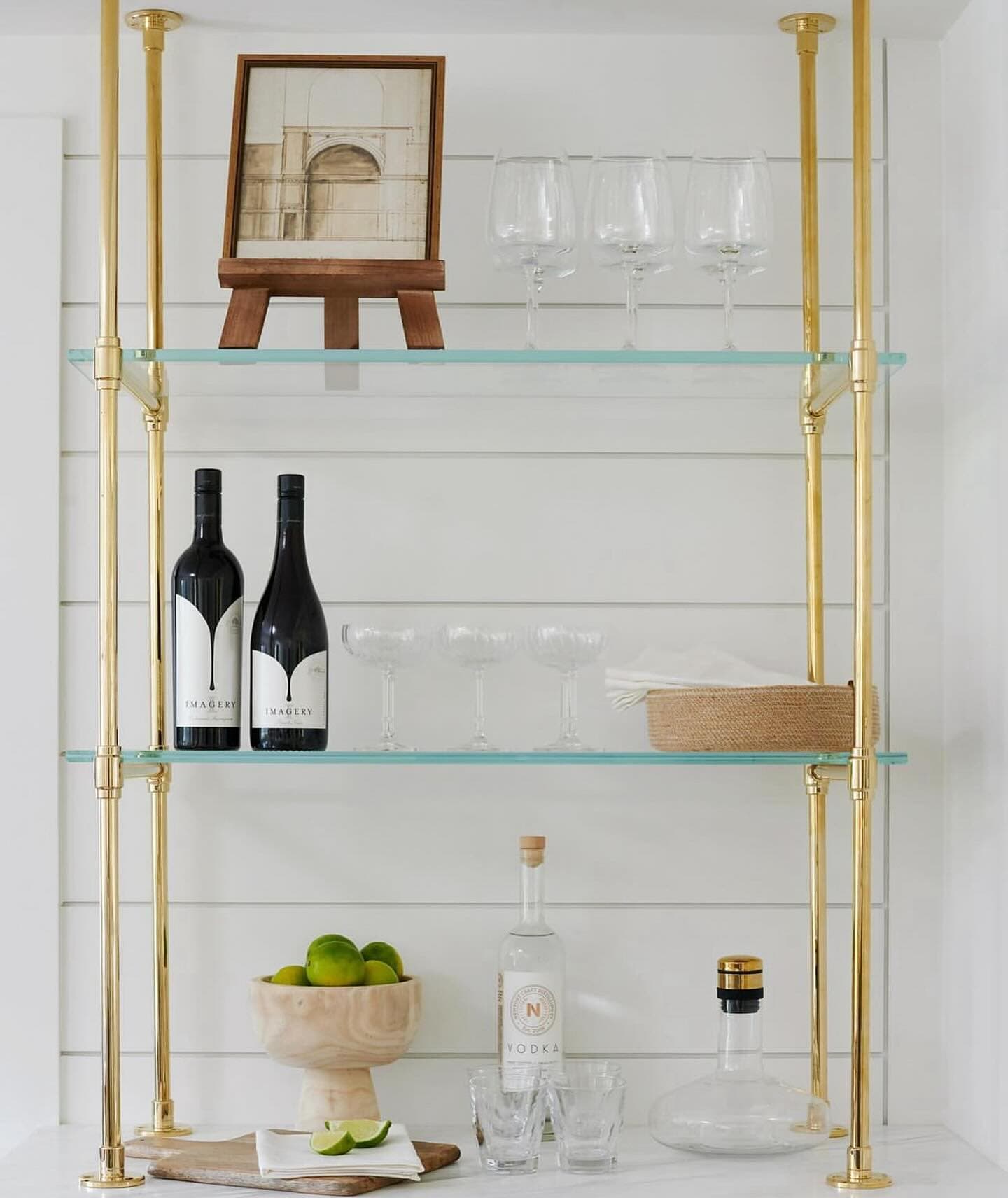
Glass-front cabinets are a whole new ballgame. They offer an opportunity to showcase your items, but also pose the challenge of keeping everything neat and organized.
Create mini vignettes within the cabinet. Divide the space into smaller sections and treat each section like a mini-shelf.
This allows you to layer objects and create visual interest, all while maintaining balance.
For a soft, neutral look, try using woven baskets or trays to organize the space and add texture. These functional yet beautiful items can help keep things in place without detracting from the overall aesthetic.
11. Using Functional and Beautiful Items in the Kitchen
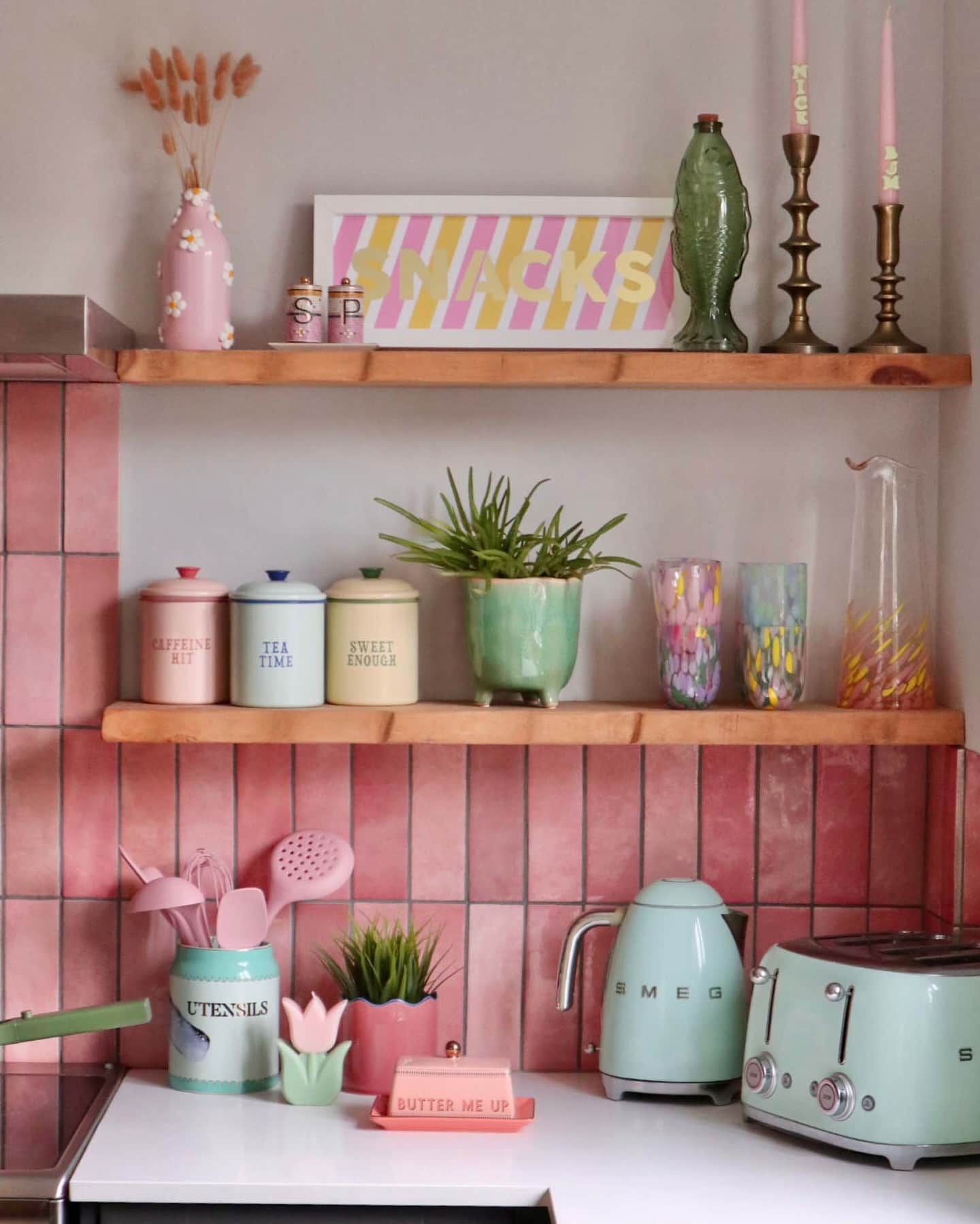
Yes, functional things can be beautiful, too. No need to hide your cutting boards and bowls just because they’re not technically “decorative.”
In fact, they can be the stars of your kitchen shelves. Mix them with a few art pieces (maybe a still life or a fruit print?) to add some color and depth.
Play with textures and heights. Don’t be afraid to mix high-end, aesthetic pieces with more practical ones.
12. Final Adjustments and Refining the Look
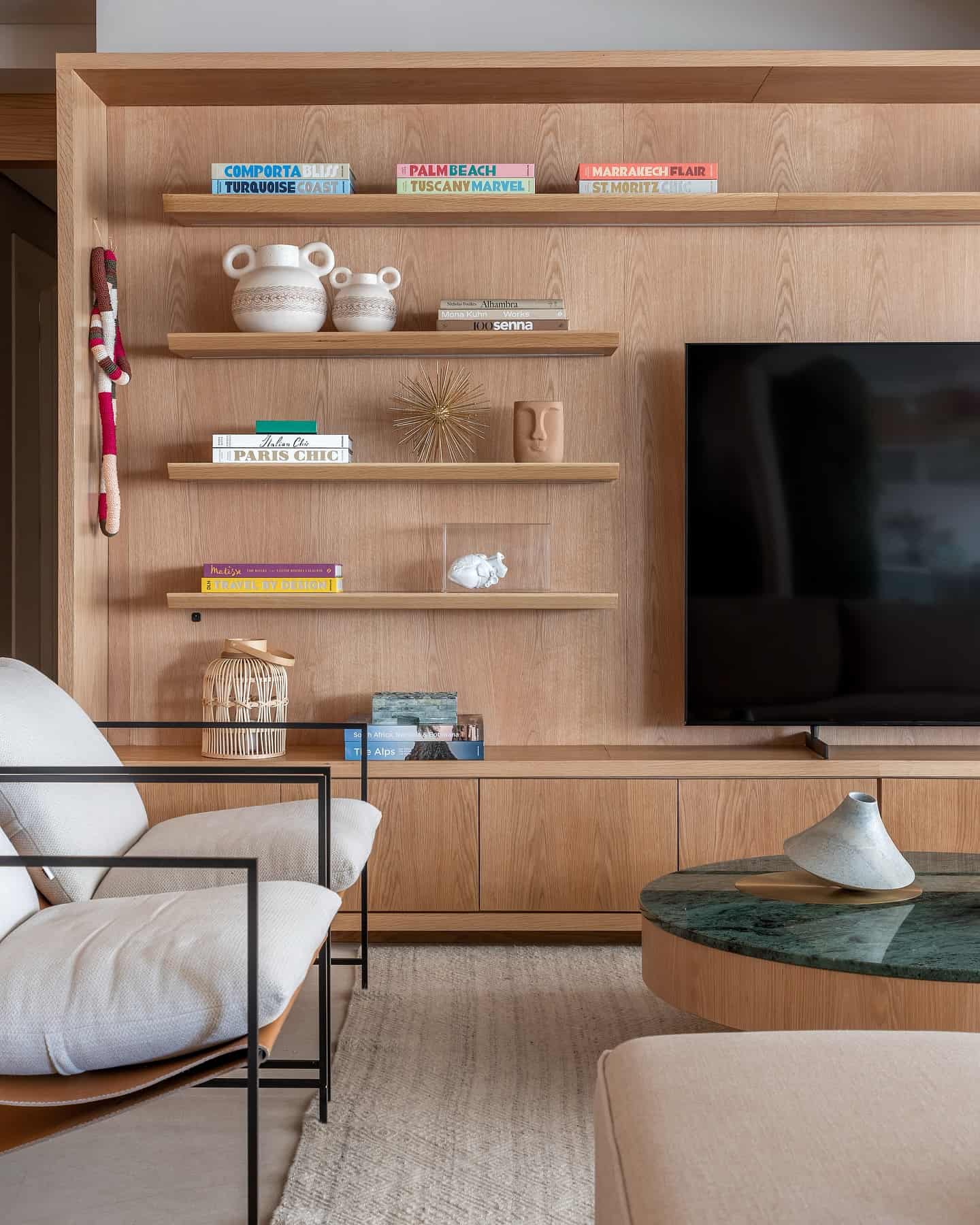
Shelf styling isn’t a one-and-done deal. It’s an iterative process. After you’ve set everything up, step back and look at the overall picture. Something might feel off. Maybe you need to shift a vase slightly to the right or swap out a book for a different color.
Pro Tip: Leave your shelves for a couple of days, and then come back to them with fresh eyes. You might see areas that need improvement or pieces that could be swapped in.
Conclusion
Shelf styling is both an art and a science. It’s about creating balance, harmony, and interest while still keeping things functional.
The beauty of styling is that it’s always evolving. What looks great today might need a little tweak tomorrow.
The important thing is to enjoy the process—take your time, trust your instincts, and let your shelves tell your story.
So, grab those coffee table books, that quirky sculpture, and your favorite family photo.
It’s time to create a shelf that’s more than just a place for storage—it’s a reflection of your style.