Lighting is a tricky thing, isn’t it? You can have the most beautifully decorated home, but if the lighting is off, it could make everything look like a 90s sitcom set—flat, uninspired, and not even worth a second glance.
On the flip side, if you get it right, lighting has the power to transform a space into something that’s not just functional but also magical, cozy, and perfectly tailored to your unique style.
But don’t worry! I’m here to break it down and show you how to get it just right.
Setting the Overarching Design Style

Before you start installing light fixtures like you’re auditioning for HGTV, take a deep breath and think about the bigger picture.
Lighting should always complement your home’s overall design style.
After all, would you wear a leather jacket with pajama pants? I sure hope not, because that’s how bad lighting choices can feel when they don’t match the room’s vibe.
Let’s dive into an example: imagine your home is all about that coastal modern farmhouse look.
You’re going to want light fixtures that complement that beachy yet rustic aesthetic—think gold fixtures that gleam like the morning sun, beaded chandeliers that whisper elegance, and lantern-style pendants hanging here and there to keep things casual but still chic.
Tip: Start by identifying your home’s “feel.”
Are you going for cozy coastal vibes, sleek modernism, or maybe a little bit of farmhouse charm with an industrial twist?
Once you know the vibe, lighting fixtures will fall into place like puzzle pieces.
How to Visualize Lighting Choices

Now, I’m sure you’ve heard the saying, “Out of sight, out of mind.” Well, with lighting, it’s kind of the opposite.
Visualizing how different light fixtures will work together is half the battle. Here’s the thing: it’s not just about grabbing a chandelier and throwing it above the dining table.
You need to think about the big picture, making sure your lighting flows seamlessly across the entire room.

Some people are planners, and others just go with the flow. If you’re a planner like me, create a design board.
Whether it’s physical or digital , a mood board will help you visualize how all your lighting pieces will interact with each other.
Trust me, it’ll save you from a few “Oh no, I didn’t see that coming” moments when you’re deep into the design process.
Alternatively, some people can work without a formal plan. They prefer to dive right in and start adjusting things as they go—much like a chef throwing spices into the pot until it tastes just right.
Whichever method you choose, just make sure you test how everything looks together.
Mixing Metals and Materials in Lighting
There was once a time (and by “once,” I mean like five years ago) when everyone thought matching metals was the way to go.
If you had a brass chandelier, you’d match it with brass sconces, brass lamps—basically, everything had to be the same metal.
But you know what? It’s time to ditch that mindset. Mixing metals and materials is where the fun really starts.
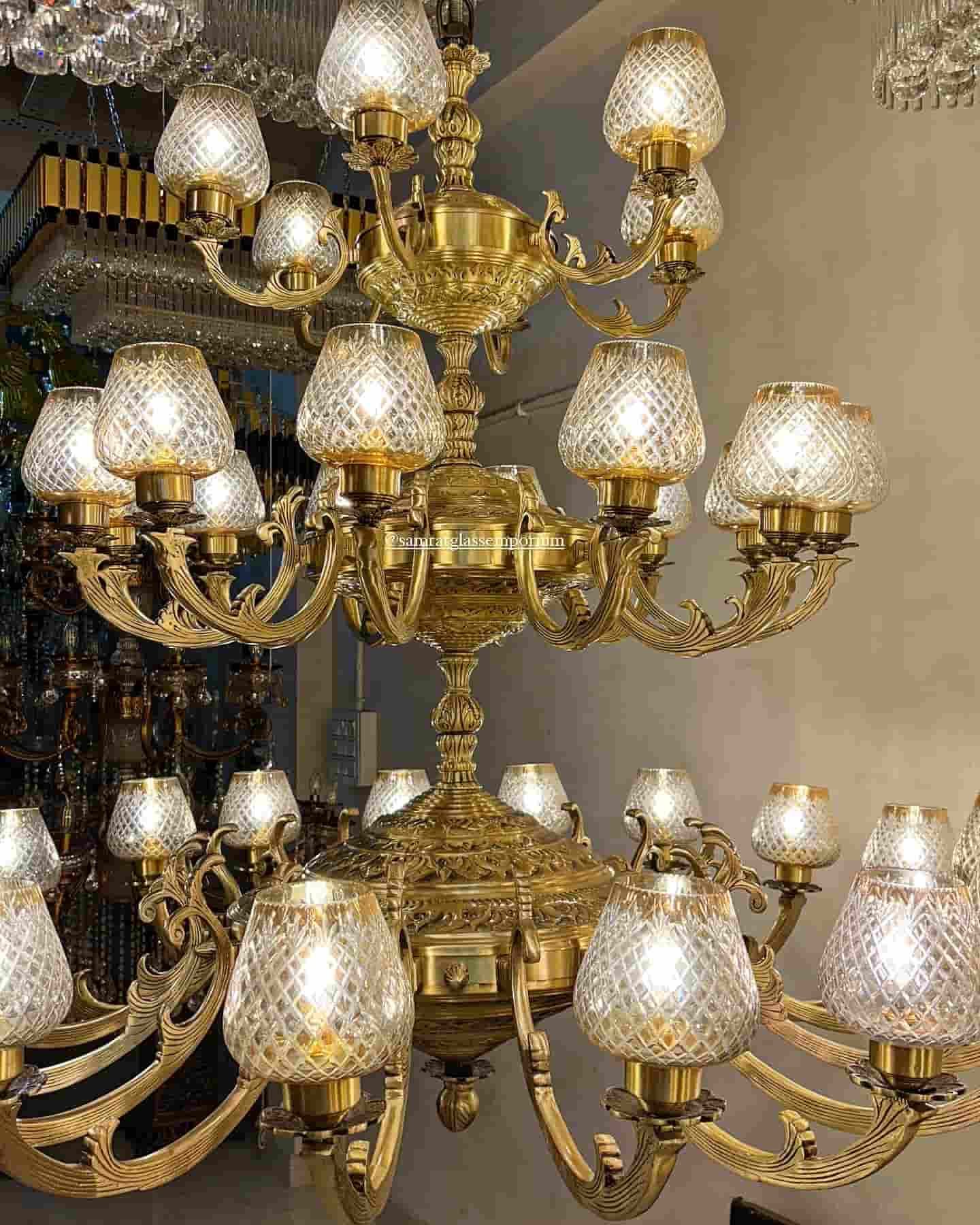
Take your lighting fixtures on a wild ride. Pair gold with oil-rubbed bronze, or brass with matte black. Throw in a little wood, glass, or even beads to break up the metals and give your space some texture.
I mean, if you can have a golden chandelier, a bronze sconce, and a wood-beaded pendant light all in the same room and still make it work—well, that’s the lighting equivalent of mixing a latte with a shot of whiskey.
Bold, yet surprisingly effective.
The days of “match everything” are behind us, and bold combinations are what will take your space to the next level. Go on, let your metals mingle!
The Role of Lighting in Open Concept Spaces
Ah, the open-concept home. Spacious, airy, and perfect for entertaining. But it’s not all sunshine and rainbows when it comes to lighting.
Enter lighting as your trusty tool to define and distinguish different areas. The living room, dining area, and kitchen nook all need unique lighting to help them each retain their individuality.

You wouldn’t use the same fixture in a cozy breakfast nook that you’d hang in a grand dining room, would you? No way.
The dining area can handle a statement fixture like a large chandelier or pendant light, while the living room may benefit from softer lighting, like wall sconces or a combination of table lamps.
Functionality of Lighting
Okay, let’s get down to brass tacks: lighting isn’t just for looking pretty.
Sure, that statement chandelier looks fabulous, but is it functional?
Is it giving you the right amount of light to actually see your friends when they’re sitting at your dinner table?
If the answer is no, we have a problem.

To get it right, you need to pick quality lightbulbs that match your lighting needs.
Or maybe you’re more of a techie and want bulbs that connect to your smart home system, allowing you to adjust the mood at the push of a button.
And for those who have a slight germ phobia, which actively fight germs.
Considering the Size of Lighting Fixtures
Let’s talk about size, baby. I’m not talking about you; I’m talking about those fixtures you’ve been eyeing.
Sometimes a beautiful chandelier looks perfect in a store or catalog, but then you get it home and find out it’s the size of a small moon. Oops.
That’s why you should always double-check sizes before buying.

Real-life anecdote: I once bought a chandelier that seemed ideal for my dining room.
When it arrived, it looked like it was going to swallow my entire table. I had to put the poor thing in the living room because it needed space to breathe.
Tip: If you’re unsure, go slightly bigger than you think, but make sure it suits the scale of your space.
Remember to factor in the ceiling height too.
Budgeting for Lighting
Let’s face it: lighting can be expensive. There’s no getting around that.
But don’t worry, you don’t have to break the bank to achieve a look that feels expensive.
Mix high-end statement pieces with more affordable fixtures to balance your budget while still creating a stunning look.

Example: Lanterns are a timeless option that won’t break the bank and can work in almost any home style—whether you’re going farmhouse or industrial.
Tip: Mix and match pricier fixtures with more budget-friendly options. Don’t be afraid to experiment with a few DIY hacks to give cheaper pieces a luxe upgrade.
Personalizing Your Lighting Choices
At the end of the day, your home should reflect you—quirks, style, and all. This is where the fun really begins.
Maybe it’s a hallway lantern you fell in love with or a pendant light that brings a smile to your face. Don’t overthink it. Choose pieces that make you happy.

Tip: Start with a light fixture you absolutely adore and build the rest of the room around it.
It’s like designing the perfect outfit—you don’t want to try to match everything, but you’ll still want it all to look good together.
Practical Questions to Ask When Choosing Lighting
Before you hit “buy,” ask yourself a few simple questions to make sure your lighting choices are a good fit:
- How much light do I need? Should I add can lights or focus on the one central fixture?
- What’s my budget? Can I splurge on a statement piece and save elsewhere?
- Does this fixture complement the room’s vibe? Will it fit in with the overall design of the space?
Conclusion
Lighting is about so much more than simply illuminating a room. It’s about creating a cohesive, personalized environment that speaks to you. Mix metals, explore textures, and don’t be afraid to experiment—because your space, just like you, deserves a little bit of flair. Go ahead, play with your lighting choices, make it functional, and most importantly, have fun with it. Your home’s about to shine brighter than ever.
Let me know your lighting struggles or triumphs—let’s keep the conversation glowing!