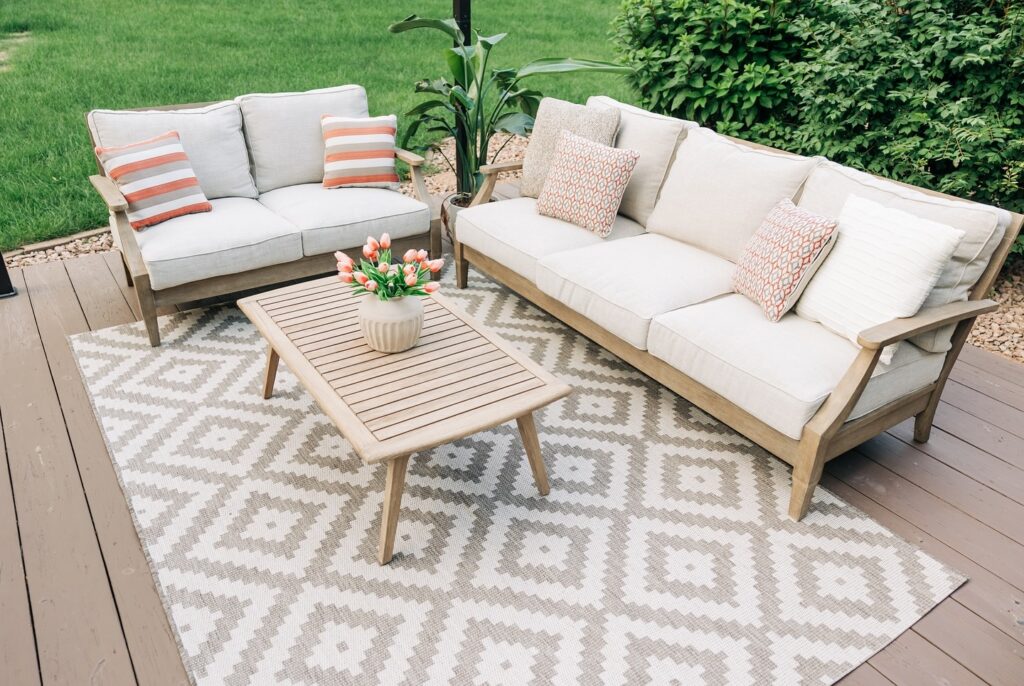
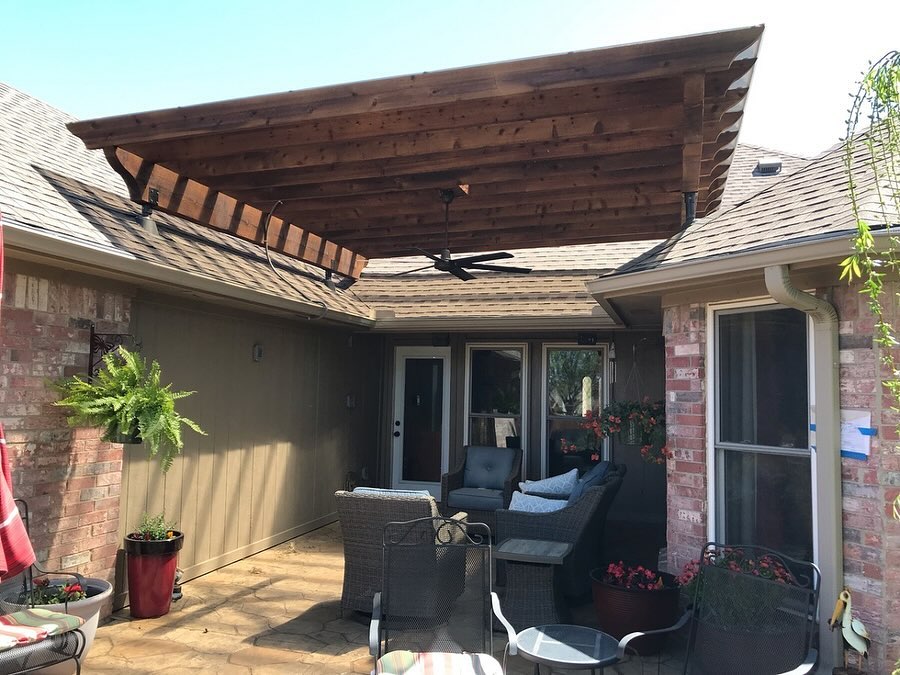
When I first got my wood outdoor furniture, I thought it would be smooth sailing—beautiful days, lazy afternoons, and maybe even a little sunbathing. Little did I know, maintaining it would turn into a mini Olympic sport.
Forget about harsh chemicals; my furniture deserves some TLC, just like I do! And let’s be honest, nobody wants to sit on a dirty chair that looks like it’s been through a hurricane.
I mean, who has time for that? With just a little bit of care, I can keep my outdoor space looking fresh and inviting for all those sunny days ahead.
Unveiling the Wood Mystique
When it comes to outdoor wood furniture, there’s a fascinating world of choices. From different types of wood to the unique grains they flaunt, maintaining your furniture can feel like deciphering a secret code. Let’s dive into some of the key points to unlock this wooden mystery.
Types for the Timber Throne

Choosing wood for outdoor furniture is like picking a royal seat; it must be both sturdy and beautiful. Here are some popular options:
- Cedar: Lightweight and naturally resistant to decay, Cedar is like the laid-back cousin of outdoor woods. It smells great too!
- White Oak: This tough guy resists water well. It’s like the bouncer of the furniture world—serious about protection.
- Ipe: Known for its density and durability, Ipe is like the superhero of wood types. This wood can last decades, even in harsh weather!
Each type has its own charm, so picking one will feel like choosing your favorite pizza topping—delicious but tough!
From Cedar to Ipe: Choosing Your Woody Companions

Now that we know our players, how do we pick the best companion for our outdoor adventures?
- Cedar works well for casual settings. It’s inviting and easy to care for, although it may need a little more TLC.
- White Oak is your bet if you’re looking for strength and longevity. It can handle a good beating, making it an excellent choice for families.
- If you’re ready to invest, Ipe is the elite choice. It’s gorgeous, durable, and can withstand both sunny days and rainy nights, but it comes with a heavy-duty price tag.
The right choice depends on your needs. Think about your lifestyle, your budget, and your furniture’s future in open-air glory.
Grains and Gains: Understanding Wood Grain
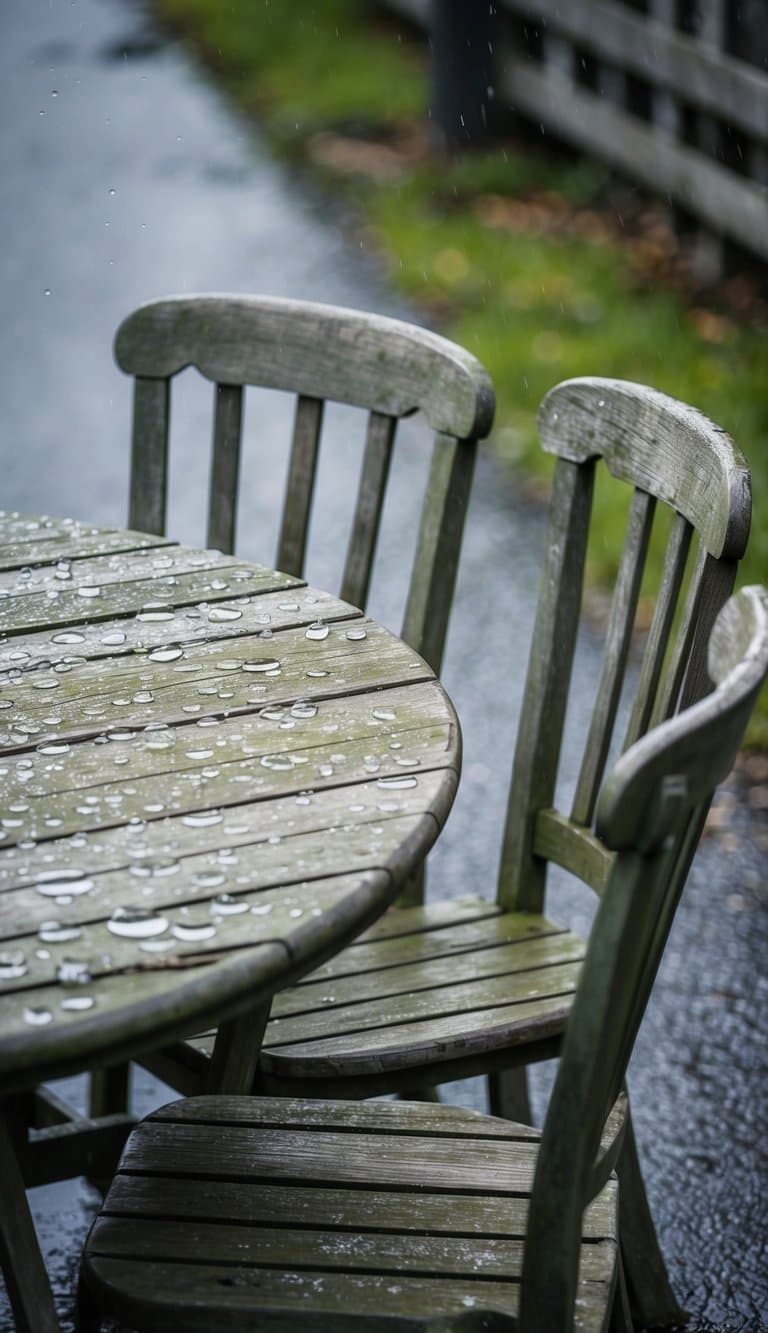
Ah, the wood grain—the artwork of nature! Each piece of outdoor wood furniture showcases unique patterns. Here’s what to look for:
- Straight Grain: This grain is like the dependable friend who always shows up on time. It’s strong and looks great when stained.
- Wavy Grain: A little funky and full of character, this grain can add flair to your outdoor setup. It’s fun and unpredictable, just like a friendly neighborhood raccoon!
- Interlocked Grain: This one is a master of disguise. It’s tough and can resist warping. Think of it as the wood that knows all the tricks.
Understanding these patterns can help you choose furniture that not only lasts but inspires endless compliments.
The Eternal Battle Against the Elements
Taking care of wood outdoor furniture feels like a never-ending fight against nature. Sun, water, and extreme temperatures all want to ruin my beautiful chairs and tables. Here’s how I tackle these fierce conditions to keep my furniture looking great.
Sun Salutations: Wood Furniture vs. UV Rays

Ah, the sun! My furniture’s biggest fan and worst enemy. Its rays sneak in and start breaking down the wood fibers. That’s why I always look for pieces with UV inhibitors. It’s like sunscreen for my chairs. A good coat of protective finish helps keep the sun’s harsh rays from turning my stylish patio set into a faded disaster.
I make it a habit to reapply this protective finish at least once a year. It’s like a spa day for my furniture—new life with every coat! Also, don’t forget to place my furniture in shaded areas when not in use. This simple step helps prevent unnecessary sun exposure.
When Water Strikes: Weathering the Storm

Rain, rain, go away—my furniture wants to hang out and play! Water can cause all sorts of problems like warping and mildew. To protect against this, I always give my furniture a good wipe down after a big storm. Keeping the wood dry helps it withstand the elements.
Using a weather-resistant sealant is key in my rainy defense plan. It acts like an umbrella for my outdoor chairs. Plus, I try to store my furniture indoors during heavy storms. When I can’t, covering it with outdoor furniture covers is my go-to. These covers are like cozy blankets, keeping my furniture safe and dry.
Thermal Throwdown: Temperature Fluctuations

Oh, the temperature swings! One day it’s sunny and hot, and the next, it’s freezing. Wood doesn’t enjoy these extreme mood changes, and neither do I. It can lead to cracks and splits if I’m not careful.
The secret to tackling this challenge? Regular maintenance. I check for any signs of damage, especially during spring cleaning. Also, avoiding placing my furniture on the hottest concrete or the chilliest deck helps. A little TLC goes a long way in keeping my wood outdoor furniture happy and healthy!
The Art of Armor: Protecting Your Lumber Lounge

When it comes to keeping my outdoor wood furniture looking its best, I’ve learned a few tricks. Protecting your lumber lounge isn’t just smart; it’s a way of life! Here are some ways I’ve found to make my furniture the superhero of my backyard.
Seal the Deal with Spar Varnish

First off, let’s talk about spar varnish. This stuff is like a superhero cape for your wood. It’s designed to resist water and UV rays, keeping your furniture shiny and ready for a barbecue.
I usually start by sanding the surface to ensure the varnish sticks well. Then, I apply a thin layer using a good quality brush. I recommend at least three coats for the best protection. Make sure to let each coat dry completely before adding the next.
Remember, spar varnish can take time to cure, so be patient. Your furniture will thank you later with a fabulous shine!
Oil it Up with General Finishes

Next, there’s General Finishes Outdoor Oil. This isn’t just any oil; it’s the kind that makes your wood feel cared for and loved. Unlike some oils, this one offers water resistance while enhancing the wood’s natural color.
I apply it with a lint-free cloth, rubbing it in for maximum absorption. It’s best to reapply every 6 to 12 months, depending on your weather conditions.
And let’s be honest; applying oil feels like giving your furniture a spa day! Who wouldn’t want to pamper their lounge with regular doses of nourishment?
Cultivating Patina: When to Let Nature Take its Course

As I spend more time with my outdoor furniture, I’ve also embraced the charm of natural patina. This is that delightful aging process that wood undergoes over time, often adding character to my pieces.
I’ve found that with certain woods, like teak, allowing them to weather can enhance their beauty. I don’t always have to rush to restore their original look. Sometimes, a little wear and tear tells a fantastic story!
Patience is key here. Letting nature take its course means fewer maintenance chores for me. Plus, who doesn’t love a good story of how their lounge bravely withstood the elements?
Cleansing Rituals for Your Rustic Relics
Keeping my wood outdoor furniture clean is like keeping my dog out of the trash—sometimes a challenge, but oh so rewarding! There are a few tried-and-true methods that help maintain the charm of my rustic relics. So, let’s dive into how to give those weathered beauties a good scrub—without damaging their character.
The Gentle Touch: Basic Dusting and Brushing

I like to start my cleaning routine with a gentle touch. Dusting my wood furniture is as easy as it gets. I grab a soft, damp cloth or a good old-fashioned feather duster. Just a light wipe is usually enough to bid farewell to the dust bunnies.
Now, if I see a bit more grime, I might mix a mild soapy solution. Just a few drops of dish soap in warm water does the trick. With my trusty cloth, I wipe down the surfaces, letting the soap do its magic.
After a good wipe, I always rinse the cloth and go over it again with plain water to remove any soap residue. Voila! My furniture is ready to shine—without losing its rustic charm.
Hosing Down: The Garden Hose Method

When the weather’s behaving nicely, I sometimes opt for the garden hose method. I know what you’re thinking: a hose? On wood? Hear me out!
First, I gather all my precious items and position them where I won’t flood my backyard. Then, I set my hose to a gentle spray setting. Like a soothing rain, I douse my furniture to wash away dirt.
Next, I take my gentle soapy solution from earlier and apply it with a sponge. It’s like giving my furniture a spa day! After a thorough scrub, I rinse everything off with my hose again, ensuring all the soap gets washed away.
Power Washing: The Might of the Machine

Ah, the power washer! The equipment that can transform me from gardener to action hero in seconds. If the furniture has gathered stubborn stains or mildew, I call in the big guns.
I make sure to use a low-pressure setting so I don’t blow away my beloved wood. It’s essential to keep the nozzle at least 12 inches away to prevent damage! I slowly move the washer back and forth, making sure to hit every nook and cranny.
After attacking the grime with this powerhouse, I step back and admire my handiwork. My furniture looks almost brand-new! Just remember: power washing is not for the faint of heart, but it can work wonders if done right.
When the Going Gets Tough: Dealing with Damage
So, your outdoor wood furniture has seen better days, huh? Don’t worry! I’ve got some tricks up my sleeve to help you tackle those pesky issues. Whether it’s scratches from that rambunctious dog or loose joints from a windy day, I can guide you through it with a sprinkle of humor.
Scuffs and Scratches: Quick Fixes

Ah, the dreaded scuffs and scratches! They can make even the fanciest outdoor wood furniture look like it survived a battle with a rogue raccoon.
For minor scratches, I grab my trusty wood polish and a soft cloth. Just apply a small amount, rub gently, and voilà! If the scratch is deeper, use a wood filler that matches the color of the furniture. After it dries, sand it smooth and reapply the finish.
Pro tip: For a natural fix, I sometimes use a walnut! Just rub it on the scratch, and the oils can help fill in those uninvited marks.
Loosen Up: Tightening Wiggly Joints

Nothing is more annoying than a wobbly chair that feels like it wants to dance away during dinner. To fix this, I don’t stress. I just grab some wood glue and a clamp.
First, find those loose joints. Apply a dab of glue and fit the pieces together tightly. I usually clamp them and let them dry overnight. If your furniture is older, consider using screws for a more permanent solution.
To make things a bit more fun, I like to pretend I’m a wood surgeon. The chair is my patient, and I’m giving it the “tightening” it needs. Just make sure to avoid requiring a second opinion!
Full Recovery: Refinishing Like a Pro

Sometimes, your outdoor wood furniture needs a complete makeover. I mean, who doesn’t love a good facelift, right? Refinishing can bring back its original shine and beauty!
Start by sanding the surface with fine-grit sandpaper. This helps remove old finishes and imperfections. Then, wipe away the dust with a damp cloth. Next, I apply a wood stain of my choice. Remember, darker stains can add warmth, while lighter ones give a fresh, airy vibe.
Finally, seal it with a protective finish suitable for outdoor wood furniture. This step is crucial to keep your piece looking fabulous against the elements. And voilà! My outdoor furniture is back in the game, ready to host all my friends (and maybe a few spills too).
Upcycling Escapades: Beyond Maintenance
When life gives you old wood outdoor furniture, don’t just scrub it clean—get creative! Upcycling can turn your tired patio pieces into something fabulous or useful. Here’s how I like to tackle my upcycling adventures.
Transformers: Furniture in Disguise

First up, turning my old patio furniture into something completely new. I love taking a ragged chair and transforming it into a chic plant stand. A little sanding here, some paint there, and voila! You’ve got a funky display for your favorite succulents.
Don’t forget about mix-and-match possibilities. An old bench can become a cozy storage box or even parts of a whimsical garden trellis. Just think outside the box—literally! A little creativity can turn your furniture into conversation starters.
DIY Dazzle: Adding Personal Flair

Now, let’s add some pizzazz! I’ve found that a good coat of paint can make my wood outdoor furniture shine brighter than my neighbor’s new pool. I often use bright colors to match whatever mood I’m in. Who needs neutral tones?
Toss in some fun stencils and patterns for a personal touch, like your kid’s handprints or whimsical shapes. It’s arts and crafts time for adults, but without the glitter—that stuff gets everywhere! Adding colorful cushions can also boost comfort while showing off my unique style. My comfy patio now feels like an outdoor living room.

Wrapping Up the Woodwork Whimsy
Remember, maintaining my wooden outdoor furniture is not just a chore; it’s an adventure! Each task adds a story, and I’m the hero of this wooden saga. So, grab your cleaning supplies and join me in the whimsical world of wood care!
Let’s not forget the essentials:
- Cleaning: A mild soapy solution does wonders. I like to imagine the dirt just waves goodbye while I scrub.
- Staining: A good stain can protect my furniture from the elements. It’s like putting on sunscreen for the wood—smarter than I ever am at the beach!
Sometimes, the weather can be rougher than a grumpy cat. I know it’s smart to cover my furniture when it’s not in use. That way, it doesn’t turn into a rain-soaked sponge or mini swimming pool.
Pro Tip: Regular inspections are a must. I like to treat my wood furniture like it’s part of the family. Any cracks or damages? It’s like a family member needing a little TLC!

Frequently Asked Questions
Maintaining wood outdoor furniture can feel like a battle against nature itself. With a few tips, I can dodge splinters, mold, and those pesky termites. Let’s dive into some of the burning questions I have about keeping my wooden treasures in top shape.
What’s the secret sauce to preventing my wooden lounge chair from becoming a modern art piece of splinters and mold?
The key is to give it some TLC. Regular cleaning with a mild soapy solution does wonders. I also make sure to dry it off afterward. A coat of protective sealant can keep the mold and splinters at bay. You don’t want your chair to be more art installation than comfy spot!
Can my wooden patio set live forever if I serenade it with oil, or is that just a myth?
Singing sweet nothings might not do the trick, but oiling can help! A good oil treatment protects the wood and helps maintain its natural look. Just remember, it’s not a magic potion—regular maintenance is still a must to keep it lively!
Do I really need to swaddle my outdoor furniture in covers, or can it brave the weather like a rugged mountain man?
As much as I admire ruggedness, my furniture isn’t as tough as it seems. Covering it can protect against harsh weather and UV rays. Think of it as a cozy blanket when the elements get rowdy. Your furniture would appreciate the gesture, trust me!
Are my outdoor wood furnishings secretly craving that spa treatment with tinted deck sealer, or are they just being high maintenance?
Well, I like to think of it as treating them to a nice pampering session. Tinted deck sealers can really enhance the look and provide protection from the elements. If I want them to look fresh and fabulous, a little spa day is worth it!
Is mold the ultimate frenemy of my beloved wooden deck chairs, and how do we break up their toxic relationship?
Absolutely! Mold loves to crash the party, but regular cleaning and drying can help. If I spot mold, I quickly grab a mild solution to banish it. Keeping the furniture dry and maintaining good airflow will send mold packing in no time!
How can I keep my outdoor wooden sofa from morphing into a termite nightclub?
Termites are crafty little invaders! To keep them away, I make sure to inspect the wood regularly for signs of trouble. Keeping the furniture away from direct ground contact and treating the wood with protective chemicals can also do the trick. My sofa deserves a pest-free life!