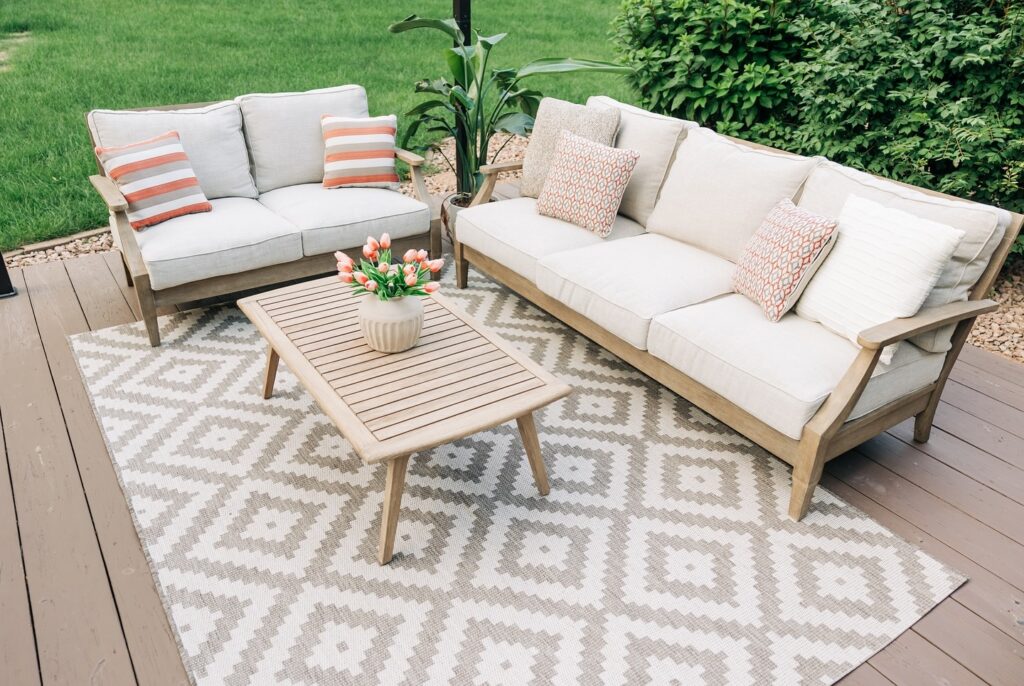
Jute rugs are known for their durability and versatility, making them a great choice for both living rooms and high-traffic areas.
Choosing the right jute rug can elevate the style of any room while providing a natural touch to your home.
Investing in a quality jute rug not only adds aesthetic appeal but also contributes to a sustainable interior. As you explore your options, keep in mind the specific needs of your space to find the perfect rug that combines beauty and functionality.
Understanding Jute Rugs
Jute rugs are popular choices for many homes due to their natural appeal and eco-friendly characteristics. Understanding their origins, the properties of jute fibres, and the advantages of using natural fibres can help you make an informed decision.
Origins of Jute Plant

The jute plant thrives in warm, humid climates. It mainly grows in regions like Bangladesh, India, and China. It is one of the fastest-growing plants, reaching maturity in just 4 to 6 months.
The plant is harvested for its long, strong fibres which are then processed into yarns. These yarns can be woven into rugs, making jute a sustainable choice. Due to its widespread cultivation, jute is often referred to as the “golden fibre.”
Characteristics of Jute Fibres

Jute fibres are known for their durability. They possess a natural softness, making them comfortable underfoot. The fibres have a golden sheen, giving jute rugs a unique look.
Jute is also biodegradable, which adds to its appeal. When combined with other materials, like cotton or wool, jute can create stunning textural contrasts. These characteristics make jute rugs versatile and suitable for various home styles.
Benefits of Natural Fibres

Using natural fibres like jute offers several benefits. First, they are eco-friendly, as they decompose easily and do not contribute to landfill waste. This makes them a sustainable choice for environmentally conscious buyers.
Natural fibres are also generally more breathable than synthetic options. This allows for better air circulation in your home, helping to create a healthier indoor environment.
Additionally, jute rugs are often more affordable than rugs made from materials like wool, providing a budget-friendly option without sacrificing quality.
Selection Criteria
Tt’s essential to evaluate key factors like size, texture, and weave. Each of these elements significantly impacts both the aesthetics and functionality of your space.
Assessing Rug Size and Placement

The size of your jute rug plays a critical role in how it fits within your room. Measure your space carefully to determine the ideal dimensions.
A rug that is too small may make the area look disjointed, while one that is excessively large can overwhelm the space.
Common placement options include centering the rug under furniture or leaving some floor visible around the edges.
For living rooms, a common size is 8×10 or 9×12. In dining areas, ensure the rug extends beyond the table edges to accommodate chairs when pushed back.
Determining Texture and Comfort
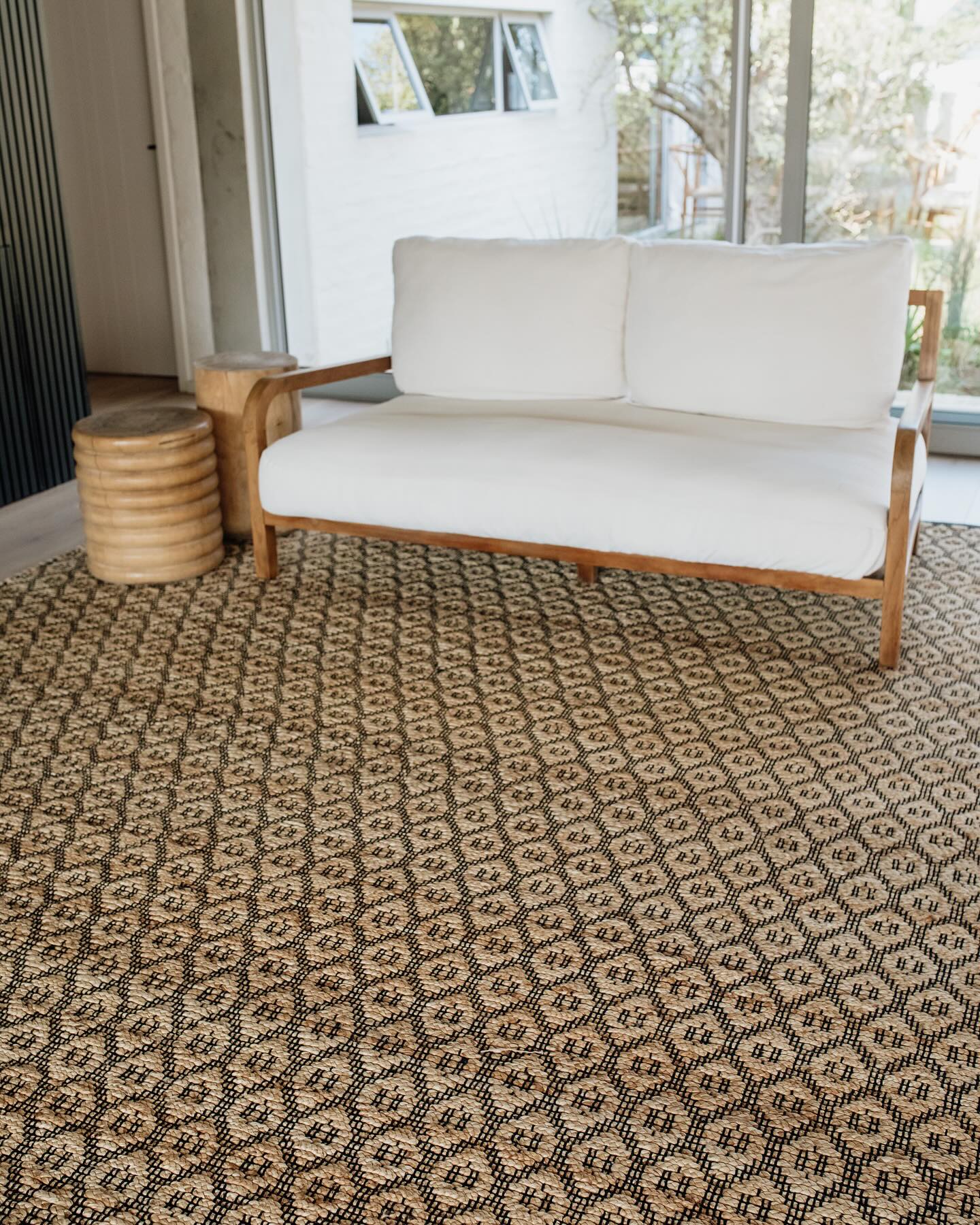
Texture impacts both the look and feel of your jute rug. Jute rugs often have a natural, earthy texture that can enhance your décor.
When selecting, consider how you want the rug to feel underfoot.
A thicker rug will provide more comfort, while a looser weave may allow for breathability. If comfort is crucial, look for rugs with a soft finish.
Additionally, consider underlays for extra cushioning and support, particularly in areas where you stand frequently.
Analyzing Weave and Thickness

The weave and thickness of a jute rug can affect its durability and style. A tighter weave often means a more robust rug, while a looser weave creates a relaxed, casual look.
Thicker rugs can add warmth and coziness to your space. For high-traffic areas, opt for thicker options that can withstand wear.
Conversely, lighter weaves can be ideal in less-used rooms or for decorative touches. Be sure to inspect sample sections to understand the texture and construction before making your purchase.
Practical Considerations
When choosing a jute rug, it’s essential to think about where it will be placed and how it will fit into your lifestyle. Consider factors like traffic levels, cleaning requirements, and the need for a rug pad to protect your floors.
Suitability for High-Traffic Areas
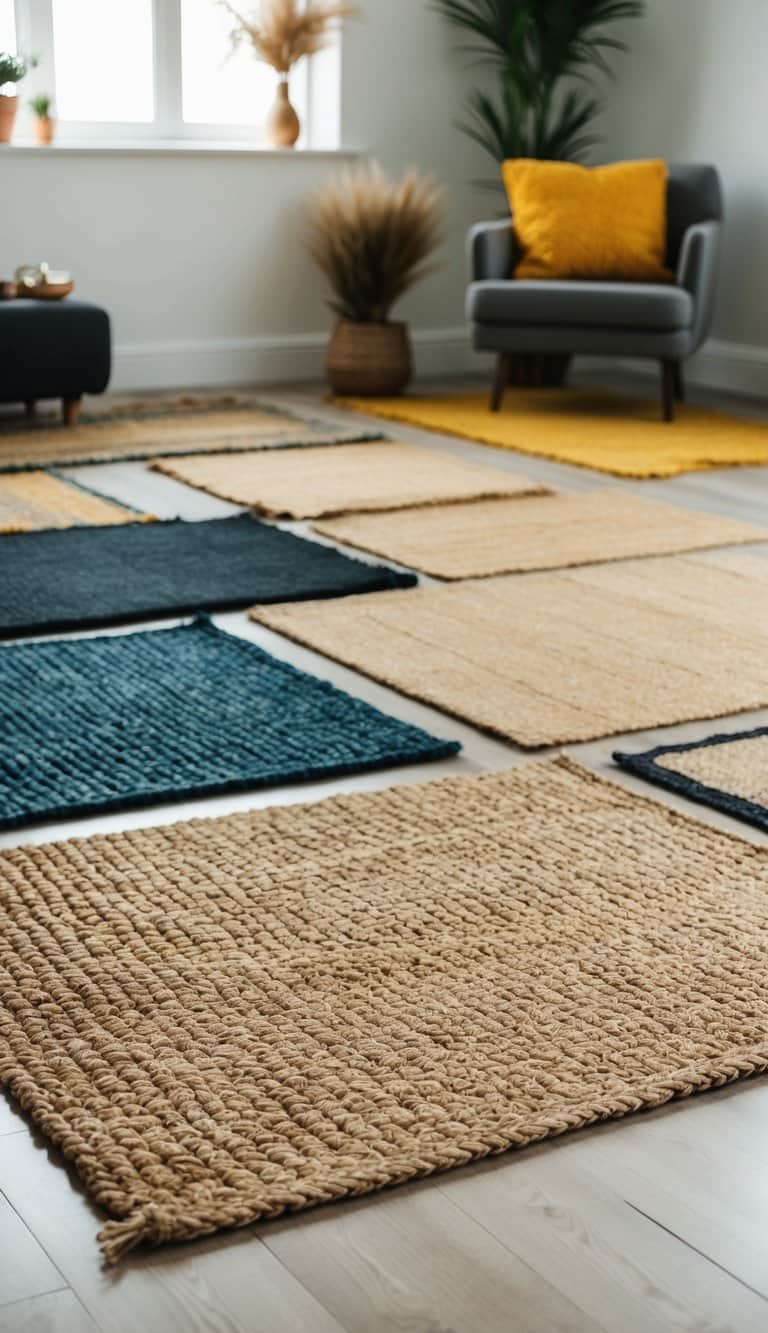
If you plan to place a jute rug in a high-traffic area, select one that is tightly woven and durable.
Jute rugs can be susceptible to wear and tear, so a thicker rug can withstand daily usage better.
Look for designs that are stain-resistant to keep them looking fresh even with heavy foot traffic. Regular vacuuming is crucial.
A vacuum cleaner with a gentle brush can help maintain the rug without damaging the fibers.
Ease of Cleaning and Maintenance
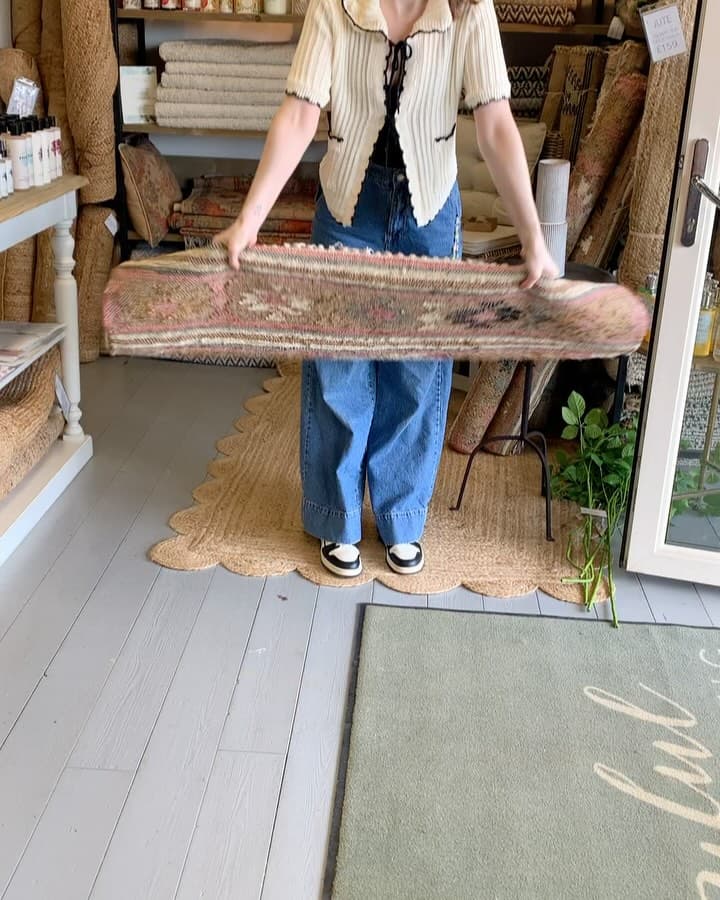
Maintaining a jute rug doesn’t need to be complicated. Vacuuming is typically enough to remove dirt and debris.
For spills, quickly blot the area with a dry cloth to prevent stains from setting in. Some jute rugs come with a stain-resistant finish, which can be beneficial in homes with kids or pets.
If your rug requires deeper cleaning, professional cleaning services are ideal. Avoid using harsh chemicals, as these can damage the natural fibers.
Selecting an Appropriate Rug Pad

A rug pad serves as a protective barrier between your jute rug and the floor. It helps prevent slipping and adds an extra layer of cushioning.
For jute rugs, choose a pad that is breathable to allow air circulation, which can help to prevent mold and mildew.
Look for non-slip options made from natural materials like felt or rubber. Using a rug pad also extends the life of your rug by reducing friction with the floor surface.
Design and Aesthetics

When selecting a jute rug, it’s essential to consider how it will fit within your overall design scheme.
The right rug can enhance warmth and elegance, making your space feel inviting and stylish.
This section will explore ways to incorporate jute rugs into your interior design, choose the right colors and patterns, and create a cozy atmosphere.
Incorporating Jute Rugs into Interior Design

Jute rugs are incredibly versatile and can complement various design styles. They work well in both modern and traditional settings.
You can place a jute rug in living rooms, dining areas, or even bedrooms to create a natural look.
Consider layering your jute rug over another rug for added texture. This approach can enhance the aesthetic appeal of your space.
For example, a jute rug placed over a patterned carpet can serve as an elegant focal point.
Choosing the Right Color and Pattern

When selecting a jute rug, think about the colors in your space. Jute rugs typically come in warm, earthy tones that can blend seamlessly with your decor.
Popular shades include light beige, ivory, and deeper browns.
If you want to add a design element, look for jute rugs with subtle patterns or borders.
This can create visual interest without overwhelming your space. Make sure the color and style of the rug enhance existing furnishings and add depth to the room.
Enhancing Warmth and Elegance in Spaces

To create a warm and inviting atmosphere, consider the textures and materials around your jute rug. Pairing it with soft fabrics, like plush throws or decorative pillows, can add comfort.
You can enhance elegance by adding decorative items above the rug, such as coffee tables or ottomans. Ensure these pieces are proportionate to the rug for a balanced look.
Lights can also play a crucial role in setting the mood. Use warm lighting to highlight the natural fibers of your jute rug and create an inviting ambiance.
Comparisons with Other Natural Rugs
When choosing a jute rug, it’s essential to understand how it stacks up against other natural fiber rugs like sisal and seagrass. Each type has its unique qualities that can affect your home’s style, comfort, and durability.

Jute vs. Sisal Rugs

Jute rugs are known for their soft texture and warmth. They are more comfortable underfoot compared to sisal rugs, which tend to be stiffer and coarser.
This makes jute an excellent choice for low to medium-traffic areas, providing a cozy feel in spaces like living rooms or bedrooms.
In contrast, sisal rugs are more durable and suitable for high-traffic zones. They resist wear and tear better than jute, making them ideal for hallways or busy family areas.
If durability is your priority, you may lean towards sisal. However, if you value softness and a natural aesthetic, jute rugs stand out.
Jute vs. Seagrass Rugs

Seagrass rugs are made from natural fibers harvested from coastal plants. They have a unique, textured look that can enhance the visual appeal of any space.
While jute rugs are soft and flexible, seagrass rugs are much stiffer and more durable, making them good for high-traffic areas.
Another benefit of seagrass is its natural resistance to stains and moisture. This makes it a great option for kitchens or dining rooms.
However, if comfort and a warm ambiance are what you seek, jute rugs bring an inviting quality to your home. You should weigh your needs carefully based on the characteristics of each type.
Identifying the Best Jute Rug

To find the best jute rug for your space, consider factors like texture, color, and size.
Look for rugs with a tight weave to ensure durability while maintaining comfort. Check if the jute is blended with other fibers for added softness.
Additionally, the color should complement your existing décor. Natural colors like beige or brown are versatile and can fit various styles.
Be sure to measure your space so that the rug fits perfectly, enhancing the overall design of the room.
Take your time in selecting the right jute rug to ensure it meets all your needs.
Prevention and Care
Taking care of your jute rug is crucial to maintain its beauty and longevity.
Proper strategies can help prevent damage from mold, mildew, and general wear and tear Here are essential tips to keep your handwoven area rugs in great condition.
Dealing with Mold and Mildew

To prevent mold and mildew growth on your jute rug, keep it in a well-ventilated area. Moisture can easily accumulate in fibers, promoting these unwanted fungi.
- Use a Dehumidifier: A dehumidifier can help reduce humidity levels in your home, especially in areas like basements or bathrooms.
- Regular Spot Checks: Inspect your rug regularly for any signs of mold. If you find any, use a white cloth with a bit of rubbing alcohol to blot it out.
If you notice persistent mold, professional cleaning might be necessary to restore your rug to its original state.
Proper Vacuuming Techniques

Regular vacuuming is essential to maintain the appearance of your jute rug. However, you need to be cautious to avoid damage.
- Use a Suction-Only Vacuum: Avoid beater bars as they can fray the fibers. A suction-only vacuum cleaner is best for jute.
- Vacuuming Frequency: Aim to vacuum your rug at least once a week. This helps eliminate dirt and debris that can wear down the fibers over time.
When vacuuming, go in the direction of the fibers to avoid pulling them and causing damage.
Protecting the Rug from Wear and Tear

To extend the life of your jute rug, implementing protective measures is key.
- Use a Rug Pad: A non-slip rug pad can reduce friction and absorb impact. This protects the underside of your rug and prevents slipping.
- Avoid Direct Sunlight: Excessive sunlight can cause fading. Consider using curtains or UV-protective films on windows near your rug.
Additionally, reposition the rug occasionally to ensure even wear across all areas. This simple step can help prolong the beauty of your handwoven rug.