You’re not here because you’re a lavender prodigy. You’re here because you’ve seen pictures of those perfect, sun-drenched fields in Provence, bought a cute little plant on a whim, and are now staring at what can only be described as a grayish-brown tumbleweed of regret in a pot.
I get it. My first lavender looked less like a fragrant herb and more like a dedicated tribute to plant neglect.
But here’s the secret: lavender doesn’t want your constant, doting affection.
It thrives on sunshine, benign neglect, and soil that would be an insult to a hungrier plant.
This guide is for us—the well-intentioned plant assassins.
We’ll cover everything from planting to pruning, with a focus on the hacks that keep it from looking like it’s auditioning for a plant horror movie.
Let’s turn that crispy failure into a fragrant, flowering success.
1. Planting and Placement

You can’t start a diva in a broom closet. Location is everything.
Start Strong: Do not, I repeat, DO NOT try to grow lavender from seed to prove a point. It’s a test of patience designed for people with more optimism and time than us.
Buy small, perky plants from a nursery. Think of it as adopting a teenager instead of a newborn—you skip the brutally fragile part.
Early spring is the golden hour for planting, letting roots get cozy before summer turns the world into an oven.
Missed that window? Go for a larger, more established plant later in the season. It’s like giving your lavender a bodyguard for its first summer.
Spacing: Lavender values personal space more than a misanthrope on a crowded subway. Give each plant 2–3 feet apart.
This isn’t just for looks; it’s for airflow, which is the best defense against the fungal gunk that lavender despises.
Want a tight, manicured hedge? You can cheat them closer, but just know you’ve signed up for a lifetime of meticulous pruning. It’s a commitment.
Sunlight: This is the non-negotiable. Lavender is essentially a solar panel with an attitude. A southern exposure is its favorite spot on the beach.
Aim for 10+ hours of direct sun daily. Anything less, and you’ll get a lanky, sulking plant that flowers with the enthusiasm of a teenager asked to clean their room.
The Hack: Got a slightly shady spot? Trick the plant! Use reflective surfaces like a light-colored wall, a white fence, or a ring of light-colored stones around its base.
It bounces extra light onto the leaves, like giving your lavender its own personal tanning reflector. Desperate times call for clever measures.
2. Soil and Planting Conditions

Forget everything you know about rich, fertile garden soil. Lavender dreams of rocky, windswept hillsides where the soil is so poor it makes other plants weep.
Native Soil Preference: It craves well-draining, slightly poor, gritty soil. Think of the opposite of that thick, sticky clay that turns into a potter’s dream after rain.
That clay is a death sentence—a wet, suffocating blanket for lavender’s roots.
Soil Improvement: If you have heavy soil, your instinct might be to dump sand in it. Resist! Sand + clay can create a substance roughly akin to concrete.
Instead, liberally mix in compost or other organic matter. You’re going for a crumbly, loose texture, like a good coffee cake, not a dense brownie.
The Hack: Build it a throne. If your garden is a damp mess, don’t plant your lavender in the ground, plant it on top of the ground.
Create a raised mound 12-18 inches high. Instant drainage, instant drama.
For the ultimate power move, group it with its Mediterranean friends: rosemary, thyme, oregano.
They all share the same “sunshine and solitude, please” mindset, making your watering routine beautifully simple and your garden look incredibly savvy.
3. Cold Climate Growing: Lavender on Wheels

If your winters involve wondering if your car will start, container gardening is your cheat code.
Container Benefits: Pots = Portability. See a frost warning in the forecast? Roll that pot into a garage or sunny window.
A week of torrential rain? Give it shelter. It’s the ultimate control for the overprotective (or under-protective) plant parent.
Indoor Care: Bringing lavender inside turns it into a needy houseguest. It must park its pot in a south-facing window.
If your windows are as sun-deprived as a Seattle November, supplemental grow lights are non-negotiable.
It still needs to photosynthesize, not just slowly languish while judging your decor.
The Hack: Insulate like you’re protecting a precious heirloom (which it is).
During a sudden cold snap, wrap the container in bubble wrap or burlap, or nestle the base in straw.
You’re protecting the roots, which are more tender than the tops. And when shuffling plants between indoors and out, acclimate them gradually over a week.
Going from a sunny patio directly to your dim living room is a shock that causes more dramatic leaf drop than a season finale of a soap opera.
4. Mulching: The “Less is More” Approach

Mulch is good, but lavender views a thick, moisture-trapping layer as a personal insult.
Keep it Light & Breezy: Think pea gravel, wood trimmings, or perlite.
These materials let water vanish quickly while keeping roots cool and telling weeds to get lost.
The Hack: Embrace the glamour gravel. A thin layer of white gravel around the base is the triple threat of the garden world: 1) It looks fantastically chic (instant French countryside vibes), 2) It suppresses weeds, and 3) It reflects sunlight back up onto the plant for a little extra photosynthesizing oomph.
It’s functional mulching with a side of bling.
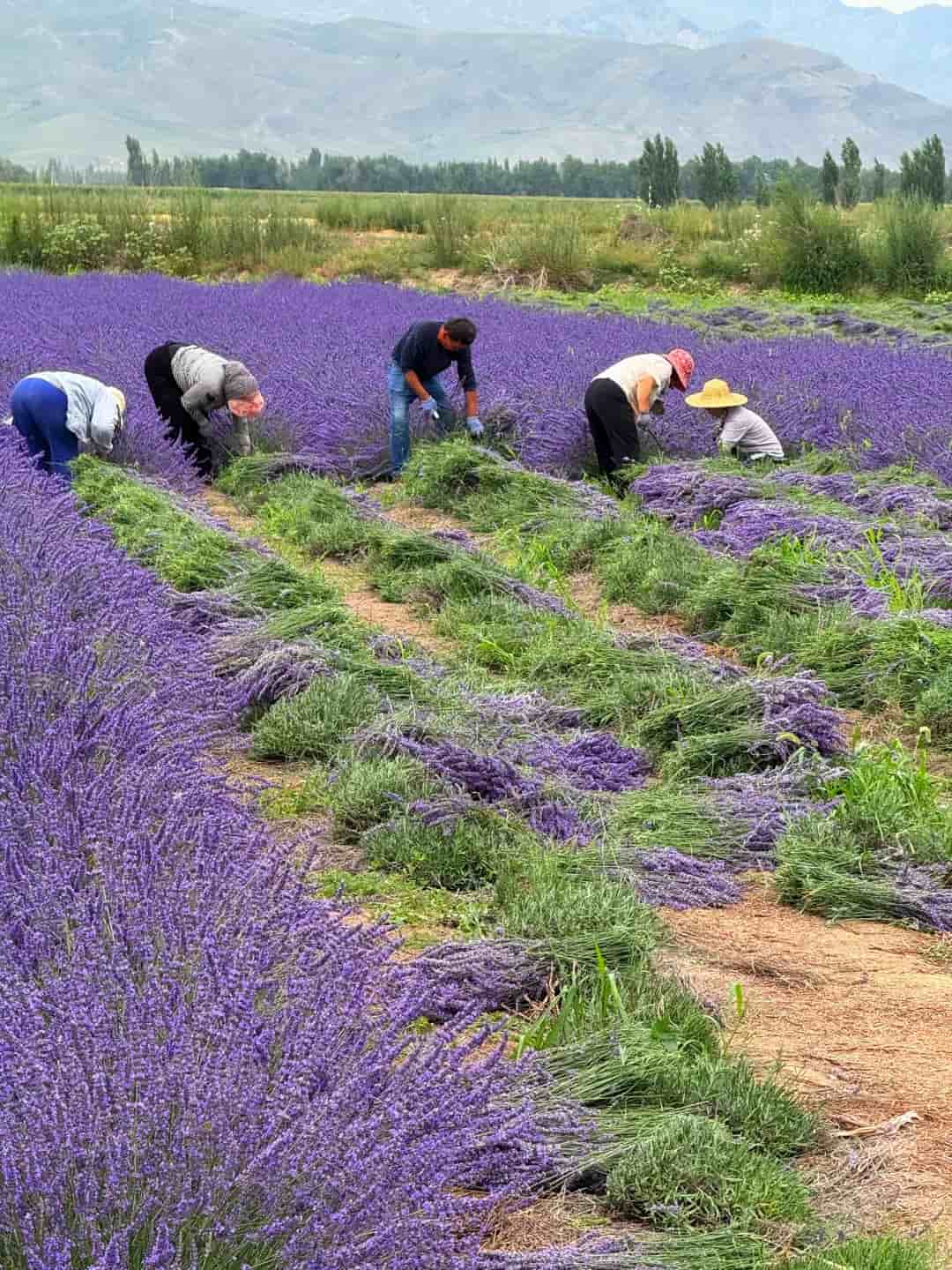
5. Harvesting Lavender: Reaping Your (Fragrant) Rewards

This is the moment! The payoff for all your strategic neglect.
Optimal Timing: Patience is key, but not too much. Harvest when the flower buds are 25–50% open.
Wait too long, and the fragrance starts to fade. It’s like catching a pop song at its peak, not the overplayed remix.
The Method: Use clean shears. Cut long stems, down into the green, flexible growth, but always above the old, woody stems.
Never cut into the brown wood—it might not regenerate, leaving you with a bald spot.
Gather a bouquet-sized bunch, secure it with a rubber band (it tightens as stems shrink), and hang it upside down in a cool, dark, dry place for 10–14 days.
A closet or pantry works perfectly.
The Hack: Be an early bird. Harvest in the morning, after the dew has dried but before the noon sun starts baking the essential oils into oblivion.
This is when the aromatic oils are at their peak concentration.
Your dried bundles will smell like heaven bottled up in a stem.
6. Pruning Tips: The 3 Epic Rules to Avoid a Woody Monster
This is the most critical skill. Unpruned lavender becomes a sprawling, woody beast with sad little flowers only on the very tips.
We want a tight, bushy, prolific cloud of purple.
1. Timing is Everything: Prune twice a year.
- First Cut (Early Spring): As you see new green growth nudging awake, give the whole plant a light haircut to shape it.
- Second Cut (Mid-to-Late Summer): After the main bloom show is over, do a harder prune. This removes the spent flower stalks and tidies the plant up before winter. If you live in a year-round growing zone, you can prune 3-4 times to keep it looking like a manicured puffball.
2. Frequency Builds the Bush: Small, regular trims are better than one savage, tearful hack-job once every three years. Be brave, be consistent.
3. The Golden “Where” Rule: ALWAYS leave green growth. Your shears should never touch the old, brown, woody stems. If you can’t see any tiny green leaf buds (nodes) below your cut, you’ve gone too far. It’s the horticultural point of no return.
7. Rotate Your Lavender Plants

Lavender is a sun-worshipper to the point of obsession. In a pot, it will lean so dramatically toward the light it looks like it’s trying to escape.
Container Rotation: Every few weeks, give the pot a quarter turn. This is the easiest hack for promoting even, sturdy growth and preventing your plant from developing a permanent, lopsided lean.
It encourages stronger stems and uniform flowering all around.
Outdoor Consideration: For plants in the ground that get uneven light (perhaps shaded by a fence part of the day), you can gently turn smaller plants or adjust nearby objects (like a decorative stone) to bounce light onto the shadier side.
It’s about maximizing every drop of sun.
8. Use a pH-Friendly Soil Mix

Here’s a secret weapon most people ignore. Lavender doesn’t just like poor soil; it likes slightly alkaline soil.
The Ideal pH Range: Aim for a soil pH between 6.7 and 7.3. Most garden soil tends to be slightly acidic.
Soil Adjustment: Test your soil first with a cheap home test kit. If it’s acidic, incorporate a small amount of garden lime.
The key word is small. A little goes a very long way in raising the pH. This simple step can lead to noticeably healthier foliage and more abundant blooms.
9. Prune Flowers as They Fade (Deadheading)

Don’t just admire the spent blooms until they turn into sad, gray skeletons. Snip them off!
Deadheading Benefits: This tells the plant, “Hey, that attempt didn’t work, try again!” It prompts a second, smaller flush of flowers and prevents the plant from wasting energy on making seeds.
It keeps the growth vigorous and the plant looking tidy.
How to Prune: Cut just above the first set of healthy green leaves beneath the old flower spike.
It takes two seconds per stem and makes a world of difference.
10. Create Airflow to Prevent Mildew
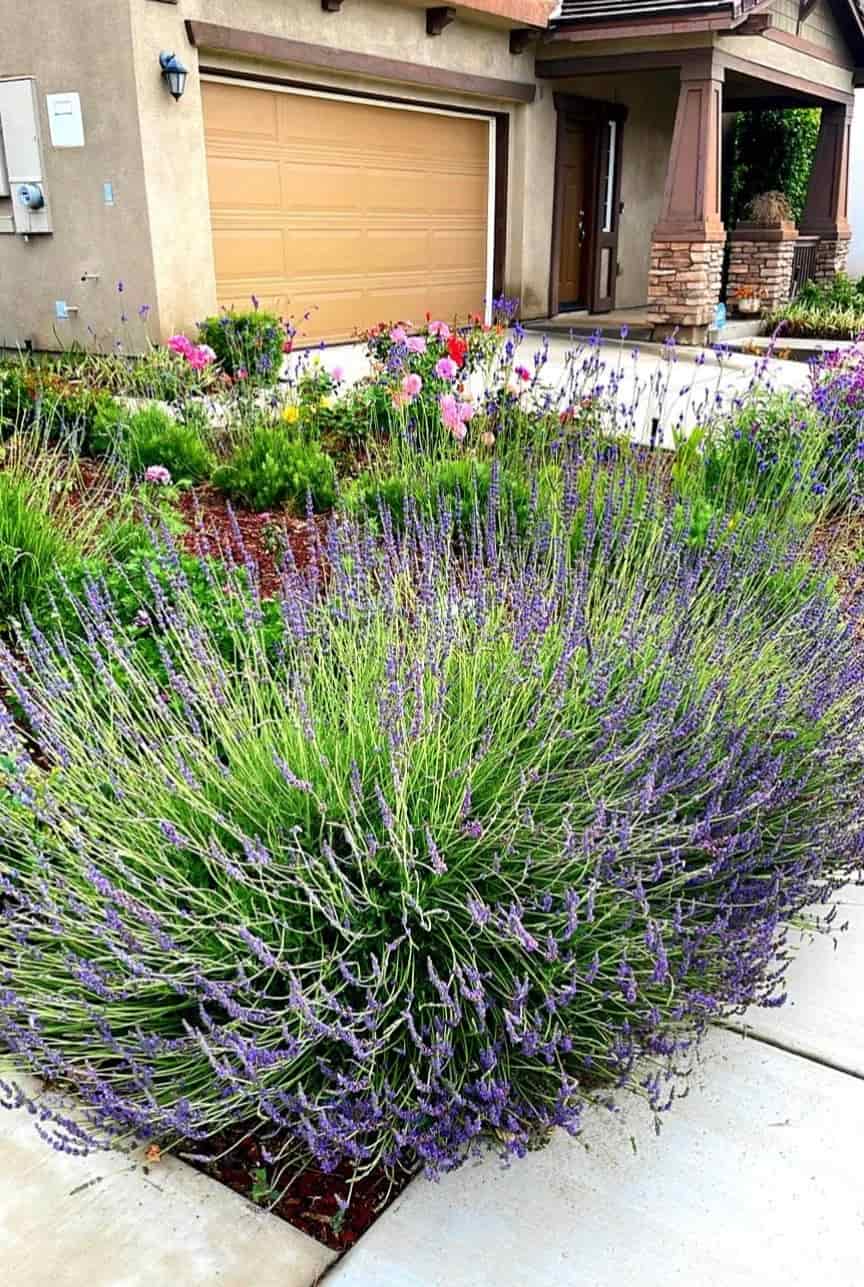
Lavender hates still, humid air almost as much as it hates wet feet. Stagnant air invites powdery mildew, a fungal foe.
Plant Placement: This is why that 2-3 foot spacing is so crucial. Don’t let other plants crowd it. Give it room to breathe.
Pruning for Airflow: When you’re doing your regular pruning, thin out some of the denser inner branches.
Open up the plant’s center to allow a breeze to flow through. Think of it as giving your lavender a good, airy haircut.
Environmental Tweaks: Avoid planting it right against a solid fence or wall where air doesn’t circulate.
That raised mound we talked about also helps by keeping the root zone drier, complementing the good airflow above.
11. Companion Plant with Alliums

This is a beautiful, functional friendship. Plant onions, garlic, or ornamental alliums near your lavender.
Natural Pest Deterrents: Their strong, pungent scent helps confuse and repel pests like aphids and mites.
It’s like installing a natural, aromatic security system.
Aesthetic Combo: The spherical shapes of allium flowers provide stunning visual contrast to the spiky lavender blooms.
Plus, you get a bonus harvest for your kitchen!
12. Use Organic Fertilizer Sparingly

Repeat after me: Lavender is not a hungry plant. It’s a light feeder. Over-fertilizing is like force-feeding cake to a supermodel—it leads to all the wrong growth.
Feeding Needs: At most, one light feeding per year for established plants.
Recommended Application: If you must, use a low-nitrogen, balanced organic fertilizer (look for something like a 3-4-4 ratio) in early spring as new growth begins.
Excess nitrogen will give you lots of weak, floppy green leaves and pitifully few flowers.
When in doubt, skip the feed. Your lavender probably doesn’t want it.
13. Water at the Base, Not the Leaves

This is a surgical operation, not a casual shower.
Watering Method: Direct your water or soaker hose to the soil at the plant’s base. Avoid wetting the foliage.
This practice encourages roots to grow deep and strong in search of water and dramatically reduces the risk of fungal leaf spots.
Watering Schedule: Water deeply, then let the soil dry out almost completely before watering again.
In pots, check daily in summer heat. The goal is to mimic the occasional deep drink of a Mediterranean thunderstorm, not a daily drizzle.
Additional Tip: That light mulch (like the white gravel) helps here too, keeping the soil at the base just moist enough while the leaves stay high, dry, and happy.
Conclusion
Whether in a container you can shuffle around or a prime spot in your garden bed, lavender can absolutely thrive with the right kind of tough love.
It’s not about doing more; it’s about doing the right things and then backing off.
Experiment with these methods, find what works in your unique garden, and then sit back and enjoy the multi-purpose benefits—the fragrance, the pollinators buzzing happily, and the sheer satisfaction of not having killed it.
Now go forth. Be the aloof, sun-giving deity your lavender always wanted. You’ve got this.