You don’t run a marathon on day one of your fitness journey; you walk around the block and feel awesome for doing it. Gardening is the same.
The joy, the momentum, the sheer proof that you are not a plant-murderer comes from that first, quick harvest.
That’s when I learned the golden rule of beginner gardening: Fast Wins Matter.
So, I scrapped the five-year plans and embraced the philosophy of the quick fix. This guide is my revenge on slow-poke plants.
We’re talking about crops you can sow, grow, and show off in your salad bowl in under 30 days.
#1: Microgreens (8–21 Days)

What Are Microgreens?
Imagine taking a broccoli seed, a radish seed, a beet seed, and instead of letting it grow into a full-blown, space-hogging vegetable, you harvest it just days after it sprouts.
That’s a microgreen. They’re not sprouts (grown in water); they’re baby plants, grown densely in a shallow tray of soil, and cut just above the soil line when they’re barely a few inches tall.
My setup is gloriously low-tech: a 10×20 plastic tray, a bag of potting mix, and a pack of seeds I sprinkle with the reckless abandon of someone salting french fries.
Why They Are the Beginner’s Best Friend
- Speed: They are the Usain Bolt of the edible plant world. You’ll see soil move in days.
- Nutrition: Pound for pound, they often pack more vitamins and nutrients than their mature counterparts. It’s like the nutritional equivalent of a toddler on a sugar rush.
- Fool-Proof Repeats: You can sow a new tray every week (succession planting, for the fancy), ensuring a constant supply. It’s the gardening version of a subscription box.
- Kitchen Chameleon: They make you look like a gourmet chef. Toss them on soup, sandwiches, eggs, or pizza. Instant “I grew this” credibility.
The Harvest: Don’t Blink or You’ll Miss It
The key is knowing when to wield the scissors. Most are ready just after their first true leaves appear (these are the second set of leaves; the first are called cotyledons and look kinda generic).
For something like arugula microgreens, you want a forest of tiny, dark green leaves, usually around 8-12 days.
Basil, the diva of the group, might take up to 21. Just cut them right above the soil, give them a rinse, and marvel at your own efficiency.
#2: Pea Shoots (10–15 Days)

What They Are:
Remember those dried peas you maybe used in a middle school science experiment?
Those. You plant them densely, and in less than two weeks, you have a tangle of tender, curly shoots with delicate tendrils that taste like springtime and fresh peas had a baby.
The flavor is sweet, vegetal, and utterly addictive.
Why They’re Ideal:
They germinate so eagerly you can almost hear them cheering from the soil. Soak them overnight for a head start, or just plant them and let the magic happen.
In 10-15 days, you’re harvesting with scissors. They’re also crazy good for you.
It’s like growing a multivitamin with a side of fancy restaurant garnish.
#3: Sunflower Shoots (12–15 Days)
What They Are:
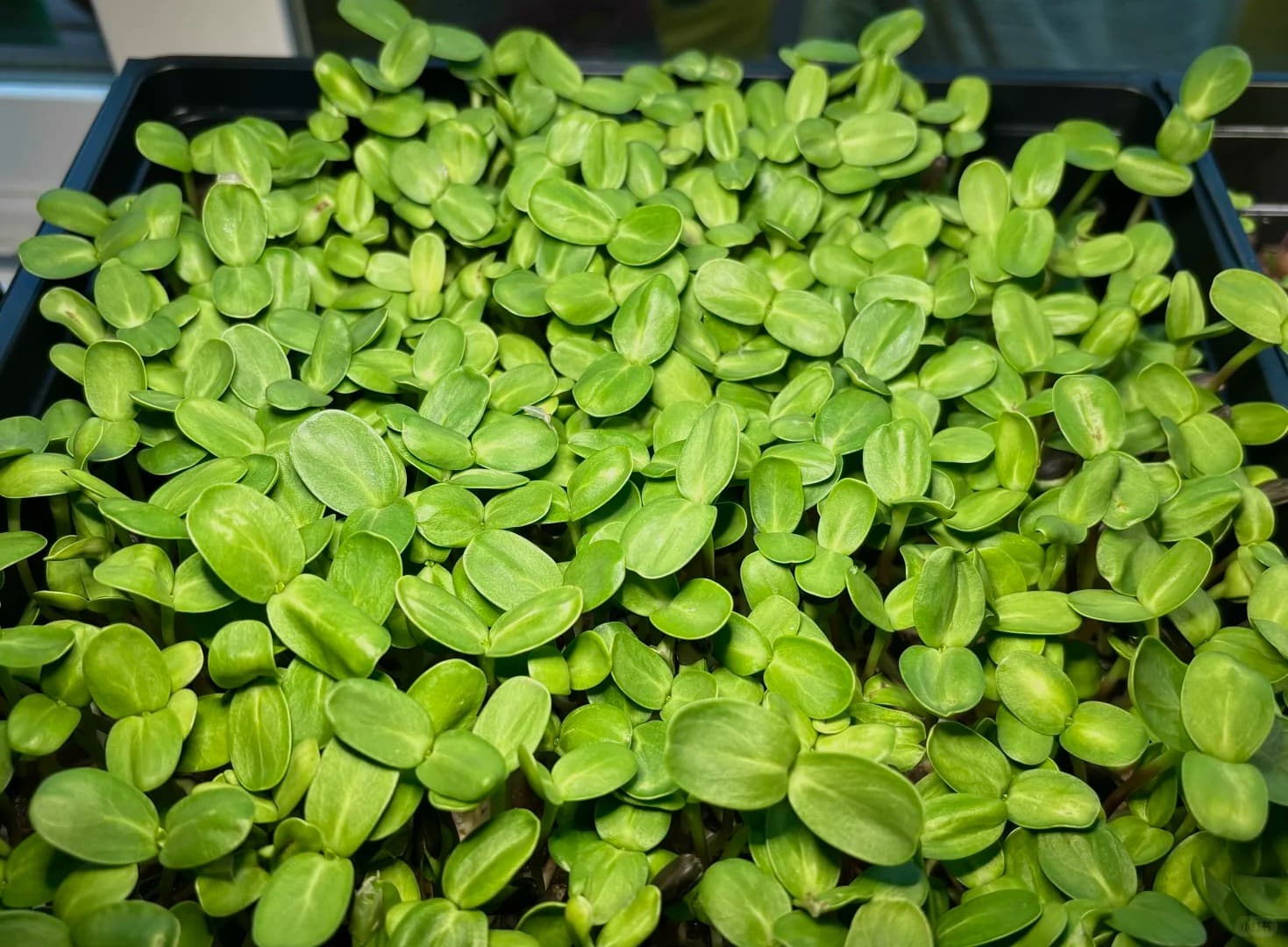
These are the beefcakes of the microgreen world. Grown from black oil sunflower seeds (bird seed, but make sure it’s untreated!), they produce thick, crunchy stems and large, nutty-flavored cotyledons.
The taste is unmistakably sunflower—but fresh and green.
Why They’re Ideal:
That unique, substantial flavor and texture make them a star. They’re fast, but they demand a little attention: soak the seeds for 12-24 hours, plant them, and keep an eye out for mold because those big seeds hold moisture.
A little airflow is their best friend. The payoff in 12-15 days is a harvest that feels substantial and tastes like success.
#4: Radish Microgreens (7–12 Days)

What They Are:
All the peppery punch of a full-grown radish, concentrated into a tiny, spicy seedling. They germinate so fast it’s almost alarming.
One day it’s dirt, the next day it’s a fuzzy carpet of white roots, and shortly after, a vibrant green canopy.
Why They’re Ideal:
They are the definition of low-commitment, high-reward gardening. Perfect for a windowsill. They add a vital spicy kick and a brilliant green contrast to any dish, proving you don’t need a yard to grow real food.
#5: Beet Microgreens (10–14 Days)

What They Are:
Don’t wait 60 days for a beetroot. In two weeks, you can have gorgeous, vibrantly colored baby beet leaves with stunning red or yellow stems and a sweet, earthy flavor hinting at their rooty destiny.
Why They’re Ideal:
They are arguably more beautiful and easier than growing the actual beet. The deep red veins against green leaves make any plate look like a masterpiece.
They’re nutrient-dense and work as a stunning salad base or a pop-of-color garnish.
#6: Turnip Microgreens (7–14 Days)

What They Are:
Mildly spicy, tender green seedlings that grow with enthusiastic speed. They’re the reliable, easy-going friend of the microgreen tray.
Why They’re Ideal:
Extremely fast germination, great for succession planting (sow a row every few days), and packed with nutrients.
They’re a no-fuss way to add volume and a gentle zing to your harvest bowl.
#7: Baby Lettuce (20–30 Days)

Understanding the Lettuce Lifecycle:
Lettuce is the poster child for “harvest when you want.” It’s a progression:
- Microgreen: 10-14 days. Cut it super young.
- Baby Lettuce: 20-30 days. Small, tender, loose leaves or a petite, soft head.
- Mature Head: 45-60+ days. The full, crunchy iceberg or romaine.
How to Game the System:
For baby heads, give them a little space (about 4 per square foot). For a continuous supply of smaller leaves, plant more densely (up to 9 per square foot) and use the “cut-and-come-again” method: once leaves are 3-4 inches tall, shear them off about an inch above the soil. They’ll regrow for another harvest or two. It’s the gift that keeps on giving.
#8: Arugula (Baby Leaves) (15–25 Days)

What It Is:
The pepperoni pizza of leafy greens—peppery, pungent, and impossible to have just one. It grows like a weed (the good kind) when happy.
Why It’s Ideal:
Plant it densely, keep it watered, and in as little as 15 days you can start snipping individual baby leaves for the most sophisticated salad mix of your life.
It’s a sandwich and pizza game-changer. It bolts (goes to seed) in heat, but by then you’ve already harvested six times and feel like a champion.
#9: Spinach (Baby Stage) (20–30 Days)

What It Is:
The classic, iron-packed green. Harvested young, the leaves are tender and perfect for eating raw. It’s more cold-tolerant than most, giving you a longer season.
Why It’s Ideal:
You can start grazing on the outer leaves in about 20 days, leaving the center to keep producing.
It’s a triple-threat: salad star, sauté side, smoothie booster. It’s the leafy green that says, “I’ve got your back.”
#10: Swiss Chard (Baby Leaves) (20–30 Days)
What It Is:
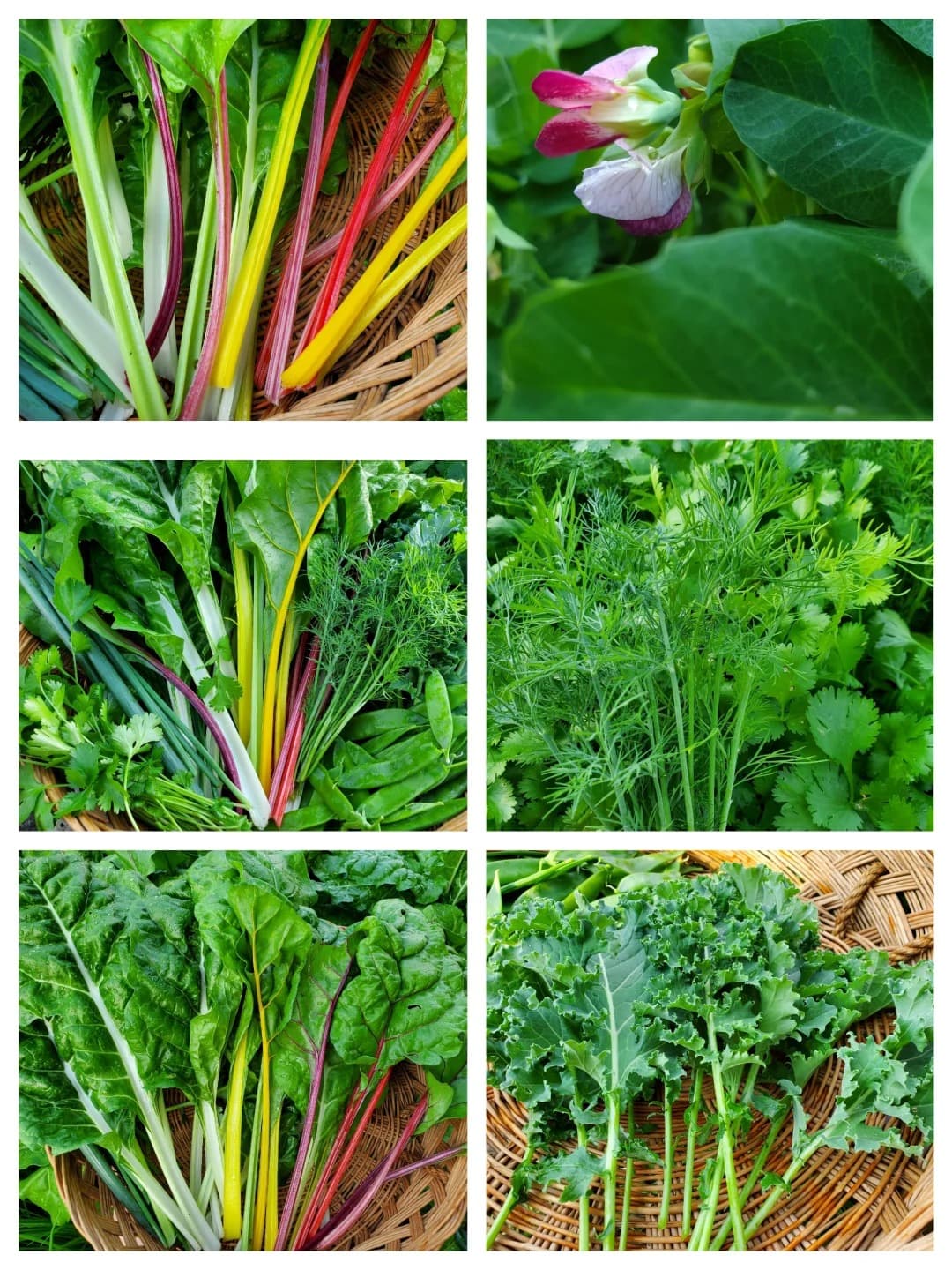
Rainbow chard looks like it grew in a crayon factory. The stems are neon red, yellow, and orange, and the leaves are tender and mild when young.
Why It’s Ideal:
At the baby stage, you can harvest the whole plant or just pick outer leaves. It’s stunning in containers, provides continuous harvests, and is practically indestructible.
It’s the plant that makes you feel artistically competent.
#11: Mustard Greens (Baby Stage) (20–30 Days)

What They Are:
For when arugula just isn’t spicy enough. From mild ‘Golden Frills’ to sinus-clearing ‘Southern Giant Curled’, they add a bold, spicy kick.
Why They’re Ideal:
Incredibly fast from seed to spice. Harvest small leaves for salads, let them get bigger for wilting into stir-fries.
They germinate and regrow with alarming speed, ensuring you’ll always have some heat on hand.
#12: Tatsoi (20–25 Days)

What It Is:
A beautiful, compact rosette of dark green, spoon-shaped leaves. It’s a mild Asian mustard green that looks architectural and tastes fantastic.
Why It’s Ideal:
It’s made for small spaces and containers. You can harvest individual outer leaves or wait 25 days and take the whole, perfect little plant.
It’s versatile, hardy, and deeply satisfying to grow.
#13: Mizuna (Baby Greens) (20–30 Days)

What It Is:
A feathery, frilly green with a mild peppery flavor. It produces delicate white edible flowers if you let it bolt, which are also delicious.
Why It’s Ideal:
It grows quickly, adds incredible texture to salads, and is a cut-and-come-again workhorse. The flowers are a chef’s kiss on top of your homegrown meals. It’s elegant, fast, and productive.
#14: Bok Choy / Pak Choy (Baby Varieties) (25–30 Days)

What It Is:
Look for “Baby” or “Dwarf” varieties. They form adorable, miniature versions of the classic full-size bok choy, with crisp stems and tender leaves.
Why It’s Ideal:
You get the satisfying crunch and mild flavor in a fraction of the time. In under 30 days, you can harvest the whole, palm-sized head for a single-serving stir-fry.
It’s the definition of a quick, real meal from the garden.
#15: Root Crop Greens (Beet, Radish, Turnip) (20–30 Days)

The Secret Bonus Crop:
This is the garden’s freebie. When you sow seeds for beets, radishes, or turnips, you’re getting a two-for-one deal: the roots and the tops. Don’t ignore the greens!
- Beet Greens: Sauté with olive oil, onion, and garlic. They taste like a sweeter, more robust spinach.
- Radish Greens: Slightly fuzzy but tasty when cooked. Perfect for pesto or wilting.
- Turnip Greens: A Southern classic, packed with flavor and nutrients.
Harvest Smart: You can thin the seedlings (pull some out to give others space) early on and eat the thinnings as microgreens.
Later, you can snip a few leaves from each plant without harming the developing root. Baby radish roots might be ready in ~30 days, while you wait for beet and turnip roots, you’ve already had several meals of gourmet greens.
Final Thoughts
Gardening doesn’t have to be a lesson in delayed gratification. By choosing these speed demons of the seed world, you build confidence, momentum, and a tangible connection to your food that’s measured in days, not months.
You learn that a plant’s entire purpose isn’t just a final fruit; it’s every delicious stage along the way. You learn to snip, not just uproot. To graze, not just clear-cut.