When designing your home, you may find yourself standing in the middle of a room, staring at a blank canvas and thinking, “Where do I even begin?”
Don’t worry; you’re in the right place. Interior design isn’t a mysterious, unattainable art form—rather, it’s about making choices that reflect your personality, lifestyle, and, let’s face it, your Pinterest boards.
But how do you figure out which design style suits your home and your unique tastes?
This blog post is your one-stop-shop to understanding the key interior design styles that are both functional and beautiful.
We’ll dive into popular design categories, break down specific substyles, and give you the tools you need to determine what speaks to you.
So grab your design hat, let’s dive in!
I. Main Design Categories: Understanding the Big Three
Before we start exploring the nitty-gritty of each style, let’s first break down the main categories that most design styles fall into: Contemporary, Transitional, and Traditional.
These are the foundational styles that will guide your design journey.
Think of them as the building blocks of your dream home.
1. Contemporary Design: Clean, Sleek, and Ever-Evolving

Contemporary design is all about the here and now. The term “contemporary” refers to what’s in style at the moment. But unlike “trendy,” which can be fleeting, contemporary styles are rooted in modern sensibilities—think clean lines, open spaces, and functionality.
Characteristics:
- Clean Lines & Open Spaces: Contemporary design emphasizes open, airy spaces, often featuring sleek, straight lines.
- Functional Spaces: Every item in a contemporary room serves a purpose, contributing to a minimalist yet functional environment.
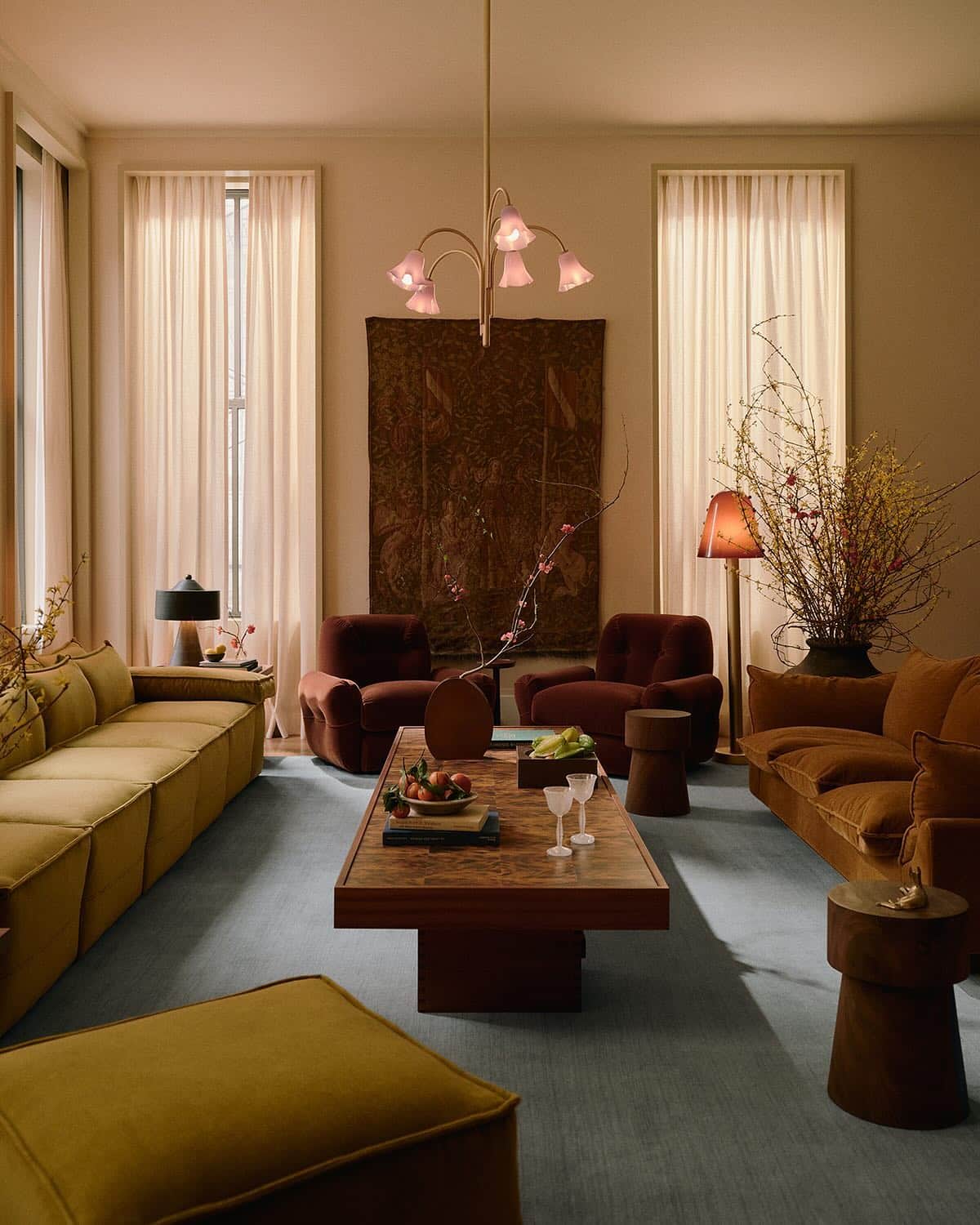
Popular Substyles:
- Minimalism: If you love the idea of “less is more,” minimalism is for you. Decluttered spaces with just the essentials, neutral palettes, and simple furniture help promote a calm, zen-like atmosphere.
- Scandinavian: Picture light, airy rooms with cozy vibes and functional furnishings. Scandinavian design focuses on natural materials like wood and stone, promoting an uncluttered, serene living experience. It’s also eco-friendly—so if you’re a fan of sustainability, this one is for you.
- Mid-Century Modern (MCM): If you love vintage vibes with a contemporary twist, this is your style. MCM brings organic shapes, rich textures, and vibrant colors, often coupled with a sleek, modern aesthetic.
2. Transitional Design: Where Tradition Meets Modern
Transitional design is like the peacekeeper of the interior design world. It blends the best of both traditional and contemporary elements to create a look that’s timeless and approachable. If you can’t decide between modern clean lines and classic charm, transitional is the perfect compromise.
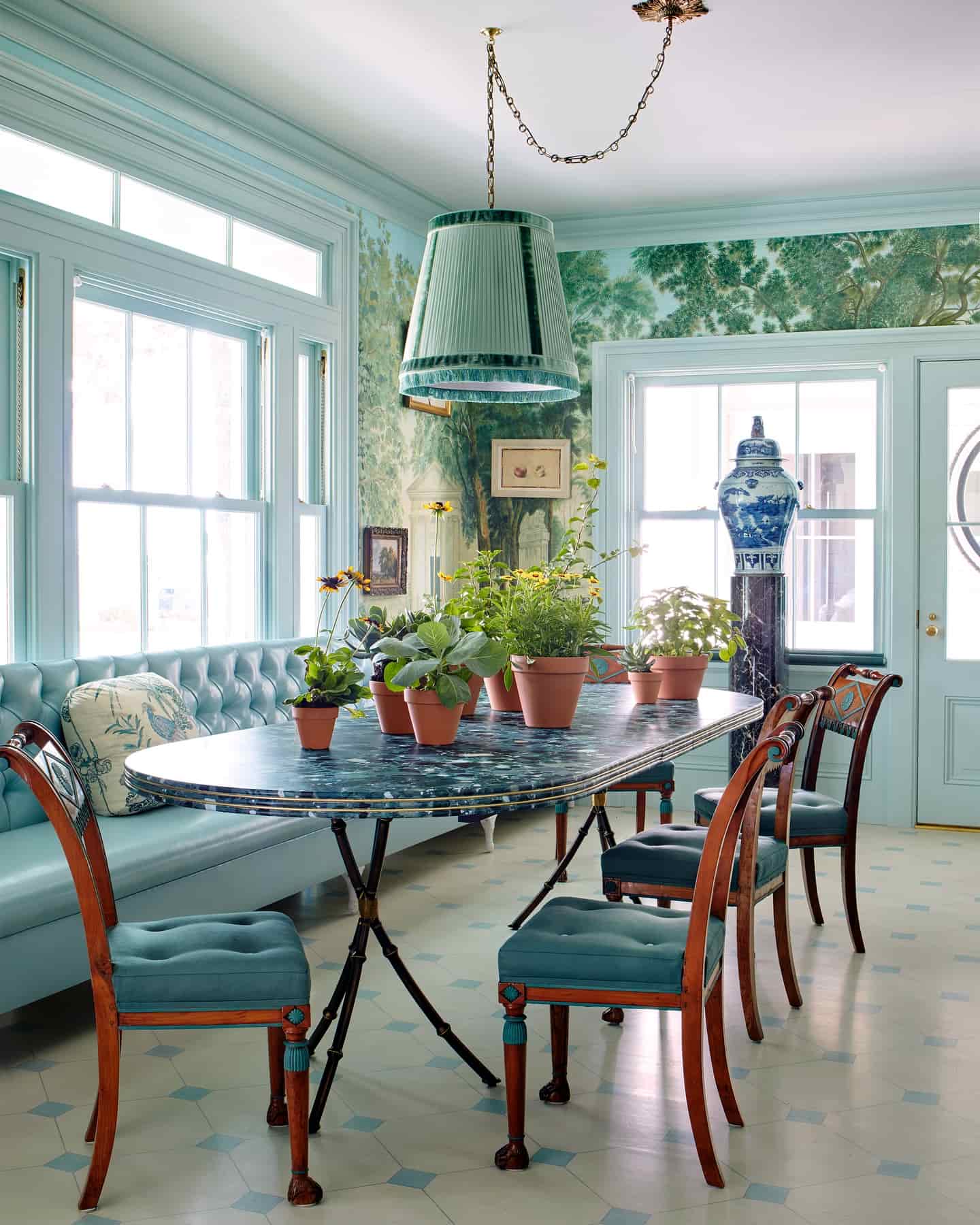
Characteristics:
- A Balance of Classic & Modern: Transitional design plays well with both traditional furniture pieces and modern touches, making it a harmonious and balanced style.
- Neutral Color Palettes: Soft neutrals are the name of the game, with the occasional bold accent to keep things interesting.
- Timeless Appeal: This style never goes out of fashion, making it a safe bet for any home.

Design Elements:
- Furniture: Look for a blend of traditional wood pieces with modern, comfortable upholstery.
- Color Scheme: Neutral tones dominate, but a bold accent here and there (think navy or mustard) adds just the right amount of personality.
- Materials: Transitional kitchens and living rooms mix natural and synthetic materials, creating both texture and depth in the space.
3. Traditional Design: Classic Elegance and Formality
Traditional design is steeped in history, often pulling inspiration from European styles, and it exudes a sense of sophistication and formality. It’s the epitome of elegance, offering timeless beauty with a rich palette of colors and luxurious materials.
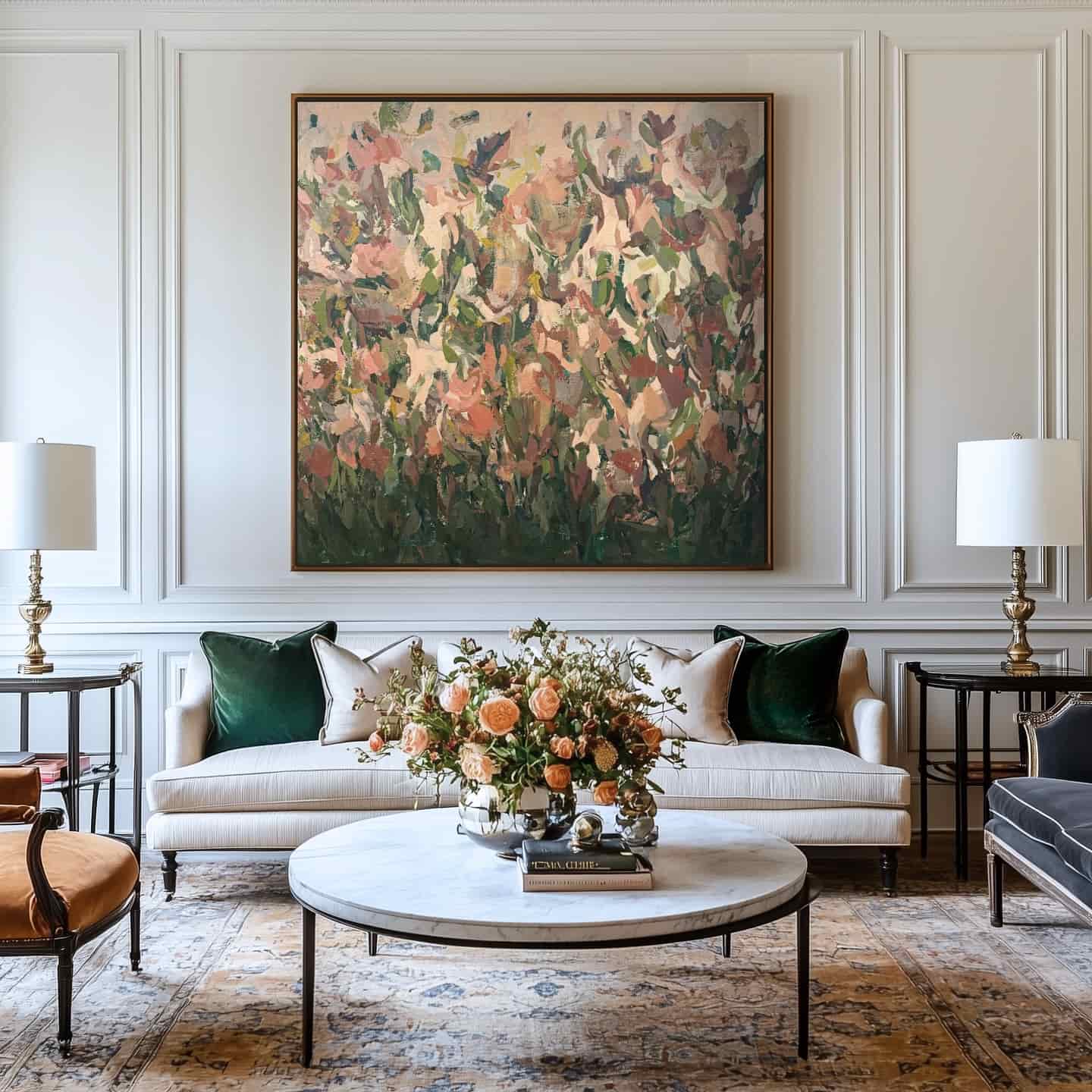
Characteristics:
- Rich Colors and Fabrics: Deep jewel tones like burgundy, forest green, and royal blue dominate traditional interiors. Fabrics like velvet, silk, and damask add texture and opulence.
- Ornate Details: Think carved furniture, heavy drapery, and intricate moldings. The beauty of traditional design is in the details, from floral patterns to gilded accents.
- Formality and Symmetry: Traditional design often adheres to a sense of symmetry and order, with matching furniture pieces and carefully coordinated decor.

Design Elements:
- Furniture: Antique or reproduction furniture, often with intricate carvings or ornate details. Think wingback chairs, four-poster beds, and elegant wooden armoires.
- Color Scheme: Rich, dark hues like navy, wine, and emerald green—colors that convey a sense of luxury and timeless appeal.
- Materials: Luxurious textiles like velvet, brocade, and silk are often used for drapery, upholstery, and pillows.
II. Exploring Specific Design Styles
Now that we’ve covered the big three, let’s dive deeper into some more specific design styles. Whether you’re going rustic, industrial, or something else entirely, you’re sure to find something that suits your taste. Time to spice things up!
4. Rustic Design: Nature’s Touch Indoors
Rustic design takes its cues from the natural world, drawing inspiration from the countryside and the great outdoors. It’s earthy, warm, and often feels lived-in. Think of it as your “chill” design style—the kind that makes you want to curl up with a blanket by the fire.

Characteristics:
- Raw Materials: Exposed wood beams, stone accents, and wrought iron furniture help to bring the outdoors in.
- Earthy Tones: Rich brown, beige, green, and orange hues create a cozy, grounded feeling.
- Handcrafted Vibes: Rustic interiors feature plenty of handmade touches, like vintage accessories, woven baskets, and handmade quilts.

Design Elements:
- Materials: Reclaimed wood, stone, wrought iron, and leather are popular choices.
- Color Scheme: Warm, earthy tones, with shades of brown, green, and deep reds.
- Decor: Handcrafted items and vintage accessories, like old farm tools and weathered furniture, help complete the rustic look.
5. Farmhouse Design: Practical Charm with a Cozy Twist
Farmhouse design merges the simplicity of rustic charm with the comfort and practicality of modern living. It’s functional, inviting, and nostalgic—think Joanna Gaines and HGTV vibes.

Characteristics:
- Simple, Sturdy Furniture: Farmhouse pieces are durable and built to last, often with a distressed finish to add character.
- Comfort Above All: Spaces are designed to be welcoming, functional, and cozy.
- Nostalgic Touches: Vintage decor, mason jars, and galvanized metals add a touch of charm to every room.
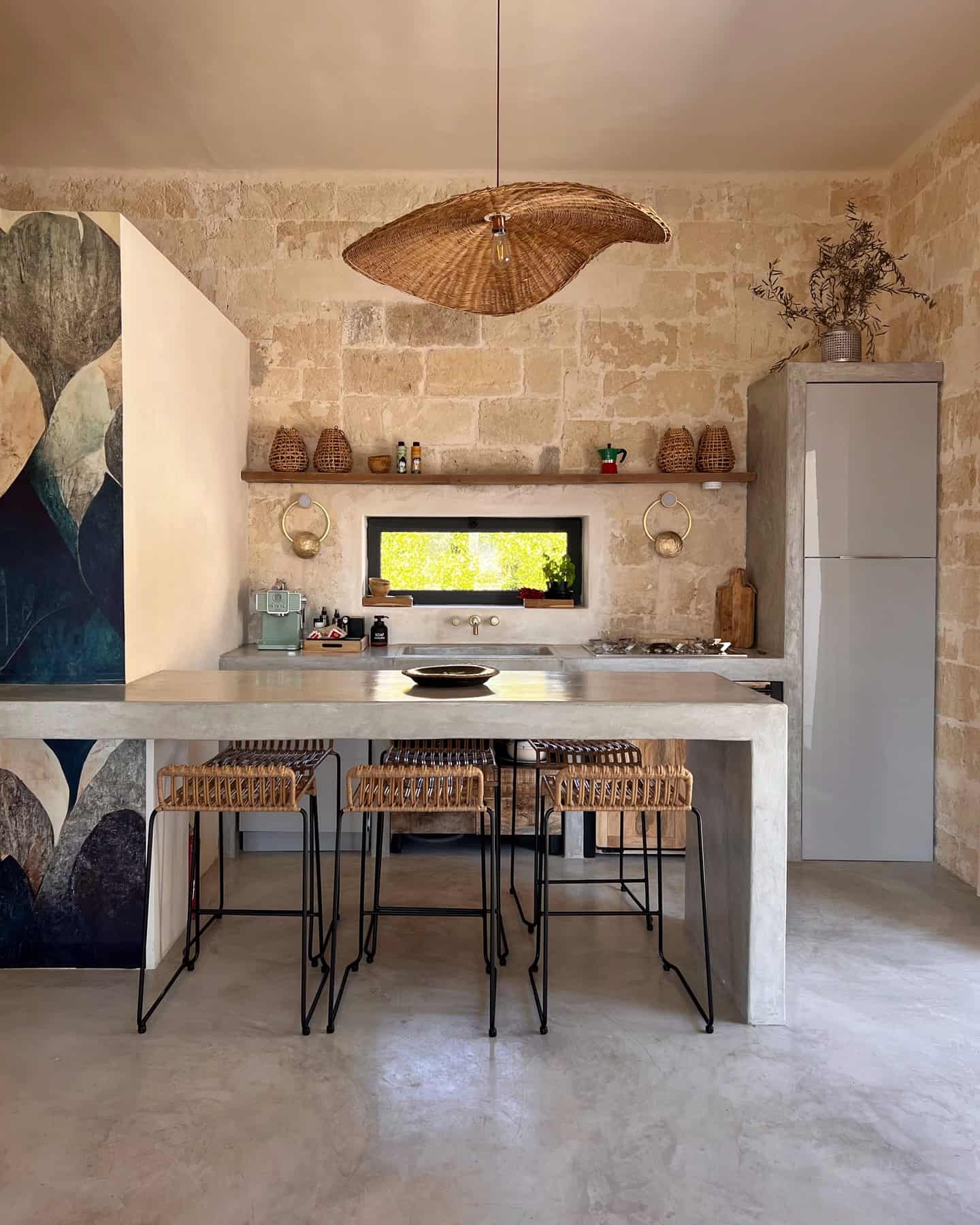
Design Elements:
- Furniture: Sturdy, simple furniture with a distressed finish, like reclaimed wood tables and vintage rocking chairs.
- Color Scheme: Soft whites, creams, and muted pastels.
- Decor: Mason jars, vintage signage, metal accents, and farmhouse-style lighting fixtures.
6. Industrial Design: Urban Edge Meets Raw Elegance
Industrial design draws inspiration from factories and warehouses, offering a raw, edgy look that’s both bold and functional. Think exposed brick, steel beams, and concrete floors—urban chic at its finest.

Characteristics:
- Exposed Materials: Raw, unfinished materials like exposed brick, steel beams, and concrete floors define industrial design.
- Open, Loft-like Spaces: High ceilings, large windows, and open layouts create an airy, spacious feel.
- Edgy, Utilitarian Aesthetic: Industrial spaces are often minimalist, with a focus on practicality over decoration.
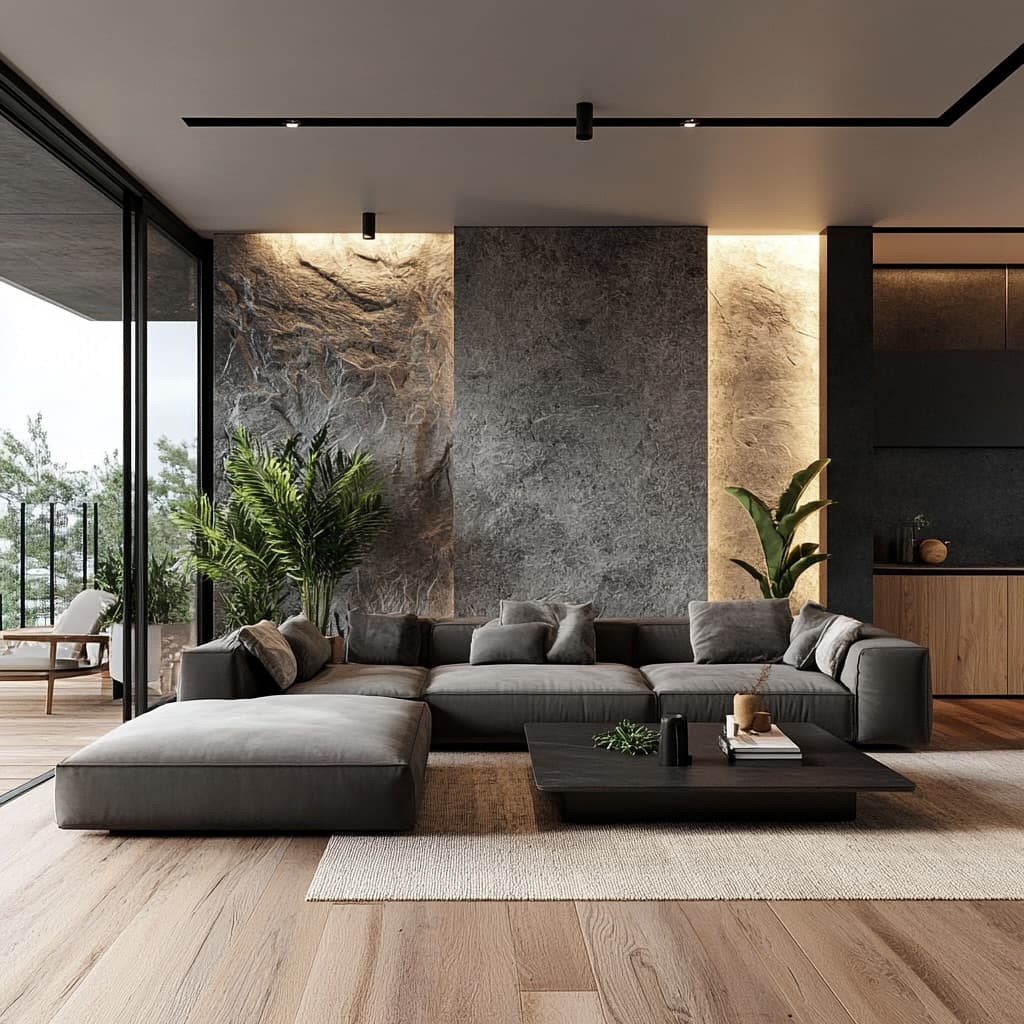
Design Elements:
- Materials: Exposed brick, steel, concrete, and glass.
- Color Scheme: Neutral tones, with pops of bold colors or metallic finishes.
- Decor: Vintage lighting, industrial furniture, and abstract art pieces.
7. Coastal/Beach Design: A Relaxing Vibe
If you’re lucky enough to live by the beach—or just dream of it—coastal design can bring the relaxing vibes of the ocean right into your home. It’s all about creating light, airy spaces that remind you of the sea breeze.

Characteristics:
- Natural Materials: Wicker, linen, and light woods evoke the feeling of beachside living.
- Relaxed Atmosphere: Coastal design is laid-back and breezy, perfect for unwinding.
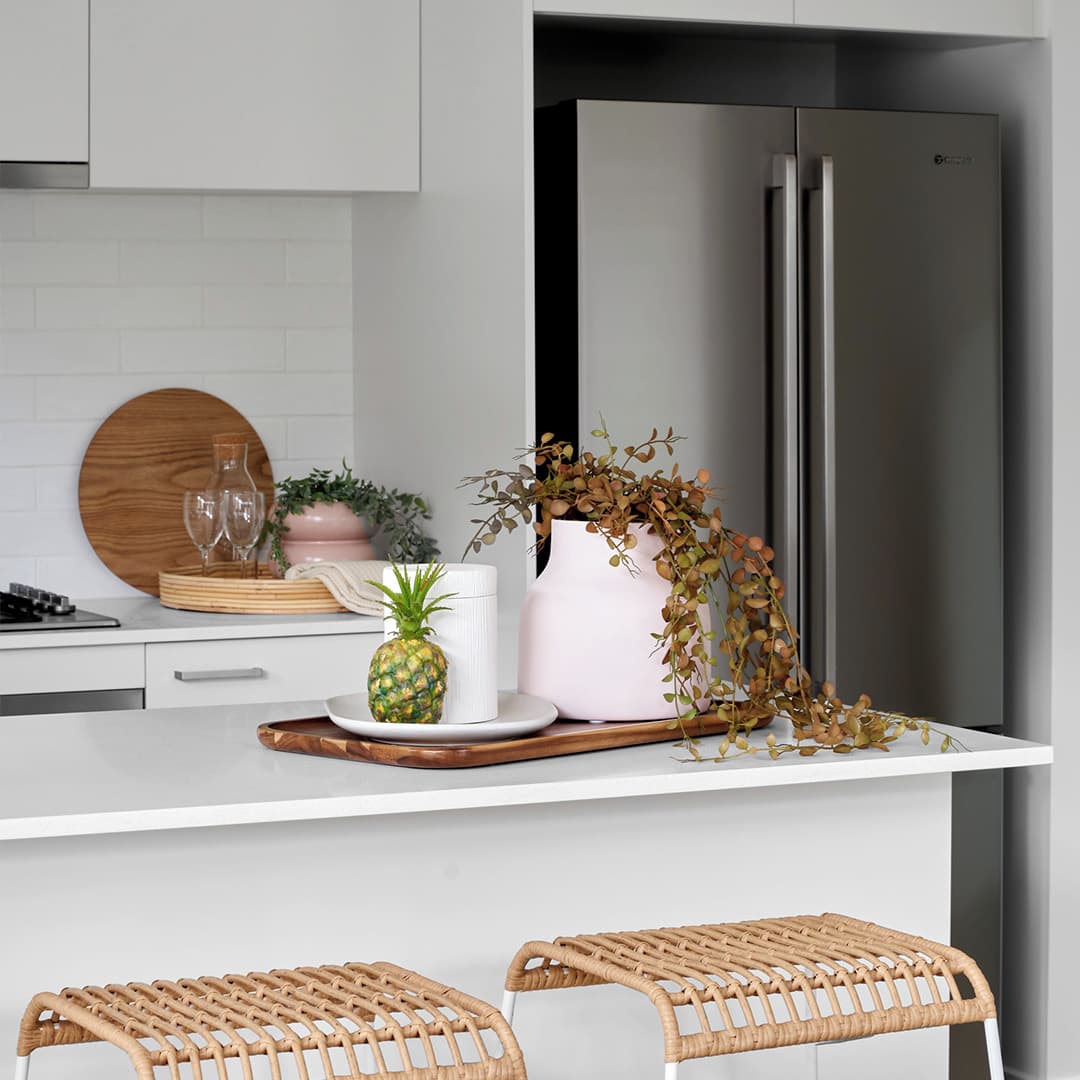
Design Elements:
- Materials: Light woods, wicker, and linen fabrics bring the coastal vibe indoors.
- Color Scheme: Whites, blues, and sandy neutrals mimic the colors of the beach.
- Decor: Seashells, driftwood, and nautical elements are common accents.
8. Eclectic Design: Mix, Match, and Make It Yours
Eclectic design is the ultimate free-for-all. If you love mixing vintage with modern, or quirky finds with classic pieces, this style is for you. It’s all about creating a space that feels curated and unique to you.

Characteristics:
- Mix of Styles: Eclectic spaces blend different periods and styles, resulting in a personalized, collected-over-time look.
- Unexpected Pairings: Bold color contrasts and unusual combinations keep the space interesting.

Design Elements:
- Furniture: A blend of vintage, modern, and antique pieces.
- Color Scheme: Bold contrasts, unexpected pairings, and a wide range of hues.
- Decor: Layered textiles, eclectic art, and accessories from different cultures make for a curated space.
9. Bohemian Design: Let Your Creativity Flow
Bohemian style is for the free spirit. With vibrant colors, rich textures, and a carefree attitude, this style embraces artistic expression and individuality. It’s the perfect way to infuse your space with personality.

Characteristics:
- Vibrant Colors: Rich hues like deep reds, purples, and oranges dominate.
- Layered Patterns: The more, the merrier! Bohemian spaces are all about mixing patterns, textures, and colors.

Design Elements:
- Materials: Natural fibers, ethnic textiles, and handcrafted items.
- Color Scheme: Bold, saturated colors and eclectic mixes.
- Decor: Hanging plants, eclectic art pieces, and mismatched furniture create a relaxed, free-spirited atmosphere.
III. Determining Your Personal Design Style
Here are some tips to help you discover your own interior design style:
- Self-Assessment: Start by asking yourself what kind of vibe you want in your home. Do you want a cozy, relaxed feel? Or something sleek and modern? Make a list of the things you love—whether it’s nature-inspired materials or bold patterns—and see which design styles align with those preferences.
- Create a Lookbook: Gather images from magazines, Pinterest, or social media that speak to you. Creating a visual reference can help you pinpoint your style.
- Consult Professionals: If you’re still unsure, an interior designer can help you refine your style and translate it into a cohesive look for your home.
Conclusion: Your Dream Style Awaits
So how do you figure out which style is best for you?
It starts with self-reflection. Ask yourself: What kind of vibe do I want my space to have? Cozy? Bold? Relaxed?
Once you’ve identified your preferences, gather inspiration.
Create a lookbook of styles that speak to you, whether it’s from magazines, Pinterest, or Instagram.
Let me know in the comments, or reach out if you need more design inspiration.
Ready to take the plunge and revamp your space?
Your dream home awaits!