Since my teenage years, I’ve been studying and implementing Feng Shui to enhance the flow of energy in my surroundings.
Over time, it’s become more than just a practice—it’s a way of life.
And now, I’m here to help you create balance and positive energy in your own home, one element at a time.
In today’s post, we’re diving into the power of mirrors. Mirrors might seem like a simple home accessory, but when used correctly in Feng Shui, they can work wonders for your space.
If you’ve ever wondered how to harness the energy of mirrors to bring light, abundance, and harmony into your life, this one’s for you.
Let’s get started!
What Are Mirrors in Feng Shui?

In the world of Feng Shui, mirrors are much more than just reflective surfaces. They have a very special purpose: they amplify and double the energy around them.
Yes, you read that correctly. Mirrors can take the energy in a room and—much like a magnifying glass under the sun—amplify it, creating a heightened feeling of either positivity or imbalance depending on their placement.
Mirrors also reflect light, which is a key factor in Feng Shui.
Light is essential for creating a vibrant, energetic environment, and mirrors help to harness that light, making spaces feel larger, brighter, and more expansive.
That’s why mirrors are often used to amplify the good energy in a room, especially when it’s needed most.
However, like all things in Feng Shui, mirrors are not a free-for-all.
When used incorrectly, mirrors can have the opposite effect, doubling the negative energy in your space.
So, let’s break down how to use them effectively to enhance your home’s energy flow.
Where to Place Mirrors for Good Feng Shui?
1. Mirrors in the Bedroom

Ah, the bedroom—the place where we spend a third of our lives (or, if you’re like me, maybe a little more than that). It’s crucial to make sure this space is filled with tranquility and restful energy. So, let’s start with a big no-no: mirrors opposite the bed.
Why, you ask? Well, mirrors across from the bed can be disruptive to your sleep, health, and relationships. Feng Shui teaches that mirrors facing the bed can cause restlessness and anxiety, especially while you sleep. They can also create an energetic imbalance by reflecting you while you’re lying in bed, which can feel unsettling, like someone is watching you.
But don’t worry—there’s a way to make mirrors work for you in the bedroom. Consider flanking mirrors above your nightstands. This creates a balanced and harmonious look without reflecting your bed, which is a huge Feng Shui win.
Also, mirrors reflecting nature or beautiful landscapes in your bedroom are a wonderful way to amplify positive energy. Think: mirrors that reflect a lush garden, a serene lake, or calming mountains.
These mirror placements can promote peace, restful sleep, and a harmonious atmosphere.
2. Mirrors in the Living Room

There is one major rule applies: avoid placing mirrors behind the sofa.
This is a classic Feng Shui mistake! Why? Because your sofa is where you rest and gather with family and friends, and a mirror behind it can be energetically unsettling.
It’s as though the mirror is reflecting back the energy of the people sitting there, creating a sense of distance and discomfort.
Instead, place mirrors strategically where they can reflect light or interesting focal points in the room, such as artwork, plants, or windows with a view.
This way, you’re creating an inviting and energetic atmosphere without sacrificing comfort.
3. Mirrors in the Dining Room

The dining room is all about abundance—sharing meals with loved ones, celebrating life’s blessings, and creating positive energy around food.
If you want to amplify prosperity and wealth, mirrors are a great tool.
A well-placed mirror can reflect the dining table and the food on it, doubling the abundance and prosperity in your life.
Mirrors in the dining room should reflect the family and food, symbolizing an increase in positive energy.
But be cautious: avoid reflecting the ceiling fan (which can create distracting, negative energy) or anything that brings unwanted stress into the space.
4. Mirrors in the Bathroom

Bathrooms are all about cleansing and renewal, but they can also be tricky when it comes to Feng Shui.
Mirrors above the sink are practical, of course, but you’ll want to avoid reflecting negative elements in the bathroom, such as the toilet or trash can.
This is a major Feng Shui no-no because it amplifies unclean energy, which is the opposite of the renewal and freshness you’re aiming for.
However, mirrors that reflect beauty or positive energy—like a beautiful vanity or decorative plants—can help balance the energy and promote a feeling of calm.
Keep your bathroom mirror clear of any visual clutter to maintain harmony.
5. Mirrors in the Entryway
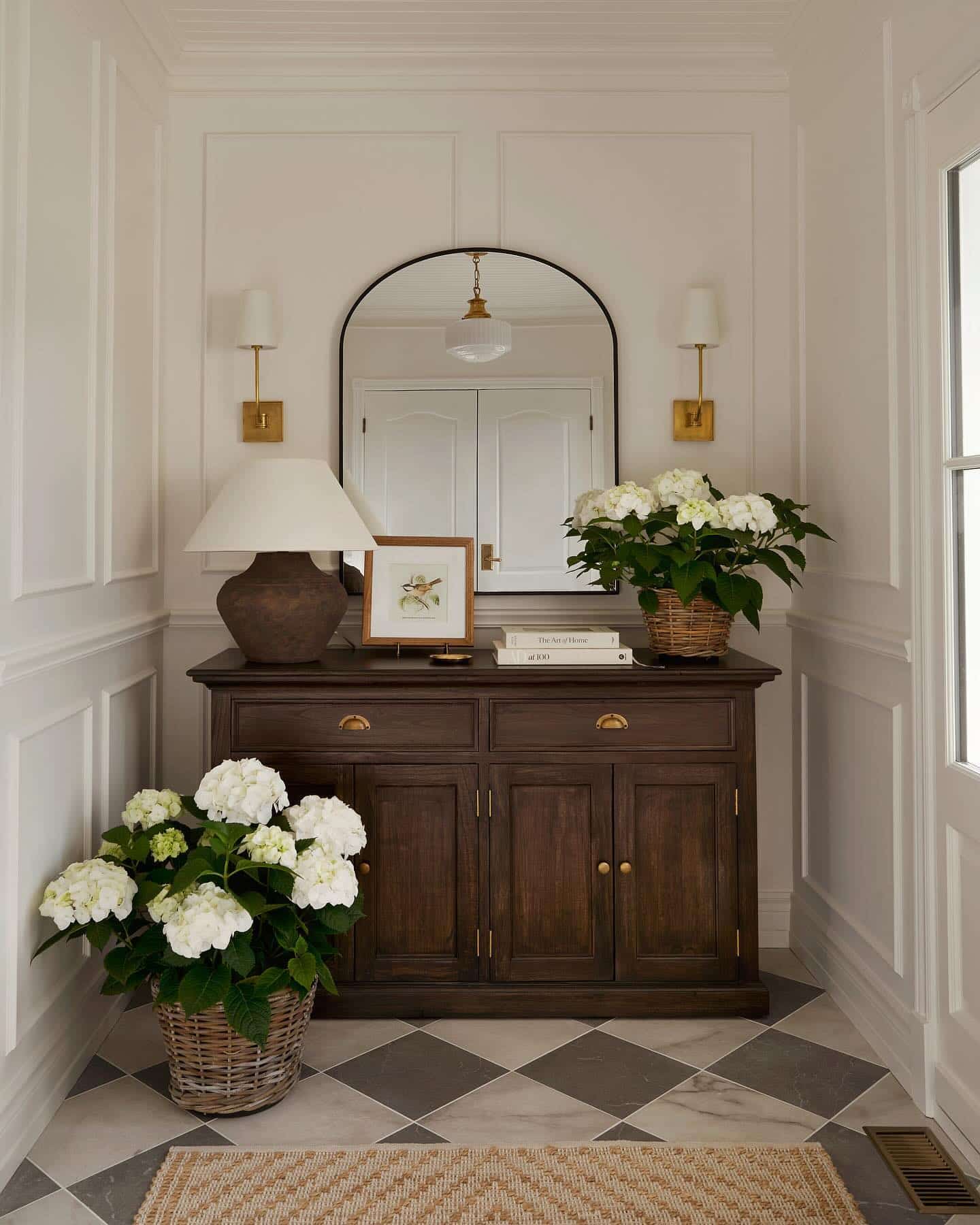
The entryway is one of the most important areas in Feng Shui, as it’s where energy enters your home.
However, mirrors facing the front door are considered problematic.
Why? Because mirrors placed directly opposite the front door reflect energy back out of the home, which means that the positive, welcoming energy that enters through the door gets bounced right back outside.
Instead, place mirrors that reflect a beautiful aspect of your home—like a courtyard or garden—so the positive energy is invited in and stays in.
I personally have a mirror reflecting my small courtyard, which brings good energy and positive vibes into my home as soon as I walk in the door.
6. Mirrors in the Office
https://www.instagram.com/p/C5m91Opow/
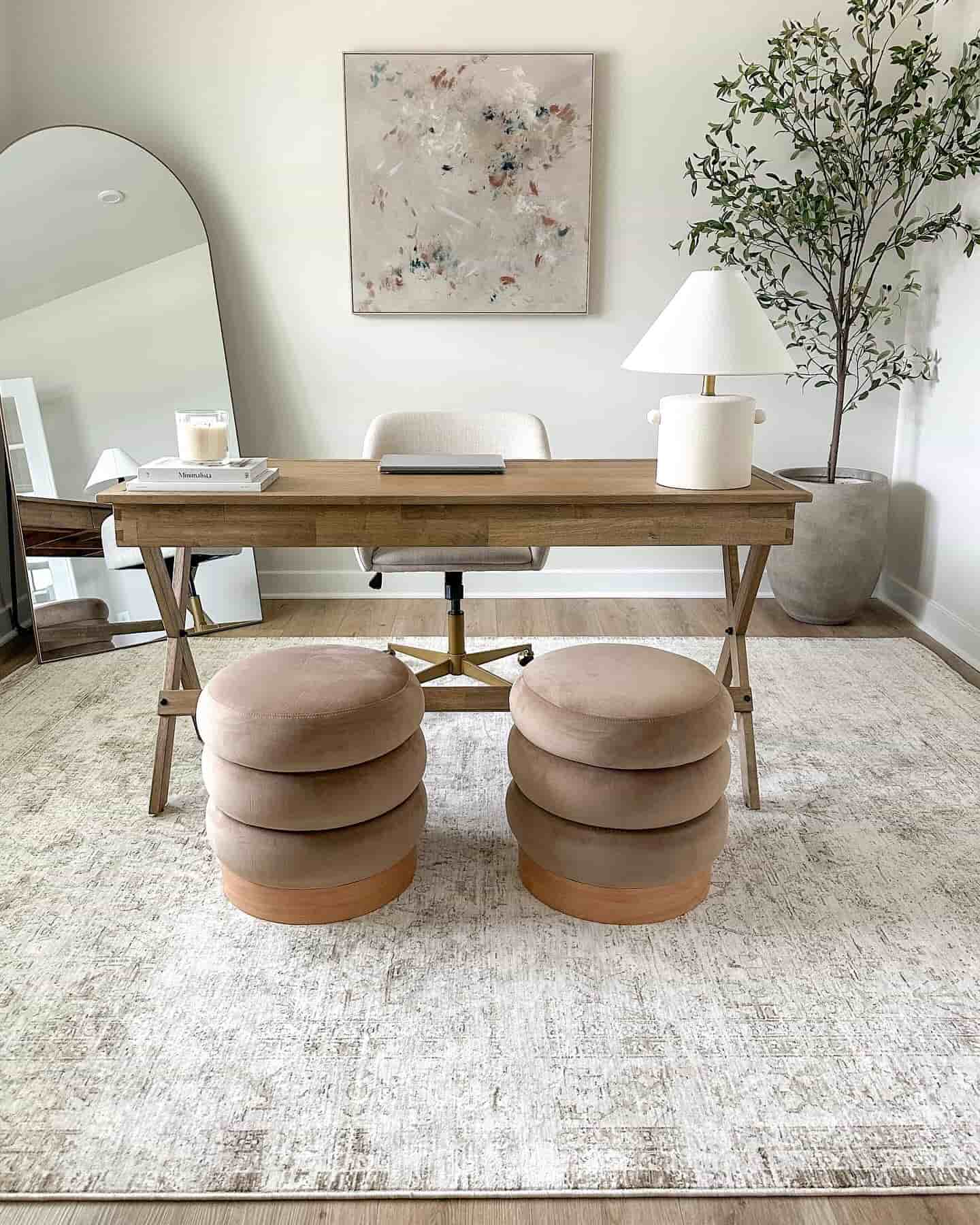
Now, let’s talk about mirrors in the office. For most people, mirrors in the office are a Feng Shui no-no.
Why? Because they can cause distractions and over-amplify energy. Mirrors reflecting activity or movement can interrupt focus and create a sense of chaos.
If you have a mirror in your office, make sure it doesn’t reflect your desk or workspace, as this can lead to scattered energy.
Instead, place the mirror where it doesn’t interfere with your work but still offers some light reflection and a sense of spaciousness.
7. Mirrors in the Kitchen

Kitchens are all about nourishment and balance, so mirrors facing the stove should be avoided.
In Feng Shui, the stove represents the fire element, and placing a mirror here can create an imbalance between the water and fire elements, leading to negative energy.
However, mirrors can still be used in the kitchen to balance the fire and water elements.
One option is using mirrors near the sink area to reflect the water and balance out the strong fire energy from the stove.
Just be sure to place them carefully so they don’t disrupt the flow of energy.
Simple Feng Shui Mirror Rules to Follow
If you want to use mirrors effectively in your home, here are a few simple Feng Shui rules to keep in mind:
Rule 1: Avoid Two Mirrors Facing Each Other

When two mirrors face each other, they create a “bouncing” energy that causes discomfort and restlessness. This is because energy bounces between the mirrors without direction, making it hard for you to settle into the space. So, avoid placing mirrors facing each other, especially in bedrooms or living areas where you want peace.
Rule 2: No Mirrors at the End of Long Hallways
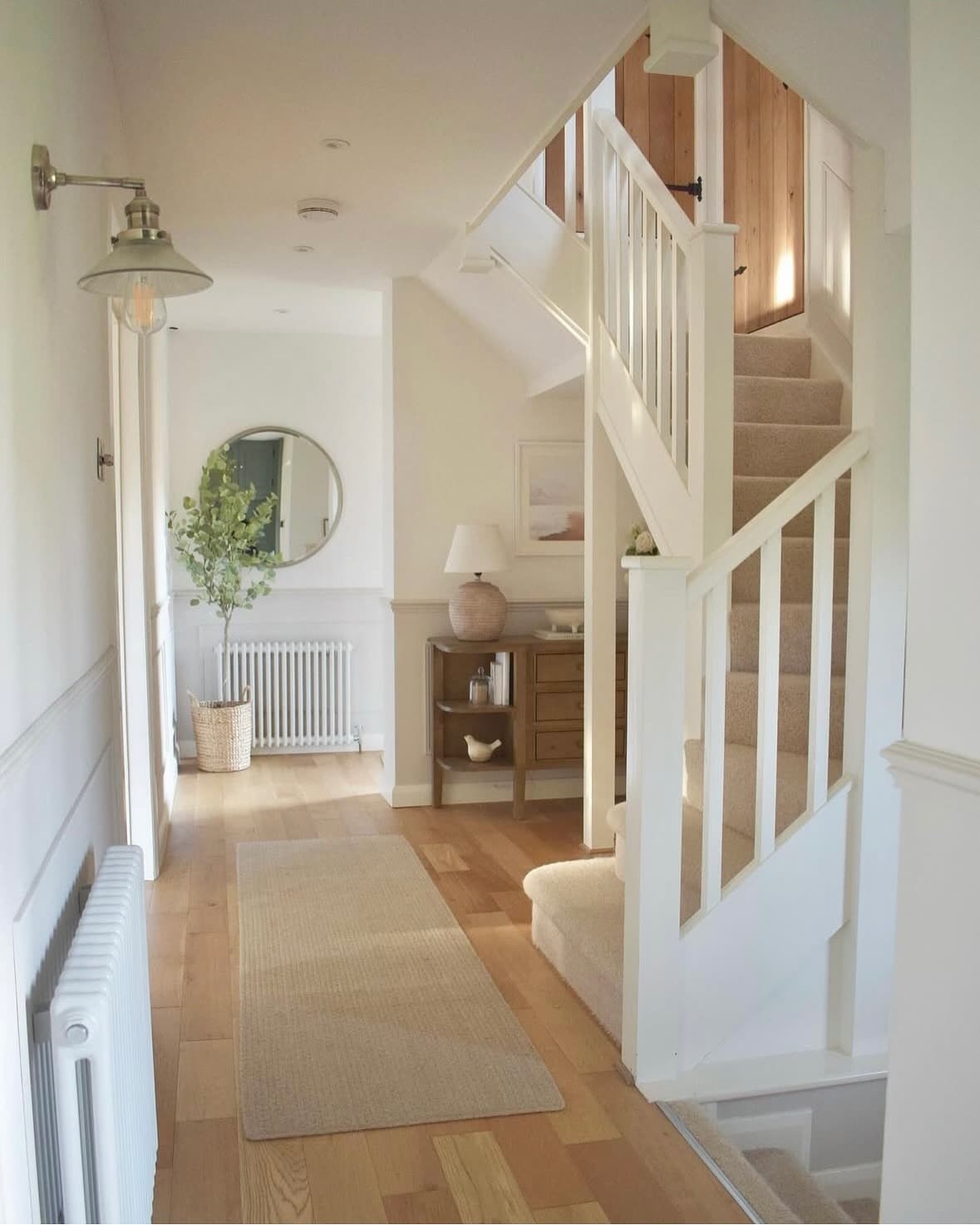
Mirrors at the end of long hallways can lead to negative energy. They act as a reflective barrier, pushing energy away rather than allowing it to flow naturally through the home. So, if you have a long hallway, try to avoid placing a mirror at the end. Instead, opt for a piece of artwork or a beautiful plant that helps to guide energy along the space.
Rule 3: Avoid Mirrors Reflecting Glass Doors or Windows with Mullions

Mirrors reflecting glass doors or windows with mullions (the grid-like bars) can create distorted energy. The fragmented reflections are said to amplify negative energy, making it difficult to create balance and harmony in the space. Instead, try to place mirrors where they reflect beautiful views or tranquil spaces.
Feng Shui Mirror Pop Quiz
Let’s see how well you’ve been paying attention! Can you answer these Feng Shui mirror questions?

- Can you place a mirror directly across from your front door?Nope! This will bounce energy out of your home.
- Can you place a mirror facing your bed?Definitely not! This disrupts sleep and health.
- Can you place a mirror behind a sofa?Not ideal! It creates imbalance and discomfort.
- Can you place a mirror across from your dining table?Yes! Reflecting food and family can amplify prosperity.
- Can you place a mirror at the end of the hallway?Not recommended! This can create negative energy.
Reflecting What You Want More of

The key to using mirrors effectively in Feng Shui is to remember that they amplify whatever they reflect. If you want more positivity, wealth, and abundance in your life, reflect those things in your mirrors. Avoid reflecting anything negative, such as clutter, trash, or anything that brings you stress.
Mirrors should reflect beauty, calmness, and energy that aligns with your personal goals. Whether you’re amplifying love in your relationship, health in your bedroom, or abundance in your living room, mirrors are your secret weapon in creating a space that radiates positive energy.
Conclusion
Mirrors in Feng Shui aren’t just a quick fix for making your space feel larger or brighter—they are a powerful tool for cultivating health, wealth, and overall well-being.
By consciously using mirrors in the right places, you can harmonize the energy in your home and invite more positivity into your life.
So go ahead—reflect the energy you want to see more of.
Remember, Feng Shui is a personal journey. Play around with different placements, trust your intuition, and see how your home’s energy transforms.
I’d love to hear about your experiences—what mirror placements have worked for you? What’s the one place in your home you’re excited to transform with the power of mirrors? Let me know in the comments!