Before you grab the nearest spray bottle or mysterious cleaning potion, it’s important to know what kind of fabric couch you have and how it likes to be treated. Some fabrics need gentle care, while others can handle a bit more scrubbing. Knowing the rules will save you from accidental couch disasters and angry furniture.
Types of Fabric Sofas

Fabric sofas come in so many types, you’d think they were in a dating app. Common choices include cotton, linen, polyester, microfiber, velvet, and blends. Each fabric has its own little quirks.
Cotton and linen are breathable but stain easily. Polyester is tough but can attract oil stains. Microfiber is a favorite because it handles spills and human messes like a champ. Velvet is fancy, but it clings to dust and pet hair as if auditioning for a new job.
For a quick fabric check, peek under your seat cushions for a tag. It usually hides somewhere weird, like it’s on the run from the law.
Decoding Cleaning Codes
If you’ve ever seen the secret letters on your couch tags (W, S, WS, X), that’s your couch begging for some respect. These codes tell you what products are safe to use and which ones will make your couch freak out.
Cleaning Codes Table:
| Code | What To Use | What To Avoid |
|---|---|---|
| W | Water-based cleaners | Solvents, bleach |
| S | Solvent-based cleaners | Water-based anything |
| WS | Water OR solvent cleaners | Bleach, harsh scrubbing |
| X | Vacuum or brush only | Liquids of any kind |
Don’t ignore the codes. Cleaning with the wrong stuff is like feeding your dog chocolate; you’re just asking for disaster. If your code is “X,” close the cleaning supply drawer and step away.
Pre-Cleaning Preparation
You want the right tools and a plan before taking on any mysterious couch stains or funky odors.
Gathering Essential Cleaning Supplies

Picture yourself as a cleaning superhero—every hero needs their gear. Start by assembling your arsenal. You’ll need a good vacuum, preferably with an upholstery attachment. Don’t forget crevice tools for those deep, popcorn-filled gaps.
A quality cleaning solution is a must. Check your sofa’s tag for cleaning codes. Some couches need water-based cleaners, while others demand solvent-based or dry cleaning agents. If you’re aiming for natural, mix water, a few drops of mild dish soap, and white vinegar for a DIY fabric-safe cleaner.
Other handy weapons: white cloths or sponges (so you don’t dye your couch a new color), a soft brush, and a spray bottle. Bonus points for baking soda. It’s like magic dust for soaking up odors and loosening dirt.
Create a table of your essentials if you’re feeling extra organized. Nothing strikes fear into the heart of a stubborn stain like a prepared cleaner.
| Item | Why You Need It |
|---|---|
| Vacuum | Removes dust/crumbs |
| Cleaning solution | Breaks down stains |
| White cloths | Dab, blot, don’t add color |
| Baking soda | Odor and dirt fighter |
| Soft brush | Gentle scrubber |
Test Before You Stress: Spot Testing

Don’t go nuclear on your couch with a new cleaning agent—spot test first. Find a hidden corner or patch. Apply a bit of your chosen cleaner and wait at least 15 minutes.
You’re looking to avoid any drama, like colors bleeding, fabric shrinking, or a surprise couch makeover. Pat the area dry with a white cloth and see if your sofa handled it like a champion (or if color transferred onto your cloth).
If you see changes you don’t like, stop there.
Vacuuming Like a Pro
If you want your fabric couch to look (and smell) its best, vacuuming is step one. Dust, crumbs, and pet fur don’t stand a chance once you learn what tools to use and where to look for sneaky debris hiding in couch corners.
Why Vacuuming Matters

Admit it—you sit on your couch more than you’d like to admit, and so does everyone else. This means your couch collects everything: dust, pet hair, mystery crumbs, and probably at least three missing LEGO bricks.
Regular vacuuming helps keep your sofa cleaner and healthier. It removes allergens, dust mites, and prevents all those tiny bits from grinding into the fabric every time you flop down with a snack. You don’t want your movie night to come with a side of sneezing.
Tackling Hard-to-Reach Crumbs
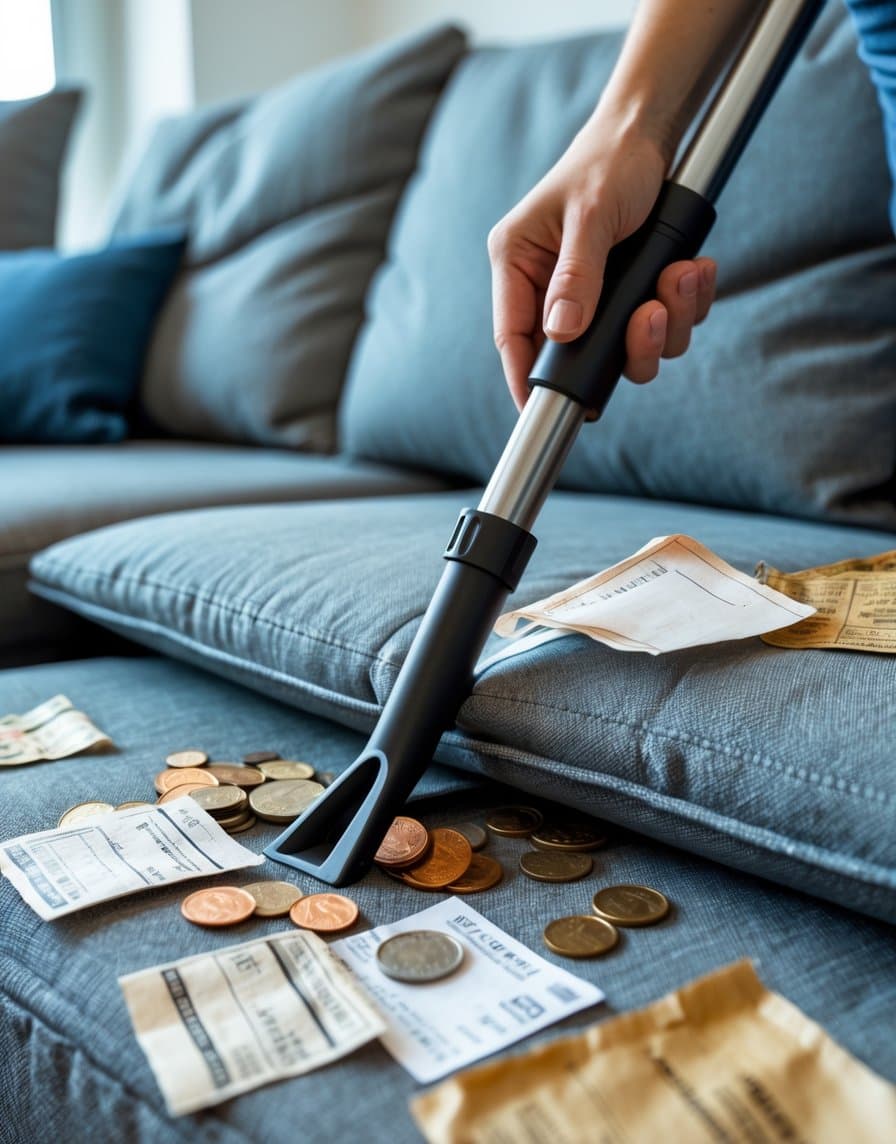
Crumbs have a magical way of disappearing into the couch. But don’t worry, you don’t need wizard powers, just a flexible crevice tool or the narrow nozzle on your vacuum.
Slide off the cushions and discover what lies beneath—coins, old receipts, maybe a sock that’s been missing for months. Use the narrow upholstery attachment to snake into seams and corners. Gently tap and flex the fabric to dislodge stubborn hidden debris.
Surface Cleaning Techniques
You want a fabric couch that smells nice, looks clean, and doesn’t require a professional every other week. Here are simple ways to keep your couch fresh, using things like upholstery cleaners, dish soap and vinegar, and even some help from your baking supplies.
Using an Upholstery Cleaner

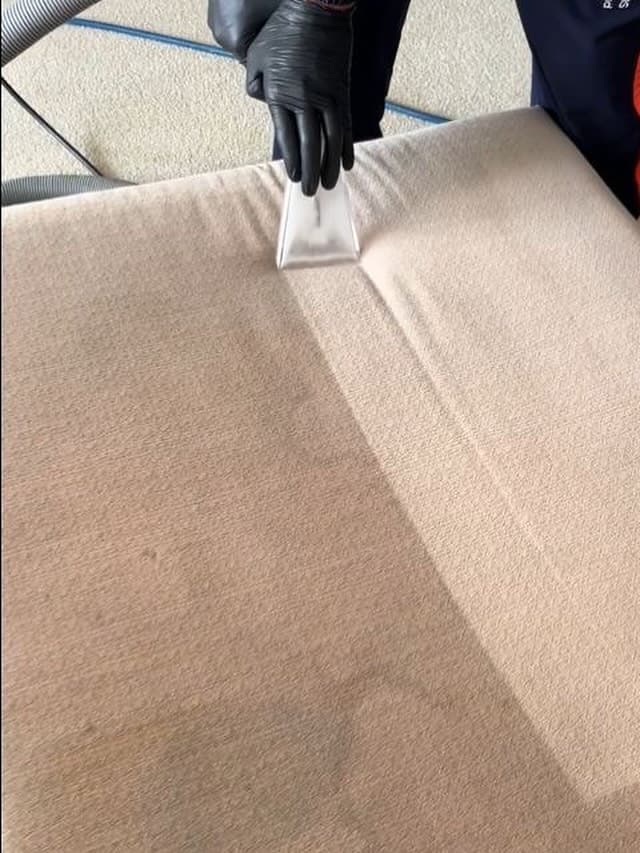
An upholstery cleaner is like a magic wand for couches, minus the mysterious stains that appear for no reason. Most machines spray a cleaning solution on your sofa, then suck the grime and water back up.
Always vacuum your couch first. Crumbs under the cushions could feed a small village. Vacuuming removes dust and larger debris so you aren’t just moving mess around.
DIY Cleaning Solutions: Dish Soap & Vinegar

For people who don’t own fancy machines, dish soap and white vinegar come to the rescue. In a bowl, mix about two cups of warm water with one tablespoon of dish soap and one tablespoon of white vinegar.
Dampen a clean, white cloth with your soapy potion—don’t soak it, unless you want a soggy mess. Gently blot any stains or dirty spots. Remember, blot, don’t rub, unless you like spreading disasters.
Baking Soda Magic for Freshness

Baking soda isn’t just for cookies or exploding science-fair volcanoes. It’s perfect for deodorizing your couch. Sprinkle a thin, even layer over the entire surface and under the cushions if your couch dares to have them.
Let the baking soda sit for at least 20 minutes. If you have patience (or forget about it), an hour is even better. Baking soda absorbs odors and moisture.
When your timer dings or your memory returns, vacuum it all up. Your couch should smell as neutral as Switzerland and feel much fresher. This simple trick helps with everyday smells and minor messes, and you don’t need any special equipment.
Spot Cleaning and Stain Removal
Whether you’re dealing with mysterious spots or dirt that just won’t quit, the right approach makes stain removal less stressful.
Attack of the Accidental Stains

Spilled your drink? Dropped your pizza face down? Relax, you’re not the first (or last) person to do battle with a stain. Start by blotting—never rub—using a clean, dry cloth to soak up as much as you can. Rubbing is like giving the stain a warm welcome mat deeper into the fabric.
For couches marked as safe for water-based cleaning, mix a little dish soap with cool water. Dip in a sponge, wring it out, and blot the stain gently. You want enough suds to lift that spot, but not so much water your sofa thinks it’s time for a bath. Don’t forget to blot with plain water after, then pat dry.
Quick Guide to Spot Cleaning
| Step | What to Do |
|---|---|
| Blot stain | Use clean, dry cloth |
| Dab with soapy water | Gently blot, avoid soaking |
| Rinse | Use plain water to remove soap |
| Dry | Pat with towel, let air dry |
Steam Cleaning Secrets
Steam cleaning dives deep, using hot water mist to blast away grime, stains, and mystery smells. Before you unleash your inner cleaning wizard, you’ll want to check if your couch can handle the heat and learn the basics for doing it safely.
Is Your Couch Steam-Clean-Friendly?

Not all couches love a steamy spa day. First, grab your couch’s tag and search for the cleaning code. W or WS means water and steam are both welcome. S stands for solvent-only, so keep water and steam far, far away. X means you’re out of luck—just call for professional help or trust the vacuum.
How to Steam Clean a Couch

First, pet hair and playground crumbs have to go. Vacuum your couch like you’re uncovering lost treasure. If stains are fierce, spritz a gentle upholstery cleaner or a bit of fabric shampoo and let it rest a few minutes.
Next, fill your steam cleaner with hot water and follow the instructions. Use steady, slow passes. Overlap each stroke, but don’t soak the couch—you’re cleaning, not giving it a bath. Tough spots? Go over them again, but still keep it quick.
After steam cleaning, open a window or switch on a fan. The couch needs to dry before anyone sits down (especially the dog).
Solvent-Based and Specialty Cleaning Methods
Not all types of messes need the same treatment. Sometimes, your fabric couch will need a cleaning product that’s a little different from regular soap and water.

When to Use Solvent-Based Cleaners
If you see a tag on your couch that says “S” or “WS,” you’ve unlocked the secret code for solvent-based cleaning. Water is not your friend here—think of it as the couch’s kryptonite. Solvent-based cleaners are meant for stains like grease, oil, or anything that laughs in the face of plain water.
Grab a solvent-based cleaner from the store and test it first on a hidden spot. Wait a few minutes to make sure your couch doesn’t get a new tie-dye pattern. Here are the basic steps:
- Vacuum the area first
- Apply the solvent cleaner using a white, clean cloth
- Blot gently; don’t scrub like you’re sanding wood!
- Let the fabric air dry
If you’re not sure what product works, either check your couch tag for recommendations or look for advice on how to clean a fabric sofa at home.
How to Clean Couch Cushions

First, channel your inner detective and check the care label for secrets like “dry clean only” or “machine washable.” This is important―ignore it at your own risk.
Next, grab your vacuum and suck up all the loose dirt, crumbs, and ancient popcorn. Don’t forget to hit the seams and under those sneaky edges. For spot cleaning, use a gentle upholstery cleaner or mix a little dish soap with warm water. Dab (don’t soak), using a clean white cloth.
If your cushion covers are removable, hit the jackpot and toss them in the washing machine. Make sure you use cold water and mild detergent so your cushion covers don’t do the shrinky-dink dance.
For handwash-only cushions, get a tub of cool water, add a bit of dye-free detergent, and give them a gentle scrub by hand, then rinse thoroughly.
Maintenance and Fabric Couch Care Tips
A clean fabric sofa doesn’t happen by magic—it takes a little effort, the right habits, and the occasional wrestling match with your vacuum cleaner. Smart routines and careful cleaning will help your couch stay fresh and inviting (no science degree required).
Regular Maintenance Routines

Grab your vacuum (it’s your couch’s superhero cape). Vacuuming every week gets rid of crumbs, dust, and those mysterious lint clumps. For extra points, use the brush attachment to get into the corners and seams—your couch knows where you skip.
Every month, sprinkle baking soda on the fabric, let it sit for 15 minutes, then vacuum it up. This helps zap smells, including the “what died in here?” scent that pets sometimes leave behind. Flipping your couch cushions often can keep them from turning oddly lumpy, or as you like to call it, “unique seating.” Learn more helpful cleaning tips for your fabric sofa.
If spills happen (and they will), blot—not rub—the mess with a clean, dry towel. Rubbing just smears it around and gives the stain a VIP spot on your sofa.
Avoiding Common Cleaning Mistakes

Don’t grab the harshest cleaner in your closet when you notice a stain. Strong chemicals can fade or damage couch fabrics. Check the tag; those cryptic letters actually mean something. “W” means water-based cleaners are okay, but “S” means use solvent-based products. If you see “WS,” congratulations, you have options!
Skip overloading your couch with water or soap. Soap residue is like dirt’s best friend—it hangs around and attracts more grime, so rinse any spot you clean with a damp cloth and dry it well.
Beware of bleach and colored towels, unless you’re hoping for a tie-dye look. Instead, be gentle and patient. If you’re unsure, test your cleaner on a hidden patch first. Want more details?