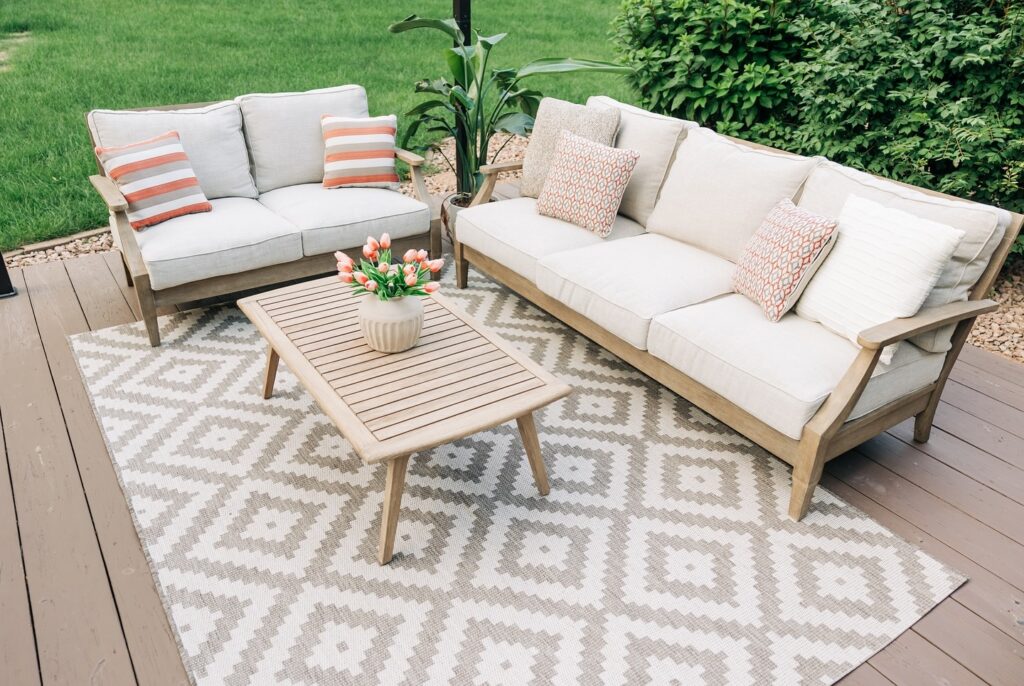
Mixing and matching throw pillows is a simple way to elevate your home decor and add visual interest to any room. This can breathe new life into your space and make it feel more inviting.
Remember, mixing and matching doesn’t have to be overwhelming. By selecting a few key elements and allowing your creativity to flow, you can create a cozy and stylish atmosphere that showcases your unique taste.
Whether you’re going for bold prints or soft pastels, the right throw pillows can make all the difference.
Understanding the Basics of Throw Pillows
Throw pillows can add comfort and style to your space. Knowing the different types of pillows, how to choose the right size and shape, and what materials to select can enhance both the look and functionality of your decor.

Different Types of Pillows

When choosing throw pillows, consider various types that suit your needs.
Square pillows are the most common and versatile, fitting well on sofas and beds.
Round pillows are perfect for adding softness and breaking up the straight lines of furniture. Lumbar pillows offer back support and add a pop of interest with their elongated shape.
Each type complements different decor styles, from modern to traditional.
Choosing the Right Size and Shape

Size and shape play a vital role in how your pillows function in your space. Small pillows can create a layered look, while larger ones can serve as statement pieces.
Mix sizes for visual interest, but ensure they fit well with your furniture.
A general rule is to have 18-20 inches for larger pillows and 12-16 inches for smaller ones. Choose shapes that fit their purpose.
For instance, use square pillows for corners and lumbar pillows for back support.
Selecting Pillow Fill Materials

The material of your pillow will affect comfort and durability.
Polyester and synthetic fills are affordable and resilient, making them ideal for everyday use.
If you prefer something softer, consider feather or down fills, which offer more plushness but require more care.
Memory foam pillows provide excellent support for your back and neck.
For a natural option, cotton and wool are both breathable and durable, adding a cozy feel to your space.
Each fill material has its benefits, so choose what suits your lifestyle best.
Creating a Color Palette
Choosing the right colors is key to mixing and matching throw pillows. A well-thought-out color palette can bring your space together beautifully. Focus on base colors, bold accents, and neutrals to create a harmonious yet eye-catching look.
Establishing Your Base Colors
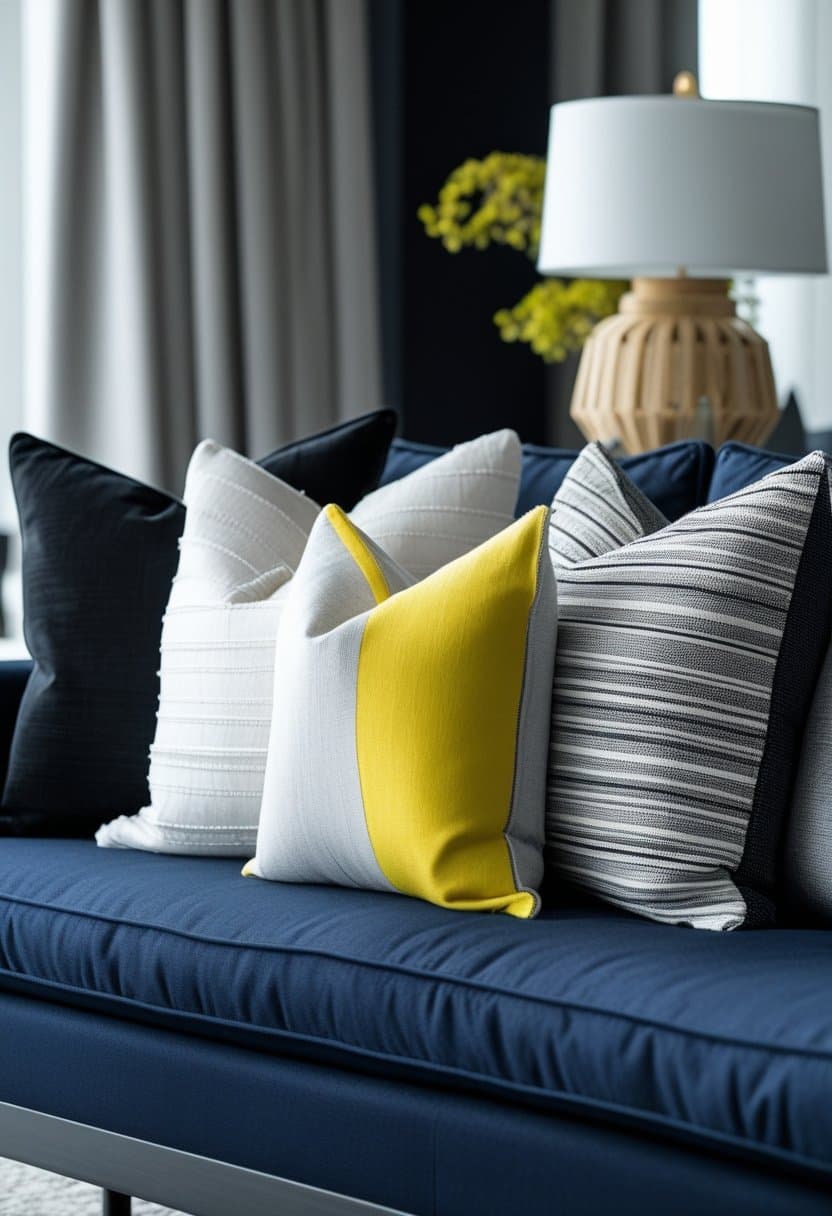
Start by selecting one or two base colors for your pillows. These colors will anchor the rest of your choices. Popular options include navy blue, gray, and beige.
Think about the overall vibe you want. For a calm and soothing space, lean towards softer tones like white or light gray.
For more energy, opt for bolder shades like red or yellow. Ensure your base colors complement each other, forming a base that ties your decor together.
Accentuating with Bold Prints and Patterns

Once you have your base colors, introduce some bold prints or patterns. Mixing in patterns adds visual interest. Geometric patterns or floral designs can do wonders.
Choose pillows that incorporate your base colors while adding a splash of creativity.
When selecting bold prints, balance is important. If your base colors are more subdued, bright colors like gold or vibrant green can liven things up.
Experiment with different sizes and shapes, ensuring that they harmonize with your chosen base colors.
Incorporating Neutrals and Contrasts

Neutrals play a crucial role in your color palette. Colors like white, gray, and black can help balance out bolder choices, preventing them from overwhelming the space.
Incorporate these shades to give your arrangement a clean look.
You can also use contrast to make your pillows pop. For example, if your base is a deep navy blue, adding a bright yellow or crisp white can create a striking effect.
Utilizing contrasting colors draws attention to your pillows and enhances their appeal, making them a focal point in your room.
Playing with Patterns and Textures
When decorating with throw pillows, it’s essential to blend patterns and textures for a visually appealing look. Balancing these elements can transform your space, making it feel cozy and stylish.

Mixing Patterns for Visual Harmony

To achieve a harmonious look, start by choosing a few patterns that share a common color scheme. For example, you could mix floral and stripe patterns in complementary colors. This creates unity in your design.
Consider using varying scales of patterns. Pair a large floral print with a smaller geometric design to create contrast. When mixing patterns, aim for a balance that feels effortless rather than chaotic.
You can also introduce embroidered designs or lace accents to add a touch of elegance. Combining different types such as abstract and classic prints can create interest without overwhelming your space.
Combining Textures to Add Depth
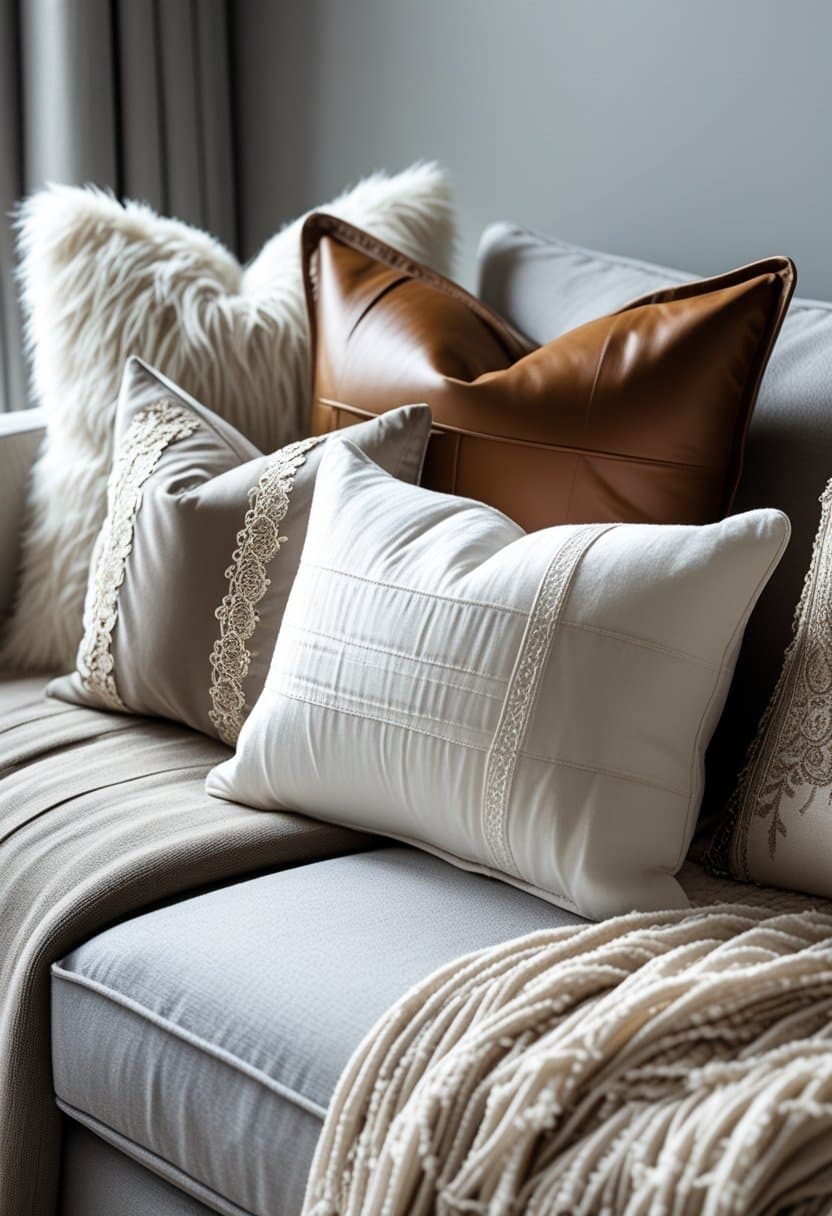
Incorporating different textures is equally important. Using materials like velvet, linen, and leather can create depth in your pillow arrangements.
Start with a base texture, such as a soft linen. Then, layer in plush velvet or faux fur pillows for comfort. Mixing these soft textures with a structured leather pillow can create a dynamic look.
Don’t forget about small details! Adding pillows with embroidery or lace will bring an extra layer of visual delight. Soft textures can balance out rigid designs, making your space feel inviting and stylish at the same time.
Mix and Match Techniques
Mixing and matching throw pillows can enhance your space with style and comfort. With a few techniques, you can create unique pillow combinations that bring out your personal taste and add decorative elements to your room.
The Rule of Three in Pillow Arrangement

One effective technique for mixing pillows is the rule of three. This principle suggests using three pillows of varying sizes, patterns, or colors. Start by choosing a dominant pillow as your focal point.
For example:
- Large Statement Pillow: A bold color or distinctive pattern.
- Medium Patterned Pillow: Something that complements your statement pillow.
- Small Solid Pillow: A color pulled from the larger pillows to tie it all together.
This approach creates depth while keeping the look cohesive.
Balancing Symmetry and Asymmetry

Finding the right balance adds visual interest. You can play with symmetry for a formal look or go for asymmetry for a more relaxed feel.
To achieve symmetry:
- Use identical pillows on either end, like two large solids.
- Place a unique patterned pillow in the middle.
For asymmetry:
- Position different sizes and patterns unevenly across the space.
- Experiment with various shapes, like squares and rectangles.
This mix creates an eclectic look that feels casual yet curated.
Using Statement Pillows as Focal Points
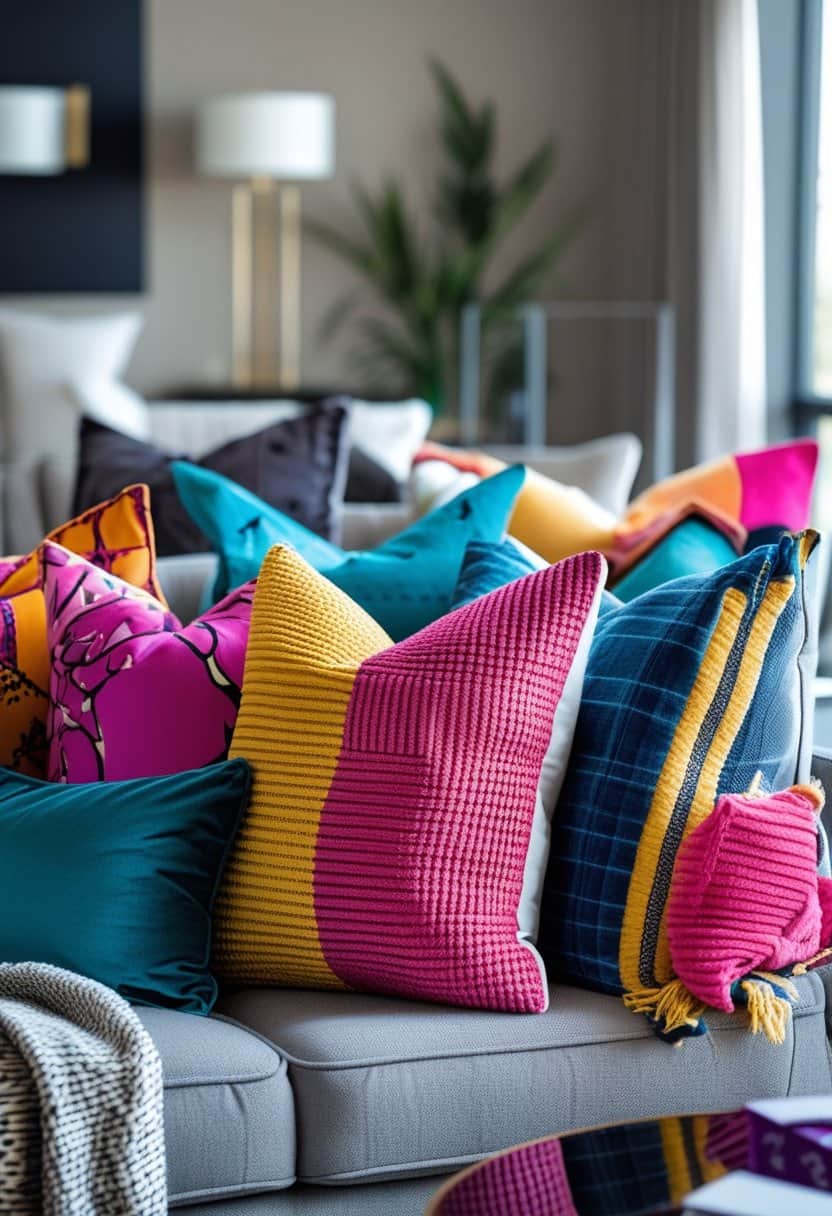
Statement pillows can transform your decor. These are often bold in color or pattern and stand out among other mix and match pillows.
When choosing a statement pillow:
- Select a Unique Design: Look for something that reflects your personality, like a floral print or geometric shape.
- Bigger Is Better: A larger pillow can serve as a strong focal point.
- Contrast with Solids: Pair it with solid or subtly patterned pillows to let it shine.
This technique brings life to your arrangement and makes a strong decorative statement.
Accessorizing with Thematic Elements
Accessorizing with thematic elements can bring a unique touch to your space. By choosing pillows that reflect the seasons, themes, or specific collections, you can easily change the feel of any room.

Seasonal Pillow Updates

Seasonal changes provide an excellent opportunity to refresh your home decor. In spring, opt for pillows with botanical prints or soft pastel colors that evoke the blooms of the season. During summer, go for nautical themes, like stripes and ocean-inspired colors.
In the fall, embrace warm, earthy tones and rich textures. Think about adding plaid patterns or cozy knits that complement the autumn leaves. Finally, winter can call for deeper hues and festive patterns, helping to create a warm and inviting atmosphere.
Themed Pillow Selection

Themed pillows can enhance the personality of your space. Consider creating a collection of pillows centered around a specific motif. Nautical themes might include anchors and sailor stripes, perfect for a beach house.
Botanical prints can bring the outdoors inside, creating a fresh and vibrant look. If you prefer a more classic style, damask patterns can add elegance and sophistication. Mixing these themes can also provide a dynamic visual interest while ensuring harmony throughout your decor.
Creating a Pillow Collection
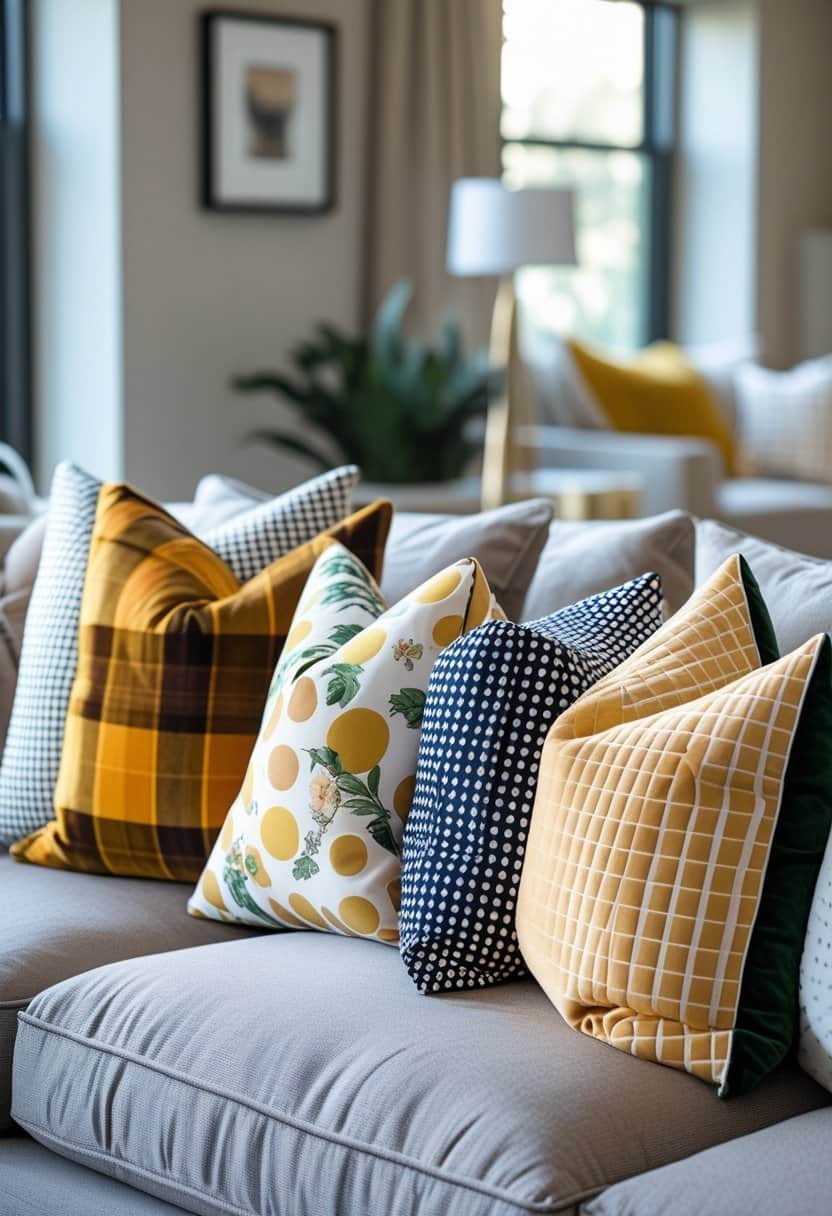
Building a pillow collection allows you to express your taste. Start with a dominant color scheme that works with your overall design. Combine different patterns, like plaid and dots, to create a fun yet cohesive look.
Aim for a balance by choosing pillows of various sizes and textures. For instance, mix a soft velvet pillow with a bold patterned one. Layering different materials enhances depth. Remember, your collection should reflect your personality and make your space feel welcoming.
Incorporating Inspiration Sources
Finding the right throw pillow combinations can be exciting. You have many resources at your fingertips. Social media platforms and design professionals can offer great ideas for mixing and matching.
Leveraging Social Media for Ideas
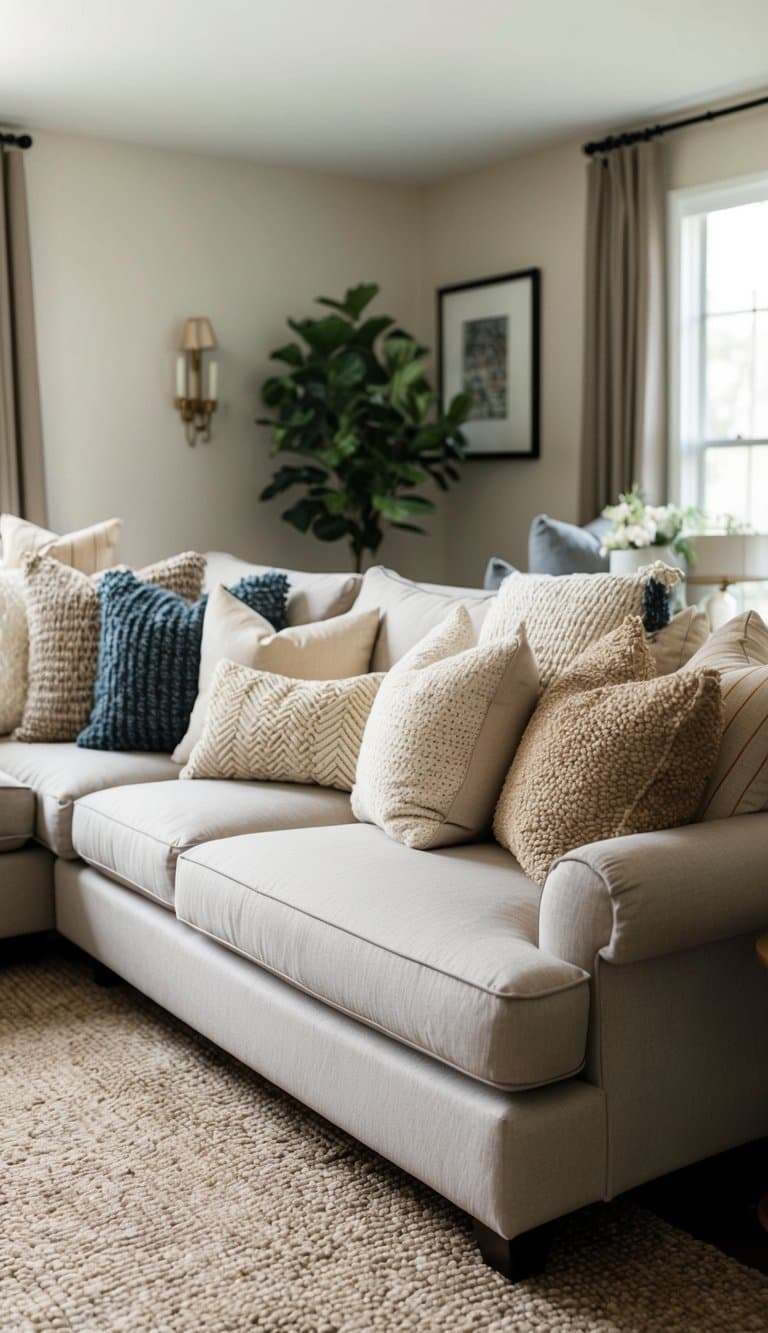
Social media, especially Instagram, is a treasure trove of inspiration. You can follow interior designers, home decor accounts, and hashtags like #ThrowPillowGoals to discover fresh ideas.
Look for posts that showcase pillow arrangements in various settings. Take note of color patterns and textures used. Create a mood board by saving your favorite images. This can guide you in selecting pillows that complement your existing decor.
Using platforms like Pinterest can also be beneficial. Search for specific styles, such as coastal or minimalist, to narrow down your options. You can also interact with posts to ask questions or engage with designers for personalized advice.
Taking Cues from Design Professionals
Decorating magazines and interior design blogs are excellent resources for expert advice. These publications often feature styled rooms with detailed explanations of color schemes and design choices.
When reading these articles, pay attention to which pillows are highlighted. Many feature tips on maintaining a cohesive look while mixing different fabrics and patterns. For example, you can combine a large floral pattern with smaller geometric prints for a balanced effect.
Consider subscribing to a few top design blogs. This way, you’ll stay updated with the latest trends and tips. Professionals often share their go-to sources for quality pillows, helping you make informed choices.
Caring for and Maintaining Your Pillows
To keep your throw pillows looking fresh and vibrant, it’s essential to know how to clean them and where to store them. Regular care and maintenance can extend the life of your pillows, making your living space more inviting.
Cleaning and Stain Removal

Start by checking the care label on your pillow covers. Materials like cotton and silk often have different cleaning needs. For cotton covers, machine wash them in cold water and use a gentle detergent. Silk and jacquard fabrics should usually be hand washed to avoid damage.
For stains, quickly blot the area with a clean cloth. If the stain persists, mix a solution of mild soap and water. Use a soft cloth to gently rub the stain. Rinse with cold water and let the cover air dry. Avoid using bleach, as it can fade colors and ruin fabrics.
Storage and Preservation

When it’s time to store your pillows, keep them in a cool, dry place. Avoid damp areas, which can lead to mold or mildew. Use breathable bags or cotton cases to protect them from dust.
If you have seasonal pillows, consider rolling them instead of folding to avoid creases, especially for materials like silk. Make sure they are completely dry before storing to prevent any moisture damage.
These steps will help your pillows remain beautiful and cozy for years to come.
Shopping Tips for Throw Pillows
When you’re ready to shop for throw pillows, it’s essential to know where to look and how to evaluate your options. This guide will help you find quality pillows that fit your unique style while keeping sustainability in mind.
Where to Find Quality Pillows

Start your search by checking out local home decor stores, where you can see and feel the pillows before buying. Don’t forget about online retailers; they often have a wider selection.
Look for specialty shops that focus on decorative pillows. Sites like Studio McGee and Room & Board offer beautiful options that help you mix and match easily.
Consider second-hand stores and thrift shops. You can find unique styles at a fraction of the price. Just remember to check the condition of the pillows, including any stains or odors.
Evaluating Price and Quality

When shopping, balance price with quality. A high price doesn’t always mean better quality.
Check the fabric and construction. Natural materials like cotton, linen, or wool tend to be more durable and comfortable. If you find decorative pillows with synthetic fabrics, ensure they feel soft and aren’t too flimsy.
Look for pillows with zippers. This allows you to remove the cover for washing—a big plus for easy maintenance.
Read customer reviews to gauge how well pillows hold up after regular use. Ratings give insight into both comfort and durability.
Opting for Sustainable and Ethical Options
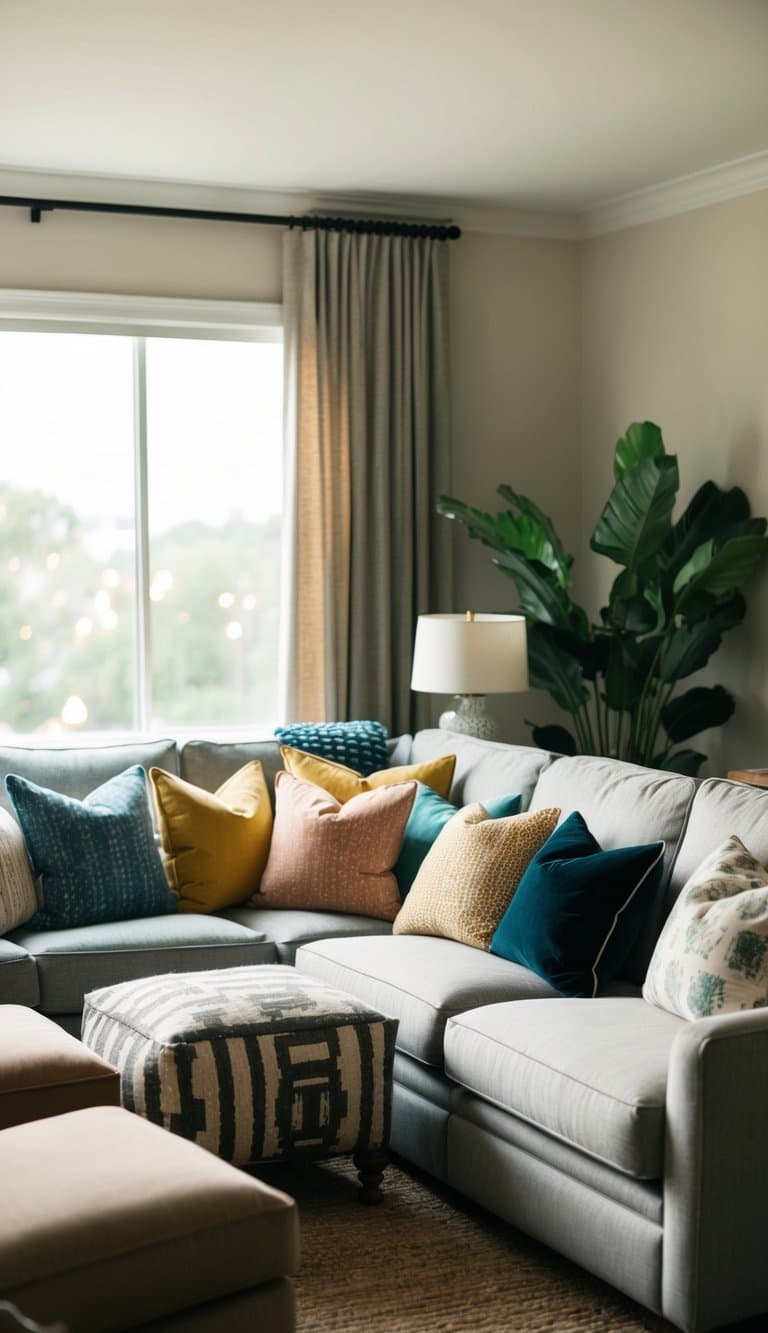
More shoppers are choosing sustainable options to reduce their environmental impact. Look for pillows made from organic materials or those that come from ethical brands.
Many companies are now transparent about their manufacturing processes. Check for brands that are eco-conscious and use recycled or upcycled materials.
Consider pillows that are certified by organizations like Global Organic Textile Standard (GOTS). This certification ensures products meet strict environmental criteria.
Shopping sustainably often means supporting small businesses. This not only gives you quality pillows but also helps your community.
Frequently Asked Questions
Choosing and arranging throw pillows can seem tricky, but it’s all about finding the right balance and style. Here are some common questions that can help you mix and match pillows with confidence.
What are some guidelines for choosing throw pillows for a sofa?
Start with a base color that matches or complements your sofa. Then, choose pillows in different sizes and shapes. It’s a good idea to pick at least three pillows to create depth and interest.
Can you suggest ways to mix patterns when selecting throw pillows?
Mix patterns by using a variety of styles, such as stripes, florals, and geometric designs. Make sure that at least one color is repeated among the patterns to create a cohesive look. Layering different patterns can add a fun touch to your space.
Do throw pillows on a bed need to match or complement each other?
When decorating a bed, pillows don’t have to match perfectly. They should, however, complement the bedding and overall room decor. Use a mix of colors and textures for an inviting look.
What throw pillow color schemes work well together?
Color schemes such as monochromatic, analogous, or complementary work well. For instance, blues and greens can create a calm feel, while warm colors like reds and yellows bring energy. Consider your room’s style when choosing your scheme.
Is it necessary for all throw pillows on a couch to match?
No, it’s not necessary for all your throw pillows to match. Instead, aim for a harmonious mix of colors and patterns that complement each other. This approach adds visual interest and depth to your sofa.
How can you effectively mix different sizes of throw pillows on furniture?
Start with larger pillows at the back and layer smaller ones in front. This arrangement creates a visually appealing display. Mixing sizes helps to draw the eye and adds texture to your seating area.