We’re all living in a world where “busy” is the default setting. Between work, family, social media, and the general chaos of modern life, it’s no wonder we’re all running on fumes.
That’s why creating a dedicated meditation room in your home isn’t just a luxury; it’s an act of self-care, and frankly, a much-needed escape from your buzzing to-do list.
In recent years, meditation rooms have become the home trend to help you disconnect from the madness and reconnect with your sanity.
Not only do they offer a tranquil space for reflection and mindfulness, but they also help to cultivate a sense of peace that can transform how you feel on a daily basis. The beauty of designing your ideal space? It’s as personal as your yoga mat (we know you’ve got one).
Whether you’re going minimalist or channeling a nature-inspired oasis, the key is creating a space that you feel relaxed in — not what some Pinterest guru says you should like.
After all, this room is for YOU to zen out, not the internet.
Section 1: The Purpose of a Meditation Room
Alright, let’s kick things off with a question: Why do you need a meditation room? Can’t you just meditate anywhere? Sure, you can.
You can meditate on a bus, in your car, or even in the middle of a loud, chaotic coffee shop (though I wouldn’t recommend that unless you’re aiming for deep frustration).
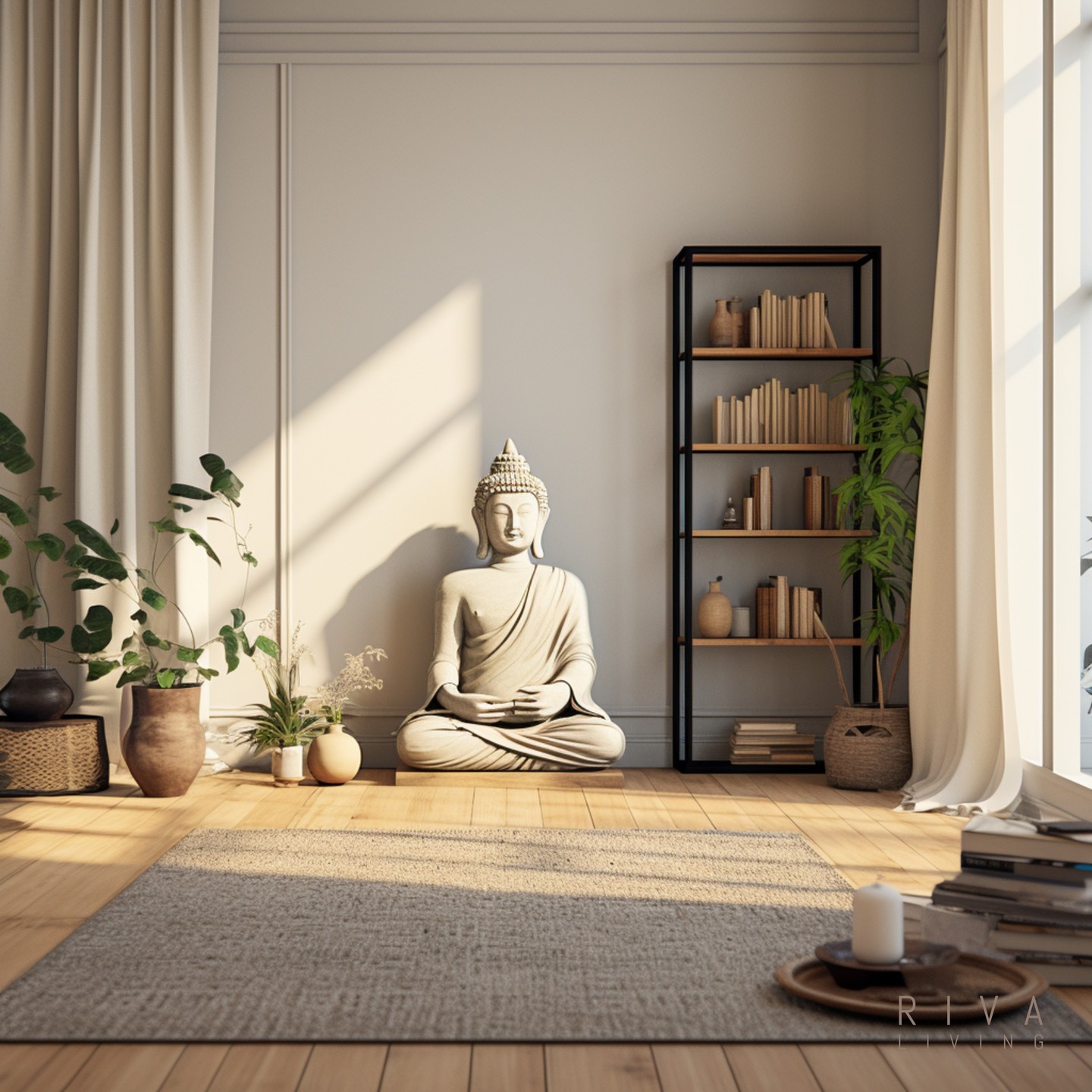
But having a dedicated meditation space, where everything is calm and serene, is like setting up your own personal retreat.
Creating a meditation room isn’t about “escaping” life; it’s about disconnecting from the hustle for a moment and resetting your mind.
You know that feeling when you’ve been stressed all day and someone says, “Just take a deep breath”?
Well, it’s way easier to actually take that breath when you have a room that is designed to help you focus on just that: your breath.
So, a well-designed meditation room enhances your mindfulness practices, helping you clear your mental clutter and recharge your batteries.
Section 2: Key Elements for Designing Your Meditation Room
To craft the perfect meditation room, focus on these four essential elements. Remember, this is your serene escape, not a chaotic art installation.
1. Minimalist Setups
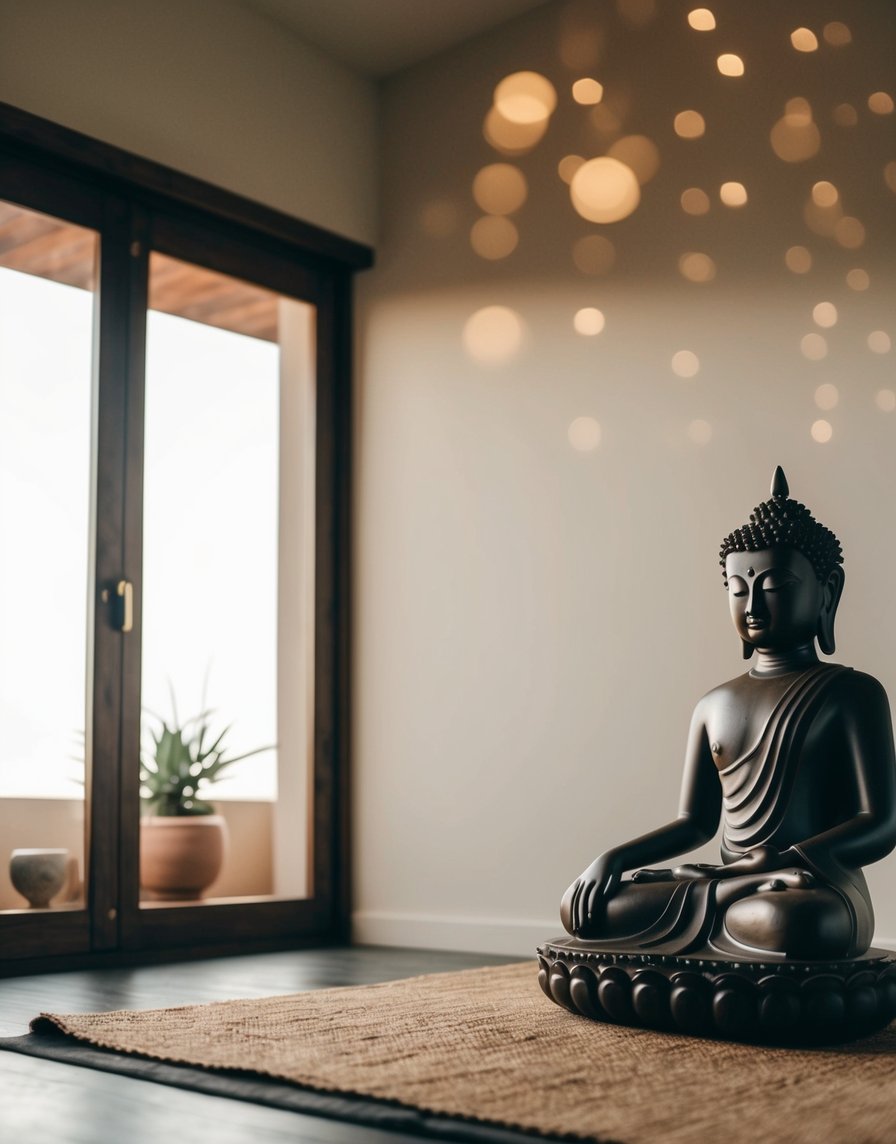
Less is more! Keep your space uncluttered. It helps keep the mind clear. A simple mat or cushion for sitting is all you really need.
2. Nature-Inspired Themes
Bring the outdoors inside. Think plants, soft earth tones, and natural materials. A small indoor fountain can add soothing sounds. Consider a Buddha statue to radiate peaceful vibes.
3. Sensory Enhancements
Stimulate your senses for a richer experience. Use soft lighting, soothing scents like lavender or sandalwood, and calming sounds through gentle music or nature sounds. Create a cozy atmosphere that invites relaxation.
4. Multifunctional Meditation Spaces
Who said your meditation room can’t wear multiple hats? Incorporate furniture that serves more than one purpose. A comfy chair can double as a reading nook, or providing a space for yoga, journaling, or even napping.
Section 3: Minimalist Meditation Room Design
The minimalist approach to a meditation room is like the clean-up aisle at your favorite store — only this time, it’s your mind that gets a total makeover.
Think of it as the Marie Kondo of mindfulness. The idea is simple: strip away anything that doesn’t contribute to the space’s peaceful energy.
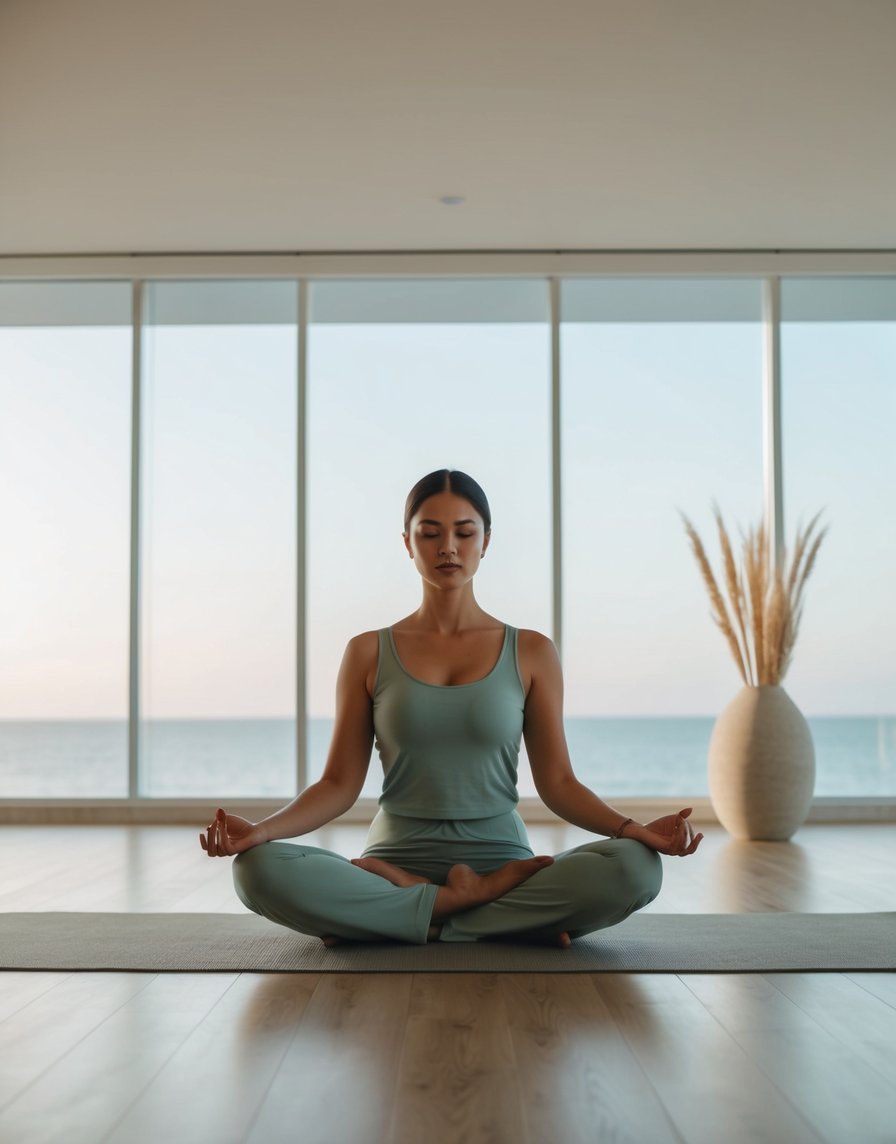
Key Features:
- Neutral colors: The foundation for any minimalist design. Whites, soft grays, and earthy tones create a calming atmosphere without screaming for attention.
- Meditation cushion or mat: This is your focal point, the superstar of the room. Place it right in the center of the space, so nothing else can steal the show. It’s the place where the magic happens — after all, that’s where you’ll be sitting and actually meditating.
- Lighting: Ah, lighting. If it’s too harsh, goodbye serenity. If it’s too dim, well, you’re just falling asleep. Natural light is ideal, but soft, diffused lighting will work just as well if the sun’s playing hard to get.
- Plants: A plant here or there (like a small succulent or a bamboo stalk) can add life to your space. Not too much, though! It’s a minimalist design, not a jungle.
- Minimal decorative elements: Think small altar, calming artwork, or even a rock you found on a hike that just feels peaceful. Make sure everything in the room has meaning, otherwise, you’re just making your space look like an Ikea showroom.
- Mirrors: These aren’t just for checking your reflection (though feel free to do so if you’re in need of an ego boost). Mirrors can open up the room, reflect light, and create a sense of balance — because, let’s be honest, we all need a little balance.
Section 4: Nature-Inspired Meditation Room Design
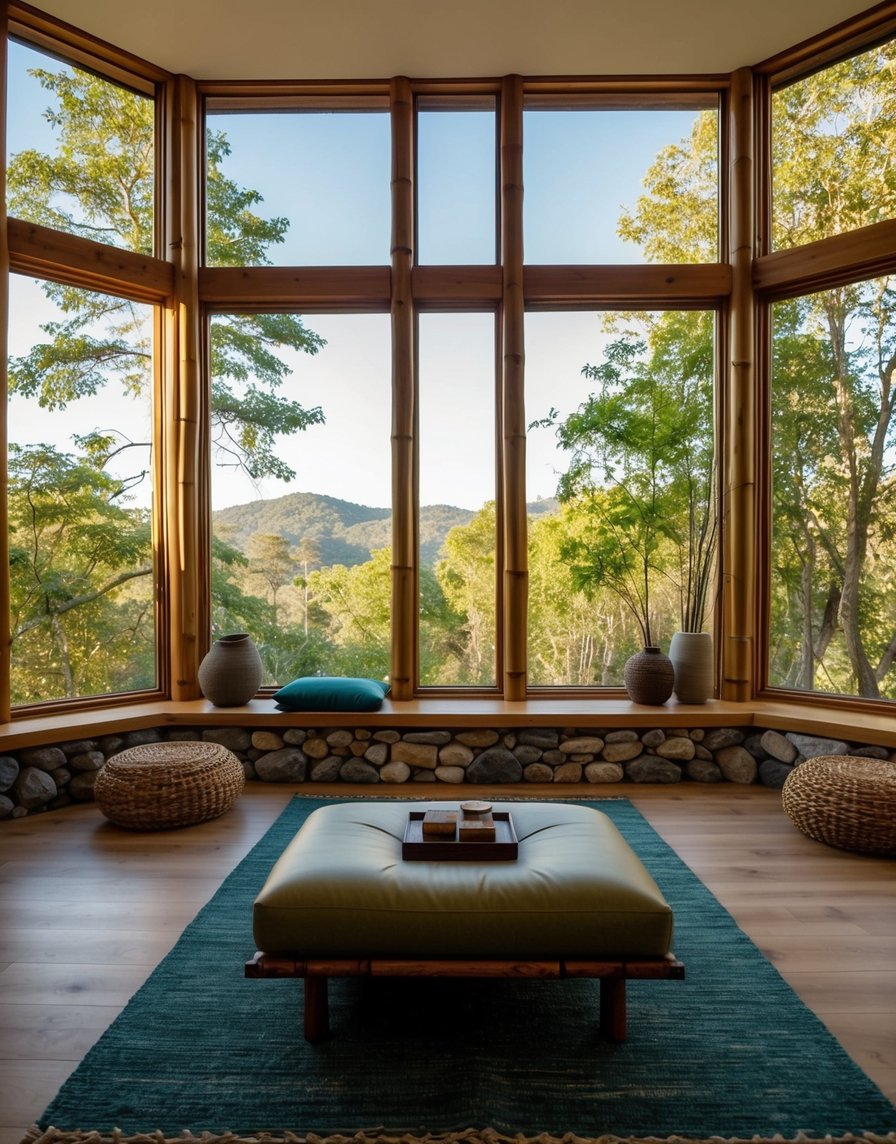
Are you someone who finds inner peace simply by looking at trees? Or maybe you feel more grounded when you’re surrounded by natural materials like wood, stone, or bamboo.
If so, a nature-inspired meditation room could be the perfect fit for your zen zone.
Large windows serve as the eyes to the outside world. They can frame beautiful views while letting in natural light. Pair these with sheer curtains for an airy feel.
Incorporate natural materials to enhance that earthy vibe. Think wooden furniture, stone decor, and bamboo accents. These elements ground the space and connect you with the earth.
Layered rugs can add warmth underfoot. Go for natural fiber options or colorful rugs to jazz it up. Rattan pieces can add both style and comfort while fitting perfectly into a boho aesthetic.
Don’t forget about calming colors! Greens, browns, and soft blues create a peaceful atmosphere. Paint your walls in these soothing tones to help you relax.
A rock garden can be a fun and unique addition. Imagine meditating surrounded by smooth stones and tiny plants.
To heighten the experience, consider using calming scents. Lavender, sandalwood, or eucalyptus can set just the right mood for peace and reflection.
Section 5: Sensory Enhancements in Your Meditation Room
Your meditation room isn’t just a feast for the eyes. It’s a whole-body experience. The right sensory touches can elevate your practice and make you feel like you’ve entered another realm (okay, a less dramatic version, but you get the idea).
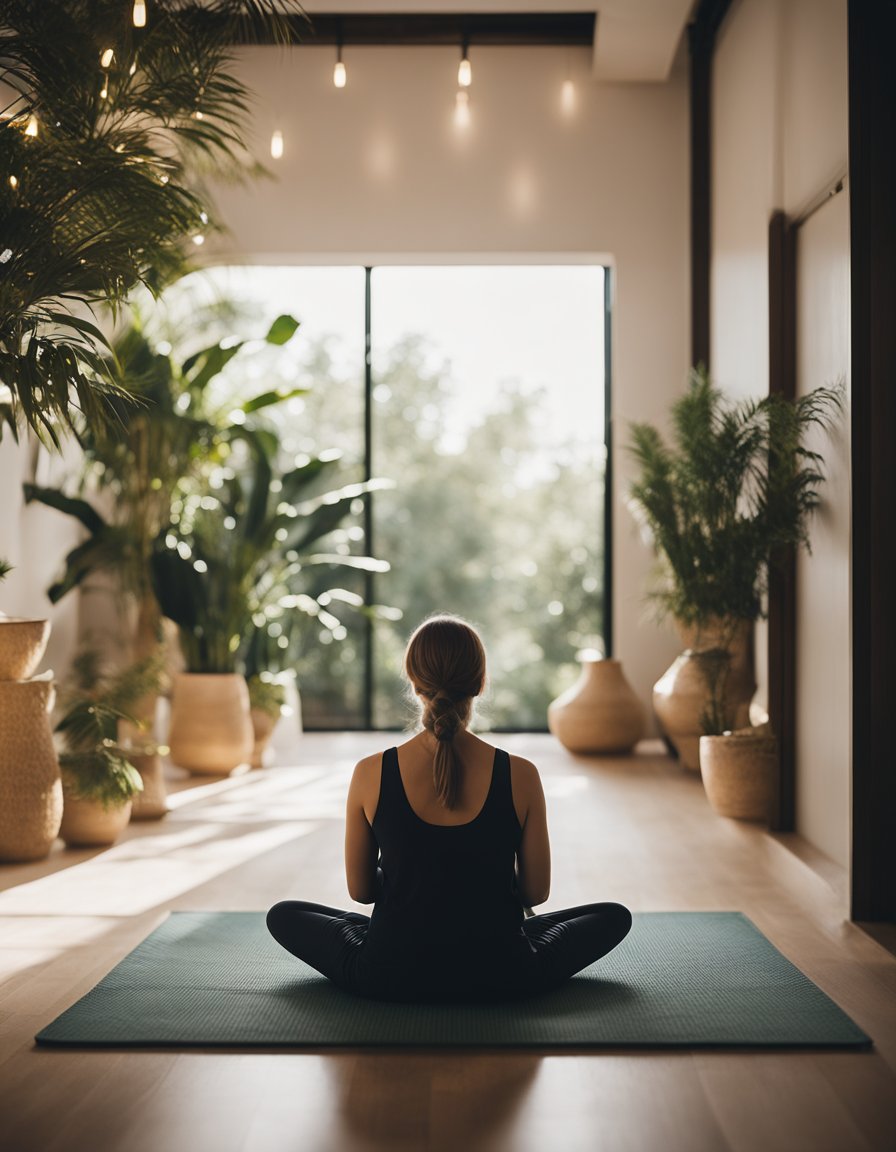
Key Features:
- Sound: Singing bowls, chimes, or wind bells can create the soothing sounds you need to calm your mind. Or, if you’re not into instruments, a sound system playing nature sounds (rain, ocean waves) will do just the trick.
- Scent: Essential oils like lavender, chamomile, and sandalwood can be used to gently infuse the air with peace. Not into oils? Incense works too — just don’t forget the fire extinguisher.
- Textural Comfort: Cushions, throws, and natural fiber mats will make the space feel cozy and tactile. Imagine lying on the floor, surrounded by soft things, and feeling the stress of the day melt away.
- Temperature: Whether you need a fan to cool down or a heater to keep your feet warm, maintaining a comfortable temperature is essential. If you can’t focus because you’re freezing, then no amount of calming decor will help you.
Section 6: Designing a Multifunctional Meditation Room
In a world full of distractions, your meditation room should be a haven of peace. But what if you have limited space?
Fear not! You can create a multifunctional meditation room that serves as a yoga studio and reading nook without turning into a clutter monster.
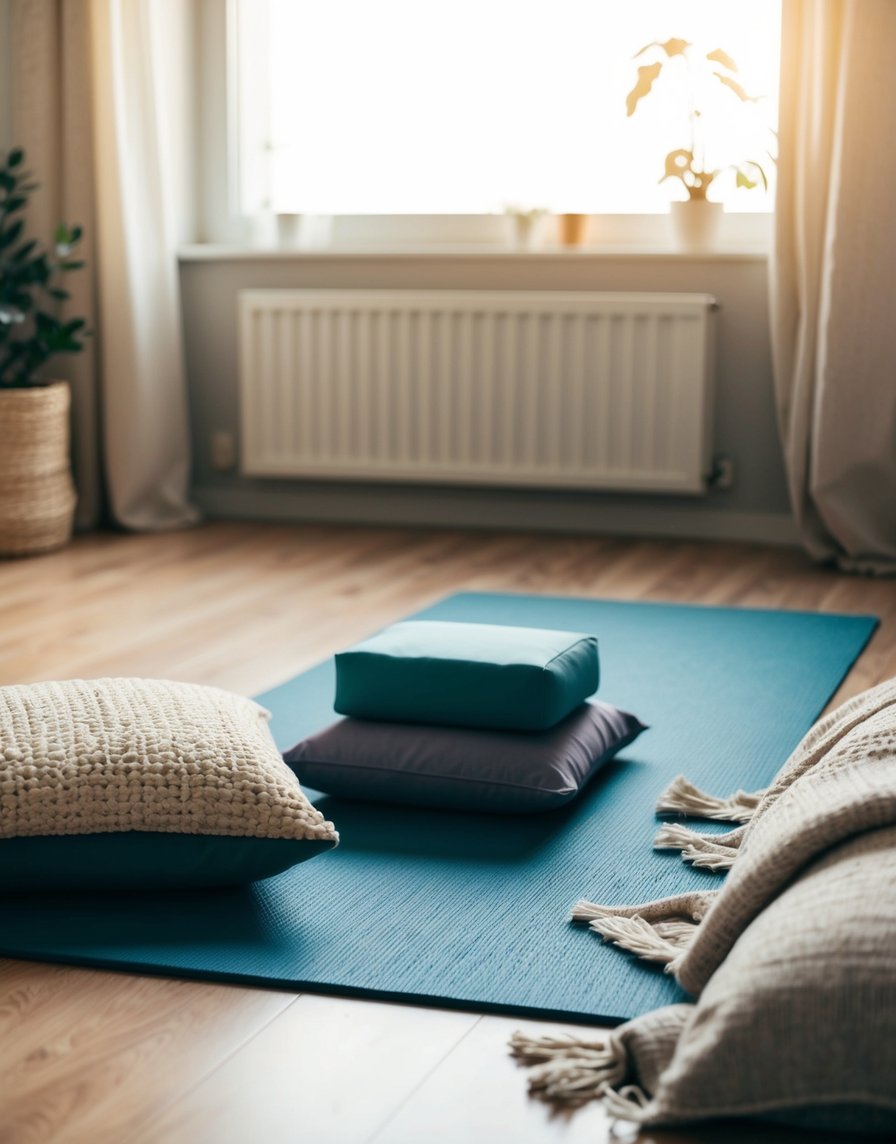
Start by combining your yoga practice with meditation. A yoga mat and some blocks can coexist peacefully with cushions and a cozy blanket.
The key is to keep it tidy, like a well-organized sock drawer—only much more relaxing!
Next, set up a meditation corner in your bedroom or office. Use folding screens or lightweight curtains to give yourself some privacy.
It’s like having a portable Zen zone. Just don’t forget that hammock chair—it’s perfect for lounging or contemplating the mysteries of life, like why pizza isn’t a food group.
Storage is your friend! Built-in shelves can hold everything from scented candles to your favorite mindfulness books.
Make your tools accessible without taking over the entire room. Think of it as your personal meditation library, minus the overdue fines.
Lastly, add some flexible design options. Foldable cushions can transform your space faster than you can say “Om.”
Use collapsible screens to redefine areas as needed. You can easily switch from yoga practice to meditation without breaking a sweat (or your back).
Embrace the idea that peace and functionality can dance together beautifully!
Conclusion
Designing your meditation room is a personal journey — one that should make you feel centered, peaceful, and, dare I say, a little bit proud of your newfound zen den.
Whether you go minimalist, nature-inspired, or sensory-focused, the most important thing is that the space works for YOU.
Choose elements that resonate with your style and needs, and let that room be a reflection of your inner calm.
Ready to start creating your own peaceful retreat? C Your perfect meditation room awaits — and who knows, you might even discover you’re a meditation master by the end of it.