Welcome, bathroom enthusiasts!
Today, we’re diving into the art of designing small bathrooms—those little nooks where you spend a lot of time, but maybe not as much as you’d like, simply because the space can feel cramped.
After living in both Europe and New York, I’ve had my fair share of tiny bathrooms that required a little bit of creativity.
In fact, the experience gave me a special talent for turning cramped, uninspiring spaces into efficient and stylish areas where I could feel both comfortable and organized. So if you’re dealing with a bathroom that’s about as spacious as a sardine can, you’re in the right place!
In this post, I’ll share the top three design tips for maximizing space and function in small bathrooms, based on personal experience, trial and error, and a sprinkle of interior design wisdom.
So, let’s dive in and transform that tiny bathroom into something wonderful!
The Challenges of Small Bathrooms

Before we start adding all the stylish solutions, let’s first talk about why small bathrooms are so tricky in the first place.
When I say “design dense,” I mean you’re working with a space that, though small, has to do a lot of heavy lifting.
You’ve got your plumbing fixtures, ventilation, storage, mirrors, and lighting—all vying for their moment in the sun.
Oh, and don’t forget the toilet, which always has a way of commanding more attention than you’d like.
Why Small Bathrooms Are Tricky?
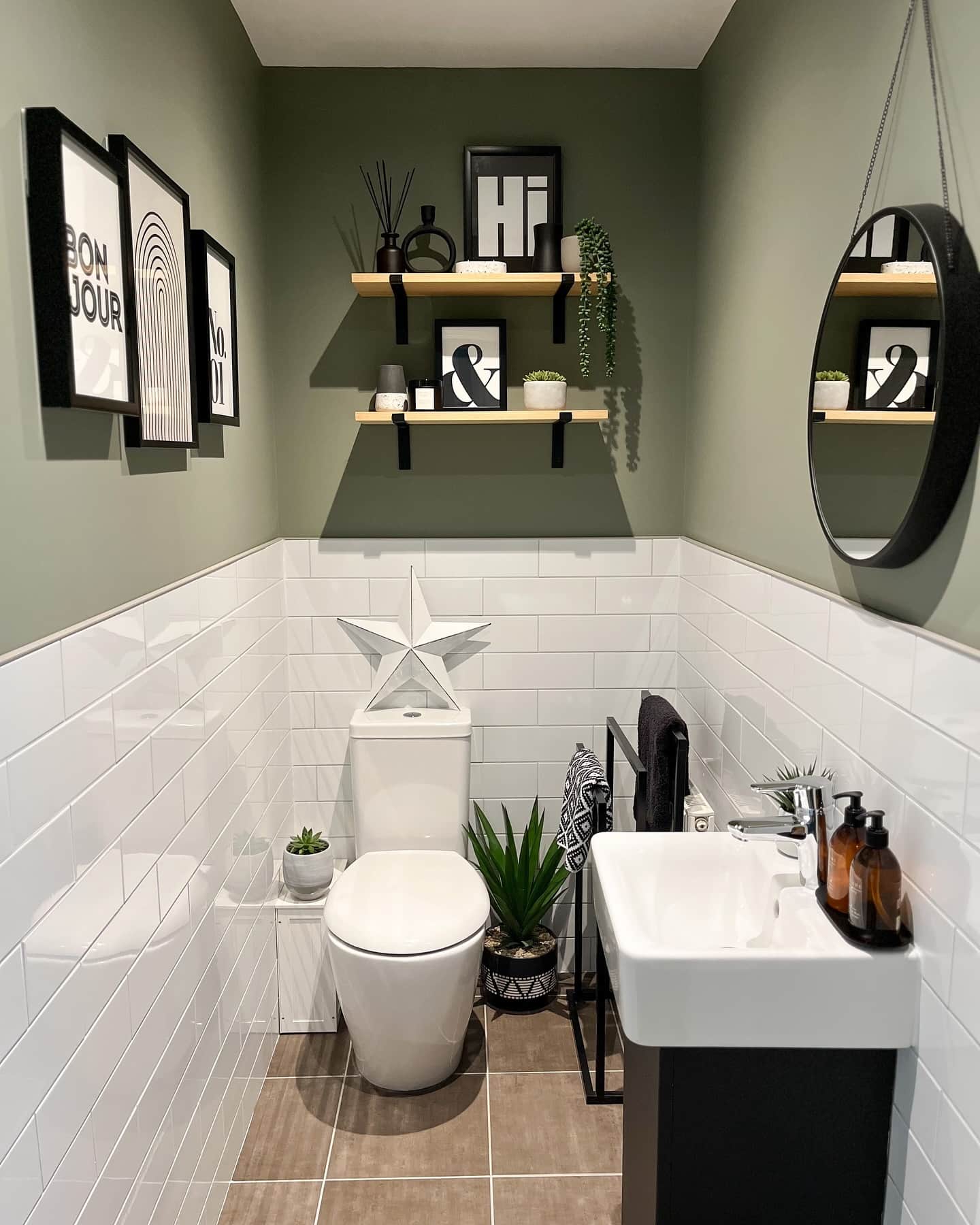
The real challenge here is maximizing every inch of available space.
A lot of times, it’s easy to feel like there’s no room for everything you need. But when designed thoughtfully, even the smallest bathroom can become both functional and aesthetically pleasing.
Think of it as a puzzle—you just need to figure out where each piece fits.
In small bathrooms, the priority is not just functionality, but also making the space feel open and inviting, which is a little tricky when the walls seem to be closing in on you.
Proper design choices can help elevate your space, whether it’s through clever storage solutions or strategic lighting.
Common Issues in Small Bathrooms

Some common pain points in small bathrooms include:
- Plumbing Fixtures: Toilets, sinks, and showers are essential, but they often take up more space than we’d like.
- Ventilation: Small spaces are prone to becoming stuffy or damp, so proper airflow and ventilation are key.
- Storage: With all the essentials you need to keep handy—towels, toiletries, cleaning supplies—it’s easy for the space to feel cluttered.
- Lighting: Poor lighting can make a tiny bathroom feel even more closed in. You need a well-lit environment to ensure you can use your space efficiently.
- Mirrors: You need at least one mirror, but it can be a challenge to figure out where to put it without sacrificing wall space.
Now that we understand the typical challenges, let’s jump into solving them—starting with maximizing storage.
1. Maximize Storage Space: Think Vertically
When working with a small space, vertical is your friend. If you’re not thinking about your walls as prime real estate, you’re missing out.
The first tip I have for maximizing storage is to use every bit of vertical space available.
Think about the unused height in your bathroom—it’s essentially your secret weapon.
Vertical Storage Solutions

Start by adding floating shelves to the walls for storage. These can hold towels, toiletries, or even small plants, which bring a fresh vibe to the space.
A ceiling-mounted cabinet is also a fantastic solution for small bathrooms. They’re great for storing things you don’t use daily but need to keep handy, like extra toilet paper or cleaning supplies.
Floating shelves give you storage without taking up any floor space, which can be a lifesaver in a small bathroom.
You can easily store extra towels, toiletries, or even decorative items that you don’t need access to on a daily basis.
Above-the-Toilet Storage

That space above the toilet? It’s like an oasis of untapped storage potential.
Consider building in shelves, cabinets, or—if you’re feeling a little adventurous—an over-the-toilet ladder.
A ladder can hold towels, baskets, or even some cute plants, and it’s a stylish way to make use of what would otherwise be dead space.
Not only does this keep the space looking neat, but it also prevents you from using up valuable floor space, which is always a win.
In some cases, you can even build custom cabinetry to blend in seamlessly with your bathroom’s design, keeping it functional and aesthetically pleasing.
Baskets, Baskets, Baskets!
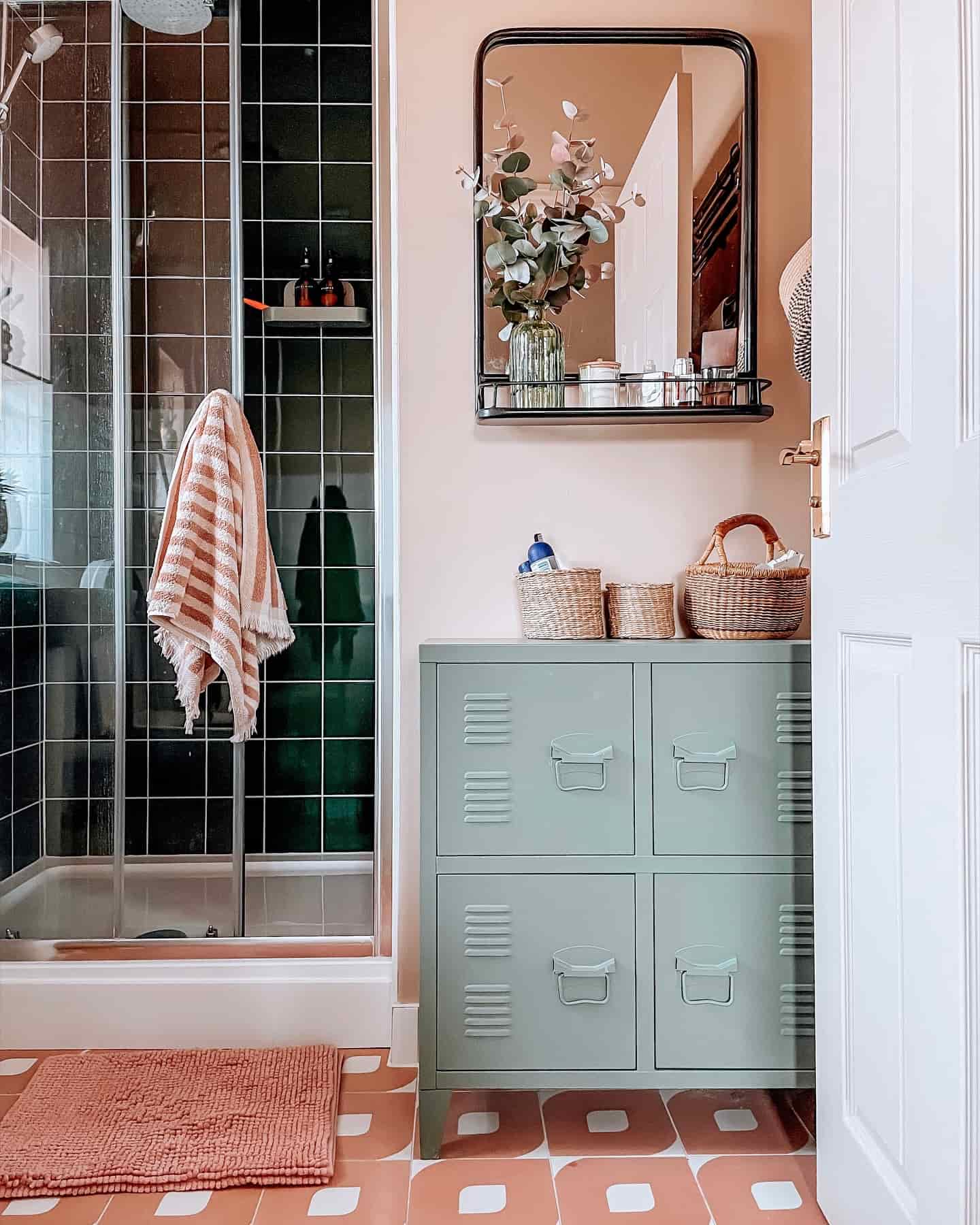
Baskets are an absolute must for organizing toiletries, towels, and other small items.
When you throw everything into baskets, you’re not just gaining storage; you’re giving your bathroom a cohesive look.
Plus, they help maintain the “lived-in” vibe without making everything look like a pile of random clutter.
Investing in baskets of varying sizes will help you keep everything in its place, from bathroom cleaning supplies to your stash of face masks and extra shampoo bottles.
They also make it easy to pull out exactly what you need, while hiding away the rest.
2. Maximize Every Square Inch
Every square inch counts in a tiny bathroom, so get creative with how you use your space. This isn’t about cramming everything into a corner; it’s about making the most out of the little room you have.
Small Sinks and Pedestal Basins: The Tiny Sink Revolution
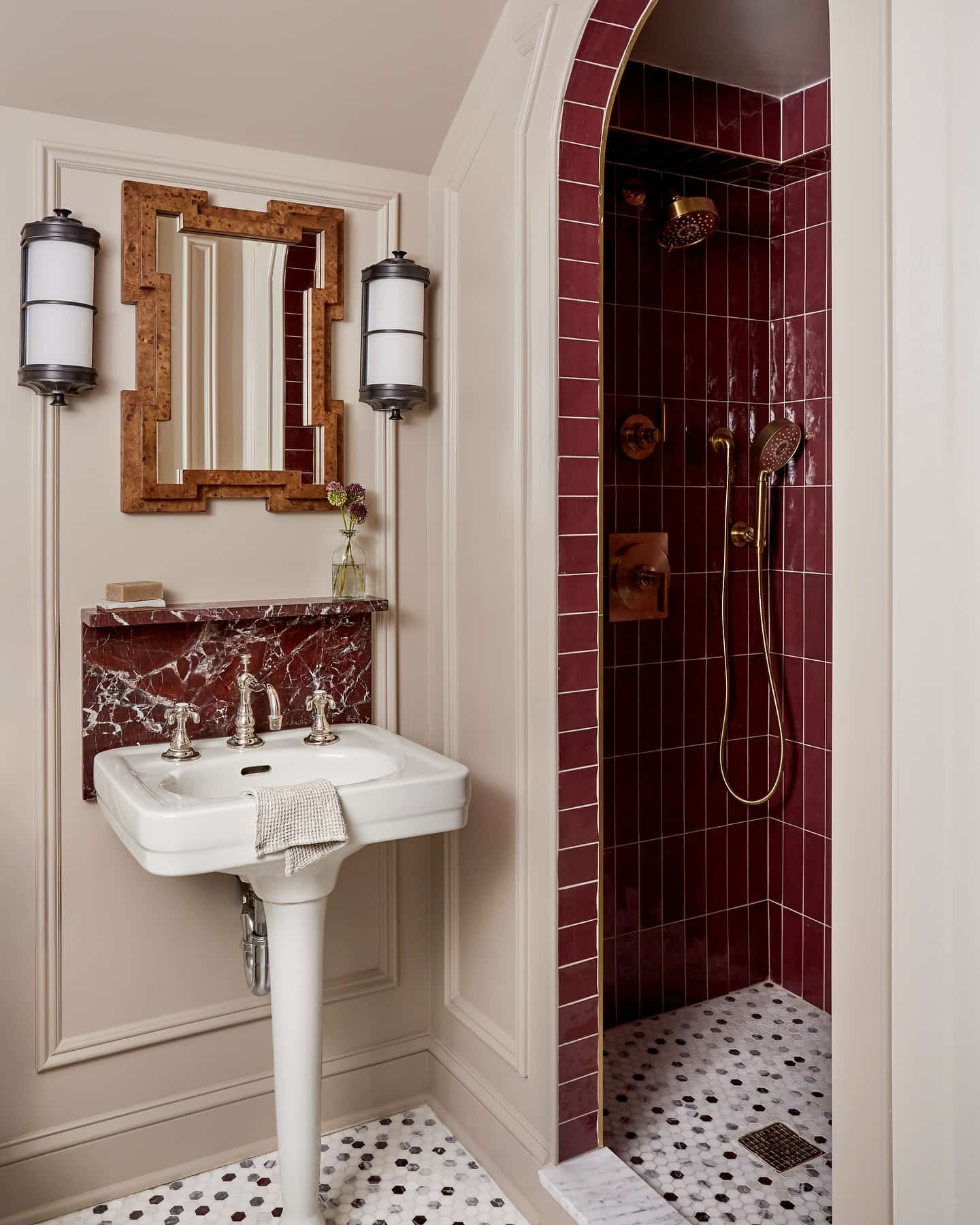
For smaller bathrooms, consider a compact sink or pedestal basin. These types of sinks often offer a surprising amount of space underneath for storage. You can stash cleaning supplies, extra toilet paper, or other essentials in small built-in shelves or cabinets.
When you opt for a small sink, you’re not just saving on space—you’re also creating an opportunity to play around with design.
Wall-Mounted or Built-In Cabinets

Wall-mounted or built-in cabinets near the sink are another great way to use space efficiently. These units often have minimal profiles, but they still offer tons of storage for toiletries, medications, or makeup.
These wall-mounted options can make a world of difference by keeping your bathroom from looking crowded.
Organizing Toiletries and Cleaning Products

Use organizers for cleaning products or toiletries that might otherwise clutter up your countertop. You’d be amazed at how a simple drawer insert or small cabinet can make your bathroom feel more organized, less chaotic, and infinitely more functional.
3. The Power of Hooks in Small Bathrooms
You may not realize it, but hooks are a game-changer in small bathrooms. They’re a simple, yet effective, solution for maximizing vertical space and keeping your bathroom organized.
Utilizing Hooks for Towels, Robes, and Accessories
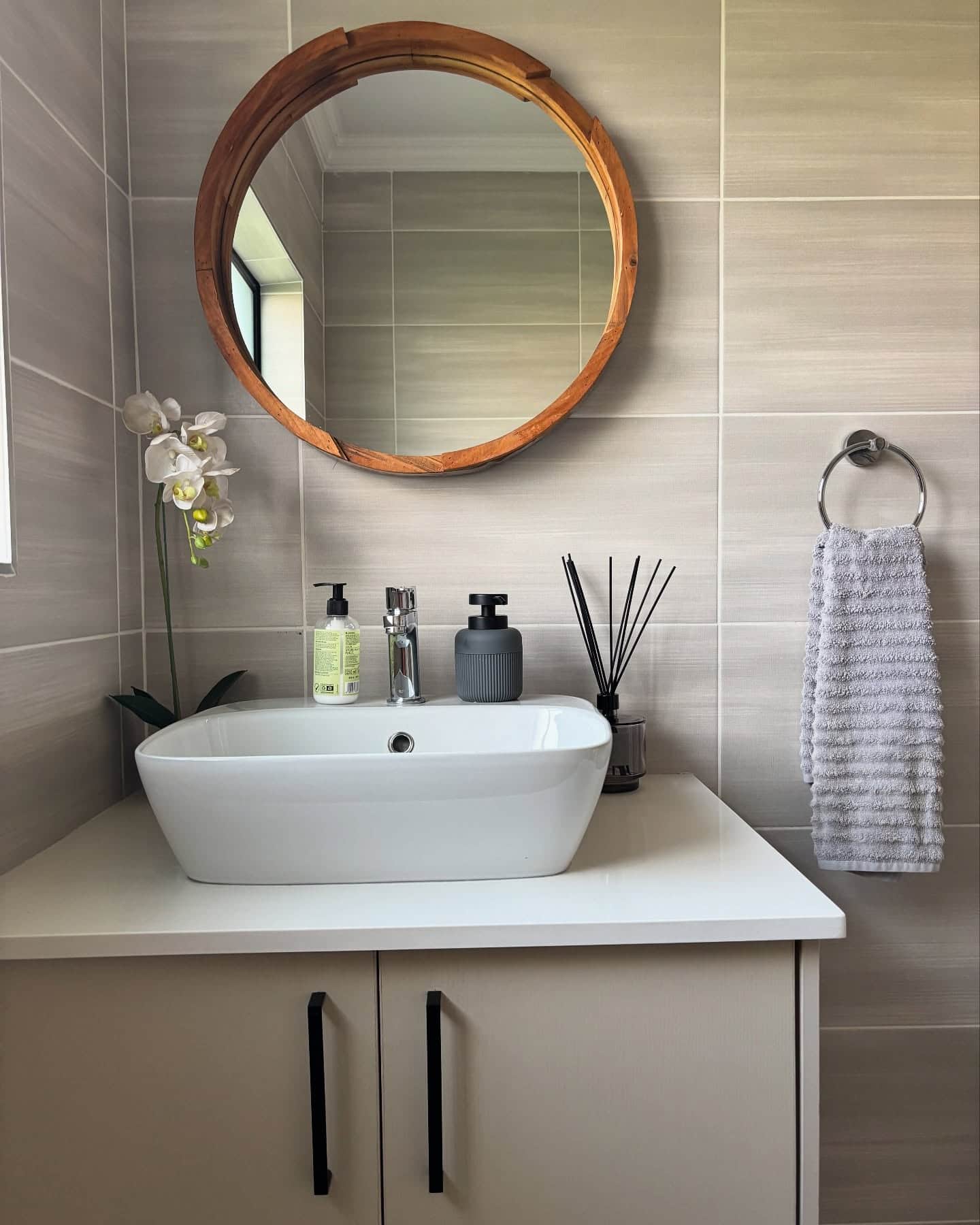
Towels, robes, or even bath mitts can be neatly hung on hooks. Hooks are versatile and come in a variety of styles, from sleek and modern to vintage-inspired. Think about using wall-mounted hooks for your towels. It’s a practical way to hang your essentials without taking up valuable storage space.
If you have a minimalist bathroom design, consider hooks in a matte or brushed finish for a modern look. Alternatively, rustic wooden hooks can help create a cozy, farmhouse-style bathroom.
Style with Hooks

Here’s where you can get creative—hooks can be an extension of your bathroom’s style. Choose hooks that complement your bathroom’s vibe.
You can also use hooks to store other accessories, such as your shower cap, loofah, or even a favorite towel that you always reach for.
Maximizing Vertical Space

The beauty of hooks is that they use your vertical space to keep things off the floor. Instead of towels cluttering your countertop or floor, neatly hang them with hooks that provide organization without feeling crowded.
4. Lighting in Small Bathrooms: Brighten Up the Space
Let’s talk lighting—because a small bathroom without proper lighting is like a painting without color. Good lighting makes all the difference, especially in tight spaces where you need to create a feeling of openness and airiness.
Importance of Good Lighting

Lighting plays a dual role: it’s functional, sure, but it’s also a key design element. You need light to brighten up the space and make it feel more spacious, but you also want it to enhance the bathroom’s aesthetic.
Types of Lighting

For small bathrooms, you’ll need a combination of ceiling lighting, face lighting, and under-counter lighting.
- Ceiling Lighting: This will help fill the space with a general brightness. A small, statement light fixture can also double as a design piece.
- Face Lighting: When you’re applying makeup or shaving, proper face lighting is a must. Use mirror lights, pendant lights, or even light strips around your mirror to illuminate your face clearly.
- Under-Cabinet and Low-Level Lighting: Think of those low, subtle lights often used in modern designs—great for a relaxing vibe or easy bathroom visits during the night. They’re especially practical for renters since there are battery-powered options you can attach without making permanent changes.
5. Neutral Color Palette: The Key to Making Tiny Bathrooms Look Bigger
Here’s where your bathroom design gets even easier: color! Neutral tones are the MVP when it comes to making a small space feel larger.

Why Neutral Colors Work
Light tones—like soft whites, greys, or pastels—reflect light, which makes a small bathroom feel open and airy. Dark colors can make the space feel more cramped, so try to keep your walls and major fixtures light.
Avoid Bold Colors
While bold colors can be fun in some spaces, it’s best to stick to neutral tones for the main features in a small bathroom.
Adding Pops of Color
Just because your base is neutral doesn’t mean your bathroom has to be boring! Add color through accessories like towels, rugs, or soap dishes. A pop of color, even in small amounts, can bring personality to your bathroom without overwhelming the space.
Examples of Neutral Bathrooms with Subtle Color Pops

If you’re still unsure about how to pull off a neutral bathroom with a hint of color, don’t worry—I’ve got some examples for you.
- Example 1: A white bathroom with light grey tiles and a few blue accessories (towels, rug, and soap dish). The soft blues add personality without disrupting the neutral theme.
- Example 2: A soft beige bathroom with colorful flowers in a clear glass vase and a bold, modern patterned rug. The accessories bring life to the space, while the base tones keep everything grounded and spacious.
Conclusion
There you have it—five key strategies for designing a small bathroom: maximize vertical storage, optimize lighting, and keep the color palette neutral with fun, subtle pops of color. These strategies can transform your tiny bathroom from an awkward, cluttered space into a stylish and functional oasis.
If you’re looking for even more design tips, make sure to check out my upcoming blogs for more insights on how to design and decorate your bathroom.
Let me know if there’s anything else you’d like to tweak!