The kitchen is the place where the magic happens—whether it’s whipping up a five-star meal, sharing family secrets over a cup of coffee, or casually debating whether pineapple belongs on pizza (it totally does).
So, it’s only fitting that we place a lot of thought into making this space functional, stylish, and inviting.
And while we may not spend all day in the kitchen, there’s one key element that deserves your undivided attention: the seating.
Sure, you could toss any old chair at your counter, but where’s the fun in that?
Selecting the right bar and counter stools isn’t just about giving you somewhere to park your behind while you sip your morning coffee. It’s about elevating your kitchen’s overall vibe, blending form with function, and—let’s be real—adding that wow factor that makes your guests say, “Wow, your stools are amazing.”
In this guide, we’ll walk you through everything you need to know about selecting the perfect bar and counter stools.
From height considerations to style choices, functionality to budget, you’ll be the pro when it comes to making a decision that’ll leave you sitting pretty.
Ready? Let’s dive in.
1. Understanding Bar and Counter Stools
Definition and Purpose
So, let’s start with the basics.
What’s the deal with bar and counter stools anyway? Why are they so essential in kitchens?
Well, bar and counter stools are, essentially, your ticket to kitchen comfort and style. These pieces of furniture give you a place to sit comfortably while eating, drinking, socializing, or simply making the occasional dramatic, “I’m so tired of cooking” statement.
The primary function of these stools is to provide seating for your kitchen bar or countertop area—areas where chairs might be too bulky or, frankly, not quite as cute.
Bar stools (the taller ones) are perfect for, you guessed it, bars or high-top counters, while counter stools (the shorter ones) are suited for standard kitchen counters.
Key Differences
Here’s the thing. While they might seem similar, bar stools and counter stools aren’t exactly interchangeable.
Why? Height matters. And I mean, really matters.
Bar stools tend to be a bit taller and are designed for countertops that sit higher up, like the ones you see in pubs or kitchens with higher bars.
Counter stools, on the other hand, are more suited for standard kitchen counters where you might do a little meal prep or have a casual breakfast.
To break it down:
- Bar Stools: 29–32 inches (74–81 cm) seat height—great for higher bars.
- Counter Stools: 24–29 inches (61–74 cm) seat height—perfect for your average kitchen counter.
It’s all about creating a comfortable, functional experience, so don’t go mixing them up!
2. Determining the Right Stool Height
Standard Measurements
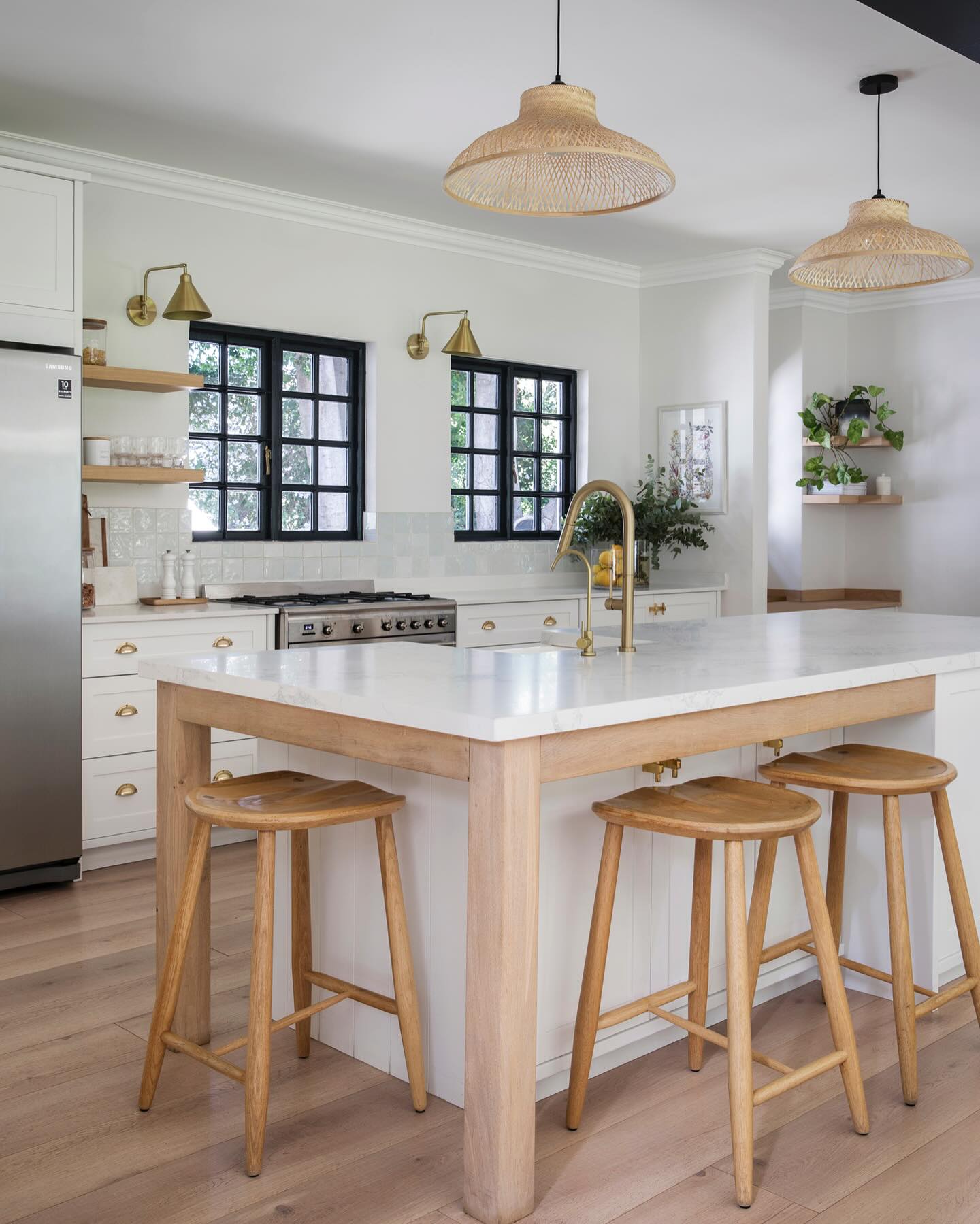
If you’ve ever tried to sit at a counter that was either too high or too low, you know it’s an uncomfortable experience.
And when it comes to bar stools, your knees either end up knocking on the underside of the counter, or your feet are dangling like you’re stuck in a scene from a cartoon.
That’s why the height of your stools is key!
Here’s the breakdown of the height ranges you’ll want to keep in mind:
- Counter Stools: For your standard kitchen counters, aim for a seat height of about 24–29 inches (61–74 cm). This allows for the ideal amount of space between your legs and the counter surface. You don’t want to be sitting in a position that leaves your legs feeling like they’ve just done a marathon, right?
- Bar Stools: For higher counters or bars, go for a seat height of 29–32 inches (74–81 cm). This will ensure that your knees aren’t tucked under your chin as you try to enjoy your beverage of choice.
Measuring Your Space
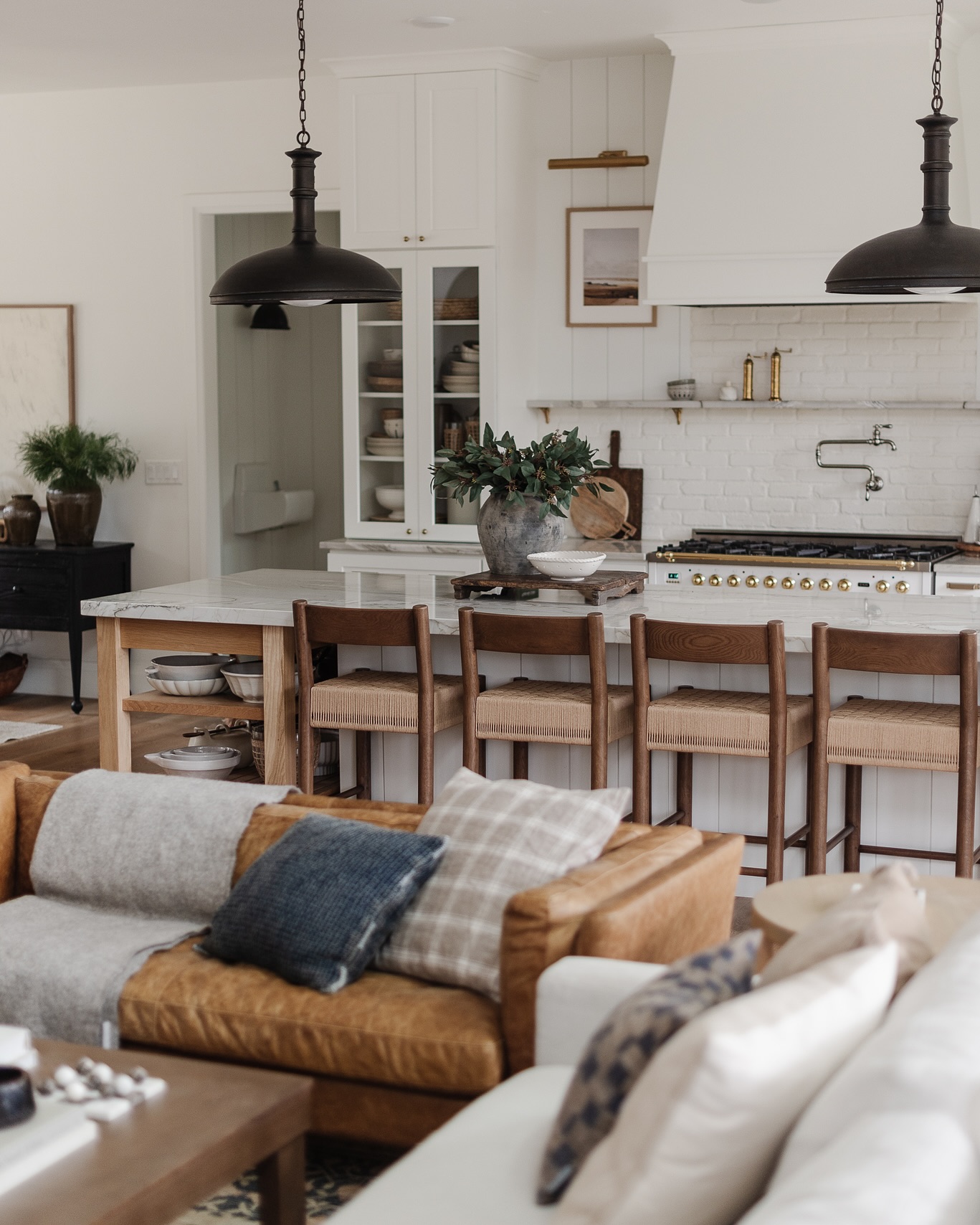
Now that we’ve covered the standard stool heights, let’s talk about how to actually measure your space. Don’t just eyeball it—trust me, it’s never as good as you think. Here’s how to do it right:
- Measure the Height of the Counter or Bar: Use a tape measure to check the height from the floor to the top of your counter or bar.
- Subtract 10–12 Inches: To ensure you have enough legroom, subtract about 10–12 inches (25–30 cm) from the height of your counter/bar.
- Pick Your Stools: With that number in mind, choose stools that match the height range we mentioned earlier.
This simple measurement will save you from that awkward moment when your knees are in your face.
Comfort Considerations
When selecting stools, don’t just focus on aesthetics—comfort matters!
The gap between the underside of the counter and the top of the stool should be enough to allow you to sit comfortably without feeling like you’re either crawling under the counter or floating above it.
A good rule of thumb is that you want about 9–13 inches (23–33 cm) between the seat and the counter.
3. Selecting the Appropriate Style
Design Variations
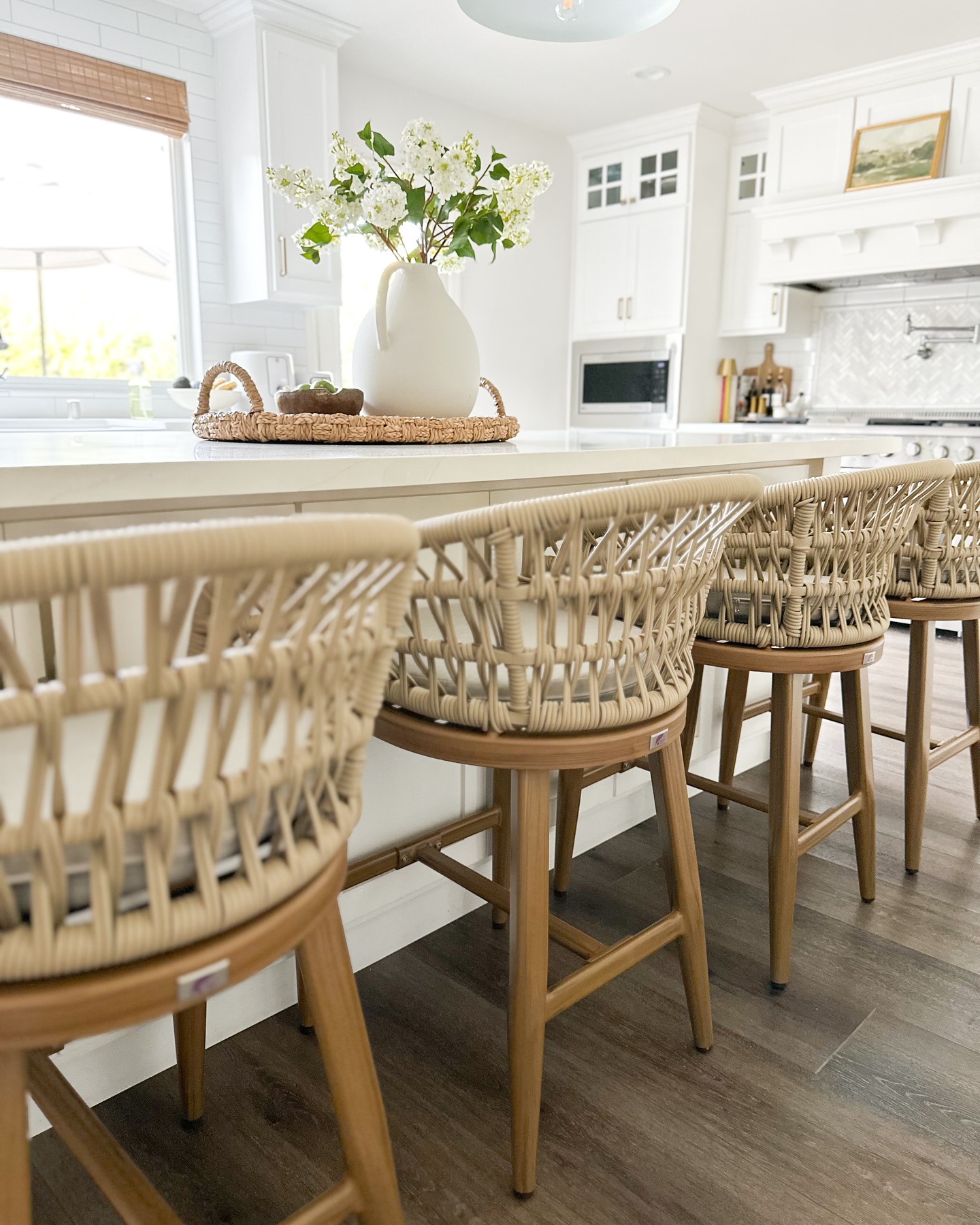
So, you’ve nailed the height—great job! Now, let’s talk about style. After all, your stools are going to be front and center in your kitchen, and they need to make a statement.
But how do you choose? There are many different types of stools, and knowing what you’re working with can make the decision a little easier.
- Backless Stools: These are sleek, minimalist, and perfect for tight spaces. They don’t take up too much room and can easily be slid under the counter when not in use.
- Stools with Backs and No Arms: These are a good balance between comfort and style. They give you a backrest without the bulk of arms. Ideal for those who want a classic look without feeling cramped.
- Stools with Backs and Arms: If you’re looking to add a touch of luxury to your kitchen, stools with backs and arms are the way to go. They offer the utmost comfort and make a bold statement in any space.
- Upholstered Stools: If you’re all about comfort, upholstered stools are perfect. They add a cozy vibe, making them great for long conversations around the kitchen island.
Material Choices
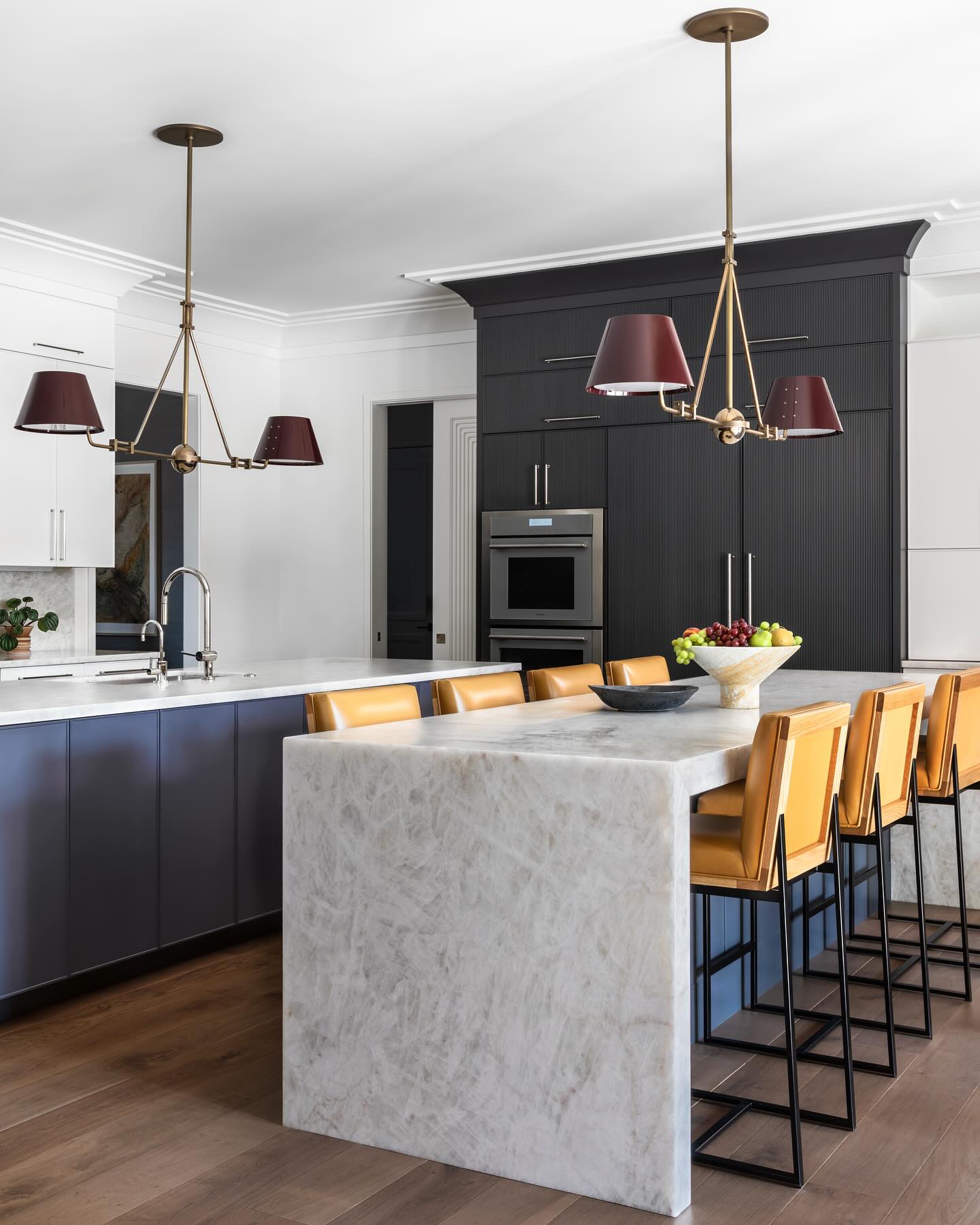
Now, let’s talk about what these stools are made of. Material selection will influence both the durability and the overall vibe of your kitchen. Here are some of the most popular options:
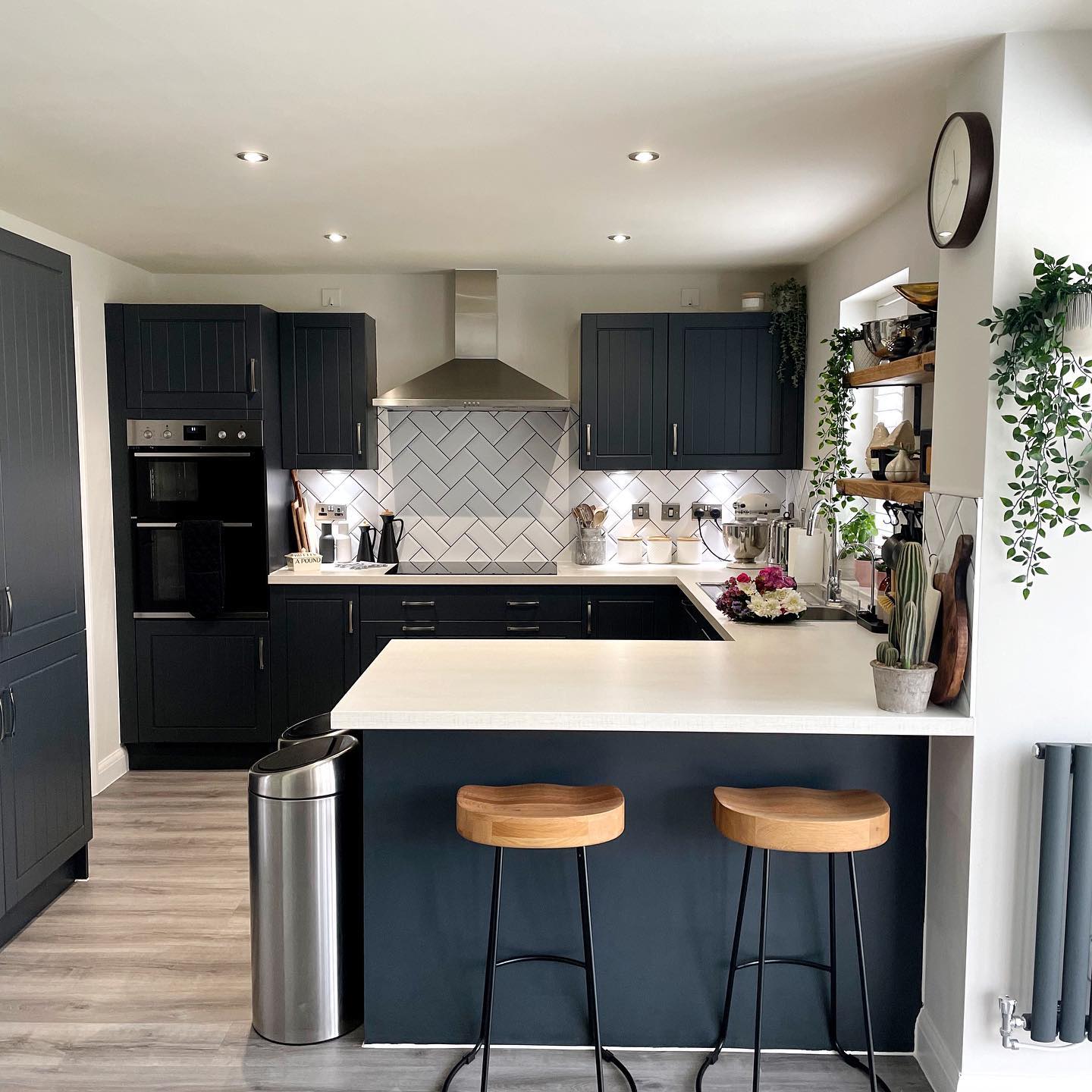
- Wood: Classic, timeless, and always in style. Wooden stools can complement any décor, from farmhouse to modern. Plus, they’re sturdy and durable.
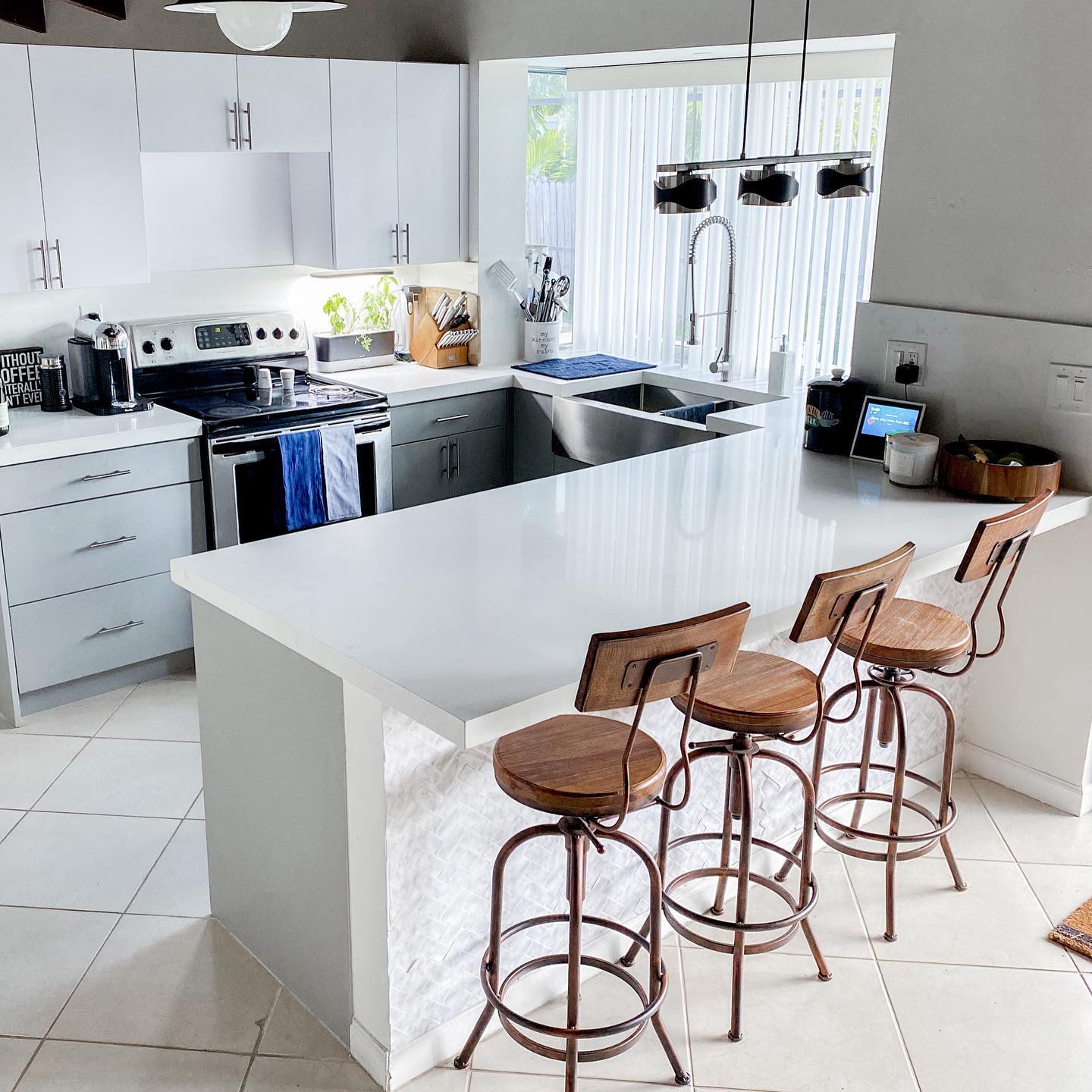
- Metal: Sleek, industrial, and modern. Metal stools are perfect for a more contemporary kitchen or industrial-style space. They’re often lightweight and easy to clean.
- Rattan: If you’re after a more coastal or natural vibe, rattan stools are a fantastic choice. They bring a breezy, relaxed feel to your kitchen while being incredibly durable.
- Upholstered Options: Upholstered stools are ideal for comfort, but they require a little more maintenance. Fabrics like velvet or linen are popular, and they can add a touch of elegance or a laid-back vibe to your kitchen.
Design Styles
Stool style isn’t just about the structure and material—it’s also about the design theme. Depending on your kitchen’s overall look, these styles might be perfect for you:
- Modern: Clean lines, minimalistic design, and neutral tones. Perfect for contemporary kitchens.
- Industrial: Exposed metal, raw wood, and a bit of grit. Industrial stools work best in kitchens with an urban, edgy vibe.
- Traditional: Wooden stools with more classic detailing and rich finishes. Ideal for homes with a cozy, vintage feel.
- Mid-Century Modern: Sleek, functional, and stylish. Expect clean lines and functional design.
- Farmhouse: Rustic and charming, often with a distressed look that adds character to your space.
4. Considering Functionality and Features
Adjustability
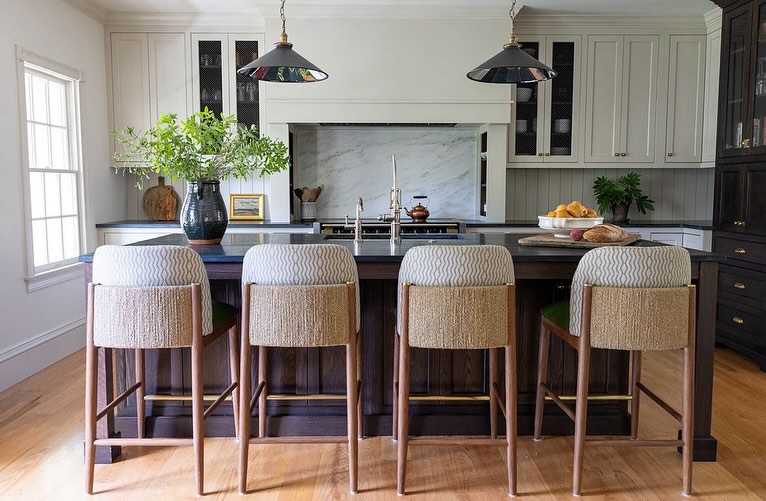
If you’re someone who loves versatility, adjustable-height stools are the way to go.
With a hydraulic mechanism or swivel feature, these stools allow you to adjust the height depending on the user or the occasion.
They’re especially helpful if your kitchen plays host to people of varying heights.
Stackability
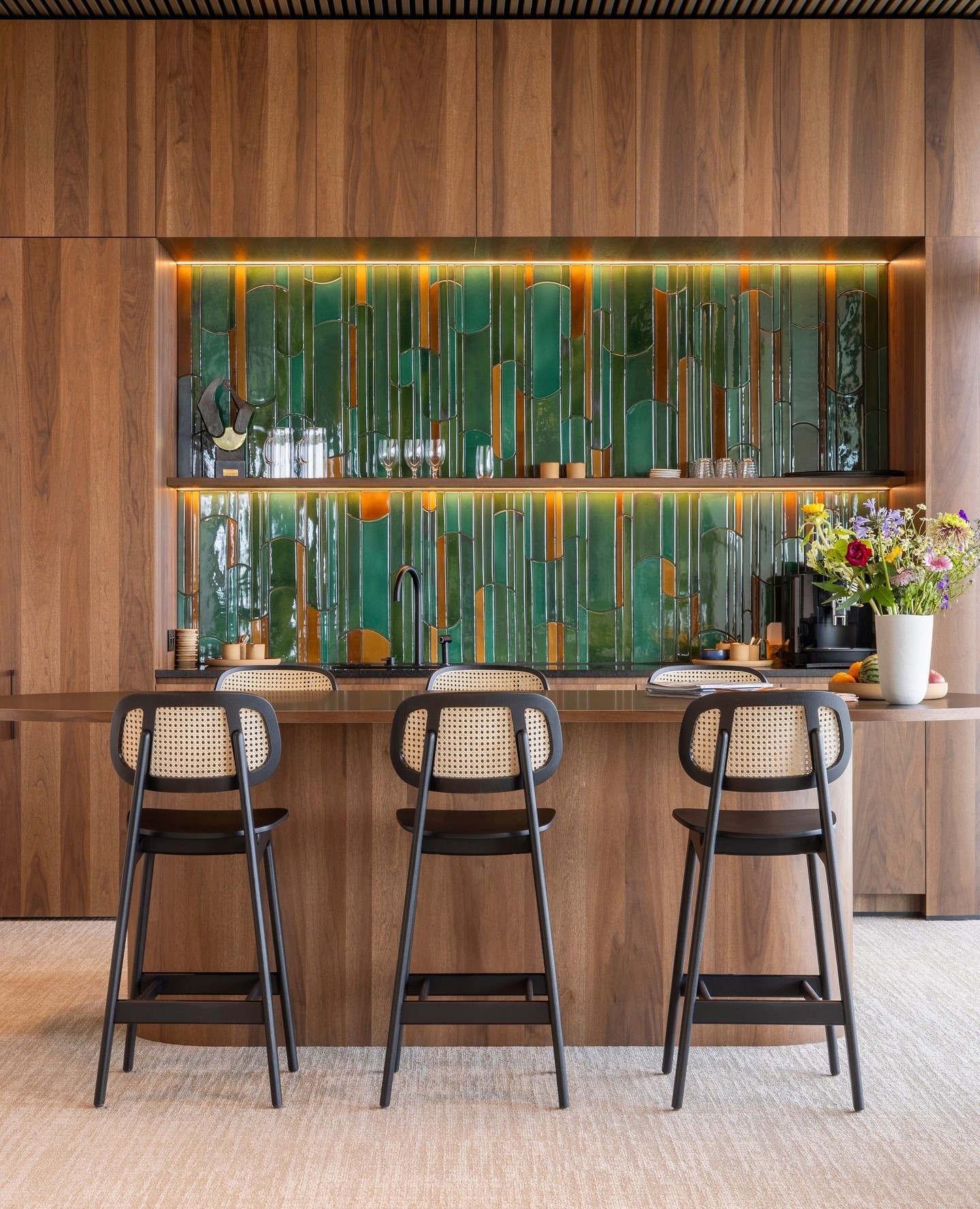
Need stools that won’t clutter up your space when not in use? Stackable stools are a godsend. When you have a crowd coming over, you can stack them up for easy storage, and then pull them out again when you’re ready to entertain.
It’s the space-saving genius you never knew you needed.
Additional Features
Some stools come with extra features, and depending on your needs, these could make a world of difference:
- Footrests: Don’t let your feet dangle like you’re in a bad sitcom. A stool with a footrest is the key to keeping your legs comfy for hours.
- Armrests: Perfect for those who want to lounge and really take their kitchen stool experience to the next level.
- Swivel Capabilities: Great for active kitchens where you might be multitasking or just need to spin around to grab the salt. It adds a touch of fun and freedom to your seating.
5. Matching
Color Coordination
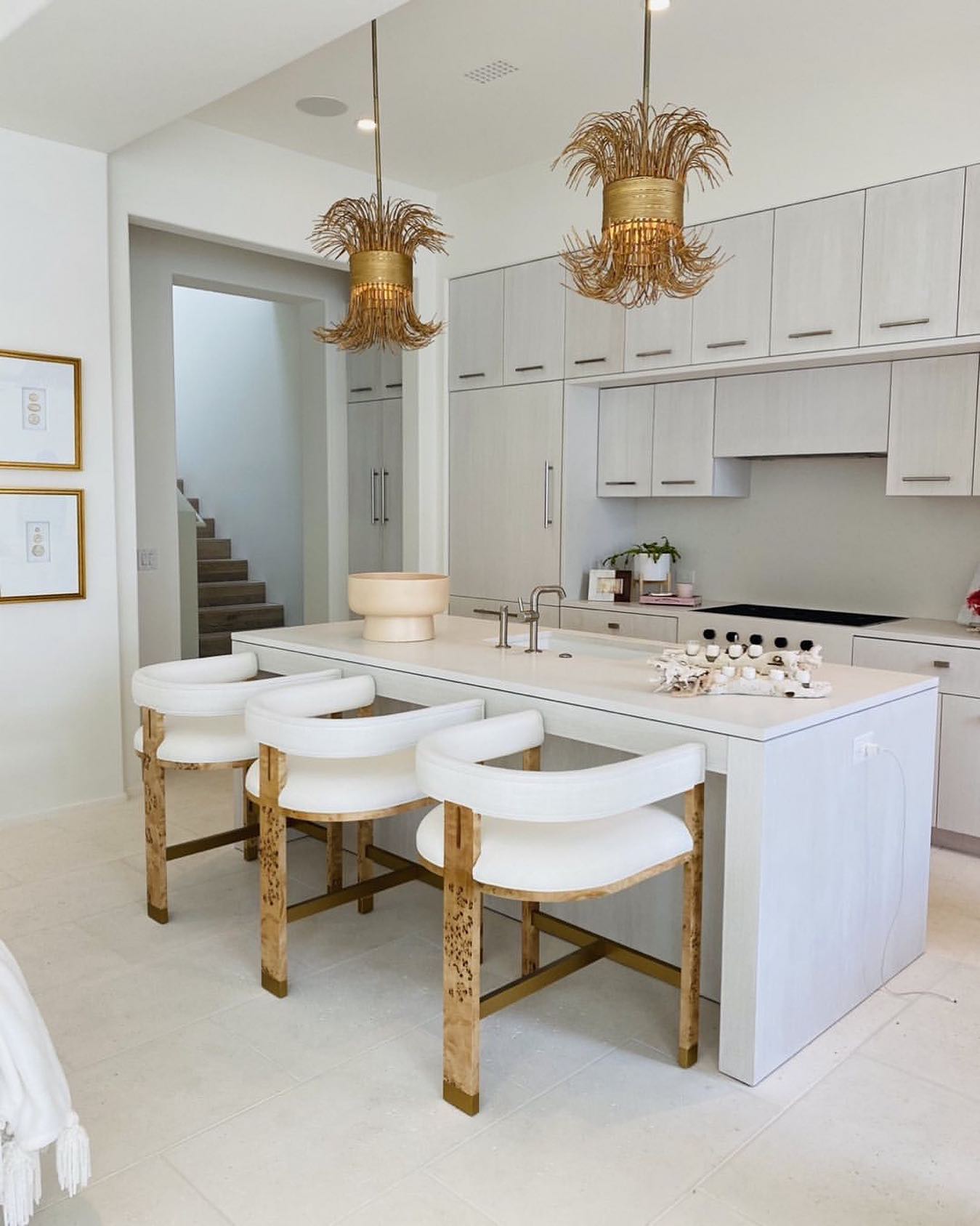
You probably wouldn’t wear bright orange pants with a neutral-colored shirt, right?
The same logic applies to your stools. Choose colors that complement your kitchen palette.
For a classic look, neutral tones (think white, black, and gray) are foolproof.
If your kitchen’s already got a bold color scheme, you might want to keep your stools in more subdued hues to avoid clashing.
Design Harmony
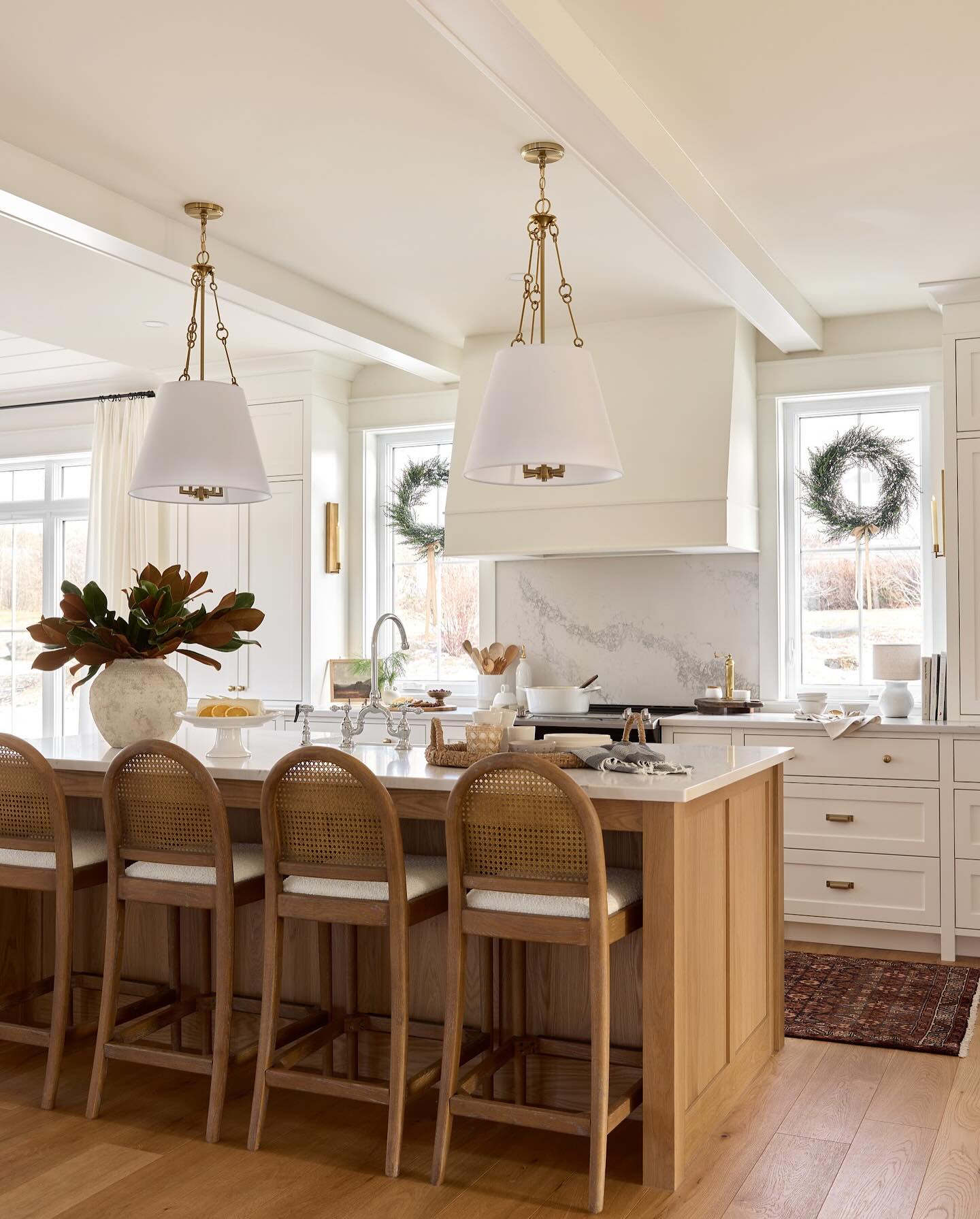
Your stools should work with, not against, the rest of your kitchen.
If you’ve got a sleek, modern space, go for minimalist stools that reflect that vibe.
For a more cozy farmhouse style, opt for stools with rustic charm that fit seamlessly into the theme. It’s all about harmony.
6. Budgeting and Quality Considerations
Price Range
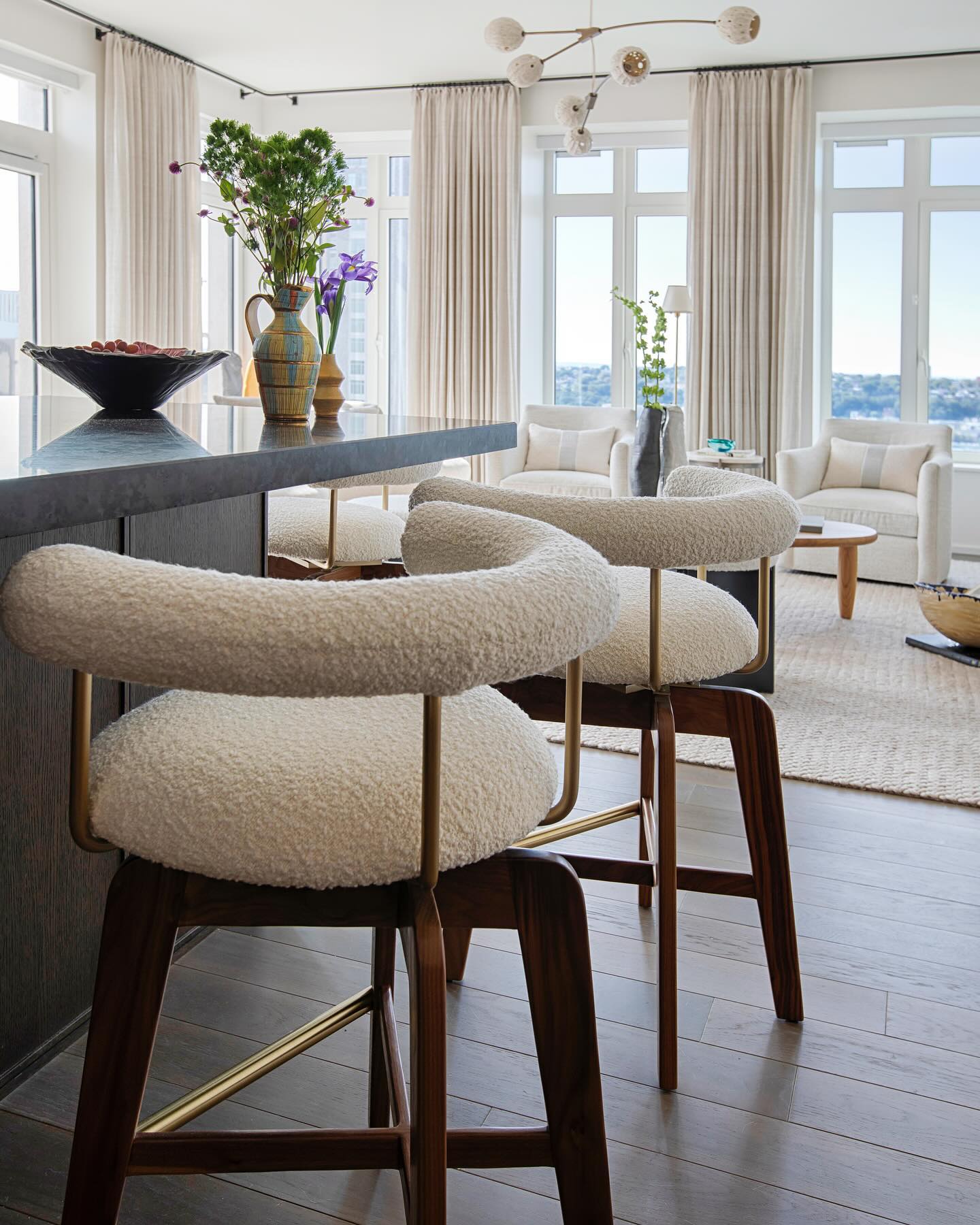
Bar and counter stools can range from budget-friendly to sky’s-the-limit luxury.
Typically, you can find decent options for around $50–$150 per stool. If you’re looking for something higher-end or custom-made, expect to pay $200+ per stool. Remember, quality stools can be an investment that’ll last for years.
Quality Indicators
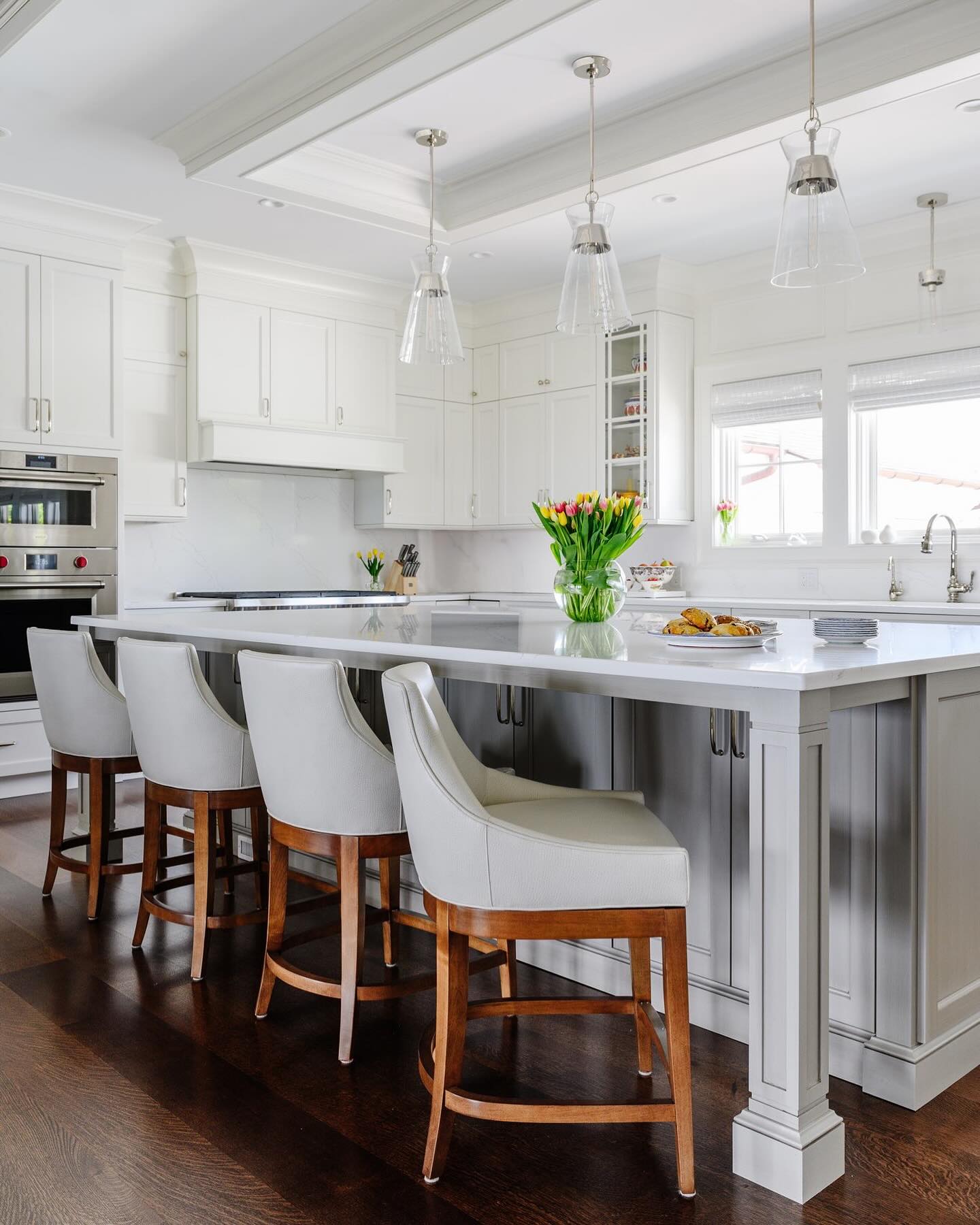
When it comes to quality, look for materials that can withstand daily use, like solid wood or durable metal frames.
Check the construction—sturdy joints and screws are key to ensuring your stools don’t fall apart after a few uses.
Also, don’t skimp on comfort! Cushioned seats and ergonomic designs are worth the extra bucks.
Conclusion
When selecting bar and counter stools, it’s all about balancing comfort, style, and functionality. Whether you’re going for a sleek modern look, a rustic farmhouse vibe, or something in between, the right stools can elevate your kitchen experience.
So, take your time, measure carefully, and choose wisely—your kitchen (and your behind) will thank you.
Ready to find the perfect stools for your kitchen?
Browse our curated selection of bar and counter stools and discover the perfect fit for your home.