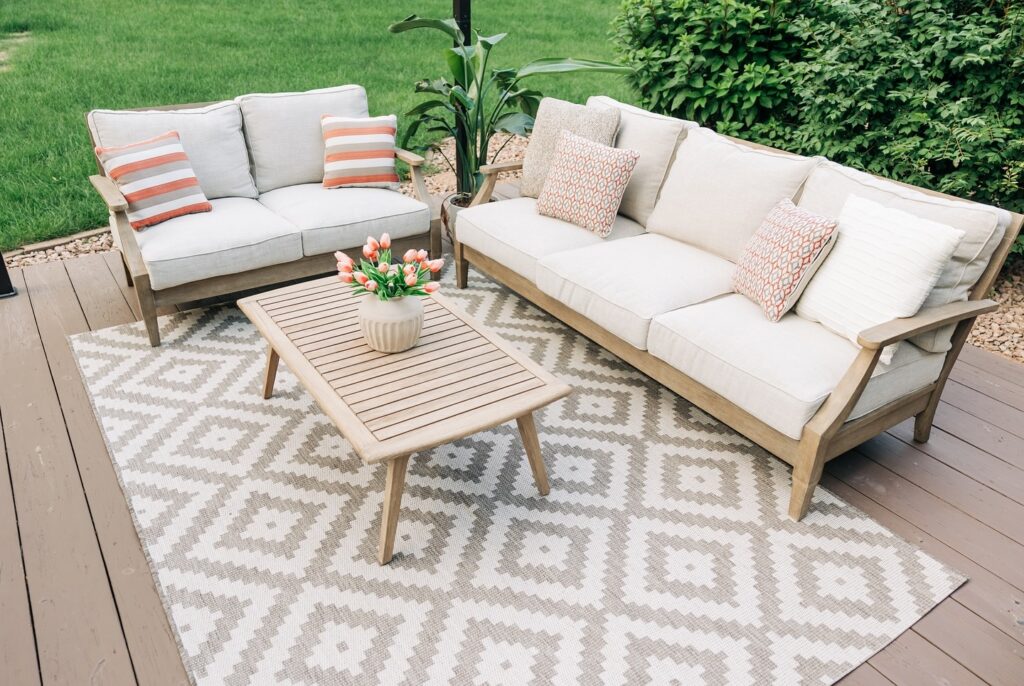
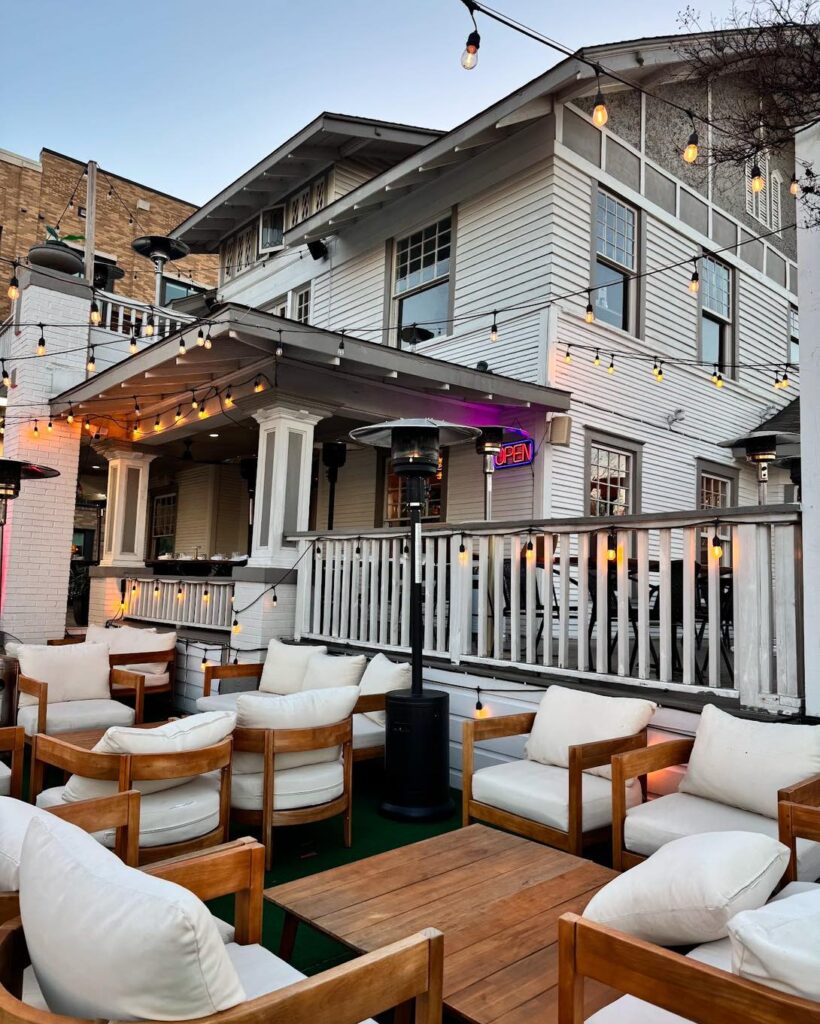
Too many straight lines and sharp angles in your space can make it feel like a high-stakes geometry exam.
This setup might trigger feelings of anxiety. Our brains react to these patterns and stir up some uninvited guests like adrenaline and cortisol.
Straight Lines and Sharp Angles
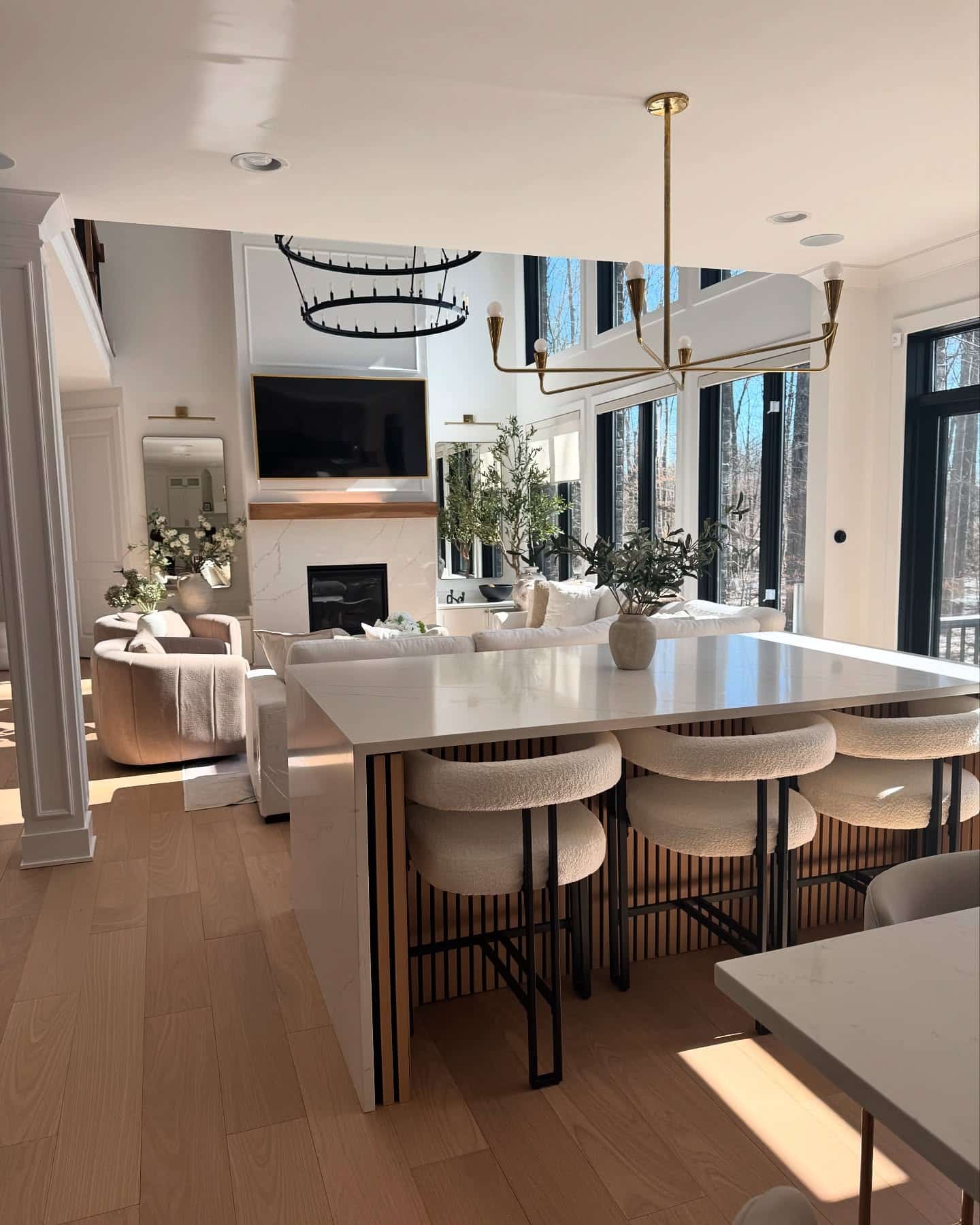
Let’s face it: straight lines are the no-fun police of home decor. They’re like that one friend who always insists on following the rules.
While symmetry can look nice, too much of it can feel quite oppressive.
Your brain sees those sharp edges and thinks, “Uh-oh! This could be dangerous!”
The result? An uptick in anxiety. Seriously, nobody wants to feel like they’re trapped in a math problem. Sharp corners can make you feel more wound up than a spring.
Solution: Introduce Curves
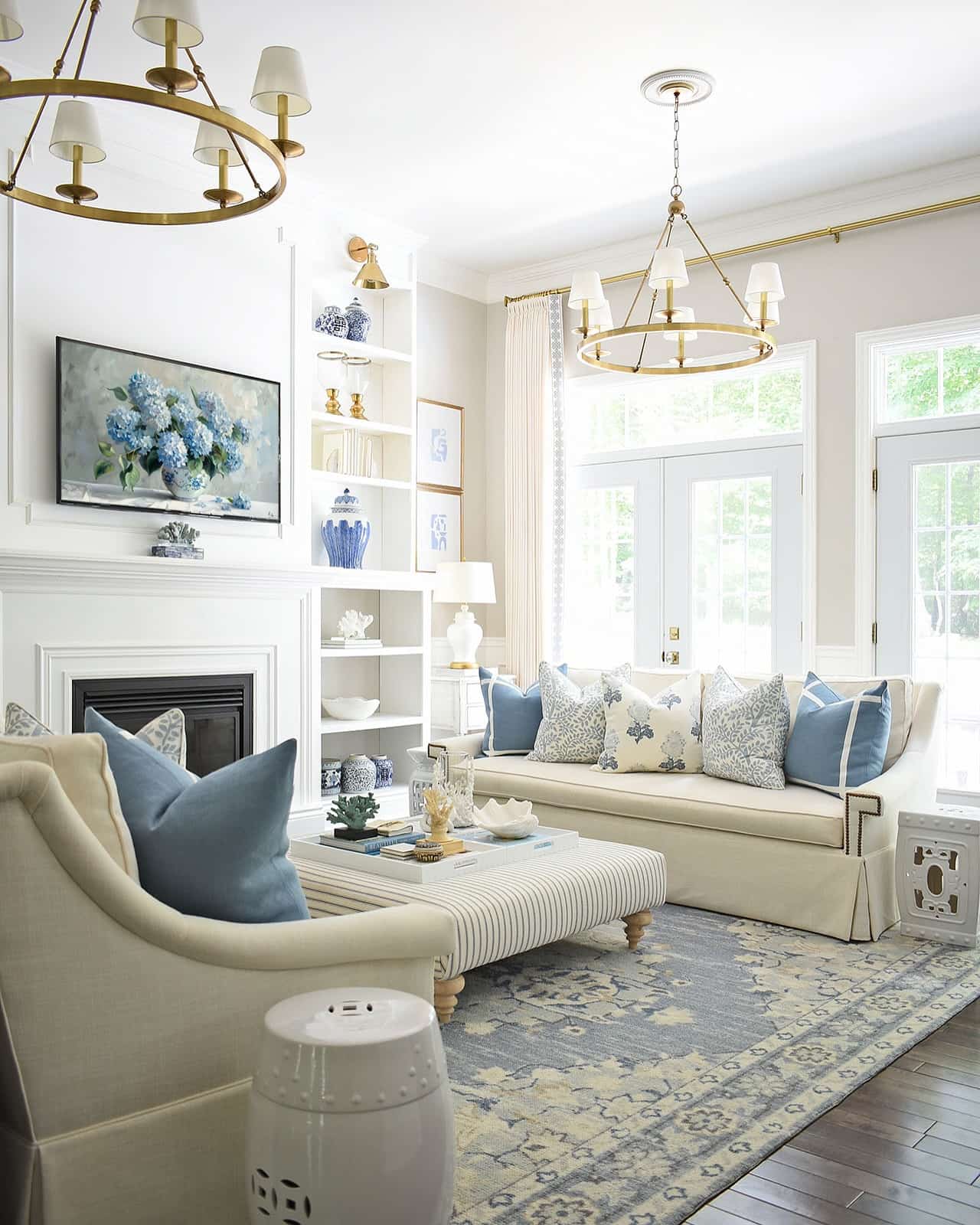
Now, if straight lines are keeping the mood heavy, it’s time to shake things up! Curved furniture can work wonders. Throw in some round tables, maybe a cozy bean bag chair, or even a curved sofa.
Think of it as the life of the party, spreading good vibes all around.
The Power of Plants
Adding some greenery to your space can work wonders for your mood. Plants bring life to a room and can help chase away that pesky feeling of sadness.
Plus, they give us something to care for—like a pet, but without the barking.
Mood-Boosting Benefits of Plants
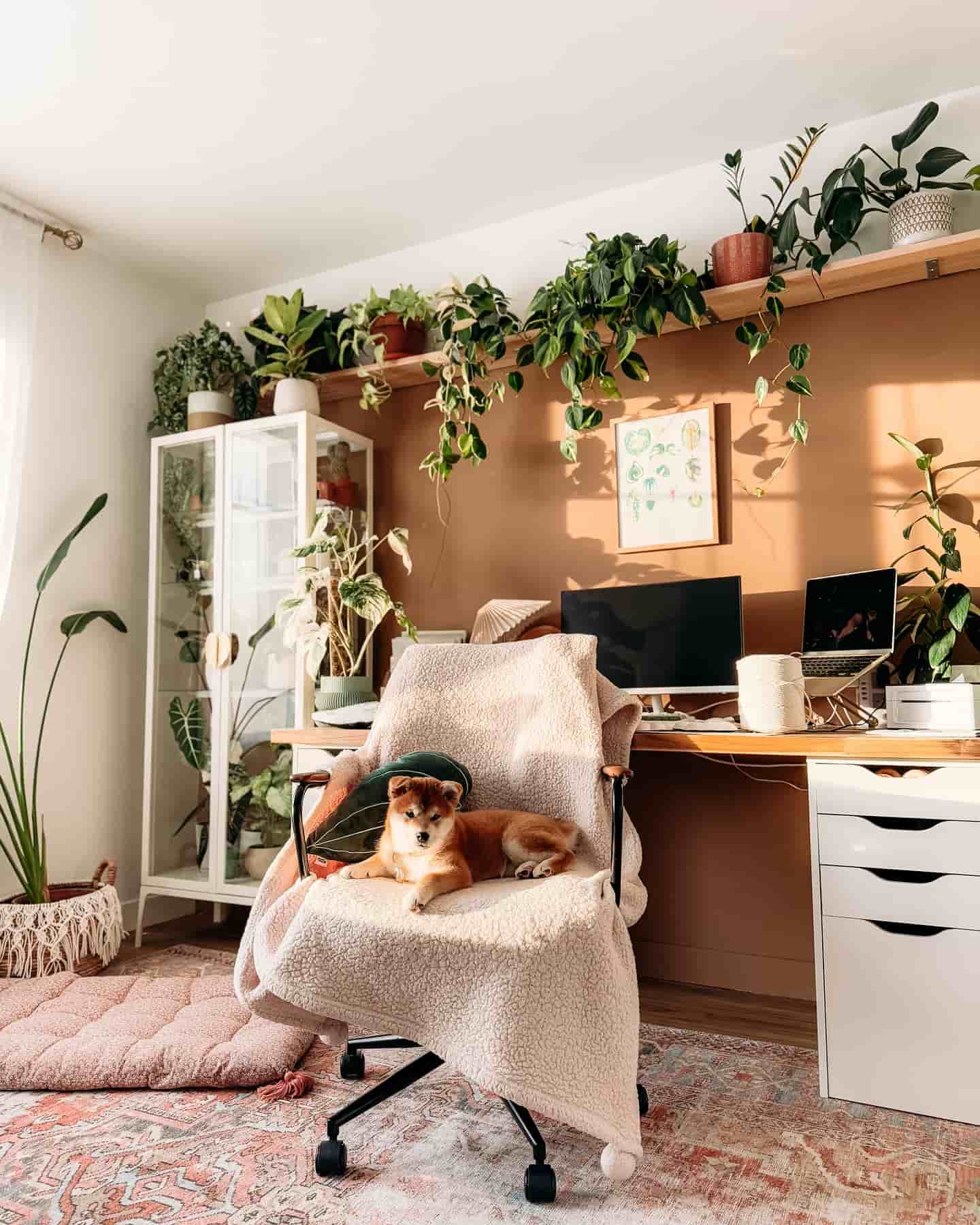
Plants are like little mood superheroes. They help tackle loneliness and swoop in to rescue us from sadness. When I look at a thriving fern or a cheerful spider plant, I can’t help but smile.
Not only do they look good, but studies suggest they can actually improve mental well-being. The act of nurturing plants offers a sense of purpose. Take that, gloomy vibes!
Solution: Include Real or Faux Plants
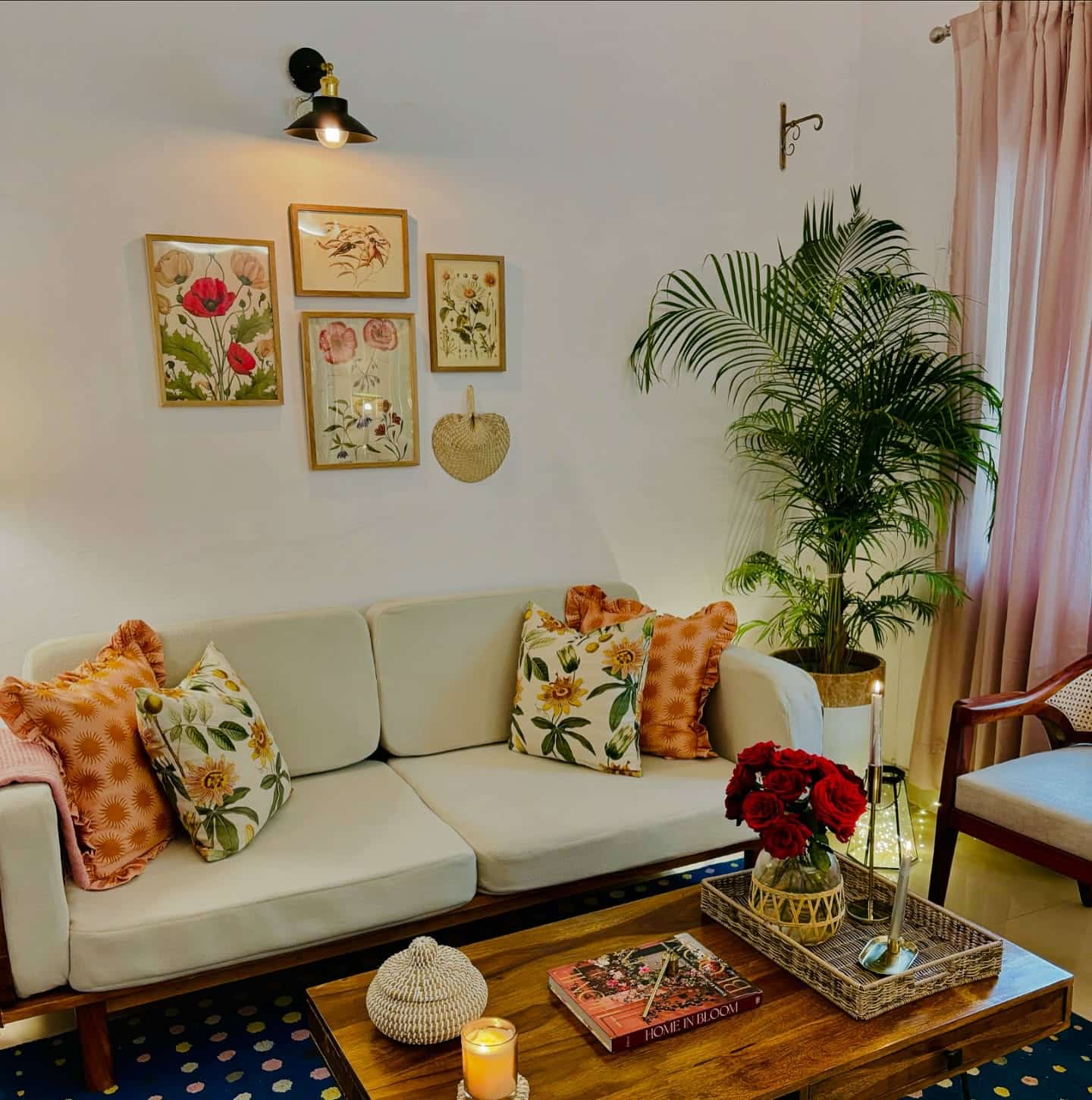
Now, if you’re like me and tend to forget about watering living things (sorry, succulents), don’t sweat it! Faux plants can be fantastic too.
They look good, require zero upkeep, and won’t judge you for your lack of a green thumb.
Think about using faux greenery in art or decor. Wall art with plants or even fake treescapes can bring that nature vibe indoors.
The Psychological Benefits of Artwork
Artwork can do wonders for our minds and moods, transforming plain walls into sources of joy and inspiration. It can evoke emotions and help create a personal space that reflects who we are.
Art’s Impact on the Mind
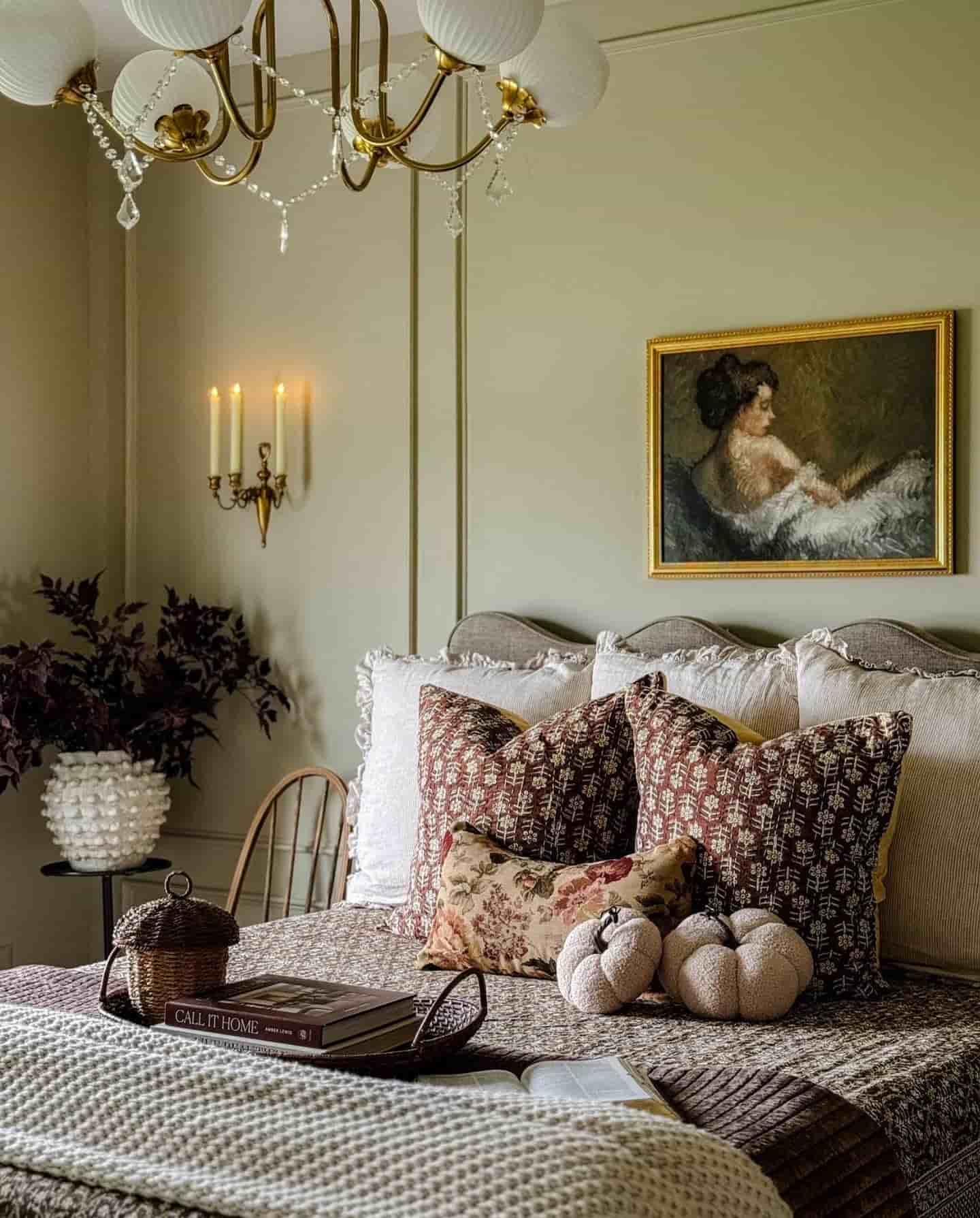
Did you know that just gazing at art can trigger feelings of love and happiness? It’s like getting a mental hug!
The magic happens when your brain releases dopamine, the feel-good chemical. That’s right; art can make you feel as giddy as a kid on a sugar rush.
Solution: Incorporate Affordable Art
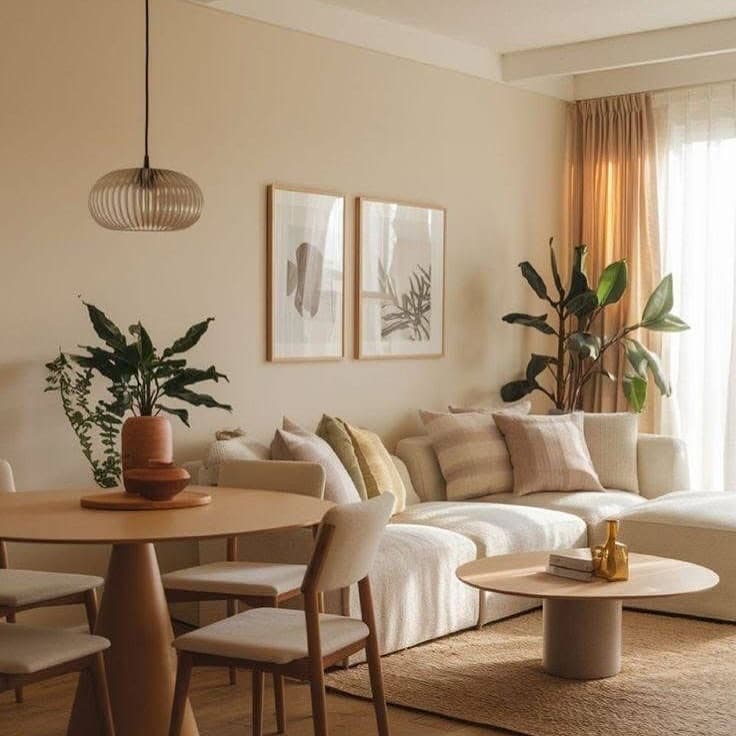
Now, you might be thinking, “But I can’t afford masterpieces!” Fear not! You don’t need to break the bank to add charm to your walls.
Affordable art options are everywhere. For example, prints from places like Walmart can be just as captivating as pricey originals.
Room-Specific Art Options
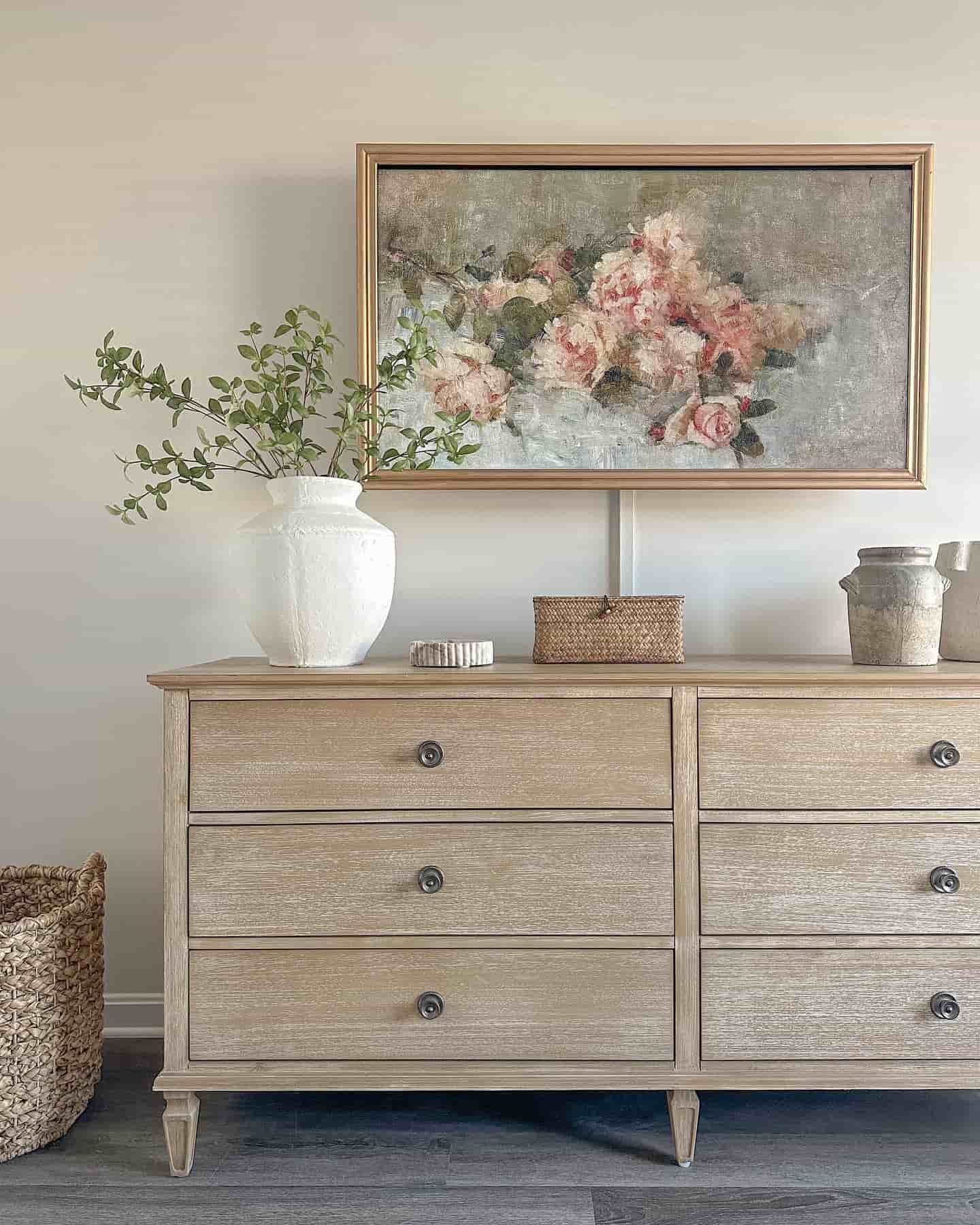
Choosing art for specific rooms is like picking the right outfit for an occasion. Common areas? Go for lively colors that stimulate conversation and energy. Think bright abstracts or funky designs that make you smile.
In contrast, your bedroom should have a calm vibe. Choose art with soothing, neutral tones to help you wind down after a long day. Maybe a tranquil landscape or a soft minimalist piece?
Each room sets a different mood, and the right art can enhance that atmosphere. So, let your walls do the talking and choose pieces that fit the character of each space!
Mirrors: A Double-Edged Sword
Mirrors can be both a handy tool and a source of stress. They can amplify clutter and even spark anxiety in some people.
Mirrors and Anxiety
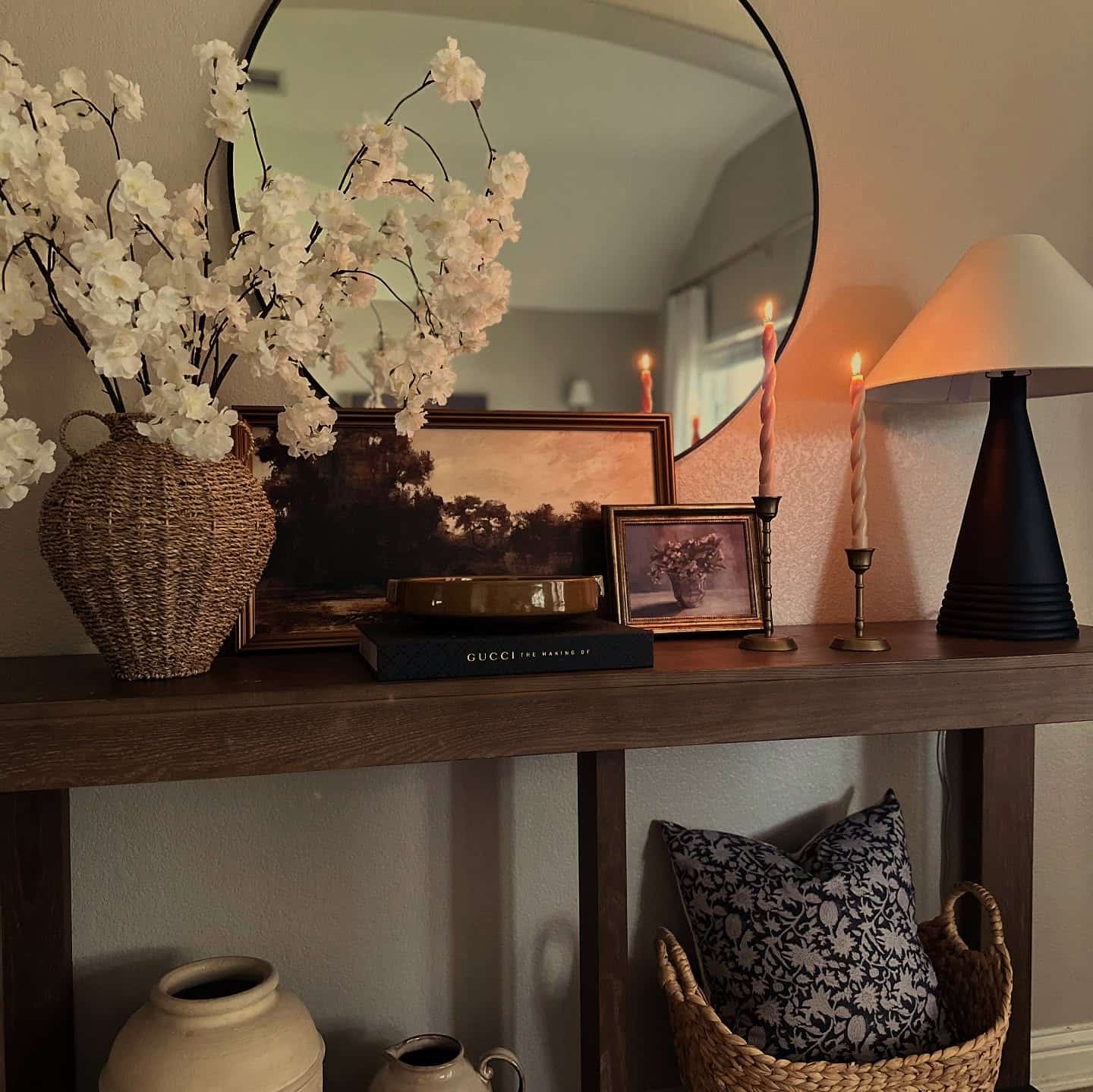
Ever stood in front of a mirror and felt like you were staring into the abyss? I get it. For some, mirrors can reflect more than just our physical appearance; they can amplify chaos.
If your space is cluttered, each reflective surface could become a magnifying glass for that mess, making your brain scream, “Get me out of here!”
Individuals with Body Dysmorphic Disorder (BDD) might find mirrors particularly tough.
What should be a quick glance transforms into a lengthy examination, leading to unnecessary stress. Even if you don’t have BDD, those reflections can sometimes be too much to bear. Not fun!
Solution: Opt for Artwork Instead
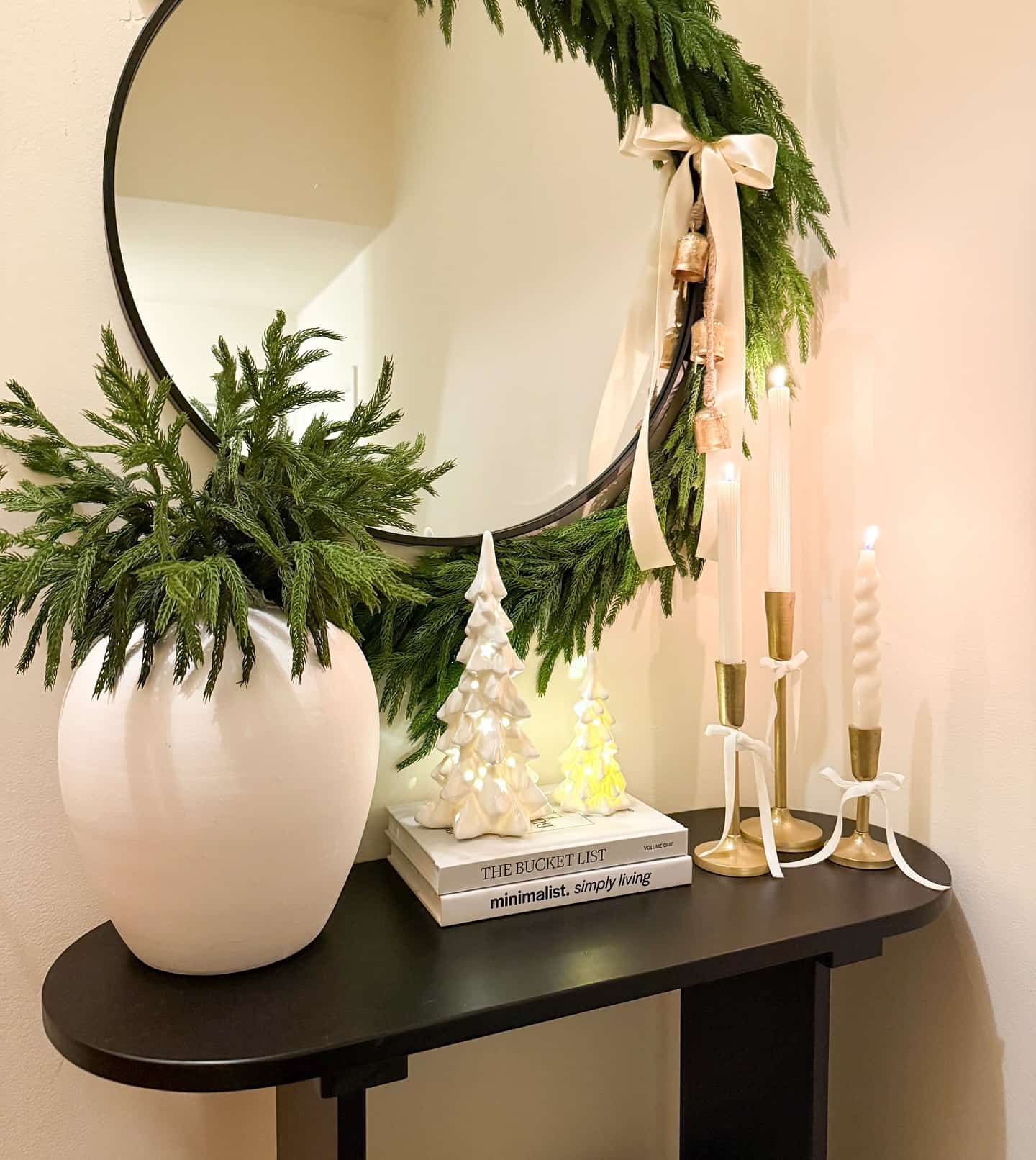
Instead of battling with mirrors, why not hang some wonderful artwork instead? Paintings and photos won’t judge you. They can transform a room and lift your spirits, too.
The Importance of Clutter-Free Spaces
Living in a clutter-free space isn’t just about aesthetics; it can play a big role in how I feel every day. A tidy environment helps cut down on anxiety and promotes a sense of calm.
Clutter’s Impact on Mental Health
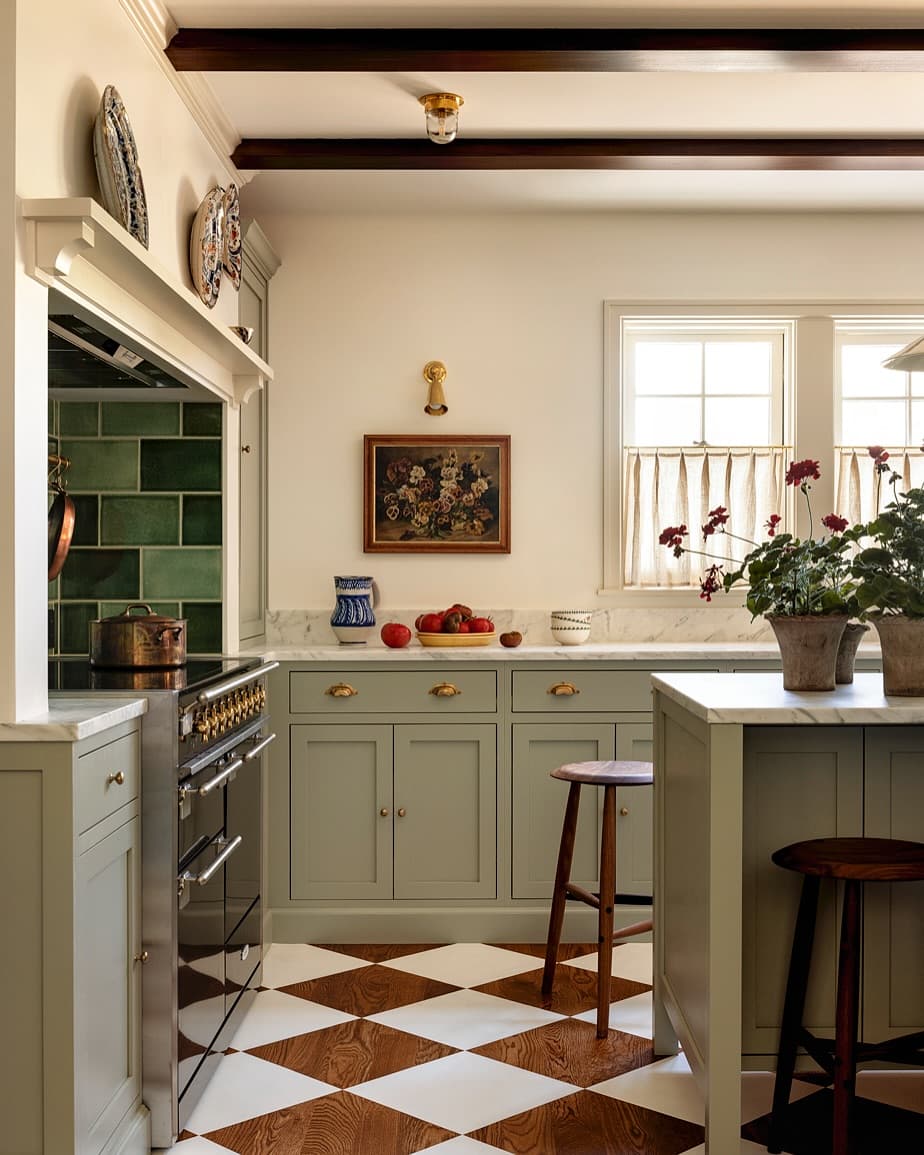
Let’s talk clutter. Imagine I’m stumbling over shoes and piles of laundry. My brain feels like it’s in a wrestling match.
Clutter can actually lead to higher cortisol levels, otherwise known as the stress hormone. More stress means less serenity, which is no fun.
Solution: Maintain Balanced Spaces
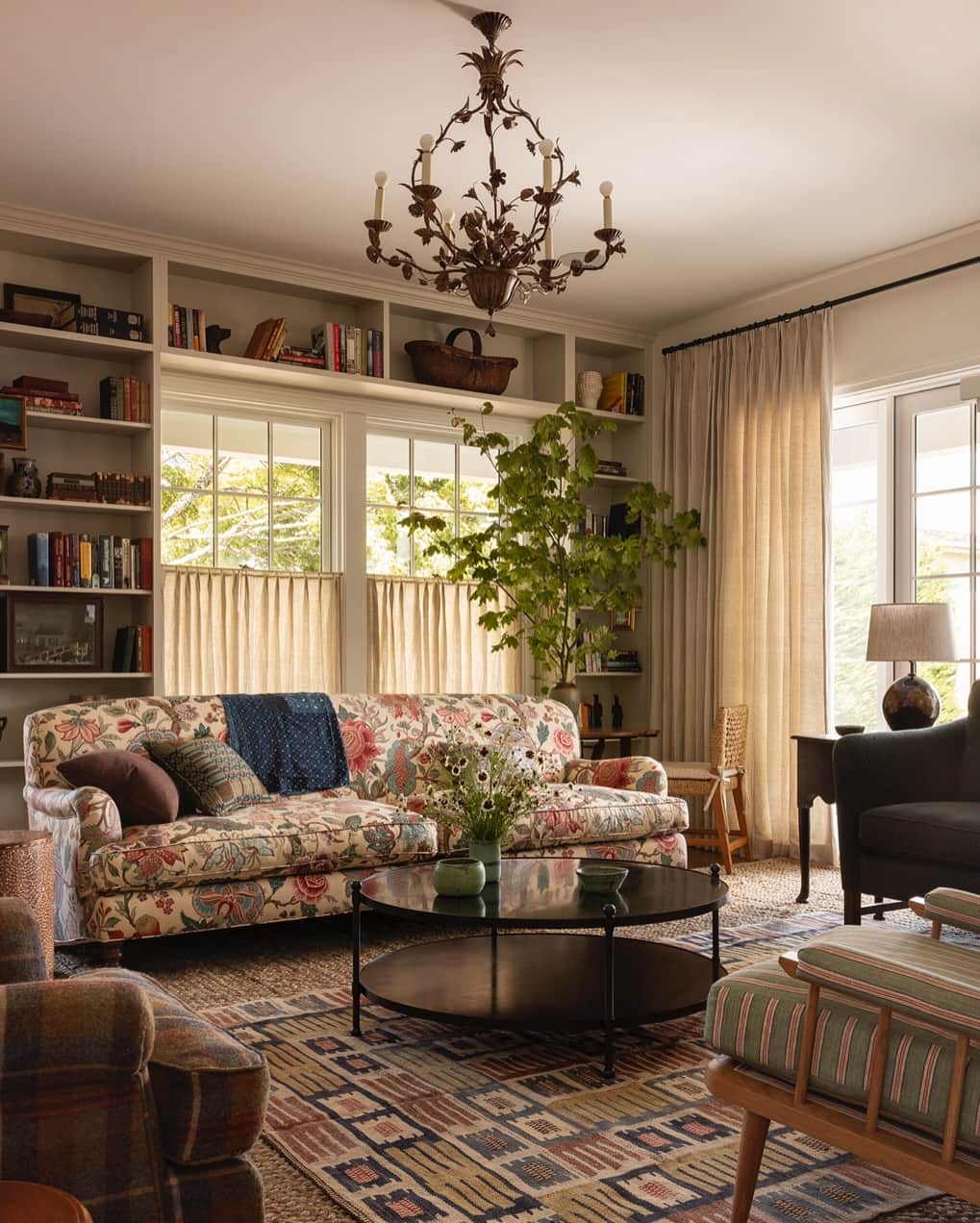
Finding a super zen place doesn’t mean I have to ditch all my belongings. I just need to create a balance. Start small—maybe tackle one cluttered corner at a time, like my infamous “junk drawer.”
Set a timer for 15 minutes and go wild! I can sort and toss or donate items that no longer spark joy. It’s like a treasure hunt, minus the pirates.
Keeping only what I truly love can help maintain a balanced space that inspires contentment.
Avoiding Synthetic Materials
Decorating your space can feel like a fun adventure, but the choice of materials plays a huge part in your mood. Some materials might make you feel more anxious than relaxed.
Negative Effects of Synthetic Materials
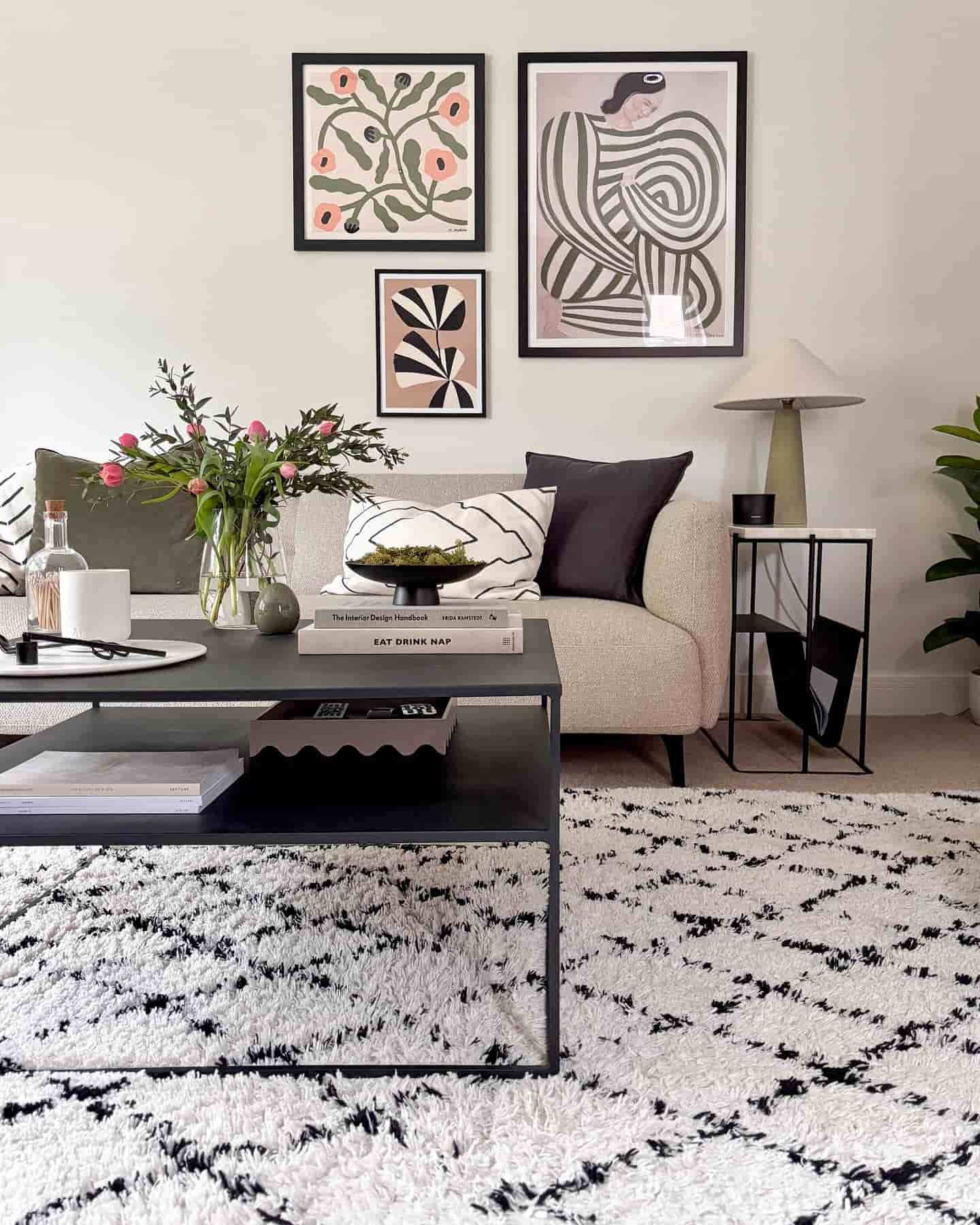
Let’s talk about synthetic materials—those cold, uninviting things like plastic, laminate, and shiny metal. They can make any room feel more like a dentist’s office than a cozy haven.
Honestly, walking into a room filled with synthetic furnishings can feel like getting a hug from a cactus.
Not exactly comforting! That’s why your mental health might play hide-and-seek when surrounded by these materials.
Solution: Use Natural Materials
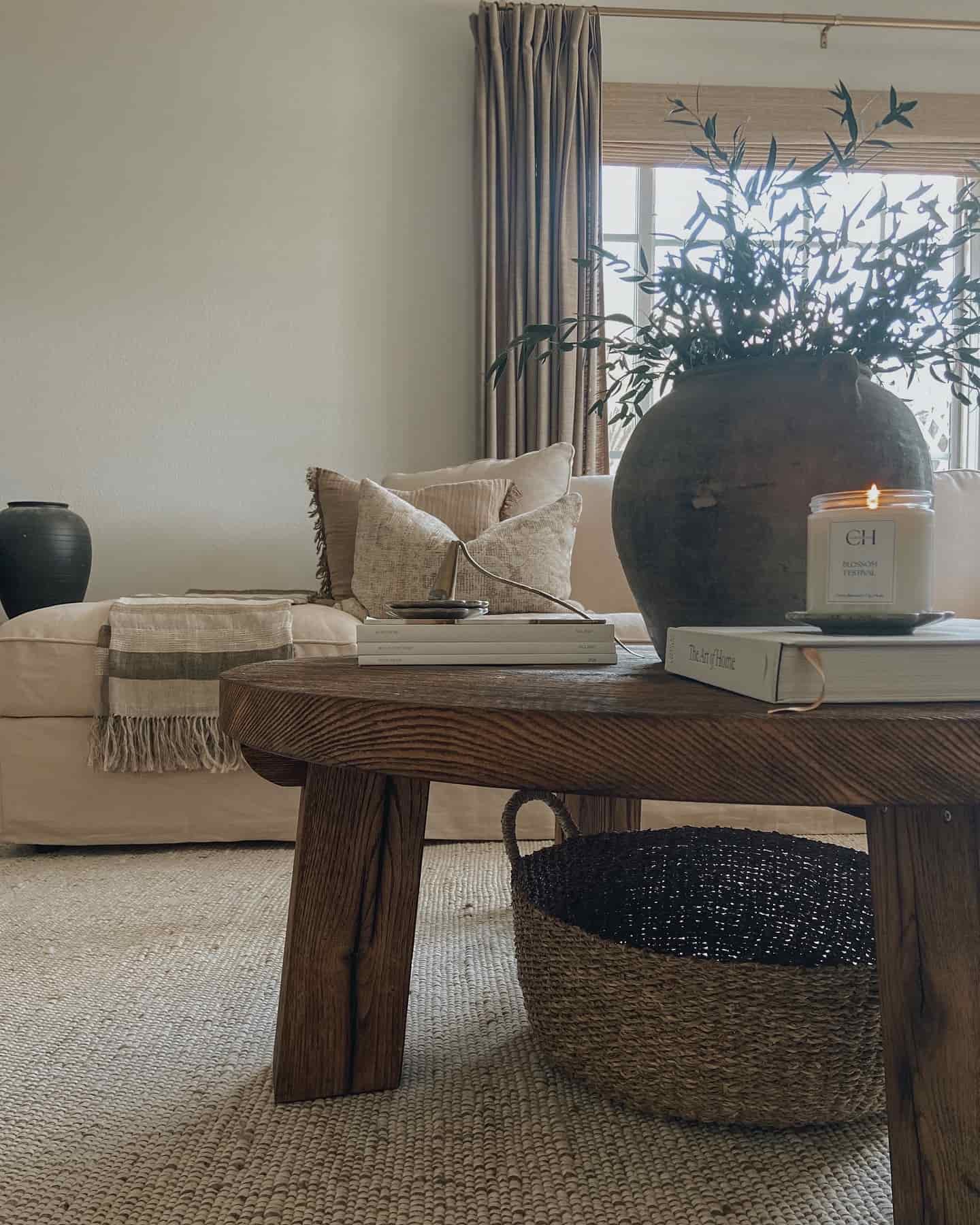
Now, here’s where the fun begins—natural materials! Think wood, clay, wool, and jute. These materials add warmth and comfort to your home. They are like a friendly hug from nature!
Natural materials are not just pretty to look at. They have a tactile quality that feels good to touch.
Running my fingers over a wooden table or a wool rug feels way better than touching cold plastic.
Increasing Natural Light
Bringing in natural light can make a big difference in how we feel at home. Sunlight does wonders for our mood and makes spaces feel alive.
Benefits of Natural Light
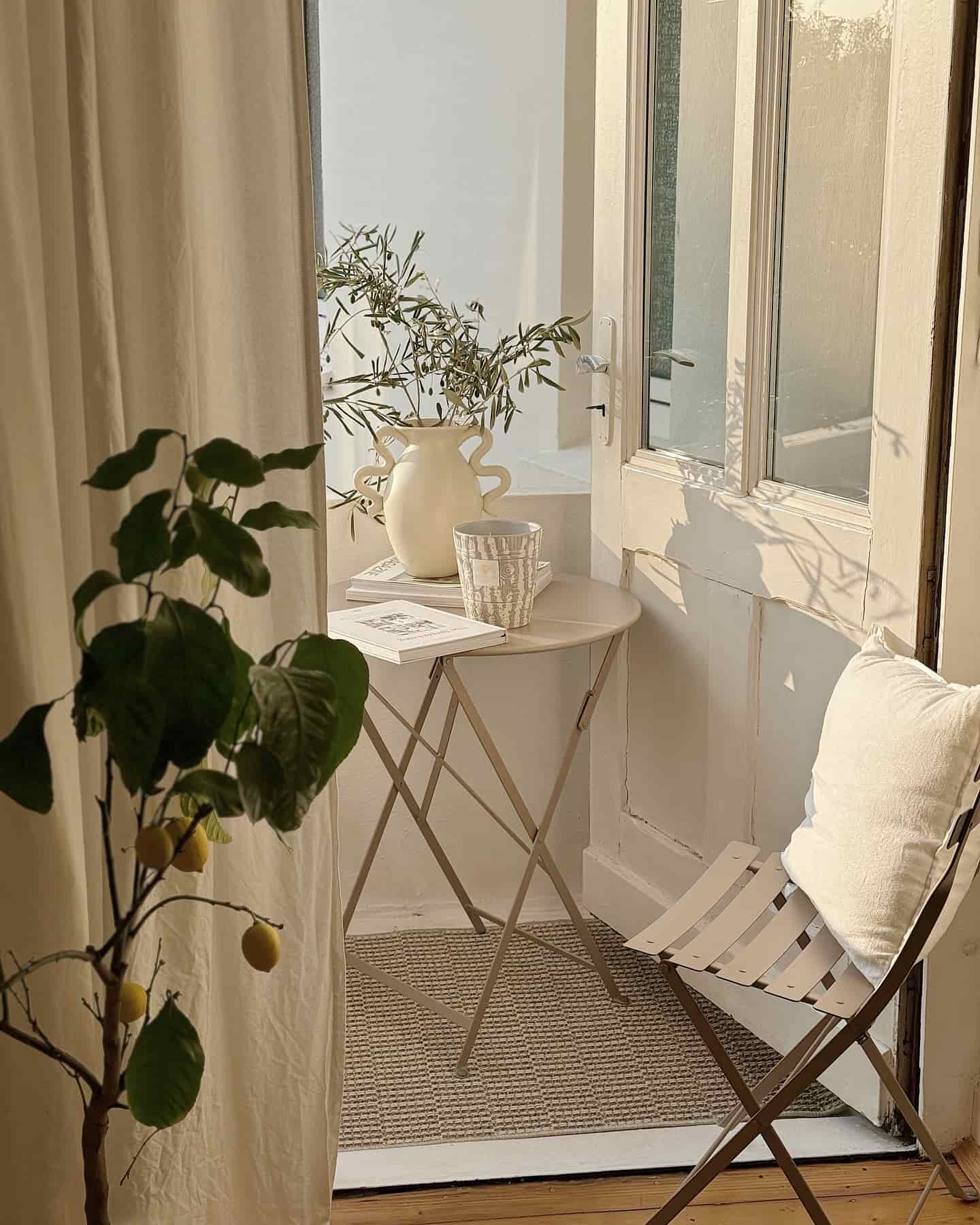
Sunlight is like a mood booster in liquid form. Research shows that natural light can help release serotonin, often called the “happiness hormone.” Imagine opening your curtains and feeling an instant lift; it’s like a mini-vacation for your brain!
Plus, a splash of sunlight can even provide vitamin D, that magical vitamin we all crave. It promotes stronger bones and a better immune system.
Solution: Maximize Light Exposure
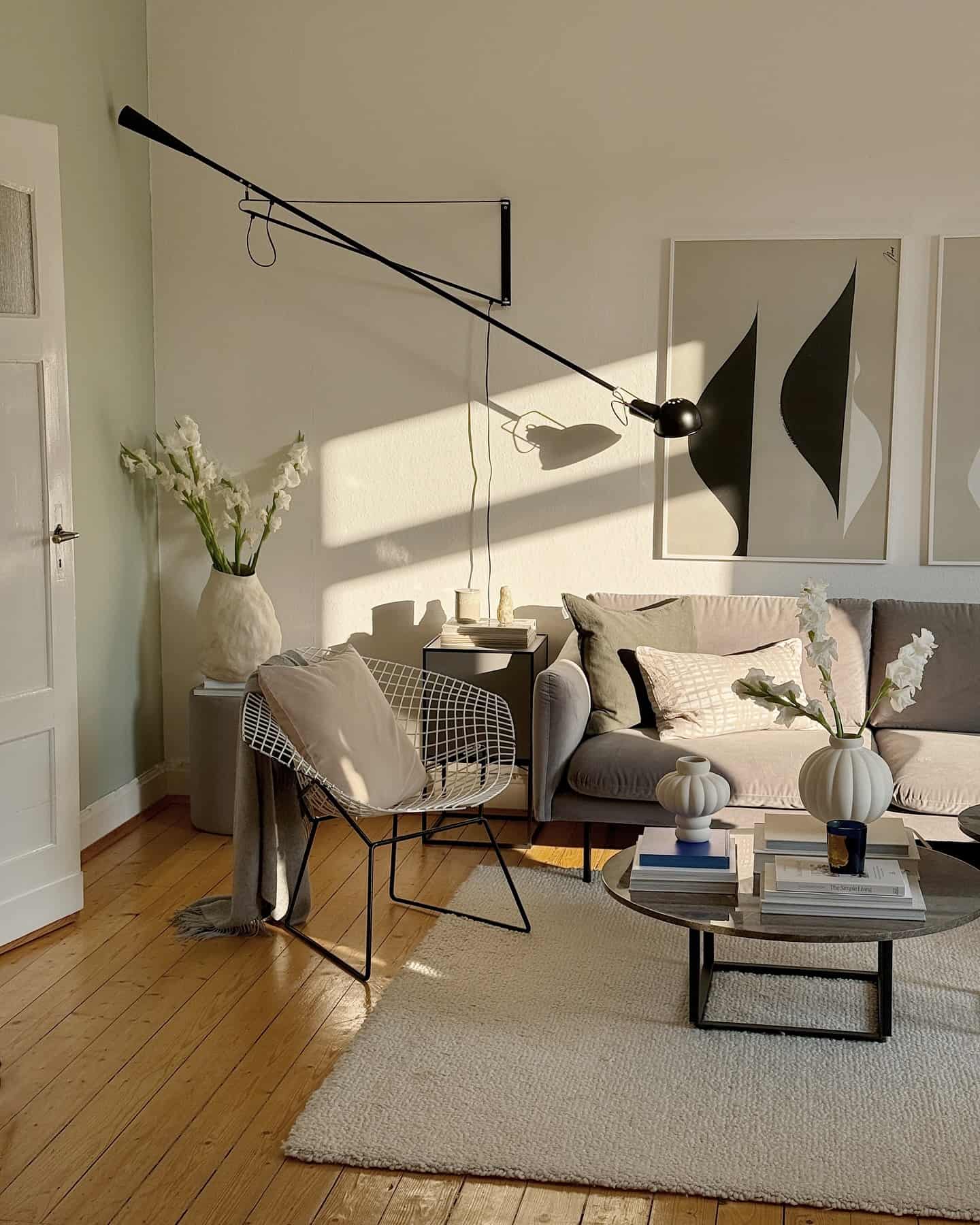
So how do we crank up the natural light in our homes? First off, let those curtains do some work; open, open, open!
If your windows are dirtier than a toddler’s hands after finger painting, grab a cloth and give them a good scrub.
Next, consider adding mirrors. Place them opposite windows to bounce the light around. Suddenly, your living room might look bigger. Opt for lighter paint colors too.
The Importance of Light Temperature
Let’s talk about lighting. The right light temperature can lift your spirits, while the wrong one can have you feeling like a gloomy cloud.
Light Temperature and Mood
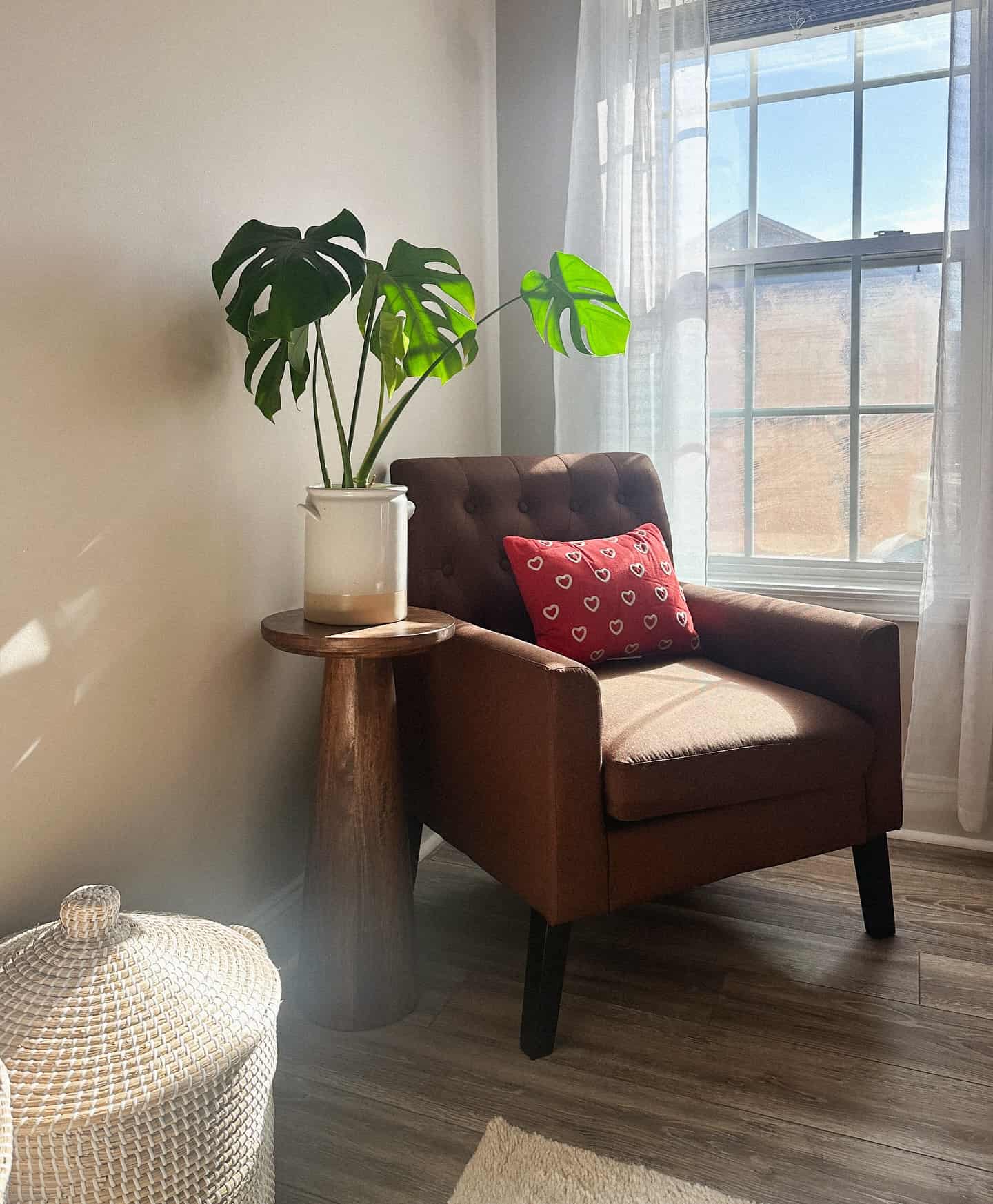
You probably didn’t know, but the color of your light can change your mood more than a toddler at bedtime.
Bright, harsh lights can leave you feeling anxious, whereas soft, warm lights are like a hug for your eyes.
Did you know warm lights mimic the cozy glow of a setting sun? They can help signal your body that it’s time to chill out.
Solution: Consider Dimmable Lights
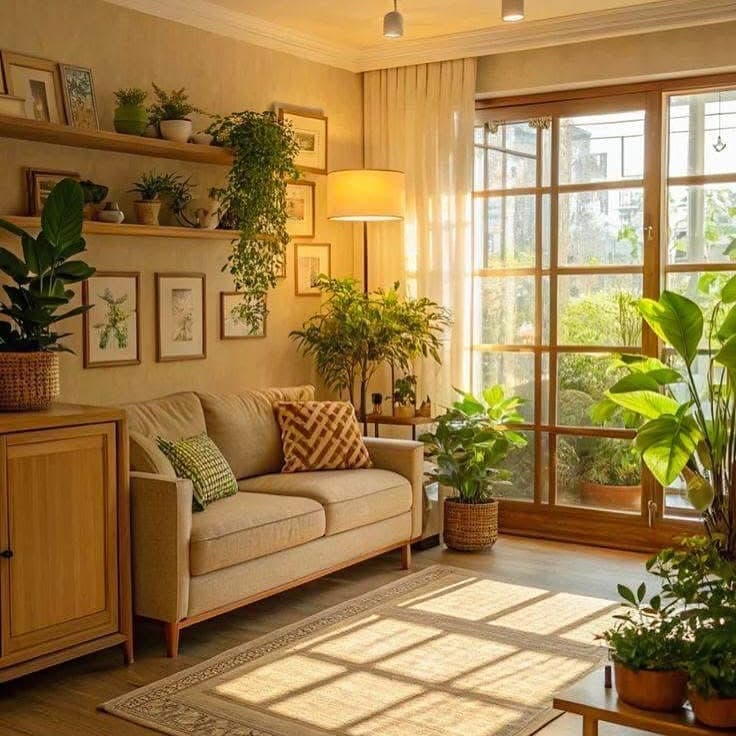
Want to get fancy? Consider dimmable lights. It’s like having a DJ for your home lighting! You can choose the vibe depending on your mood or activity.
Want a soft glow for movie night? Done. Need bright lights to locate your lost sock? Easy peasy.
Choosing the Right Colors
Colors can seriously affect how we feel in our homes. It’s like walking into a room and finding out it just told you a joke—either you laugh, or you cry a little.
Effects of Different Colors
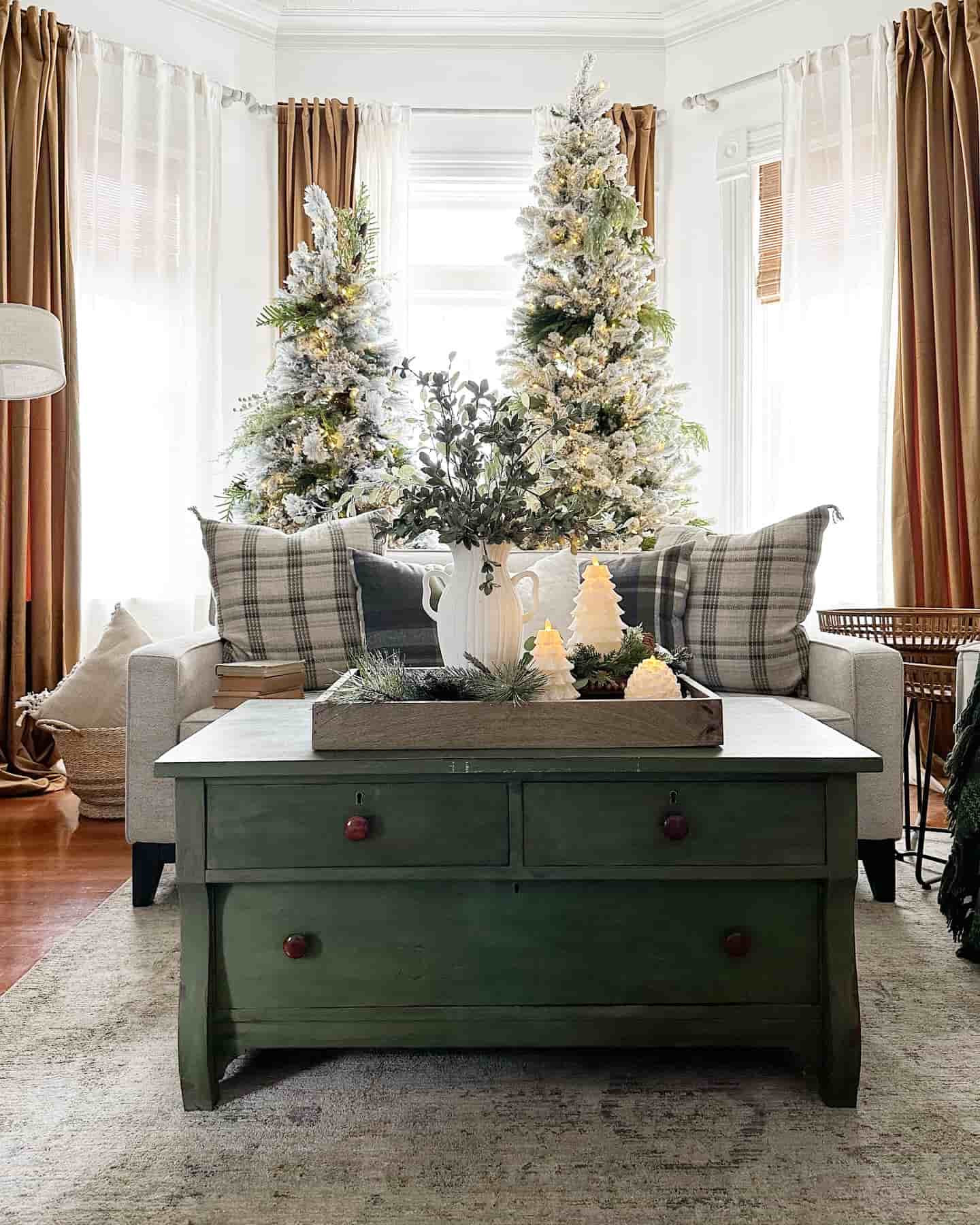
Let’s break down what these colors can do. Cool colors like greens, blues, and purples are the chill pills of the color world.
They whisper sweet nothings to your brain, helping to soothe stress and promote relaxation. Who doesn’t want a serene space that feels like a vacation?
On the flip side, warm colors—think reds, oranges, and yellows—might have a party vibe, but they don’t always know when to leave.
While they can energize, too much might leave you feeling like you’ve consumed five espressos. So, choose wisely!
Solution: Personalize Color Choice
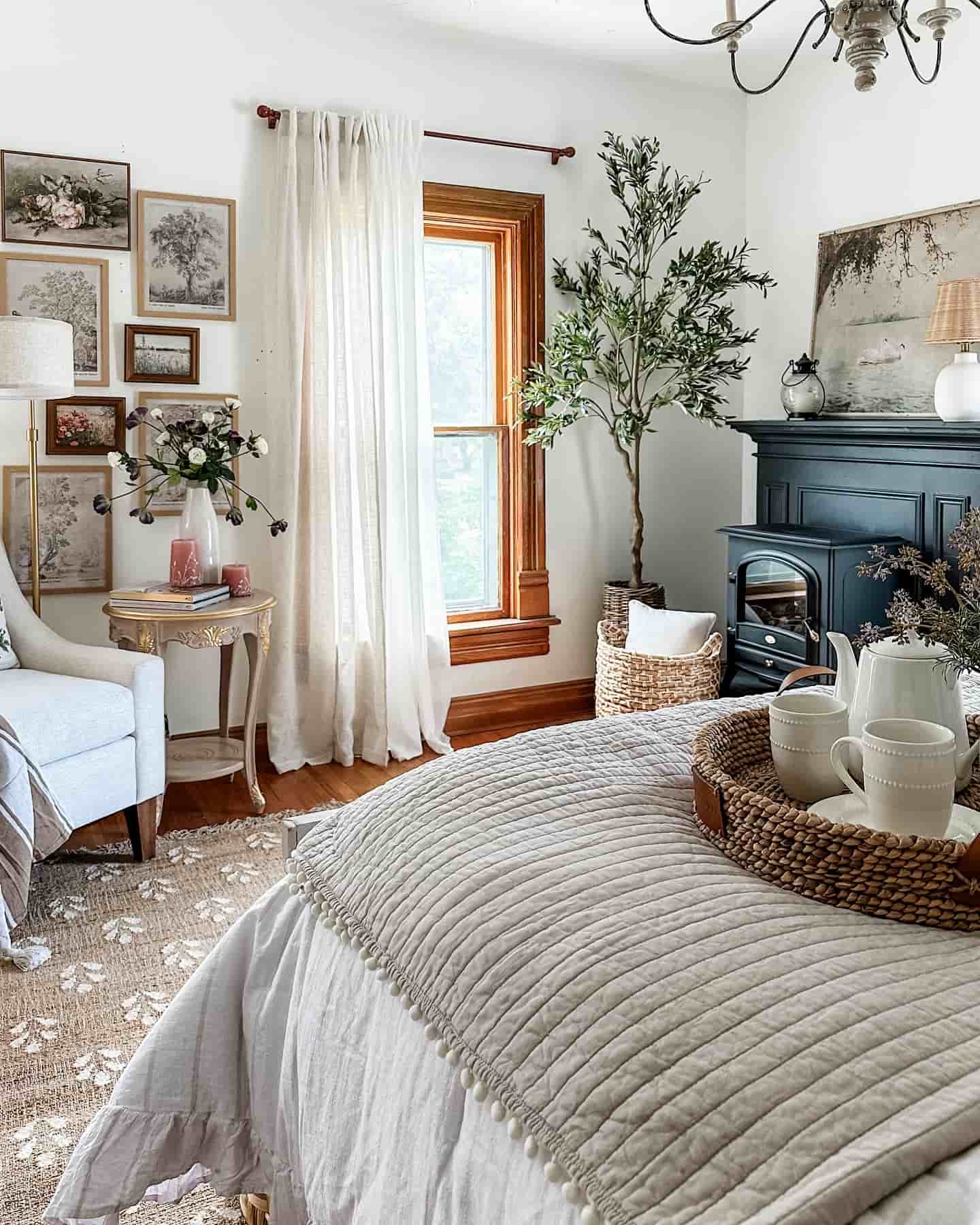
Finding your perfect palette is like picking the ideal snack—everyone has their favorites. Want a cozy vibe?
Ditch the stark whites and grays. Instead, consider inviting colors like orange for a dose of positivity or green to keep your balance in check.
Furniture Arrangement for Reduced Anxiety
Proper furniture arrangement can be a game changer for your mental state. It can help make your space feel more inviting and less chaotic.
Creating a Calming Environment
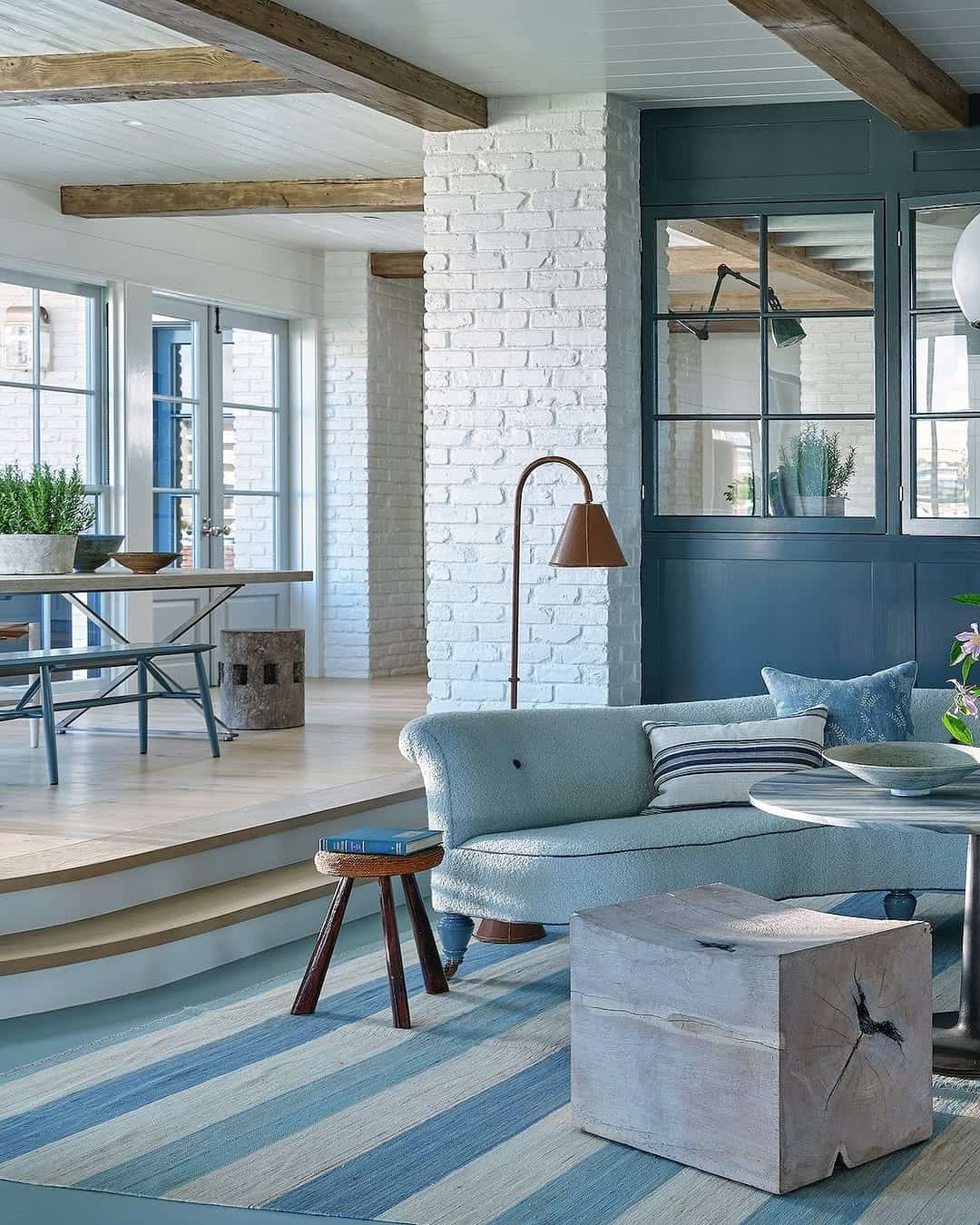
Strategic furniture layout can turn that dream into reality. I’ve found that placing sofas and chairs in a way that invites conversation reduces anxiety.
Throwing in some symmetry helps keep things visually soothing.
Avoid those claustrophobic layouts where you trip over everything. No one wants to feel like a contestant on a design show gone wrong!
Arrange your furniture to create an open space that feels inviting. This simple tweak can lift your spirits and keep negative thoughts at bay.
Solution: Ensure Good Flow
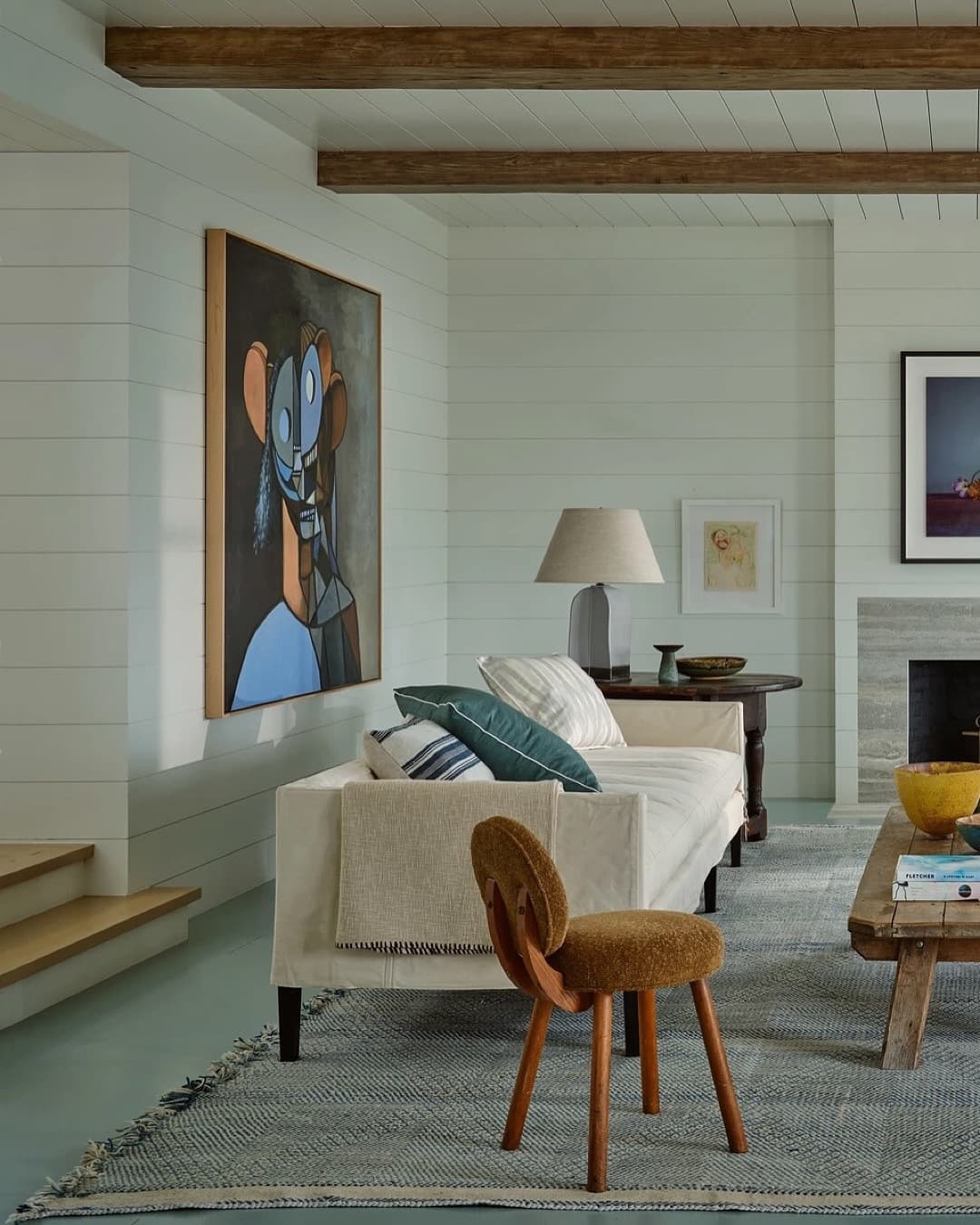
Flow is king (or queen) in furniture layout. If you’re constantly dodging chairs just to reach the snack cabinet, it might be time for a redo!
I like to think of my living room as a dance floor. There should be space for movement, not bumping into furniture like it’s an obstacle course.
Keep pathways open and avoid blocking doors. No one wants a surprise encounter with a coffee table when they’re in a hurry.
An open layout encourages easy movement and reduces feelings of anxiety. Sometimes, just rearranging a few pieces can refresh your space and mind.
Conclusion
Ever hear of environmental psychology? It’s fascinating how our surroundings impact our mental state.
If this piqued your interest, I recommend checking out the book “Designology.” It’s full of fun insights on how design affects our minds.
Now, I want to hear from you! Have you got any tricks up your sleeve for designing a happy space?
Drop your tips in the comments. Sharing our experiences can help others feel better, too.
Don’t forget to spread the knowledge! Pass it along to friends or family.
You never know who might really need a touch of design magic in their life.