Have you ever noticed how most of us are like houseplants with terrible care? We spend a whopping 93% of our time indoors, nestled in our climate-controlled cocoons, slowly forgetting what sunshine feels like.
Enter biophilic design, the superhero of home design that swoops in to bridge the gap between our indoor lives and the great outdoors.
Imagine walking into your living room and being greeted by the gentle rustle of leaves instead of the hum of fluorescent lights.
With biophilic interior design, homes can embrace elements like greenery, natural light, and even trickling water.
It’s like waving goodbye to the monotony of plain walls and saying hello to vibrant life. Trust me, adding a few plants can turn your space from “blah” to “aah!”
So, why should you care?
Picture a home that not only looks good on Instagram but also nourishes your happiness.
This design trend goes beyond aesthetics; it promotes well-being and a sense of calm. If you’re ready to ditch the sterile environment and welcome a breath of fresh air into your space, keep reading.
Your future self will thank you, probably while tending to your new indoor jungle!
Section 1: Understanding Biophilic Design
Biophilic design is all about connecting us with the natural world around us.
It pulls from our deep-rooted desire to be part of nature, not just on our weekend hikes but right in our homes too. Let’s dig into what this really means.
Definition Of Biophilic Design By Edward O. Wilson

Edward O. Wilson came up with the term “biophilia” back in 1984, and it’s a fancy way of saying we all have a craving for nature.
Imagine if your living room could breathe fresh air and whisper the sweet melodies of birds. That’s the essence of biophilic design. It’s about bringing the joy of the outdoors inside, allowing us to feel happier and more relaxed.
The Concept Of Biophilia

Biophilia is like that friend who insists on always having a picnic outside, rain or shine.
It’s that innate urge to connect with nature, like when you’re minding your own business and suddenly want to hug a tree.
This connection isn’t just a fleeting moment, but a persistent build-up that happens over time. Our surroundings play a huge role here.
Section 2: Principles Of Biophilic Design
In this section, I’ll highlight some core ideas that make homes feel more connected to the great outdoors.
With a focus on plants, light, and materials, I’ll sprinkle in some tips to bring nature right inside your living space.
Principle 1: Light And Air

Ah, light! It’s like nature’s way of saying, “Hey, wake up!” Natural light lifts your mood and helps plants grow.
I love the sound of rain hitting the roof. When I’m cozy inside, I could almost be camping—minus the bugs!
Fresh air from open windows makes those indoor plants perk up.
Principle 2: Vegetation

Plants are like nature’s little cheerleaders! They reduce stress and freshen the air. Why stop at just one? Grab a few houseplants and really make the indoors pop with greenery.
Picture living walls packed with vibrant blooms or maybe a few terracotta pots on floating shelves. Your home could be a mini jungle of joy, and I’m here for it!
Principle 3: Water

Water features are captivating. Natural water adds movement and life to a space. Ponds or streams can transform an ordinary yard into an oasis.
Now, I’m not saying you need a giant fountain in your living room. I prefer a simple, soothing water bowl that doesn’t scream, “I’m an artificial decoration!”
Keep it natural and low-key, and you might just find peace in your space.
Principle 4: Using Milanote For Planning

Getting your biophilic design ideas together can be a chore, but Milanote makes it fun! This handy tool allows you to create mood boards that spark joy.
Organize your ideas—furniture layouts, garden designs—all in one place. With its user-friendly interface, you can let your creativity flow like water (but not too much, or we’ll need ducks!).
Gather inspiration, plan your design, and let the fun begin!
Principle 5: Natural Materials And Colors

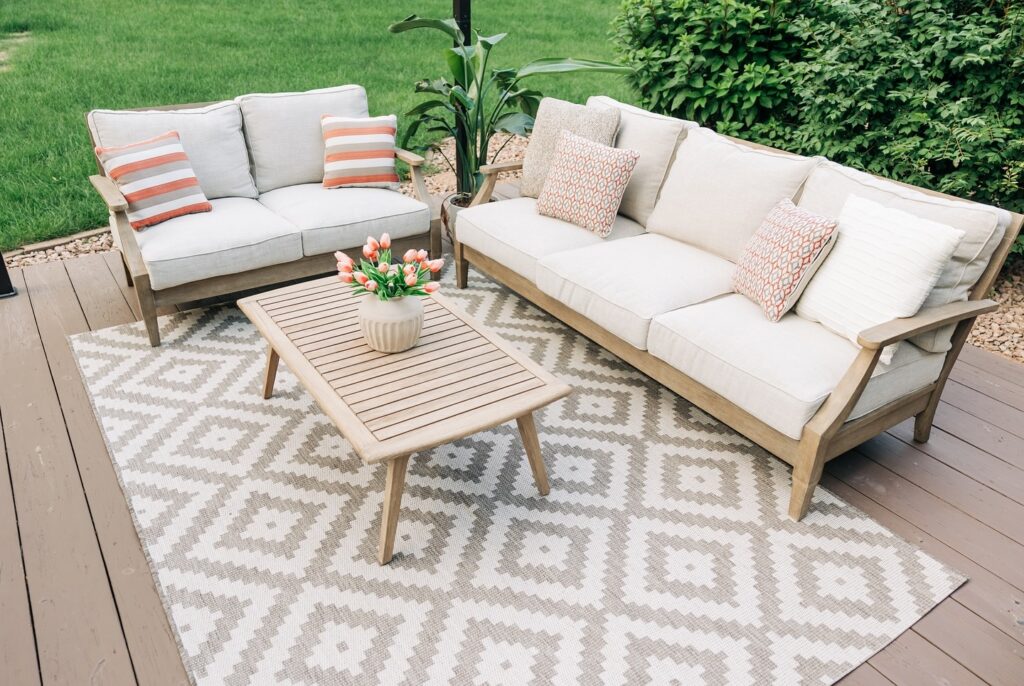
Who doesn’t love a little texture? Incorporating materials like timber, stone, or organic cotton into your space really amps up that natural vibe.
Earthy tones like greens and browns can turn any room into a tranquil retreat. I say skip the fake stuff—plastic wood has no business in a biophilic home.
Opt for reclaimed wood or even a stone fireplace to add warmth and personality. Your space should resonate with nature, not resemble a factory!
Principle 6: Embracing Patina And Change

Nature likes to keep things interesting, and so can your home! Allowing materials to age gracefully adds character.
A weathered wood table tells stories. Balancing upkeep with a touch of rugged charm can keep your home feeling fresh. After all, who wants a sterile space?
Let your home evolve naturally, celebrating every little imperfection along the way.
Principle 7: Outdoor Space Integration
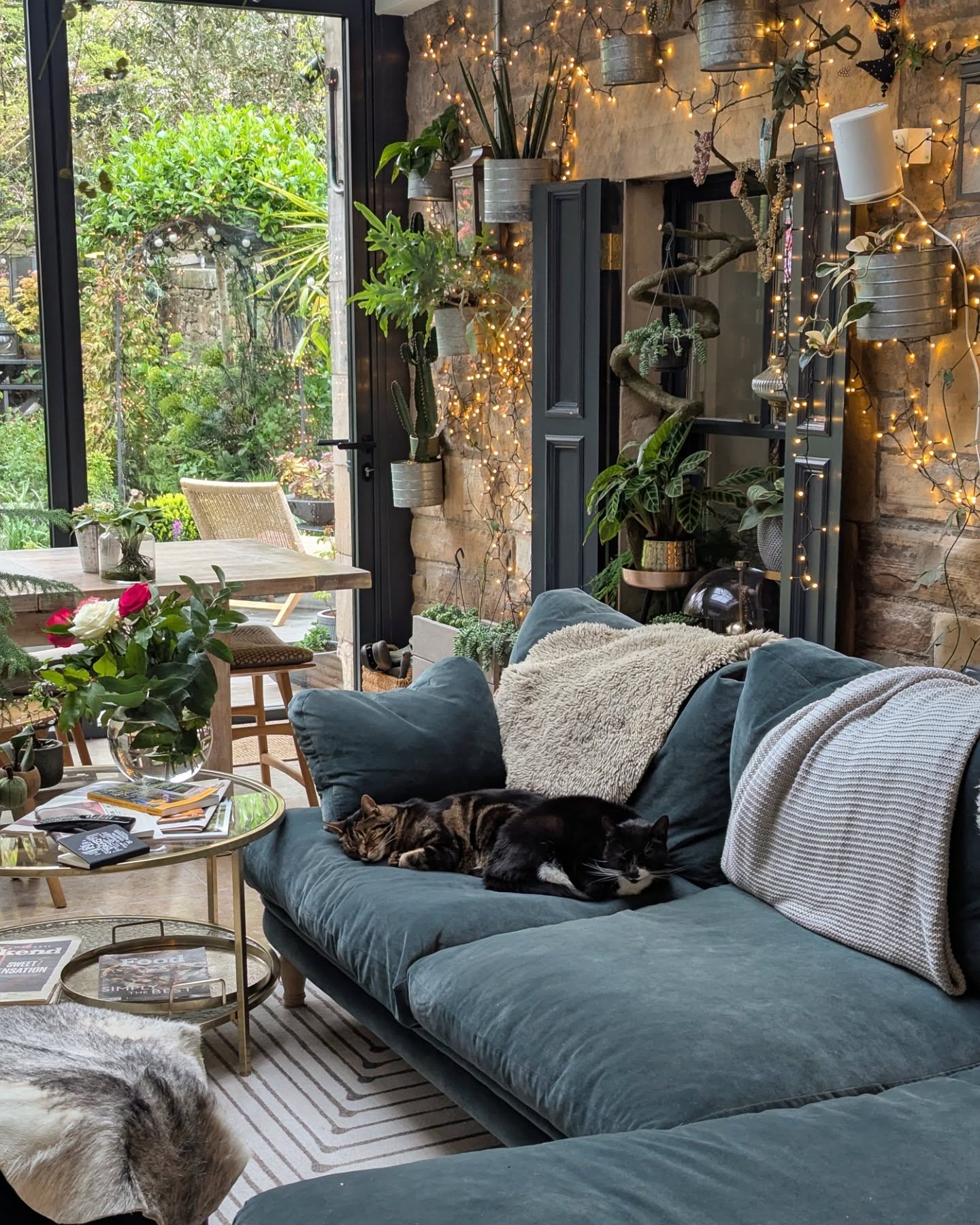
Let’s break down walls—literally! Bringing the outdoors into your life can open up your home.
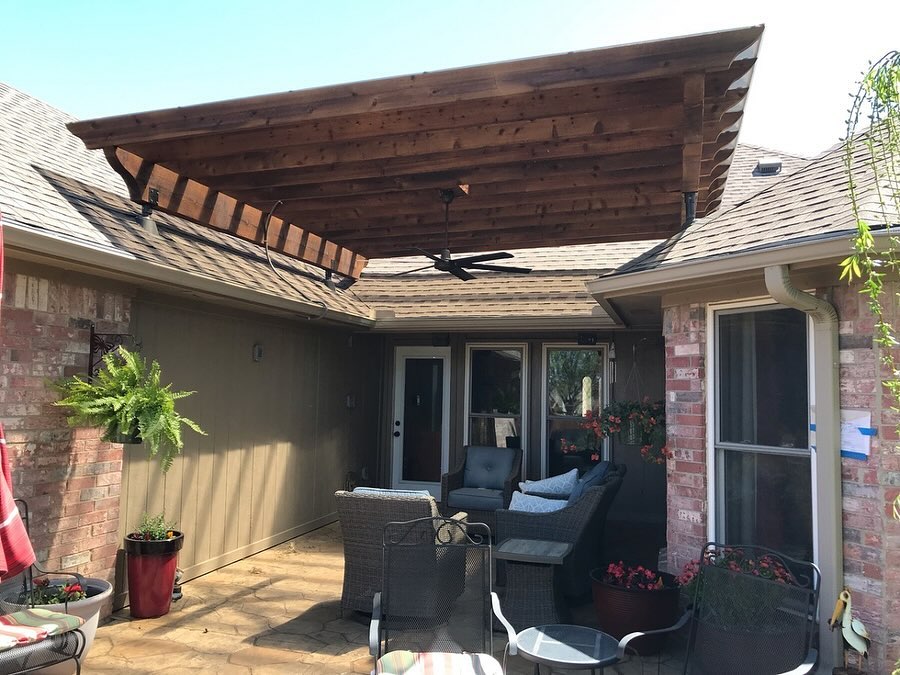
Even if you live in a smaller space, functional outdoor areas can maximize impact. Think cozy courtyards or gardens that draw you outside.
Set up a comfortable seating nook where you can sip coffee while basking in the sun. Your outdoor spaces should feel just as inviting as your living room.
Section 3: The Importance Of Cultural And Ecological Relevance

Imagine a Japanese house plopped down in the Australian Outback. It’d be like wearing flip-flops in the snow—it just doesn’t work!
In urban environments, we should think about how homes relate to their surroundings. A home nestled among lush trees can be a sanctuary for biodiversity.
The garden should invite curious birds and butterflies, not just my cat hiding from the neighbor’s dog.
Designing for urban spaces means considering how homes can help foster community.
A friendly place encourages connections, like BBQ parties—where the food is local and the vibe is eco-positive.
For the built environment, local construction methods can keep histories alive. Did you know using traditional techniques often means homes are as sturdy as they are stylish? Plus, they can laugh in the face of harsher climates!