Hello, eco-warriors and planet lovers! Welcome to our delightful journey into the world of sustainability, where we’ll explore 30 simple swaps that can transform your home into an eco-friendly haven.
Whether you’re a tree-hugging hippie or just someone who wants to feel a little less guilty about your carbon footprint, we’ve got you covered.
So grab your reusable coffee cup, settle in, and let’s dive into some hilariously practical tips for making your home more sustainable!
Waste Management Tips
1.Follow Your City’s Waste Guidelines
First up, let’s talk trash! And by trash, I mean the fine art of waste management. Did you know that every city has its own recycling rules?
That’s right! Your local waste guidelines are like the secret menu at your favorite café—only the chosen ones (a.k.a. you) know how to navigate it.

Ignoring these guidelines is like trying to fit a square peg in a round hole. You risk contaminating your recycling bag with items that don’t belong, which could lead to a meltdown at the recycling facility.
So, print out those guidelines, stick them on your fridge, and update them annually—because just like your favorite sitcom, they can change over time!
2. Composting Food Waste

Now, let’s talk about composting. You might be thinking, “Composting? Isn’t that just a fancy way to say ‘I have a pile of rotting vegetables in my backyard’?”
Well, yes and no. Composting is the glorious act of turning food scraps into nutrient-rich soil.
It’s like giving your kitchen waste a second chance at life!
And if you’re not into composting, you can always reuse food scraps for broths and stocks.
Who knew that carrot tops could be the secret ingredient in your next culinary masterpiece?
Laundry and Resource Conservation
3.Shorter, Cooler Laundry Cycles

Let’s move on to laundry, that never-ending chore that feels like a punishment for being a human. But fear not!
You can make it a bit more sustainable by opting for shorter and cooler laundry cycles. Not only does this use fewer resources, but it also extends the lifespan of your clothes. Because who wants to replace their favorite shirt every few months? That’s just cruel!
4. Air Drying Clothes

Next up, air drying your clothes. It’s like giving your laundry a spa day!
Instead of tossing everything into the dryer, hang your clothes outside or on a drying rack indoors.
Not only will you save energy, but your clothes will thank you by lasting longer. Plus, there’s nothing quite like the smell of fresh air on your laundry—unless you live next to a factory, in which case, good luck!
5.Boiling Only the Water You Need

And let’s not forget about boiling water. You don’t need to boil a whole pot just to make a cup of tea!
Get into the habit of boiling only the water you need. It’s a simple swap that saves energy and keeps your kettle from feeling overworked. Your kettle deserves a break too!
Energy Usage and Heating
6.Using a Hot Water Bottle and Blankets Instead of Turning on the Heat

When winter rolls around, many of us rush to crank up the heat. But what if I told you that you could stay cozy and save energy at the same time?
Enter the hot water bottle and a mountain of blankets. Wrap yourself up like a burrito and let that hot water bottle work its magic. You’ll be toasty warm, and your energy bill will thank you!
7.Switching to Green Energy Suppliers
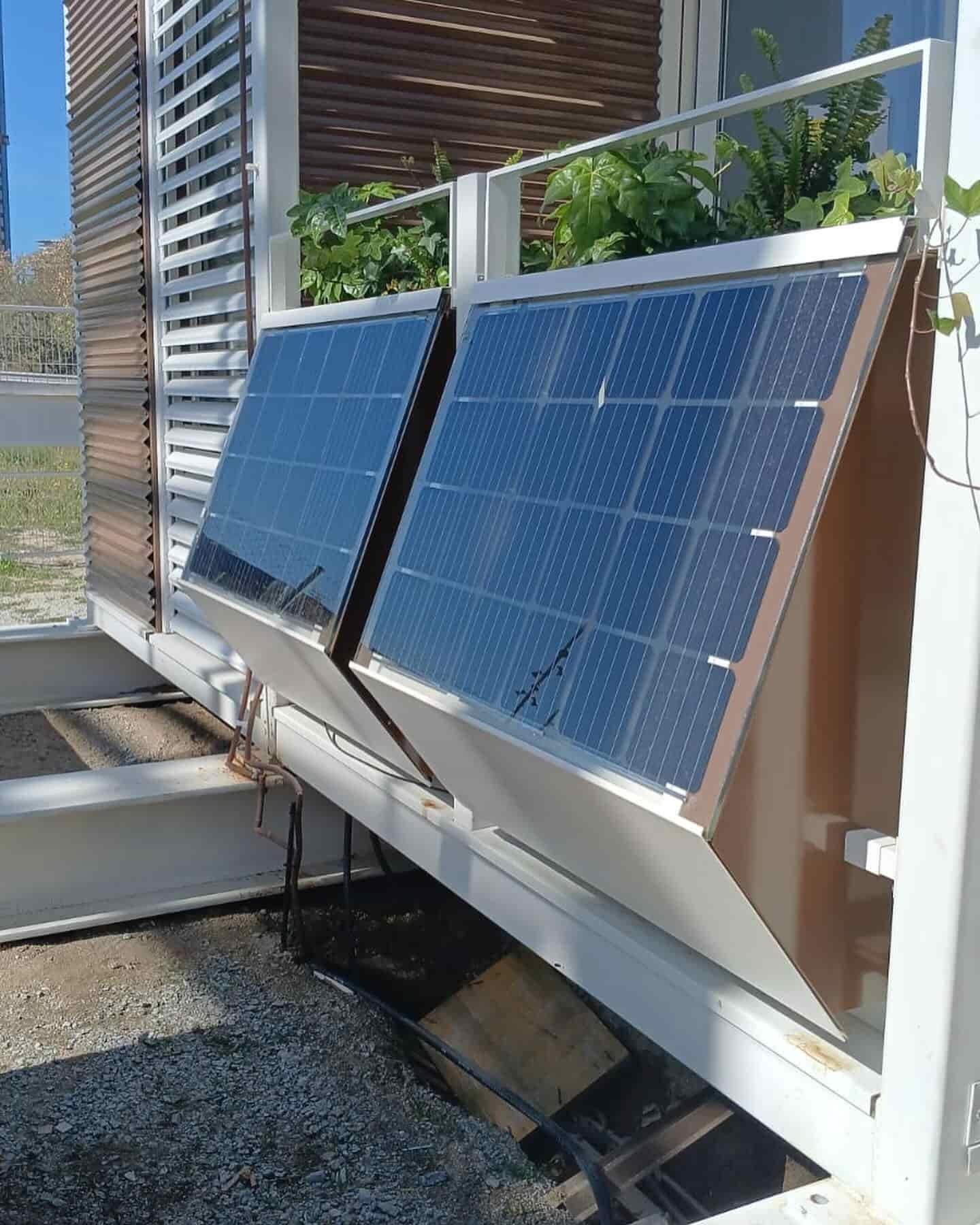
Speaking of saving energy, let’s have an important conversation about making the switch to green energy – a decision that can transform both your household and our planet’s future.
They provide electricity that is 100% sourced from renewable energy sources like wind, solar, and hydroelectric power. This clean energy alternative comes with multiple compelling benefits. Not only does it typically result in lower monthly utility bills for consumers, but it’s also an ethically sound choice that aligns with environmental sustainability principles. By choosing green energy, you’re making a conscious decision to reduce your carbon footprint and support the growing renewable energy sector.
Eco-Friendly Cleaning
8.DIY Cleaning Products

Now, let’s tackle the dreaded chore of cleaning. But wait! Before you reach for those toxic chemical-laden products, consider whipping up your own DIY cleaning solutions.
All you need are some simple ingredients: bicarbonate soda, lemon juice, and distilled white vinegar.
It’s like a science experiment in your kitchen, but instead of explosions, you’ll just have a sparkling clean home!
9.Using Reusable Cloths Instead of Single-Use Sponges
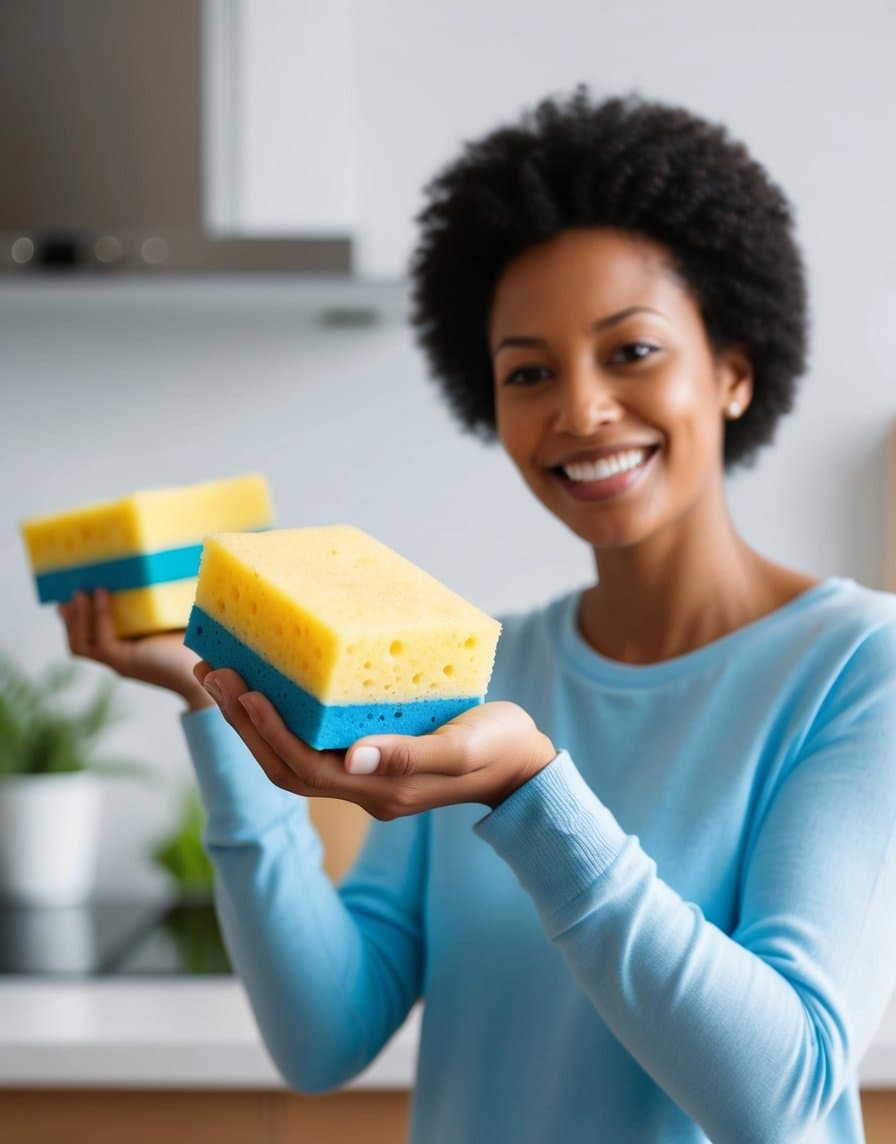
And while we’re on the subject of cleaning, ditch those single-use sponges! Instead, grab some old t-shirts or cotton rags.
Not only are they better for the environment, but they also come with the added bonus of being free! It’s like cleaning while decluttering—talk about a win-win!
10.Hand Washing Dishes
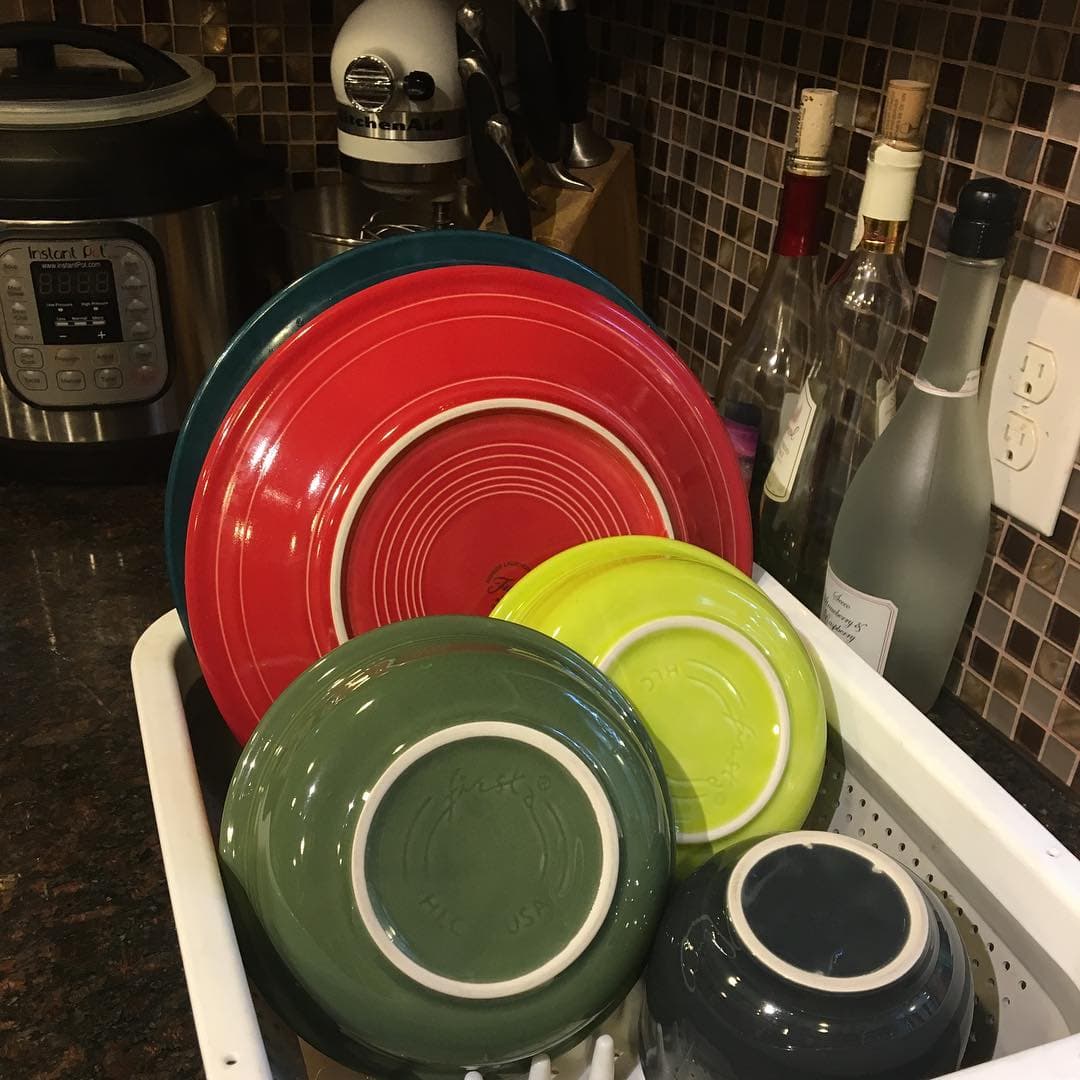
Now, let’s talk about hand washing dishes. Sure, it might seem tedious, but it can actually reduce water use compared to running a dishwasher.
Plus, you can channel your inner dishwashing diva while belting out your favorite tunes. Just remember to minimize water waste—no one wants to be the person who floods their kitchen while washing a plate!
Furniture and Household Items
11.Buying Second-Hand Furniture

Let’s shift gears and talk about furniture. Instead of buying brand new pieces, why not explore the treasure trove of second-hand furniture?
Not only does it help avoid creating demand for new products, but you might just find that one-of-a-kind piece that becomes the centerpiece of your living room. Check out Facebook Marketplace, eBay, or even the street—who knows what gems you might find?
12.Repurposing Old Items

And if you have broken or unused household items lying around, don’t toss them! Get creative and repurpose them.
Old jars can become planters, and broken chairs can transform into unique storage solutions. It’s like giving your old stuff a makeover—Project Runway style!
Diet and Lifestyle Changes
13.Eating Plant-Based

Eating plant-based isn’t just a trend; it’s a lifestyle choice that benefits the environment.
By reducing animal-based foods, you’re lowering greenhouse gas emissions, deforestation, and water pollution. Plus, your taste buds might just discover a new love for quinoa and kale!
14.Food Prepping

And speaking of food, let’s discuss food prepping. Cooking in large batches saves energy and time.
You can whip up a week’s worth of meals in one go, and your future self will thank you when you’re too tired to cook after a long day.
Just remember to label those containers, or you might end up with a mystery stew that even Sherlock Holmes couldn’t solve!
15.Going Paperless

Finally, let’s go paperless! Digitalize your bills and documents to save trees. Use electronic signatures for contracts and digital receipts for purchases.
It’s like giving a high-five to the environment while decluttering your space. Plus, who doesn’t love the convenience of having everything at their fingertips?
Plastic Reduction
16.Avoiding Batteries

How about batteries? They’re like the annoying little gremlins of the household. Instead of relying on disposable batteries, choose battery-free products. Not only will you reduce environmental damage, but you’ll also save yourself the headache of changing batteries every other week. It’s a win-win!
17.Switching to Eco-Friendly Lightbulbs

And here’s a simple swap that can make a big difference: switch to eco-friendly lightbulbs!
They’re easy to install and effective at reducing energy consumption. Plus, you’ll feel like a lighting wizard every time you flip the switch!
Sustainable Gardening and Home Décor
18.Growing Your Own Plants and Food

Let’s get our hands dirty and talk about gardening! Even if you live in a tiny apartment, you can grow your own herbs and easy-to-grow vegetables.
It’s like having your own little farm right in your kitchen. Plus, there’s something incredibly satisfying about plucking fresh basil for your pasta dish.
19.Buying Second-Hand Books

And if you’re a bookworm, consider buying second-hand books instead of new ones.
Not only do you save money, but you also reduce the demand for new paper. Plus, you might just stumble upon a hidden literary gem that changes your life!
20.Using Organic and Natural Materials

When it comes to home décor, opt for organic and natural materials. Choosing cotton, linen, hemp, or bamboo over synthetic materials not only benefits the environment but also adds a touch of rustic charm to your home.
Who doesn’t want their living room to look like it belongs in a cozy cabin?
21.Ditching Tinfoil and Using Reusable Silicone Sheets

And let’s talk about food storage. Ditch the tinfoil and invest in reusable silicone sheets.
They’re a better option for reducing waste and can be reused many times. Plus, they come in fun colors and shapes—who knew food storage could be so stylish?
22.Using Glass Containers Instead of Plastic Wrap

Finally, opt for glass containers instead of plastic wrap. Not only do they keep your food fresh, but they also eliminate plastic waste.
Plus, you’ll feel like a culinary artist every time you pull out a beautifully arranged glass container from your fridge!
Sustainable Personal Care
23.Switching to Sustainable Toilet Paper

Let’s shift gears and talk about personal care. Consider switching to sustainable toilet paper made from recycled paper or bamboo.
It’s a simple swap that makes a big difference. Plus, you can feel good about every roll you use!
24.Showering Less and Reducing Water Usage

And speaking of personal care, let’s talk about showering. We all love a good shower, but reducing shower frequency and shortening shower time can save a significant amount of water.
Plus, you’ll have more time for other activities—like binge-watching your favorite show!
25.Reusing Packaging Materials

When you receive deliveries, don’t toss the packaging! Repurpose it for storage or wrapping gifts.
It’s like giving those materials a second chance at life. Plus, you’ll impress your friends with your eco-friendly wrapping skills!
26.Using Plants as Air Purifiers

And if you’re looking to freshen up your home, consider using plants as air purifiers.
Plants like mother-in-law’s tongue and ivy are excellent at cleaning the air naturally. Plus, they make your home look like a tropical paradise!
27.Using Essential Oils for Scenting Your Home

Finally, ditch the aerosol sprays and air fresheners in favor of essential oils.
Not only do they smell amazing, but they’re also better for your health and the environment. It’s like having a spa day in your home every day!
Eco-Friendly Home Improvements
28.Using Fans Instead of Air Conditioning

Let’s talk about home improvements! Instead of cranking up the air conditioning, consider using fans to create a natural airflow.
It’s a simple way to save energy and keep your home cool. Plus, you’ll feel like you’re living in a breezy beach house!
29.Reducing Possessions and Decorative Items

And if you want to save resources, consider reducing your possessions and decorative items.
The less stuff you have, the less you need to clean and maintain. Plus, your home will feel more spacious and less cluttered—like a zen retreat!
30.Using Natural Bathroom Products

Finally, switch to natural, eco-friendly products in the bathroom. From shampoo to toothpaste, there are plenty of options that are better for the environment.
Plus, you’ll feel like a responsible adult every time you reach for a product that’s good for the planet.
Conclusion
And there you have it, folks! A comprehensive list of 30 simple swaps to make your home more sustainable. From waste management to personal care, these tips are designed to help you live a greener life without sacrificing comfort or style.
Now it’s your turn! Do you have any eco-friendly tips to share? Drop them in the comments below.