When it comes to small bedrooms, finding the right furniture layout can make a big difference in how the space feels and functions.
Maximizing your small bedroom’s potential is possible with the right furniture arrangements.
Whether you’re working with limited square footage or unique shapes, you can create a cozy and stylish environment.
Importance of Scale and Proportions

Select pieces that fit well without overcrowding. For example, opt for a full-size bed instead of a king, which may dominate the room.
Use multi-functional furniture like a *storage ottoman* or a folding desk. This keeps your space organized while serving various needs. Avoid bulky designs, as they can overwhelm the room.
When arranging furniture, maintain clear walking paths. This not only makes the room accessible, but also creates a flow that makes the area feel larger. Consider using mirrors to enhance the perception of space and light.
Maximizing Natural Light

Natural light can significantly influence the feel of your small bedroom. It can make a cramped space seem open and airy. Use light colors for your walls and bedding to reflect more light.
Keep window treatments simple. Sheer curtains allow for maximum light while maintaining privacy.
Selecting a Storage Bed

A storage bed is an excellent option for small bedrooms. These beds come with built-in drawers or compartments underneath for extra space.
You can keep your bedding, clothes, or other items hidden away, reducing clutter in your room.
Benefits of Multifunctional Furniture

Multifunctional furniture helps you save space and adds versatility to your bedroom. Pieces like a fold-out desk or a sleeper sofa can change the room’s function as needed.
This type of furniture allows you to maintain style while meeting your practical needs. For instance, a bench with storage can serve as a seat and a place to store extra linens.
Bed Placement Tips

Placing the bed against the longest wall often creates a more open feel. If your room allows, position the bed away from the door to avoid a cramped entrance.
Use a lofted bed or a Murphy bed to free up floor space. Both options allow for additional room underneath for a desk or seating, making your space more versatile.
Creating a Fluid Path

A clear pathway is essential for making a small bedroom feel larger. Ensure that there is enough space between furniture pieces for easy movement.
Typically, 24 to 30 inches of walking space is ideal.
Incorporating Texture and Color
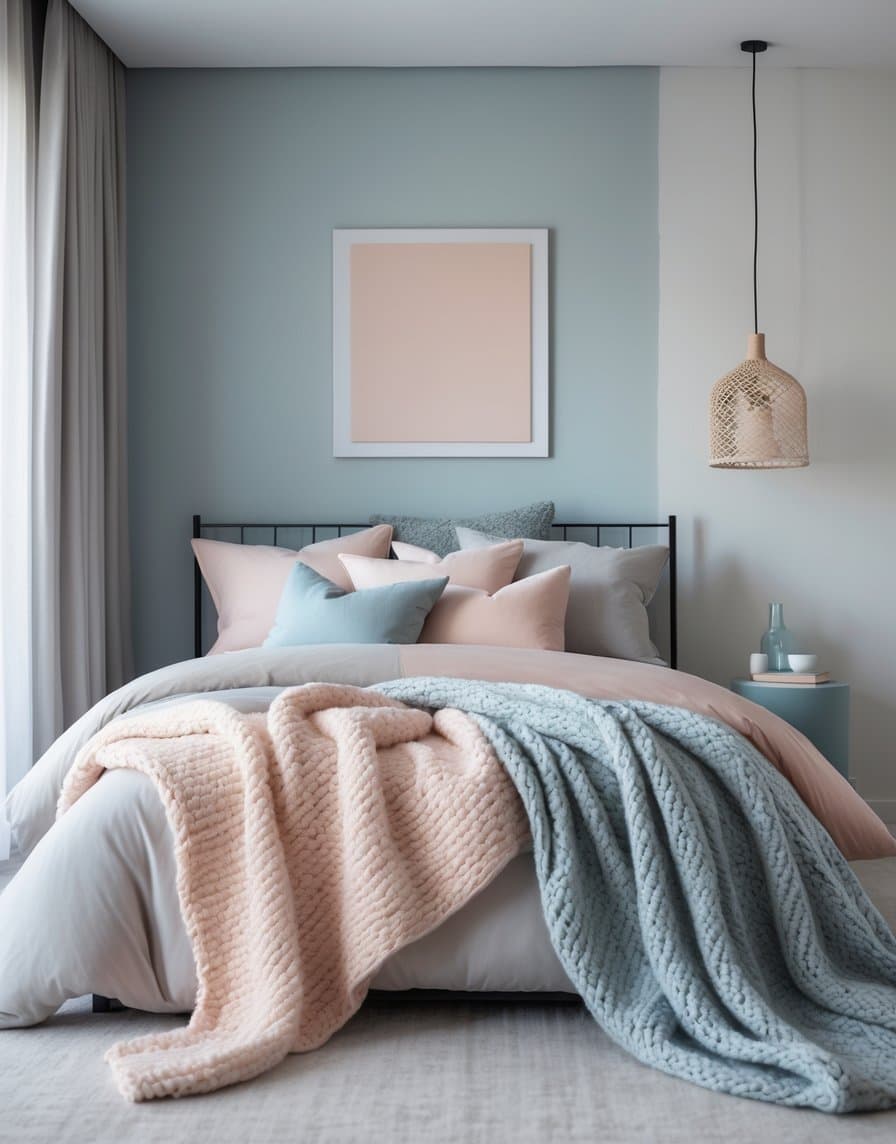
Texture plays a critical role in bedroom design. Mix soft fabrics with hard surfaces to create a balanced atmosphere.
For example, pair a cozy knitted throw with a sleek metal bed frame. This contrast adds depth and interest to the space.
When choosing a color scheme, consider soft hues that promote tranquility, such as pastels or muted tones.
These colors can make a small room feel larger and more inviting. You could add a pop of color through accessories like cushions or artwork, making the room feel personalized without overwhelming it.
Personal Style Integration

Your bedroom should reflect your unique tastes. Start by identifying the colors, patterns, and styles that resonate with you. This could be bohemian, modern, or minimalist.
Once you have a clear vision, select furniture pieces that embody this style. Look for items that are both functional and visually appealing.
For instance, a stylish nightstand can serve as additional storage while also showcasing your favorite decorative items.
Door-Conscious Arrangement

Door-conscious arrangement in small bedrooms goes beyond simply ensuring doors can open and close.
A common mistake is placing furniture too close to doors, which can create awkward movements and reduce the room’s functionality.
Consider using sliding barn doors or pocket doors for closets and bathrooms, as these space-saving alternatives eliminate the need for door clearance space entirely.
If traditional swing doors are unavoidable, mark their full opening radius on the floor with tape before placing furniture to visualize traffic flow.
Behind-the-Door Organization

Behind-the-door organization is one of my favorite space-saving solutions for small bedrooms! It’s amazing how much unused real estate exists behind a door, and with the right organizing tools, you can transform this overlooked space into a storage powerhouse.
I’ve found that installing an over-the-door organizer with multiple pockets works wonders for storing shoes, accessories, or even daily essentials like hair tools and skincare products.
For a more custom approach, mounting narrow shelves or hooks on the wall behind the door can create a tailored storage solution that disappears when the door is closed.
Floating Media Center
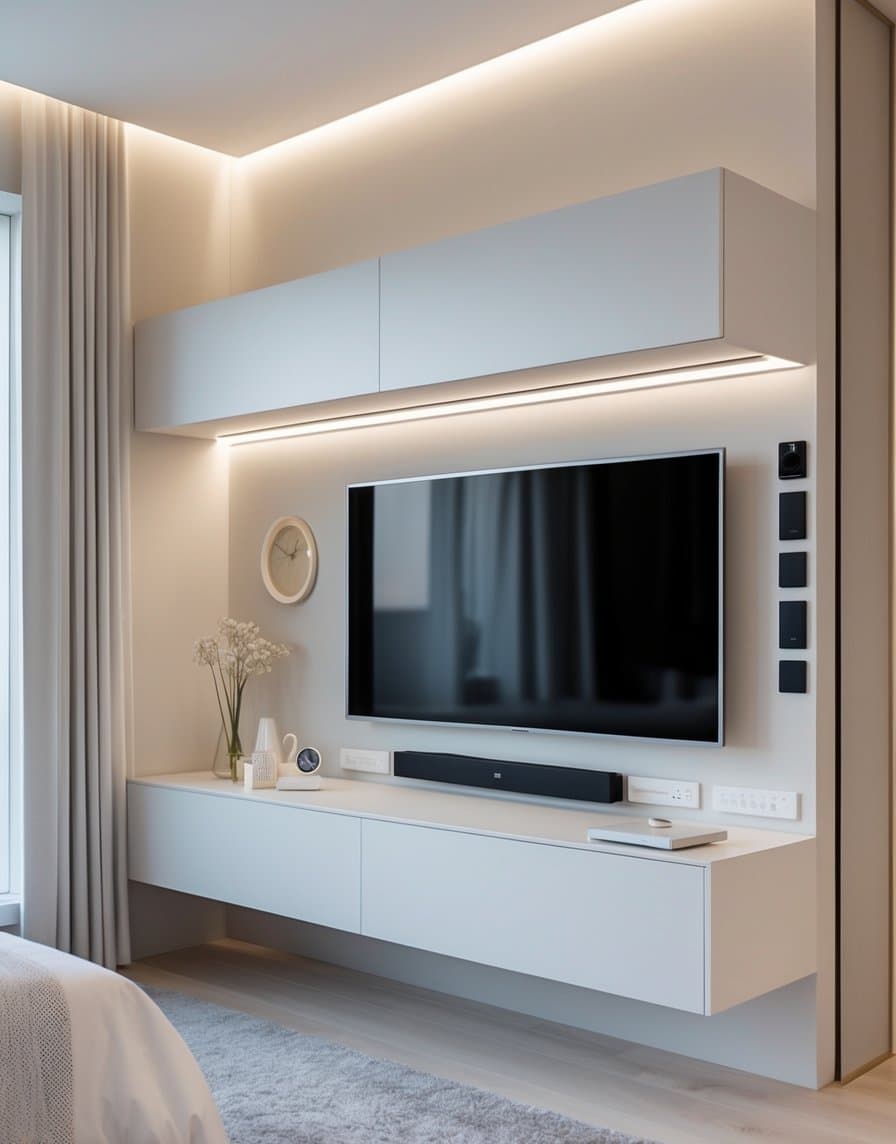
A floating media center is a brilliant space-saving solution that can transform your small bedroom’s functionality.
By mounting a slim media console directly on the wall, you eliminate the need for bulky traditional TV stands or entertainment units that eat up precious floor space.
The floating effect not only creates the illusion of more space but also makes cleaning underneath a breeze.
Consider installing cable management solutions behind the unit to keep wires tidy and hidden from view.
Ceiling-Mounted Clothing Rack
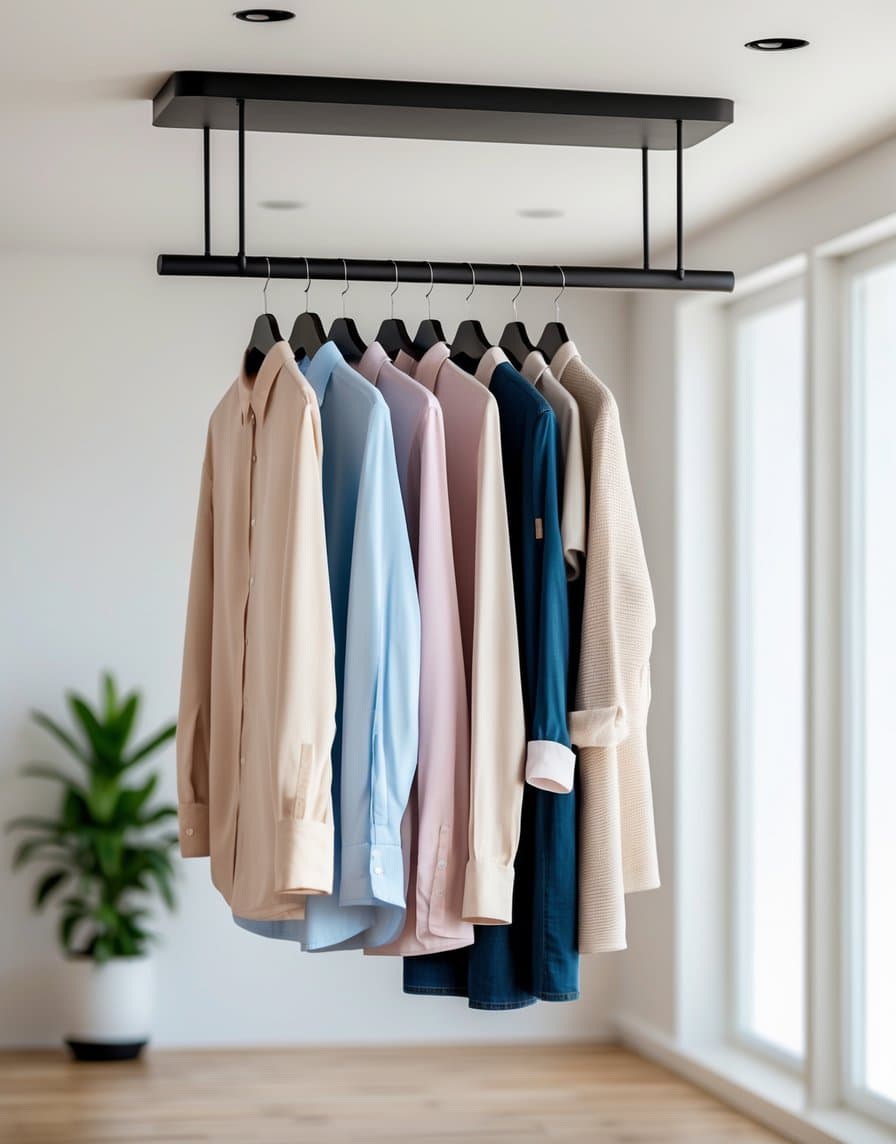
A ceiling-mounted clothing rack is an innovative solution that takes advantage of vertical space in small bedrooms.
This pulley-based system allows you to lower your clothing rack when you need to access your wardrobe and raise it to the ceiling when you want to maximize floor space.
I’ve found this particularly useful for seasonal clothing storage – imagine being able to hoist your winter coats up and out of the way during summer months!
The key to success with this system is installing sturdy mounting hardware and ensuring the pulley mechanism operates smoothly.
Smart Storage Solutions

Utilizing innovative pieces can help keep your room organized while maintaining a stylish appearance.
Transform your bedside area into a functional storage space. Instead of a traditional bedside table, consider a storage bed with drawers or shelves built in. This allows you to keep essentials like books, lamps, or nighttime items close at hand while minimizing clutter.
Mirror Placement Strategy

While a single full-length mirror is practical for dressing, consider creating a mirror gallery wall to amplify light and space. Position mirrors opposite windows to maximize natural light reflection and create the illusion of depth.
However, avoid placing mirrors directly facing the bed, as this can create an unsettling feeling in the space. Instead, angle mirrors slightly or position them on adjacent walls.
Remember that multiple smaller mirrors can be just as effective as one large mirror while adding more visual interest to your walls.
Vertical Space Utilization

Take advantage of vertical space in your small bedroom. Use tall bookshelves or wall-mounted shelves to create additional storage without taking up much floor space. You can store books, decorative boxes, or plants above eye level, drawing the eye upward and giving the illusion of more room.
Consider using hooks or pegboards on your walls for easy access to items like bags, accessories, or even hats.
Window Seat Integration

Window seat integration is a brilliant solution for small bedrooms that combines style, comfort, and functionality.
By transforming the space beneath your window into a cozy seating area with built-in storage drawers, you create a multi-purpose nook that serves several functions.
The window seat can act as a peaceful reading corner, a comfortable spot for morning coffee, or even additional seating when friends visit.
The built-in drawers underneath provide valuable storage space for seasonal items, extra bedding, or books, eliminating the need for additional storage furniture.
Room Divider Strategy

Room dividers in small bedrooms are more than just space separators – they’re multifunctional design elements that can transform your living space.
When strategically placed, a bookshelf or decorative screen can create distinct zones within your bedroom while doubling as valuable storage or display space.
You can style these dividers with a mix of storage boxes, books, plants, and decorative items to create an aesthetically pleasing boundary that serves multiple purposes.
For studio apartments, consider using a rolling room divider that can be easily moved when you need to change the layout.
Magnetic Wall Strip
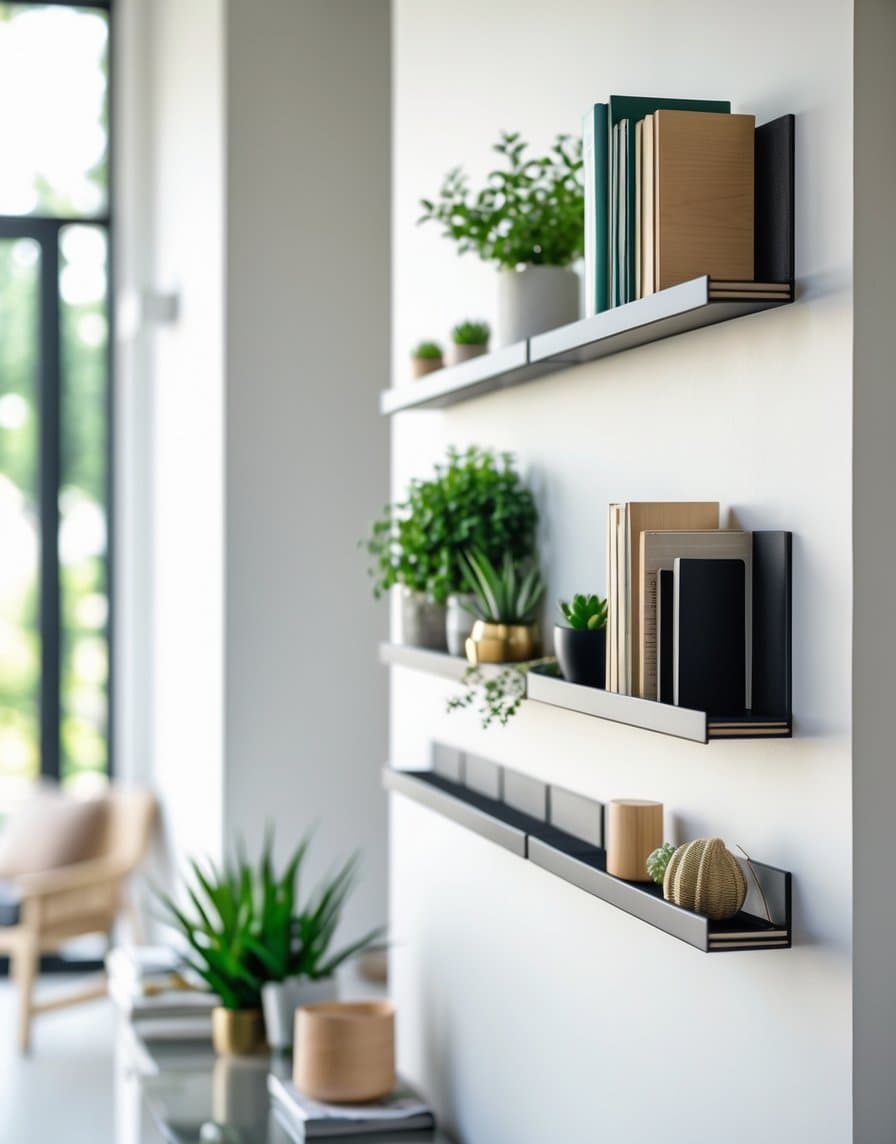
Magnetic wall strips are a game-changer for small bedroom organization!
I’ve discovered that these versatile strips can transform any wall space into a functional storage area without the bulk of traditional furniture.
By installing magnetic strips strategically, you can create an elegant solution for storing everything from makeup brushes and scissors to small metal containers holding hair accessories or office supplies.
I’ve even used longer magnetic strips to display artwork or photos with magnetic backing, adding a personal touch while maximizing storage potential.
Color Theory in Small Bedrooms

Lighter colors like whites, light grays, and soft pastels reflect more light, making the room feel airy and open. Consider using a light color palette for walls and larger furniture pieces.
On the other hand, darker hues can create a cozy feel, but they might overwhelm a small space. If you prefer darker colors, use them as accents rather than the main wall color. This could include an accent wall or decorative items.
For a balanced approach, follow the 60-30-10 rule: 60% of the room in a dominant color, 30% in a secondary color, and 10% in accents. This creates harmony while keeping the space visually engaging.
Creating the Illusion of Space

To maximize the sense of space in a small bedroom, color choice is key. Light colors have the ability to open up small rooms. A soft blue or pale green can mimic the sky or nature, providing a calming effect.
In addition, consider monochromatic schemes, which use varying shades of a single color. This approach avoids the visual clutter that can make a room feel cramped.
Hideaway Dressing Area

A hideaway dressing area is an elegant solution for small bedrooms that require flexible space management.
By installing a ceiling-mounted curtain track in a strategic corner or along one wall, you can create a private changing space that appears and disappears as needed.
When the curtain is drawn, you have a dedicated area for dressing and outfit planning; when pulled back, the space seamlessly integrates with the rest of your room.
Accessorizing and Personalizing Your Space

When working with a small bedroom layout, the right accessories can make a huge difference in both functionality and style. Start by selecting multi-purpose decor items like decorative storage boxes or floating shelves that add character while maximizing space.
Layer your bed with textured throws and pillows in coordinating colors to create depth without overwhelming the room. Wall-mounted sconces instead of table lamps can free up precious nightstand space, while also adding a touch of sophistication.
Consider incorporating mirrors strategically – they not only create the illusion of more space but can also serve as statement pieces.
Personal touches like framed photos, artwork, or a small collection of meaningful objects can make the room feel uniquely yours without creating clutter.
Final Touches to Enhance Small Bedroom Design
After implementing these small bedroom layout ideas in my own space, I’m amazed at how much difference smart furniture arrangement can make!
What once felt cramped and cluttered has transformed into a cozy, functional sanctuary that makes every square foot count.
The joy of walking into a well-organized bedroom, where everything has its place and flows naturally, is truly unbeatable.
What I love most about these layout solutions is how adaptable they are to different spaces and styles.
Whether you’re working with a tiny urban apartment or a compact suburban bedroom, there’s always a creative way to make your space work better for you.