If you’re like most people, you’ve probably walked into a home decor store, admired the array of lush indoor plants, and then promptly felt your heart sink.
Why? Because you know, deep down, you’re that person who can’t even keep a succulent alive.
Yes, the plant would likely survive longer if it were made out of plastic, but here you are, wondering how you can avoid the same fate with actual plants.
The good news is: you’re not alone! Many of us face the same challenges when starting out with indoor plants.
Whether it’s fear of overwatering (again), the challenge of finding plants that thrive in low light, or simply forgetting about the poor plants until they’re crispy and begging for water, it’s all too real.
In today’s post, we’re diving into the world of low-light, low-maintenance indoor plants, because yes, even with the gloom of your poorly-lit corner or windowless den, you too can be a plant parent.
1. Understanding Low-Light Conditions for Indoor Plants

Before we get to the plants themselves, let’s talk about what qualifies as “low-light.”
Spoiler: It’s not quite the dark abyss of your basement (unless your basement is actually very clean and well-lit, in which case, tell me your secrets).
Low-light spaces are typically rooms that get little to no direct sunlight, like east- or west-facing rooms.
They can be cozy, cool spaces but may not allow for a lot of natural light to pour in.
Think your office corner, that little nook in your bedroom, or those corners that just don’t get any direct sunlight.
Now, let’s talk about some low-maintenance plants that love these low-light conditions.
2. Top Low-Maintenance Indoor Plants for Low-Light Spaces
2.1 Golden Pothos

Let’s start with the crowd favorite: the golden pothos. This lovely vine has earned a reputation for being the underdog in the indoor plant world—easy, forgiving, and practically indestructible.
Golden pothos can live in rooms that barely see sunlight and will still thrive, which is great news for those of us who may forget to water them every now and then.
Golden pothos is versatile! You can have it trailing from a shelf or hanging basket, or even train it to climb up a trellis.
That’s right, a jungle right in your living room, without much effort.
The only caveat? This plant is toxic to pets, so keep it out of reach of your furry friends!
2.2 Silver Pothos (Satin Pothos)

If you love the look of golden pothos but crave something a little more elegant, meet the silver pothos, also known as satin pothos.
It’s like golden pothos’ chic cousin. The silver-tinted leaves shimmer, and while it shares many of the same traits as its golden relative, it’s a bit more refined.
It’s equally low-maintenance, and thrives in both low light and higher humidity.
Perfect for that steamy bathroom that you secretly hope will become your personal rainforest.
2.3 Philodendron
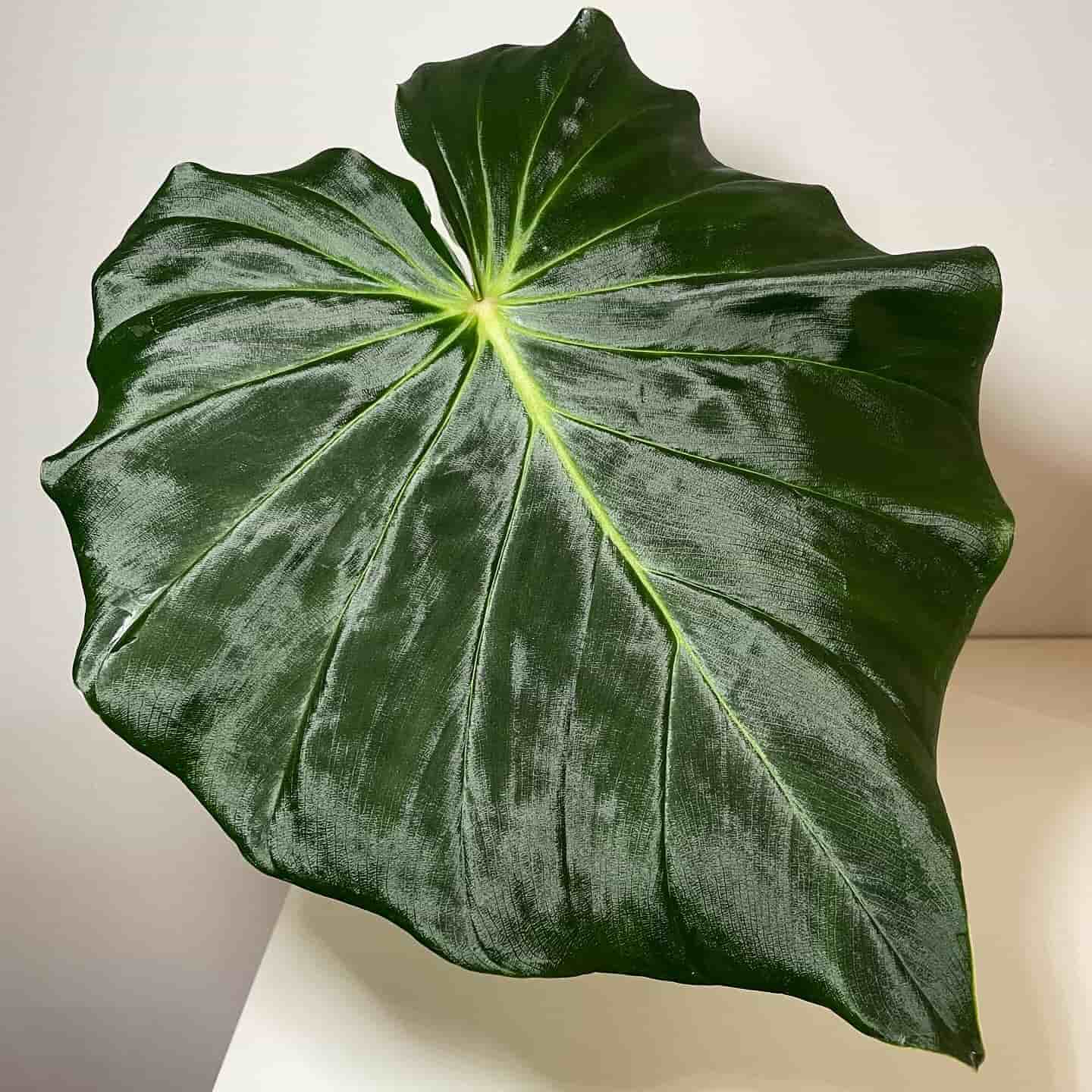
You’ve probably seen a philodendron in every other plant shop, and for good reason.
These guys are masters of adaptation. Whether your home has a tiny bit of sunlight or none at all, the philodendron will hang in there.
They’re great for beginners, needing minimal care aside from an occasional watering.
You can keep them trailing from a shelf or pot, or even give them a stylish support pole to climb—whatever suits your vibe.
2.4 English Ivy
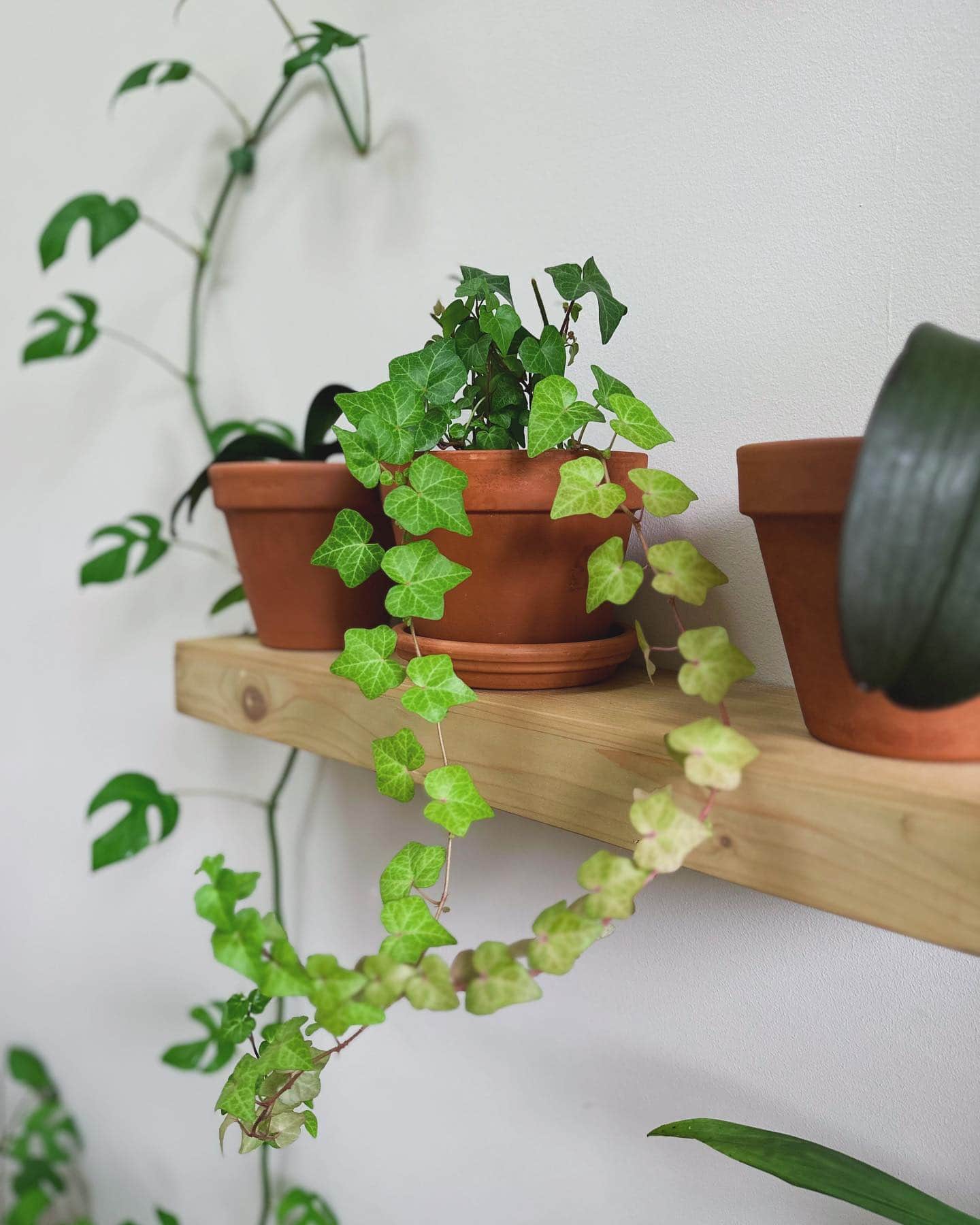
English ivy is another easy-to-care-for plant that thrives in low light.
This trailing vine loves to spread out, so if you have a small space, it’s perfect for hanging baskets or trailing from your kitchen cabinets.
Plus, it loves humidity, which makes it an excellent choice for kitchens and bathrooms.
However, be warned: English ivy can be a bit too enthusiastic in its growth, so keep an eye on it or it may start taking over your entire house.
2.5 Maranta (Prayer Plant)
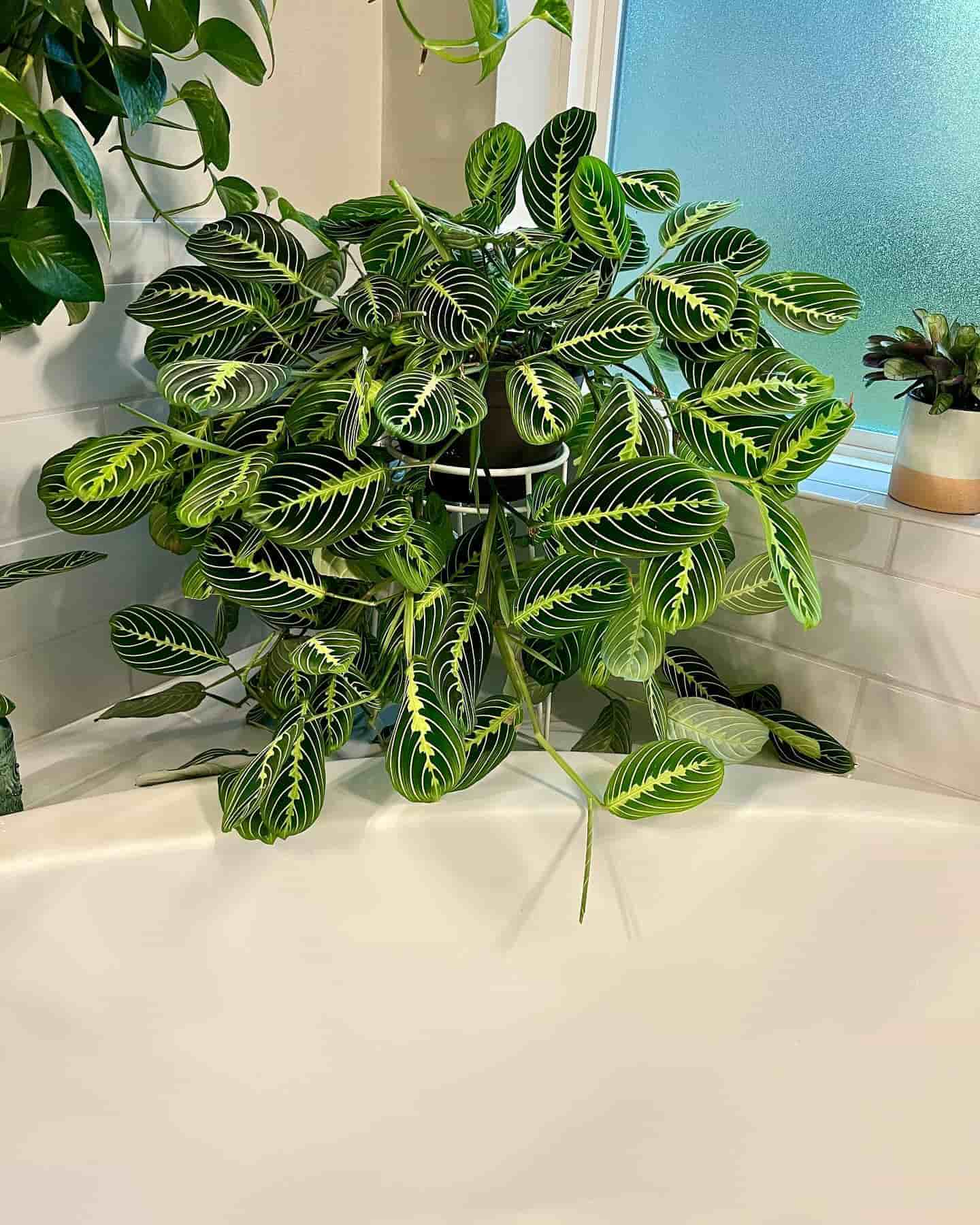
This one is a bit quirky, and we love it for that!
The maranta, also known as the prayer plant, has a unique trait—it folds its leaves up at night, like it’s praying (hence the name).
The maranta thrives in low light and high humidity, so it’s perfect for bathrooms or cozy nooks that you rarely visit.
It’s easy to take care of, just make sure it’s not in a spot where it gets too much direct light, or those lovely leaves might burn.
2.6 Calathea (Peacock Plant)
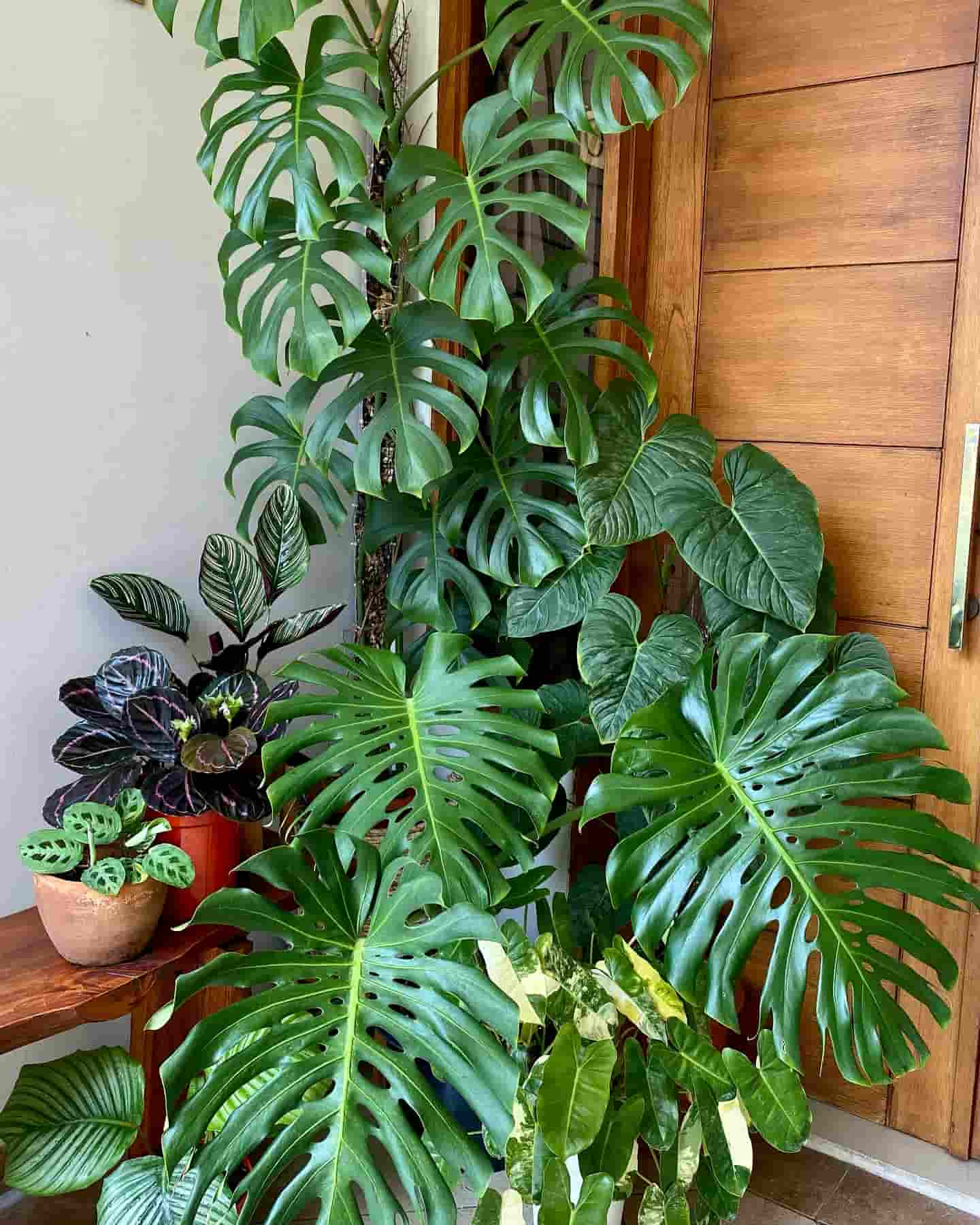
If you want a plant that’s as colorful as it is low-maintenance, the Calathea is a fantastic option.
With vibrant, patterned leaves that seem to change colors under different lighting, this plant can brighten up even the dullest corners of your home.
It prefers medium to low light, and while it does enjoy humidity, it’s generally very forgiving if you don’t have a tropical climate in your home.
2.7 Nerve Plant (Fittonia)

The nerve plant is the definition of “low-maintenance beauty.”
It’s small, with veins running through its dark green leaves, and it thrives in low light.
It’s also relatively forgiving of less-than-perfect care.
Keep it in a well-drained pot, and water it when it gets dry (but don’t overdo it, or it may start sulking).
A perfect beginner plant that’s as pretty as it is easy to love.
3. Additional Low-Light Indoor Plants to Consider
3.1 Syngonium

The syngonium, also known as arrowhead plant, is another beauty that’s perfect for low-light spaces.
This plant’s heart-shaped leaves come in a variety of colors, from pale green to pink.
Keep it in a shaded spot, and it will be happy.
3.2 Cast Iron Plant

If you want a plant that’s so hardy, it could survive a zombie apocalypse, meet the cast iron plant.
This plant practically thrives on neglect. It tolerates low light, irregular watering, and everything else you throw at it.
Whether you’re a first-time plant parent or just busy, this is a great option.
3.3 Wax Plant
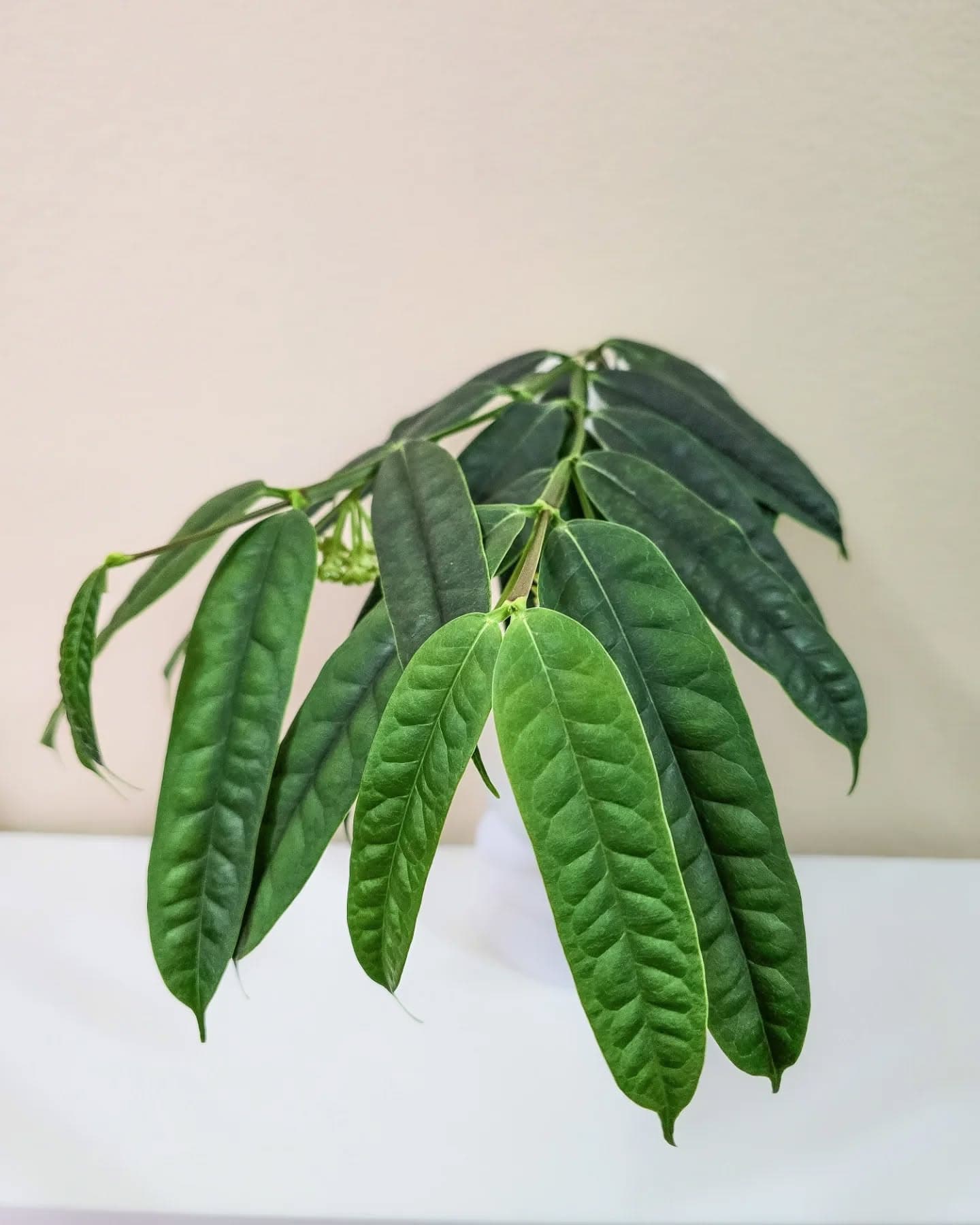
The wax plant is another toughie, with glossy, durable leaves that can handle a little bit of neglect.
It does well in low light, and with time, it will reward you with clusters of sweet-smelling flowers. The wax plant’s care is pretty minimal—just make sure it’s not sitting in damp soil for too long.
3.4 Peperomia

Peperomias are small, pet-friendly plants with thick, round leaves that add texture to any room. They do well in low light and require little water, making them a perfect choice for busy plant parents.
They’re small and compact, so they’re great for adding some greenery to small spaces without overwhelming the area.
3.5 Spider Plant

Who doesn’t love a plant that propagates like a pro? Spider plants are excellent for beginners and can thrive in low light.
They’re adaptable and can live on a shelf, a hanging basket, or in a corner.
Plus, they’re non-toxic to pets, so they’re great for households with furry friends.
4. Unique and Low-Light Plants for Variety
4.1 Lucky Bamboo

This plant is great for those of us who don’t have a ton of space but want a plant that’s low-maintenance and feng-shui-approved.
Lucky bamboo thrives in low-light conditions and is typically grown in water, so it’s super easy to take care of.
All you need to do is keep the water level topped up.
It’s said to bring good fortune. You know, no big deal.
4.2 Chinese Evergreen

The Chinese evergreen is another tough cookie. It’s great for low light, dry air, and even neglect.
It’s also toxic to pets, so keep it out of reach of curious paws.
The colorful, variegated leaves add some interest to your space without needing much attention.
4.3 Peace Lily

Who wouldn’t want a plant that gives you beautiful white blooms while needing minimal care?
Peace lilies thrive in low to moderate light, and they even help purify the air.
4.4 Anthurium

Anthuriums are tropical plants that do well in low light, although they do prefer high humidity. Their glossy red flowers are a real showstopper, making them a great choice for adding drama to a space.
Though they grow slowly in low light, they’re stunning when they do bloom.
4.5 Christmas Cactus

When you think of a cactus, you probably don’t picture it as a low-light-loving plant.
But the Christmas cactus is the exception. It blooms with gorgeous pink flowers and doesn’t require much care.
It thrives in diffused light, making it ideal for darker corners.
Plus, it’s a holiday favorite—so it’s like you’re decorating all year long!
5. Larger Low-Light Plants for More Impact
Now, let’s talk about the heavy-hitters—the big plants.
These are the ones that can stand tall, make a statement, and still thrive in low-light conditions. You might think that if a plant is big, it needs a ton of sunlight and constant attention, but that’s not the case at all.
There are several large, low-light plants that can do wonders in your space, adding life and vibrancy without demanding too much.
5.1 Snake Plant

Ah, the classic Snake Plant—sometimes called Mother-in-Law’s Tongue. It’s a staple in many homes, and for good reason.
First off, this plant is practically un-killable. It’s perfect for beginners who don’t know the difference between a watering can and a dessert spoon.
It thrives in low light (heck, it even thrives in almost no light), and it’s one of the most drought-tolerant plants out there.
So, if you forget to water it for weeks—no problem, the Snake Plant won’t judge. It will just keep growing, standing tall and strong.
The downside? It’s toxic to pets. So, if you have a curious dog or cat that loves to chew on anything green and leafy, keep this beauty out of their reach.
5.2 ZZ Plant

The ZZ Plant is another one of those plants that thrives on neglect.
It can handle low light, irregular watering, and pretty much anything you throw at it (other than actual neglect, of course).
Known for its glossy, dark green leaves, this plant is a total survivor. It’s one of the few plants that you can stick in the darkest corner of your room and still look fabulous.
Even though it can thrive with little to no light, the ZZ plant is non-toxic to pets, so if your fur babies are the curious type, you won’t have to worry about them nibbling on this beauty.
5.3 Dracanea Limelight

Want to add a pop of color to your low-light room without going overboard?
Dracanea Limelight might be your plant soulmate. With its striking, neon-colored leaves, it’s like the highlighter pen of the plant world.
This plant thrives in low light but can tolerate moderate light as well.
Plus, it’s air-purifying! So while it’s busy making your space look like a botanical wonderland, it’s also helping you breathe a little easier.
This plant is incredibly low-maintenance. All it needs is some occasional watering and a spot in the shade, and it’ll keep dazzling you with its vibrant foliage.
5.4 Money Tree

The Money Tree, or Pachira aquatica, is often associated with good fortune and prosperity, which makes it an excellent addition to any home.
It thrives in moderate light but can handle some low-light conditions, making it perfect for spaces that don’t get direct sunlight.
Whether or not it brings you luck is still up for debate, but it certainly can bring a bit of feng shui into your home.
Money Trees grow best in the Southeast corner of the house (according to feng shui traditions), but honestly, they’ll thrive just about anywhere, as long as you don’t overwater them.
5.5 Diefenbachia (Dumb Cane)
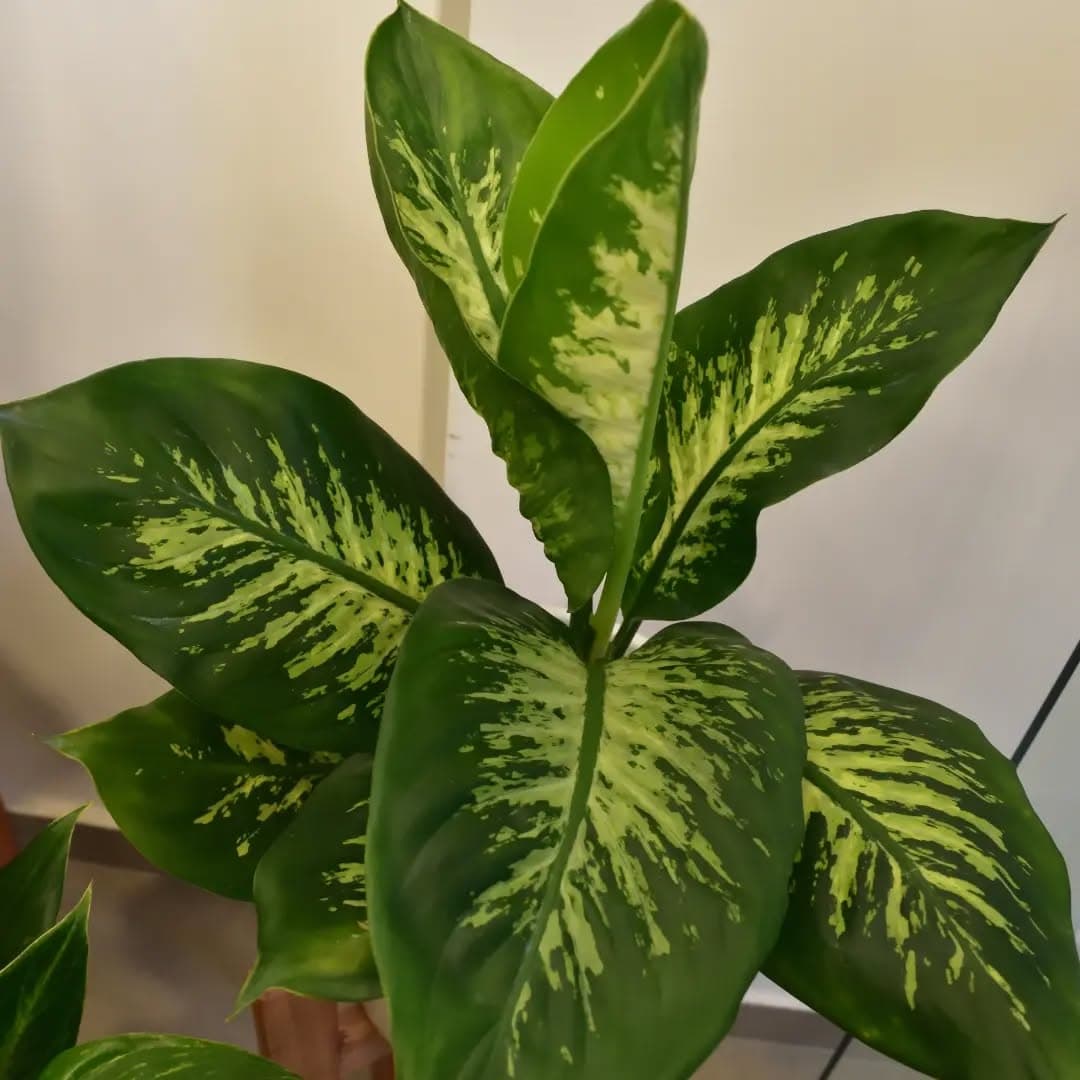
The Diefenbachia is an impressive plant that grows tall—up to 5 feet in some cases—making it a great option for adding some vertical greenery to your space.
Its large, patterned leaves are a real showstopper, but be warned: it’s toxic to pets.
So if you have a furry friend that enjoys munching on your plants, maybe give this one a pass.
If you’re not worried about your pets nibbling on it, the Dumb Cane is a fantastic low-light option that can make a dramatic impact in your home.
It’s a perfect addition to a living room, hallway, or corner that needs a little life.
Just keep it in a spot with filtered light, and it’ll be happy as can be.
5.6 Dwarf Umbrella Plant

If you have limited space but still want a larger plant, the Dwarf Umbrella Plant is your answer. It’s a slow grower, which means it won’t quickly outgrow its space, and it thrives in indirect light.
It’s also relatively compact compared to its larger relatives, making it perfect for smaller spaces that need a touch of greenery without becoming overwhelmed.
This plant is low-maintenance, but it does prefer a little humidity, so a bathroom or kitchen corner could be a great spot for it.
As long as you give it the proper care and avoid overwatering, this plant will remain a charming addition to any low-light room.
5.7 Ponytail Palm

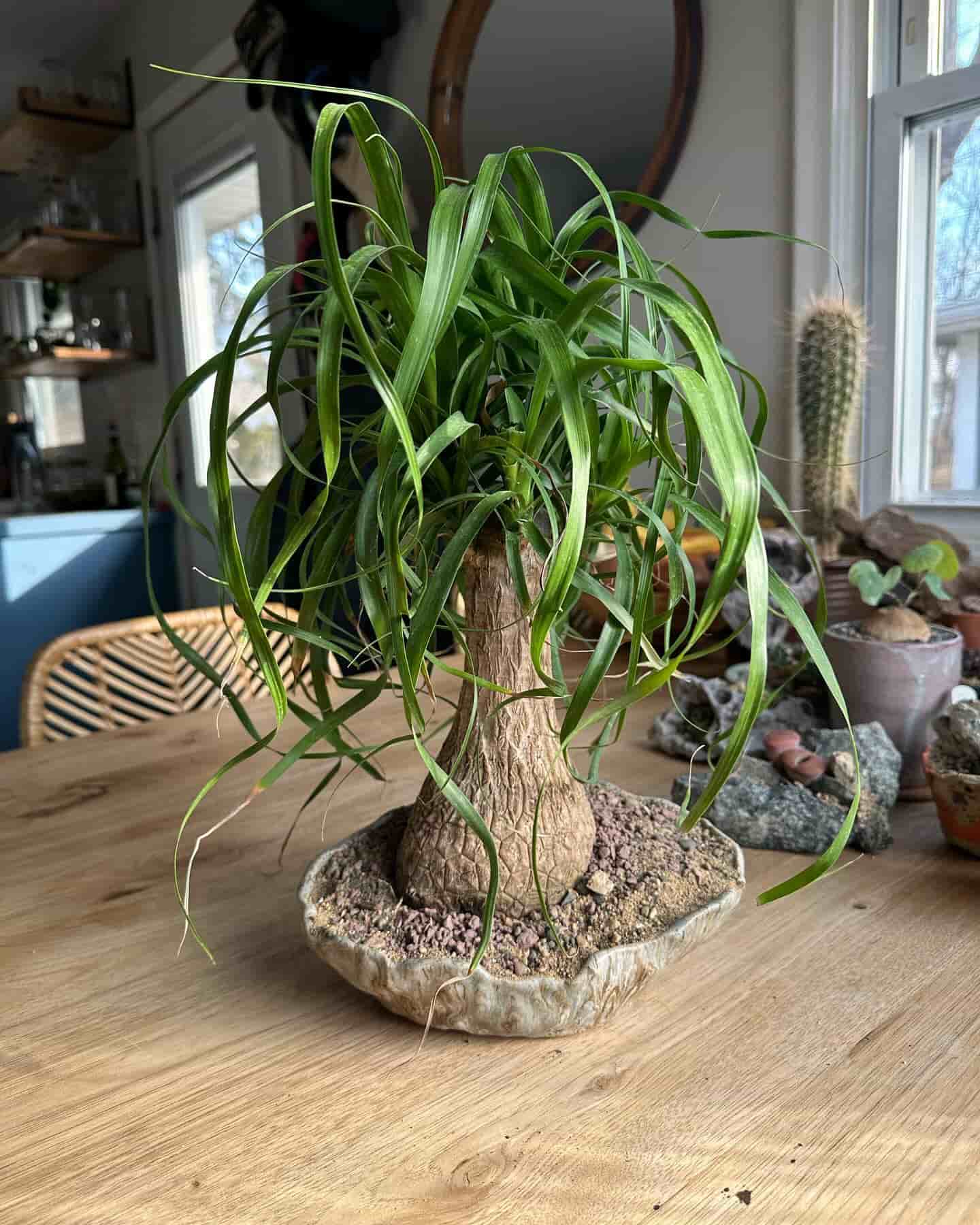
The Ponytail Palm is another excellent option for those looking to fill a corner with greenery without worrying too much about maintenance.
It’s adaptable to various light conditions, from bright indirect light to low light, and it’s nearly impossible to kill.
Whether you place it in your living room or as a statement piece by the window, the Ponytail Palm will thrive with minimal care.
Its unique, curly fronds make it stand out in a room, and it requires very little water, making it perfect for those who forget to water their plants.
Plus, it’s great for smaller spaces or as a larger plant in a bigger room—it’ll grow to fit wherever you need it.
5.8 Monstera

Ah, the Monstera. It’s the plant that everyone loves but doesn’t always realize it thrives in low light.
With its large, dramatic leaves, it’s a tropical beauty that can handle indirect light and some periods of darkness.
While it thrives in humid environments, it can adapt to less-than-ideal conditions, making it a must-have for any low-light space.
If you’re looking to make a bold statement in your living room or bedroom, the Monstera will definitely be a showstopper.
5.9 Fiddle Leaf Fig (Ficus Lyrata)

The Fiddle Leaf Fig is a classic example of “big plant, big impact.”
It’s one of those plants that can make a room feel instantly more stylish and put-together, but it can also be a bit more finicky than others.
While it does best in bright, indirect light, it can still tolerate low light for periods of time. However, be careful with the watering—Fiddle Leaf Figs can be sensitive to overwatering, which can cause their leaves to drop.
5.10 Rubber Plant (Ficus Elastica)

The Rubber Plant is another great low-light option for those looking for a large, low-maintenance plant.
It features glossy, dark green leaves that really pop in any room.
It’s also quite forgiving when it comes to light conditions, thriving in indirect light and requiring minimal care once settled.
One of the best things about the Rubber Plant is that it’s relatively easy to care for and looks great in just about any room—whether you’re placing it in a corner, near a window, or as a centerpiece in a larger space.
It’s a solid choice for anyone looking to bring a bit of elegance to their home with minimal effort.
6. Additional Low-Light Options
As if the plants we’ve already discussed aren’t enough, there are a few more options to consider for your low-light sanctuary.
The Ponytail Palm, for example, are excellent additions that can thrive in low-light conditions.
And there are many other plants that fit well into these types of spaces.
So, don’t stop here! The world of low-light plants is vast and full of options, and experimenting with different plants is part of the fun of indoor gardening.
7. Tips for Caring for Low-Light Indoor Plants
Now that you’re armed with a list of potential plant companions, it’s time to talk about the all-important care and maintenance.
Caring for low-light plants doesn’t have to be difficult, but there are a few key things to keep in mind.
First, be sure you’re not overwatering your plants. Low-light plants tend to require less water than their sun-loving counterparts, and too much moisture can lead to root rot and other issues.
Water your plants sparingly and make sure the soil dries out between waterings.
Second, don’t be afraid to experiment with different types of plants.
What works well in one space might not work in another, so feel free to swap plants around until you find the best fit.
Finally, consider using artificial lights to boost growth in spaces that receive little to no natural light.
There are plenty of grow lights available that mimic sunlight and can help your low-light plants thrive even in the darkest of corners.
Conclusion
Starting your journey into indoor plants doesn’t have to be intimidating, even if you have a darker room with very little natural sunlight.
With a little research, the right plants, and a dose of patience, you can turn your home into a lush green sanctuary—without the stress.
What’s important is experimenting and finding what works best for your space.
Don’t forget to visit local nurseries or even hardware stores to discover new varieties, and most importantly, enjoy the process!
After all, it’s not just about the plants—it’s about making your space feel more vibrant and alive.
So, go ahead and green up that space! 🌿🌱