I enjoy exploring different themes and arrangements to keep my shelves dynamic and reflective of my tastes. Each shelf can tell a story and serve as a focal point, enhancing the overall look of the room.
Decorating shelves can transform a simple space into a stylish showcase for your personality and style.
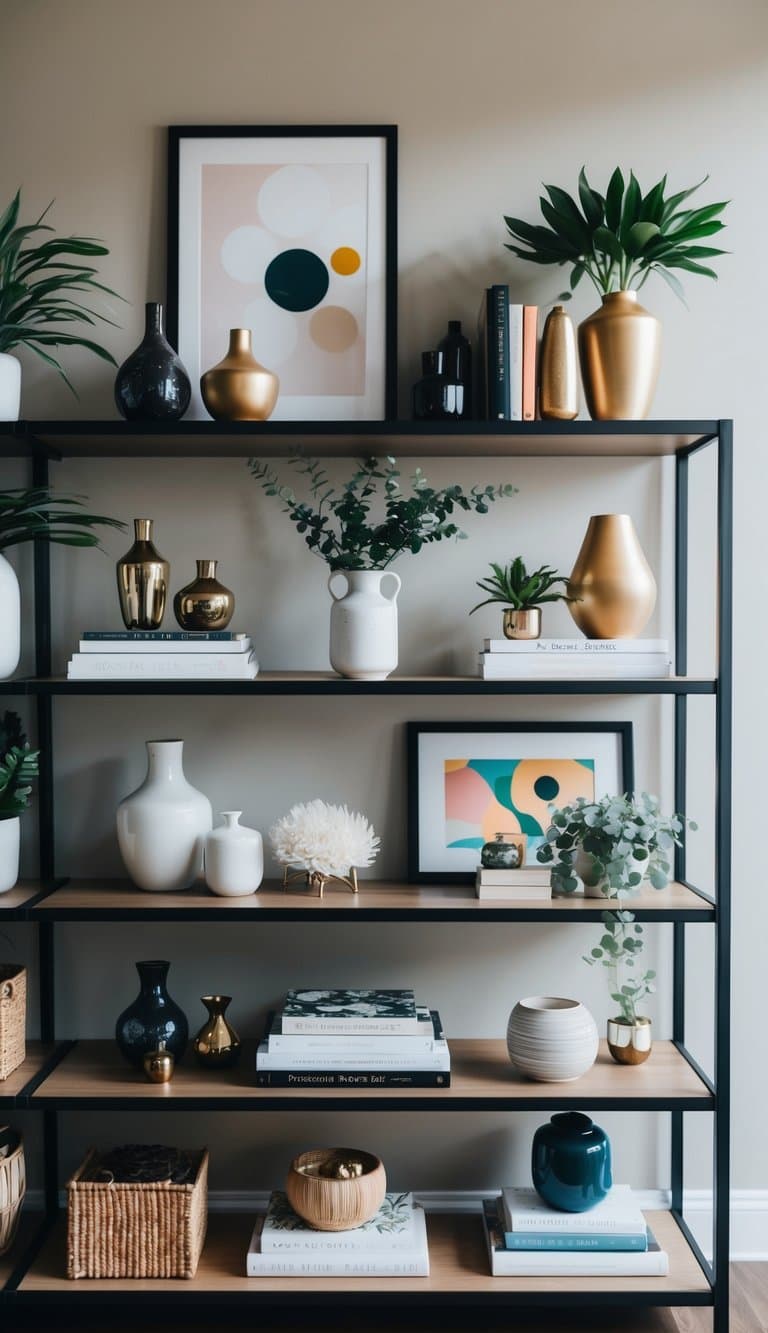
To effectively decorate shelves, I focus on creating balance with a mix of items like plants, books, and decorative pieces. This approach not only adds visual interest but also makes the space feel inviting and curated.
If you’re ready to elevate your shelf decor game, I’ll share easy tips and tricks to help you achieve a well-styled look without needing a design degree. Embrace your creativity, and let’s get started!
Understanding the Basics of Shelf Decoration
Knowing how to decorate shelves involves several key elements. I will explore the purpose of shelves, choosing the right units, and the essential aspects of color scheme and texture to create a harmonious look.
Defining the Purpose of Your Shelves
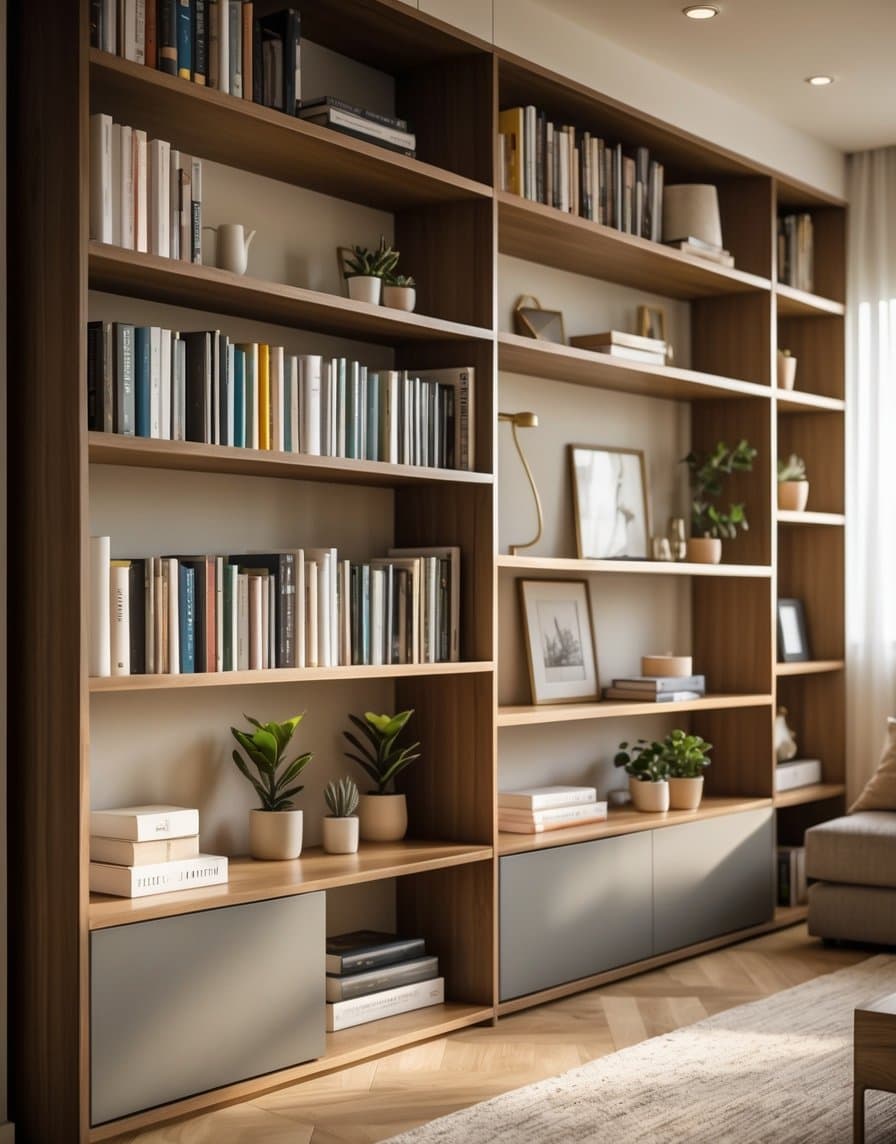
First, I consider the purpose of my shelves. Are they for displaying books, holding decor, or both? Knowing this helps me decide what to put on them.
If my shelves are for books, I might arrange them by genre or color. For decorative shelves, I can mix items like plants, photographs, and artwork. This creates visual interest.
I also think about the room’s function. For example, in a living room, I may want a cozy look. In a home office, I prefer a more organized, professional feel.
Choosing the Right Bookcases and Shelves
Selecting the right shelves is crucial. I start by considering the size and style of the room. Tall, sturdy bookshelves can anchor a space, while floating shelves may save room and add a modern touch.
Material matters, too. Wood shelves add warmth, while metal can give a sleek look. I often choose shelves that match other furniture to create a cohesive design.
If I’m displaying heavier items, I ensure the shelves can support the weight. For lighter decor, I can use more delicate designs.
Basics of Color Scheme and Texture
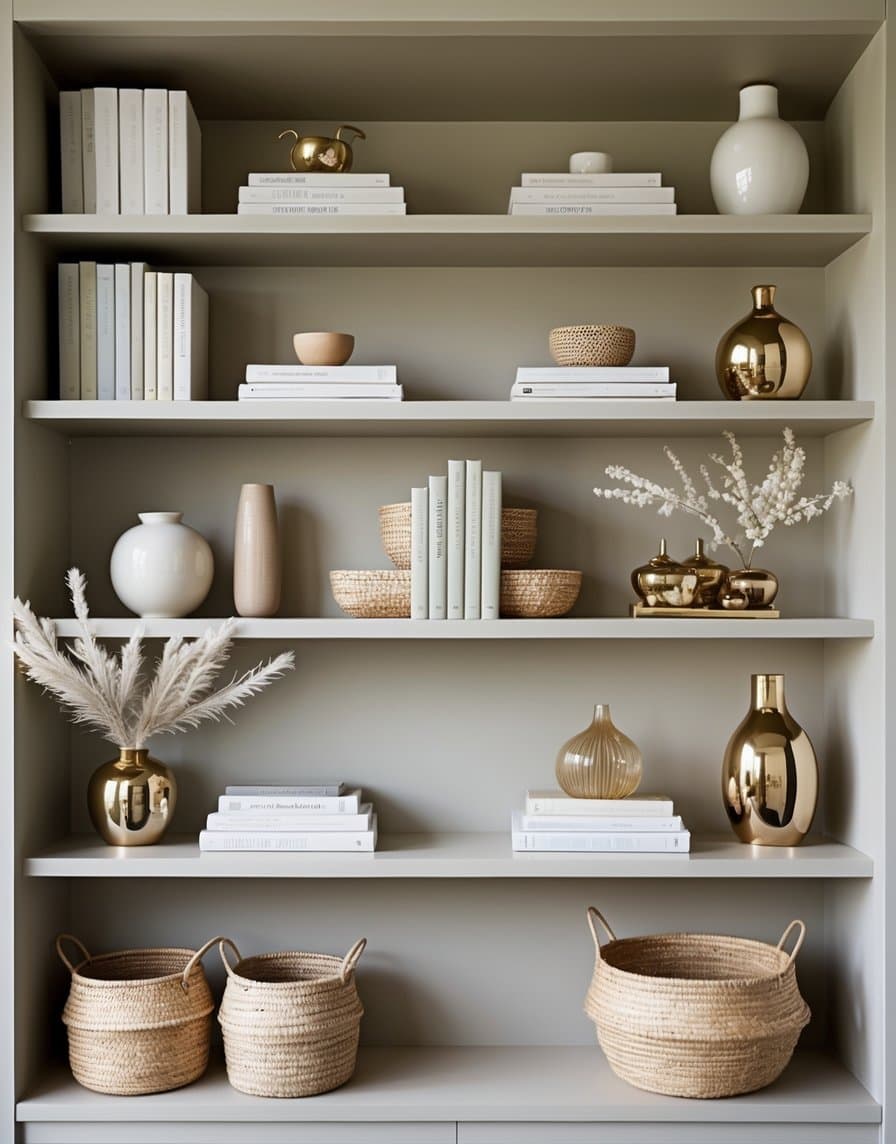
Color scheme and texture are vital in my shelf decoration process. I often stick to a limited color palette to avoid clutter. I find that 2-3 complementary colors work well.
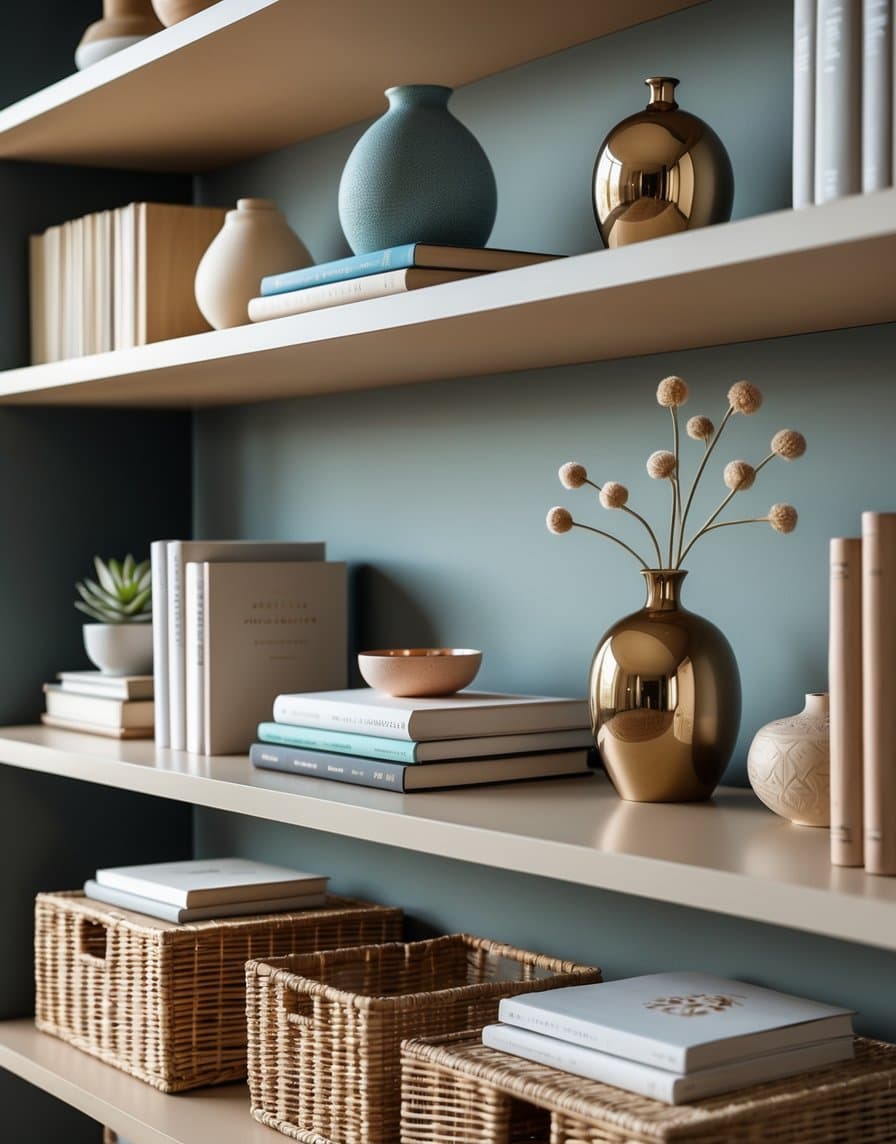
Also, I mix textures for visual appeal. For example, I pair smooth books with woven baskets or shiny vases. This adds depth and interest.
I pay attention to balance, placing larger items at the bottom and lighter ones higher up. This keeps the shelves stable and easy to view. A thoughtful approach to color and texture creates a beautiful display that draws the eye.
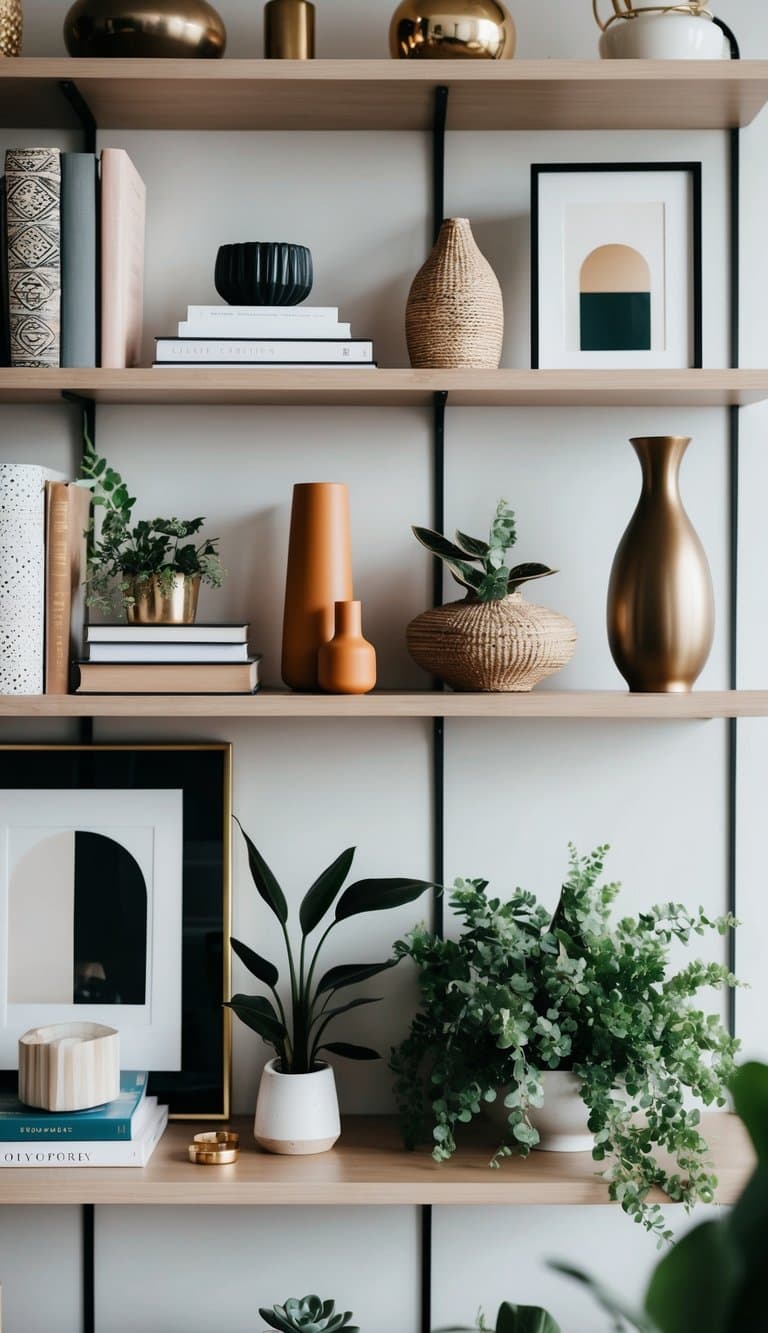
Setting Up Your Shelves
Creating functional and attractive shelving involves both proper installation and smart arrangement. I often focus on safety during installation and arrangement to maximize storage while keeping everything easy to access.
Proper Installation and Safety

When installing shelves, I pay attention to the brackets and supports I use. I always choose sturdy materials that can hold the weight of the items I plan to display.
- Select the Right Brackets: Use brackets that are appropriate for the shelf size and weight.
- Check Wall Conditions: Always ensure the wall can support the shelves. Stud finders help me locate secure spots for installation.
- Use Level Tools: I make sure my shelves are level during installation. This helps prevent items from tipping over.
Safety is my priority. I sometimes use wall anchors for extra support, especially for heavier items. If young children are around, I make sure that the shelves are out of reach or securely mounted.
Arranging Shelves for Optimal Storage
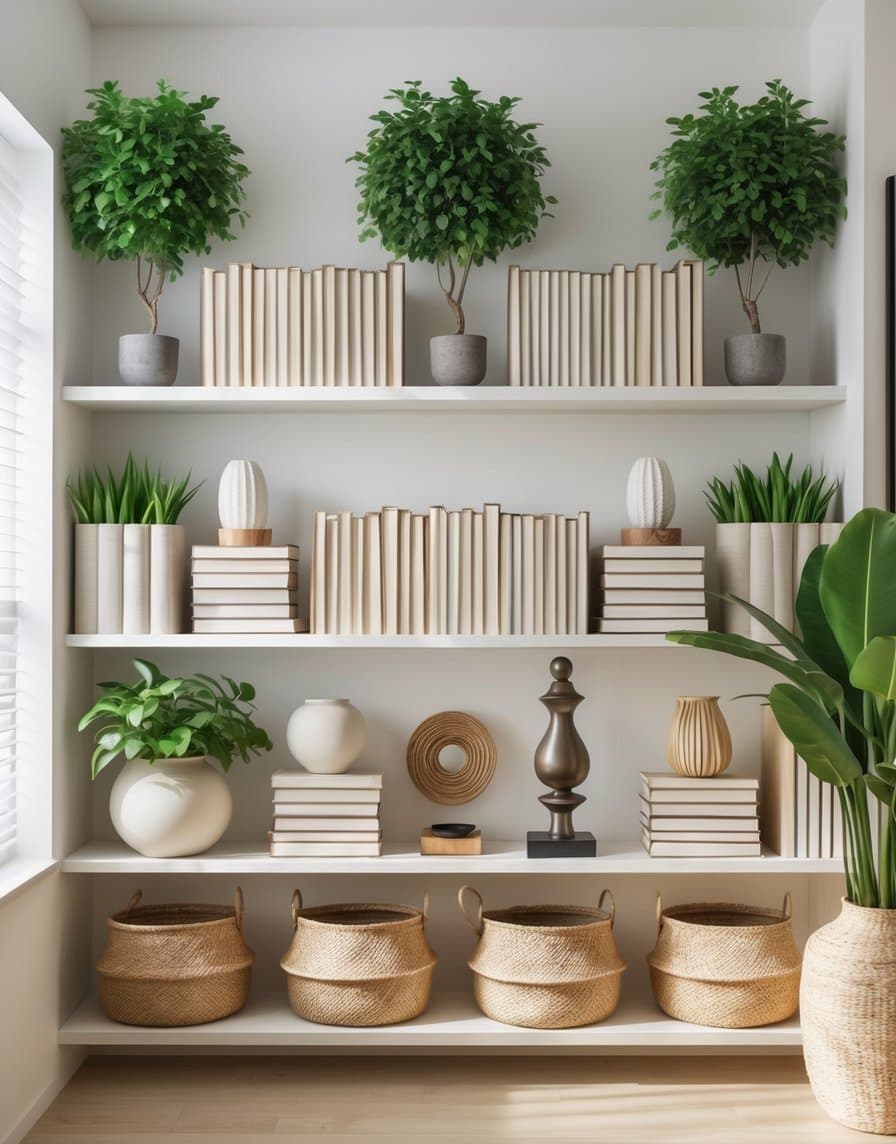
Once my shelves are installed, I think about how to arrange items effectively. I aim for both aesthetic appeal and practical storage.
- Group Similar Items: I cluster books, plants, and decorative pieces. This creates a visual flow and makes retrieving items simpler.
- Vary Heights: I use items of different heights to create interest. Taller pieces can anchor a section, while shorter items fill gaps.
- Use Baskets and Boxes: To keep things organized, I find that decorative boxes and baskets store smaller items neatly. They also add texture to the shelves.
This approach not only maximizes storage but also enhances the overall look of the space. With careful planning, I can turn any shelf into a functional and stylish feature in my home.
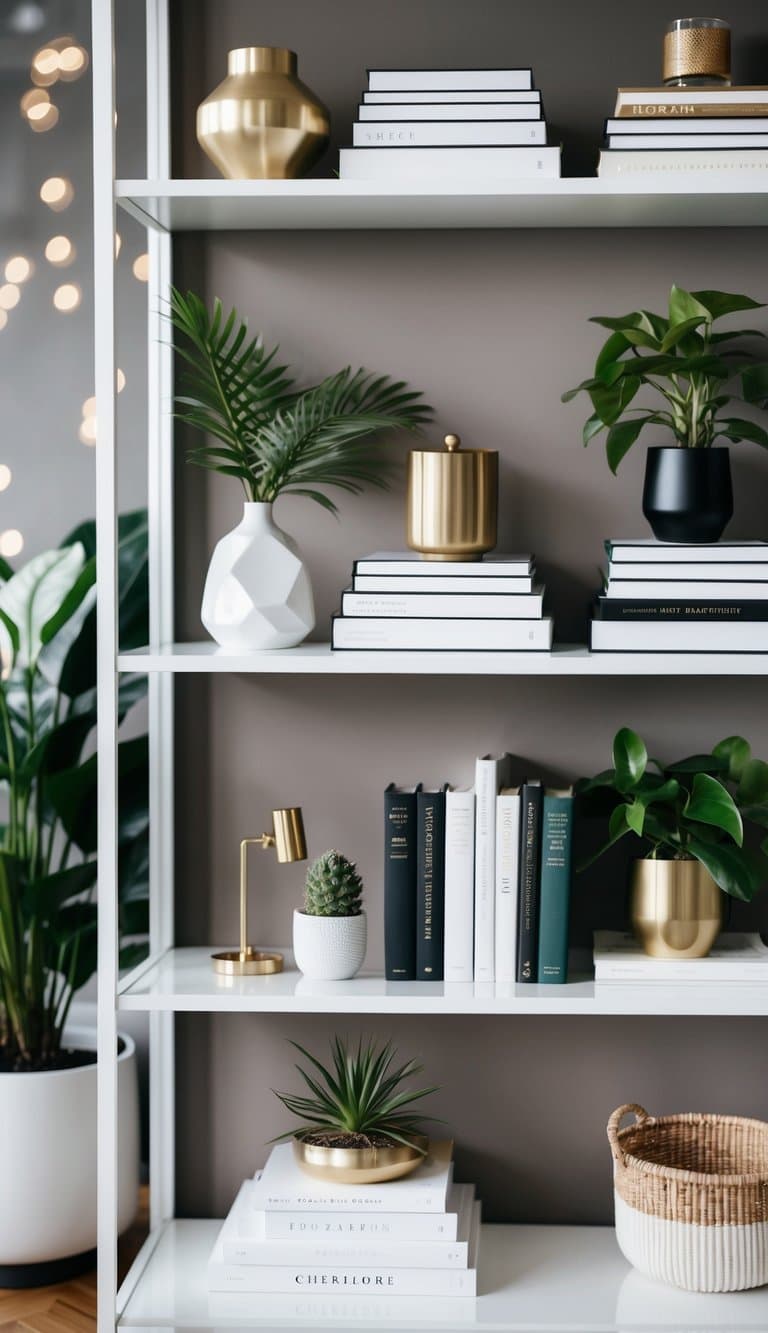
Essentials of Shelf Styling
When I style shelves, I focus on creating a captivating look while ensuring the space is functional. There are key elements to consider, such as establishing a focal point and balancing aesthetics with practicality.
Creating a Focal Point
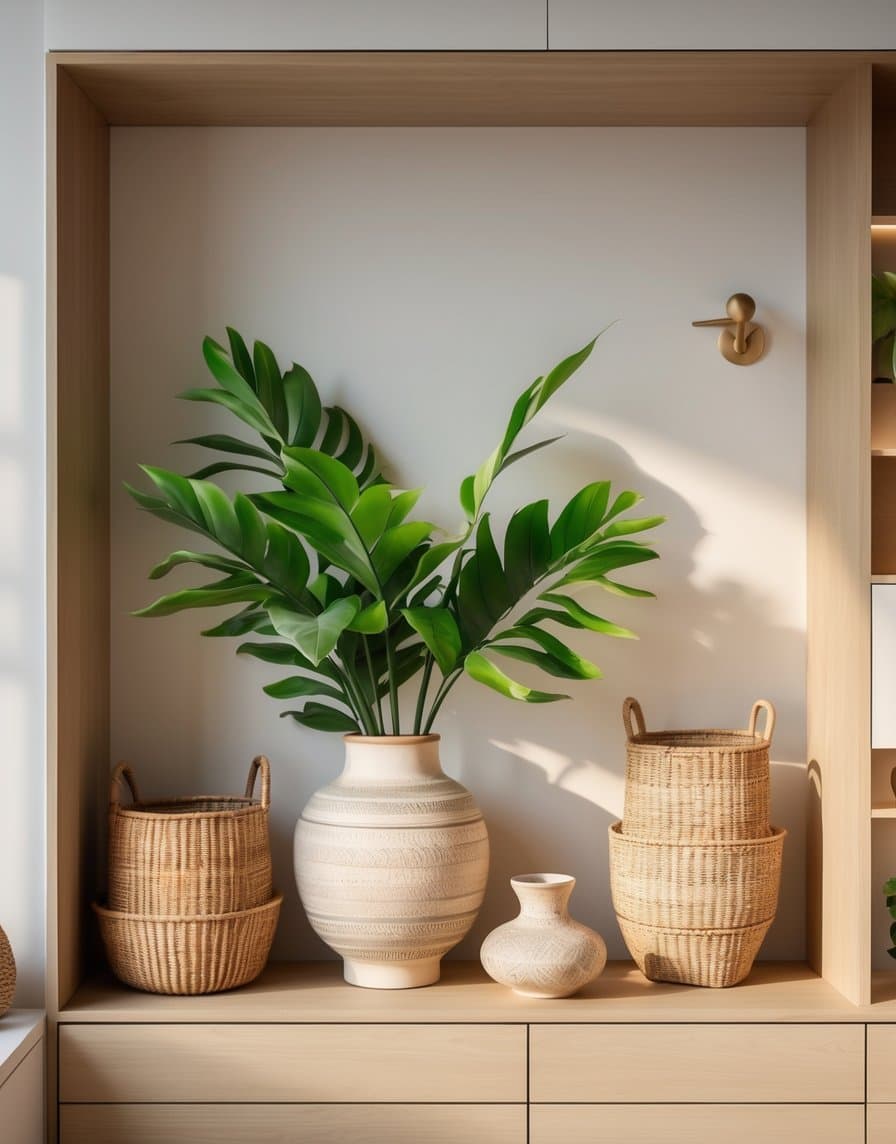
To guide the eye and create interest, I start by defining a focal point on my shelves. This could be a large decorative piece, an eye-catching plant, or an interesting vase.
I like to place this main item slightly off-center to avoid a symmetrical look, which can feel static. Incorporating varying heights among the accessories helps draw attention.
To achieve balance, I surround the focal point with smaller items. This layout provides visual variety without overcrowding. Including some items with texture, like woven baskets or ceramic pieces, adds depth, making the display more engaging.
Balancing Functionality and Aesthetics
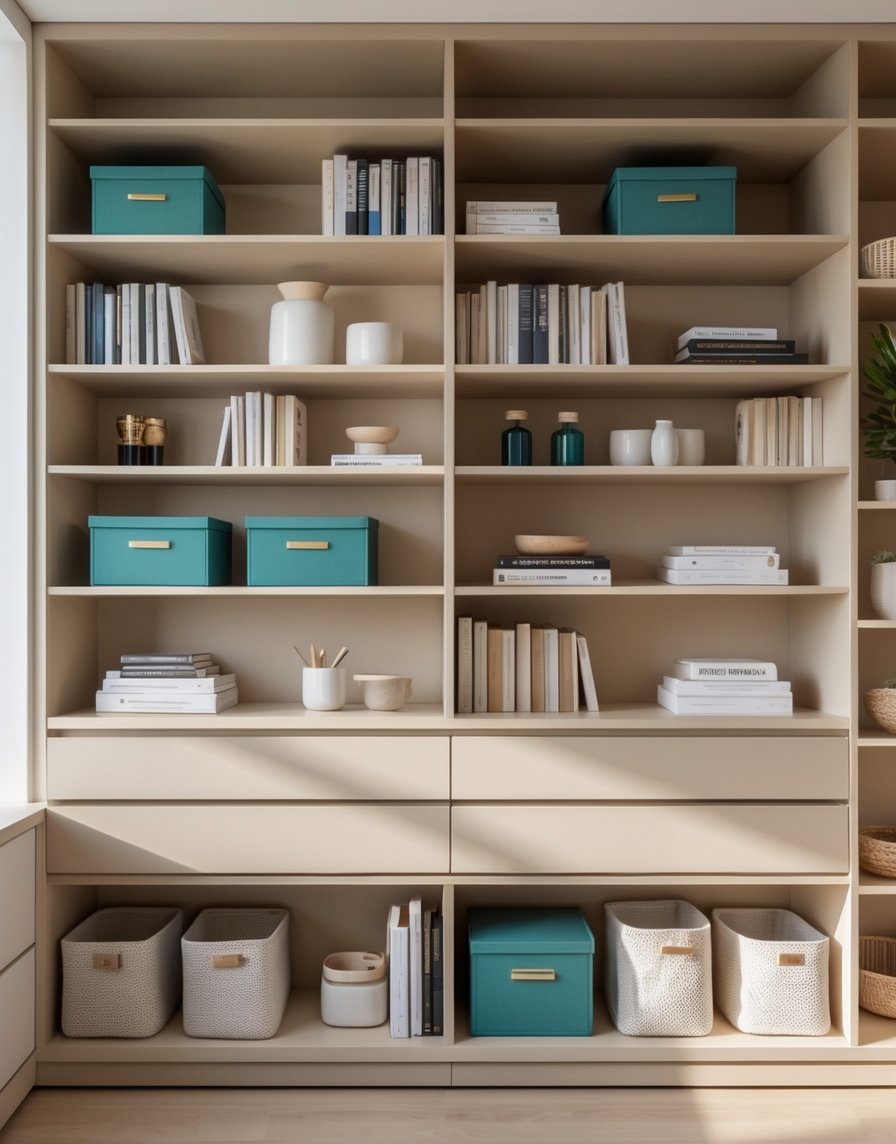
In my design process, I always strive for a seamless blend of functionality and aesthetics. Each shelf needs to serve a purpose while looking pleasing.
I often include books, storage boxes, or practical items tucked away neatly. Using attractive containers can disguise clutter and enhance the overall look.
Another trick I use is layering: placing taller items at the back, medium-sized ones in the middle, and smaller pieces in the front. This arrangement not only optimizes space but also creates a dynamic visual flow.
By carefully considering both form and function, I create shelves that are beautiful and useful.
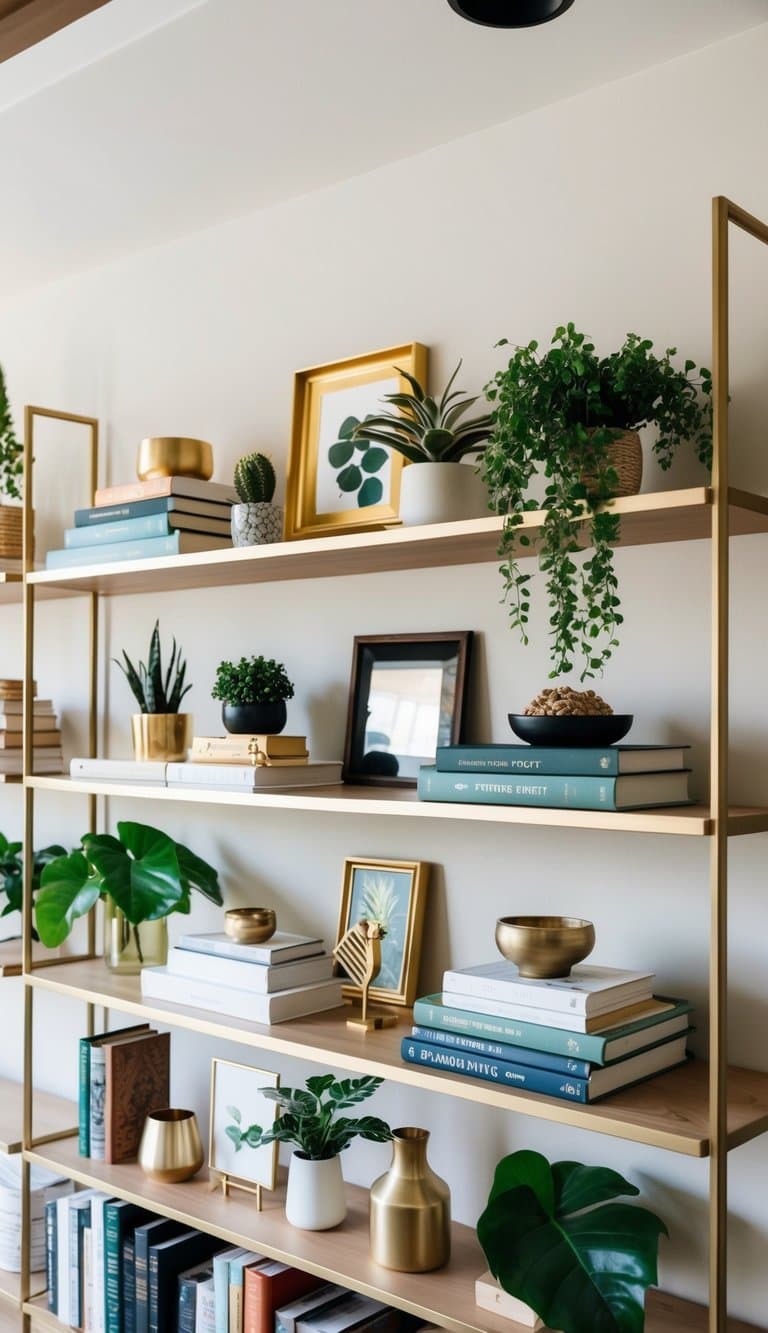
Strategic Placement of Items
When decorating shelves, the arrangement of items plays a significant role in the overall look. I focus on incorporating varying heights and shapes while understanding the importance of breathing room and negative space. These elements can help create a balanced and visually appealing display.
Incorporating Varying Heights and Shapes
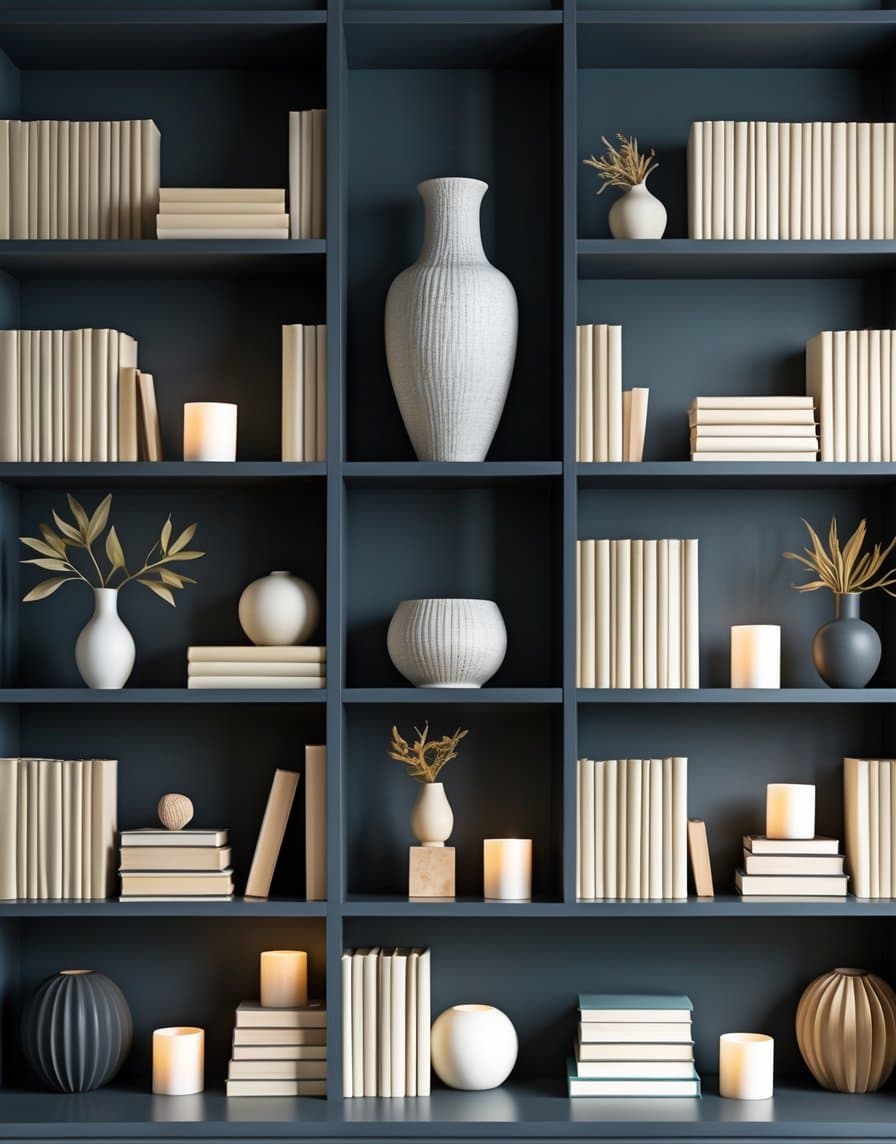
Varying heights and shapes adds dimension to shelves. I like to mix tall items, such as vases or sculptures, with shorter pieces, like small books or candles. This creates visual interest and prevents the shelf from looking flat.
For example, I might place a tall decorative item in the back, flanked by medium-height books on either side. I balance the look with shorter items in front. Using shapes like rectangles, circles, and organic forms can enhance this effect.
I also recommend stacking books both horizontally and vertically. This not only breaks up monotony but also adds layers to the display. I ensure that taller items are always positioned at the back and become part of a layered look.
Understanding Breathing Room and Negative Space
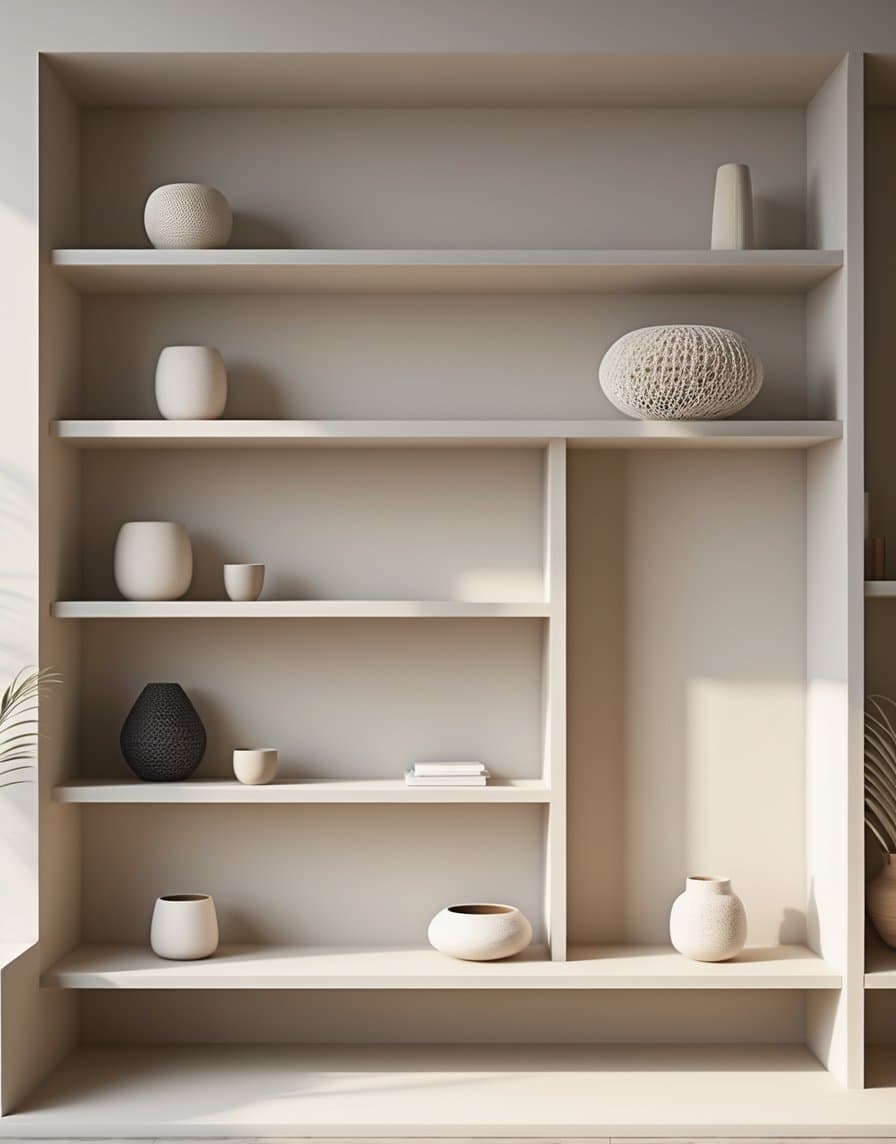
Breathing room is essential to avoid overcrowding. I make it a point to leave some space between items. This allows each piece to stand out and be appreciated. Negative space can be just as important as the items themselves.
For instance, I might leave a section of the shelf empty or use a large item to create separation. This helps guide the eye around the display and keeps it inviting.
I pay attention to the balance between items and empty spaces. Too many items in a small area can feel chaotic. By incorporating breathing room, I create a sense of calm that enhances the overall aesthetic.
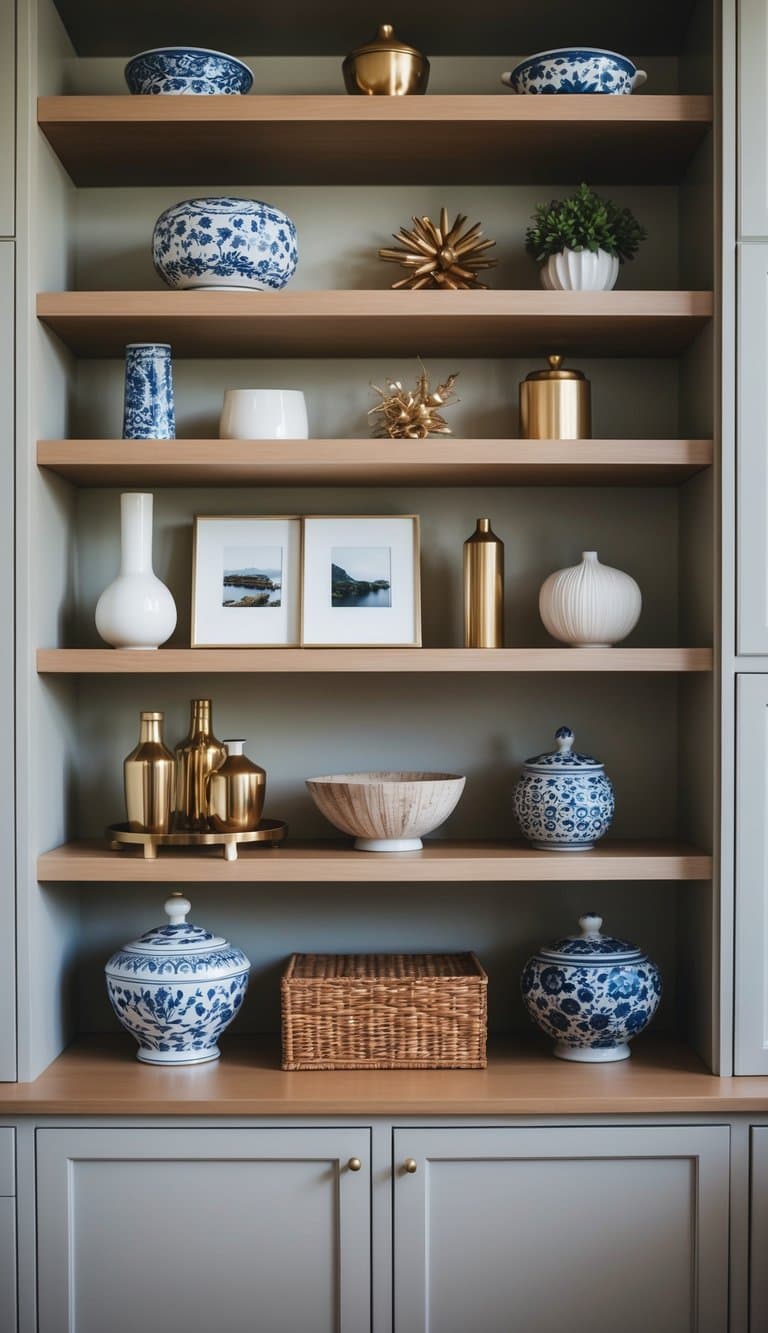
Accessorizing Shelves
Accessorizing shelves is about adding visual interest and personal style. By thoughtfully selecting plants and personal mementos, I can create a space that feels alive and uniquely mine.
Using Greenery and Plants Effectively
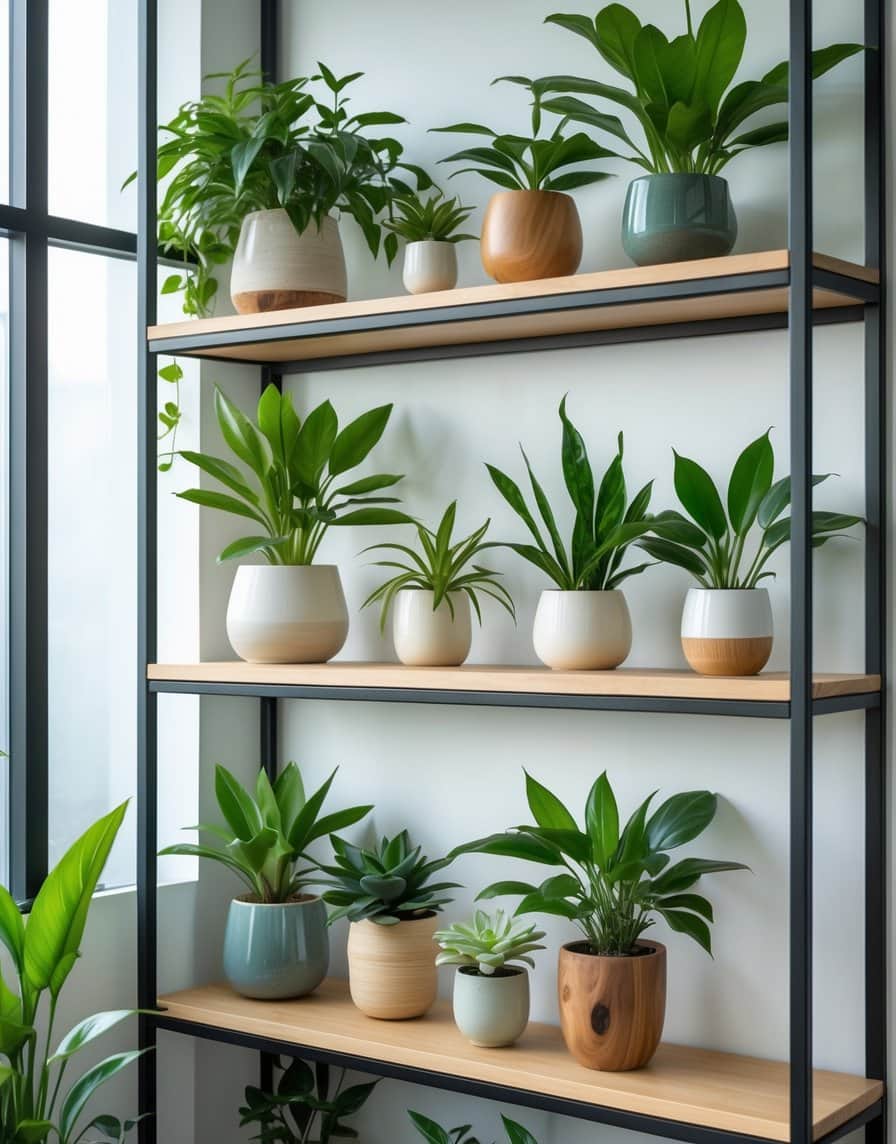
Incorporating plants into my shelves is a great way to bring life into a room. I focus on choosing a variety of plant sizes and types to create a layered look. For instance, taller plants can add height, while smaller ones fit nicely on lower shelves.
I prefer easy-to-care-for options like succulents or peace lilies. These plants not only look good but also improve air quality. Placing plants in decorative pots can enhance the overall style. I like to use pots that match my shelf decor, whether that’s elegant ceramic or rustic wood.
Additionally, I can arrange plants in groups of three for a more interesting display. This way, each plant can complement the others and create a harmonious look.
Adding Personal Touch with Mementos
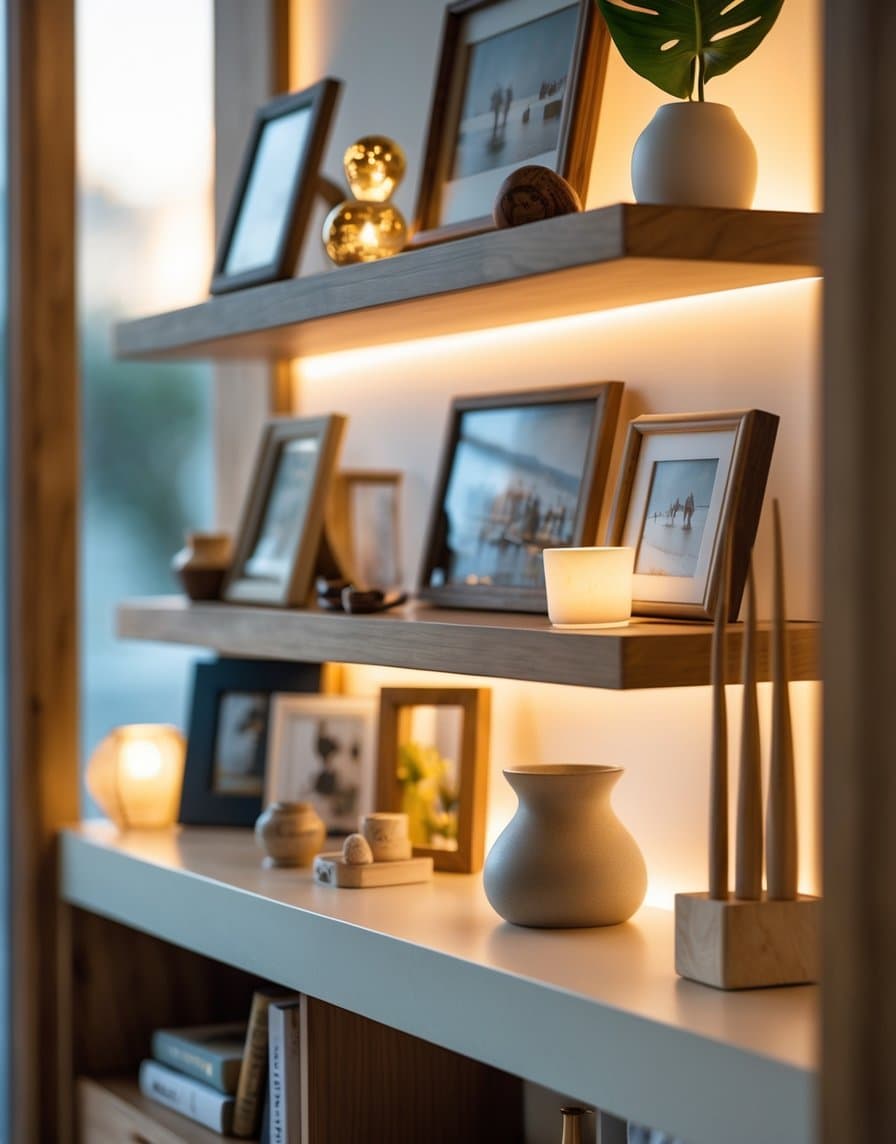
Personal mementos tell my story and can add warmth to my shelves. I start by selecting a few special items that reflect my experiences, like travel souvenirs or family photos.
When arranging these items, I aim for balance and variety. For example, I might place a framed picture beside a small sculpture. This juxtaposition adds depth to my display. I also consider using different heights and textures. For instance, a smooth ceramic piece next to a rugged wooden item can create visual contrast.
I make sure to include items that spark joy. These pieces can serve as great conversation starters and make my space feel inviting. By carefully arranging these mementos, I ensure my shelves not only look good but also feel personal.
Grouping and Arranging Items
Effectively grouping and arranging items on shelves can create visual interest and balance. I will discuss how to group items for a strong impact and ensure a cohesive look throughout the display.
How to Group Items for Visual Impact
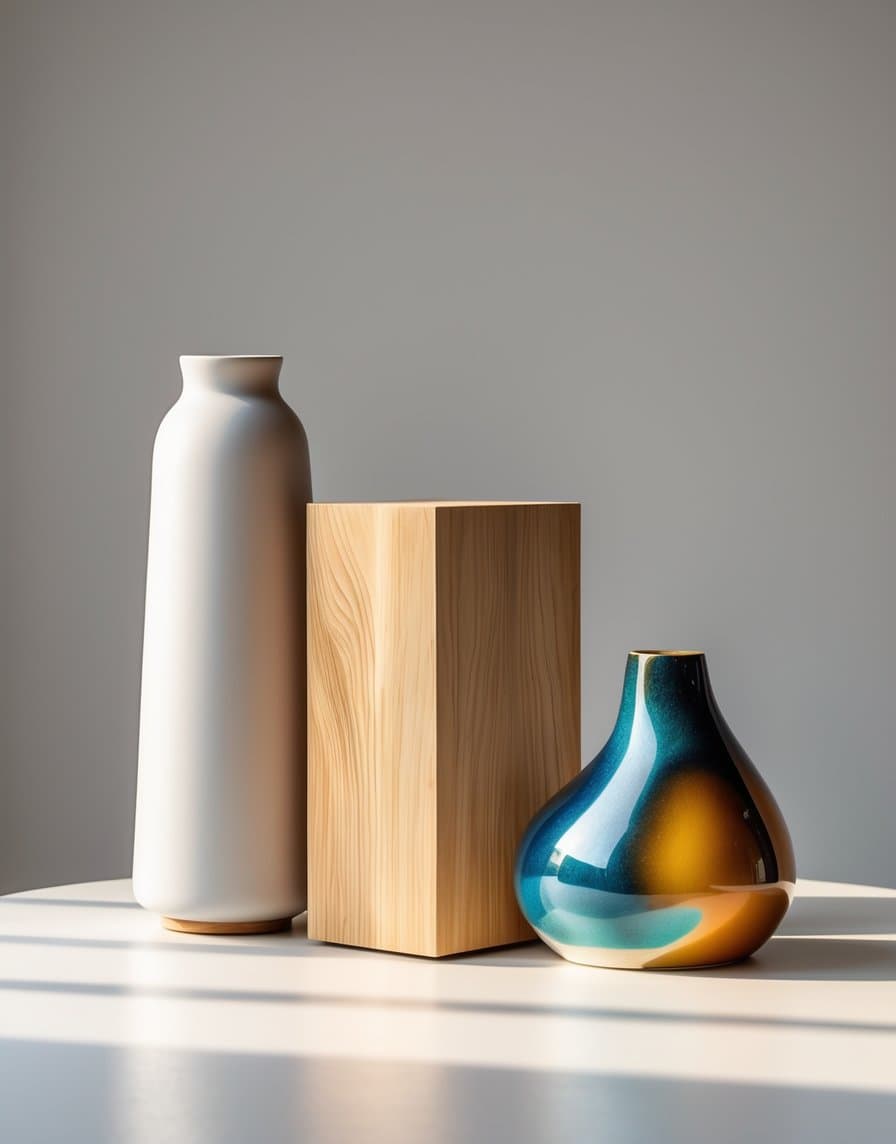
When grouping items, I focus on using the “rule of threes.” Grouping three items together creates a more appealing display than using two or four. I often select objects of varying heights, textures, and colors to add depth.
Here are some tips for successful groupings:
- Vary Heights: Mix tall and short items to avoid a flat look.
- Different Shapes: Use a variety of shapes—cylindrical, square, and organic—to keep the eye moving.
- Odd Numbers: Aim for odd-numbered groups for a natural feel.
Additionally, placing items at different angles can create a dynamic look. For example, leaning a picture frame against the wall can add an artistic touch.
Maintaining a Cohesive Look Throughout
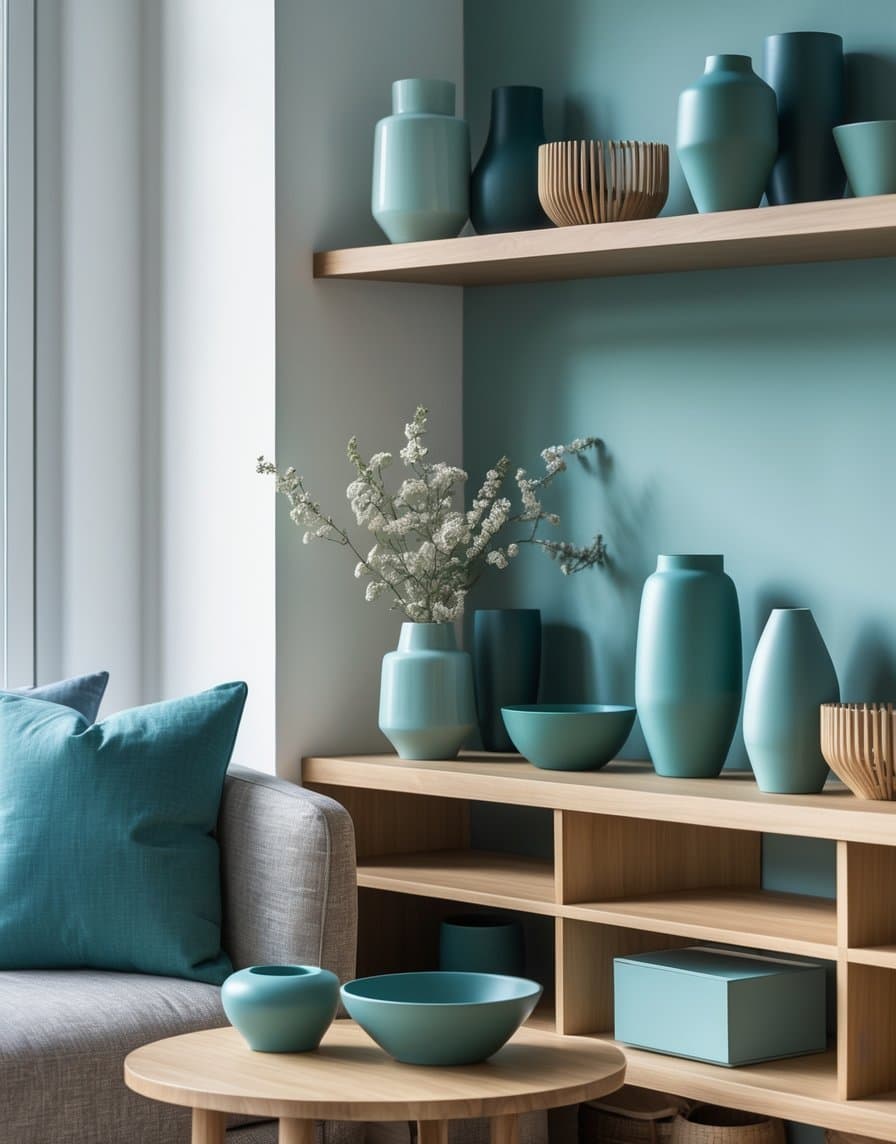
To maintain a cohesive look, I often use similar colors or materials across various groupings. This unifies separate elements, making it feel intentional and well thought out.
Here are some strategies I employ:
- Color Palette: Choose a color scheme that complements the room. For instance, blues and greens can create a calming effect.
- Consistent Materials: If I use wood in one item, I might incorporate wood elsewhere in the display.
- Repeating Elements: I might use a specific type of vase or bowl in multiple groupings, which ties everything together.
By keeping these principles in mind, I ensure that my shelves look harmonious and visually appealing while still showcasing a variety of decorations and interests.
Choosing Decorative Elements
When decorating shelves, the right elements can make a significant difference. It’s essential to select items that not only look good but also serve a purpose. I focus on bookends and art pieces, which can add character and structure to any shelf.
Selecting Bookends and Art Pieces
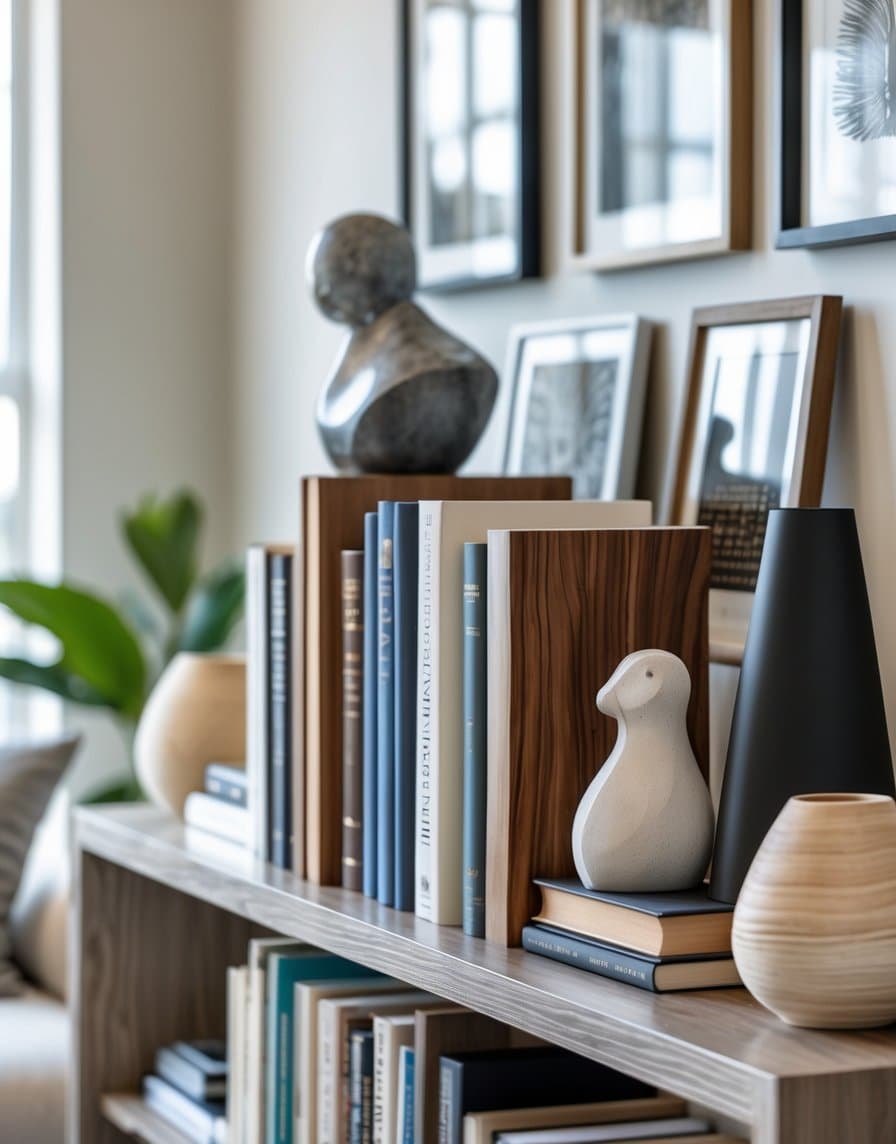
When selecting bookends, I prioritize both style and function. Bookends come in various materials such as wood, metal, or ceramic. I choose ones that complement the overall decor of the room.
For creative flair, I mix and match styles, placing a modern bookend next to a classic one. This contrast can catch the eye.
Art pieces can also enhance shelf decor greatly. I look for small sculptures or framed pictures that reflect my taste. Arranging them at various heights adds interest.
Using a combination of bookends and art, I create a cohesive yet dynamic display that expresses my personality.
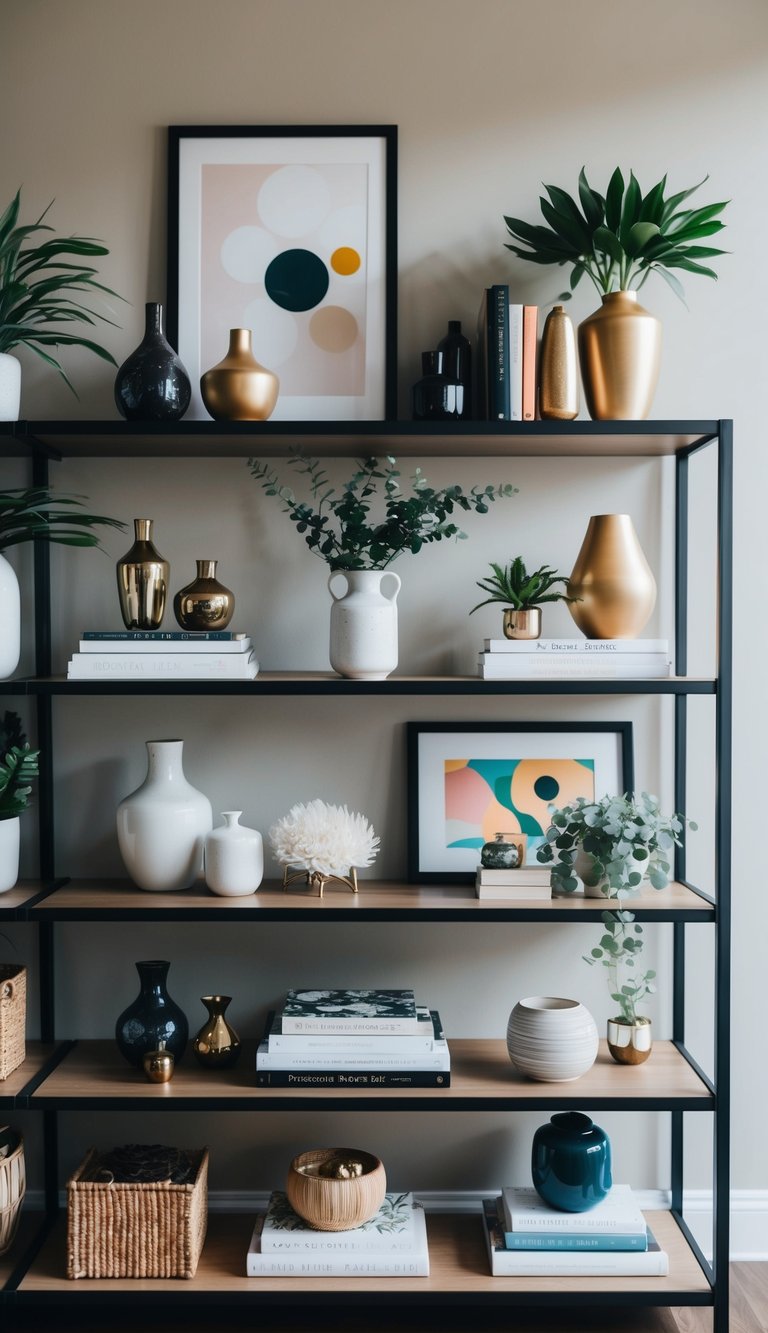
Styling Shelves in Different Rooms
When I style shelves, I consider the specific function and feel of each room. Different spaces call for unique decor choices that reflect their purpose and style. Here are two key areas where I focus on customizing shelf decor.
Customizing Shelves for the Sitting Room
In the sitting room, I like to create a warm and inviting atmosphere. Shelves play a crucial role in showcasing personal touches. I often mix decorative items and practical ones, such as books or magazines.
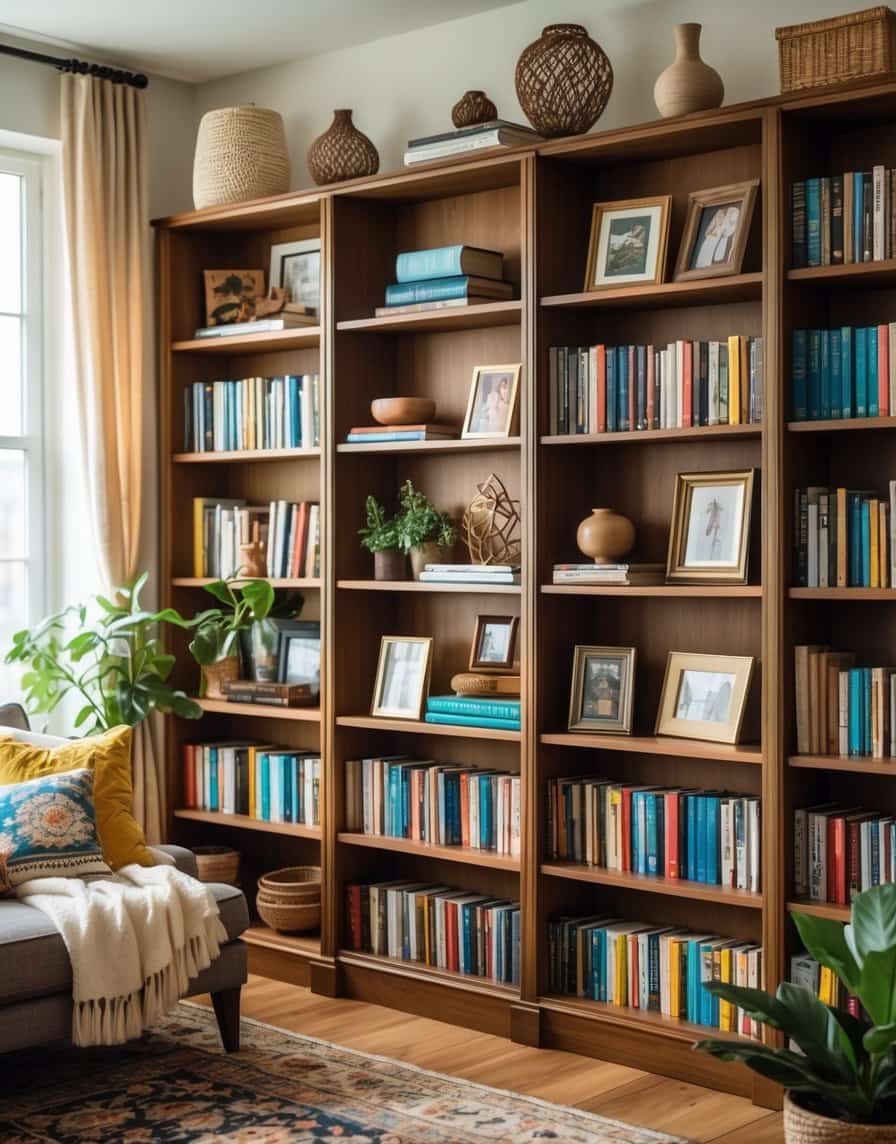
Tips for Styling:
- Use Color: Incorporate colorful books or items to add warmth.
- Mix Heights: Vary the heights of decor items to create visual interest.
- Incorporate Personal Items: Add photos or souvenirs to reflect my personality.
I often use bookcases to house a collection of my favorite reads, ensuring they are easily accessible. Grouping items together in threes or fives also helps make the display cohesive.
Adapting Shelf Decor to Space and Function
Every room has its unique space and function. In the kitchen, practical storage may take precedence, while in a bedroom, a more decorative approach works.
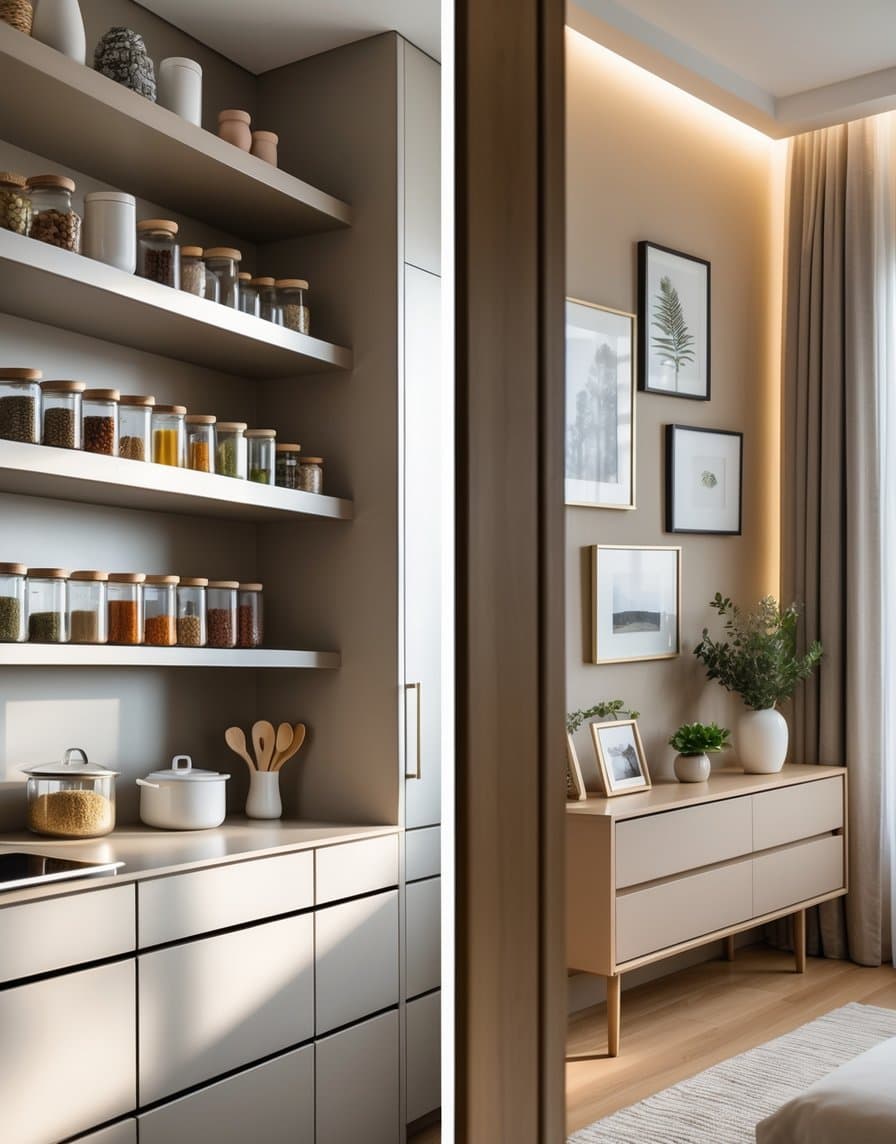
Key Considerations:
- Functionality: Use open shelving in kitchens for easy access to frequently used items.
- Theme Consistency: Ensure the decor aligns with the room’s existing style.
- Balanced Arrangement: I place larger items on the ends and smaller decorations in between for balance.
By tailoring my shelf decor to match the room, I create a harmonious environment that is both functional and attractive.
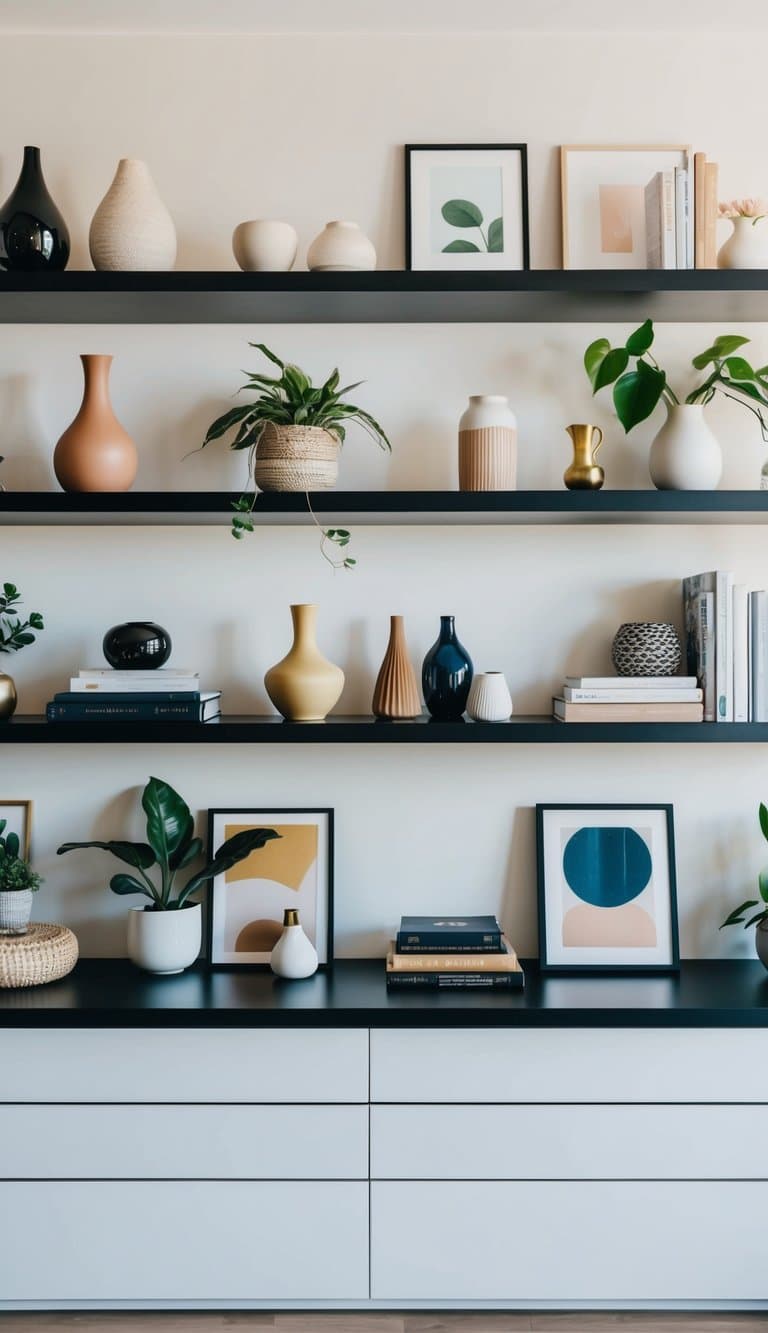
Maintenance and Upkeep
Maintaining and caring for my shelves is crucial for keeping them looking their best. By focusing on organization and regular cleaning, I ensure that my decor remains tidy and appealing.
Keeping Shelves Organized and Tidy
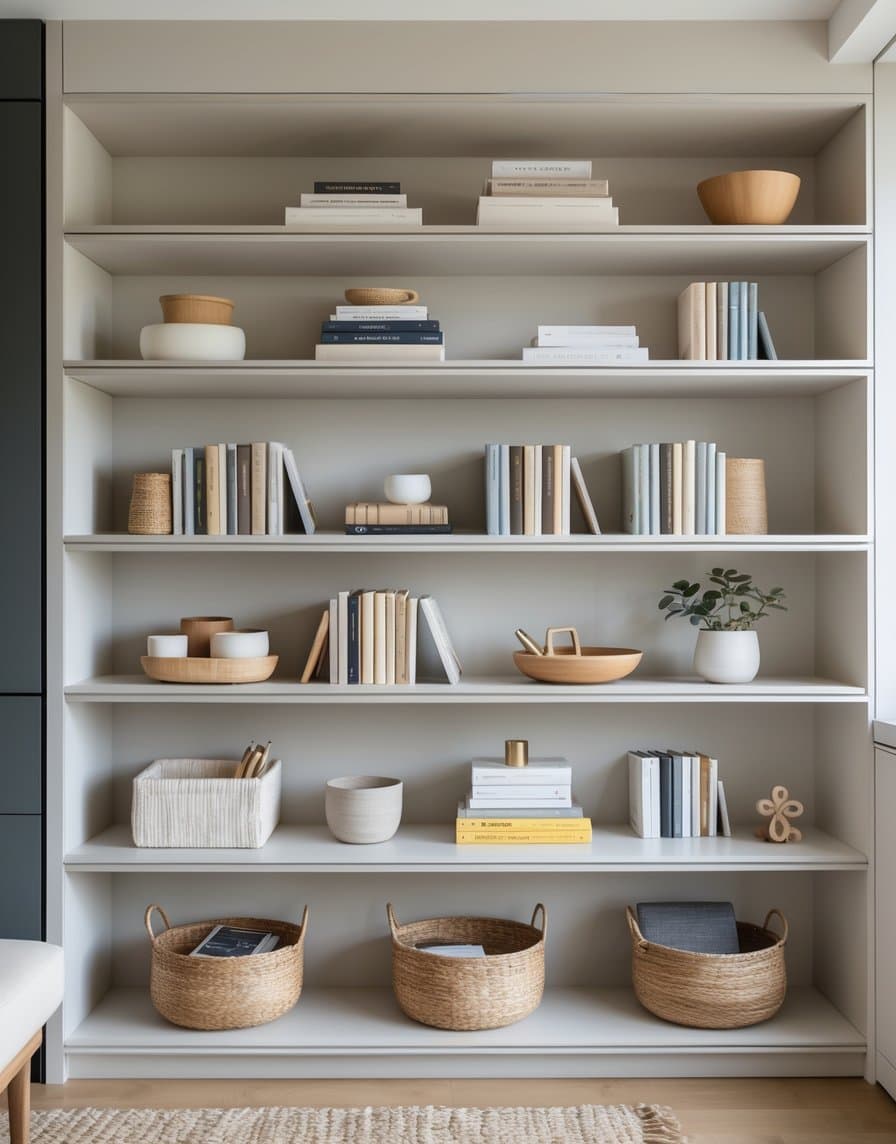
To keep my shelves organized, I always start by grouping similar items together. This not only looks neat but also makes it easier for me to find what I need.
I often use containers or baskets to hold smaller items. This prevents clutter and adds texture to the display.
Every few months, I reassess what’s on my shelves. I remove items that no longer fit my style or serve a purpose. Rotating decor can also keep the look fresh. I make sure to arrange my books by size or color for a cohesive appearance.
Routine Cleaning and Dusting
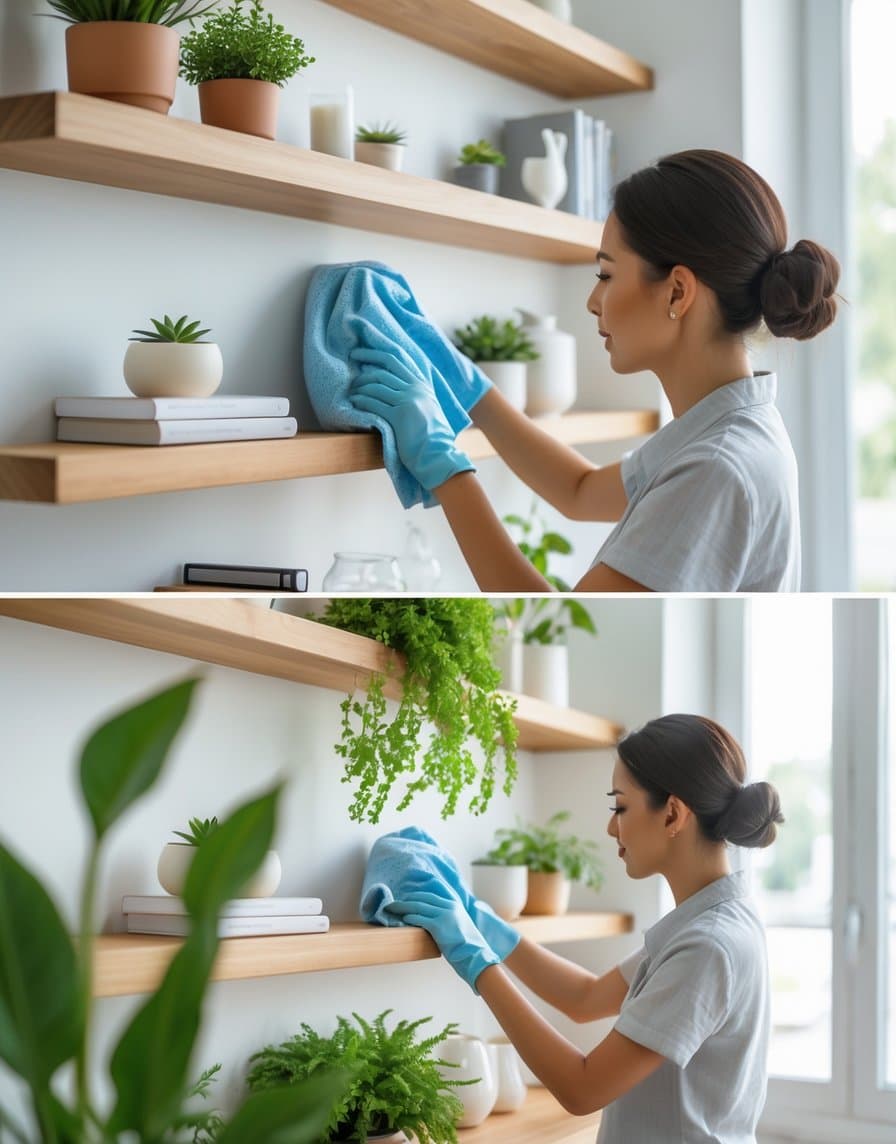
Regular cleaning is essential for maintaining my shelves. I dust them at least once a week. Using a microfiber cloth helps trap dust without scattering it.
For deeper cleaning, I take everything off the shelves once a month. I wipe down the surfaces with a damp cloth and a mild cleaner, ensuring I don’t damage any items.
It’s important to check for any signs of damage or wear on my decor. If I find items that need repair, I address those immediately. Keeping plants healthy is also part of my routine. I make sure to water them and remove any dead leaves regularly.
Shelf Decor Trends and Inspirations
When decorating shelves, it’s important to create a space that reflects personal style while staying on trend. I find that blending current styles with individual touches can lead to stunning results.
Following Current Styles without Losing Personality
Staying current with design trends can enhance shelf decor. However, I believe it’s crucial not to compromise my unique style.
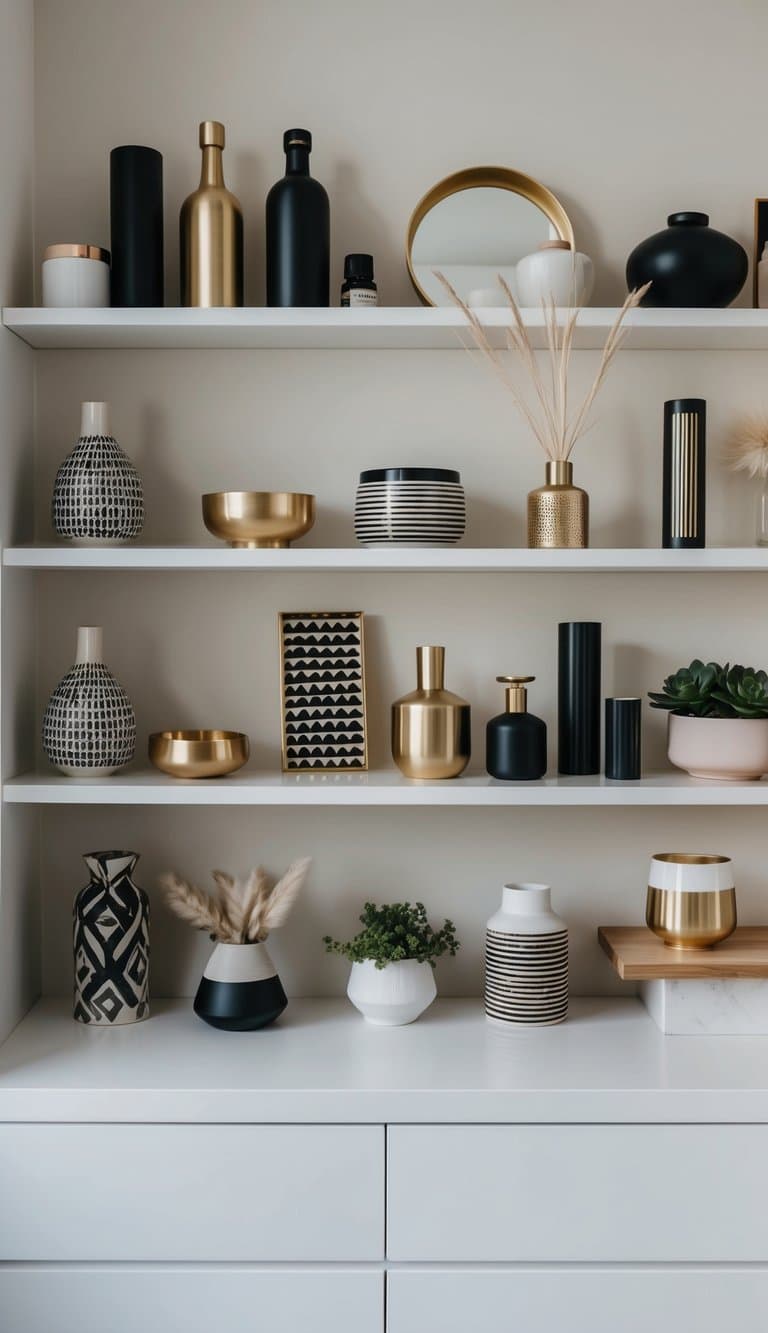
One popular trend is using neutral color palettes. Soft whites, beiges, and grays provide a clean backdrop that allows decor items to shine. I often mix textures, like wood, metal, and glass, to add depth.
Another inspiration is the use of plants. Incorporating succulents or ferns brings life to any shelf. I use varying heights to create visual interest.
Lastly, personal touches, like family photos or travel souvenirs, can make a shelf feel like home. Combining these elements helps to create a balanced and inviting display.