Let’s face it: living in a small space often feels like you’re stuck in a never-ending episode of a “starter apartment” reality show.
You know the one—where it’s filled with mismatched furniture, uninspiring wall colors, and the occasional furniture piece that only survives because of sheer sentimental value (thank you, IKEA bookshelf from college!).
But what if we told you there’s a way out? No need for a full-blown renovation or a bigger budget—just a few clever, design-driven choices, and you can completely transform your space.
The secret? A strategic design overhaul that makes your tiny apartment feel big, stylish, and sophisticated.
Here’s how to break free from that starter apartment vibe and create a space that feels tailored to you.
1. Handle the Envelope: Create a Seamless, Monochromatic Base
The first thing you need to know about transforming a small space is understanding the concept of the “envelope.”
No, it’s not an invitation to your next party (although I do hope you’re inviting me). In interior design, the envelope refers to the floors, walls, ceilings, trim, and doors.
These elements form the literal boundaries of your space.
Paint Everything the Same Color

The key to making your envelope work in a small space is using a monochromatic color scheme. That’s right—walls, ceilings, and trim in the same color.
Why? Because when everything blends together, your eyes won’t be distracted by visual breaks.
You could go the classic route with white (clean, crisp, and eternally modern), or if you’re feeling adventurous, you can go with a dark shade (black, navy, charcoal) for a dramatic effect. Dark colors can make the space feel cozy and intimate, giving you a chic, more curated vibe—without the claustrophobic vibes.
Monochromatic Color Scheme for an Open Feel
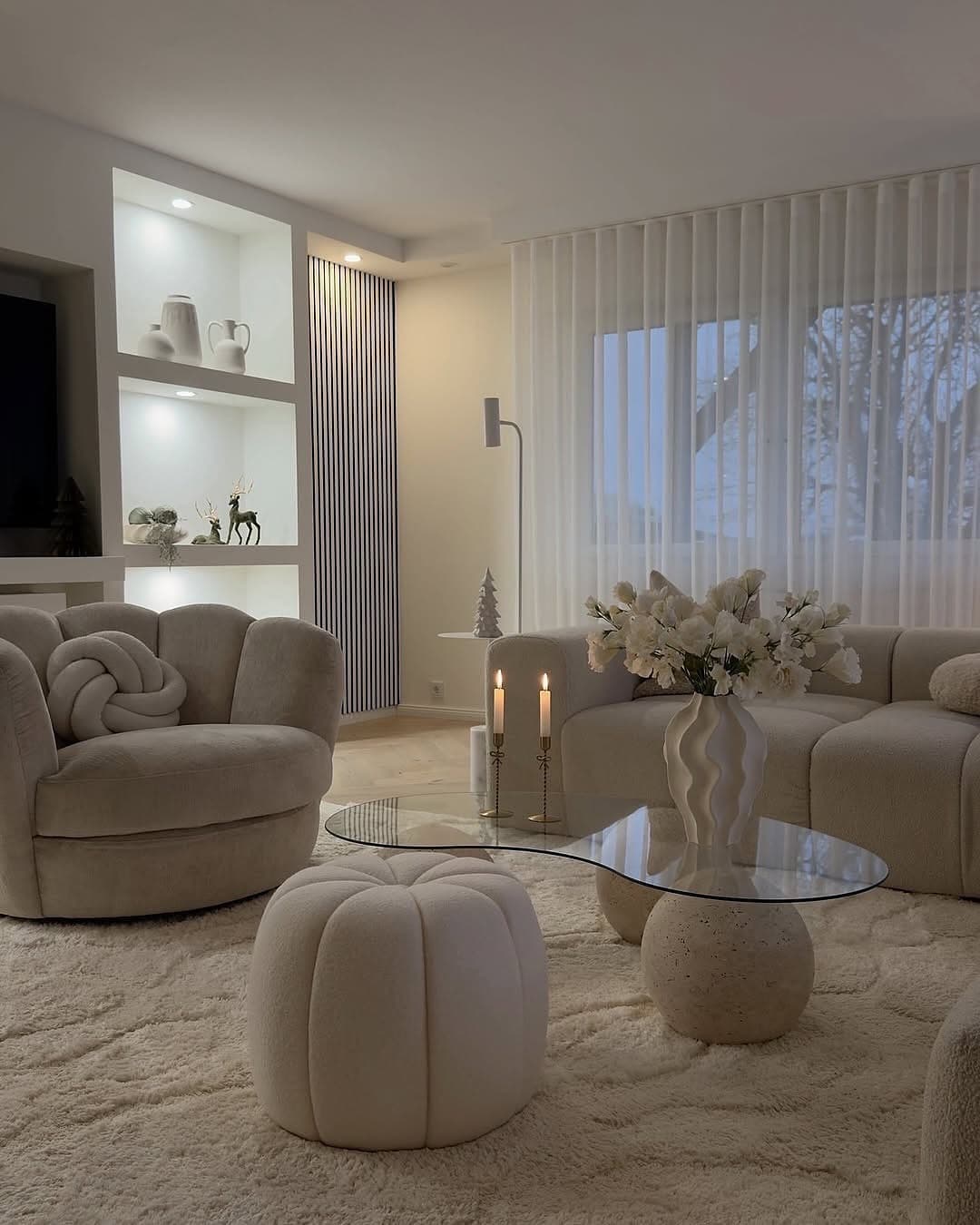
Now, I know what you’re thinking: “But won’t it be boring if everything is the same color?” Not necessarily!
The beauty of a monochromatic palette is that it allows you to play with subtle variations in tones.
You can have different shades of the same color for contrast—think light gray walls, with dark gray trim and slightly deeper floors.
The key is to avoid harsh color contrasts that break up the flow of the space.
2. Flooring: Create Visual Continuity
Now that your walls and ceilings are set, let’s talk flooring. When it comes to small spaces, consistency is key.
You want the flooring to feel continuous throughout the entire space.
Uniform Flooring Across the Space
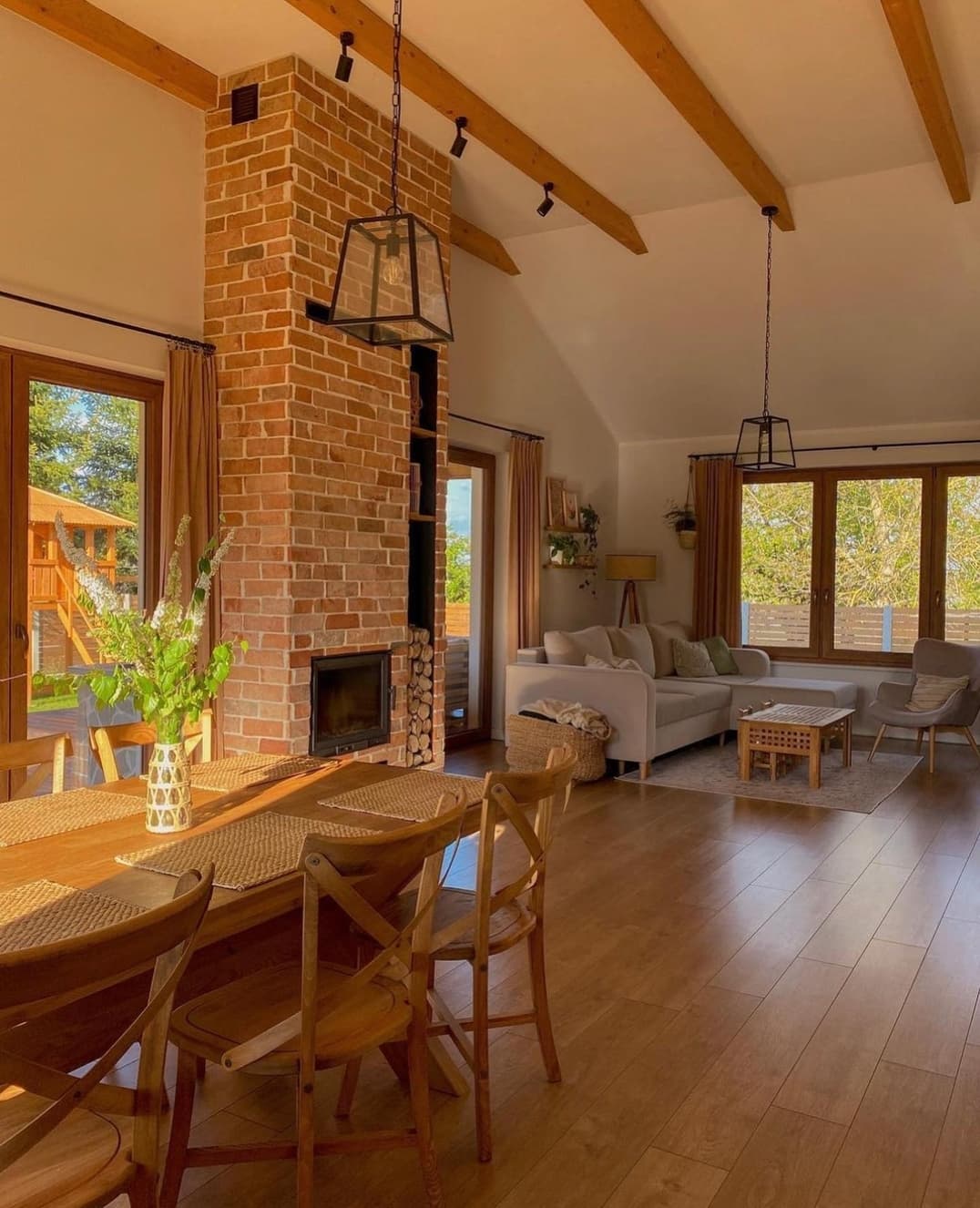
Consider using the same flooring throughout, whether it’s hardwood, tile, or a stylish laminate.
Keeping things uniform ensures that your eyes aren’t distracted by multiple flooring types that can visually “chop” up the room.
Small spaces are all about visual tricks, so this one is a no-brainer.
Area Rugs: To Use or Not to Use?
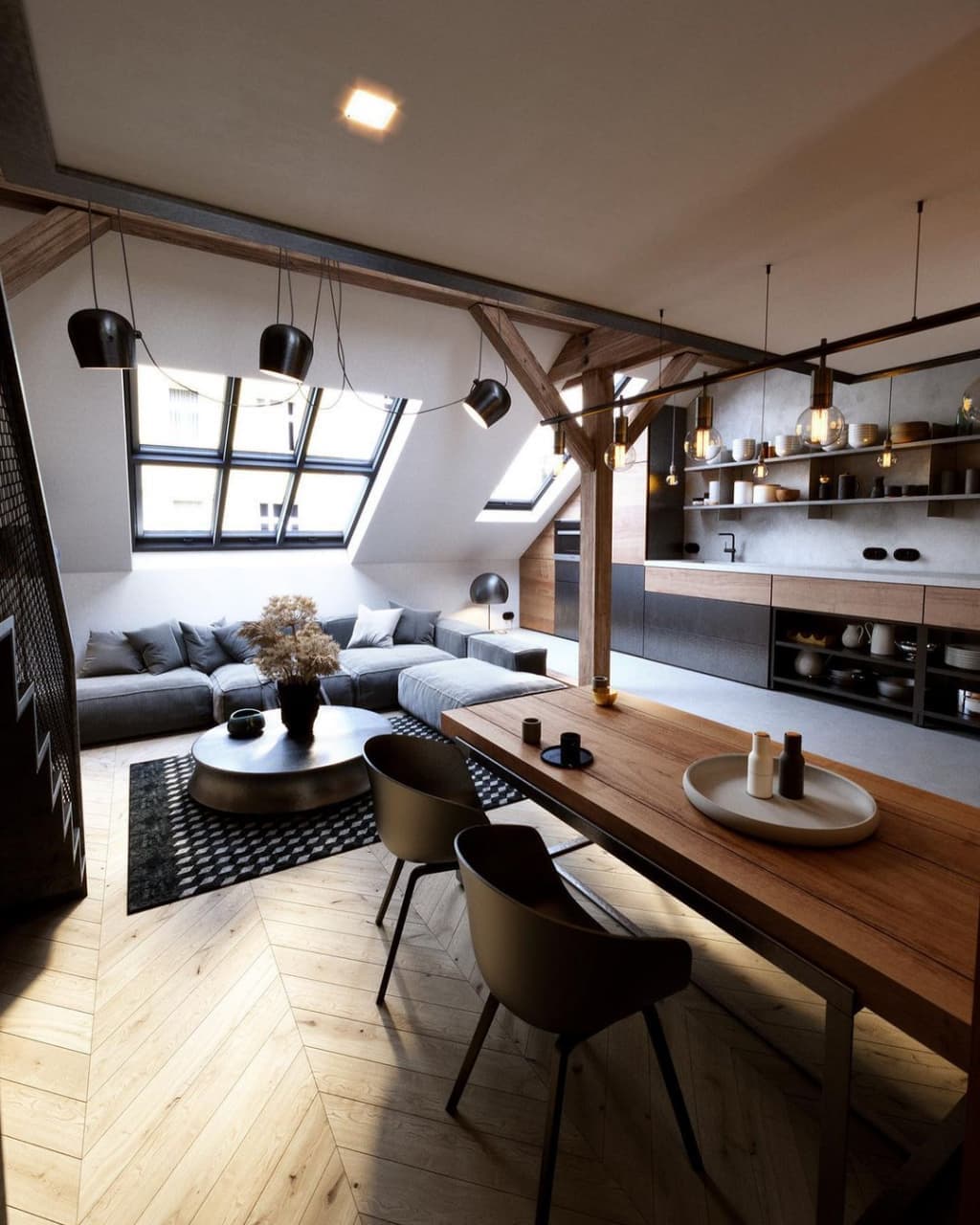
Here’s a burning question for you: to rug, or not to rug?
Well, that depends on your space. If you have open floor plans (hello, studio life), using an area rug can actually help ground the space.
But, if you’re trying to keep things minimalist and expansive, I’d recommend skipping the area rug or choosing one that’s the same tone as the floor.
3. Using Room Dividers to Define Spaces
In tiny spaces, room dividers are your new best friend. No longer will you be forced to live in a single, massive room with zero privacy or differentiation.
Room dividers are great because they help you separate spaces without overwhelming the entire apartment. Think of it as creating “mini-rooms” within your space.
It’s a non-permanent solution, so if you change your mind, it’s not like committing to a full-on wall construction project (thankfully).
Why Room Dividers Are Key for Studios or Tiny Spaces

If you’re living in a studio or tiny apartment, dividers are essential. They break up the space without sacrificing light or openness. You can create designated zones for sleeping, working, and lounging, all while keeping the feeling of openness.
Types of Dividers to Consider

- Glass Grids: Perfect for maintaining an open feel while still visually separating areas. Plus, they add a modern, industrial flair.
- Hanging Grids: These allow you to divide spaces without taking up floor space. You could even hang plants or artwork to add a creative touch.
- Ripple-Fold Drapery: If you’re going for a softer, more elegant divider, consider hanging ripple-fold drapery. It’s sleek, smooth, and visually appealing.
- Storage Options: Use open shelves or storage units as dividers. These provide a practical, multi-functional solution for separating spaces and storing your stuff.
4. Get the Furniture Scale Right
Here’s where a lot of people go wrong: oversized furniture. Listen, I love a good sectional as much as the next person, but in a small space, that thing will swallow you whole.
Avoid Oversized Furniture

In a small space, oversized furniture creates a sense of oppression. It takes up too much floor space, making the entire room feel cramped. Instead, opt for smaller-scale pieces that keep the flow intact.
Choosing Smaller, Multi-Functional Pieces
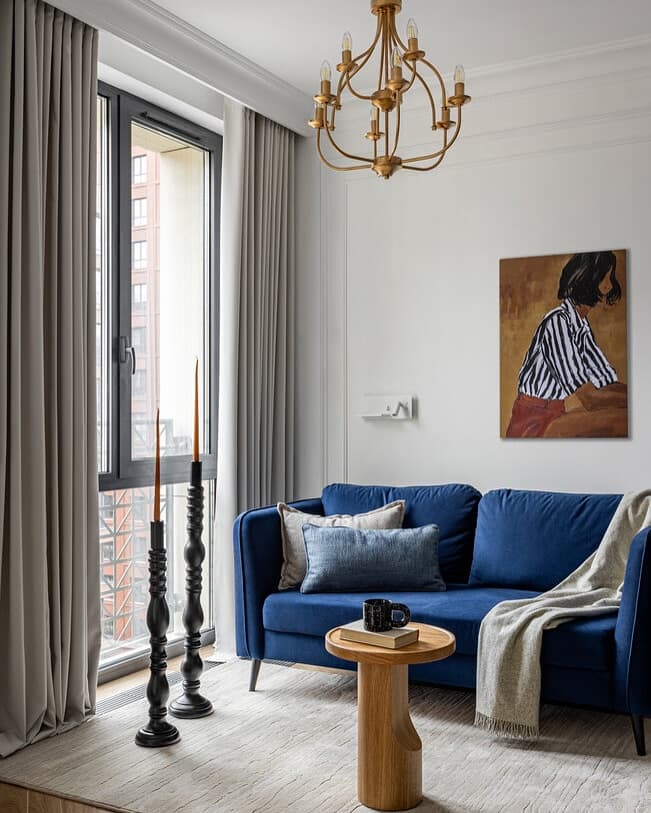
When shopping for furniture, focus on items that can do more than just sit there. Multi-functional furniture is a godsend in small spaces. Look for options like:
- Love seats instead of full-size sofas. It’s compact but still gives you the seating you need.
- Small round tables instead of large, bulky ones. This creates a more open look while still providing a surface for drinks or snacks.
- Lightweight chairs that you can move around as needed. The more flexible, the better!
Low Furniture for Sloping Ceilings

If you have a room with sloped ceilings, the best way to maximize space is by using low-profile furniture. This prevents your space from feeling even more cramped and creates a sense of openness.
5. Make Your Furniture Work Harder: Multi-Purpose and Storage Solutions
Furniture isn’t just for sitting, lying, or staring at. It can also be functional. By investing in furniture with built-in storage, you’re not only maximizing your space, you’re also keeping the clutter at bay.
Furniture That Doubles as Storage


- Daybeds, trundle beds, and Murphy beds are great options for small spaces. These pieces serve a dual purpose: providing a comfy place to rest while also offering ample storage.
- Platform beds with storage can eliminate the need for bulky dressers. Your space will stay tidy while still offering the functionality you need.
Creative Use of Space Around the TV

When it comes to the TV area, wall-mounted TVs save you a ton of floor space. Add some narrow shelves or floating consoles underneath for storage. This keeps your space organized and visually appealing.
Maximizing Surfaces
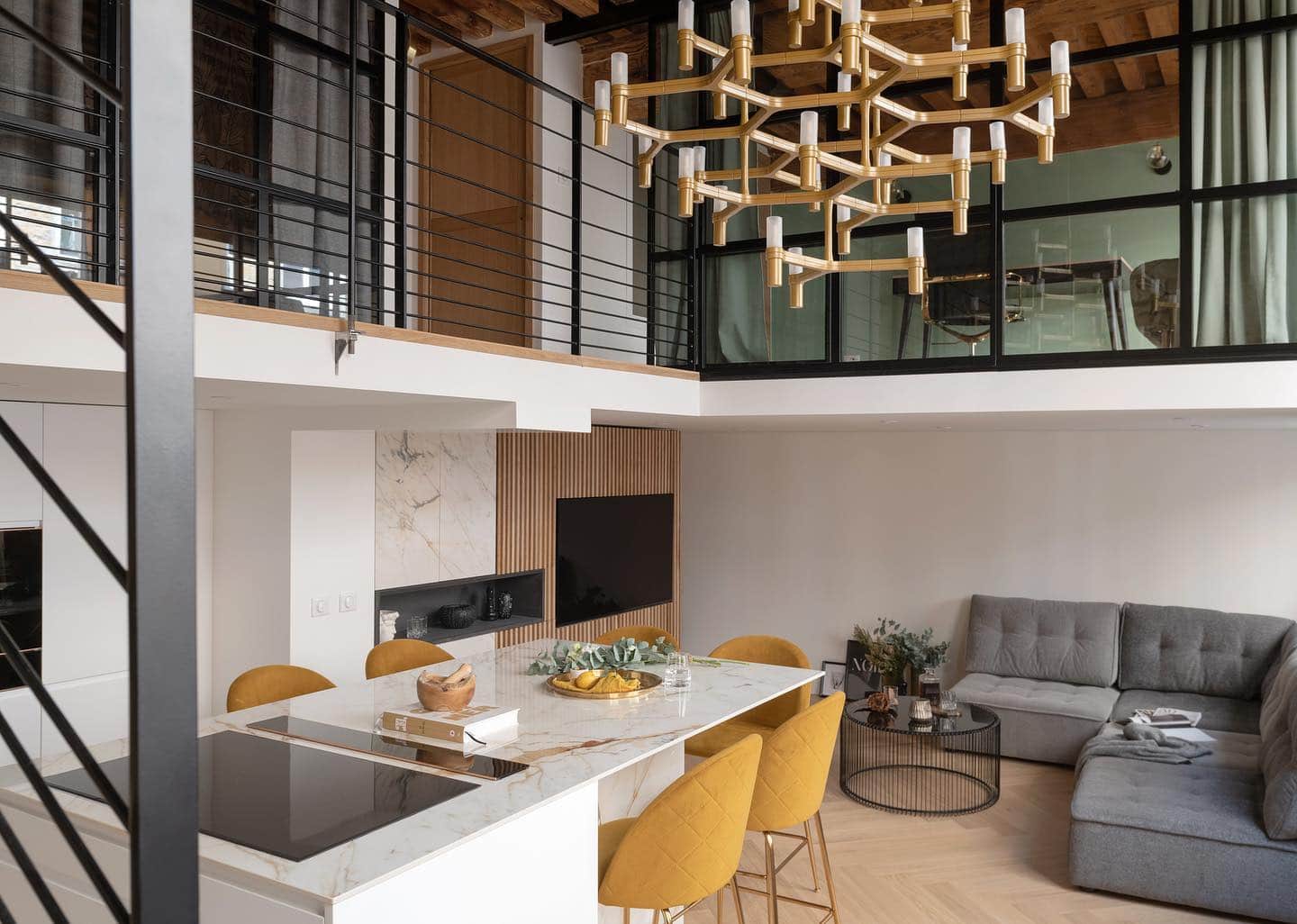
Don’t forget about coffee tables, ottomans, and bar carts. These pieces not only look good, but they also provide storage. Bonus points if they’re multi-functional, like being able to double as extra seating or a makeshift workspace.
Small Accent Tables with Added Functionality
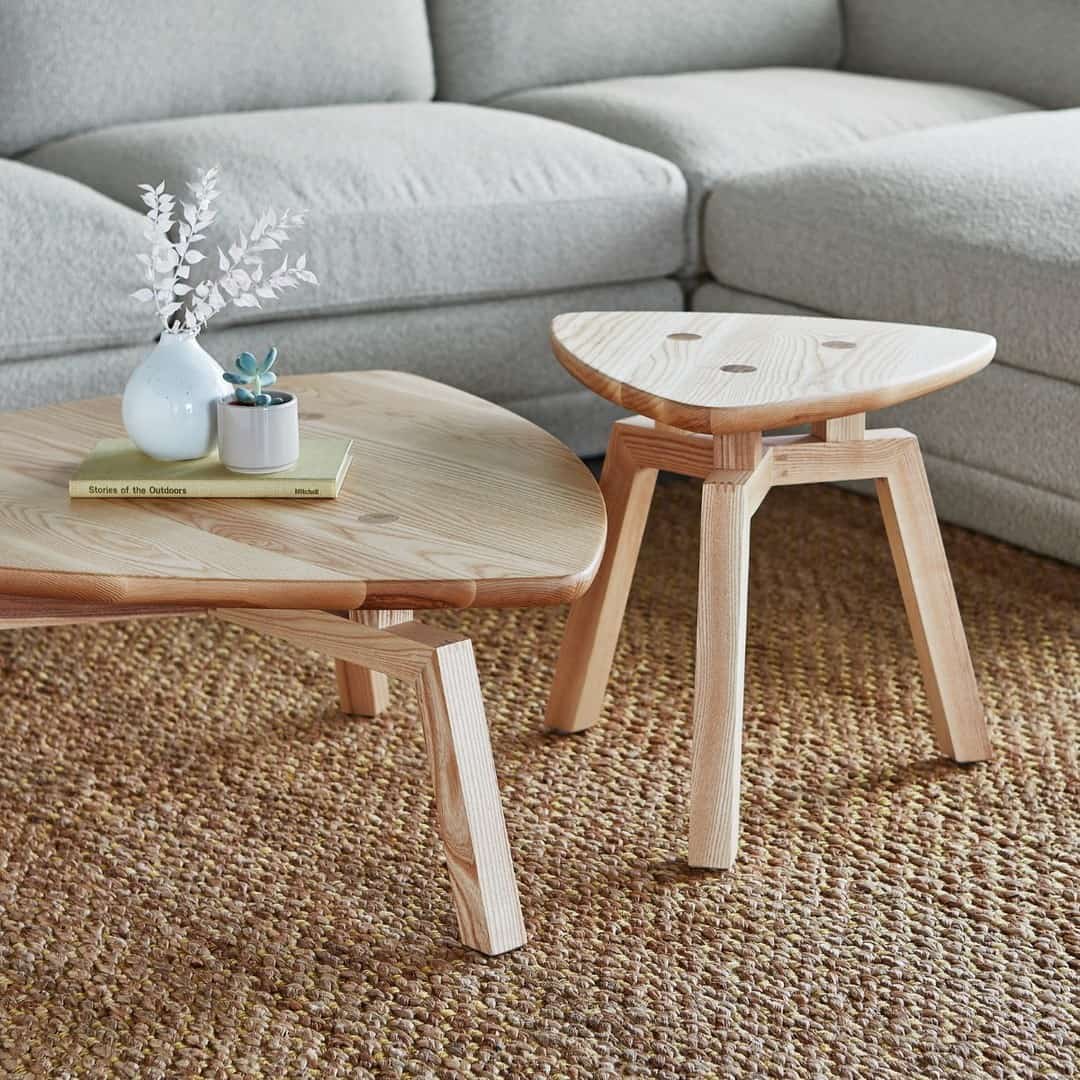
Tiny accent tables with built-in storage are a small (but mighty) design tool. They can hold anything from books to keys, keeping your space neat and free of clutter.
6. Use Vertical Space Wisely
In small spaces, it’s not just about how much floor space you have—it’s also about how you use your vertical space. Think of it as “upward expansion”!
Maximizing Wall Space
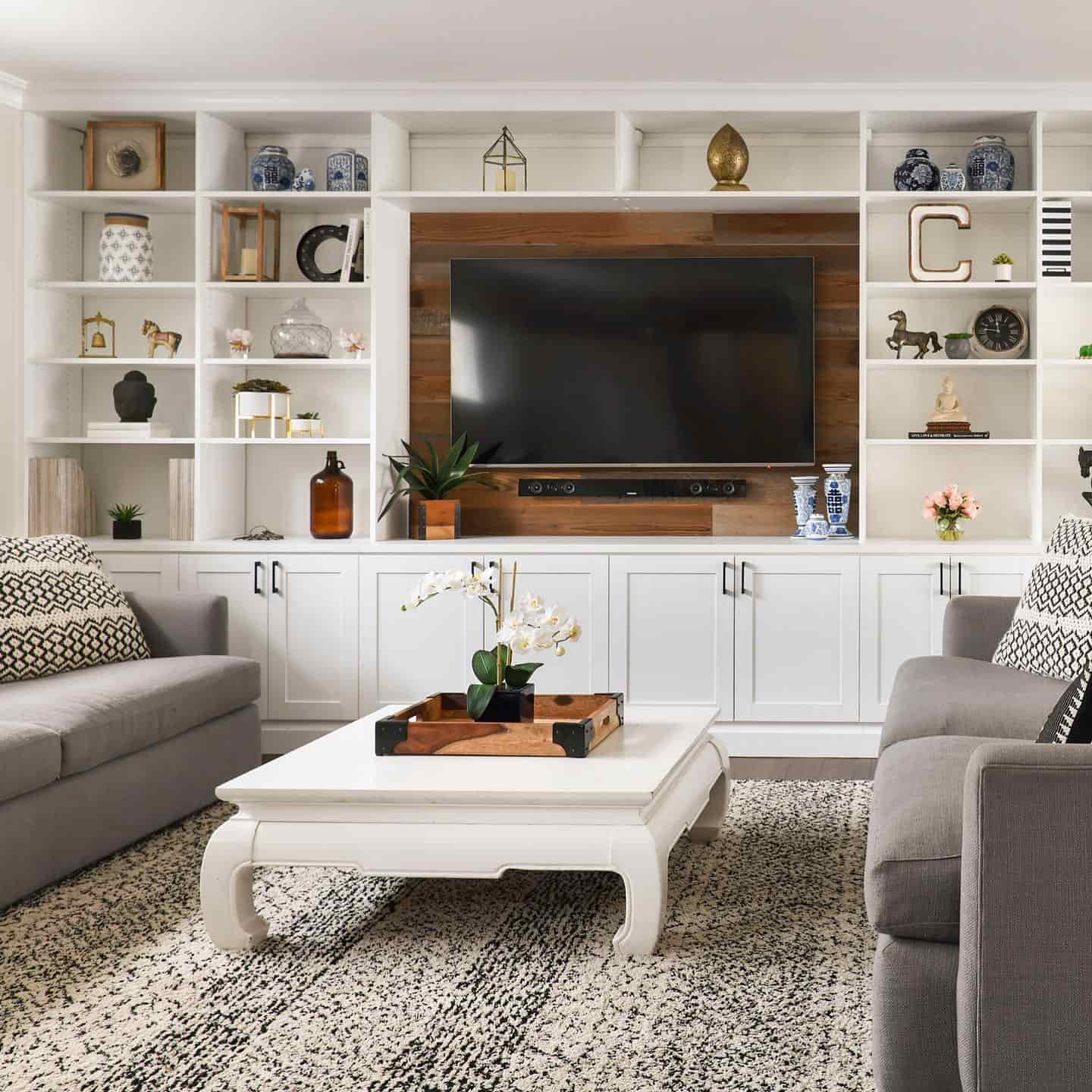
Use shelves that run all the way to the ceiling or even above doorways. This makes your space feel taller and adds much-needed storage. And don’t forget about floating shelves—they’re
both practical and stylish.
Vertical Storage Solutions

Baskets on shelves are a great way to keep things organized but out of sight. They’re perfect for hiding clutter while maintaining that clean, cohesive look.
The Power of Mirrors

A large mirror can work wonders in a small room. It reflects light and creates the illusion of more space. Leaner mirrors, in particular, add a touch of elegance and draw the eye upward.
7. Recap: Key Tips for Small Spaces
Let’s take a moment to revisit the game plan. The key to transforming your small space from “meh” to marvelous is all in the details, and here’s the condensed version of the must-remember tips:
- Tip 1: Keep Your Envelope Clean and Monochromatic

A seamless envelope—your floors, walls, ceilings, trim, and doors—sets the stage. Keeping everything in a uniform color creates a clean, uninterrupted look that makes your space feel bigger. No awkward visual breaks here—just an effortlessly open feel.
- Tip 2: Decide on Your Flooring Strategy to Avoid Visual Breaks

Choose a consistent flooring material that flows through the whole space. The goal? No “choppy” floors that divide your room into a series of disconnected zones. The more uniform it is, the more open your space feels.
- Tip 3: Consider a Room Divider When Needed

Room dividers are your magic wand for tiny spaces. Use them to create visual separation without the commitment of a permanent wall. Whether it’s a stylish screen or hanging drapery, a divider can segment your space, creating different zones while still maintaining an airy feel.
- Tip 4: Choose Smaller Furnishings with Multi-Purpose Storage
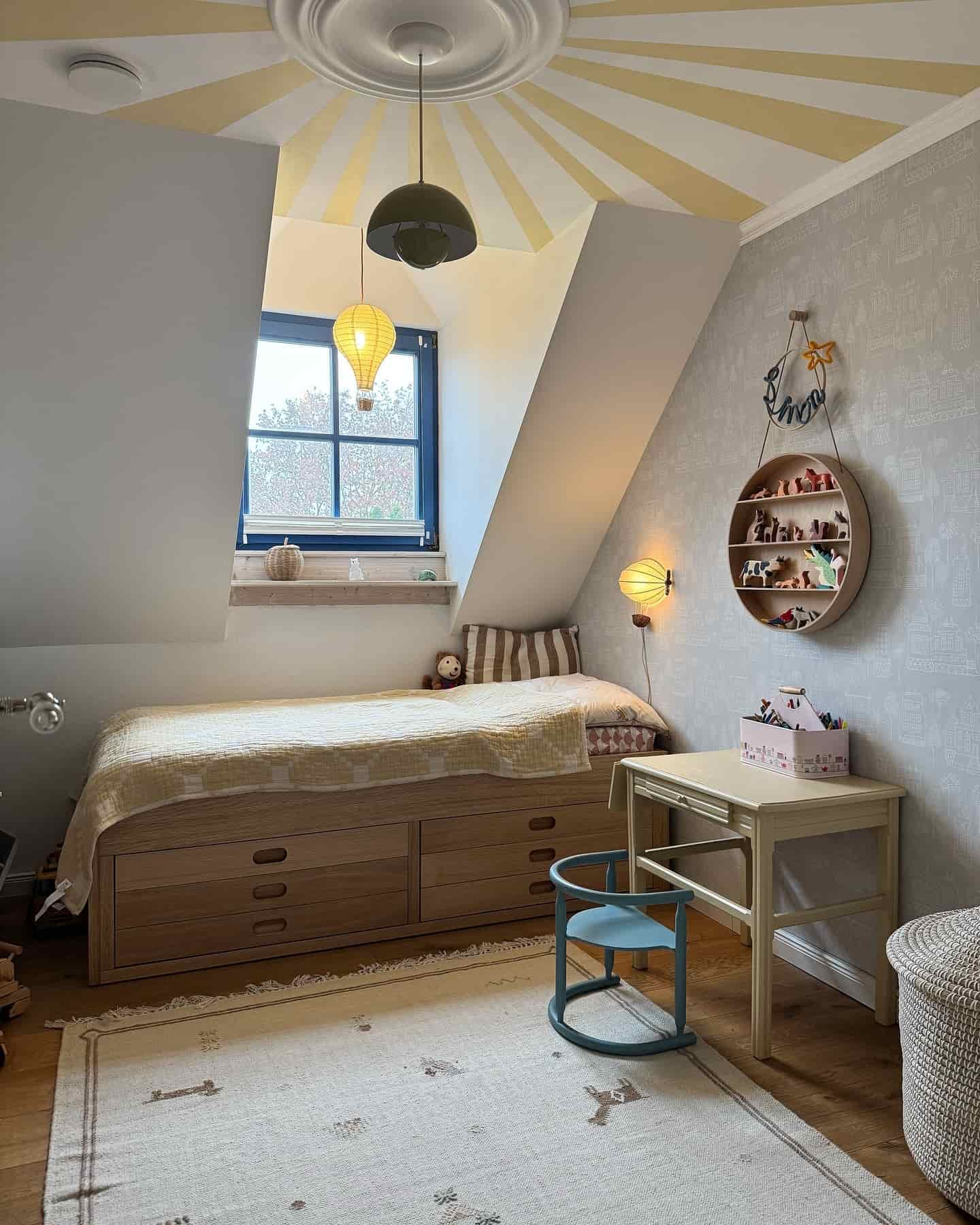
In small spaces, size matters. Opt for smaller-scale furniture pieces and multi-functional items that can pull double duty. Think love seats over sectionals, storage ottomans, and beds with built-in drawers.
- Tip 5: Make Your Vertical Spaces Count with Shelves and Mirrors

When floor space is limited, don’t forget about the walls! Use shelves all the way up to the ceiling to maximize storage. Strategically placed mirrors can reflect light and visually expand your space.
Conclusion
Small spaces don’t have to feel like a never-ending struggle.
With a few thoughtful changes and design tricks, you can create a space that feels bigger, better, and more personal.
So take a deep breath, roll up your sleeves, and start implementing these tips.
Your new, improved space is just a few strategic design moves away from greatness!