A cluttered garage has always been one of my biggest sources of frustration.
I can’t count how many times I’ve found myself digging through piles of tools, bikes, and old holiday decorations, just trying to find one thing I need.
But after taking a step back and putting a solid plan into action, I finally turned my garage into an organized space where everything has its place.
This article offers 10 valuable tips for achieving perfect garage organization that can significantly reduce your stress.
You’ll discover practical strategies that help you declutter, sort, and utilize space efficiently. These tips are designed to create a functional garage that not only meets your storage needs but also enhances your daily life.
Get ready to create a space that works for you.
Categorize And Declutter

The key to getting things under control was categorizing—tools, sports equipment, gardening supplies, seasonal items—you name it.
As I went through each category, I also took the chance to identify things I hadn’t used in forever. If something hadn’t been touched in over a year, it went into the “donate” or “discard” pile.
It felt so freeing to get rid of things I no longer needed, and it really helped clear up space for the stuff I actually use.
Here’s a simple list to guide you:
Tools: Group by function (hand tools, power tools).
Sports Equipment: Sort by activity (biking, camping).
Garden Supplies: Organize by type (fertilizers, tools, pots).
Once you’ve sorted through everything, your garage will feel less overwhelming.
Use Vertical Space
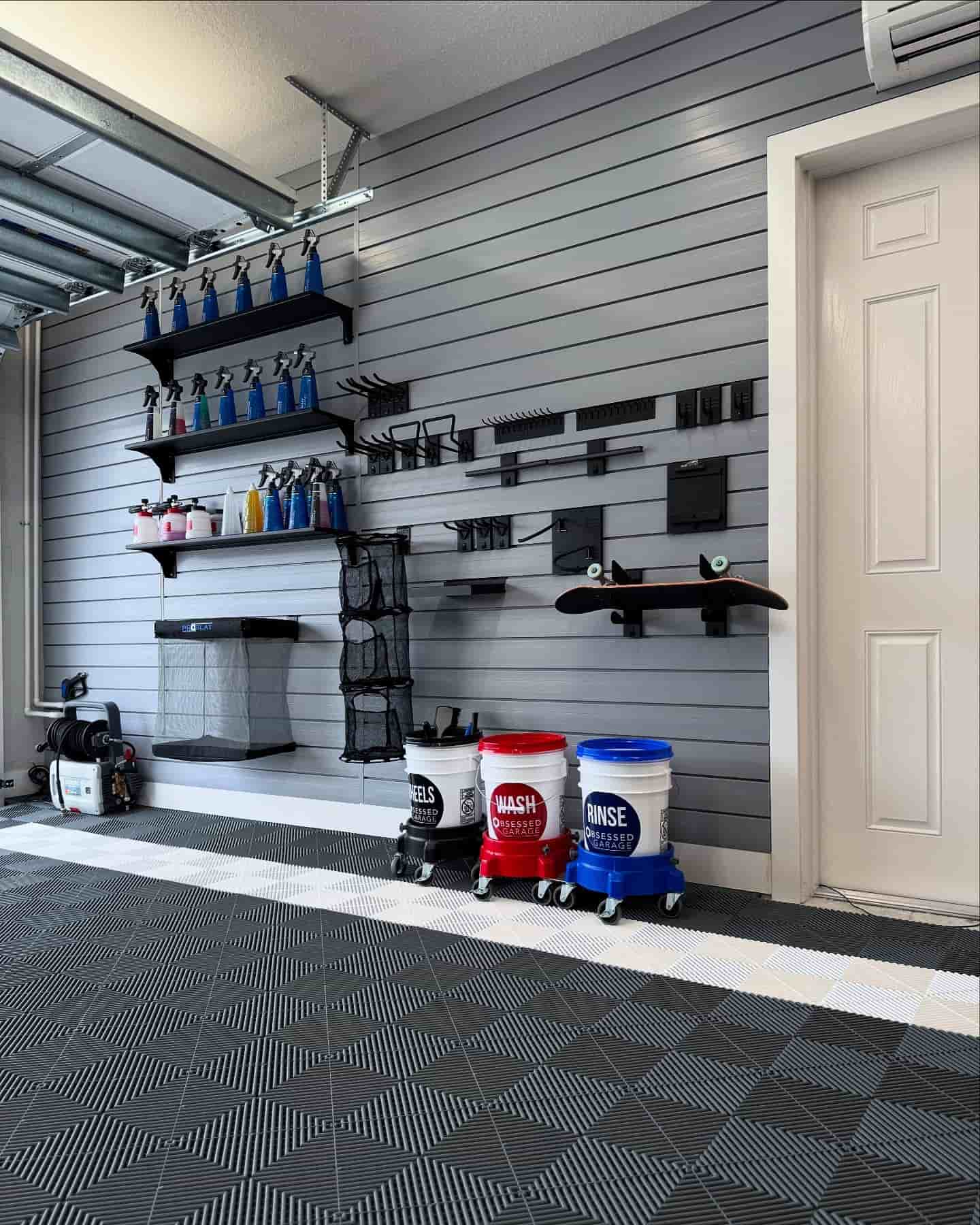
By using wall space, you can significantly increase your storage without sacrificing floor area.
Install Shelves: Adding shelves on the walls is a straightforward way to create storage. Use them to store bins, boxes, or tools.
Pegboards Are Useful: Hanging pegboards allow you to store tools and small items. You can easily see everything and grab what you need without digging through boxes.
Consider Racks: Wall-mounted racks can hold bikes or other large items. They keep these items off the ground, creating more room for other uses.
Utilize Hooks: Hooks can be used for hanging smaller tools, extension cords, or even gardening equipment. This keeps frequently used items within easy reach.
Add Ceiling-Mounted Storage: Overhead racks can store bulky items like seasonal decorations or camping gear. This keeps them out of the way while still accessible.
Vertical Storage Systems: Look for track-based systems that offer adjustable storage options. These can include shelves, baskets, and hooks mounted on vertical tracks.
Label Everything
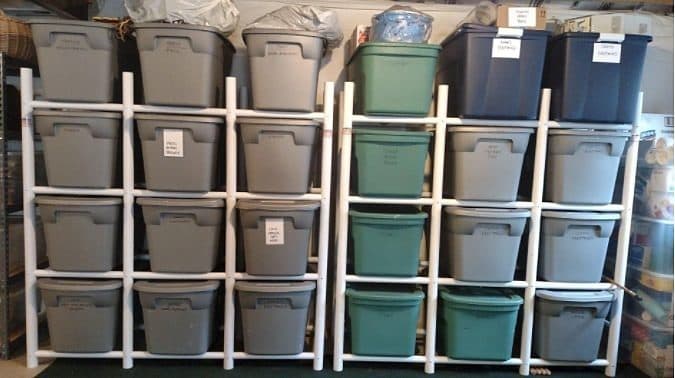
It might sound simple, but it makes a huge difference!
Once I started labeling boxes, bins, and shelves, it became so much easier to find what I needed.
For example, I have a bin labeled “Holiday Decorations,” so I don’t have to dig through a pile of random stuff when it’s time to pull out the Christmas lights.
You can label bins, containers, and shelves to create a system that works for you. When everything has a designated spot, you’ll find what you need without digging through clutter.
Here are some effective labeling methods to consider:
- Color Coding: Assign different colors for various categories. For example, use blue labels for tools and green for garden supplies. This method allows for quick visual identification.
- Labeling Machines: Consider using a labeling machine for a neat and professional look. Many machines offer various fonts and sizes, making it easy to customize your labels.
- Permanent Markers: If you prefer a low-cost option, use a permanent marker on masking tape. This is a quick way to label boxes and bins, though it may not look as tidy.
Invest In Storage Solutions

I used to spend way too much time searching for tools or digging through piles of stuff I never used.
But once I started adding storage options like wall-mounted shelves, overhead racks, and proper bins for smaller items, everything changed.
1. Use Clear Plastic Bins
Clear plastic bins are a popular choice. They let you see what’s inside without opening them.
2. Stackable Drawers
Stackable drawers maximize vertical space. They are ideal for smaller items like screws, nails, and craft supplies.
3. Tool Chests
A sturdy tool chest is essential for your tools. It keeps them secure and organized. Choose one with multiple drawers to categorize your tools by type.
4. Heavy-Duty Shelving Units
Invest in heavy-duty shelving for large or bulky items. These can hold everything from paint cans to gardening supplies.
5. Wall-Mounted Racks
Wall-mounted racks are great for tools and equipment. Brooms, shovels, and sports gear can hang neatly off the floor.
Create Zones
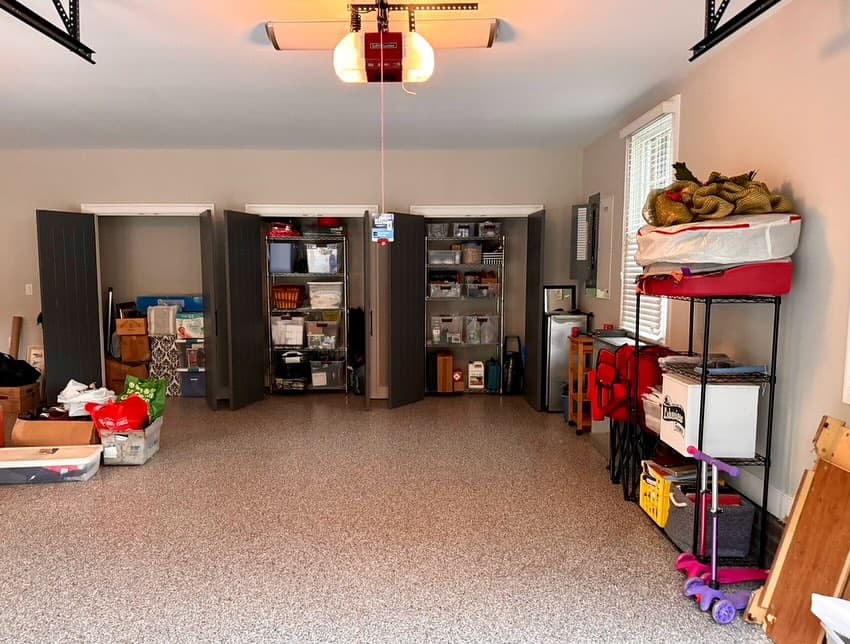
I started by dividing the space into areas for tools, sports equipment, gardening supplies, and even a small section for my DIY projects. Having a specific place for each category makes it so much easier to find what I need, whether it’s a wrench for fixing my bike or a rake for the yard.
I also noticed that when everything has its own spot, it’s much quicker to put things back where they belong, helping me maintain the organization.
Here are some common zones you might consider:
- Workspace: Set up an area for projects and repairs.
- Gardening: Keep tools, soil, and pots together.
- Sports Equipment: Store bikes, balls, and other gear in one section.
To make these zones clear:
- Use Floor Markings: Painting or taping the floor can show where each zone starts and ends.
- Signs: Label each area so everyone knows what belongs where.
When you organize by zones, you create a more functional space. It not only helps you find things faster but also encourages you to keep the area tidy.
To maintain these zones:
- Return items to their designated spots after use.
- Regularly review each zone to remove any clutter.
Hang Items On Hooks

It’s such a simple solution, but it’s made a huge difference.
I started by installing a track system on one of the walls, which I can easily adjust based on what I need to store.
Now, things like bikes, ladders, and hoses all have their own space hanging neatly off the floor. Not only does this free up so much valuable space, but it also prevents items from getting damaged by being left on the ground.
Benefits of Hanging Items:
- Maximized Space: You free up floor space for other uses.
- Easy Access: You can quickly find and grab what you need.
- Prevents Damage: Off-the-floor storage means less chance of wear and tear.
For larger items, consider overhead racks. They are perfect for kayaks or surfboards.
Heavy-duty options can hold bikes or other tools without worry.
Think about spacing your hooks appropriately. Allow enough room between items to avoid overcrowding.
Use Clear Containers For Smaller Items

Clear plastic bins come in various sizes. This makes them perfect for items like nails, screws, and other small tools.
Consider using dividers within larger containers. This helps keep items separated and easy to find. For example, you can use a toolbox or tackle box to organize screws by size.
Label each container clearly. Even though clear bins let you see inside, labels can speed up the process of finding items.
Store seasonal items or tools you don’t use daily at the back or on higher shelves. This way, the items you use most frequently are always within reach.
Consider Overhead Storage

Installing ceiling storage racks has freed up so much floor space, making it easier to organize the things I use less frequently, like holiday decorations and seasonal gear.
I’ve found that being able to look up and know exactly where everything is stored saves me a ton of time, and it really opens up the rest of the garage for things I need regularly.
For larger or irregularly shaped items, overhead storage is also useful. Things like camping gear or beach equipment can take up a lot of floor space.
Ensure that the racks are properly secured to the ceiling. Avoid overloading the racks with heavy items. Each system has a weight limit, so check the specifications to prevent accidents.
Consider the following tips for effective overhead storage:
- Plan your layout: Before installing, plan where you want to place items.
- Use clear bins: This makes it easier to identify contents without having to remove bins.
- Label bins: Clearly marking each bin helps you find what you need quickly.
- Use safety straps: These can provide added security for larger items.
Establish A Maintenance Routine
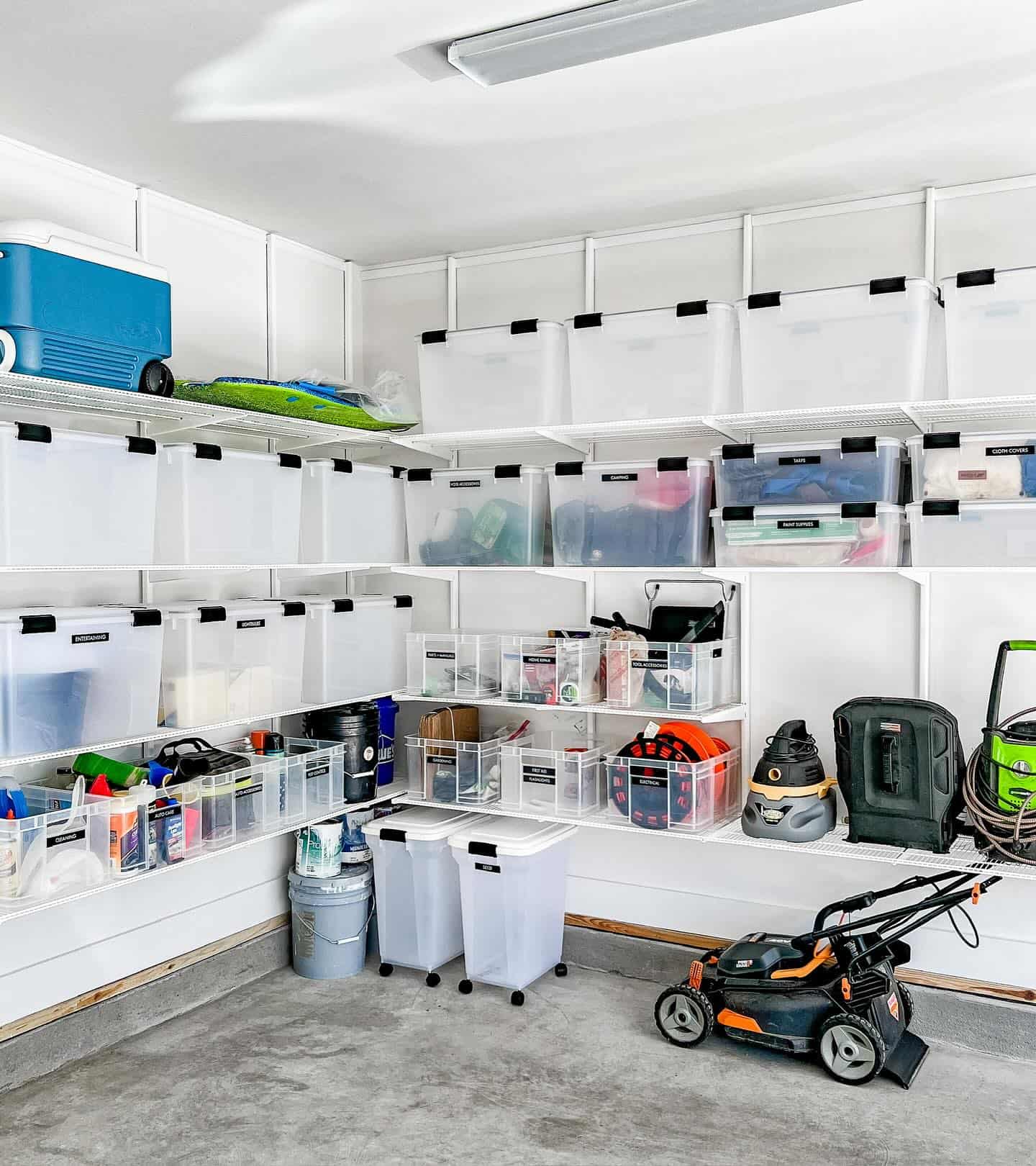
At first, I’d tidy up every few months, but I found that keeping things in check weekly or bi-weekly works best for me.
It doesn’t take much—just a few minutes to quickly put tools back in their designated spots, sweep up any dust or dirt, and check that the storage systems are still holding everything securely.
Schedule Time Monthly
Dedicate a specific day each month for garage maintenance. This time can be used to declutter and reorganize.
Declutter Regularly
During your monthly check, decide what to keep, donate, or discard. Get rid of items you no longer use. This keeps your space from getting cluttered again.
Adjust Storage Systems
As you use your garage, you may find that some storage solutions no longer work. Make changes as needed to keep things efficient.
Group Similar Items
Keep similar items together for easy access. For example, store all gardening supplies on one shelf and tools on another. This makes finding items simpler and faster.
Clean as You Go
While you maintain your garage, clean surfaces and floors. A quick sweep or wipe-down helps maintain a tidy appearance.
Involve Family Members
Get your family involved in the upkeep. Assign each person specific areas or tasks. This makes the process quicker and encourages teamwork.
Safety First

With everything from cleaning supplies to power tools scattered around, I knew I needed to store hazardous materials properly.
I made sure to keep things like chemicals, paint, and sharp tools in locked cabinets or high-up shelves where they’re out of reach from anyone else.
It wasn’t just about keeping things tidy—it was about preventing accidents.
Store hazardous items safely:
- Keep chemicals, paints, and cleaners on high shelves or in locked cabinets.
- Use clear, labeled containers to avoid mix-ups.
- Dispose of expired or unused items according to local guidelines.
Install safety equipment:
- Place a fire extinguisher near the garage entrance. Make sure it’s easily accessible.
- Install a carbon monoxide detector. This is crucial if you store fuel-powered equipment.
Use protective gear:
- Wear gloves when handling chemicals or sharp objects.
- Safety goggles can protect your eyes from dust and debris.
Keep your garage well-lit:
- Install bright, energy-efficient lighting. This helps you see hazards and prevent accidents.
Clear walkways:
- Ensure that paths are clear of obstacles. This helps prevent trips and falls.
Check for leaks:
- Regularly inspect for leaks from vehicles or storage containers. Address them immediately to avoid hazards.
Conclusion
Achieving an organized garage is the first step toward maximizing its use.
You’ll find that a tidy space not only looks better but also functions more efficiently.
Start implementing the tips provided to transform your garage.
From decluttering to smart storage solutions, each action contributes to a cleaner environment. You will be amazed at how much more space you can create.
Take action today. Each small change makes a big difference in how your garage serves you.
An organized garage can become a useful space for projects, storage, and more.
Embrace the challenge and enjoy the rewards that come with it.